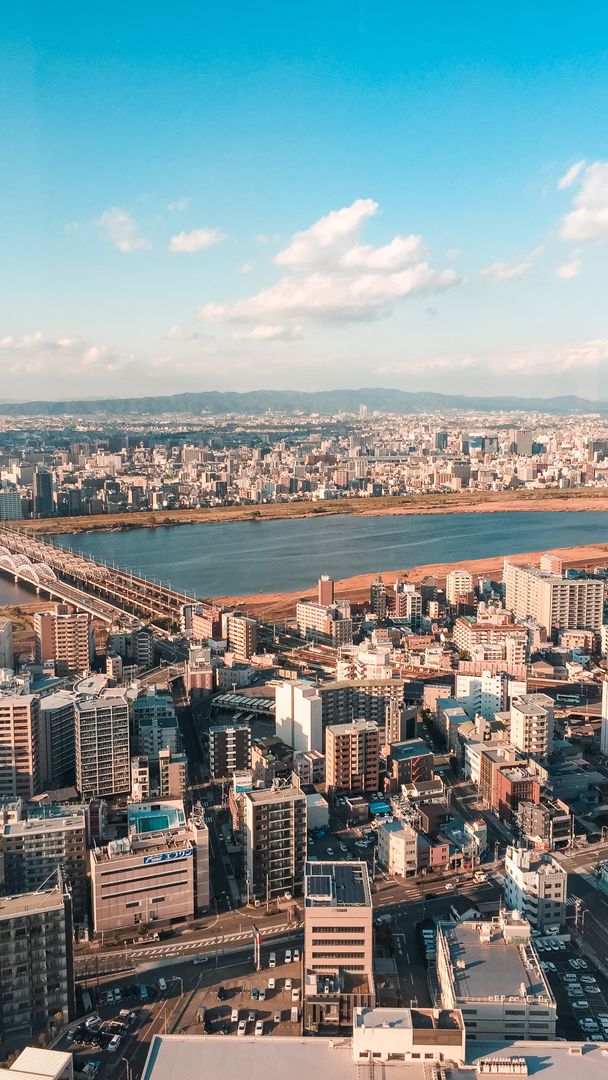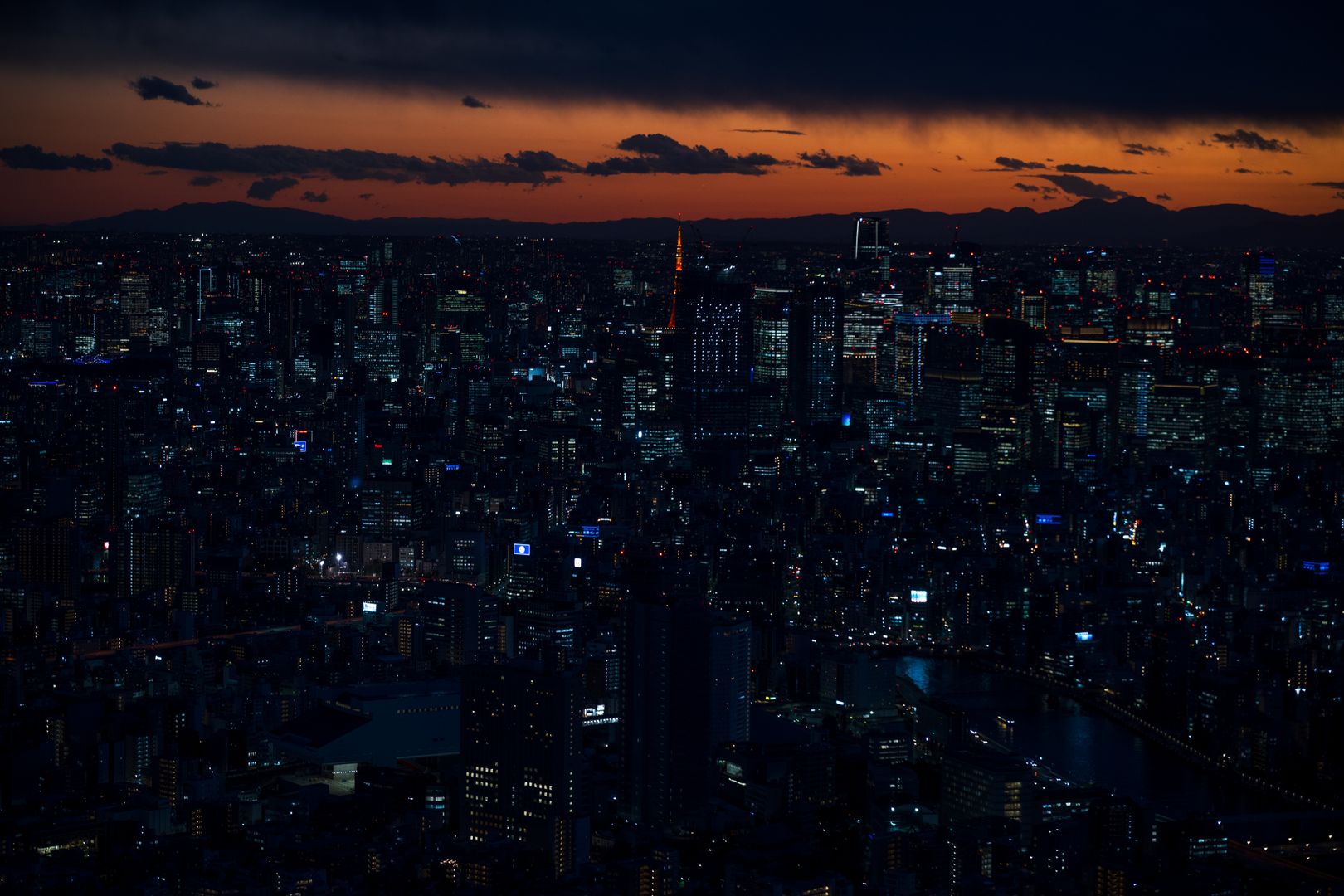

Tokyo spans 627 km² across 23 special wards and over 40 distinct neighbourhoods, each with its own character, price tier, and convenience profile. Where you stay determines your daily commute pattern and which parts of the city feel accessible — staying in the wrong area for your interests can add 45 minutes of transit time to every outing. The Yamanote Line, the circular JR loop connecting 29 stations in 60 minutes, forms the city's backbone. East of it (Asakusa, Ueno, Akihabara) tends toward tradition and affordability; west (Shinjuku, Shibuya, Harajuku, Omotesando) leans contemporary and expensive. Understanding this geography before booking is more useful than comparing hotel star ratings.
How Tokyo's transport logic shapes where to stay
The Yamanote Line connects every major neighbourhood in a continuous loop — two adjacent stations are 2–3 minutes apart by train. An IC card (Suica or Pasmo, purchasable at any convenience store for 2,050 JPY with 1,500 JPY credit) works across JR and all subway lines, eliminating the mental overhead of different payment systems. The distinction between train and metro barely matters in practice; Tokyo's coverage is so dense that you're never more than a 5-minute walk from a station.
The practical consequence: a neighbourhood's value depends almost entirely on whether it matches your daily rhythm. A design-focused visitor staying in Asakusa pays three train changes to reach Omotesando. A budget traveller in Shinjuku may never actually venture west of the station because the better value — cheaper meals, quieter streets — sits 30 minutes away.
Shinjuku: convenience and controlled chaos
Shinjuku Station processes 3.64 million passengers daily across 200 exits, making it the world's busiest train hub. This density has a corollary: hotel inventory is enormous. Within walking distance of the station, you'll find everything from capsule hotels (4,500–6,500 JPY) to business chains (Dormy Inn, Mitsui Garden; 11,000–18,000 JPY) to five-star properties (Park Hyatt, Hilton; 80,000+ JPY). This concentration means first-timers can book without extensive neighbourhood research.
Kabukicho, east of the station, is Tokyo's red-light district — neon storefronts, host clubs, pachinko parlours, and dense izakaya alleys. Walking through at night is entirely safe and remarkably atmospheric; it's where Tokyo's reputation for controlled excess becomes visible. The sensory experience (neon, smoke, pachinko noise) is genuinely distinct from anywhere else in the city.
Omoide Yokocho, a narrow alley of yakitori grills just north of the station, operates on a different register entirely. These are standing-only counters with a handful of stools, wood smoke so thick it stings your eyes, and regulars who've occupied the same spot for decades. A grilled chicken skewer costs 200–350 JPY. It's open-fire cooking in an era when most Tokyo eating happens in climate-controlled chains.
Golden Gai, a maze of 250 tiny bars in an adjacent alley, represents another category of Tokyo hospitality entirely — each bar seats 5–10 people at a narrow counter, often with a specialist focus (one bar only serves umeshu, another only jazz records). A single beer runs 800–1,200 JPY; most impose a 500 JPY table charge. The first-timer entry point is difficult (no signage, language barriers, informal door policies), but the experience is uniquely Tokyo.
Shinjuku Gyoen, the city's best park, sits 10 minutes south on foot. Its 58 hectares include three distinct garden styles (Japanese, French, English), and the 500 JPY entry fee includes access to one of Tokyo's better cherry blossom sites (late March to early April). November brings maples that justify a return visit.
Best for: first-time visitors prioritizing convenience; anyone making frequent day trips by Shinkansen or intercity coach (all major lines depart from Shinjuku Station or nearby); travellers with no specific neighbourhood preference.
Shibuya: the crossing and the real attractions
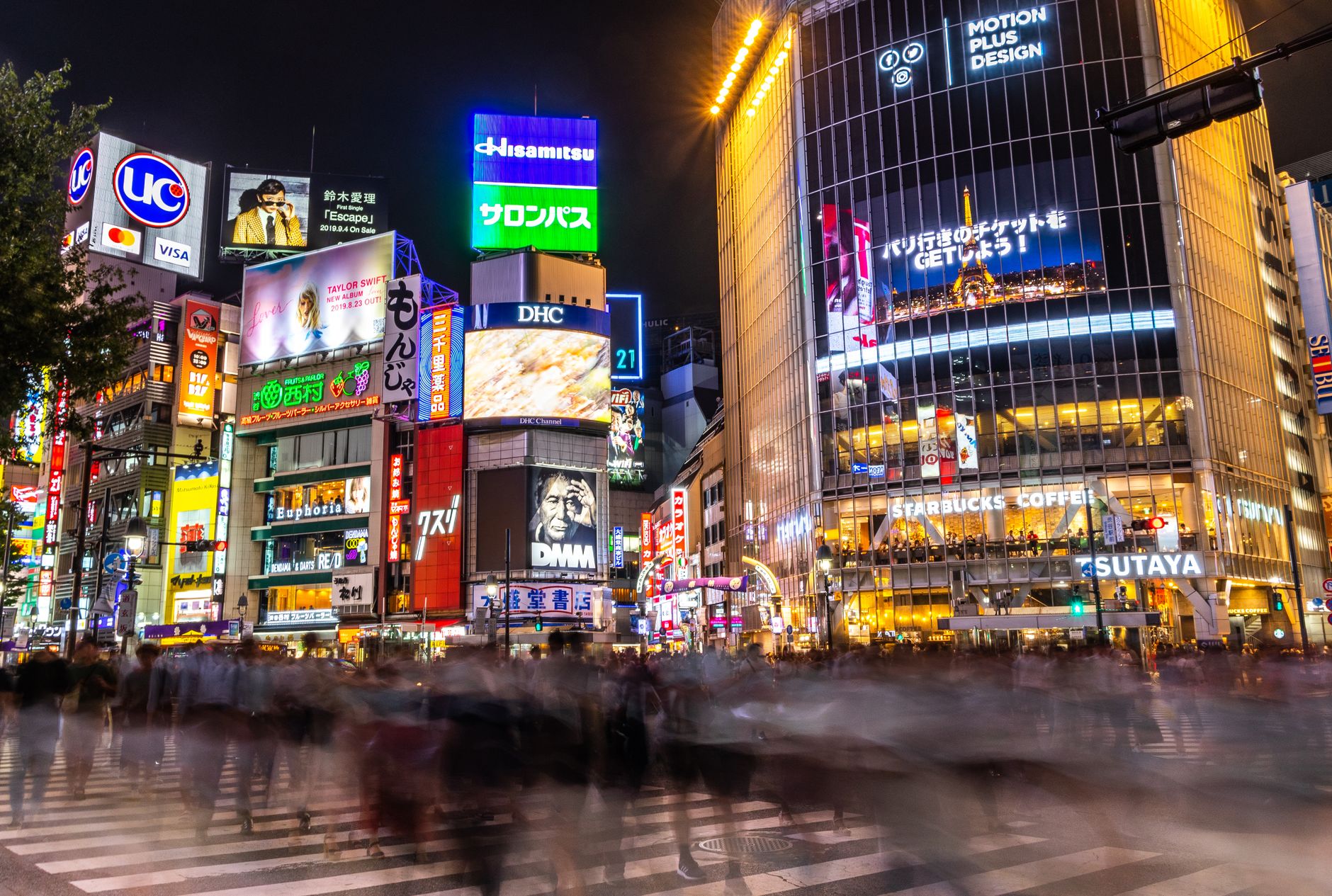
The Shibuya Crossing, where up to 3,000 pedestrians cross simultaneously every 2 minutes, has become Tokyo's most photographed intersection. The best vantage points are the Starbucks overlooking the crossing (arrive 15 minutes early for a window seat) or the observation deck in Shibuya Sky (2,000 JPY, 46 floors up). The crossing itself is a 30-second experience; the area around it is worth more.
The neighbourhood's real draw is shopping infrastructure. Shibuya 109, a department store built vertically around a central escalator shaft, caters to fashion-forward teenagers and young adults — brands, price points, and aesthetics skew younger than the upscale Omotesando. Tokyu Hands, across the street, is a six-floor design and craft supply emporium. These stores are genuinely useful for anyone shopping seriously; they're tourist spectacles only in the sense that tourists photograph the crowds.
Ten minutes south on foot brings you to Daikanyama and Nakameguro, two neighbourhoods that feel geographically adjacent but culturally entirely separate from Shibuya's commercial density. Daikanyama is quiet residential streets, independent boutiques, vinyl record shops, and small restaurants. Nakameguro follows a canal lined with cherry trees and willow branches — in late March, during peak bloom, it's one of Tokyo's better settings for an evening walk. The Tsutaya Books flagship (a forest-like bookstore occupying a full city block) anchors the eastern end of Nakameguro and is worth a full hour of browsing regardless of whether you intend to buy.
Hotels in Shibuya and its satellites cluster in the mid-range (Shibuya Excel Hotel, Mitsui Garden; 13,000–22,000 JPY). The area is more expensive than Asakusa, cheaper than Omotesando.
Best for: fashion-focused visitors; younger travellers; anyone wanting walkable access to both high-street shopping and quieter residential streets within the same commute.
Asakusa: Tokyo's historical core, with tradeoffs
Senso-ji Temple, Tokyo's oldest temple (founded 645 CE), anchors Asakusa. The approach proceeds through Nakamise, a covered shopping street of traditional craft vendors and souvenir stalls. Both are genuinely worth seeing, but timing determines the experience. Before 8 am, before tour groups arrive, you can navigate the temple grounds and shopping street at a normal pace. After 9 am, expect shoulder-to-shoulder crowding and selfie-stick density.
The neighbourhood itself — narrow streets of older wood buildings, traditional restaurants, rickshaw operators waiting for tourists — is Tokyo's most visibly historical district. It avoided the worst of the 1945 firebombing, unlike most of central Tokyo, and the street grid retains the pre-war character. Accommodation is the cheapest in central Tokyo: business hotels run 6,500–9,500 JPY, and capsule options exist at 3,000–4,500 JPY.
The tradeoff is geographic. Asakusa sits east of the Yamanote Line's main cluster. Reaching Shinjuku or Shibuya requires a subway transfer (typically the Ginza Line heading west), adding 15–20 minutes to the commute versus staying in those neighbourhoods. This matters if your itinerary involves frequent shopping or nightlife in Shinjuku/Shibuya; it's irrelevant if you're planning to spend mornings in Asakusa and build the rest of your day eastward (Ueno's museums are two stations away on the same line).
Best for: travellers prioritizing traditional Japanese atmosphere and budget; those with a specific museum or cultural focus that concentrates time in the east-side neighbourhoods; older visitors for whom pace of life matters more than nightlife access.
Ueno: museums and practical convenience
Ueno functions as Tokyo's museum quarter. The Tokyo National Museum (1,000 JPY) holds the world's largest collection of Japanese art and archaeology — budget two hours minimum. The National Museum of Western Art, the National Museum of Nature and Science, and Ueno Zoo (600 JPY) all sit within walking distance. A family planning to spend a full day in museums should base themselves here.
Ameyoko, a street market famous for discount goods and fresh seafood, runs beneath the elevated JR tracks. It's more functional than scenic — older shoppers buying vegetables and housewares rather than tourist experiences — but it's genuinely useful if you need specific items.
Ueno Station is a major Shinkansen hub for northbound travel (Tohoku Shinkansen to Sendai, Aomori; Hokuriku Shinkansen to Kanazawa). If your itinerary involves an early morning Shinkansen, staying in Ueno rather than Shinjuku saves 20 minutes of commute time.
Accommodation is affordable (business hotels 7,500–12,000 JPY) without the budget-tier compromises of Asakusa. The neighbourhood lacks nightlife and cultural energy — it's utilitarian rather than atmospheric.
Best for: families with children; museum enthusiasts planning to spend multiple days in Ueno's collection; travellers catching early Shinkansen departures to northern Japan.
Akihabara: depth or spectacle depending on your interests

Akihabara's reputation precedes it: electronics, anime, manga, maid cafés, gaming culture concentrated in a six-block radius. Yodobashi Camera and Akihabara Radio Kaikan are legitimate electronics retailers with inventory that justifies browsing if you're tech-interested; for casual observers, they're overcrowded and disorienting. The retro game shops (Beep, Super Potato) hold genuine depth if you collect 8-bit cartridges.
The maid café phenomenon — small cafés where waitstaff in costume treat customers as "masters" — exists here, but it's a narrow subculture accessed primarily by people seeking it specifically. Most visitors find the novelty wears thin after 10 minutes.
Food around Akihabara is thin on the ground. There's cheap ramen (700–900 JPY), convenience store options, and expensive restaurants. Eat before or after visiting rather than planning a meal within the district.
Akihabara is best visited as a focused 1–2 hour excursion rather than as a base for a night's stay. Unless anime and electronics are core interests, the sensory overload (crowds, noise, visual stimulation) exceeds the actual content.
Best for: visitors with specific tech or anime interests; brief, focused visits rather than neighbourhood-based stays.
Omotesando and Harajuku: architecture, fashion, and shrine contrast
Omotesando, Tokyo's most architecturally dense shopping avenue, stretches north from Omotesando Station toward Meiji-jingu. The street is remarkable not for the brands (Prada, Louis Vuitton, Gucci occupy flagship stores you'd find anywhere) but for the architecture they commissioned. Prada by Herzog & de Meuron, TOD's by Toyo Ito, and Dior by Kazuyo Sejima are buildings worth viewing even if you don't enter to shop. Allow 90 minutes for a slow walk north to the Aoyama Cemetery (a peaceful, tree-lined burial ground at the street's north end).
Harajuku, immediately adjacent to the south, represents a complete register shift. Takeshita Street, the main pedestrian shopping thoroughfare, is dense with teenage fashion boutiques, crepe stands, and pop-culture retail. The crowd skews young and tends toward peak density on weekends. The real value is the juxtaposition: exit the south side of Harajuku Station and walk 3 minutes into the forest surrounding Meiji Jingu Shrine, Tokyo's most significant Shinto shrine. The contrast between the commercial chaos and the shrine's serene, forested grounds is one of Tokyo's underrated experiences.
A recommended circuit: morning visit to Meiji Jingu (arrive before 9 am), then walk south through the forest to Omotesando, spending the afternoon on the architecture walk. Dinner in Omotesando or the adjacent Aoyama neighbourhood (generally expensive; expect 4,000–8,000 JPY for sushi, kaiseki, or contemporary Japanese).
Hotels in this zone are expensive (Omotesando/Harajuku area hotels: 16,000–25,000 JPY for mid-range options; luxury properties at 80,000+ JPY). The area is best visited as a day circuit from Shinjuku rather than used as a primary base.
Best for: design-focused visitors; fashion enthusiasts; anyone interested in contemporary Japanese architecture.
Shimokitazawa and Yanaka: for return visitors or slower itineraries
Shimokitazawa, in the southwest corner of the Yamanote Line, is Tokyo's village district — narrow streets, small vinyl record shops, vintage clothing stores, and live music venues in basement clubs. It's quieter and slower-paced than any of the major commercial neighbourhoods. The trade-off: it's 25 minutes from Shinjuku by train and has less accommodation inventory.
Yanaka, in the northeast, is a surviving Showa-era (1920s–1960s) neighbourhood that avoided firebombing. Narrow residential streets, small galleries, traditional tea shops, and cats seem to outnumber people. It's atmospheric in a way that feels specifically not designed for tourists. Getting there requires a subway transfer; the payoff is genuine quiet.
Both neighbourhoods are better suited to second visits or longer stays (4+ nights) when you're willing to invest time in a slower exploration. For a first 2–3 night visit, they're a detour.
Best for: repeat visitors; travellers staying longer than four nights; anyone seeking neighbourhood atmosphere over convenient proximity to major attractions.
How to think about hotel booking and timing
Tokyo hotels fill predictably around cherry blossom season (late March–early April) and autumn foliage season (November). Book 12+ weeks ahead for those periods. Spring break (March–April) and summer holidays (August) also see elevated prices and scarcity.
For standard periods, book 4–6 weeks ahead to access reasonable inventory without paying premium rates.
Reliable chains across all neighbourhoods:
- Dormy Inn: 8,500–14,000 JPY. Include small onsen (communal bath) and complimentary late-night ramen. Available in Shinjuku, Shibuya, Asakusa, and Ueno.
- Mitsui Garden Hotel: 12,000–18,000 JPY. Slightly higher comfort ceiling than Dormy. Locations in Shinjuku, Shibuya, Omotesando.
- Capsule hotels (Anshin Oyado, Nine Hours): 3,500–5,500 JPY. Functional sleeping only, but genuinely clean and accepted practice for budget travel in Tokyo.
Practical note: single occupancy in Tokyo doesn't command the price premiums it does in other cities. A double room costs only slightly more than a single, making couples' travel relatively affordable.
Neighbourhoods by traveller type
| Traveller type | Best neighbourhood | Why | Second choice |
|---|---|---|---|
| First-timer | Shinjuku | Maximum convenience, hotel density, day trip access | Shibuya |
| Couple, culture-focused | Omotesando/Harajuku | Design, architecture, temple contrast | Shimokitazawa |
| Budget-conscious | Asakusa | Lowest accommodation, temple access, preserved character | Ueno |
| Family with young children | Ueno | Museums, zoo, manageable scale | Shinjuku |
| Architecture/design enthusiast | Omotesando | Flagship buildings, street walk, galleries | Shimokitazawa |
| Repeat visitor, 5+ nights | Yanaka or Shimokitazawa | Neighbourhood character, slower pace, local discovery | Ikebukuro |
| Anime/tech focused | Akihabara | Direct access, but visit as day trip from Shinjuku | — |
A specific recommendation: where to actually stay
For your first Tokyo visit (2–4 nights): stay in Shinjuku. The cost premium (2,000–3,000 JPY per night versus Asakusa) is offset by saved commute time and the freedom to explore in any direction. A mid-range Dormy Inn or Mitsui Garden (12,000–15,000 JPY) offers comfort, bathing facilities, and no research friction. Use the location as a hub — day trips to Asakusa, Omotesando, or Ueno radiate easily from here.
For a second visit or longer stay (5+ nights): base yourself in Asakusa or Shimokitazawa. The slower pace and neighbourhood character repay the extra transit time on the days you venture toward Shinjuku. Budget accommodation in Asakusa (capsule or business hotel, 5,000–8,000 JPY) frees money for meals and experiences.
For a design-focused trip (any length): stay near Omotesando or in Shibuya and day-trip to Omotesando. The walk itself is the experience; you don't need to base yourself there.
Frequently Asked Questions
Is Shinjuku or Shibuya better for a first-time visitor?
Shinjuku. It has the best hotel inventory, the largest train station, and the easiest day trip access to other neighbourhoods. Shibuya is worth a full day visit, but staying there adds unnecessary commute friction compared to Shinjuku's central position.
What's the best time to visit Tokyo without extreme crowds?
May–June (post-cherry blossom, pre-summer heat) and September–October (post-humidity, pre-autumn foliage) are the sweet spots. November is crowded due to autumn colours but offers excellent weather. Avoid March–April and August unless you have a specific reason.
Should I buy a JR Pass if I'm only staying in Tokyo?
No. A JR Pass is cost-effective only if you're doing multiple Shinkansen trips (Tokyo to Kyoto, Tokyo to Hiroshima). For Tokyo-only stays, buy an IC card (Suica or Pasmo, 2,050 JPY) and load credit as needed. Single trips cost 150–300 JPY.
Is Asakusa worth visiting if I'm not interested in temples?
Partially. Senso-ji Temple is Tokyo's most-visited sight, but Asakusa's value extends to neighbourhood character — quiet streets, traditional shops, accessible accommodation. If you're culture-focused, yes. If you're only interested in shopping and nightlife, skip it and spend the time in Omotesando or Shibuya.
How long should I spend in Akihabara?
One hour to 90 minutes as a day trip, not as a base. Unless anime collecting or retro gaming is a core interest, the sensory experience exceeds the actual content. Walk Yodobashi or Radio Kaikan briefly, visit one specialist shop (Super Potato for retro games, Mandarake for manga), then move on.
What's the single biggest mistake first-timers make about Tokyo neighbourhoods?
Staying too far from the Yamanote Line to save money. An extra 3,000 JPY per night in Shinjuku versus a cheaper hostel in a distant neighbourhood saves 15–20 hours of commute time over a four-night stay. The math favours proximity for short visits.