

Kampot sits on the Kampot river in southern Cambodia, 5km from the Gulf of Thailand coast and 148km from Phnom Penh. The town is not famous for a single monument — it is famous for pepper, for French colonial architecture in various states of repair, and for a pace that functions as a direct contrast to the Angkor Wat circuit that dominates most Cambodia itineraries. Kampot pepper (GI-protected since 2010) is exported to Michelin-starred restaurants in Europe and Asia; the red, black, and white peppercorns grown on vines in the hillside farms southeast of town are a genuine agricultural product of distinction and available for direct purchase at source prices. Most visitors arrive for 2 days and stay 5.
The Town
Kampot's old quarter lines the west bank of the Kampot river between the roundabout market (Psar Chas) and the old French bridge (destroyed 1975, replaced by a concrete span). The French colonial buildings — two-storey shophouses with arched colonnades, balconied upper floors, and peeling plasterwork — were built from the 1880s through the 1920s. Several have been restored as hotels and restaurants; more remain in their original state of productive dilapidation, used as shopfronts or residences with no restoration pending.
The riverfront promenade (Riverside Road) is the evening activity — sunset over the river and the Elephant Mountains behind it. The Kampot pepper crab served at the riverside restaurants is the direct benchmark for the region's agricultural output: mud crab cooked with fresh green peppercorns picked that morning from the vines, finished with butter. €6–12 for a portion.
Psar Leu market (the new upper market, 1km from the river): the functional daily market where Kampot residents shop — fresh produce, Kampot pepper in all colours at a fraction of export prices, dried seafood, and the river fish (trey pama, trey chhork) that form the base of Khmer river cooking.
Bokor Hill Station
Bokor National Park and the abandoned French colonial hill station at its heart sit on a plateau at 1,080 metres, 34km from Kampot town. The station was built in 1921–1925 as a highland resort for French colonists and abandoned twice — first during the First Indochina War (1945–1953) and again during the Khmer Rouge period (1975–1979). The buildings: a casino and hotel (the Bokor Palace), a church (Église Saint-Michel), and a post office, all left derelict for decades and partially occupied by the Khmer Rouge.
The access road (34km, sealed but steep) is navigable by motorbike or car. The mist rolls in from the gulf in the afternoon, which creates the specific Bokor atmosphere — the ruins emerging from and disappearing into cloud — but also reduces the view completely. Go in the morning for the views over the Gulf of Thailand; expect mist by 11am.
Entry to the national park: free. The road past the ruins continues to a functioning casino and hotel complex built in 2018 — a jarring contrast to the decay beside it.
Motorbike rental in Kampot town: ¥5–10/day ($5–10). Guided motorbike tours to Bokor: $15–25 including the guide's bike.
Kampot Pepper Farms
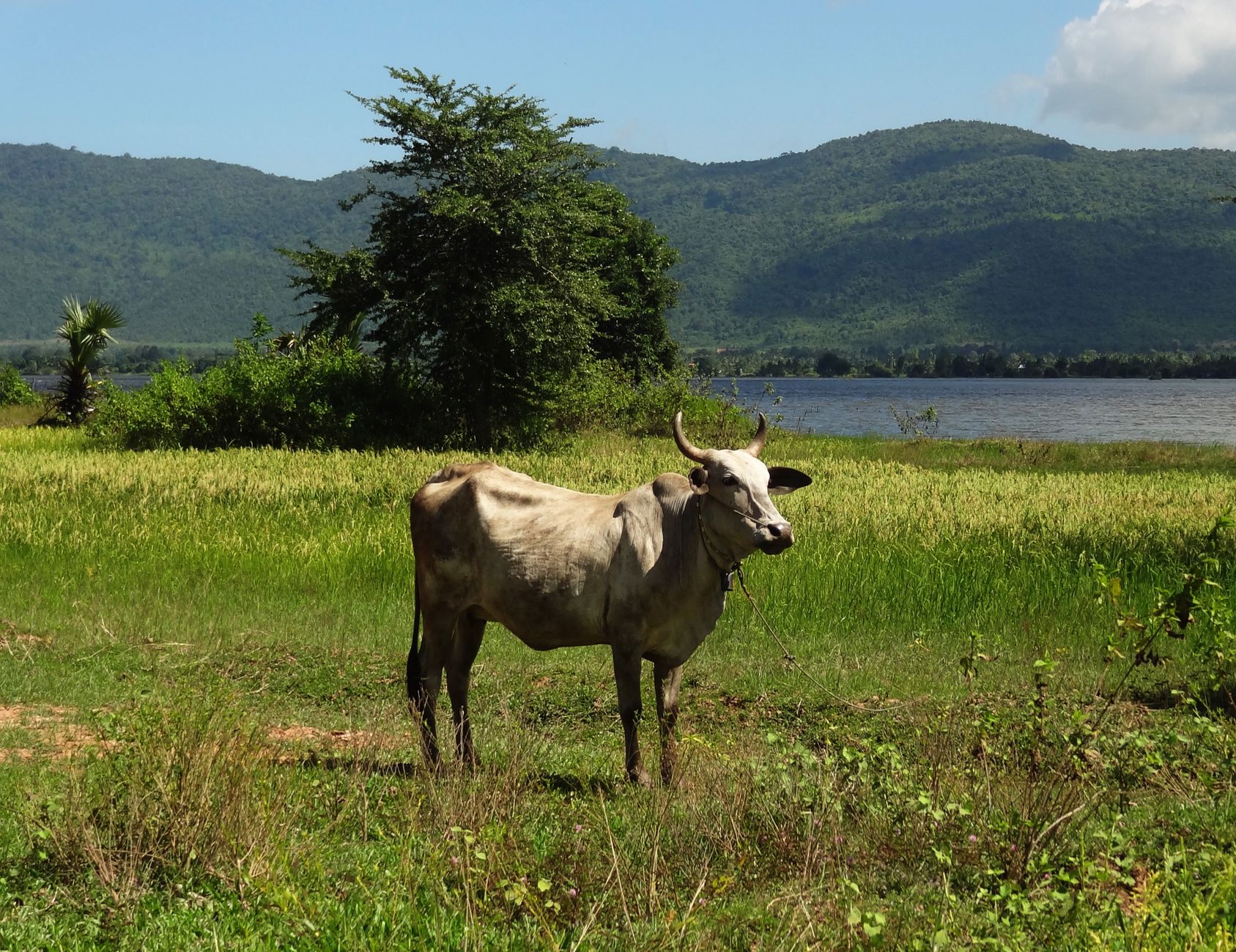
The pepper farms are in the Kampot and Kep districts of Kampot province, concentrated in the villages south and southeast of town along the coast road. The GI designation requires cultivation in a specific geographic zone using traditional methods — the vines grow on bamboo poles, hand-harvested twice a year.
Several farms offer guided visits showing the vine cultivation, processing, and the differences between colours (green pepper is unripe, black is dried unripe, red is fully ripe, white is processed ripe). Entry ¥$2–5 at most farms; the pepper purchased directly is 30–50% cheaper than in Phnom Penh shops and 70% cheaper than European specialty food shops.
La Plantation (15km southeast of Kampot) is the most organised farm visit with English-language tours and a full tasting. Sothy's Pepper Farm is more informal and closer to town.
Kep
Kep is a small coastal town 25km east of Kampot — 30 minutes by tuk-tuk or motorbike. It was a French colonial beach resort in the 1950s and 1960s, destroyed by the Khmer Rouge (1975–1979), and is now slowly rebuilding. The ruins of the colonial villas are scattered through the scrub behind the beach — the concrete bones of holiday houses reclaimed by vegetation.
Kep crab market: the town's functional reason to visit — floating restaurant platforms and onshore stalls where freshly caught mud crab is served immediately. The Kampot pepper crab here is the cleaner, simpler version: crab cooked with green peppercorns, butter, and garlic. €8–15 for a portion.
Koh Tonsay (Rabbit Island): accessible by boat from the crab market pier (15 minutes, €6 return). A small island with basic guesthouses, a main sandy beach, and the clearest water near the Cambodian mainland coast.
Getting to Kampot
From Phnom Penh: Giant Ibis or Mekong Express bus, 3–3.5 hours, $8–12. Multiple daily departures from Phnom Penh Central Bus Station. These two operators are more reliable than cheaper alternatives.
From Sihanoukville: bus, 2 hours, $5–8. The coastal road via the Ream National Park junction.
From Bangkok: overland via the Cham Yeam/Hat Lek border crossing, 8–10 hours total including border. The Koh Kong–Sihanoukville–Kampot route takes a full day.
Kampot bus station is 1km north of the town centre — tuk-tuk to guesthouses: $2–3.
When to Visit Kampot
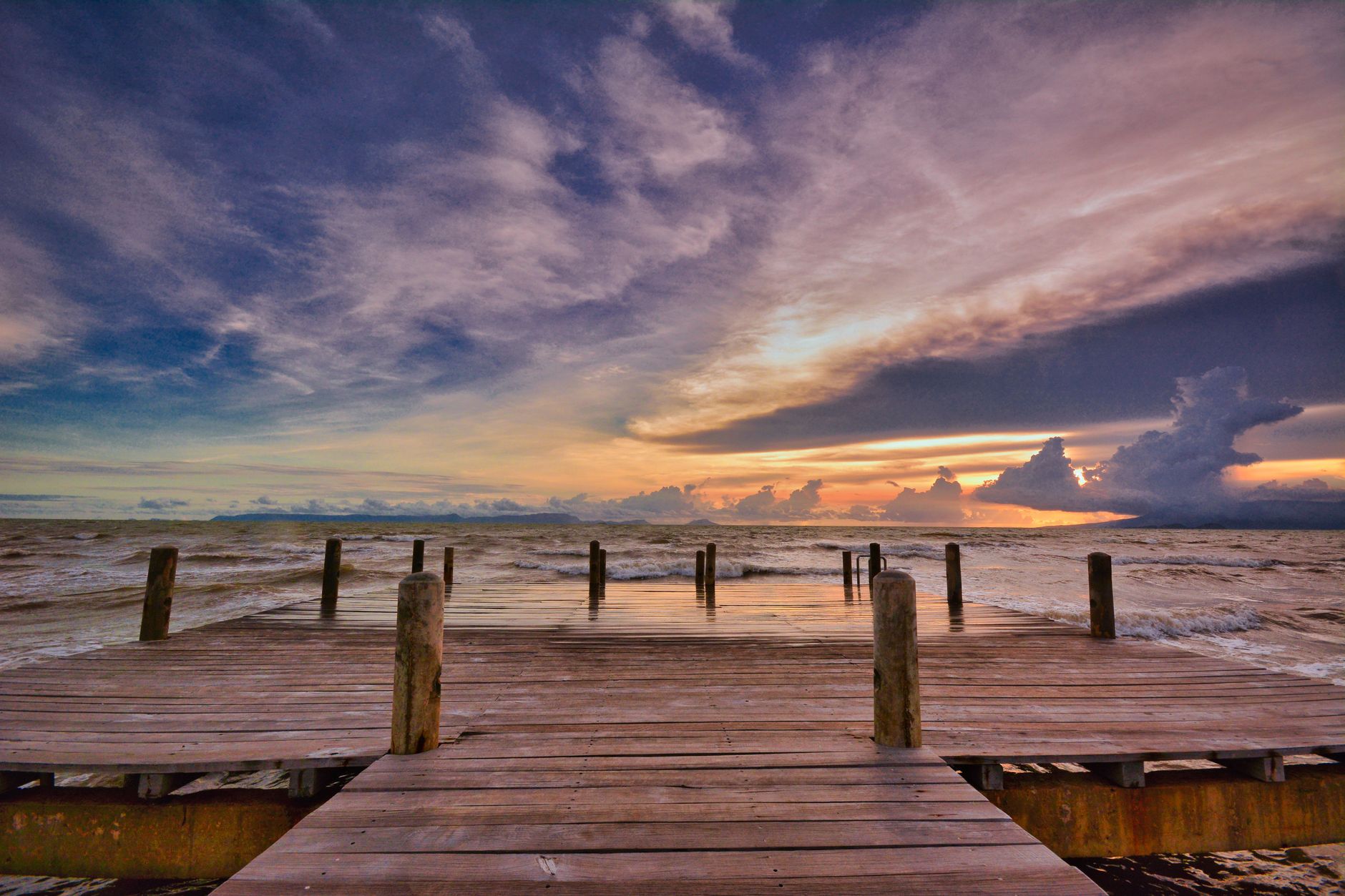
November–April: the dry season — this is when to visit. Temperatures 25–32°C, low humidity (especially November–January), the pepper farms at their most accessible (harvest periods are February–May and August–October). December–February is peak season; book accommodation 2–3 weeks ahead.
May–June: pre-monsoon, hot (33–36°C), but the green pepper on the vines and the hillsides freshly green after the previous wet season. The Bokor road is accessible.
July–October: wet season. Heavy afternoon rain, occasional Bokor road closures, the Kampot river floods in October. The town remains functional but the outdoor activities that define Kampot are curtailed.
Frequently Asked Questions
What is Kampot pepper and why is it famous?
Kampot pepper is a GI-protected agricultural product — peppercorns grown in the Kampot and Kep provinces of southern Cambodia, where the specific microclimate and soil produce a pepper with higher aromatic complexity than most commercially traded pepper. It was exported to French restaurants in the colonial period, disappeared from international markets during the Khmer Rouge years (1975–1979), and has been re-established since the 1990s. It commands premium prices internationally.
How long should you stay in Kampot?
Two to three days covers the town, Bokor (one morning), and Kep (one afternoon). Many visitors extend to 4–5 days, particularly during dry season when the hammock-and-river pace is the specific appeal. Beyond 5 days, you will need a motorbike and willingness to explore the countryside independently.
Is Kampot suitable for solo travellers?
Yes — it is one of the most low-key destinations in Cambodia, with a well-established guesthouse infrastructure, few scams compared to Phnom Penh or Siem Reap, and a social atmosphere (riverfront restaurants, guesthouse common areas) that makes solo travel comfortable.
Can you combine Kampot with Siem Reap on a Cambodia trip?
Yes, but they require separate transport. The standard Cambodia circuit is Phnom Penh + Kampot/Kep (south) + Siem Reap (north, for Angkor). Phnom Penh sits between them — base there for 2–3 days and use it as the transit point for both directions.
What is the currency in Kampot?
Cambodia uses the US dollar for most transactions alongside the Riel (4,000 Riel = $1). In Kampot, prices are typically quoted in dollars. ATMs dispense dollars; small change is often given in Riel.


