
Bangkok's defining feature isn't its temples or night markets — it's the friction of moving through it. The BTS Skytrain covers maybe a third of the city; everything else requires planning. Traffic is so severe that a 3km journey in a tuk-tuk can take 40 minutes. The areas worth visiting are scattered across different districts, connected by overlapping transport networks that don't always overlap where you need them to. Spontaneity works against you here. The travellers who enjoy Bangkok are the ones who accept this upfront and build routes around it, not around a mental map of "must-sees."
Where to base yourself in Bangkok
Your accommodation location determines how much time you waste in transport. Three neighborhoods make sense for first-timers; the rest create friction.
Sukhumvit (BTS Asok to Phrom Phong) is the safest default. The BTS line runs directly through this corridor, stopping at 14 stations between Siam and On Nut. Every major international food chain exists here; every convenience store stocks Western toiletries. Hostels cluster around Nana and Ari BTS stops, mid-range hotels around Asok and Phrom Phong. The neighborhood is noticeably less Bangkok — more international, more predictable, more expensive. Best for first-timers who want to minimize friction and aren't prioritizing the temple district or local food immersion. A 3-night stay here barely requires consulting a map.
Silom/Sathorn (BTS Chong Nonsi, Sala Daeng) is the quieter alternative, centered around Lumphini Park and the older diplomatic quarter. Fewer tourists, better local restaurants, less nightlife noise. Transport links are solid — the BTS runs along both thoroughfares — but getting to Khao San Road or Chatuchak requires a transfer. This area works better for stays of 4+ nights, when you've oriented yourself and don't need everything within walking distance. Hotels here are slightly cheaper than Sukhumvit for equivalent quality.
Riverside and Rattanakosin (near Khao San Road, Wat Pho, Grand Palace) trades convenience for atmosphere. You're in the historic district, walking distance from every major temple. The problem: getting anywhere else requires a plan. The BTS doesn't reach here. Grab rides to other neighborhoods cost 100–150 THB and sit in the same traffic as tuk-tuks. The Chao Phraya River Ferry connects Rattanakosin to Silom and the business districts, but only if you're traveling between specific piers at specific times. Stay here only if temples and the old city are your entire Bangkok agenda. Skip the Khao San Road hotels specifically — the street is a backpacker funnel, overpriced, loud until 2am, and surrounded by predatory tuk-tuk drivers.
Skip anywhere near Siam Center and the Siam BTS interchange entirely. It's a mall district masquerading as a neighborhood.
How to get around Bangkok
BTS Skytrain is the fastest transport option and the only one that avoids traffic. Operates 6am–midnight. Single journeys cost 16–59 THB (roughly €0.40–€1.50) depending on distance; buy a Rabbit Card at the airport or any BTS station for 150 THB (includes 50 THB credit). Load it with 500 THB increments and reuse it for metro/ferries too. The Skytrain covers Sukhumvit, Silom, Siam, and extends northwest to Mo Chit (near Chatuchak Market) and southwest to Bearing. It doesn't reach Khao San Road, Chinatown, or the temple district directly.
MRT (subway) is slower but extends the network south to Hua Lamphong (the main train station) and west. Useful for Chatuchak Market if you take the Northern Line to Mo Chit station (BTS is closer, but MRT works). Same card system.
Grab (the Southeast Asian ride-hailing app) is essential for anywhere the rail network doesn't reach. Show the driver the destination in Thai on your phone screen — most drivers don't speak English, but they read Thai addresses. During heavy rain, surge pricing triggers immediately; a 4km journey can jump from 80 THB to 250 THB. Download the app before arrival, register with a Thai phone number (buy a SIM card at the airport first).
Tuk-tuks are slower than Grab, sit in the same traffic, and require negotiating a price upfront. Use them for short hops under 2km in light traffic only. The "friendly driver suggests a temple visit because the first one is closed" scam is still active — decline, or risk losing 2 hours and 500 THB on gem shop commissions.
Chao Phraya River Ferry is the least-understood transport option and often the fastest for crossing the river. The orange-flag boat (Line 3) runs from Sathorn Pier (near BTS Chong Nonsi) all the way north to Phra Athit Pier (near Khao San Road) in 15 minutes for 15 THB. Tourist "hop-on hop-off" boats charge 200 THB for the same journey. Buy tickets at the pier; schedules run every 10–15 minutes during the day.
What's actually worth your time

Most first-timers waste days on temples because temple visits are the documented thing to do. Prioritize ruthlessly.
Wat Pho (Temple of the Reclining Buddha) deserves the 200 THB entry. The Buddha statue is 46 meters long and genuinely disorients you — the feet alone are 5 meters. The site includes intricate cloisters and a functioning monastery. Go before 8:30am, when tour groups haven't arrived. Allow 90 minutes. The entry dress code is enforced: covered shoulders and knees. Carry a scarf.
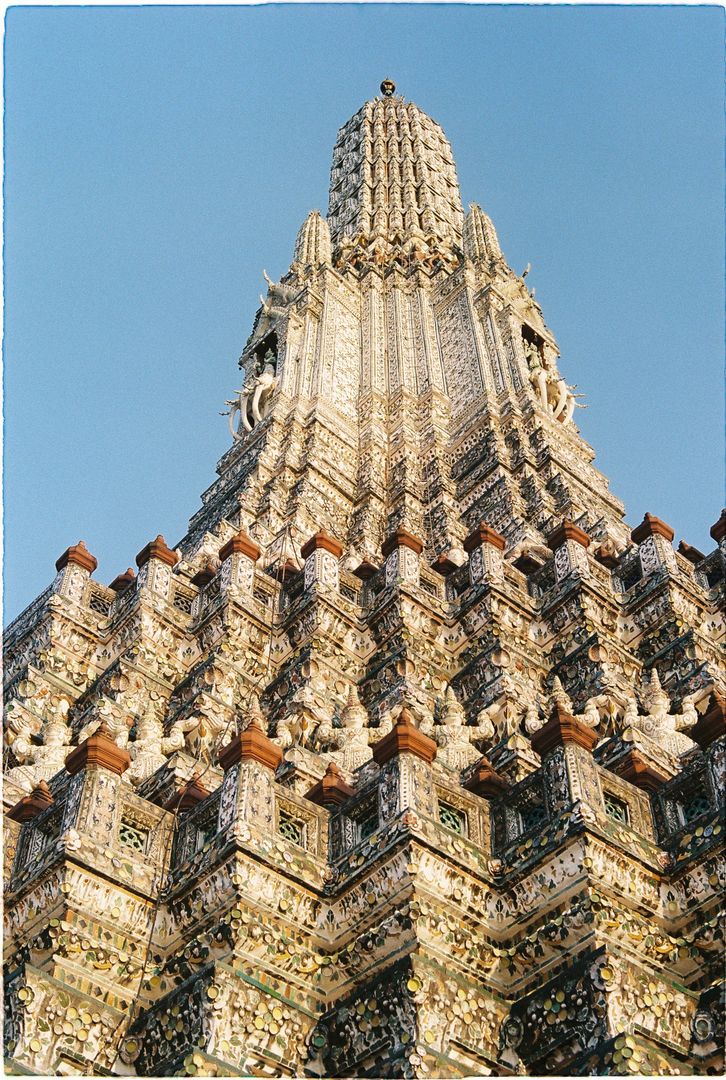
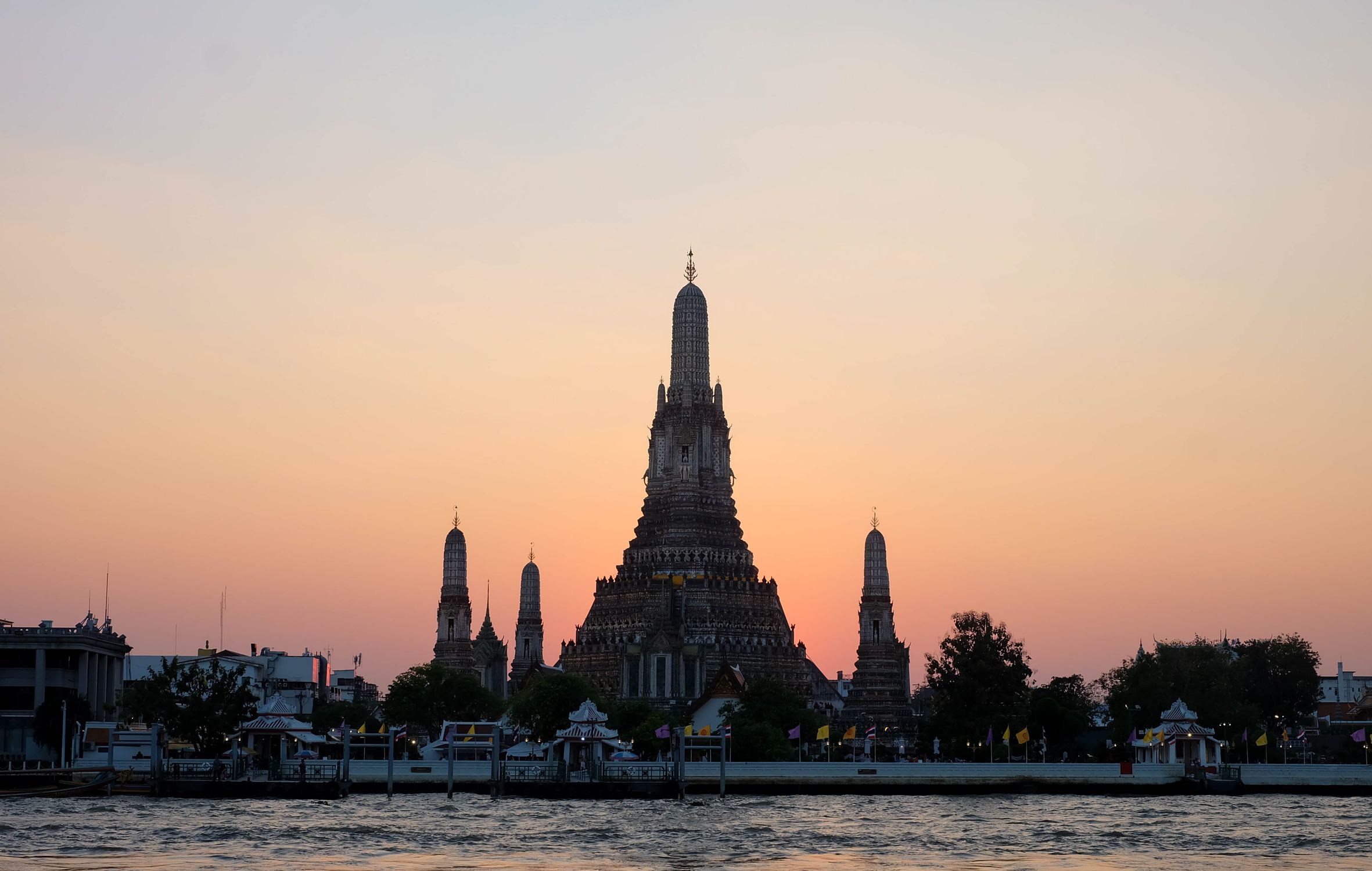
Wat Arun (Temple of Dawn) across the river is photogenic from the water but unremarkable from inside (100 THB entry). The best view is free: stand on the opposite bank at dusk and photograph it silhouetted against the river. If you've already done Wat Pho and the Grand Palace, skip this. If you have 5 days and temple district is a priority, do it.
Grand Palace and Wat Phra Kaew is heavily touristed but genuinely impressive for 2 hours. The complex includes intricate detail — inlaid glass, gold leaf, tile work — that photographs don't convey. The dress code is strict: covered shoulders, no sleeveless shirts, knees covered. Allow 2 hours. Entry is 500 THB. Skip if you've already done Wat Pho and Wat Arun — the visual fatigue is real, and a third temple in 3 days yields diminishing returns.
Chatuchak Weekend Market operates Saturdays and Sundays only, sprawling across 15,000 stalls. Navigate by section: 2–4 for clothes and fashion, 7 for antiques and home curiosities, 8–9 for homeware. Arrive by 9am before the heat becomes intolerable. There's no air conditioning, and peak heat (11am–3pm) makes it punishing. This isn't food-focused — there are food stalls, but treat them as bonus. The market itself is the draw. Allow 3 hours minimum. Take the BTS to Mo Chit station.
Lumphini Park is useful if you're staying in Silom and want a morning walk or run. It's a legitimate park with a walking track, some local joggers, and monitor lizards in the pond. It's not a destination by itself.
Don't visit multiple temples in a single day. The visual and thermal fatigue is real, and they blur together. Do one properly.
Bangkok eating: how it actually works
Street food is everywhere, but not everything on the street is worth eating. Look for high-throughput stalls — lots of local customers, fast turnover, cash-only payment. These are usually good. The inverse is also true: empty tourist-facing stalls often serve mediocre food at 3× price.
Khao soi (northern-style curry noodles) and pad see ew (stir-fried dark noodles) are Bangkok staples, identifiable at any small stall. Tom yum soup on Khao San Road costs 80 THB; the same thing at a market stall costs 20 THB. The price difference is purely location markup.
Night markets rotate but maintain reliable core locations. Train Night Market (Srinakarin Road, Thursday–Sunday, 5pm–midnight) is the most established. Jodd Fairs (multiple locations, Friday–Sunday evenings) focuses on vintage and secondhand goods mixed with food stalls. These are social experiences more than food destinations — the energy is the point.
Rooftop bars like Sky Bar at Lebua are famous and expensive. Minimum spend is 800 THB per person. Go if Instagram views matter; skip if you're looking for value.
Practical essentials
Dress code at temples: shoulders and knees must be covered. Long pants or skirts, closed shoes. Carry a lightweight scarf that covers shoulders if you're unsure about a specific outfit. It's not negotiable — you won't be admitted otherwise.
Water: don't drink tap water. Convenience stores (7-Eleven, which appear every 150–200 meters) sell 1L bottles for 7–10 THB. Most mid-range hotels provide filtered water in rooms.
Mobile SIM cards: buy at Suvarnabhumi Airport on arrival. AIS and DTAC both offer 30-day tourist SIMs with unlimited 4G data for 300–400 THB. Activation takes 5 minutes. This is better than roaming and solves the Grab driver language problem immediately.
Money and ATMs: ATMs are ubiquitous but charge a 220 THB foreign transaction fee per withdrawal. Use a Wise or Revolut card to withdraw in larger chunks (1,500–2,000 THB) and minimize fees. Most places accept card, but small stalls and markets are cash-only.
Heat and weather: November–February is the "cool" season — still 28–32°C but dramatically less humid than the rest of the year. March–April is the hottest period (35–40°C), coinciding with Songkran (Thai New Year) in mid-April, a 3-day water festival that makes transportation chaos. May–October is the rainy season — heavy, daily afternoon downpours, flooding in low-lying areas, and significantly fewer tourists. Grab surge pricing spikes during rain. January–February is peak season; November and March are good shoulder months.
Day trips from Bangkok

Ayutthaya (1.5 hours by train, 15 THB from Hua Lamphong) is the historical capital and genuinely impressive. The temple ruins are scattered across the old city; you need a plan to connect them efficiently. Most travelers either hire a guide (300–500 THB) or rent a scooter (150–250 THB). It works as a full-day trip. Do it on a day when you're not planning temple visits in Bangkok.
Kanchanaburi (River Kwai, 2–2.5 hours by bus or minivan, 80–120 THB) is marketed for the historical railway and war cemetery. The emotional weight is often overstated; the actual infrastructure requires context to appreciate. It's worthwhile if you have 5+ days and want a change of pace, but skip if your time is tight.
Damnoen Saduak Floating Market (2.5 hours southwest) is heavily touristed and requires a 4am start to beat crowds. The market itself is authentic but crowded. Worth it only if authentic markets (not tourist versions) are a priority. Don't go on your first day in Bangkok — the early start and travel time is a poor use of jet-lagged energy.
Frequently Asked Questions
How many days do you need in Bangkok?
Three days is the functional minimum: one for temples/Grand Palace, one for markets/exploration, one for recovery or day trip. Four to five days is more realistic if you want to eat well, spend time in parks, and actually absorb the city without rushing. More than six days back-to-back in Bangkok's heat and traffic becomes exhausting for most travelers; use day six or beyond for nearby destinations like Ayutthaya or Kanchanaburi.
Is Bangkok safe for tourists?
Bangkok is statistically safer than most major cities. Violent crime against tourists is rare. The real risks are petty theft (keep valuables out of sight on crowded BTS trains), drink-spiking at bars (travel with a group, watch your drink), and the "friendly local" scams where someone suggests gem shops or tailors offering deals. Use common sense: don't leave your phone on a table, don't walk alone very late at night in unfamiliar areas, and decline unsolicited offers from people on the street. The police presence is visible; corruption happens but rarely affects tourists directly.
What month has the least heat in Bangkok?
December and January are the most comfortable months — temperatures around 25–32°C with lower humidity. This is also peak tourist season, so expect crowds. November and February are shoulder months with similar weather and fewer tourists. March–April is the worst — 35–40°C with high humidity before the rains come. May–October is rainy but less crowded, and temperatures drop slightly after afternoon storms pass.
Can you visit temples without a guide?
Yes. Most major temples have English signage and basic maps at the entrance. Guides are optional. If a temple guide approaches you unprompted on the street, decline — they're usually fishing for commission-based gem shop trips. Paid guides hired through your hotel are legitimate if you want context and interpretation.
Is the BTS Rabbit Card worth it if you're only staying 3 days?
Yes. The card costs 150 THB (includes 50 THB usable credit), and single journeys cost 16–59 THB. After three journeys, you've paid for the card itself. Keep it for the return trip or leave it with another traveler. Buying individual tickets each trip wastes time at ticket machines and offers no savings.
Do you need a translator app for getting around?
Strongly recommended. Download Google Translate and set it to offline translation for Thai. Take screenshots of your hotel address in Thai and show them to Grab drivers. Most drivers don't speak English, but they read Thai instantly. This solves 90% of communication problems for transport.
Bangkok is right for travelers who tolerate logistics and want to experience how a real Asian megacity functions, not a theme-park version of it. The best months are November through February, when heat is manageable and crowds are balanced. Skip it if you need everything walkable, demand spontaneous transport, or are exhausted by heat and humidity. Those travelers do better in coastal Thailand. For everyone else, four or five days here — based in Sukhumvit, with transport planned around the BTS and Grab, temples done in a single day, and proper meals prioritized over tour checklists — resets how you think about urban travel.