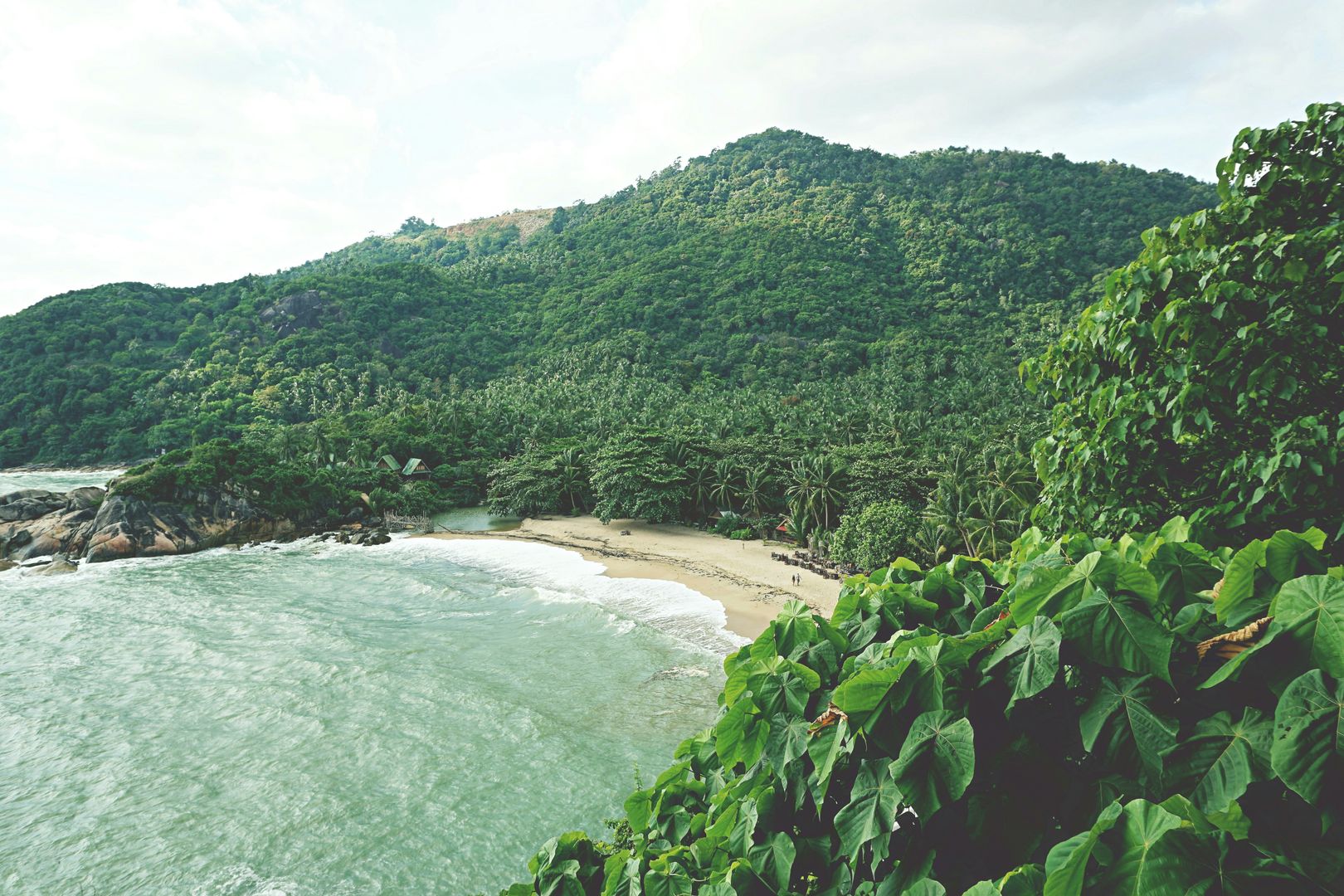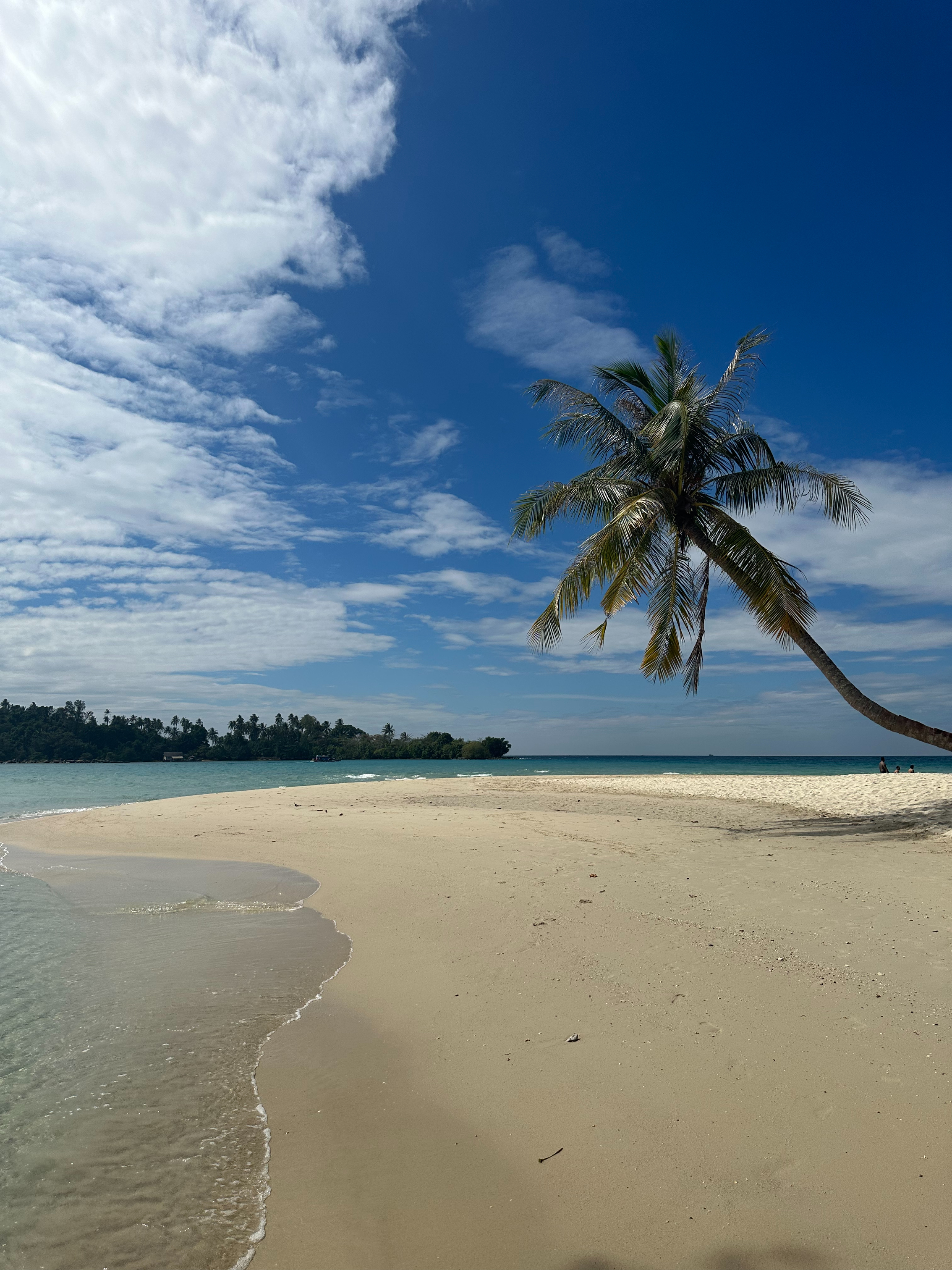

Koh Lanta Yai — the main island, as opposed to Koh Lanta Noi to the north — is about 27km long and 6km wide, with a paved road running the length of the west coast. The Andaman Sea is on one side; rubber and palm plantations on the other. It gets fewer visitors than Koh Phi Phi (30 minutes by speedboat) and considerably fewer than Phuket. The tradeoff is that there is not much nightlife and no bucket bars. Ferries run from mid-October to April; the island is accessible year-round but some businesses close from May onwards when the monsoon arrives on the Andaman coast.
Getting to Koh Lanta
The standard route from Krabi Town or Krabi Airport is a minibus-and-ferry combination run by multiple operators — about 2 hours door to beach including the two short vehicle ferries across the channels between the mainland and Lanta Noi, and Lanta Noi and Lanta Yai. Tickets are available at the airport, at guesthouses, and through any Krabi tour operator; expect to pay 350–450 baht. The first ferry from the mainland leaves around 07:30; the last around 18:00.
From Koh Phi Phi there are speedboats (45–60 minutes, 350–500 baht) and slow ferries (90 minutes, 200–250 baht). From Phuket there is a direct high-speed ferry (2 hours, 700–900 baht). From Ko Lipe in the deep south there is a seasonal high-speed ferry that stops at Koh Lanta en route to Krabi — around 3.5 hours, 900–1,100 baht.
Once on the island, songthaews (shared pickups) run the length of the west coast road but are not on a schedule — flag one down on the main road or arrange collection with your accommodation. Scooter rental is widely available at 200–250 baht per day and the most practical way to reach the national park and the east coast.
Where to Stay
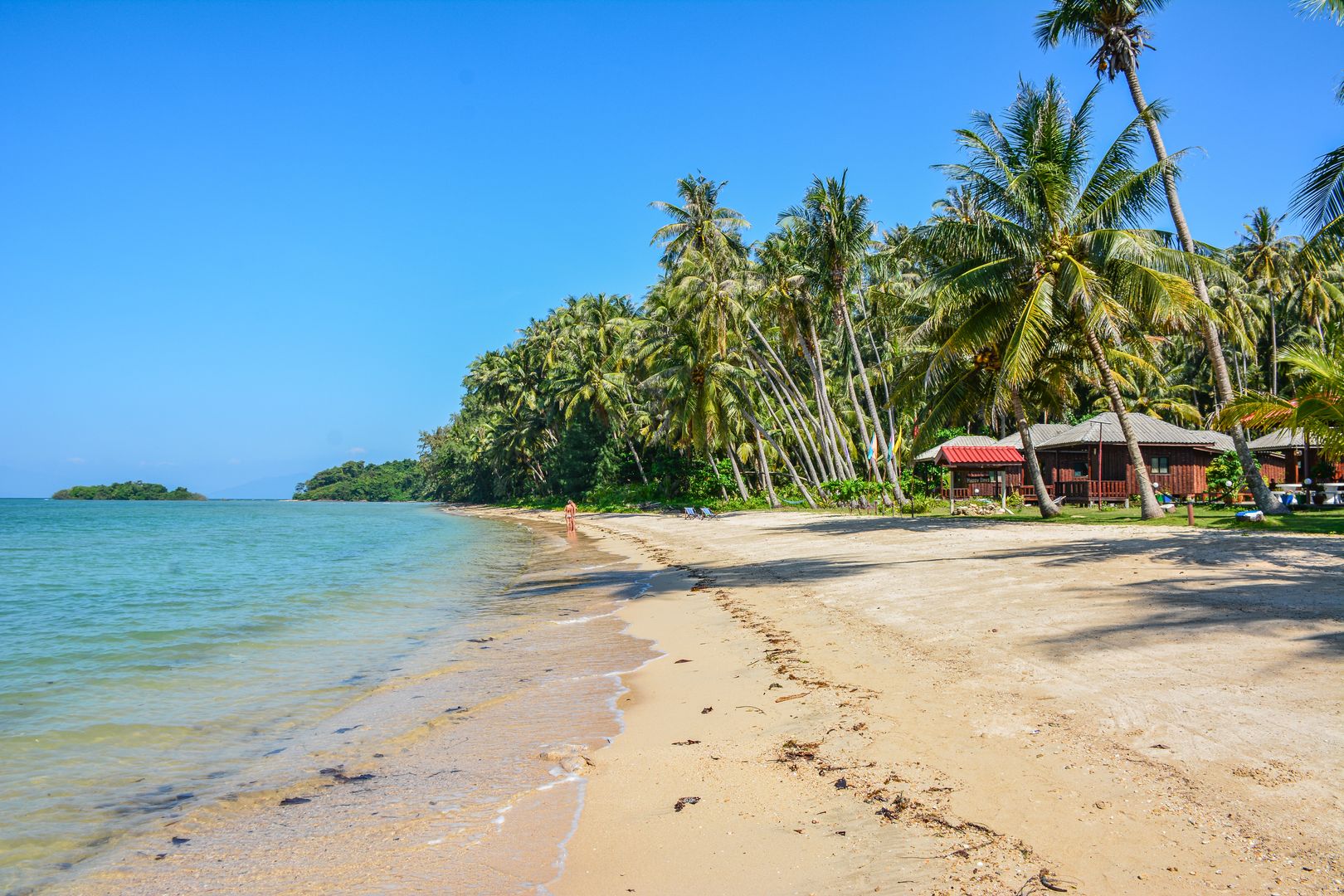
The island's beaches run from north to south with distinct characters. Klong Dao (the first beach after the ferry) is the most family-oriented — long, calm, and lined with mid-range resorts. Long Beach (Hat Phra Ae) is the longest stretch and the social centre, with a mix of budget bungalows and more comfortable guesthouses, good restaurants, and fire shows in high season. Klong Khong has a chill backpacker scene and some of the better surf when there is any. Klong Nin is quieter again, with a rocky headland dividing it from the beach north — the drop in foot traffic here is noticeable and most visitors like it. Kantiang Bay near the southern end is the most secluded: a single curved bay with two high-end resorts and a handful of simpler places facing a beach that has almost no wave action.
Budget bungalows on Long Beach run from 400–700 baht per night in low season, 700–1,200 in high. A private air-conditioned room at a decent guesthouse is 1,000–1,800 baht. The island's few upscale resorts (Pimalai at Kantiang Bay being the best known) are 6,000–12,000 baht and up.
Diving and Snorkelling

The reefs accessible from Koh Lanta are among the most varied on the Thai Andaman coast. Hin Daeng and Hin Muang — two submerged pinnacles about 50km southwest of the island — are rated among the top dive sites in Thailand: schooling barracuda, manta rays (seasonal, primarily February–April), and leopard sharks. A two-dive day trip to these sites runs 2,400–3,000 baht including equipment. Most dive operators leave at 07:00 and return by 16:00.
Closer sites include Ko Haa (five islands with a sheltered lagoon, suitable for all levels) and Ko Rok Nai/Ko Rok Nok (two islands with excellent snorkelling in calm conditions). A three-dive liveaboard to the Mergui Archipelago, which crosses into Myanmar, departs from Koh Lanta and is bookable through several operators on Long Beach.
Shore snorkelling from Long Beach and Klong Khong beaches is limited — the water is shallow, the bottom sandy, and visibility depends on tide. Snorkel boat trips to the nearby islands are the better option (700–900 baht for a half-day).
Koh Lanta Marine National Park
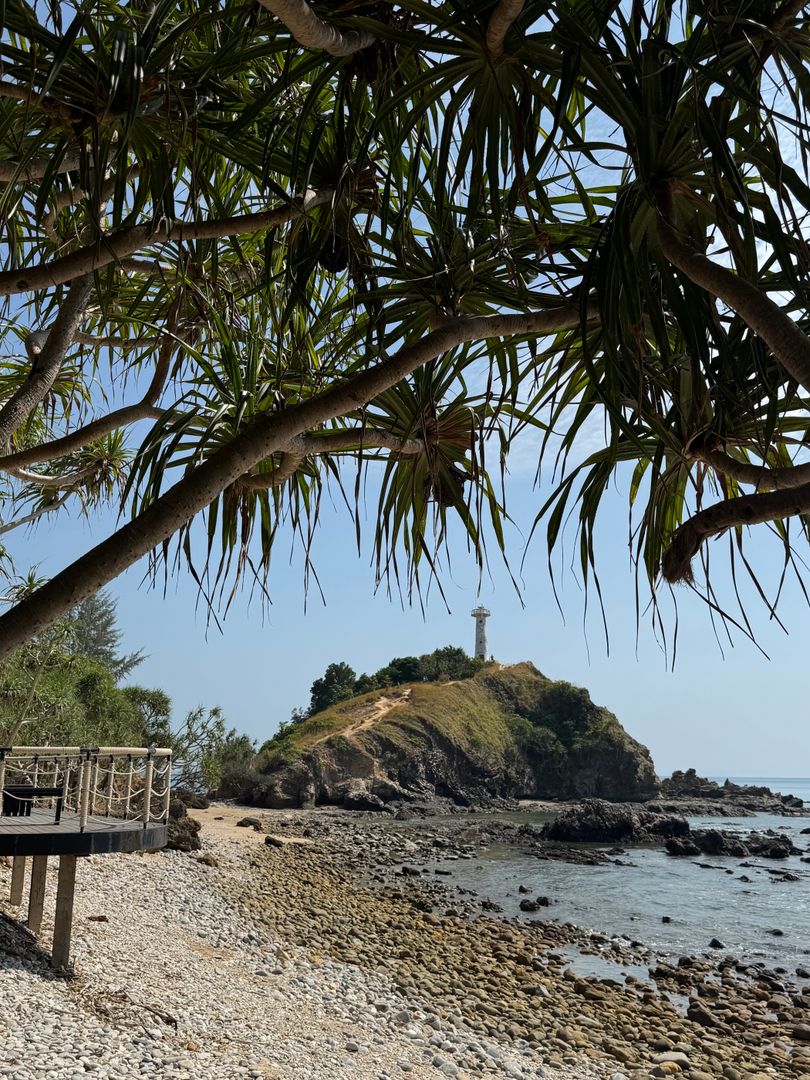
The southern tip of the island is a designated national park (entry 200 baht). A lighthouse stands at the end of a short trail through secondary forest; the views south toward Ko Rok are clear on calm days. Sea gypsies (Chao Ley) have lived in this area for generations — there is a village at Ban Sangka-U on the east coast that some tour operators include in boat trips. The forest at the southern end shelters hornbills, macaques, and — if you walk quietly and early — monitor lizards in size categories that make the Komodo dragon look like a reasonable reptile.
Old Town
Ban Koh Lanta on the east coast is the island's original settlement — raised wooden shophouses on stilts over the water, a Chinese shrine, halal restaurants, and fishing boats. It receives almost no beach tourists because it faces east toward Lanta Noi rather than the sunset. Worth a half-day. Rent a scooter, ride the ring road that loops around the southern park, and stop here for a late lunch. Grilled fish (pla pao) at the open-air stalls near the pier is 60–80 baht per fish.
Practical Notes
High season is November–April; the months either side of this (October, May) are quieter and cheaper with minimal rain risk. June–September is full monsoon — rough seas, closed speedboats, limited transport options. ATMs exist in Ban Sala Dan (the main village at the north) and on Long Beach; the nearest hospital is in Krabi. Mobile coverage (AIS, DTAC, True Move) works across the west coast; the east coast and national park are spottier. Malarial risk is negligible; dengue is present — keep repellent on after dusk.
FAQ
Is Koh Lanta worth visiting?
For anyone who finds Phuket or Koh Samui too developed and Koh Phi Phi too crowded, yes. The beaches are good, the diving is genuinely excellent, and the pace suits people who want a week of doing not much.
How long should I spend on Koh Lanta?
Three to four days is enough to see the beaches, do a dive trip, and ride the national park road. A week is comfortable if diving is the main purpose.
Can you visit Koh Lanta in the monsoon?
Technically yes — the island is accessible by car ferry from the mainland year-round. But speedboats and most dive operators stop running from roughly May to October, some accommodation closes, and rain is frequent. Most visitors come between November and April.