

Phuket is Thailand's largest island and its most visited — which means it contains both the country's most developed resort infrastructure and some of its most degraded beach environments side by side. Where you stay determines which Phuket you experience. The island has split into distinct zones: Patong, the neon-bright resort strip; Kata and Karon, quieter southern beaches; Bang Tao and Kamala in the north, where higher-end hotels cluster; Rawai and Nai Harn to the south, for those wanting less tourism density; and Phuket Town itself, a genuine old commercial centre that most beach-focused visitors skip. Understanding these geographies is the difference between a productive stay and wasting transport time chasing a beach experience that doesn't match your pace.
Where to stay in Phuket: by what you actually want
Patong Beach: the main resort strip
Patong is Phuket's commercial core — 2km of heavily developed waterfront with beach loungers packed wall-to-wall, multiple tiers of bars and restaurants, and Bangla Road running parallel inland with go-go bars, clubs, and late-night energy that doesn't quiet until 4 a.m. This is the island's only area where you can reliably find activity after midnight, eat at any hour, or change plans without transport friction. The beach itself is adequate for swimming but crowded; sea quality varies by section and season.
Stay in Patong if nightlife is the primary draw, if you want maximum walkability without needing transport, or if you're arriving for a short stay and want to minimize logistics. Budget tier: 600–1,500 THB ($16–41 USD) per night; mid-range: 1,500–4,000 THB; upmarket: 4,000+ THB. The Grab ride from Patong to anywhere else on the island takes 20–35 minutes depending on traffic; to Kata is 15 minutes.
Kata and Karon: calmer beaches 20 minutes south
Kata is the smaller and cleaner of the two, roughly one-third the size of Patong Beach with stronger swimming conditions November–April. It has a central commercial strip but it closes by 10 p.m. and the beach area quiets entirely. Karon is longer and less crowded than Patong, with a calmer vibe and more family-oriented accommodation. Both areas retain decent restaurant and shop density without Patong's intensity. You can walk from your hotel to the beach and to dinner without feeling trapped in a resort.
Stay here if you want a genuine beach, don't need nightlife after 10 p.m., or are travelling with children. Mid-range pricing: 1,200–3,000 THB; family accommodation with kitchenettes widely available. Transport: Grab to Patong is 15–20 minutes and costs 150–250 THB.
Bang Tao, Kamala, and Surin: the north coast, where hotels spend serious money
The northern zone contains Phuket's longest continuous clean-water beach stretch and its highest-end hotel density: Trisara, SALA, Rosewood, Outrigger. The Laguna resort complex at Bang Tao's north end is a gated marina-style development (useful if you want that isolation; avoidable if you don't). South of there, Bang Tao proper has minimal development and wide sand. Kamala is built up but orderly, with a night market on weekends and calmer swimming than Patong. Surin is small, expensive, and serves mainly the hotel clientele.
Stay here if you have a higher budget (3,500 THB and up per night), want genuine beach conditions without sacrificing hotel quality, or plan a longer stay where you'll use the beach daily. Grab to Patong is 20–30 minutes; to Phuket Town is 45 minutes. This is the zone where transport costs add up across a week, so factor that into your comparison.
Rawai and Nai Harn: the south, for repeat visitors and long stays
Rawai is a working fishing port with a narrow beach used mainly by locals; accommodation is budget-oriented and the area has less tourism gloss. Nai Harn is 15 minutes further south and genuinely quieter — a crescent bay less than 400m wide, backed by a small lagoon, with a handful of modest hotels and no nightlife. Swimming is excellent November–April; monsoon swells (May–October) make it unsafe June–August. This section of the island feels like Thailand that predates mass tourism by a decade.
Stay here only if you're comfortable with minimal evening activity, intend to stay 7+ days, or have visited Phuket before and know you want this specific pace. Accommodation: 800–2,000 THB for decent mid-range options. Transport cost is substantial — Grab to Patong is 40–50 minutes and 300+ THB each way.
Phuket Town: the actual city, worth one day, not a base
Phuket Town is a functioning Chinese-Thai commercial centre with colonial-era buildings, decent shophouses converted to cafes, and authentic food density that makes the beach resort zones look like airport food courts. The old Sino-Portuguese architecture is real and photogenic without being performed for tourists. But there is no beach. Stay one day if you're interested in seeing how Thailand actually works beyond resort infrastructure; base yourself here only if beaches are entirely secondary.
What the beaches actually are, ranked by water quality and accessibility
Best: Freedom Beach (Patong area)
Freedom Beach is only reachable by long-tail boat from Patong Beach (45-minute walk south along the sand, then a 10-minute boat ride, or direct boat hire for 2,000–3,000 THB round-trip for a group). No permanent infrastructure — no beach chairs, no vendors, no sunbeds for rent. The water is noticeably clearer than Patong proper, and the beach absorbs perhaps one-tenth the people. It's the only Patong-adjacent beach worth swimming in, but the logistics cost time and money.
Good: Nai Harn (south)
A genuine small beach with a functioning community behind it, not a resort facade. Less than 400m wide, enclosed by headlands, calm water during high season. Facilities are modest (a few seafood restaurants at the north end, no major resort sprawl). Best November–April; avoid June–August when monsoon swell closes it. Worth the 50-minute Grab journey if you're basing yourself south or taking a day trip.
Good: Bang Tao southern section (north coast)
The southern two-thirds of Bang Tao Beach, away from the Laguna resort cluster, is wide, has adequate swell control, and stays relatively uncrowded. Kamala next door is smaller and busier. If you're staying in the north zone, this is your beach — not dramatic, but functional and genuinely quieter than Patong.
Functional but mediocre: Patong Beach (central)
Patong Beach itself is convenient if you're staying in the area, but accept what it is: a crowded urban beach used mainly for posing and brief swimming. Louder boats than Nai Harn or Bang Tao, more beach chairs (100 THB for a lounger, usually in cramped rows), more swimmers and more noise. The water quality varies by the day and by which section you're in. Go for the social energy, not the swimming. Most first-timers arrive expecting this to be "the beach" and are disappointed — it's not. The real beaches are elsewhere.
Avoid: the east coast
Rawai has a very narrow functional beach used by fishermen and locals; it's not a destination beach. Chalong, Patong's eastern commercial port, has no swimming beach at all. Don't waste a transport journey expecting beach time on the island's east side.
Getting around the island
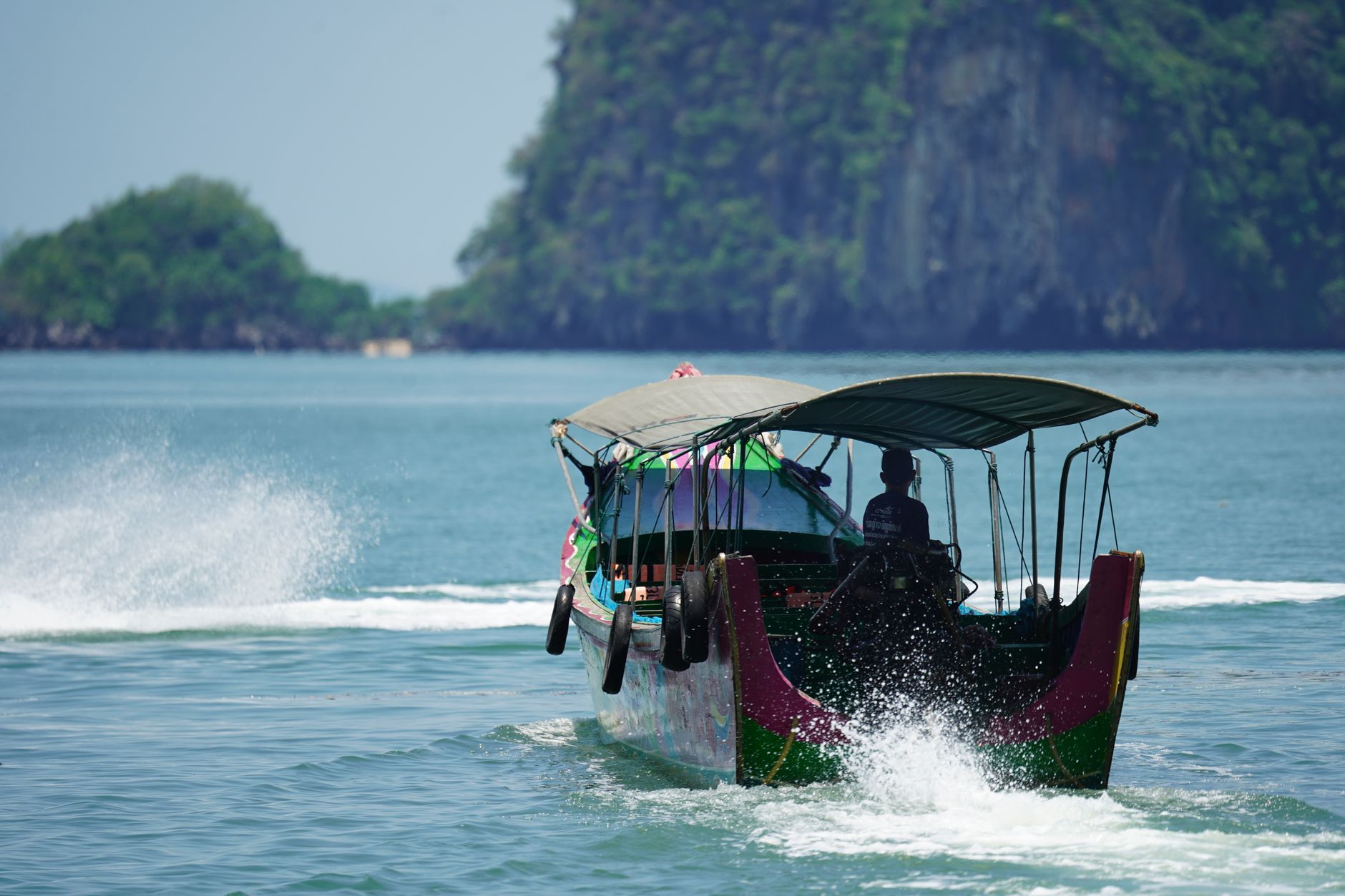
Grab is the practical default. The app works exactly as it does in Bangkok and Chiang Mai — meter fare, no negotiation, GPS route. Prices run 150–350 THB for most cross-island journeys (Patong to Kata, Patong to Bang Tao, etc.). Download the app before you arrive.
Tuk-tuks exist and are visibly available, but fares are negotiated and will be significantly higher than Grab — typically 300–600 THB for routes that Grab quotes at 200–250 THB. Use them only if Grab is unavailable (rare) or if you prefer face-to-face negotiation.
Scooter rental is common (150–300 THB per day) and Phuket's road network is drivable, but traffic around Patong and the main north-south highway can be dense and unpredictable. An International Driving Permit is technically required; enforcement by police varies. Many visitors find the cost-benefit poor for a week-long stay when Grab is cheaper and removes navigation stress. Rent only if you're comfortable with Thai road conditions.
Phuket Airport is 45 minutes from Patong by metered taxi (around 700 THB) or Grab (typically 450–550 THB depending on surge). Book Grab in advance from the airport app; the queue for physical taxis is long and prices are fixed and high. There is no useful airport bus.
Day trips and short excursions
Phi Phi Islands: 45 minutes by speedboat, book from Patong pier
Maya Bay (the limestone film location) now has entry restrictions and timed slots; the area is managed to limit daily visitor numbers. The journey is worth it for genuinely clear water and limestone geology — it's objectively more dramatic than Phuket's beaches. Most operators quote 1,500–2,500 THB per person for a half-day trip. Go early in the morning (6–7 a.m. departures) to avoid afternoon crowds and swell. This is the most common day trip from Phuket and worth the early start.
Phang Nga Bay and James Bond Island: half-day from Phuket Town (not Patong)
The main rock formation, Khao Phing Kan, is genuinely dramatic — a 40-metre limestone spike rising from shallow water. The "James Bond Island" framing is pure marketing (filmed here once in 1974); the real draw is the bay's geology and quiet kayaking through mangrove channels. Tours from Phuket Town run 1,200–1,800 THB per person and depart 8–9 a.m. The logistics are cleanest if you base yourself in Phuket Town for a night; from Patong it's an early pickup and late return. Better: combine with lunch in Phuket Town and walk the old Chinese quarter.
Similan Islands: skip unless you're staying in Khao Lak
Often advertised from Phuket as a diving destination, Similan requires a 2.5–3 hour drive north to Khao Lak and a boat ride, making it a 12–14 hour day with minimal beach time. It's a legitimate dive site, not a casual day trip. Only book if diving is the primary goal.
When to visit: seasons and what they actually mean
High season (November–April): Clear skies, warm water, predictable beaches. This is peak pricing and peak crowds. Patong reaches capacity in late December and mid-January. Booking accommodation 8–10 weeks ahead is standard. Air quality is generally good. This is the right window if you've limited time and want guaranteed beach conditions.
Shoulder (May and October): Occasional rain, lighter crowds, lower prices. May has some residual fair weather; October is wetter but less touristy. Beach conditions degrade in May as pre-monsoon swell builds. October has humid, hot afternoons but clearing weather by late month. Deals exist if you're flexible.
Monsoon/low season (June–September): The west coast (Patong, Kata, Kamala, Bang Tao) experiences significant swell — swimming is unsafe some days, some stretches close. Rawai and the east coast stay calmer. Heavy rain is brief and afternoon-concentrated. Prices drop 30–50%. Phuket is less crowded and greener. Only stay if you don't prioritize beach swimming or are basing yourself on the east coast. The island is genuinely less fun for beach tourists during this window; locals and expats know it.
Food and eating
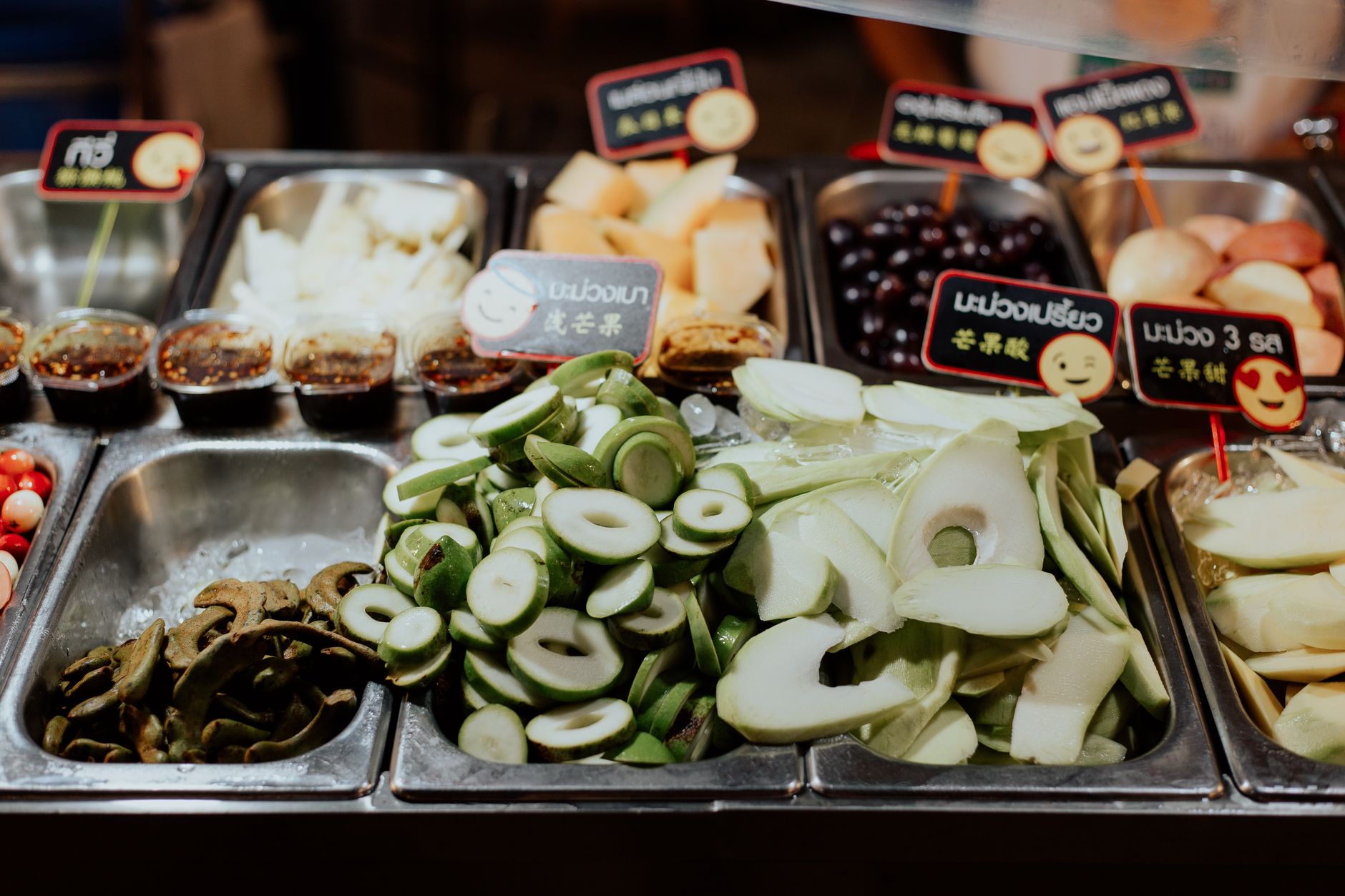
Phuket Town is where serious eating happens. Roti Taew Nam (Phang Nga Road, walk-in only, no English menu) serves excellent pork curry noodles for 60–80 THB. The old market on Dibuk Road has real Thai food at real prices. This is worth a half-day excursion if food is part of your travel interest.
The beach areas (Patong, Kata, Kamala) have high-end hotel restaurants and tourist-facing shopfront places. Quality drops and prices rise 200–300% compared to Phuket Town. Eat here for convenience, not for discovery. Street food exists and is safe, but tourist-facing beach strips have lower flavor density than residential Thai areas.
Alcohol: Thailand's alcohol licensing is complex. 7-Eleven and shops close alcohol sales 11 p.m.–11 a.m. daily, and during national holidays. Bars and restaurants aren't restricted. Plan accordingly if drinking is part of your plan.
Frequently Asked Questions
Should I visit Phuket or Koh Samui?
Phuket vs Koh Samui — they're 90 minutes apart by ferry but cater to different traveller types. Phuket has more developed budget and mid-range infrastructure, better day-trip variety (Phi Phi, Phang Nga), and a real town (Phuket Town) beyond resorts. Koh Samui is smaller, less crowded, and has better ambient weather in low season. Pick Phuket if you want options and activity density; pick Koh Samui if you want to stay in one place and simplify.
What's the best time to visit Phuket?
November–April is weather-guaranteed and crowded; book 8 weeks ahead and expect full prices. May and October offer lighter crowds and lower prices with some rain but acceptable beach days. June–September is monsoon season with beach closures on the west coast — only choose this if you're staying east (Rawai) or aren't prioritizing swimming. January is peak crowding; avoid it if possible.
Is Patong Beach worth staying in?
Only if nightlife and walkable bar density are priorities. The beach itself is mediocre — crowded, narrow, loud. You pay a premium for location and noise, not for beach quality. If you want a real beach, stay in Kata, Karon, or Bang Tao and Grab to Patong when you want to go out. Most first-timers overestimate how much time they'll spend on Patong Beach and underestimate how tired they'll get of the noise.
What beaches should I actually swim in?
Nai Harn (small, clean, south), Bang Tao southern section (wide, uncrowded, north), and Freedom Beach (best water clarity, reachable only by boat from Patong). Patong Beach itself is for social time, not swimming. Kata and Karon are adequate all-purpose beaches if you're staying there. Avoid Rawai and the east coast entirely unless you're basing yourself south.
Do I need to rent a scooter?
No. Grab is cheaper, safer, and removes navigation stress, especially around Patong's congestion. Rent only if you're staying 2+ weeks in a quieter area (Bang Tao, Nai Harn) and want day-trip flexibility. Standard rental includes minimal insurance; police checkpoints can fine riders without adequate licenses. The cost-benefit improves only on longer stays.
How many days should I spend in Phuket?
Three days minimum to reset from travel and do one day trip; five days if you want to base yourself in two areas (e.g., Patong for 2 nights, then Kata or Bang Tao for 3). A week is comfortable for Phuket alone. Beyond that, consider adding a second island (Phi Phi, Koh Samui) rather than extending Phuket time — the repetition diminishes after day seven.
Who should go: Phuket works for first-time Thailand visitors wanting developed infrastructure, reliable transport, and beach options without isolation. It suits groups where some want nightlife and others want quieter beaches — the island has zones for both. Skip Phuket if you want genuine remoteness or if you've already visited multiple Thai beach areas; the originality fades quickly. The single thing most first-timers underestimate is how much of Phuket's reputation depends on where you stay — the same island contains both neon resort strips and genuinely quiet beaches, and they're 20–45 minutes apart by Grab. Choose your base carefully.


