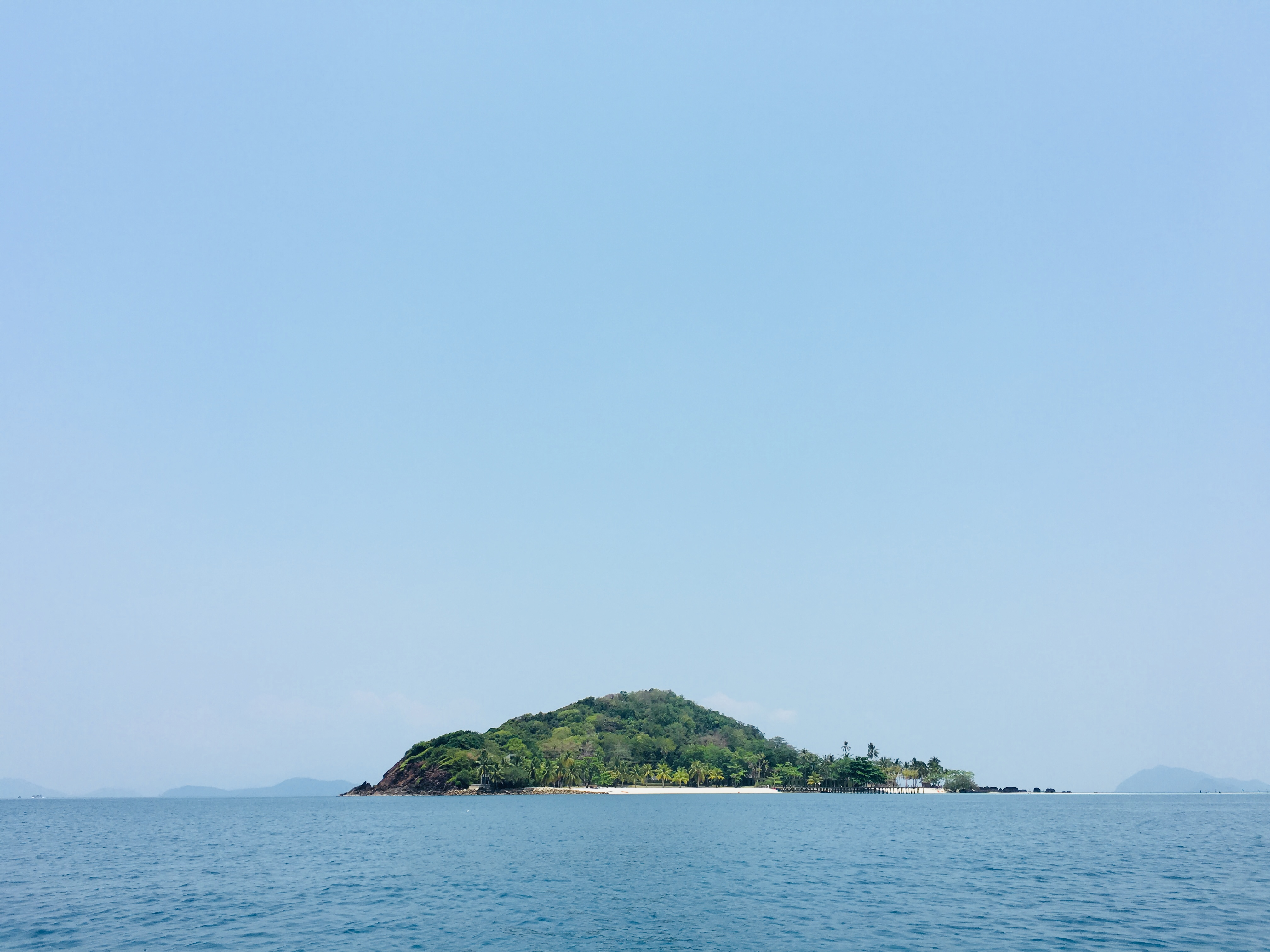

More than 100,000 people complete their PADI Open Water certification on Koh Tao every year — roughly equivalent to the entire resident population of the 21km² island turning over as tourists every twelve months. At any time during peak season, one in three visitors is in a dive school's four-day course. The infrastructure for training is exceptional: over 70 operators, equipment for thousands, instructors in a dozen languages, and certification costs roughly 50% of what you'd pay in Europe or Australia. This scale defines the island entirely — it's not a diving destination that happens to have schools, it's a diving school that happens to be on an island.
How much does a PADI Open Water course cost, and what's included?
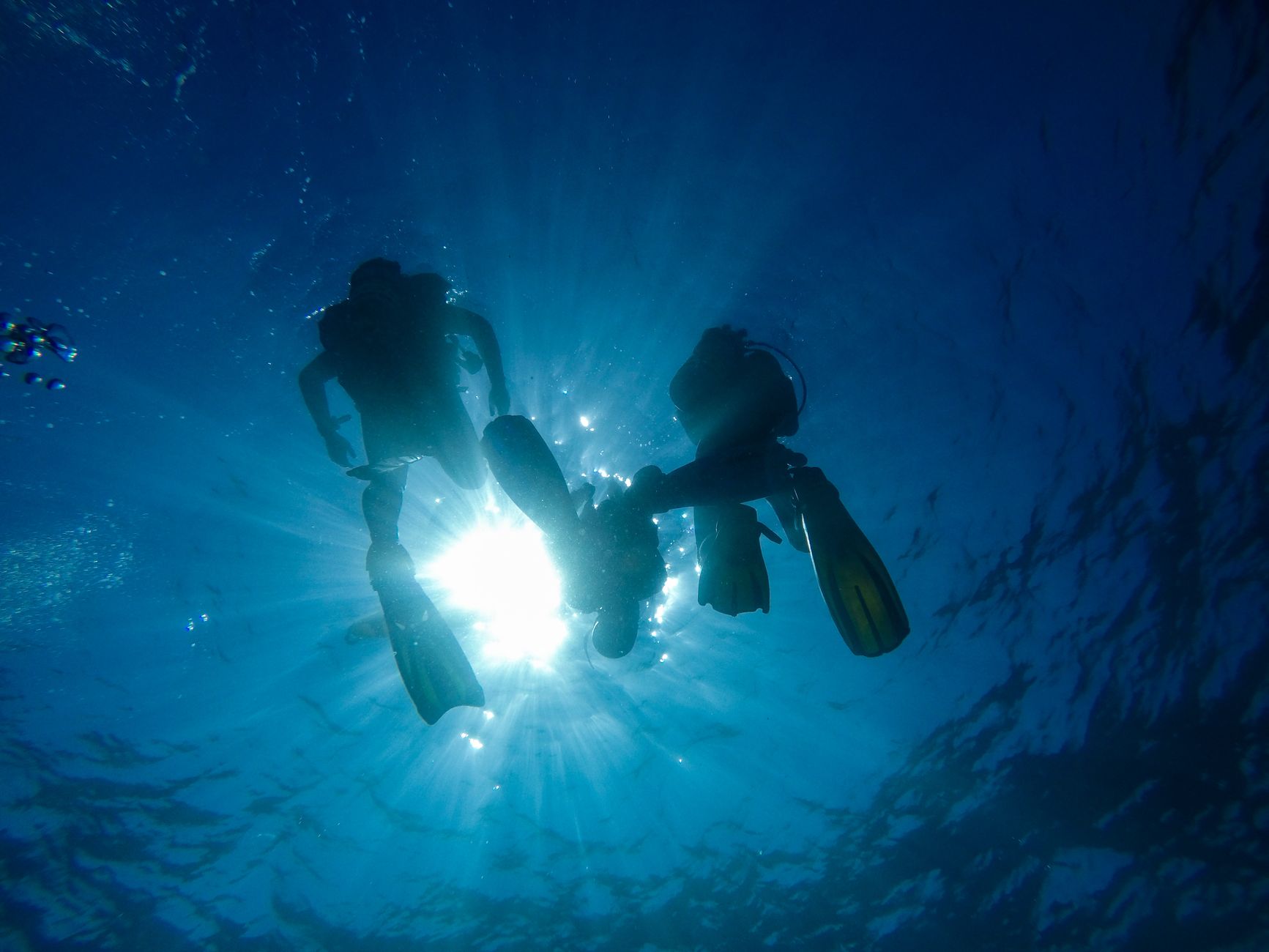
An Open Water certification course takes 3.5 days and qualifies you to dive independently to 18m depth anywhere in the world. On Koh Tao in 2026, expect to pay 9,500–12,000 THB (roughly US$265–335). The price includes all equipment rental, instruction, the confined water dives in the bay, the open water dives on nearby reef sites, and the PADI certification fee itself. There are no hidden costs — if a school quotes you 9,500 THB, that's the total.
Advanced Open Water certification (2 days, qualifies you to 30m) costs 7,500–9,000 THB and usually includes a deep dive and navigation specialty. Freediving courses are increasingly offered: AIDA Level 2 (10-meter static apnea, 30-meter dynamic apnea) runs 5,500–7,000 THB for three days.
Choosing between schools is less about finding the "right one" and more about managing group size and teaching style. Ban's Diving Resort and Crystal Dive Resort are the two largest operators, with dedicated classrooms, multiple boats, instructors in 8+ languages, and slightly higher prices (toward the top of the range above). Their size means fast scheduling and full facilities; the trade-off is larger class groups and less personalised attention. Smaller schools — BB Divers, Mojo Divers, New Heaven Dive — typically keep classes to four or five students, which matters significantly over a four-day course. The practical risk: verify that smaller operators maintain equipment properly. Ask to see their equipment log and dive computer service records. If they're vague, choose elsewhere.
Which dive sites should certified divers prioritize?
| Site | Depth | Speciality | Best for |
|---|---|---|---|
| Chumphon Pinnacle | 30–40m | Whale sharks, sharks, schooling fish | Deep + experience |
| Sail Rock | 5–40m | Chimney swim-through, strong current | Advanced/experienced |
| Shark Bay | 5–18m | Blacktip reef sharks, turtles, accessible | All levels |
| Twin Peaks | 8–22m | Soft coral, Christmas tree worms, eels | Beginners + scenic |
| White Rock | 8–15m | Leopard sharks on sand, reef | All levels |
Chumphon Pinnacle sits 40km north of Koh Tao in open water, accessed by boat in 60–90 minutes. The pinnacle rises from 40m and tops out at 30m. You'll see schooling chevron barracuda, trevally, batfish, and — if you go between October and December — whale sharks. A single whale shark pass in December is worth the trip alone; they're indifferent to divers and often approach within 5m. The dive requires Advanced Open Water or equivalent (deep specialty strongly recommended). Cost: ~2,500 THB per person for a day trip, usually booked through your dive school. Seasickness here is common; take medication 30 minutes before departure.
Sail Rock is a submerged pinnacle between Koh Tao and Koh Phangan. What makes it unique is the "chimney," a vertical swim-through from 18m that opens at the top into the shallows. The route is safe (easy escape at any point), visually dramatic, and reliably populated with groupers, snappers, and occasionally white-tip sharks patrolling the pinnacle. Visibility is typically 15–25m. Day trips cost ~1,500 THB and take two to three hours of boat time. This is arguably the best dive in the Gulf of Thailand.
Shark Bay (officially Ao Leuk) is five minutes by longtail from Mae Haad. Depth ranges 5–18m; the bay is home to a small population of blacktip reef sharks (2–4m depth in the morning, closer to 10–15m by afternoon as tourism pushes them deeper). Hawksbill turtles are resident. The reef itself is moderate hard coral with nudibranchs and anemones. This is the site where most Open Water certification dives happen — the conditions are forgiving, and the shark encounter is memorable for new divers. You can also snorkel here: wade from Shark Bay Beach and swim out 50m to see the sharks and turtles in 2–5m of water, ideally at dawn before other snorkelers arrive.
Twin Peaks (Hin Khom): two underwater rock formations at 8–22m with minimal current. Christmas tree worms, colourful nudibranchs, moray eels, and small groupers are common. Visibility is usually 12–18m. This is an excellent second or third dive for beginners; the sites are straightforward navigation and interesting enough to justify a return trip.
White Rock (Hin Khao): the most reliable site for leopard sharks resting on sandy bottom at 8–15m depth. They're docile and accustomed to divers. The reef edges hold morays and snappers. Visibility 15–25m. Easy current management.
The single most under-reported fact about Koh Tao diving: the water is warm (27–29°C) but visibility drops notably in May–June and September–October during seasonal upwelling. If you're planning a dive trip specifically for underwater photography or seeing specific species, book January–April.
Can you snorkel on Koh Tao if you're not diving?
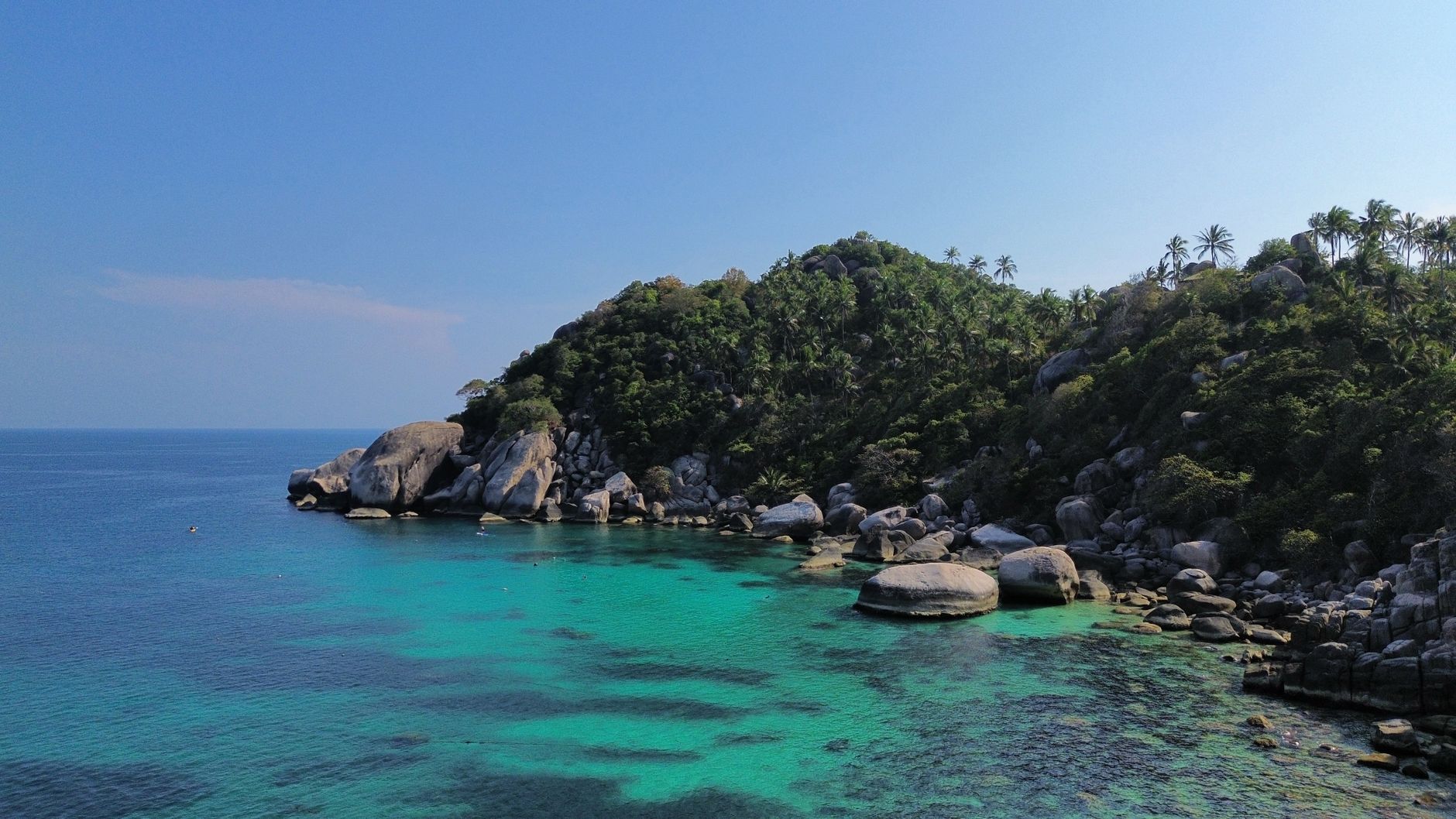
Yes, but honestly assess whether it's worth the 2-hour ferry from the mainland. Koh Tao's snorkeling is functional, not exceptional.
Shark Bay is your easiest option. Wade into the bay from Shark Bay Beach (southern Mae Haad) and swim out 50m. You'll see blacktip reef sharks at 2–5m in the early morning, hawksbill turtles, and basic hard coral. Go before 9 a.m.; by mid-morning the beach is crowded and the sharks retreat to deeper water.
Japanese Gardens (Ao Mamuang) is a shallow coral garden on the west coast, accessible by longtail boat (~100 THB). Depth 2–8m, reasonable hard coral diversity, occasional turtles. Visibility 8–15m typically.
Hin Wong Bay on the east coast: snorkel from the beach, 3–8m depth, hard coral and small fish. Less crowded than Shark Bay, more scenic beach itself.
The honest assessment: if you're not diving and not interested in getting certified, Koh Phi Phi or Ang Thong Marine Park in the same region offer comparable snorkeling without a 2-hour ferry and with better beaches. Koh Tao's appeal is 80% underwater and diving-specific. Non-divers generally spend one day snorkeling and then leave or reluctantly commit to a dive course.
Where to stay on Koh Tao
The island's geography is straightforward: a north coast, south coast, east coast, and a few central bays.
Mae Haad (north): the main pier, dive school concentration, restaurants, bars, and practical services. Arriving here is unavoidable. Most visitors don't stay here by choice — it's noisy, the beach is narrow, and accommodation is overpriced. One night while sorting logistics is reasonable; longer stays should be elsewhere.
Sairee Beach (northwest): the main beach strip, 2km of sand. Most mid-range and budget accommodation clusters here. The beach itself is functional but narrow, darker sand, moderate reef access for snorkeling. It's the tourist hub — busy, convenient, but not visually remarkable. Good base for dive school attendance if your operator picks you up from here (many do).
Chalok Baan Kao (south): a smaller, quieter bay with decent reef access and calmer conditions than Sairee. Fewer dive shops means slower boat check-ins if you've booked with a Sairee-based operator. Good if you're staying five+ days and want minimal noise. The beach is narrower but better protected.
Tanote Bay (east coast): the least developed area, 10–15 minutes by songthaew from Mae Haad. A small bay with hard coral visible from shore and minimal commercial infrastructure. Worth a day trip or an overnight stay if you want quiet, though accommodation options are limited (mostly bungalows rather than proper hotels). Sunsets are better here than the west coast.
How do you get to Koh Tao?
Three ferry routes from the mainland dominate in 2026:
From Bangkok (Khao San Road): Lomprayah operates a combined bus and high-speed ferry. Depart Bangkok evening, sleep on the bus, arrive Mae Haad around 8–9 a.m. the next day. Cost ~900 THB. Duration 9 hours total. Booking can be done at any Khao San Road agency or online. Book 3–5 days ahead in January–March; same-day tickets are usually available in shoulder season.
From Chumphon: The closest mainland port, 2 hours by high-speed catamaran. Ferries run morning and afternoon (typically 09:00 and 13:00). Cost ~600 THB. Chumphon is reachable by 8-hour train from Bangkok (overnight trains 22:00–06:00, ~500 THB, book ahead). This route is faster but requires more travel planning. Several operators (Lomprayah, Seatran) run the service; check timetables at the pier 30 minutes before departure (no fixed online booking for some services).
From Surat Thani: 2–3 hours by ferry, cost ~600 THB. Useful if you're coming from Koh Samui or Koh Phangan. Less crowded than the Bangkok route.
Seasickness warning: the Gulf of Thailand between Chumphon and Koh Tao is choppy during monsoon season (September–October) and moderately rough January–March. If prone to motion sickness, take medication (dimenhydrinate, cinnarizine) 30 minutes before boarding. Ginger tablets are less effective at this distance but better than nothing.
What are the best months to dive Koh Tao?
| Month | Water Temp | Visibility | Crowds | Verdict |
|---|---|---|---|---|
| January | 26–27°C | 20–30m | Peak | Best |
| February | 26–27°C | 20–30m | Peak | Best |
| March | 27–28°C | 18–28m | High | Best |
| April | 28–29°C | 15–25m | High | Good |
| May | 28–29°C | 12–20m | Shoulder | Shoulder |
| June | 29–30°C | 8–15m | Low | Avoid |
| July | 29–30°C | 10–18m | Low | Shoulder |
| August | 29–30°C | 12–20m | Low | Shoulder |
| September | 28–29°C | 10–18m | Low | Avoid |
| October | 28°C | 8–15m | Low | Avoid |
| November | 27–28°C | 15–22m | Shoulder | Good |
| December | 27°C | 18–28m | Shoulder | Good |
January–April is the dry season and peak diving window. Visibility reaches 25–30m on good days; water temperature is 26–28°C (you'll still want a 3mm wetsuit). These months are crowded — expect 50+ divers per site, larger class groups, and higher accommodation prices. Book dive schools and accommodation 6–8 weeks ahead. March is the sweet spot: still excellent visibility, slightly fewer crowds than January–February, and air temperature peaks (32–35°C).
October–December whale shark season at Chumphon Pinnacle pulls dedicated divers. Whale sharks appear October through mid-December, most reliably November–December. Visibility is less consistent (15–25m) and the journey north from Koh Tao is rougher, but a single whale shark encounter justifies the trip for many.
May–September is monsoon season. Visibility drops to 8–15m, sometimes worse. Seas are choppy; some operators close or limit deep dives. The island is much quieter and cheaper. If you're getting certified, this is workable but not ideal — you won't see as much, and the confined water dives in the bay might be cancelled if conditions deteriorate. Only commit to certification here if flexibility on dates is impossible.
June is the worst month: visibility can drop to single digits from algal blooms, and ferries sometimes suspend service. Avoid if possible.
Is Koh Tao worth visiting if you don't dive and don't want to get certified?
Probably not. The island's beaches are narrow and serviceable but unremarkable — similar to dozens of Thai islands. The nightlife is more than adequate: Mae Haad and Sairee have bars, cheap beer, and enough tourists to ensure a social atmosphere. But "adequate nightlife" is not a reason to spend the money and time to reach a small island two hours from the nearest mainland port.
The island's singular draw is diving. Non-divers get snorkeling, which is good but not exclusive to Koh Tao. If you're considering a Thailand trip and haven't committed to diving, spend your time in Koh Samui, Krabi, or Koh Phi Phi instead — better beaches, easier access, comparable snorkeling. The only reason to come to Koh Tao as a non-diver is if you're already with a group that's diving, or if you're seriously considering certification.
Frequently Asked Questions
Should I get my Open Water certification in Koh Tao or somewhere else?
Koh Tao is the cheapest place globally to get certified (9,500–12,000 THB vs. €400–600 in Europe), and the volume of schools means fast scheduling and no quality control failures — they're too competitive. The downsides: large class groups (especially at peak schools), and warm water conditions don't prepare you for temperate diving later. If you'll dive again immediately after certification (which most people don't), Koh Tao is ideal. If this might be your only course for a year, consider taking it somewhere with cooler water (Thailand's east coast or Malaysia), which teaches you proper cold-water skills sooner.
What's the visibility like on different dive sites, and when is it worst?
Visibility ranges 12–30m depending on season and site. Sail Rock and Chumphon Pinnacle typically have 20–25m visibility; Shark Bay and close-in sites have 12–18m. Visibility is worst June–September (8–15m, sometimes worse) due to seasonal upwelling and algal blooms. If underwater photography or seeing small subjects is important, avoid those months.
Can you dive alone on Koh Tao, or do you need to hire a guide or be part of a group?
Certified divers (Open Water or higher) can dive independently without a guide if you have a buddy. Many divers dive without formal dive shop trips — they hire a boat (longtail or private speedboat, ~1,500–3,000 THB) and dive with a buddy. This is perfectly legal as long as both divers are certified to the depth. The dive shops naturally discourage this because they make money from guiding. For Sail Rock and Chumphon Pinnacle, hiring a boat alone is not practical; use a shop.
How much does a day diving trip cost after you're certified?
A guided day trip (typically two dives on local sites) costs 1,500–2,000 THB including boat and guide. Chumphon Pinnacle day trips run 2,500 THB. Sail Rock day trips ~1,500 THB. Prices are consistent across schools; any operator quoting significantly higher is taking advantage.
What's the accommodation range, and where should I stay?
Budget bungalows: 300–600 THB per night (Mae Haad, Sairee, Chalok). Mid-range guesthouses/small hotels: 800–1,500 THB (Sairee, Chalok). Better hotels with AC and ensuite bathrooms: 1,500–2,500 THB. Stay in Sairee if you're diving and want convenience (most shops pick up from there). Stay in Chalok if you're staying 5+ days and want quiet. Mae Haad is overpriced and noisy; avoid unless you arrive late and need one night.
How long should I plan to stay on Koh Tao?
If getting certified: 4–5 days (3.5 for the course, one or two for consolidation dives or snorkeling). If already certified: 3–5 days depending on how many dive trips you want. Two local dives per day is standard; hitting Sail Rock requires one day, Chumphon another. Seven days is luxury for certified divers; anything less than four is not enough to justify the ferry time.
Get certified in Koh Tao if you want the cheapest, fastest Open Water course with guaranteed volume and infrastructure, and you're willing to trade large class groups and warm-water conditions for savings of 50% versus Europe or Australia. Plan January–April for visibility and conditions. Book your dive school and accommodation 6–8 weeks ahead in those months. If you're already a certified diver, Sail Rock is the single dive that justifies the trip — go in March, stay four nights, do two dives on local sites and one on Sail Rock. Non-divers without diving plans should skip Koh Tao entirely; the beaches and snorkeling are secondary, and ferry time is wasted.


