38 articles
10 June 2026
thailandHow to Get to Koh Mak: Routes from Bangkok, Koh Chang and Koh Kood
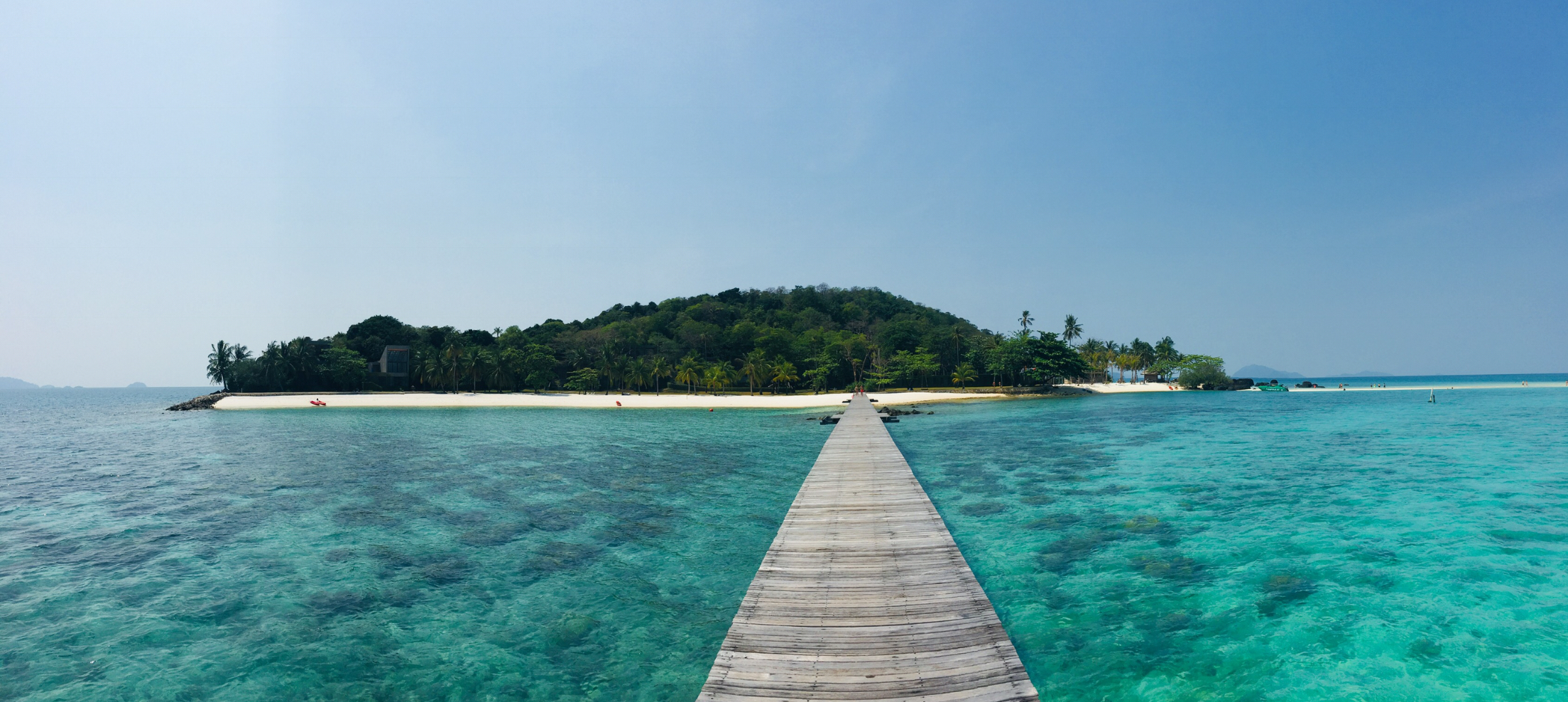
Koh Mak sits in the middle of the Trat archipelago, halfway between Koh Chang and Koh Kood, which makes it the easiest of the three to fold into an island-hopping trip and the one most people reach by combining it with a neighbour. There is no airport and no bridge — every route runs through a ferry. Here is each one, with times and the seasonal catches.
Henrik Vinter
9 June 2026
thailandHow to Get to Koh Kood: Every Route from Bangkok
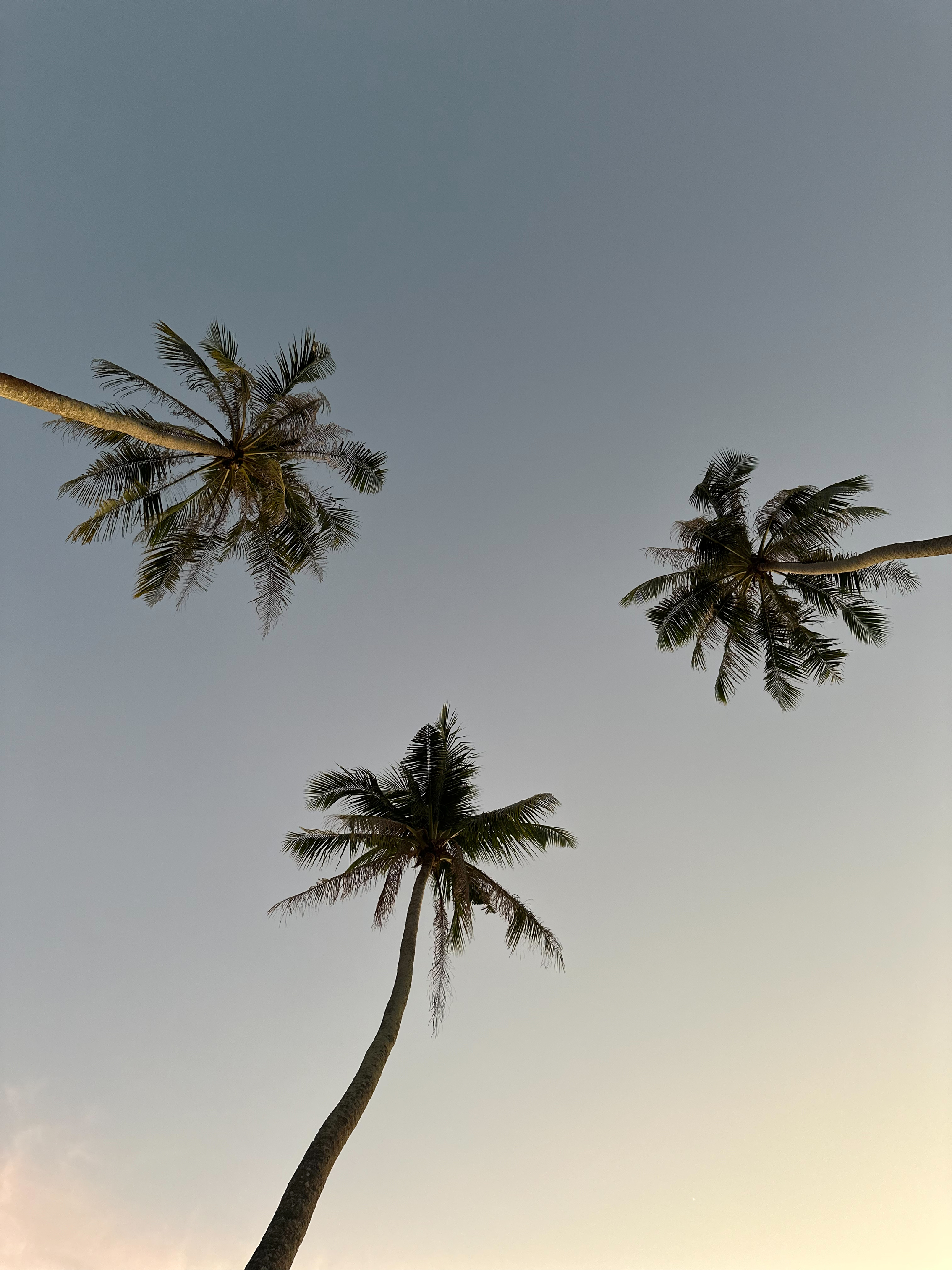
Koh Kood sits in the far south-east corner of Thailand, closer to Cambodia than to Bangkok, and there is no airport on the island. Reaching it means getting to Trat province first, then a ferry from Laem Sok pier. The chain is longer than for Phuket or Samui, but it runs on one bookable ticket — here is every route, what it costs, and where people lose half a day.
Henrik Vinter

17 March 2026
thailandAyutthaya Day Trip from Bangkok: Ancient Temples and River Ruins
Ayutthaya was the capital of Siam for 417 years until Burmese forces sacked it in 1767. The ruins covering the island—surrounded by three rivers—are a UNESCO World Heritage Site and Southeast Asia's most historically significant archaeological complex. Eighty kilometres from Bangkok, it's reachable by train in 90 minutes, making it the most straightforward day trip from the capital.
Henrik Vinter
14 March 2026
thailandTwo Weeks in Thailand: A Practical Itinerary
Most first-time visitors to Thailand waste days deciding between north and south, then spend half their time in transit. Two weeks is enough to do both well if you make one strategic choice upfront: fly between Bangkok and Chiang Mai rather than taking the overnight train, and skip the second return to Bangkok. This saves a full day and removes the logistical knot that derails most two-week itineraries.
Henrik Vinter
14 March 2026
thailandHua Hin Travel Guide: Thailand's Royal Resort Town
Hua Hin has hosted the Thai royal family since 1923, when King Rama VII built Klai Kangwon Palace on the Gulf coast—a fact that still shapes the town's character today. While most travellers flying south from Bangkok head for islands or Phuket, Hua Hin sits just 2.5 hours away by train, offers a cleaner beach than Pattaya, and serves better seafood than either. It's Thailand's oldest beach resort, favoured by Thai families and retirees rather than backpackers, which means fewer neon bars, fewer jet-ski touts, and a distinctly more local atmosphere. For anyone with four to five days and a base in Bangkok, Hua Hin avoids the flight-connection trap while delivering a genuine beach break—just not the one you've seen on Instagram.
Henrik Vinter
13 March 2026
thailandEntering Thailand: Visas, Entry Requirements, and First Days
Thailand's 60-day visa-free entry for Western nationalities—extended from 30 days in November 2024—is the single most important update for anyone planning a longer initial stay. Most US, UK, EU, Australian, and Canadian passport holders can now arrive, clear immigration, and remain legally for two months without advance paperwork. The process is straightforward once you understand which documents matter, which ones don't, and where the actual delays happen.
Henrik Vinter
12 March 2026
thailandChiang Rai Travel Guide: White Temple, Golden Triangle, and the North
Chiang Rai is worth two nights if Chiang Mai has delivered what you wanted from northern Thailand — quieter, smaller, and with three genuinely unusual temples that don't exist elsewhere. The White Temple is the anchor; the Golden Triangle is primarily context and a museum, not spectacle. Most guides oversell the "escape" narrative; the reality is a manageable provincial city where the temples are the content, and the in-between time moves slowly.
Henrik Vinter
12 March 2026
thailandKoh Tao Diving Guide: What First-Timers Need to Know
More than 100,000 people complete their PADI Open Water certification on Koh Tao every year — roughly equivalent to the entire resident population of the 21km² island turning over as tourists every twelve months. At any time during peak season, one in three visitors is in a dive school's four-day course. The infrastructure for training is exceptional: over 70 operators, equipment for thousands, instructors in a dozen languages, and certification costs roughly 50% of what you'd pay in Europe or Australia. This scale defines the island entirely — it's not a diving destination that happens to have schools, it's a diving school that happens to be on an island.
Henrik Vinter
11 March 2026
thailandPai and Northern Thailand: Beyond Chiang Mai
Pai has a reputation as a hippie retreat three hours north of Chiang Mai—and that reputation is half-right. The town is small (population under 5,000), heavily visited relative to its size, and extremely oriented toward cafés, massage shops, and slow travel. That's either exactly what you want or entirely not. The real draw isn't the town itself. It's the surrounding countryside: the canyon ridges, the hot springs, the waterfall circuits. Know what you're signing up for before the minivan leaves Chiang Mai.
Henrik Vinter

10 March 2026
thailandKrabi Travel Guide: Railay, Rock Climbing, and Island Hopping
Krabi province is not a single destination — it's a collection of beaches, islands, and limestone formations spread across a 4,500 km² region, and where you choose to base yourself determines almost everything about your trip. Most first-timers settle in Ao Nang, a roadside beach town on the mainland, but many should actually skip it entirely and go straight to Railay Beach, which has no road access and feels like a different universe 15 minutes away by boat. Understanding the geography first — and being honest about what's actually worth your time — separates a good Krabi trip from a wasted week in a mediocre beach town.
Henrik Vinter

9 March 2026
thailandKoh Samui Travel Guide: The Honest First-Timer's Briefing
Koh Samui is Thailand's second-largest island and the first major coastal resort destination that actually has functioning infrastructure: an airport, a hospital, internet that doesn't cut out mid-email, and seven-elevens on every corner. It's not the backpacker hideout it was 20 years ago. It's a developed beach island that works for families, couples, and anyone who wants reliable services alongside sand — but that reliability comes with crowds, higher prices, and a taxi cartel that prices journeys with the efficiency of a Stockholm auction house.
Henrik Vinter

8 March 2026
thailandKoh Phi Phi: What First-Timers Need to Know
Phi Phi is two islands with entirely different purposes, and confusing the two ruins most people's visits. Phi Phi Don—the inhabited one—receives roughly three thousand visitors daily and hosts what Thailand's backpacker circuit calls a "full-on party scene," which is accurate in Tonsai Village but misleading if you stay on Hat Yao. Phi Phi Leh, uninhabited except for day-trippers, is the postcard: Maya Bay and its surrounding snorkel circuit. The decision isn't whether Phi Phi is worth visiting—it's whether you're buying the full experience or just the snorkeling.
Henrik Vinter
4 March 2026
malaysiaKuala Lumpur Travel Guide: A Practical First-Timer's Briefing
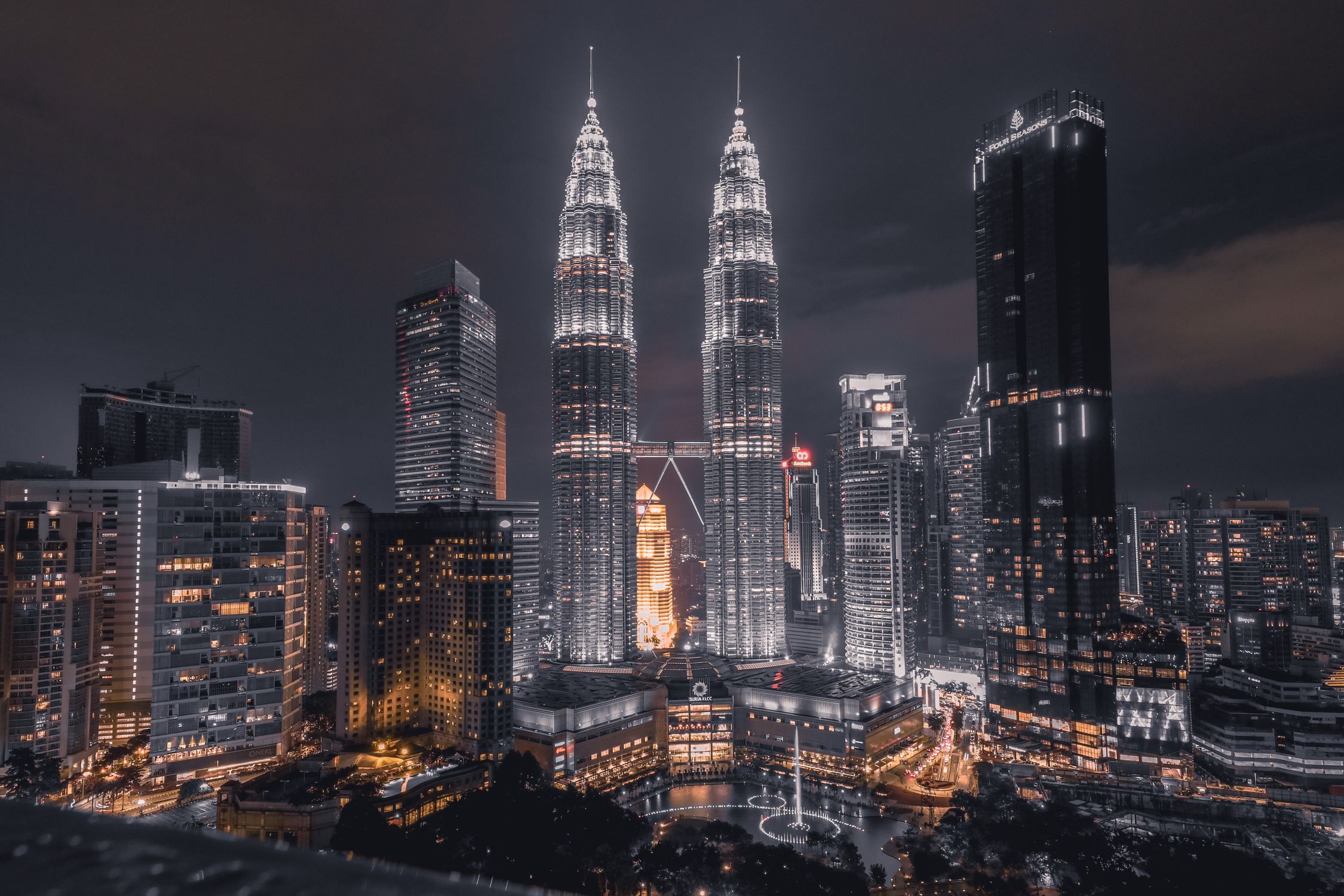
Kuala Lumpur is a cheap, efficient, food-obsessed city that most visitors underestimate. The city's genuine draw isn't the towers — it's a food culture built from Malay, Chinese, Tamil, and Nyonya traditions, all priced for locals. The Petronas Towers get the Instagram attention, but the real reason to spend three days here is to eat methodically: nasi lemak from a hawker stall at 6am, char kway teow from a shop you found by accident at lunch, bak kut teh at 11pm in a mamak filled with construction workers and off-shift nurses. The city works. The trains run. The food is exceptional. The only real gap is between what most guidebooks promise and what actually matters when you arrive.
Henrik Vinter
3 March 2026
baliWhere to Stay in Bali: Honest Area-by-Area Guide
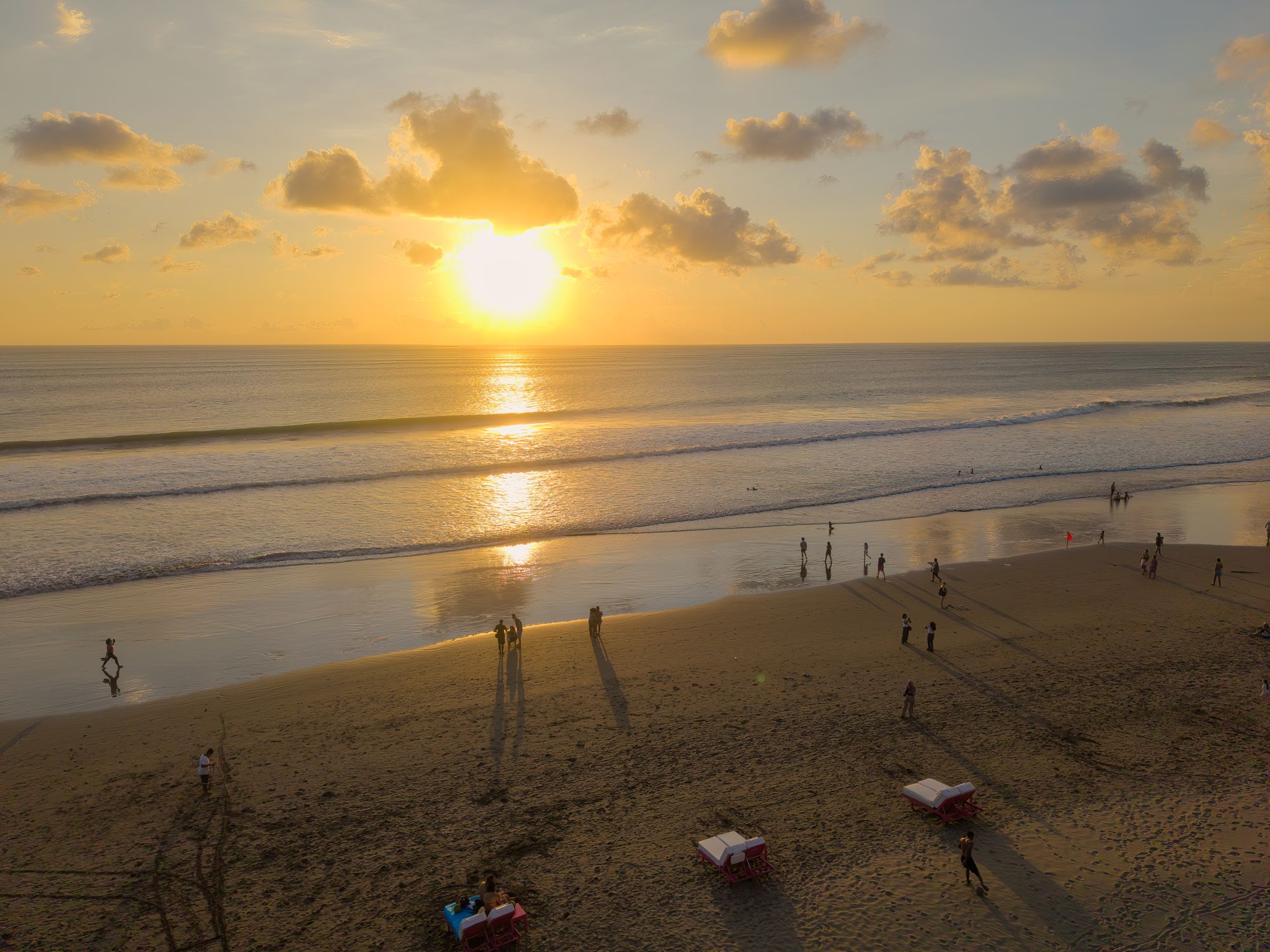
Bali has no single centre. Six distinct towns spread across a 5,600 km² island — each with different energy, price, and practical constraints. Where you base yourself determines how much time you spend in taxis and what you actually see. The wrong location means costly transport friction and wasted days.
Henrik Vinter

2 March 2026
thailandPhuket Travel Guide: What First-Timers Get Wrong
Phuket is Thailand's largest island and its most visited — which means it contains both the country's most developed resort infrastructure and some of its most degraded beach environments side by side. Where you stay determines which Phuket you experience. The island has split into distinct zones: Patong, the neon-bright resort strip; Kata and Karon, quieter southern beaches; Bang Tao and Kamala in the north, where higher-end hotels cluster; Rawai and Nai Harn to the south, for those wanting less tourism density; and Phuket Town itself, a genuine old commercial centre that most beach-focused visitors skip. Understanding these geographies is the difference between a productive stay and wasting transport time chasing a beach experience that doesn't match your pace.
Henrik Vinter
28 February 2026
thailandKoh Mak vs Koh Kood: Which Is Worth the Extra Journey?
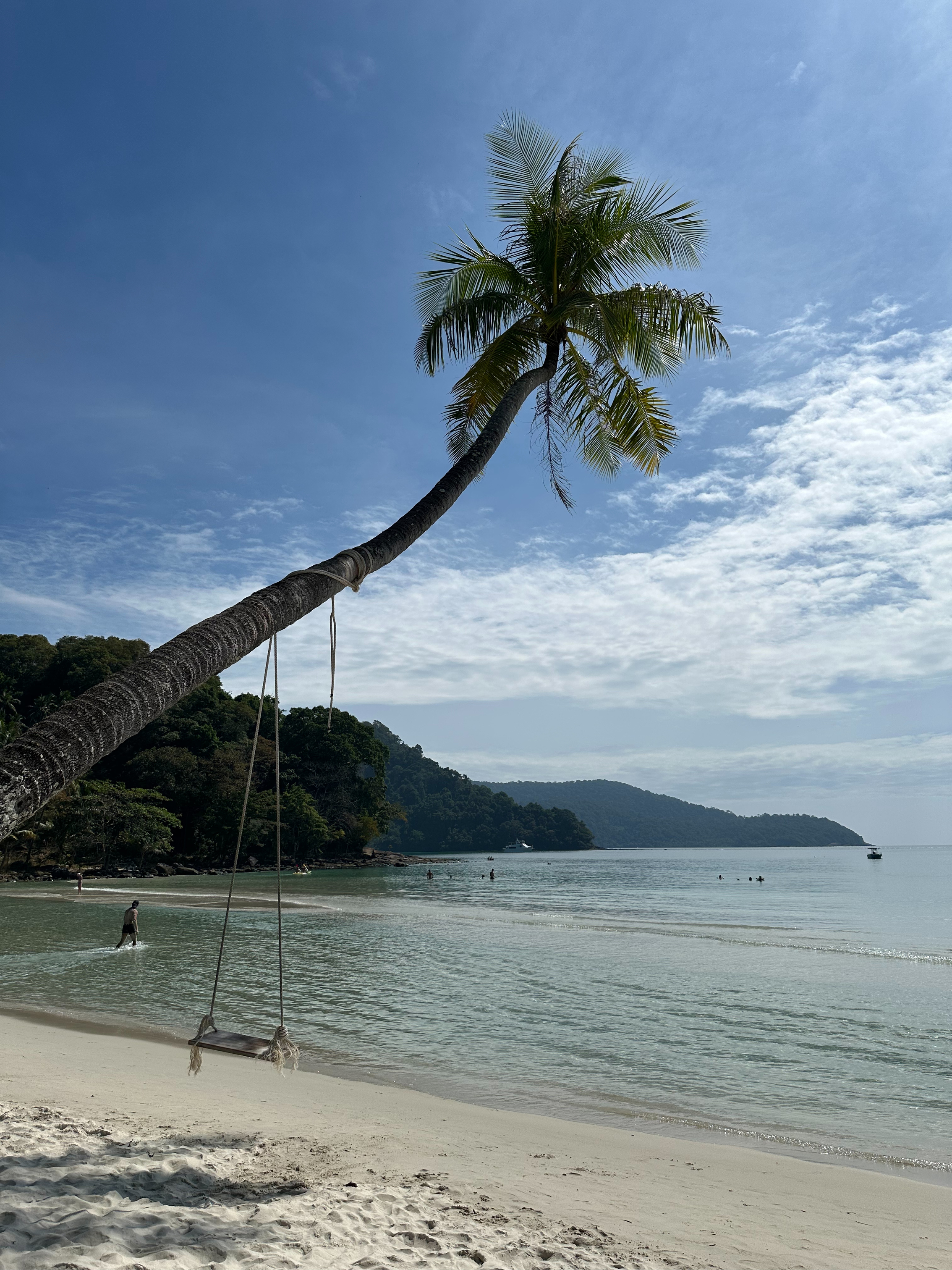
Koh Mak's speedboat from Laem Ngop takes one hour; Koh Kood takes 1.5–2 hours and sometimes runs just once daily. The difference sounds minor until you're holding a ticket for a boat that won't return for three days. Both islands reject Thailand's party-scene formula, but they solve the problem differently: Koh Mak is the answer if you want quiet Thailand accessible; Koh Kood is the answer if you want quiet Thailand remote.
Henrik Vinter
28 February 2026
thailandOne Week in the Koh Chang Archipelago: A Practical Island-Hopping Route
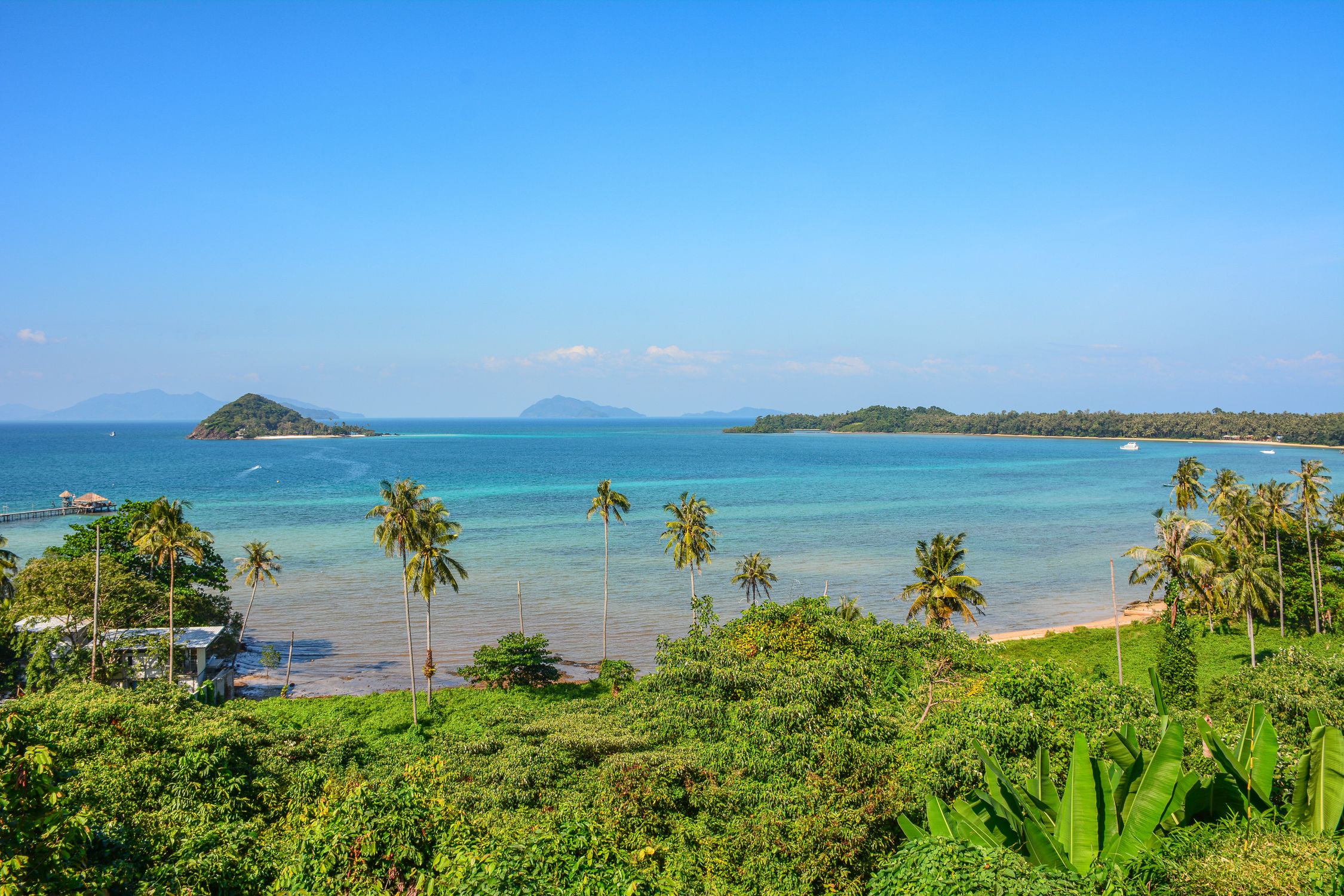
A week in the Koh Chang archipelago requires accepting that getting there consumes most of a travel day: Bangkok to Koh Chang takes five and a half to seven hours via bus and ferry, and returning to Bangkok from Koh Kood means a two-hour speedboat to Laem Ngop plus another five hours overland—or a flight from Trat Airport. This itinerary assumes seven full nights away from Bangkok, treating the arrival and departure days separately.
Henrik Vinter
27 February 2026
thailandKoh Chang vs Koh Mak: Two Islands, Very Different Trips
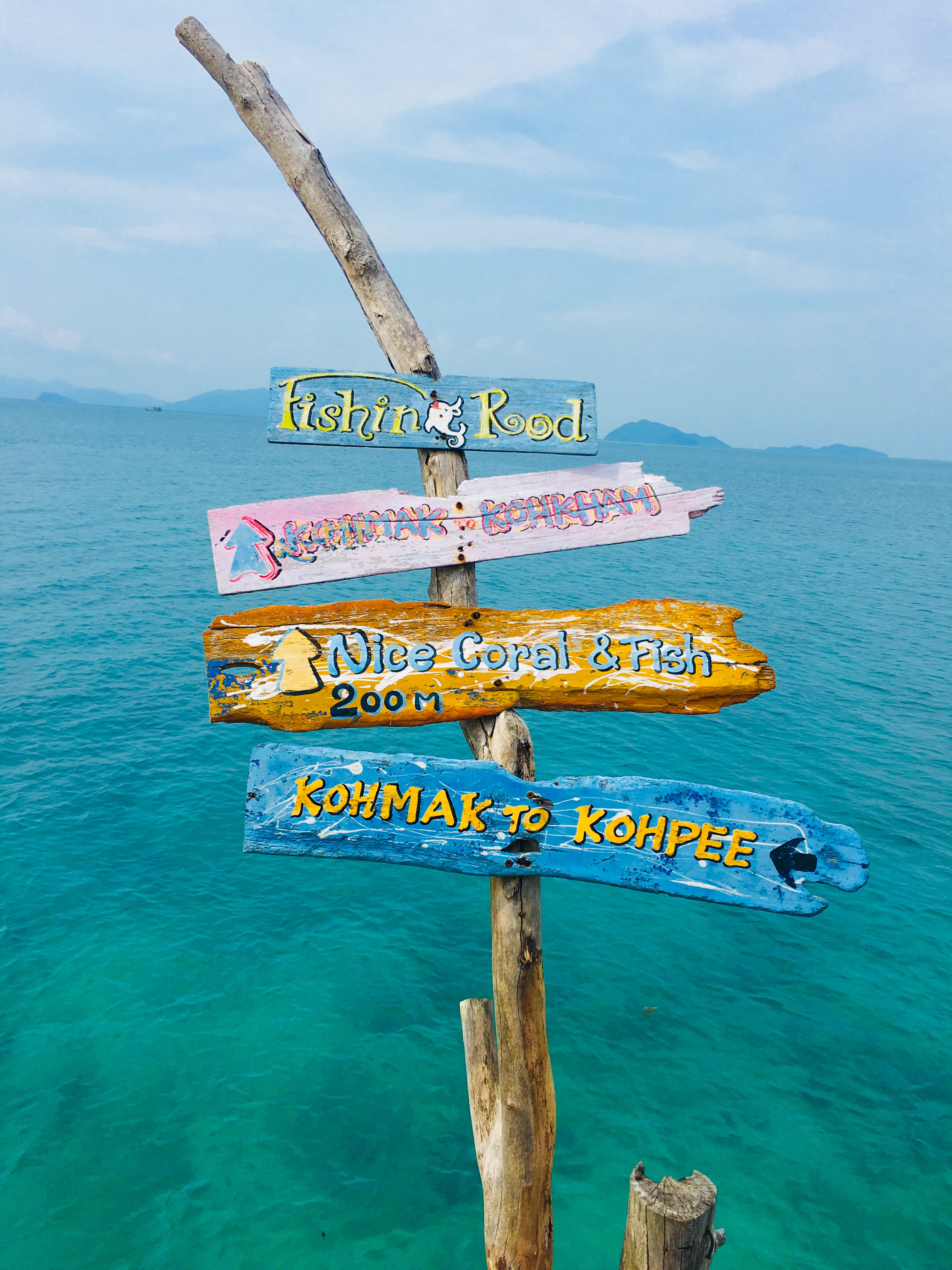
Koh Chang is Thailand's second-largest island at 429 sq km with a paved ring road, 7-Elevens, pharmacies, a hospital, and bars that stay open past midnight. Koh Mak is 16 sq km with one unreliable ATM, no nightlife, and restaurants that close at 9pm. This isn't a quality difference — it's a purpose gap. You pick based on whether you want infrastructure and options or silence and simplicity.
Henrik Vinter
26 February 2026
thailandWhere to Stay on Koh Chang: An Honest Area-by-Area Guide
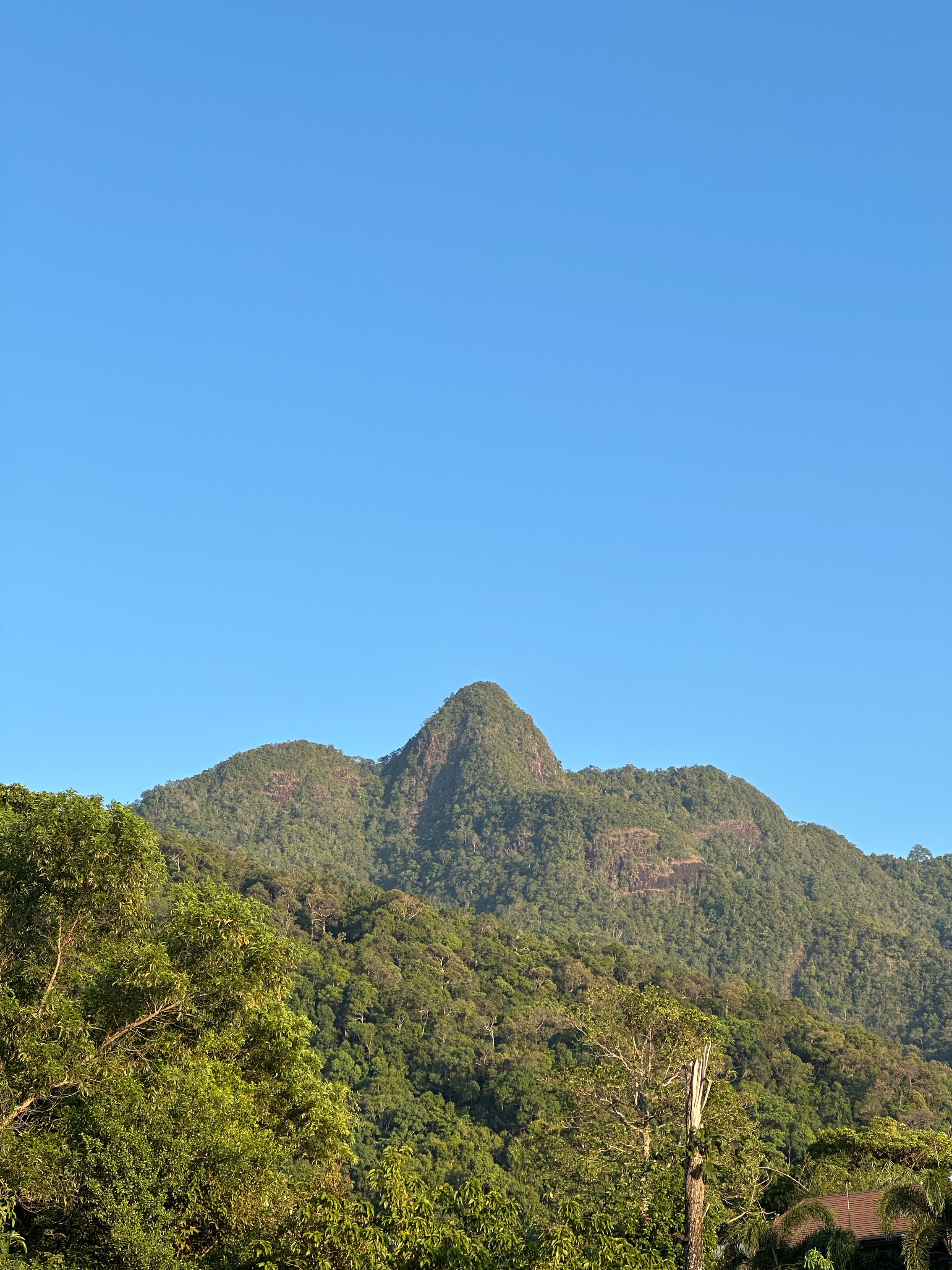
Koh Chang's main beaches run along the northwest and west coast in a clear south-bound sequence from the ferry piers: Klong Son, White Sand Beach, Klong Prao, Kai Bae, Lonely Beach, and Bang Bao. The main road (Route 4049) connects them — each beach is five to fifteen minutes by songthaew from the last. The island's mountainous interior is undeveloped; the east coast has almost no tourist infrastructure. This means your choice of beach effectively determines your entire stay: each area has its own character, price tier, and crowd level. Pick the wrong one and you'll spend your trip driving between beaches.
Henrik Vinter
26 February 2026
thailandBangkok for First-Timers: What the City Is Actually Like
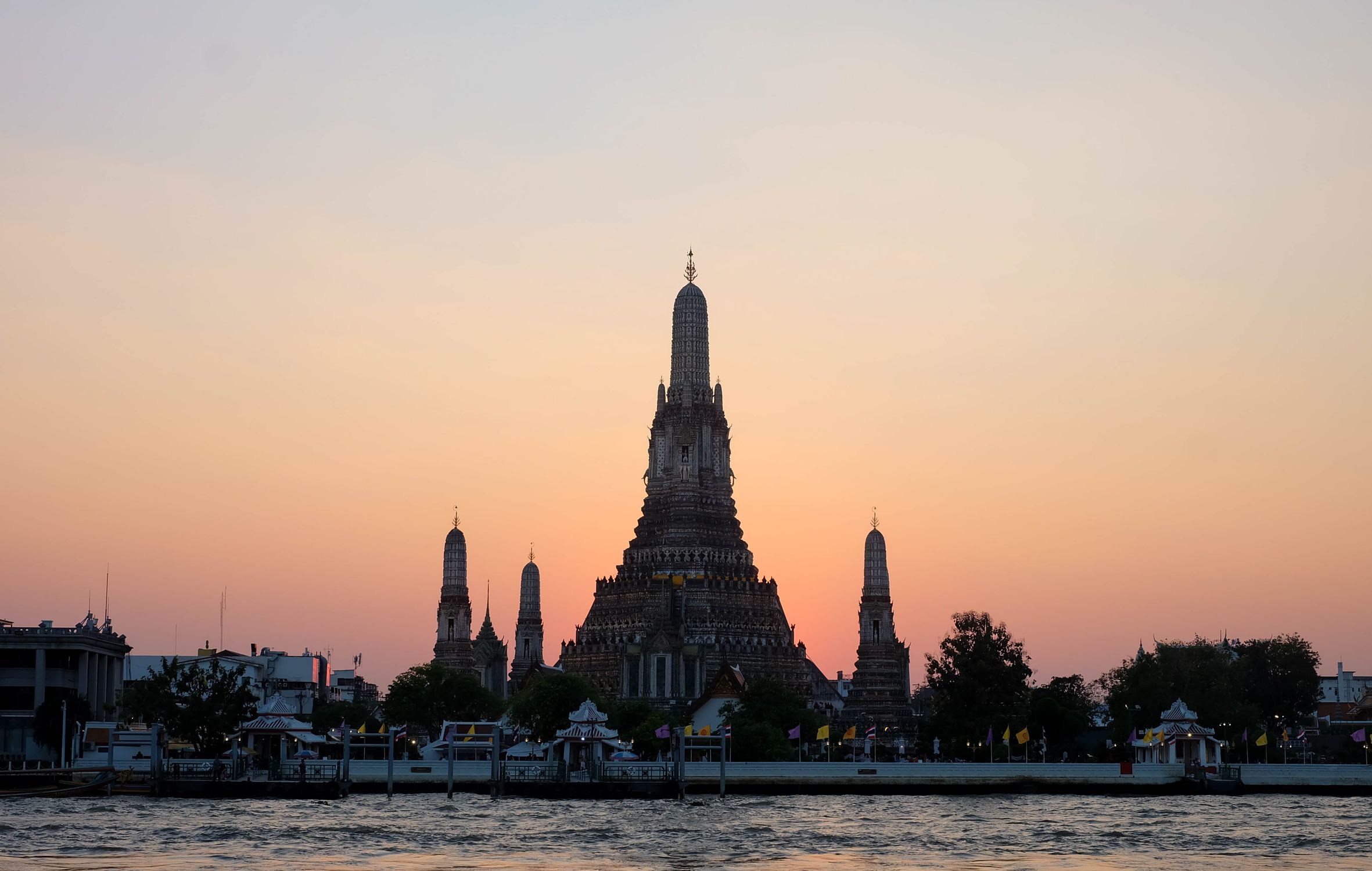
Bangkok's defining feature isn't its temples or night markets — it's the friction of moving through it. The BTS Skytrain covers maybe a third of the city; everything else requires planning. Traffic is so severe that a 3km journey in a tuk-tuk can take 40 minutes. The areas worth visiting are scattered across different districts, connected by overlapping transport networks that don't always overlap where you need them to. Spontaneity works against you here. The travellers who enjoy Bangkok are the ones who accept this upfront and build routes around it, not around a mental map of "must-sees."
Henrik Vinter

25 February 2026
thailandHow to Get to Koh Chang (and the Smaller Islands): Ferries, Routes, and What Changes by Season
Getting to Thailand's eastern Gulf islands requires accepting that Trat Province sits 315km east of Bangkok, just 15km from the Cambodian border — this is not a quick day trip. Plan 5.5–8 hours door-to-beach from central Bangkok depending on your route, plus another 1–2 hours if continuing to Koh Mak or Koh Kood. Most travellers underestimate this distance and arrive exhausted or miss tidal windows for onward ferries.
Henrik Vinter
24 February 2026
thailandKoh Mak: The Quiet Thai Island Most Itineraries Skip
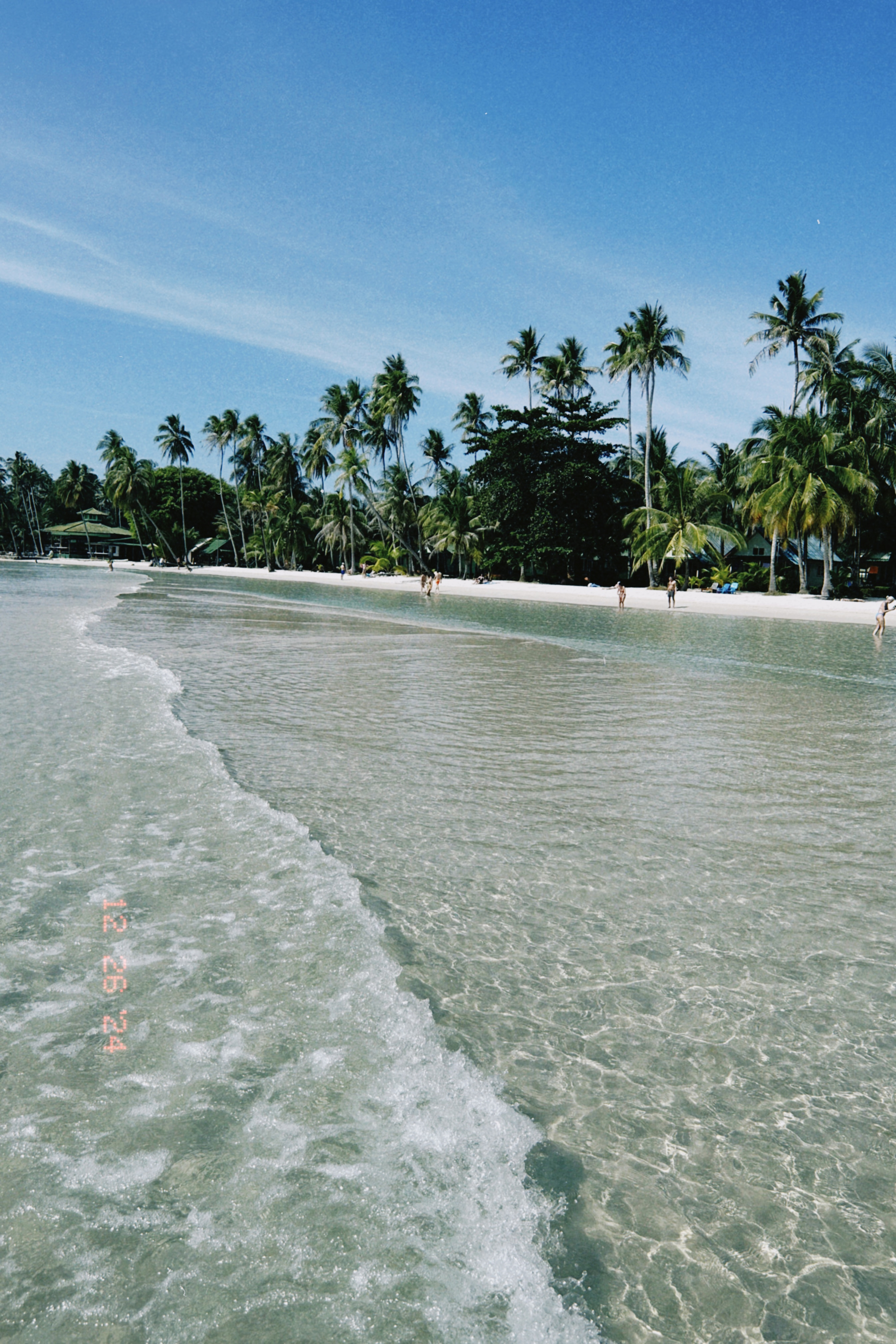
Koh Mak is Thailand's answer to "what if we made an island smaller and slower." Sixteen square kilometres, no nightlife, one traffic light that doesn't work because traffic is irrelevant, and a deliberate scarcity of the infrastructure that defines other Thai islands. The selling point is what's missing — bars until midnight, pharmacies on every corner, reliable mobile signal. If you need those things, Koh Chang is 90 minutes west and has them all. Koh Mak trades convenience for genuine quietness.
Henrik Vinter

24 February 2026
thailandBest Time to Visit Koh Chang: Month-by-Month Weather and Crowd Guide
Koh Chang follows the Gulf of Thailand weather pattern — completely different from the Andaman coast just a few hundred kilometres away — yet most traveller guides treat the entire country as a single climate zone. When Phuket and Krabi are drying out from their monsoon (May–October), Koh Chang and its neighbours Koh Mak and Koh Kood are saturated. The dry season runs November–April everywhere, but the monsoon dynamics shift. Using a generic Thailand weather guide for Koh Chang will lead to poor timing decisions.
Henrik Vinter
22 February 2026
thailandKoh Chang Travel Guide: What First-Timers Need to Know
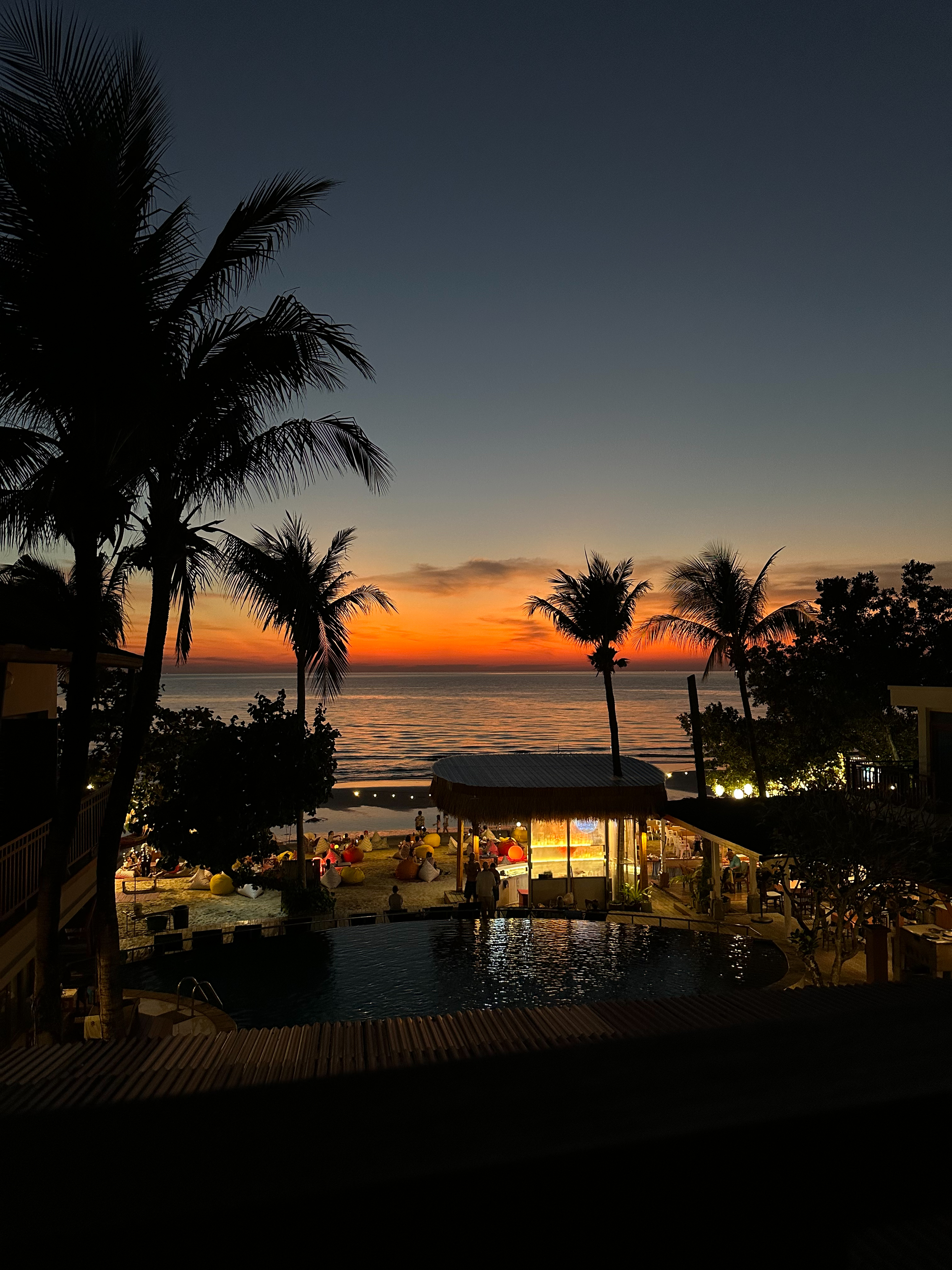
Koh Chang is a 429 sq km mountainous island in Trat Province, eastern Thailand, where 70% is protected national park jungle—but this doesn't mean undeveloped. White Sand Beach on the northwest coast has 7-Elevens, proper hotels, and busy bars, yet 20 minutes south by songthaew you're in genuine forest with waterfalls and empty roads. It's a working island, not a resort construct, which means better value and fewer crowds than the Andaman coast, but also fewer English speakers and less tourist infrastructure than Phuket or Pattaya.
Henrik Vinter
22 February 2026
thailandKoh Chang vs Koh Mak vs Koh Kood: Which Thai Island Should You Choose?
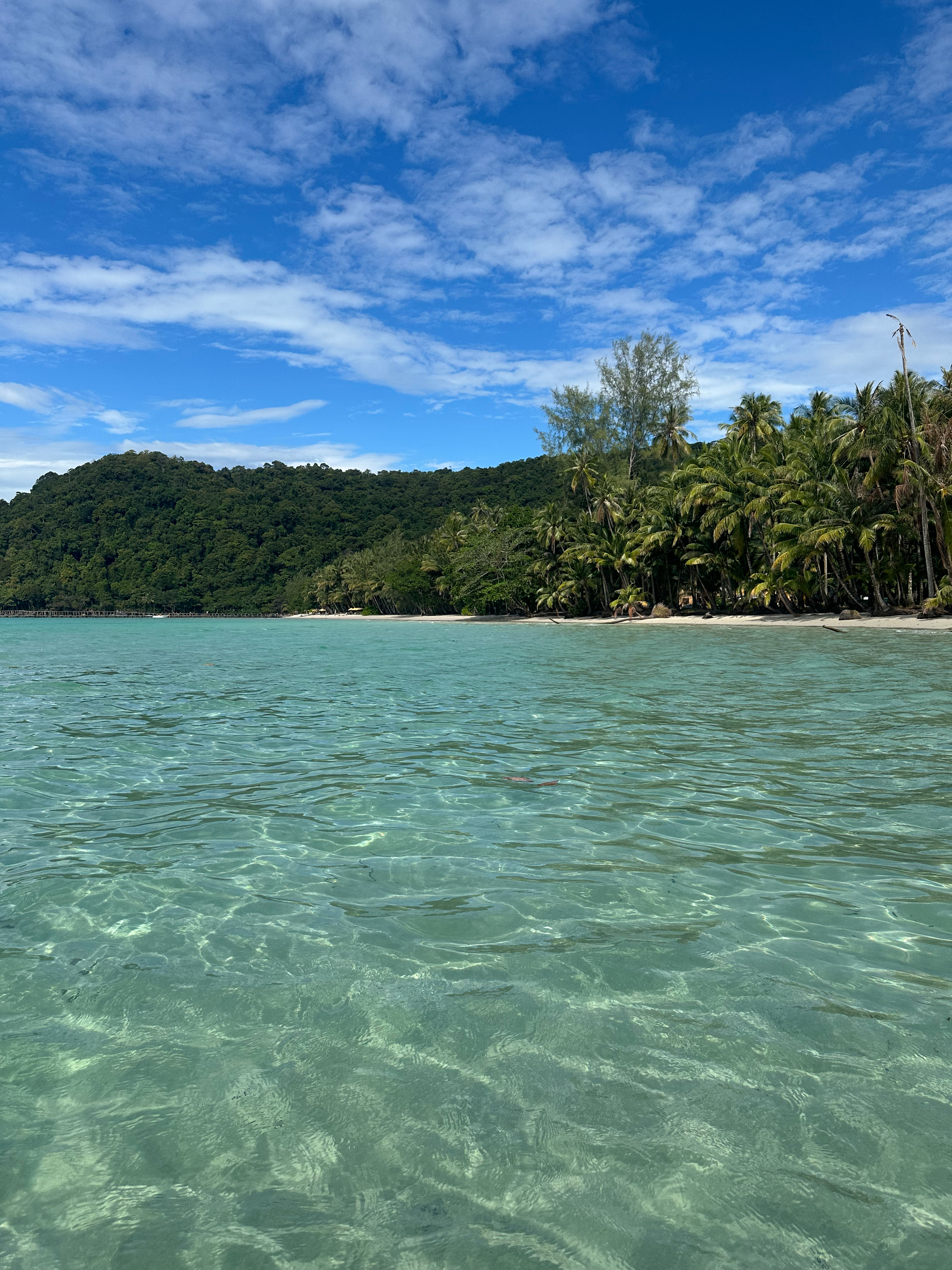
Koh Chang, Koh Mak, and Koh Kood sit in the same archipelago, two to six hours from Bangkok by bus and ferry, but they represent three completely different propositions—and travellers consistently pick the wrong one. Koh Chang is Thailand's second-largest island, developed and accessible, with ATMs, hospitals, and multiple restaurant choices. Koh Mak is a car-free retreat for people who genuinely want to sit still. Koh Kood is remote and expensive, the benchmark for "untouched" Thailand. Pick the wrong one and you'll either be bored by too much activity or frustrated by too little infrastructure.
Henrik Vinter
21 February 2026
thailandKoh Kood Travel Guide: Thailand's Most Remote Island Without the Hype
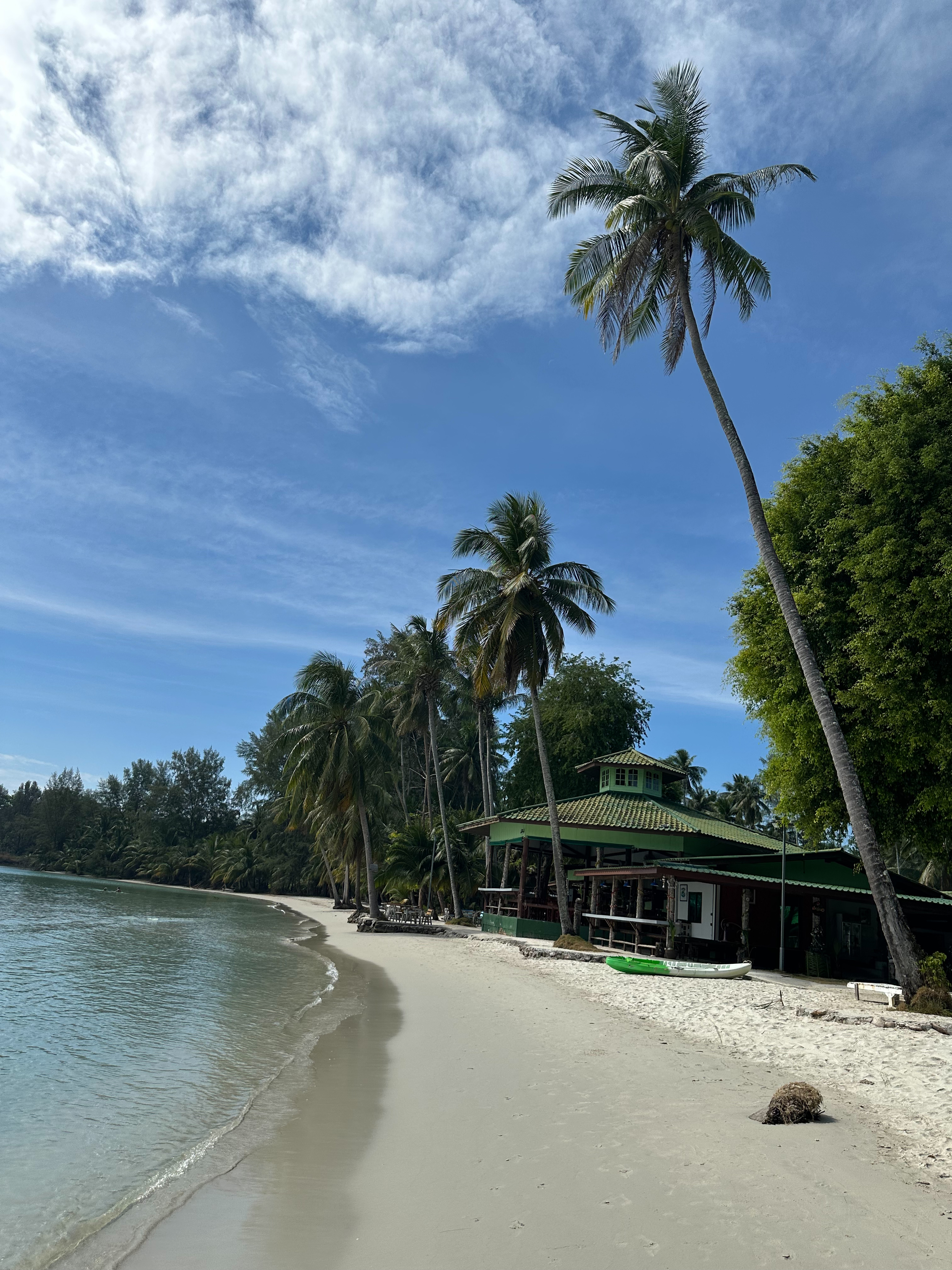
Koh Kood is Thailand's fourth-largest island and its least developed major one—105 sq km with around 3,000 permanent residents, no McDonalds, no 7-Eleven, one ATM with a 20,000 THB daily limit, and 24-hour electricity only recently reliably available across the island. The photographs are accurate: deep green water, white sand, and beaches with perhaps ten people on them. This is rare—the marketing matches reality. What you need to understand before going: Koh Kood requires planning, costs more than Koh Chang or Koh Mak, and rewards patience over speed.
Henrik Vinter

14 February 2026
baliBali vs Lombok: Which Indonesian Island Should You Choose
Bali delivers reliable infrastructure, abundant restaurants, and consistent beginner-friendly waves. Lombok offers fewer crowds, better advanced surf breaks, and genuine quiet beaches — at the cost of patchy transport and fewer amenities. The choice depends on whether you want maximum options or minimum tourists.
Henrik Vinter

28 January 2026
malaysiaPenang, Malaysia: A First-Timer's Guide to George Town and Beyond
Penang is Malaysia's food capital, and George Town — its UNESCO-listed heritage district — is where that reputation lives. This is not a beach destination. Batu Ferringhi's sand is mediocre, the water murky. Come for the hawker stalls, the street art, the clan jetties, and the fact that you can eat extraordinary food for €2–5 per meal in a city that actually tastes like something. The island rewards hungry, curious travellers willing to turn down alleys without a plan.
Henrik Vinter

27 January 2026
singaporeSingapore: What to Do in 3 Days (and What to Skip)
Singapore's cost is 40% higher than Bangkok but 30% lower than central London — and the three-day experience justifies both the price and the precision. The city rewards travellers who don't fight its nature: it's orderly, air-conditioned, efficient, and built for short visits with real payoff.
Henrik Vinter

26 January 2026
vietnamTwo Weeks in Vietnam: A Practical North to South Route
A two-week Vietnam itinerary covering Hanoi to Ho Chi Minh City requires picking five or six stops maximum. The north-to-south routing follows the geography: limestone karst formations and colonial history at the top, imperial cities in the centre, beaches and urban intensity at the bottom. You'll spend 2–3 nights per location and move every second or third day. South-to-north works identically well, but north-to-south feels more natural — you move with the country's gradual shift from cool northern mountains to tropical heat.
Henrik Vinter

25 January 2026
philippinesEl Nido, Palawan: What to Expect and How to Plan the Trip
El Nido's limestone karsts rising from turquoise lagoons—the photographs are accurate. The experience is genuinely one of Southeast Asia's best island destinations. The challenge is logistics: getting there is involved, weather windows are strict, and the infrastructure is budget-leaning with limited mid-range options. Most promotional content skips the six-hour van journey from the airport, the ferry cancellations in wet season, and the fact that you'll share the lagoons with 200 other tourists in peak months. Plan with specifics, or disappointment arrives faster than you do.
Henrik Vinter

24 January 2026
cambodiaAngkor Wat: The Practical Guide to Visiting Cambodia's Temple Complex
Angkor Archaeological Park covers 400 square kilometres with over 1,000 temple structures spread across terrain that takes four to five hours to traverse. Most visitors see five to eight key sites. The standard circuit takes a full day; the outer circuit adds another. Accomplishing it all in a few hours leaves the most interesting temples—Banteay Srei, Beng Mealea, Pre Rup—unseen and means missing what makes Angkor archaeologically distinct beyond Angkor Wat itself.
Henrik Vinter

19 January 2026
thailandChiang Mai for First-Timers: What the City Is Actually Like
Chiang Mai's old city centre holds 130,000 people — Bangkok fits that many into a single district. The difference registers immediately: the moat-enclosed medieval core is walkable in 30 minutes, the major temples operate without the crowding of their Bangkok counterparts, and the surrounding mountains fundamentally alter the landscape. A 1.5-hour flight from Bangkok costs €30 on AirAsia, making Chiang Mai the practical reset point for travellers who want to see Thailand beyond metropolitan sprawl.
Henrik Vinter

10 January 2026
vietnamHanoi or Ho Chi Minh City: Where to Start Your Vietnam Trip?
Vietnam's monsoon system splits at the 16th parallel: the north has winter (November–April, cool and dry) while the south bakes year-round and gets drenched June–October. This means the better starting city often isn't about which you prefer—it's about when you're travelling. A traveller arriving in July from Europe is making a mistake by starting in the north; someone landing in December with two weeks should prioritize Hanoi first. Most guides treat Hanoi and Ho Chi Minh City as interchangeable entry points. They are not.
Henrik Vinter

9 January 2026
baliBest Time to Visit Bali: Month-by-Month Guide
Bali offers warm weather and activities year-round, but timing your visit around the seasonal climate, religious festivals, and crowd patterns will significantly affect your experience. Unlike destinations with extreme seasonal swings, Bali's two broad seasons—dry and wet—overlap considerably with tourism cycles, making some months vastly better than others depending on what you want to do.
Henrik Vinter
8 January 2026
thailandKoh Samui vs Phuket: Which Thailand Island Should You Visit?
Thailand's two most visited islands get compared constantly, and most of that comparison misses the point. People debate beach quality or nightlife or price, when the single most important factor is a calendar question: the two islands sit in different bodies of water and operate on opposite monsoon cycles. Get that wrong and you'll spend a week watching rain. Get it right, and either island delivers genuinely good travel. Here's how to choose between them.
Henrik Vinter

8 January 2026
baliUbud, Bali: What to Know Before You Visit
Ubud is not a yoga retreat town that happens to sit in Bali. It is a working Balinese town of about 80,000 people where rice farming, arts markets, and family-run restaurants exist alongside Instagram cafés and wellness studios. You'll see fruit vendors next to coffee shops charging 85,000 IDR for flat whites. You'll hear gamelan music rehearsals from temples mixed with English accents in the streets. The reputation draws people seeking spiritual transformation and digital nomad infrastructure; the reality is a place where local economy and tourist economy exist in direct, sometimes awkward proximity.
Henrik Vinter

7 January 2026
thailandBest Time to Visit Thailand: Month-by-Month Guide
Thailand's climate divides cleanly into three seasons, but the catch that catches most first-time visitors off guard is that these seasons don't apply uniformly across the country. The Gulf of Thailand coast and the Andaman Sea coast operate on opposite monsoon cycles, meaning there is almost always somewhere in Thailand worth visiting — but also meaning that choosing the wrong coast at the wrong time can derail an otherwise well-planned trip. This guide gives you the specific data you need to match your travel dates to conditions on the ground.
Henrik Vinter