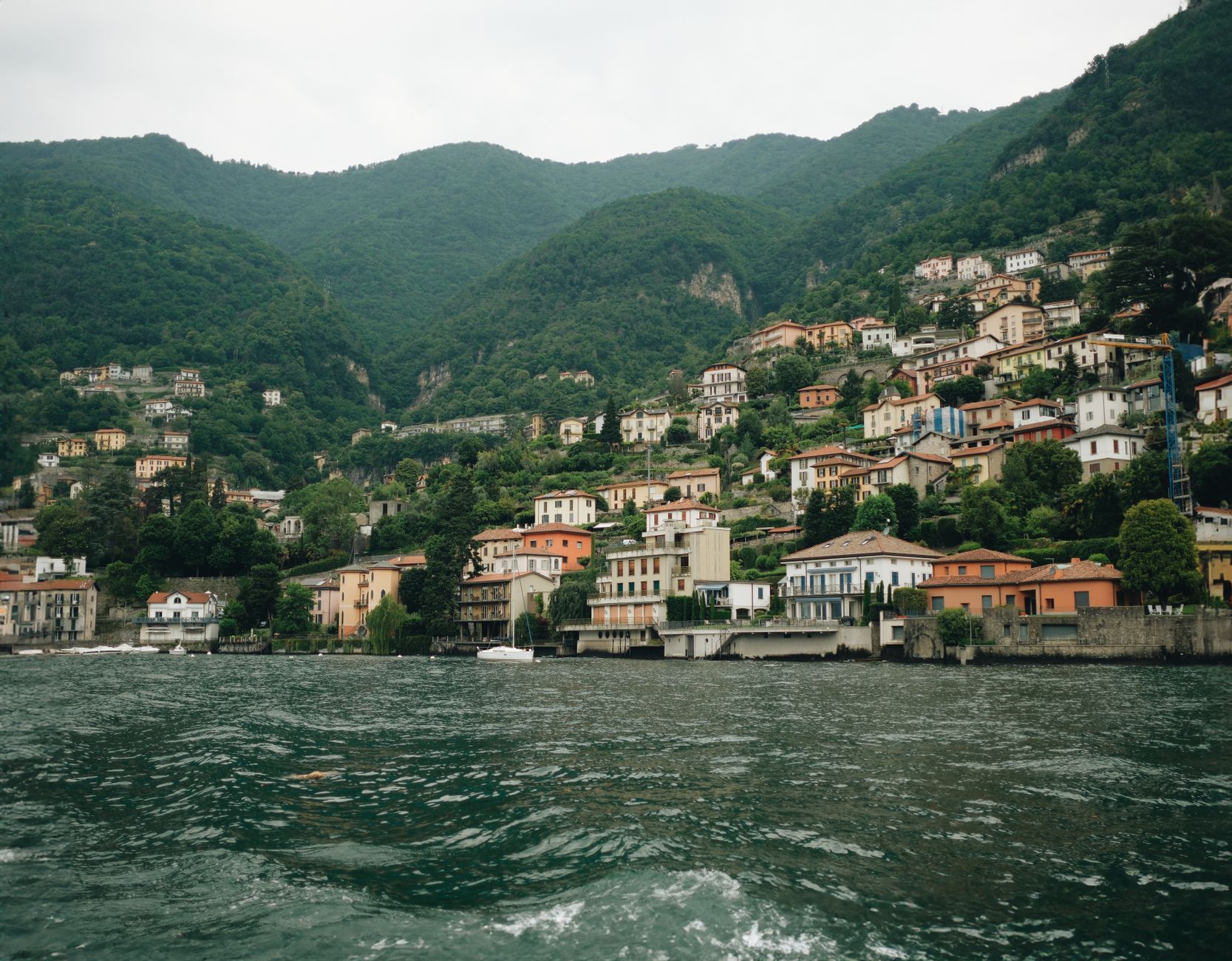

Lake Como sits 50km north of Milan in the Lombardy foothills, split into two branches by a central promontory where Bellagio stands. It is 46km long, up to 410m deep, and has been a destination for European elites since Roman times — Pliny the Younger had a villa here. The practical reality today is simpler: most visitors come for ferry rides between stone-village waterfronts, gardens built on steep terraces, and the specific quality of mountain light on lake water. The crowds and the price tags are part of the deal.
Choosing Your Base
Como city is where most visitors arrive by train. Trenord from Milan Cadorna reaches Como Nord Lago in 50 minutes (€4.80); the station deposits you at the waterfront. Trenord from Milano Centrale to Como San Giovanni is slightly faster (30–40 min, €5) but the station is 20 minutes' walk from the lake. Como has a UNESCO-listed Duomo, a Silk Museum (Museo della Seta, €10 — genuinely informative on the regional industry that financed most of the villas), and a functional restaurant scene. As a city it's unremarkable; as a transport hub and affordable base, it works well.
Bellagio occupies the tip of the promontory between the two lake branches — the most famous position on Como. Villa Melzi gardens (€8, lakeside grounds with neoclassical sculptures) and Villa del Balbianello (€10 grounds, €24 with villa tour) are the main draws; Balbianello's terraced gardens over the water were used as filming locations for Casino Royale and the Star Wars prequels. Day-trippers pour in by 10am and dominate until mid-afternoon. Restaurants require advance booking in peak season. Accommodation is 40–60% more expensive than Como city.
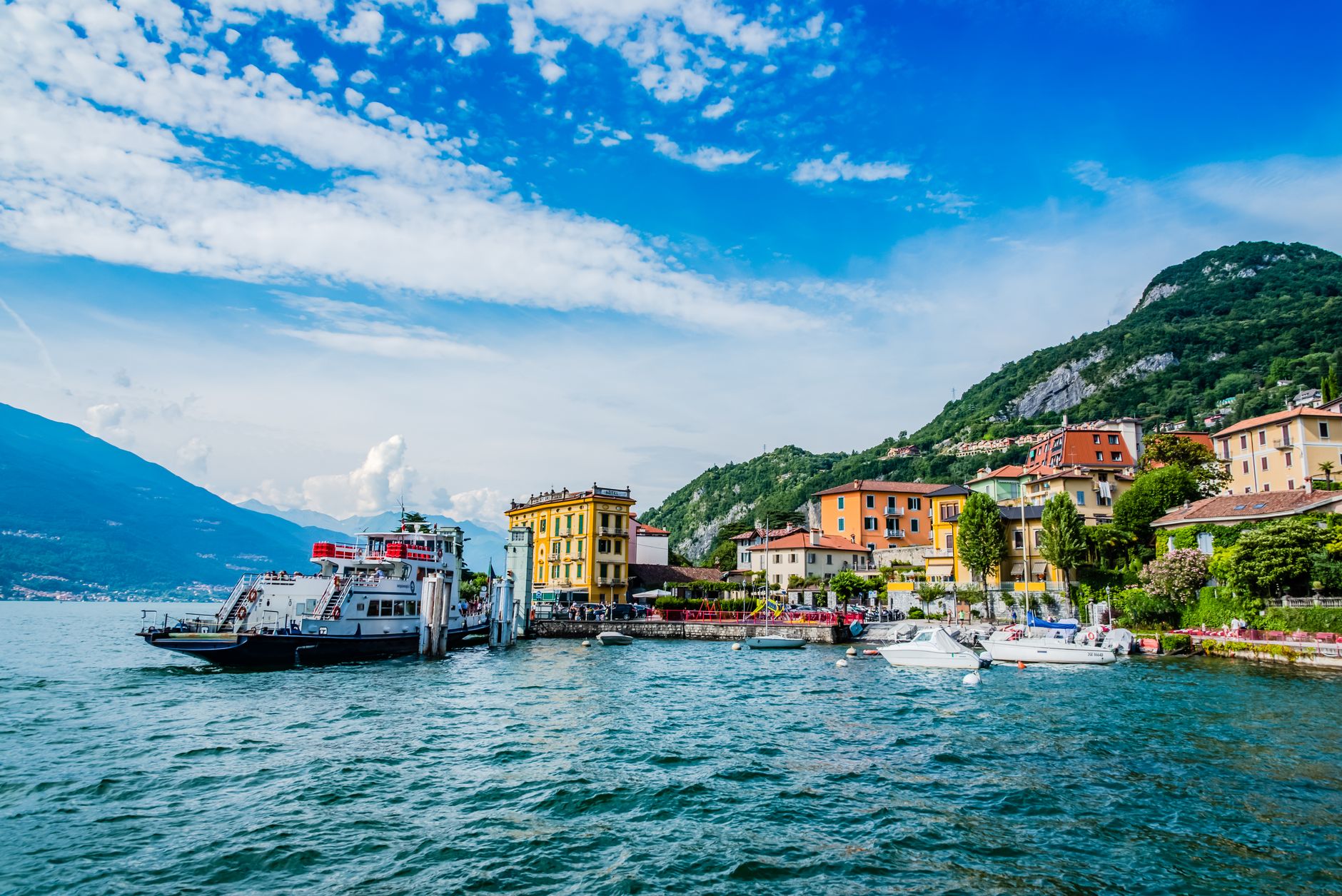
Varenna is the practical alternative. It has direct train access from Milano Centrale (1h10, €7) — you step off the train and walk to the water in five minutes. Villa Monastero (€5, terraced garden along the lake) and Vezio Castle (€4, 20 minutes uphill) are worth an afternoon. The promenade (Passeggiata degli Innamorati) runs along the water's edge and is less crowded than anything in Bellagio. For multi-night stays, Varenna is quieter and less expensive.
Menaggio sits mid-lake and serves as the starting point for the Greenway del Lago di Como — a 10km path between Colonno and Cadenabbia that follows the water at road level through olive groves and small villages.
How the Ferry System Works
Navigazione Laghi operates the lake ferries, hydrofoils, and car ferries. Three service types: slow battello, faster aliscafo hydrofoil, and traghetto (car ferry). Timetables at navigazionelaghi.it — seasonal schedules differ significantly between April–October peak and off-season.
A day pass for the central lake zone costs around €17 and covers unlimited travel. Single Como to Bellagio runs approximately €8. The short car ferry crossing between Bellagio, Varenna, and Menaggio (15 minutes each way) runs every 30–40 minutes — the quickest way to cross from the western to eastern shore without going all the way round. Download the Navigazione Laghi app; missing the last ferry back means a taxi.
The Villas
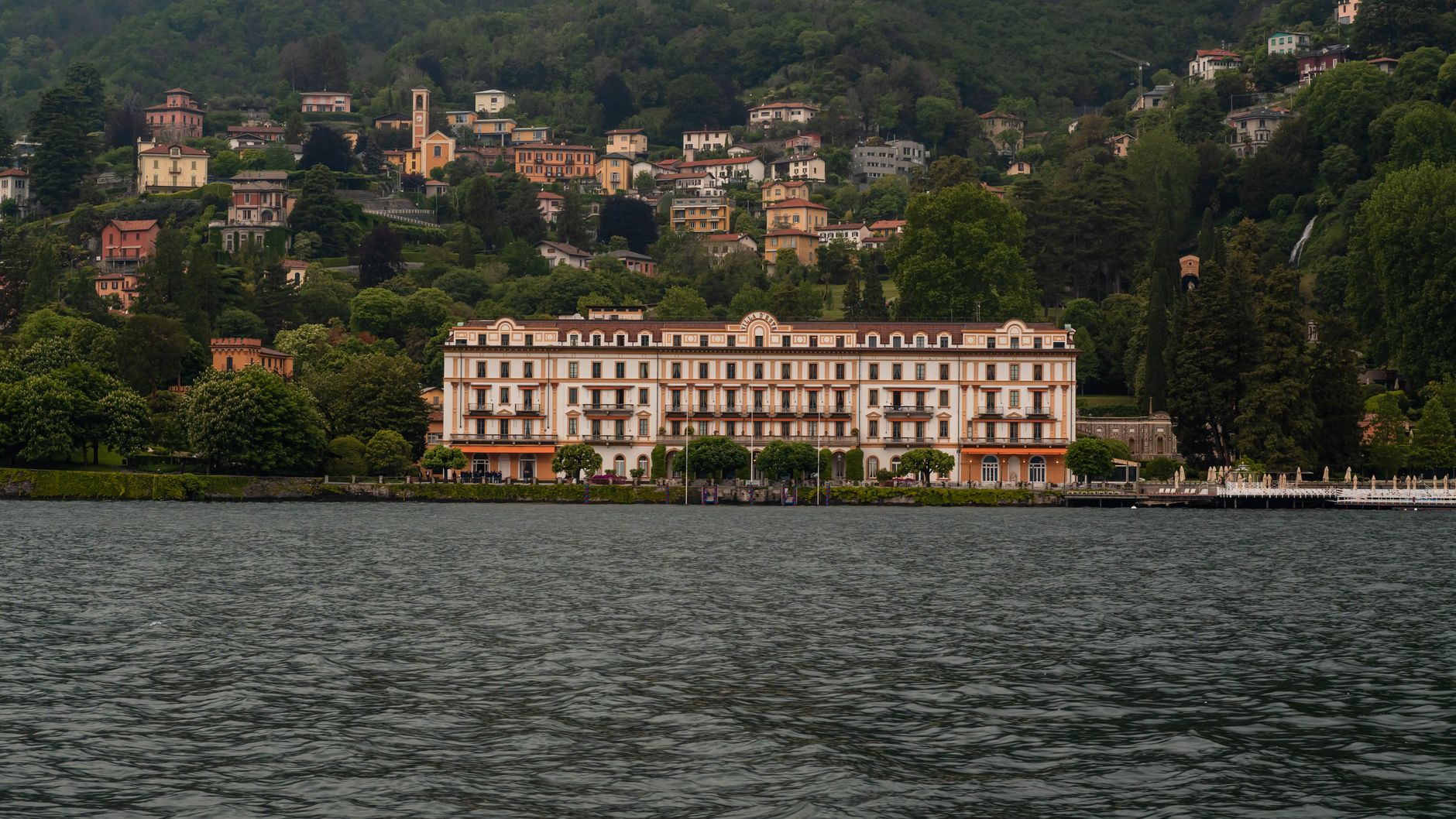
Three receive the most visitors. Villa del Balbianello (Lenno): accessible by water from Lenno (€5 boat) or by signed footpath from Lenno (1.5km, free). The 17th-century terraced garden over the water is the strongest visual argument for visiting Lake Como. Interior tour requires advance reservation at fondoambiente.it.
Villa Carlotta (Tremezzo): known for its rhododendron and azalea collection, which peaks in late April to mid-May. Neoclassical sculpture inside including a full-scale marble copy of Canova's Amor and Psyche. Entry €12.
Villa Melzi (Bellagio): lakeside grounds with English-style landscaping and Japanese garden section. More relaxed than Carlotta. Entry €8.
Getting There from Milan
Two rail routes, as above. A car is useful for exploring the valleys above the lake and the smaller villages away from the water, but it becomes a liability on the lakeside roads in summer — single-lane sections on the western shore (SS340) jam on weekends from May to September. Parking in Bellagio in July runs €4–5/hour and fills up. The ferry and train combination is more efficient for the main tourist circuit.
When to Visit
April–June and September–October: optimal. Mild temperatures, the Carlotta azaleas in season, and no summer gridlock on the roads. May is considered the best single month by most repeat visitors.
July–August: the lake at peak occupancy. Bellagio is overwhelming on summer weekends; Varenna less so. Accommodation prices peak. Worth going if this is when you travel — it remains beautiful — but manage expectations.
November–March: quieter, some businesses close or reduce hours, winter mist on the water produces a different atmosphere. The UNESCO Duomo in Como is easier to visit without crowds.
What Lake Como Actually Costs
Accommodation in Bellagio or Varenna: €120–260/night in peak season. Como city and Lecco: €70–130. Meals in Bellagio: €30–55 for two courses with wine. In Como or Varenna: €20–40. The lake experience itself has modest entry costs — ferries and walking are the core.
Frequently Asked Questions
Is Bellagio worth the crowds?
For a half-day, yes — especially early morning or early evening when day-trippers are absent. As a multi-night base, Varenna is more pleasant and substantially cheaper.
Can you do Lake Como as a day trip from Milan?
Yes. The Cadorna–Como train (50 min) plus a ferry to Bellagio and back fills a satisfying day. Add Varenna if starting early.
Is a car useful at Lake Como?
For the main lakeside towns, a car is more hindrance than help in summer. For the interior valleys and less-visited lake villages (Bellano, Dervio, Gravedona), it opens up options.
How many days does Lake Como need?
Two full days covers the main towns, a villa, and the ferry crossings. Three days is comfortable without rushing.
Why is Bellagio so crowded?
Proximity to Milan (90 minutes), its visual distinctiveness, and decades of marketing as the quintessential lake town. The day-tripper trade is large and predictable — it arrives at 10am and largely leaves by 4pm.
Is the ferry system easy to use?
Yes. The app and printed timetables at piers are clear. Buy the day pass if making more than two ferry trips; individual tickets are efficient for single crossings.