
Rome operates at two speeds simultaneously: the tourist circuit, which routes millions of people per year through the same seven sites, and the city that Romans actually use, which runs parallel to it and is quieter, cheaper, and more interesting. The overlap is real — the Colosseum and the Vatican are genuinely significant, and skipping them to feel original is its own kind of cliché. The useful move is to do both while understanding the logistics that make the difference between a miserable queue and a functional visit.
Pre-booking: What Sells Out and How Far Ahead
The Colosseum requires timed-entry tickets and sells out 2–3 weeks ahead in high season (April–June, September–October). Book on the official site (coopculture.it) — third-party resellers charge significant markups for the same ticket. The Vatican Museums require advance booking even more urgently in peak months; same-day entry is effectively impossible from April through October. Book directly at museivaticani.va. The Borghese Gallery is limited to 360 visitors per two-hour slot and requires advance booking year-round — it's one of the finest collections of Baroque sculpture in the world (Bernini's Apollo and Daphne, his Pluto and Persephone), and without a booking you won't get in.
The Trevi Fountain requires no booking and is free, but is genuinely crowded at all hours. The least crowded time is 6–7am, which also has the best light for photographs. The Pantheon charges €5 entry and is manageable with a short queue most days.
How Rome Is Laid Out
The historic centre occupies a meander of the Tiber River. The main tourist sites are spread across a roughly 4km diameter that is walkable, but the distances are deceptive — Rome's cobblestone streets and constant hills make 10,000 steps feel like 15,000. The four most useful reference points are the Colosseum (east), the Vatican (west, across the river), the Trevi Fountain (centre-north), and the Campo de' Fiori (centre, south of the Pantheon).
Trastevere, across the Tiber from the historic centre, is the neighbourhood most consistently recommended by repeat visitors — dense medieval streets, good restaurants that predate the Instagram era, and a local evening atmosphere that survives despite the tourist attention. Prati, directly north of the Vatican, is quieter and more residential, useful as a base if you're spending significant time at the Vatican Museums. The Pigneto and Ostiense neighbourhoods in the east are where Romans in their twenties eat and drink; less convenient for sightseeing but worth an evening.
The Vatican: Getting the Most From the Visit
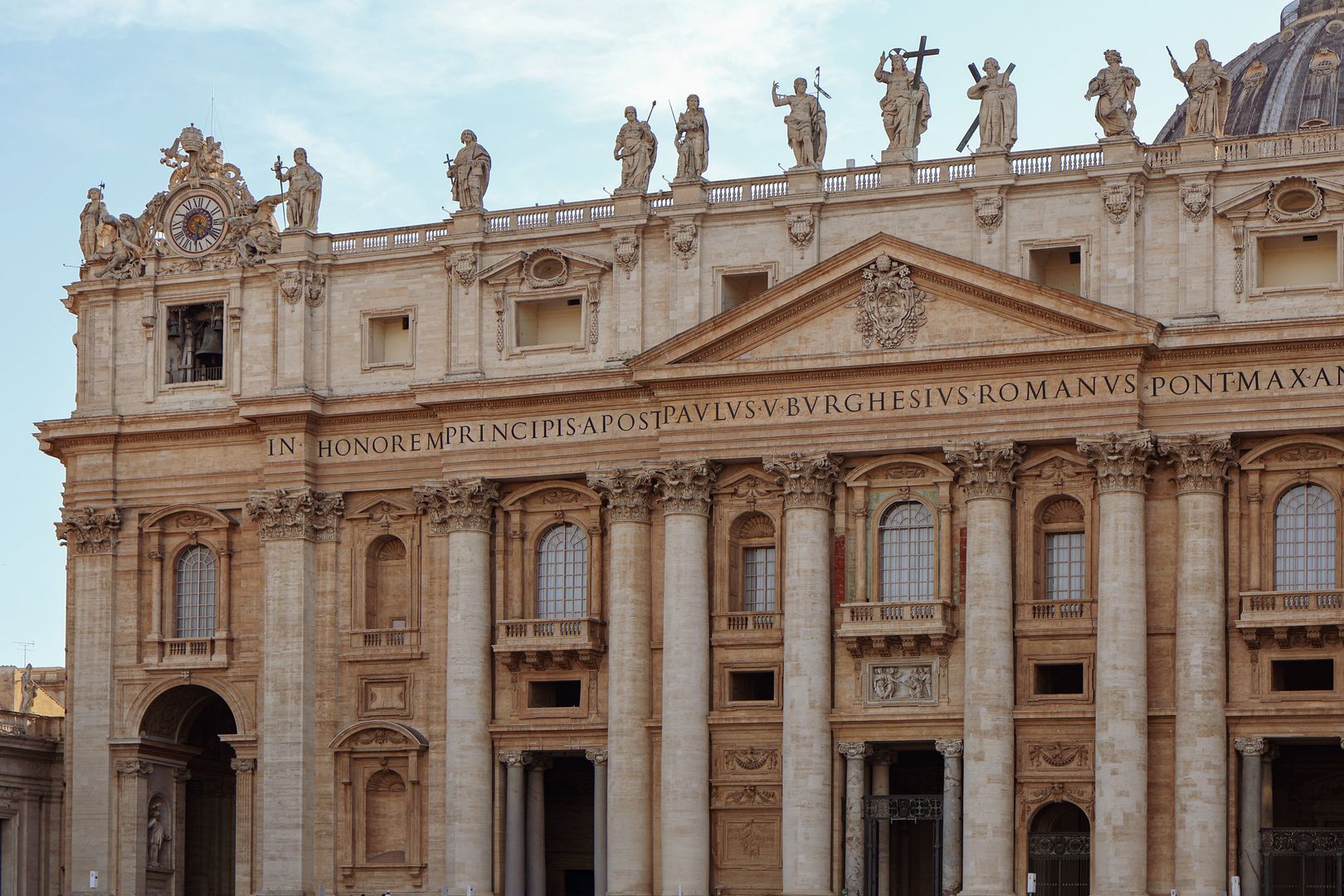
The Vatican Museums contain one of the largest art collections in the world — 54 galleries, 70,000 works, with roughly 20,000 on display at any time. The Sistine Chapel is the endpoint of the main visitor route and worth the journey, but most people arrive there exhausted after rushing through galleries they didn't stop to look at. The Gallery of Maps (a 120-metre corridor painted with 40 maps of Italy's regions, completed in 1583) and the Raphael Rooms are the most overlooked highlights on the route to the Chapel.
St Peter's Basilica is separate from the Museums and free to enter (queue separately). The dome climb (€8 with lift, €6 on foot) gives the best elevated view of the city. Allow 30–40 minutes for the church itself; the tombs in the crypt below include multiple popes and, by tradition, St Peter himself.
Where to Eat in Rome
Roman food has a handful of dishes specific to the city and worth seeking out: cacio e pepe (pasta with pecorino and black pepper, no cream), carbonara (egg yolk, guanciale, pecorino — not cream), coda alla vaccinara (braised oxtail), and supplì (fried risotto balls with mozzarella). The further you eat from the main tourist sites, the better the quality-to-price ratio. Testaccio, the neighbourhood that grew around Rome's former slaughterhouse, has the most concentrated selection of traditional Roman restaurants and a morning market that opens at 7am.
Aperitivo culture is less developed in Rome than in Milan or Bologna, but the Campo de' Fiori and Trastevere areas have good bars for early evening drinks. Coffee is taken standing at the bar in almost every café — sitting down triggers a table service charge that can double the price.
When to Visit Rome
October and early November are the best months: temperatures 15–20°C, lower visitor numbers than summer, and the autumn light on the stone is excellent. March and April are also good but Easter week brings significant crowds. May is increasingly crowded. July and August are hot (34–38°C), busy, and many Romans leave the city — some smaller restaurants close for August.
December and January are the quietest months. The weather is cool (8–13°C) and some days wet, but museum queues are manageable without advance booking and accommodation is 30–40% cheaper than peak season.
Getting Around and Practical Costs
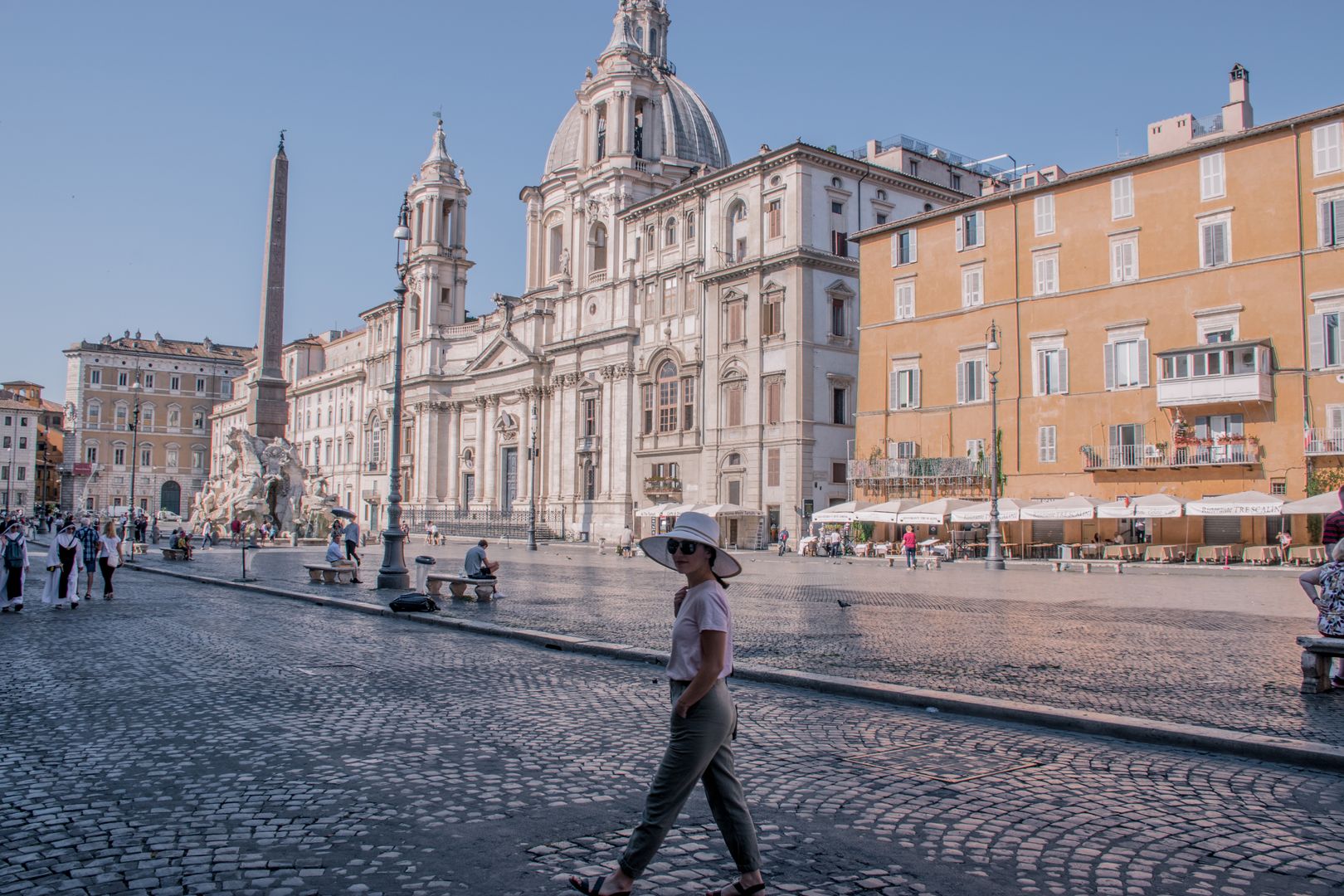
The historic centre is compact enough to walk between most sites. The Metro has only two main lines and covers the key points poorly — it's useful for reaching Termini station and the outer neighbourhoods but not for getting between the Colosseum and the Pantheon (which are quicker on foot). Buses cover the gaps. A single transit ticket costs €1.50; 24-hour pass €7.
Rome is mid-range by major European capital standards. A mid-range restaurant meal runs €20–35 per person with wine. A tourist menu (fixed three courses) is typically €15–25 and ranges from reasonable to mediocre — the better value is ordering from the regular menu at a place away from the main piazzas. Accommodation in a central mid-range hotel runs €100–180 per night; in Trastevere, €90–150. A daily budget of €80–120 per person excluding accommodation is realistic for a proper visit.
Day Trips From Rome
Tivoli (45 minutes by regional train, €3.50) has two UNESCO-listed sites within walking distance of each other: Villa d'Este, famous for its Renaissance gardens and elaborate fountain system, and Hadrian's Villa (Villa Adriana), the largest Roman villa ever built, covering 120 hectares. Both charge €10–12 entry and are best visited on a weekday. Ostia Antica (30 minutes by train, €12 entry) is Rome's ancient port city — better preserved than Pompeii in some respects, far less visited, and reachable on a half-day. The Naples and Pompeii day trip (1h10 by fast train, €25–40) is logistically feasible but requires an early start and feels rushed.