Athens is a city that underwhelms before it corrects itself. The first impression—traffic, dust, a chaotic centre scarred by 1960s concrete—gives way to something more textured: an ancient city that feels genuinely inhabited rather than preserved for visitors. The Acropolis is real and worth seeing. The food is excellent. And the neighbourhoods south of the centre—Koukaki, Mets, Pangrati—are what the travel photography never captures. Most first-timers spend two days chasing monuments and miss the Athens that actually exists below the hill.
How many days should you spend in Athens?
Two to three days is correct. One day is not enough; four feels redundant unless you're deliberately slow-moving. A day for the Acropolis complex and the ancient sites below it. A second day for the neighbourhoods, the Acropolis Museum, and dinner in a neighbourhood taverna. A third day, if you have it, for the National Archaeological Museum or a day trip to Hydra or Cape Sounion. Anything beyond that requires a specific reason—a cooking class, an extended island trip, a deliberate drift through the city's rhythms. Athens rewards staying, but it doesn't require it.
Acropolis tickets: the practical reality
Timed-entry tickets are mandatory during peak season (April through October). Book online at least one to two weeks ahead through the official Greek Culture Ministry site; last-minute availability is rare in July and August. The standard Acropolis ticket costs €30 and grants access to seven other archaeological sites valid for five days: the Ancient Agora, Roman Agora, Kerameikos, Hadrian's Library, Tower of the Winds, Temple of Olympian Zeus, and Aristotle's Lyceum. Buy the combo if you plan to visit more than three sites. Family discounts (children under 6 free, 6–18 half price) apply.
The single most counter-intuitive fact: arrive at 8am opening or plan to visit two hours before closing (usually 8pm in summer). Midday on the Acropolis in July through August is 35°C or hotter on exposed marble with no shade. The heat makes the site actively miserable, not just uncomfortable. Early morning or late afternoon, you'll see the view and the actual structure. At noon in August, you're standing in a crowd, dehydrated, watching the Parthenon shimmer.
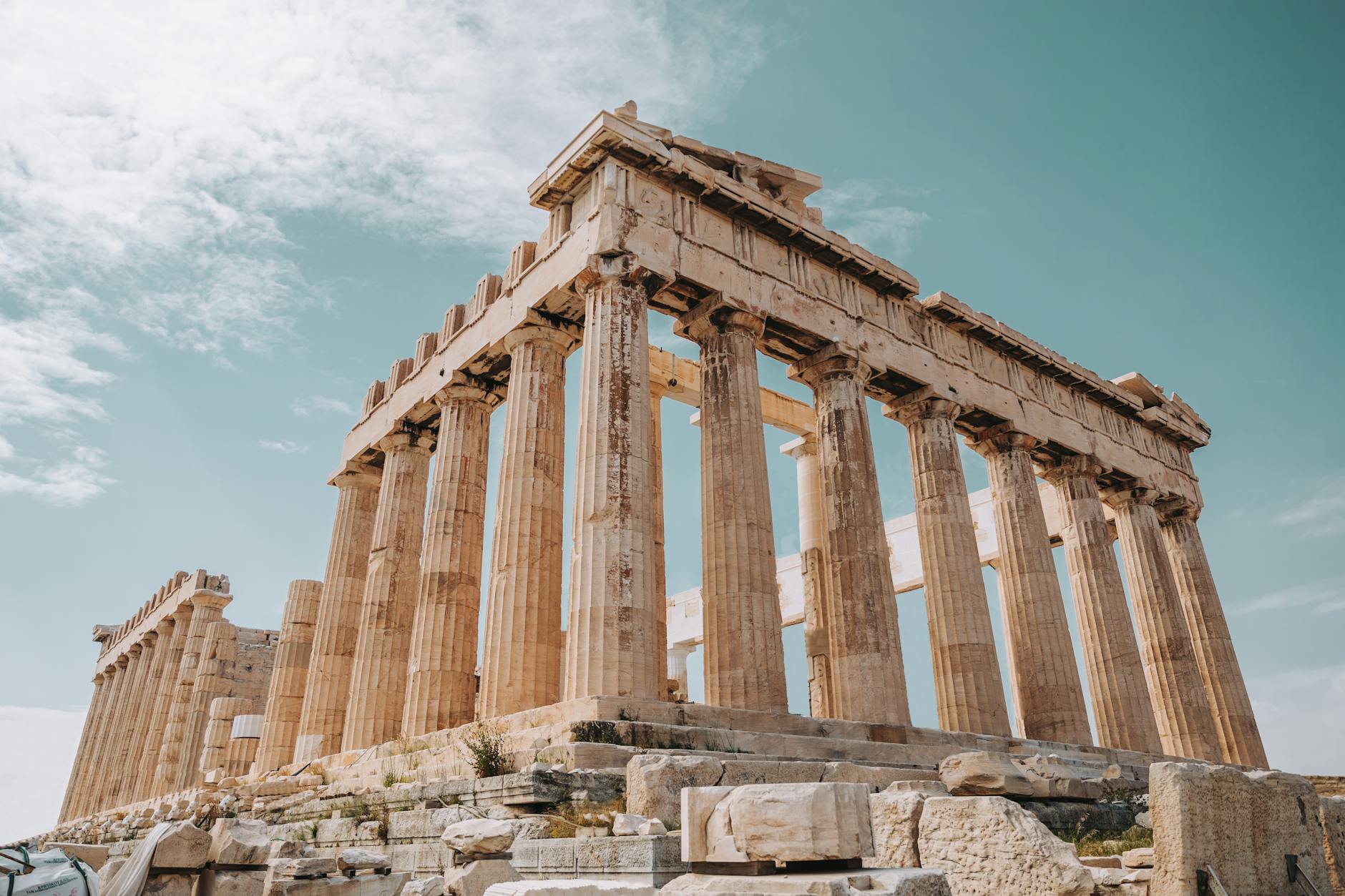
The Parthenon has been under restoration continuously since 1975. You will see cranes and scaffolding. This is not a reason to delay going. The restoration is the longest continuous archaeological project in the Western world; it's also genuine. The site remains entirely navigable and visually coherent.
Acropolis Museum (€15, separate ticket, located below the south slope of the hill) is superior to the site itself for understanding the sculptures, the spatial relationships, and the history. The Elgin Marbles argument is literally visible here—glass cases containing the fragments that remain, opposite photographs of the sculptures now in the British Museum. Allow two hours minimum. The top-floor café overlooks the Acropolis at close range and costs no more than a café anywhere else in the city.
Beyond the Acropolis: the archaeological sites that work

Ancient Agora sits directly below and west of the Acropolis. This was the marketplace and civic centre of ancient Athens—the space where democracy was debated and daily commerce happened. The Temple of Hephaestus, built around 450 BCE, stands at the north end and is the best-preserved ancient Greek temple in existence. No reconstruction, no restoration—it stands largely as built. The museum here is small but focused. Ninety minutes sufficient. Included in the combo ticket.
Kerameikos occupies the original city walls on the west side of the centre, near Gazi. It's the ancient cemetery and one of the few places where you can see how the city was actually fortified. Quiet. Rarely crowded, even in summer. The museum displays grave markers and funerary sculpture; the site itself is scattered across olive trees and grass. Forty-five minutes. Included in combo.
Roman Agora and Tower of the Winds (Horologion): smaller, 30 minutes combined. The Tower is an octagonal marble structure from the 1st century BCE with eight wind deities carved on each face—less about scale and more about Roman precision. Included in combo.
National Archaeological Museum (Patission Street, north of Syntagma): €15, separate ticket, no time limit once inside. The collection is the most significant assembly of Greek antiquities in the world. The Antikythera Mechanism (a 2,000-year-old analogue computer salvaged from a shipwreck), the Mask of Agamemnon, Cycladic figurines, bronzes. Plan two to three hours. It's not on the Acropolis, which means most first-timers miss it. Don't.
Where to stay: neighbourhood trade-offs
Monastiraki (flea market area, northwest of the Acropolis): the most tourist-concentrated neighbourhood. Direct Acropolis views from Monastiraki Square. Mezze restaurants on every corner, many targeting visitors. Lively at night but crowded. Stay here if you want proximity to everything and don't mind paying tourist prices for dinner. Rooms €70–120 per night mid-range.
Plaka (directly below the Acropolis): the old neighbourhood, narrow stone streets, geraniums on balconies. Overly touristic for eating (marked-up prices, mediocre food). The streets are atmospheric at 7am before the crowds arrive and hollow by 2pm once they do. Day-trip here, don't base here.
Koukaki (south of the Acropolis, between the Acropolis Museum and Mets): the best neighbourhood for first-timers to stay in. Quieter than Monastiraki, no flea market tourism, genuinely residential. Excellent small cafés. Tavernas serving local prices to local customers. A ten-minute walk to the Acropolis Museum, fifteen minutes uphill to the Acropolis itself. Metro access. Rooms €60–90 per night. This is where you learn what the city actually is.
Psyrri (adjacent to Monastiraki, west): street art, independent bars, tavernas at non-tourist prices. Grittier, younger atmosphere. Fine for staying if you want more autonomy and less guidebook-following. Rooms €55–85 per night.
Exarcheia (north of Syntagma, near the National Archaeological Museum): the bohemian and anarchist district. Vibrant, occasionally politically charged (graffiti, protests—nothing aimed at tourists but visible). Excellent coffee and cheap food. Less polished than Koukaki but more texture. Rooms €50–80 per night.
Syntagma (city centre, Parliament Square): business-oriented, nearest the airport, good Metro access. Less character than Koukaki. Rooms €70–110 per night.
For a first visit, stay in Koukaki. The walk to the Acropolis is part of learning the city. The neighbourhood itself is the point.
Food: where and how to eat
Athens eating breaks into three categories: mezze, fast food, and taverna.
Mezze culture is the foundational meal. Order many small dishes rather than a single main course. Taramasalata (fish roe spread with bread), saganaki (fried cheese), spanakopita (spinach pie), grilled octopus, dolmades (stuffed grape leaves), cheese and cured meat plates. A mezze dinner for two costs €25–35 including wine. Sit outside. Greeks eat meze leisurely—this is not fast consumption.
Souvlaki (grilled meat on a skewer): the correct Greek fast food, not the tourist version sold to crowds on the Acropolis steps. Kostas (Edoardou Street, directly off Syntagma Square) is a window counter operation, no seating, cash only, €3 per skewer of chicken or pork, two skewers and you're full. It has operated since 1953 and serves locals and workers, not tourists (though tourists do find it). The queue moves fast.
Taverna dinner: linen tablecloths, open late (Greeks eat dinner at 9–10pm, and tavernas don't clear the kitchen until 11:30pm), wine poured from the barrel or a basic bottle. To Kati Allo (Veikou Street, Koukaki) is unlisted in most guides, occupied by locals, open Tuesdays–Sundays, grilled lamb and vegetables, €35–50 for two with wine. No English menu; that's intentional. Point at what others are eating. This is the meal that changes how first-timers understand the city.
Varvakios Agora (Athens Central Market): open Monday–Saturday mornings. Fish, meat, and cheese halls. Smells of the sea and work. Walk through early in the day, grab cheese and olives, sit on a bench with bread. This is not a tourist destination; it's the city's supply line.
Day trips from Athens
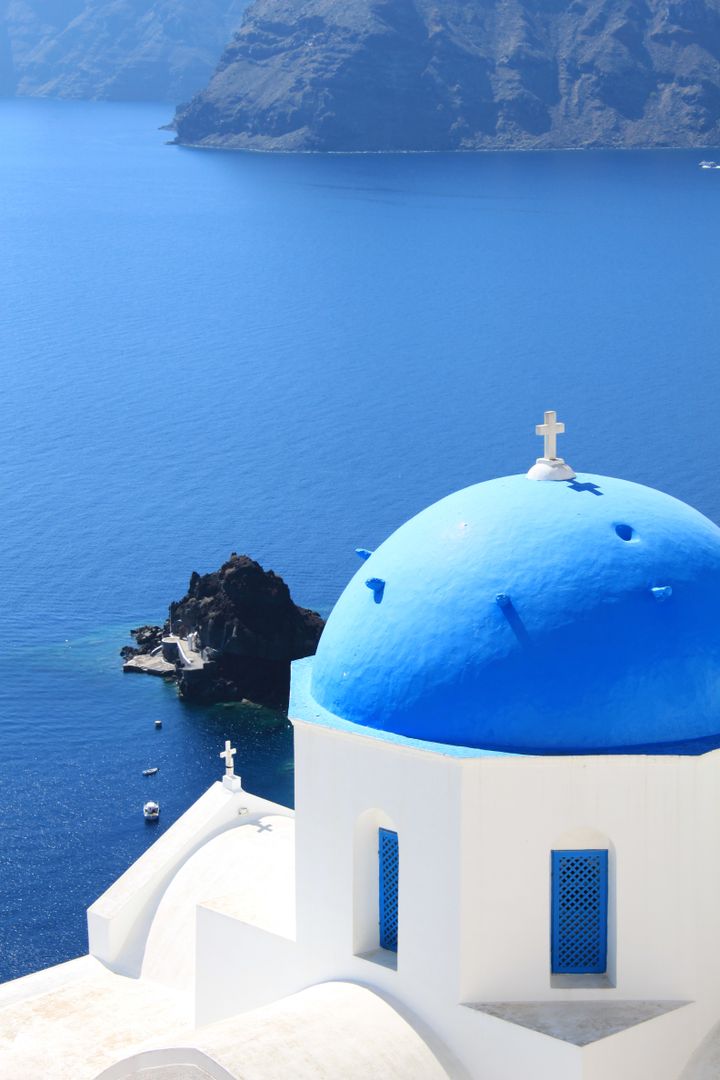
Hydra (90 minutes by hydrofoil from Piraeus port, ~€35 return): a Saronic Gulf island with no motor vehicles allowed—only donkeys, water taxis, and foot traffic. One of the most visually distinctive islands in Greece: stone mansions clinging to a rocky shore, a natural harbour, no beach but excellent swimming from rocks and small jetties. Day trip works perfectly. Ferry departs 7–8am, returns 4–5pm. Bring cash (ATMs exist but don't rely on them). Eat lunch at a waterfront taverna (fish pasta, €18–24). This is a superior alternative to the Acropolis for understanding Greek light and space.
Cape Sounion (two hours by bus from central Athens, €8 return): the Temple of Poseidon stands on a cliff 60 metres above the Aegean. Built around 440 BCE. Best visited at sunset—the bus returns you to Athens by 9pm. Bring water and a hat (no shade, exposed rock).
Delphi (three hours by bus, €14 return, full day): the ancient oracle sanctuary in the mountains north of Athens. Substantial site and museum. Worth a full day if you have it. Spring and autumn are ideal (summer heat and crowds converge).
Getting around Athens
Metro: the best value urban transport relative to cost in southern Europe. Three lines: Line 1 (green, oldest, runs above ground in parts), Line 2 (red), Line 3 (blue). Single trip €1.40, day pass €4.50, five-day pass €9.50. Trains run 5:30am–midnight. Learn the three-line system quickly; the city is small enough that you'll navigate it by the end of day one.
Airport to centre: Eleftherios Venizelos Airport is 27km northeast. Metro Line 3 (blue) runs direct to Syntagma in 40 minutes, €10 per person. Faster and cheaper than taxi. Buy a five-day pass if you're staying three or more days (it pays for itself in two trips).
Taxi and ride-hailing: metered taxis are reliable. Beat (app, similar to Uber) operates in Athens and shows the fare upfront. Airport to city centre ~€40–50 depending on traffic. Negotiate with taxi drivers before entering if using non-metered services (unlikely; metering is standard).
Cycling: possible but traffic is aggressive and sidewalks double as parking lots. Not recommended for first-timers.
Best months to visit
| Month | Weather | Crowds | Verdict |
|---|---|---|---|
| January | 8–13°C, occasional rain | Minimal | Shoulder |
| February | 9–14°C, occasional rain | Minimal | Shoulder |
| March | 12–18°C, spring light | Light | Good |
| April | 17–23°C, clear | Moderate | Best |
| May | 22–29°C, warm | Moderate | Best |
| June | 27–33°C, hot | Heavy | Good |
| July | 29–35°C, very hot | Very heavy | Avoid |
| August | 28–35°C, very hot | Very heavy | Avoid |
| September | 25–31°C, warm | Moderate | Good |
| October | 20–26°C, clear | Moderate | Best |
| November | 15–20°C, occasional rain | Light | Shoulder |
| December | 10–15°C, occasional rain | Minimal | Shoulder |
April through May and September through October are optimal: temperatures 20–26°C, manageable crowds, reasonable prices. Book accommodation two to three weeks ahead.
June through August is summer. Temperatures 27–35°C at the Acropolis (exposed rock magnifies heat). Crowds peak in July and August—expect 10,000+ visitors daily at the Acropolis. Prices rise 20–30%. Still viable if you visit archaeological sites at 8am opening, rest during midday heat, and return for evening meals. Not recommended as a first visit strategy.
November through March is winter: 10–16°C, occasional rain, very quiet. Museums are uncrowded. Ferries to islands run on reduced schedules (Hydra accessible but less frequent). Athens itself is fine for walking and eating. Hotels offer discounts (€40–60 for mid-range rooms). Suitable for second visits or if you're less interested in swimming.
Is Athens actually safe for tourists?
Yes, with specifics. Violent crime against tourists is extremely rare. Petty theft (phone pickpocketing, bag theft from cafés) is the actual risk. The metro during late evening (after 11pm) has reliability problems and is better avoided between midnight and 5am when the crowd thins and becomes less mixed. Exarcheia, while vibrant and worth visiting in daylight and early evening, concentrates political graffiti and occasional protests. Nothing is aimed at tourists; the visibility is just higher. Avoid Omonia Square (north of the centre) after dark—it's a transport hub but visibly less safe at night. Stick to Syntagma, Koukaki, Monastiraki, and Plaka at night. Use your phone awareness as you would in any European capital: don't work with it visibly on crowded transport, don't leave bags unattended in cafés, keep your passport in your hotel safe, not with you. These are not alarmist precautions; they're normal sense.
What most first-timers get wrong
The assumption that you must see the Acropolis at sunset. The light is worse than you think—harsh and blinding from the west, reducing detail. Early morning (8–10am) gives softer light, fewer people, and a clearer view of the structure and the city below.
Staying in Plaka or Monastiraki for the entire stay. Both neighbourhoods are useful for a few hours—the old streets, the flea market, the souvlaki—but they're essentially open-air museum villages by evening. Koukaki is where the actual city reveals itself: where locals eat, coffee is served without performance, and you can walk without sidesteping tourist groups.
Treating the site as a single visit. The Acropolis Museum is not supplementary. It's the essential counterpart to the site itself. If you visit only the hill, you've seen the building but not understood it. The museum gives you the scale, the intended decorations (many sculptures were brightly painted, not white), and the history. Do the hill first (early morning, 90 minutes), then the museum the next day when your legs have rested (two hours).
Eating near the Acropolis or in Plaka. Prices inflate 40–60% within two blocks of the monument or tourist thoroughfare. Walk ten minutes south into Koukaki or west into Psyrri, and prices drop to actual values. A mezze dinner for two that costs €45 near the Acropolis costs €25 in Koukaki.
Assuming the restoration is unfinished. The Parthenon has been under restoration for fifty years and will be for fifty more. You are not seeing it in an incomplete state; you're seeing an ongoing process that is part of Greek archaeology. The structure is entirely visible and navigable.
Frequently Asked Questions
How do I book Acropolis tickets in advance?
Book through the official Greek Culture Ministry website (visit the Acropolis entry page) at least one to two weeks ahead for April–October. Payment is online and you'll receive a QR code via email. Print it or show it on your phone at the gate. Last-minute tickets can sell out, especially in July and August.
Can I do Hydra as a day trip from Athens?
Yes. Hydrofoils depart Piraeus port (30 minutes from central Athens by metro) at 7–8am and return at 4–5pm. The round trip costs approximately €35. One full day on the island is ideal. Bring cash, wear comfortable walking shoes, and don't expect a beach—swimming is from rocks and jetties.
Which neighbourhood has the best mix of local life and accessibility?
Koukaki. It's south of the Acropolis, a fifteen-minute walk uphill from the museum and thirty minutes on foot to the hill itself. Metro access. Genuinely residential with cafés, tavernas, and no tourism marketing. Hotels are cheaper than Monastiraki or Syntagma (€60–90 per night).
Should I hire a guide for the Acropolis?
Not essential, though a two-hour guide (€60–80 per person in a group) adds context that the site alone doesn't provide—architectural history, the intended sculpture program, what was destroyed and why. The Acropolis Museum audioguide (€5) is a cheaper alternative that works well.
What's the best time of day to visit the Acropolis?
8–10am (opening hours, clear light, minimal crowds) or 4–6pm (late afternoon light, smaller groups). Avoid midday June through August (35°C+, full crowds, glare).
Can you visit the nearby islands (Hydra, Aegina, Poros) and return to Athens the same day?
Yes. All three islands are 45 minutes to two hours from Piraeus port by hydrofoil or ferry. One full day works for any of them. Hydra is the most distinctive and worth prioritizing; it has no motor vehicles and is unlike anywhere else in Greece.
Two to three days in Athens is correct. Spend the first morning at the Acropolis (arrive early) and the second day on the museum, neighbourhoods, and a mezze dinner in Koukaki. The third day—if you have it—is for a day trip to Hydra or Cape Sounion, or for the National Archaeological Museum if you're interested in broader Greek history. What changes most first-timers' perception of the city is staying outside the tourist corridors: eating in Koukaki instead of Plaka, walking through the Varvakios Market at 9am, watching how the city actually moves. The monuments are worth seeing. The neighbourhoods, though, are where you understand why people stay.