17 articles
4 June 2026
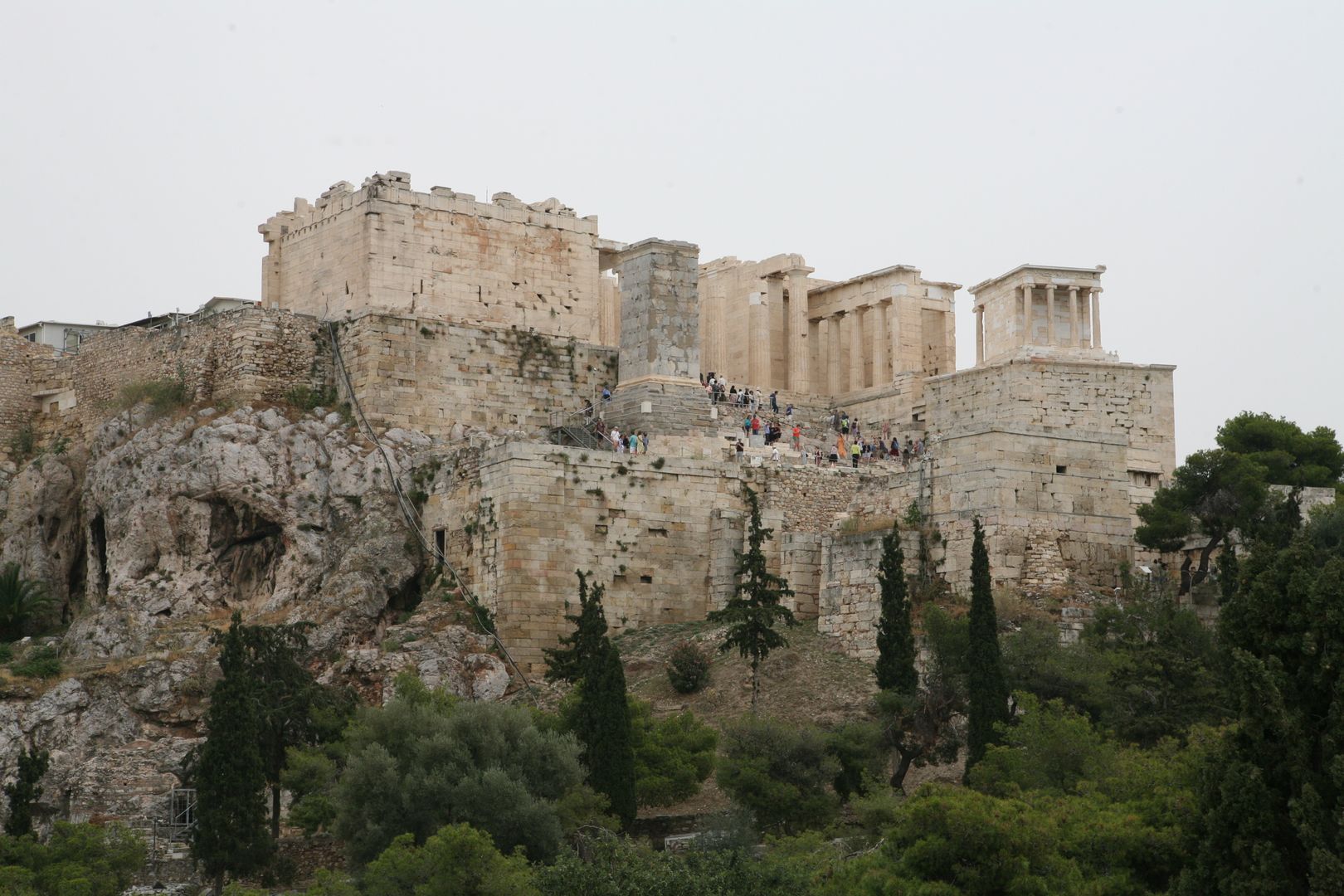
greeceZakynthos Travel Guide: Navagio Beach, Sea Turtles, and the Blue Caves
Zakynthos — marketed internationally as Zante — is an Ionian island on Greece's west coast. The island's most circulated image is Navagio Beach (Shipwreck Beach): a rusted 1980s cargo ship run aground in a white-sand cove enclosed by vertical limestone cliffs, with water the…
Henrik Vinter

28 May 2026
greeceAncient Olympia Travel Guide: The Original Home of the Olympics
The Olympic Games were held at Olympia from 776 BCE to 393 CE — a continuous run of 293 Olympic cycles over nearly 1,200 years before the Emperor Theodosius banned all pagan festivals. The sanctuary of Zeus at Olympia wa
Henrik Vinter
28 May 2026
greeceMonemvasia Travel Guide: The Byzantine Rock Fortress
Monemvasia is a medieval walled town built onto a detached rock rising 300 metres above the sea on the southeastern Peloponnese coast. The rock is connected to the mainland by a single 200-metre causeway — the name means
Henrik Vinter

28 May 2026
greeceNafplio Travel Guide: Greece's First Capital
Nafplio served as the first capital of the modern Greek state from 1821 to 1834, before the seat of government moved to Athens. Three fortresses — the Venetian-built Palamidi on the hill above the town, the sea fortress
Henrik Vinter

31 March 2026
greeceThe Greek Islands: How to Choose the Right One
There are 227 inhabited Greek islands. Most travel articles recommend the same five: Santorini, Mykonos, Crete, Rhodes, and Naxos. This guide strips away that noise and matches you to the island that actually fits how you travel, what you value, and how much time you have. The goal isn't comprehensiveness — it's a decision framework that works.
Henrik Vinter

30 March 2026
greeceDelphi Day Trip from Athens: The Oracle, the Temple, and What to Expect
The ancient oracle at Delphi was consulted by kings and generals before wars, and the site's dramatic position—perched on a narrow mountain shelf at 570m, overlooking a sprawl of olive groves toward the Gulf of Corinth—makes it one of Greece's most rewarding day trips from Athens. The oracle was no mystical illusion: a priestess called the Pythia inhaled ethylene gas seeping from geological faults beneath the Temple of Apollo, entered a trance state, and delivered pronouncements that city-states treated as divine instruction. The site occupied religious and political authority for nearly a thousand years. A day trip here covers the archaeological site (2–2.5 hours), the museum (1–1.5 hours), and lunch in the village above—logistically straightforward, and worth the three-hour journey for the scale and preservation of what remains.
Henrik Vinter

30 March 2026
greeceThessaloniki Travel Guide: Greece's Second City
Thessaloniki is the city Greeks from Athens recommend when you tell them you're going to Greece. It has better food, a more vibrant street culture, and a Byzantine history as deep as Athens' ancient one. It's also consistently underbooked by international visitors — which makes it one of the better-value cities in the country. Most visitors treat it as a side trip. It deserves to be the main event.
Henrik Vinter
29 March 2026
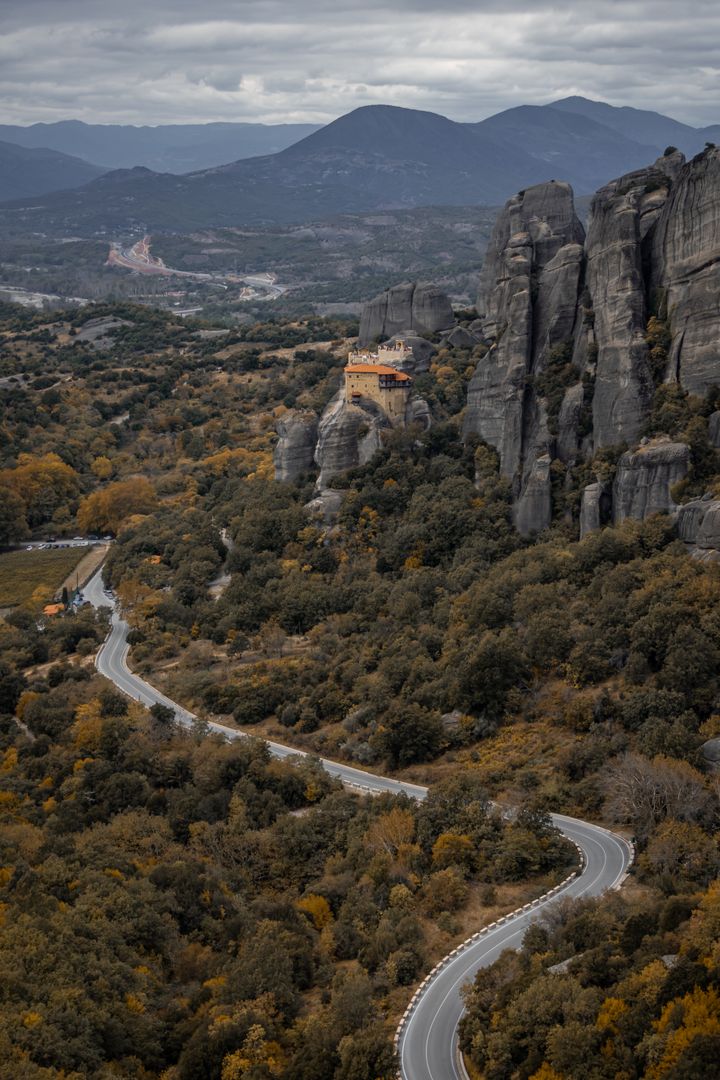
greeceMeteora Travel Guide: The Monasteries, How to Get There, and What to Expect
Meteora is sixty rock pillars rising 400 metres from a Thessalian plain, their tops crowned by six active Orthodox monasteries perched on stone so vertical that monks once entered by rope and basket. The photographs are not exaggerated—this is genuinely one of Europe's most otherworldly landscapes. The six monasteries remain functioning communities, not museums, and the landscape around them is traversable on foot through a network of ancient trails and modern roads. Getting there from Athens is straightforward; the real decision is whether to day-trip or stay overnight.
Henrik Vinter

28 March 2026
greeceCorfu Travel Guide: The Green Island of the Ionian
Corfu (Kerkyra in Greek) is the greenest and most Italianate of the major Greek islands, shaped by four centuries of Venetian rule that left behind a capital resembling Ragusa or Genoa rather than the Cycladic whitewash of the Aegean. The interior holds three to four million olive trees, never pruned, only harvested — a legacy of deliberate Venetian planting. The climate is wetter than the Aegean. This combination makes Corfu fundamentally different from what most travellers expect from Greece.
Henrik Vinter
28 March 2026
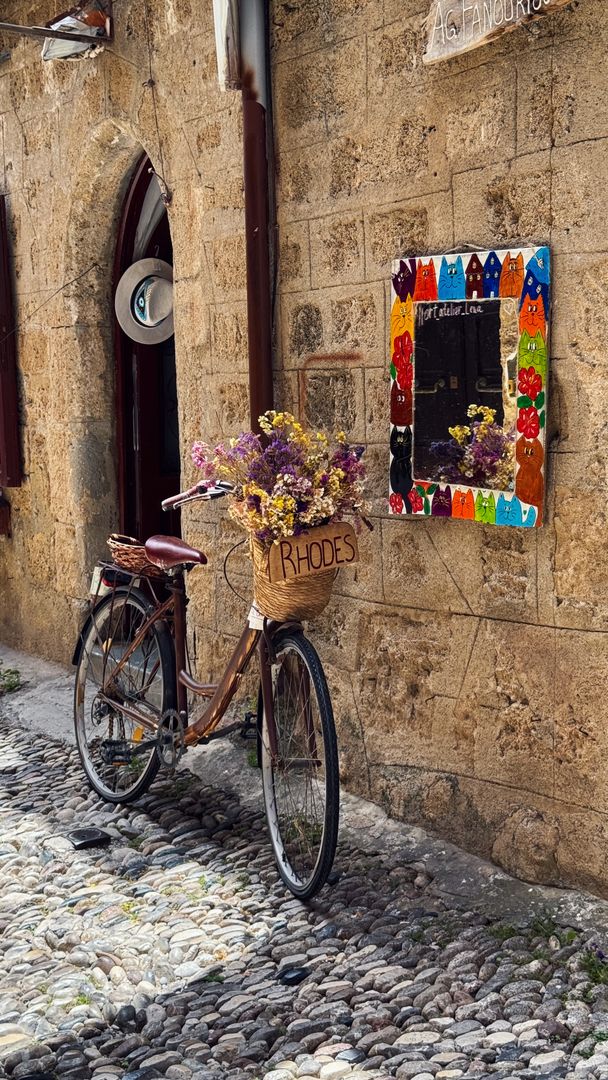
greeceRhodes Travel Guide: History, Beaches, and the Medieval Old Town
Rhodes is the largest of the Dodecanese islands and home to the most intact medieval city in Europe. The Knights Hospitaller built the Old Town's walls and streets starting in 1309, and those same 4km of stone ramparts and cobblestone alleys function as a living neighbourhood today — restaurants operate in 700-year-old buildings, families live above street-level shops, the city never became a museum. This distinguishes Rhodes fundamentally from Santorini or Mykonos, where historic cores have been hollowed out and rebuilt as tourist infrastructure. Add three genuinely excellent beaches within 50km, an extended warm season, and compact geography that allows real exploration without a car, and you have the most complete island experience in the southern Aegean.
Henrik Vinter

27 March 2026
greeceMykonos Travel Guide: What to Expect and How to Plan the Trip
Mykonos is the most expensive, most international, and most deliberately glamorous Greek island. It is also one of the most fun, if that's what you're after. The Cycladic architecture is genuine — whitewashed alleys, windmills, pelicans. The beach clubs are not subtle. Both coexist on 85km² and it mostly works.
Henrik Vinter

26 March 2026
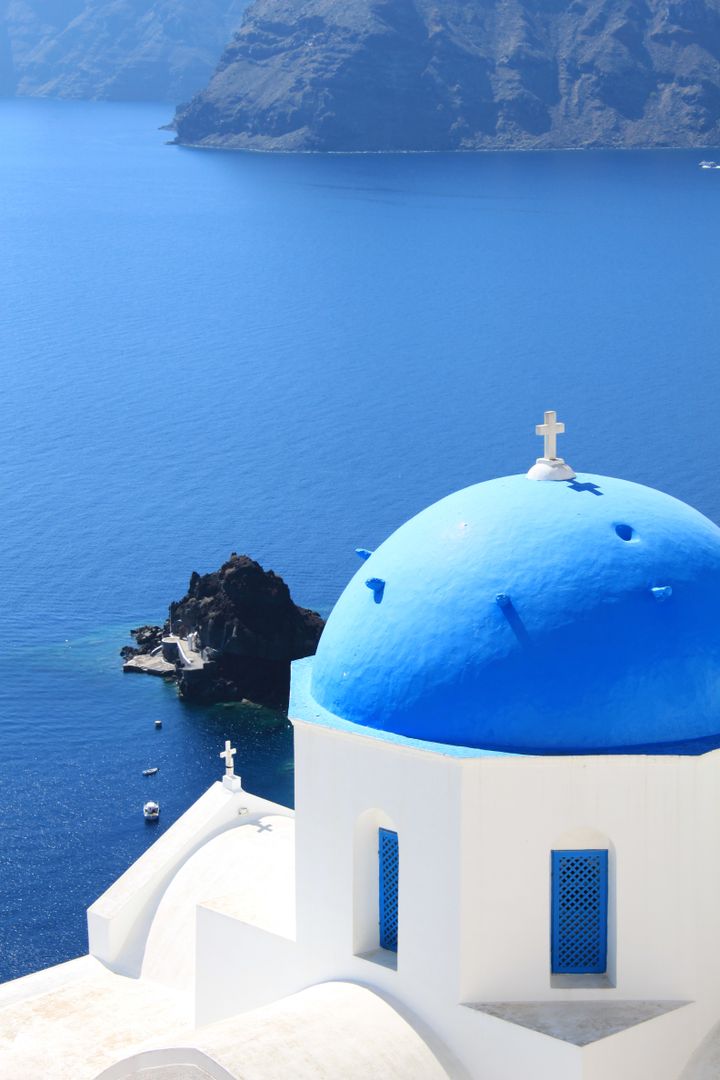
greeceSantorini Travel Guide: What It's Actually Like and How to Do It Right
Santorini is one of the most photographed places on Earth, and the photos are accurate. The blue-domed churches against white caldera walls, the volcanic cliffs above a submerged crater — they look like that. What the photographs don't convey: Oia in August has 15,000 visitors cycling through a village of 3 km, most hotels with caldera views cost €400–1,000/night in peak season, and the island's famous beaches are black volcanic sand that burns bare feet. Santorini works best as a three-to-five-day stop, not a week-long beach holiday.
Henrik Vinter
26 March 2026
greeceCrete Travel Guide: Greece's Largest Island, Practically Explained
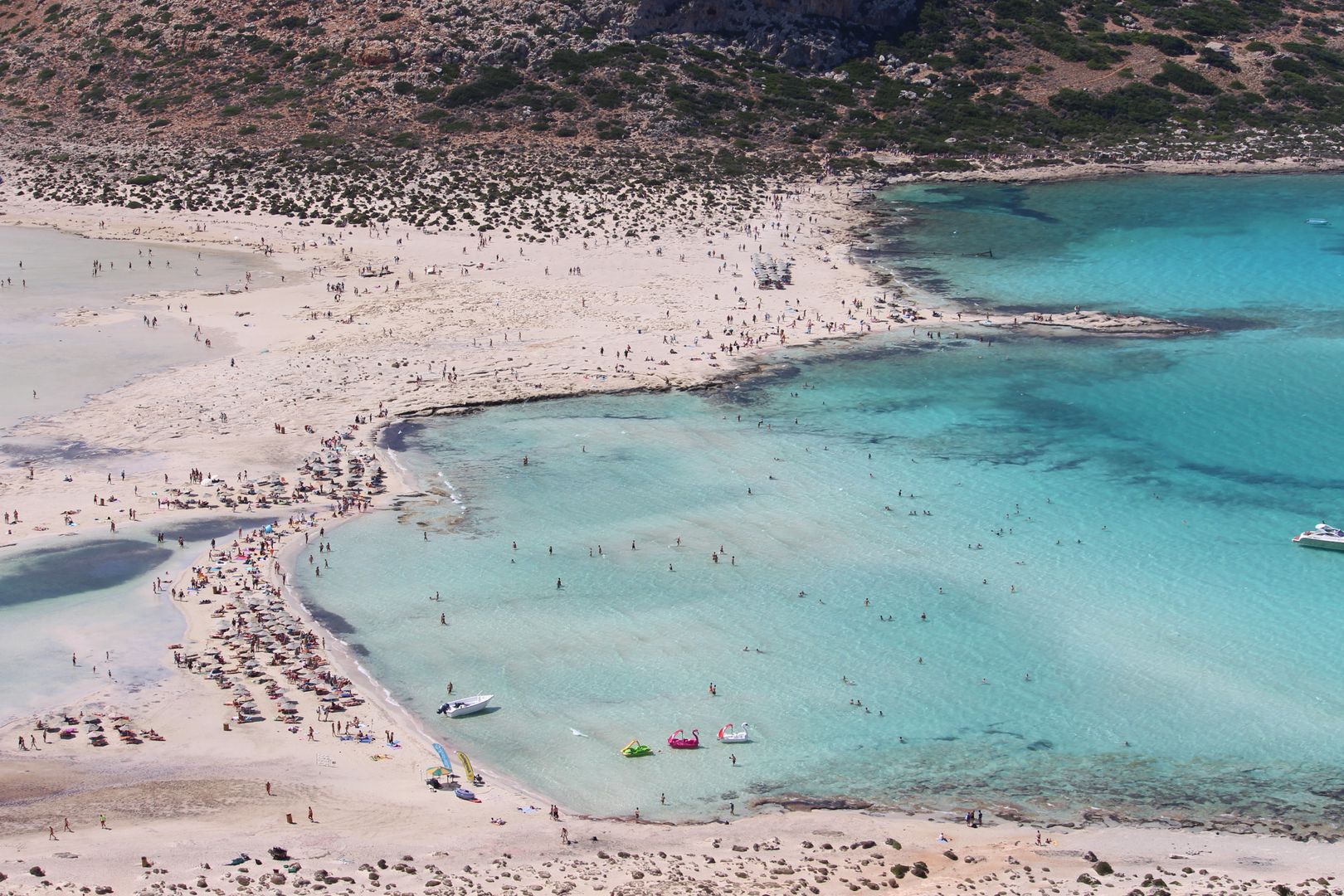
Crete spans 260 kilometres from west to east — longer than the distance from London to Brighton — and the island demands logistical choices that smaller Cycladic alternatives do not. Flying into Heraklion airport on the east coast and booking accommodation in Chania on the west costs €80–120 in transfers or 2.5 hours by bus and makes sense only if you rent a car or commit to one region. That constraint is the point: Crete rewards depth over coverage. Most travellers default to Santorini or Mykonos because their geography is legible in three days. Crete requires that you choose — and that choice determines whether the island reveals itself or remains a series of postcards.
Henrik Vinter

24 March 2026
greeceAthens Travel Guide: What First-Timers Actually Need to Know
Athens is a city that underwhelms before it corrects itself. The first impression—traffic, dust, a chaotic centre scarred by 1960s concrete—gives way to something more textured: an ancient city that feels genuinely inhabited rather than preserved for visitors. The Acropolis is real and worth seeing. The food is excellent. And the neighbourhoods south of the centre—Koukaki, Mets, Pangrati—are what the travel photography never captures. Most first-timers spend two days chasing monuments and miss the Athens that actually exists below the hill.
Henrik Vinter

19 February 2026
greeceBest Time to Visit Greece: Islands, Mainland, and the Crowds in Between
Greece's tourism window is not July to August—it is May to October, with a critical distinction: ferries to the Cyclades (Santorini, Paros, Naxos, Mykonos) and the smaller Dodecanese islands run only from mid-May through late October. If your itinerary includes these islands, your realistic travel window is 5–6 months. If you're willing to stick to Athens, Crete, Rhodes, or Corfu, you have more flexibility, but you'll sacrifice the casual ferry-hopping and beach-bar culture that defines Greek island tourism. The real decision is not when to go—it's what you're willing to compromise on to get there.
Henrik Vinter

10 February 2026
greeceAthens: What First-Timers Get Wrong and How to Get It Right
Most travellers treat Athens as a transit point — a day or two on the way to Santorini or Mykonos. This is a strategic error. The city contains the Acropolis, one of the finest ancient sites in the world, a purpose-built archaeology museum that ranks among Europe's best, several distinct neighbourhoods worth actual time, and a food scene that has developed measurably over the past decade. Three focused days in Athens are more rewarding than a rushed visit followed by a week on an island. The infrastructure exists to see the best of it without joining the cruise-ship pile-up. You just need to know how to time it.
Henrik Vinter

15 January 2026
greeceSantorini vs Mykonos: Which Greek Island Is Right for You
Santorini and Mykonos sit 2 hours apart by fast ferry, share a reputation, and are on almost every first-time Greece itinerary. They are functionally different islands. Choosing the wrong one is one of the most common planning mistakes visitors make. One is a caldera landscape with excellent restaurants and sunset tourism. The other is a beach club and nightlife destination with prices to match. They suit entirely different types of trips.
Henrik Vinter