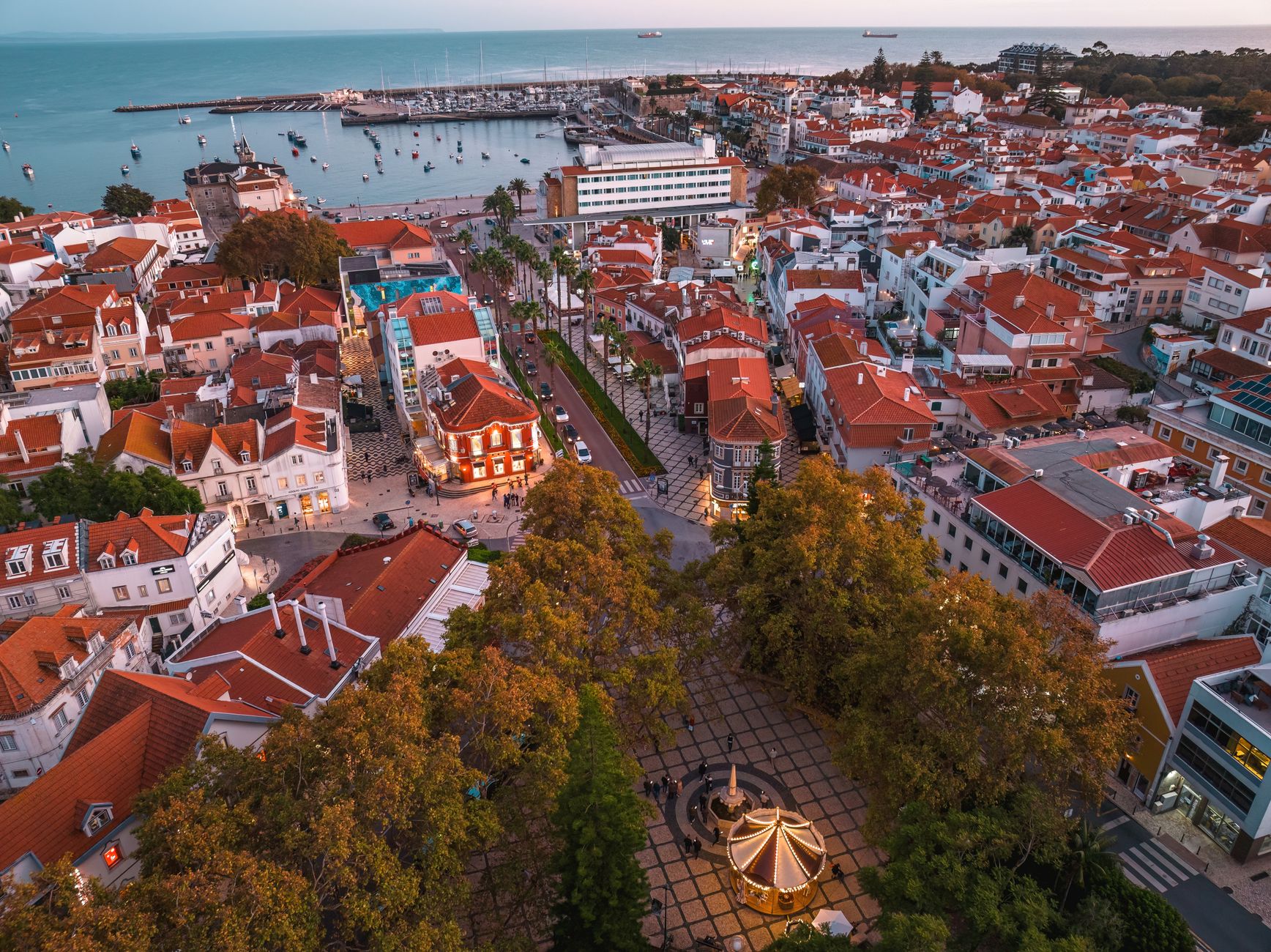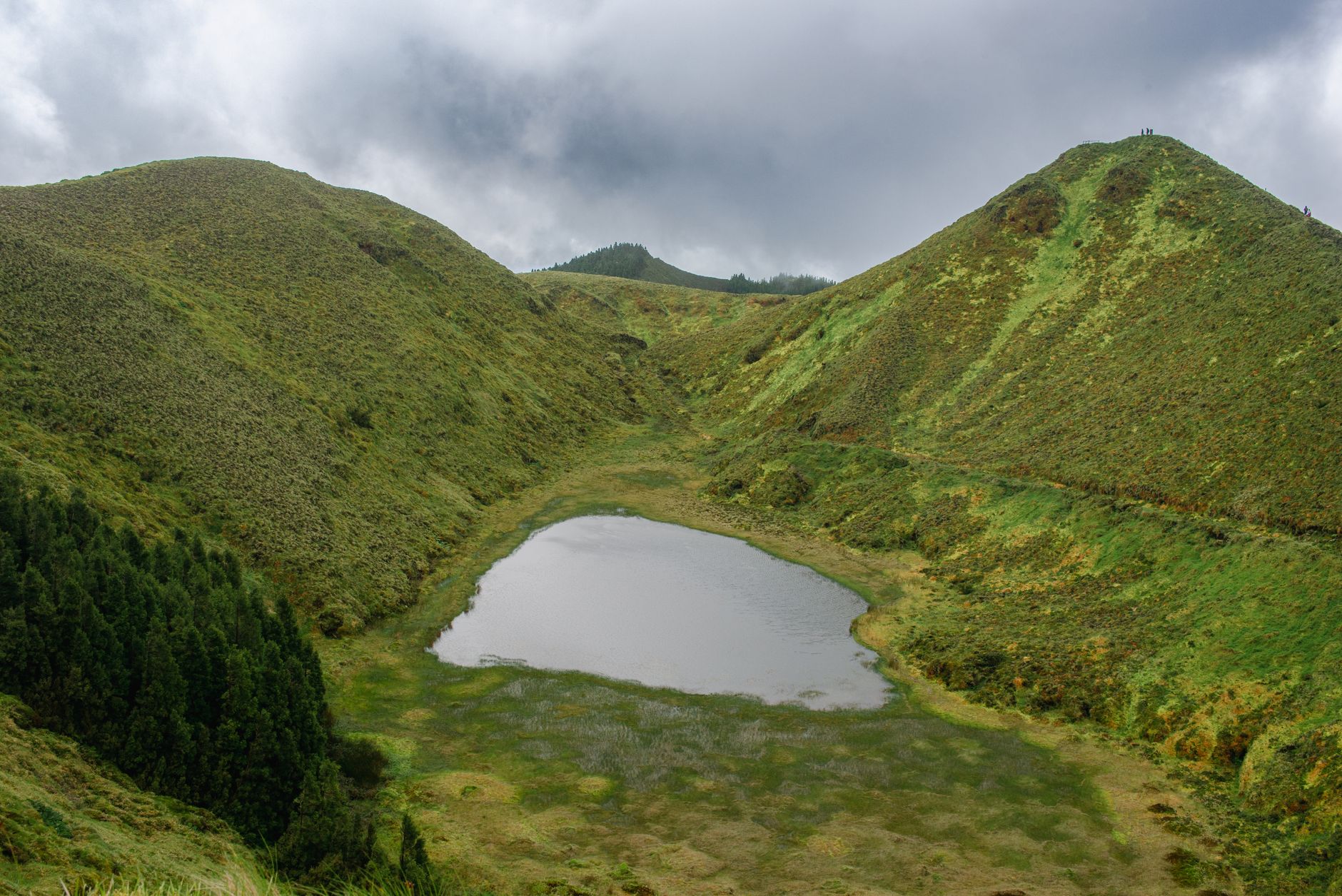

The Azores is nine volcanic islands in the mid-Atlantic, 1,500km west of Lisbon — roughly the same distance as Lisbon to Moscow. The archipelago is Portuguese since the 15th century, geologically among the youngest land masses in the Atlantic. Each island has a distinct character; most visitors who go to one want to return to the others. The difficulty is logistics: inter-island travel requires planning, and small island infrastructure limits what's available.
The Three Island Groups
Eastern Group: São Miguel and Santa Maria. São Miguel is where 80% of first-time visitors go — the largest island, best infrastructure, most direct flight connections. Santa Maria is drier, sunnier, and quieter; good for a beach-focused add-on.
Central Group: Terceira, Graciosa, São Jorge, Faial, and Pico. The most diverse cluster. Faial and Pico are separated by a 30-minute ferry and work well as a pair. Terceira has the most significant historic town.
Western Group: Flores and Corvo. The most remote — Flores receives direct scheduled flights but has minimal infrastructure (one main town, few restaurants). For visitors who specifically want isolation.
São Miguel: Where to Start
Ponta Delgada is the regional capital (70,000 residents) with the best restaurants and accommodation infrastructure in the archipelago. The island has three main natural highlights:
Sete Cidades: a dormant caldera 15km in circumference with two interconnected crater lakes. One appears green, the other blue, due to algae and light angle. The Vista do Rei overlook is accessible by car (free). A 12km circuit walk of the caldera rim takes 3–4 hours. Most visited natural site in the Azores.
Furnas: a geothermal valley with boiling caldeiras (mud pools and fumaroles) around the lake. The main draw is Cozido das Caldeiras — a mixed meat stew cooked underground in volcanic heat for 6–7 hours. Available at 12:30pm at restaurants around the valley (notably Tony's and the Caldeira do Congro). Book the night before; pots are limited and sell out. The Terra Nostra Botanical Garden (€8) has a large thermal pool for swimming.
Lagoa do Fogo (Fire Lake): a higher-altitude caldera lake with less tourist infrastructure and better isolation. Short hike from the EN3 road. Best for visitors who want a quieter version of the Sete Cidades experience.
Allow 4–5 days on São Miguel.
Pico: Whales and the Volcano
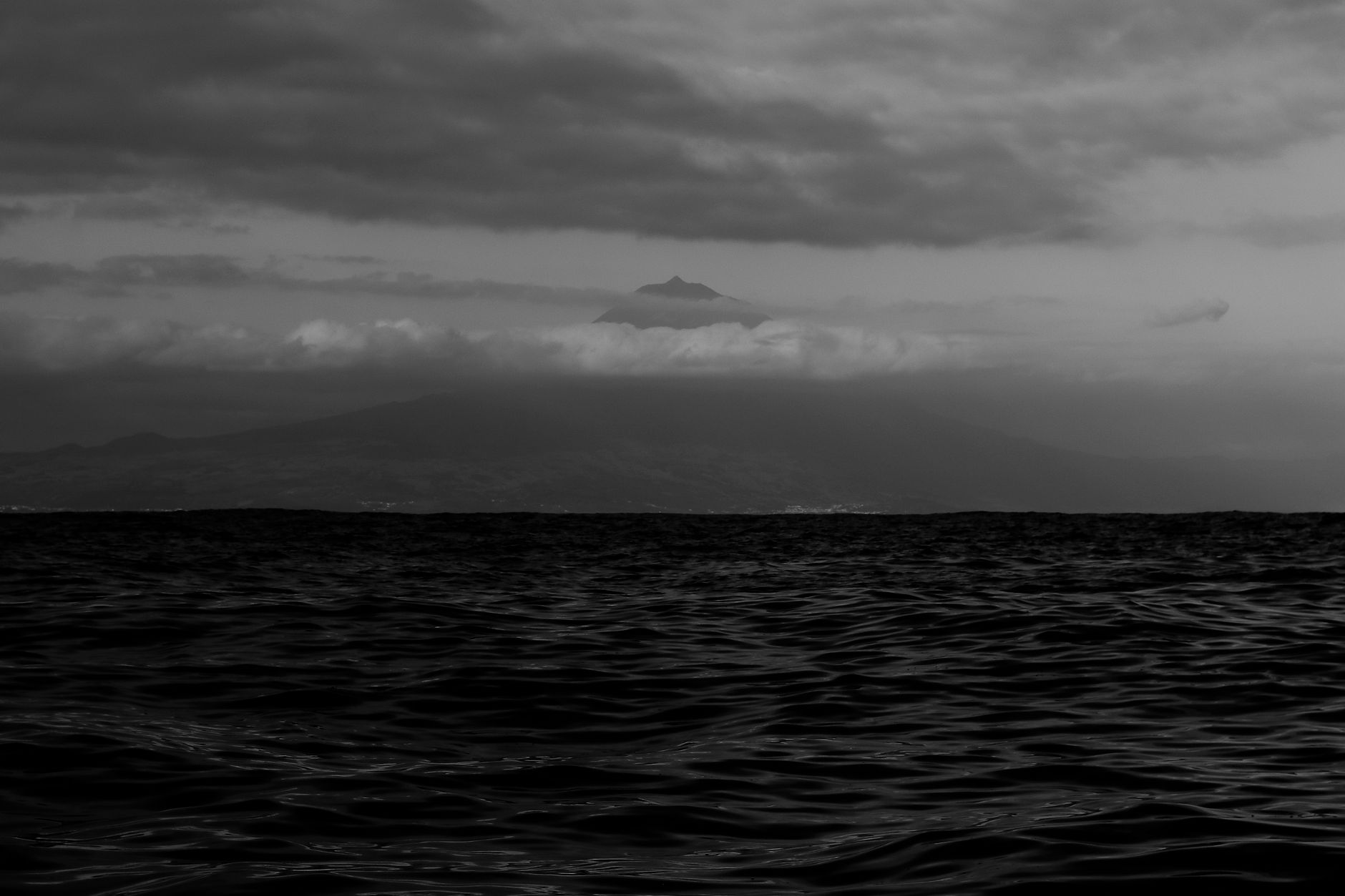
Pico is dominated by a 2,351m stratovolcano that rises almost directly from the sea. Summiting requires a permit (€25/person, limited to 200 climbers/day in summer, book at montanha.azores.gov.pt). Ascent takes 3–4 hours, descent 2–3 hours. Not a technical climb, but terrain changes quickly and cloud cover is common at altitude.
Pico is the best base for sperm whale watching in the Azores. Sperm whales are resident year-round in these waters. Tour operators in Madalena and Lajes do Pico use shore-based vigias (traditional lookouts) and radio to locate pods before boats depart. Tours: 3–4 hours, €65–85/person. Success rates April–October run around 90%.
The Pico Wine landscape (UNESCO) — centuries-old basalt stone walls protecting Verdelho grape plots on lava fields — is worth seeing independent of the wine. Unusual agricultural landscape with no equivalent in Europe.
Terceira: History
Angra do Heroísmo is a UNESCO World Heritage city — the most complete example of Portuguese Age of Discoveries urban planning that survives. The street layout, fortifications, and architecture are intact at a scale unusual outside Lisbon itself. The Museu de Angra do Heroísmo covers the Atlantic trade history.
Algar do Carvão is a lava tube 300m deep, accessible by staircase — a cave with stalactites, underground lake, and significant geological interest. Entry €7.
Faial: The Sailing Island
Horta Marina is the standard mid-Atlantic stopover for transatlantic sailors since the 1930s — the walls are covered in boat insignia left by passing crews. The Caldeira (summit caldera, 2km walk around the rim) is well-preserved. Ferry to Pico: 30 minutes, €6.50. The Faial–Pico combination is the most efficient multi-island add-on to São Miguel.
Inter-Island Logistics
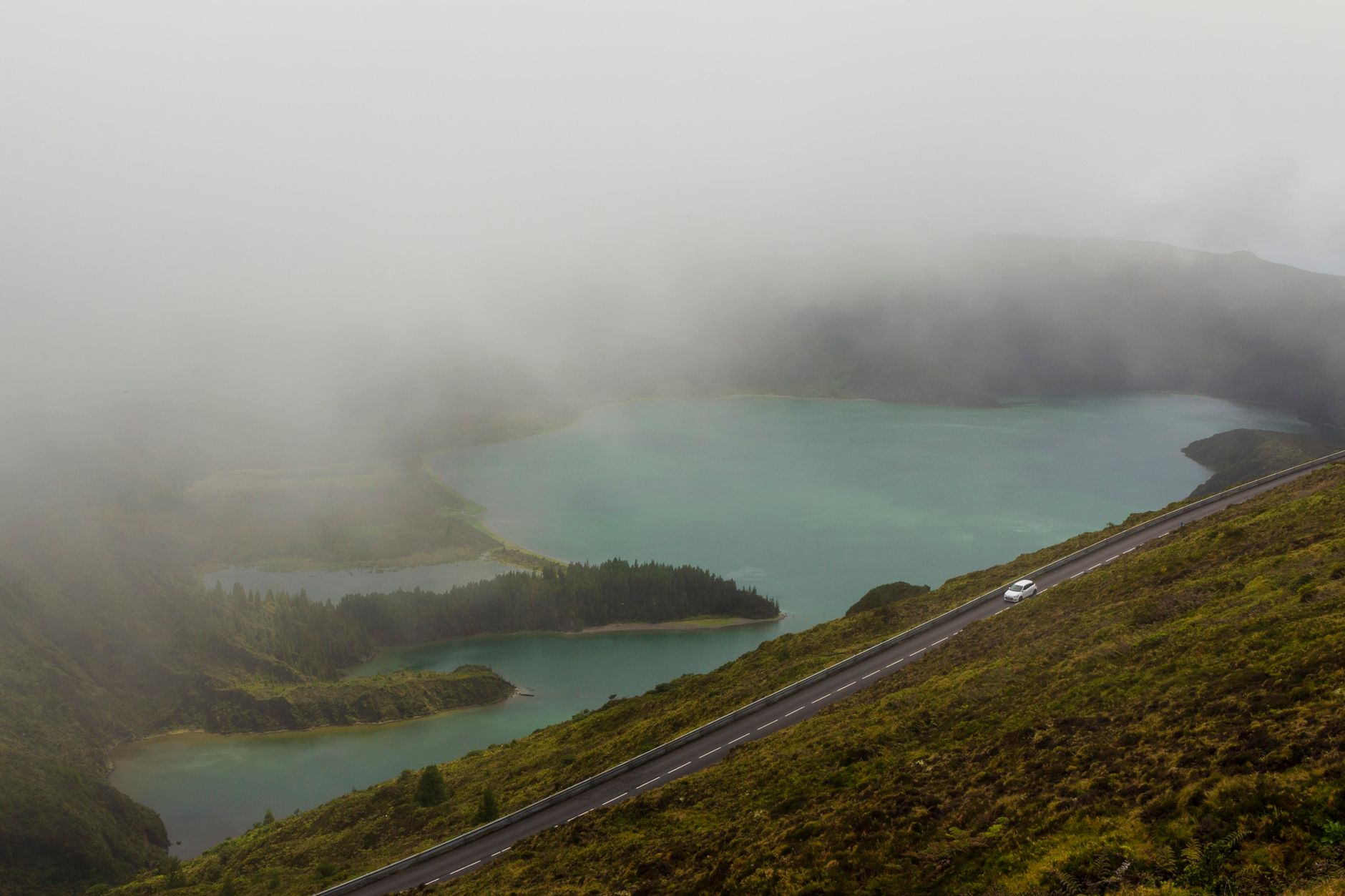
SATA Air Açores connects all inhabited islands with turboprop services. Flights: 30–45 minutes, €50–120 depending on route. In summer (June–September), ferries connect Faial, Pico, and São Jorge; outside this window, ferry options are limited. The key risk: small islands fog in without warning and flights cancel. Build buffer days into any multi-island itinerary, particularly at the end. Routing the São Miguel departure last reduces risk, as most connections to Lisbon are through São Miguel.
When to Visit
June–October: the window for best weather, whale watching reliability, and open inter-island ferries. May and October are genuine shoulder months — good conditions, fewer visitors, lower prices. July and August are peak but the Azores never reaches the density of the Algarve or Mediterranean island groups.
Frequently Asked Questions
Is São Miguel enough, or should I visit multiple islands?
São Miguel stands alone for 4–6 days. Multiple islands require 8–10 days minimum to avoid spending most time in transit. The Faial–Pico combination adds 3–4 days and is the best single extension.
How expensive is the Azores?
Accommodation and restaurants are 20–30% cheaper than mainland Portugal. Inter-island flights are the primary cost. Whale watching tours are €65–85/person but have no equivalent alternative.
Is the Azores suitable for non-hikers?
São Miguel has accessible viewpoints reachable by car (Sete Cidades, Cabo da Raia) and Terceira's historic city requires no hiking. Pico and Flores suit visitors who want physical engagement. The archipelago rewards activity but doesn't require it everywhere.
What's the weather actually like?
Variable and changeable. The mid-Atlantic weather system means clear mornings can cloud over by afternoon. Pack a waterproof regardless of month. The south coast of São Miguel is drier; the north and higher elevations are wetter.
Can you see whales from shore?
Occasionally from high viewpoints on Pico, but not reliably. Boat tours are the consistent method. The vigia system (shore lookouts) is still active during tour season and helps boats find pods efficiently.