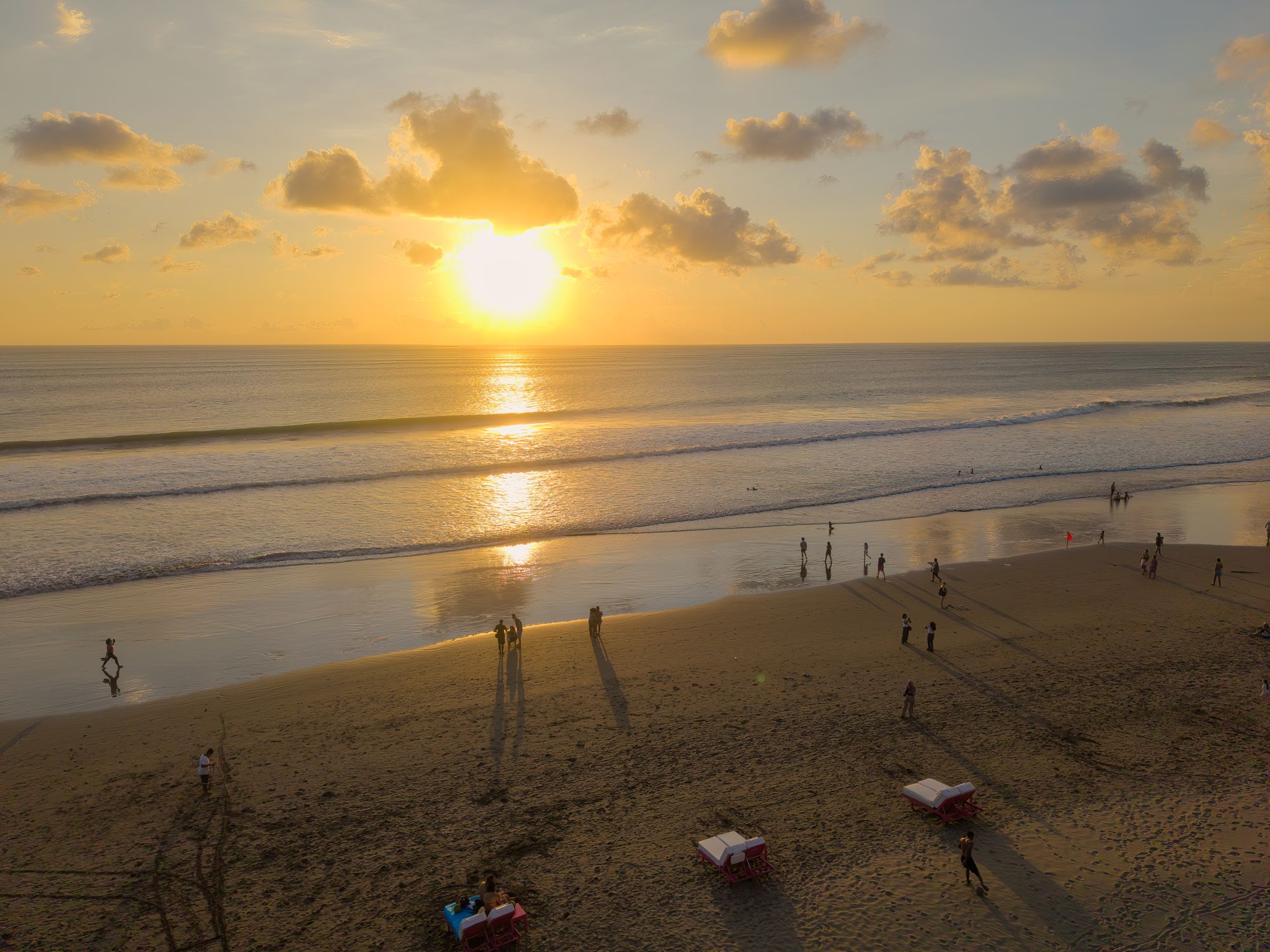
Bali offers warm weather and activities year-round, but timing your visit around the seasonal climate, religious festivals, and crowd patterns will significantly affect your experience. Unlike destinations with extreme seasonal swings, Bali's two broad seasons—dry and wet—overlap considerably with tourism cycles, making some months vastly better than others depending on what you want to do.
| Month | Weather Summary | Crowds | Verdict |
|---|---|---|---|
| January | 26–32°C, 250–310mm rain, 80% humidity | High until Jan 7, then drops sharply | Shoulder — budget after peak |
| February | 26–32°C, 280–320mm rain, 80% humidity | Lowest of year (outside Christmas) | Good — cheapest, fewest crowds |
| March | 26–32°C, 220–280mm rain, 78% humidity | Low until late March | Shoulder — check Nyepi dates |
| April | 26–31°C, 130–180mm rain, 76% humidity | Moderate except Easter week | Good — dry season begins |
| May | 24–30°C, 70–110mm rain, 72% humidity | Climbing steadily | Best — weather, value, manageable crowds |
| June | 23–29°C, 40–80mm rain, 68% humidity | Peak season begins | Avoid — highest prices, crowded |
| July | 23–29°C, 20–60mm rain, 67% humidity | Maximum crowds | Avoid — peak season, book months ahead |
| August | 23–29°C, 10–40mm rain, 67% humidity | High through mid-month, drops end | Shoulder — prices fall late month |
| September | 24–30°C, 20–80mm rain, 68% humidity | Moderate, declining | Best — excellent weather, good prices |
| October | 25–31°C, 100–150mm rain, 71% humidity | Moderate | Good — dry season closes, value remains |
| November | 26–32°C, 150–220mm rain, 75% humidity | Low to moderate | Good — wet season starts, low prices |
| December | 26–32°C, 200–280mm rain, 78% humidity | Low until Dec 15, then peak | Shoulder — book early Dec for deals |
Understanding Bali's Two Seasons
Bali experiences a dry season from May through October and a wet season from November through April. This distinction matters far less than most travelers expect. The island stays warm year-round, with temperatures ranging between 24–33°C (75–91°F). The real difference lies in rainfall patterns and crowd density, not whether travel is feasible.
During the dry season, rainfall drops to under 100mm per month, and humidity typically sits between 65–75%. During the wet season, monthly rainfall averages 200–300mm, concentrated almost entirely in afternoon thunderstorms lasting one to three hours. The island doesn't shut down during wet months—it simply receives concentrated downpours rather than persistent drizzle. Morning activities remain unaffected; afternoon plans need flexibility.
The wet season also brings higher humidity (75–85%), which feels noticeable but doesn't prevent sightseeing, diving, or trekking. What changes most dramatically is accommodation pricing (cheaper by 30–50%) and crowd volume (drastically lower except Christmas/New Year).
Month-by-Month Breakdown
January
Weather: 26–32°C, 250–310mm rainfall, 80% humidity. January ranks among Bali's wettest months, but rain concentrates in afternoon hours (typically 2–5pm). Mornings stay clear and swimmable.
Crowds and prices: Peak tourist season continues through early January before dropping sharply after New Year. Prices remain high through January 1–7, then fall 20–30% as international visitors depart. Domestic tourism from Australia and New Zealand remains steady.
Festivals and closures: Nyepi (Balinese New Year) falls between late February and late March depending on the lunar calendar, but preparatory temple closures may begin in January. Most tourist attractions stay open; only active temple grounds restrict outsider entry during ritual periods. International flights operate normally.
Regional conditions: Ubud experiences heavier afternoon rain than coastal areas. Seminyak and Kuta see rougher surf (4–6ft average), making the beaches better for experienced swimmers only. Amed and Lovina remain calmer with better diving visibility. The Gili Islands (day-trip distance by boat) experience choppy seas mid-month; dive operators report 15–20m visibility instead of 25–30m.
Best for: Budget travelers, domestic tourists, temple exploration (fewer foreign visitors at ceremonies).
February
Weather: 26–32°C, 280–320mm rainfall, 80% humidity. February is the hottest month in terms of sustained daytime heat, even as afternoon storms dump significant water. The combination of heat and rain makes midday feel oppressive in Ubud and inland regions.
Crowds and prices: Tourist numbers hit their lowest point of the year outside the Christmas period. Accommodation runs 40–50% cheaper than peak season. Flights are easiest to book with flexible schedules. Tour groups are rare.
Festivals and closures: Some cultural events occur between Nyepi cycles, but no major island-wide closures. Kuningan celebrations (honoring ancestors) may occur in late February depending on the Balinese calendar, but temples remain accessible to visitors outside ritual hours.
Regional conditions: The north coast (Lovina, Amed) gets heavier rain than the south, but water clarity for diving remains 20–25m. Seminyak's southern beaches are safest for swimming due to reef protection; northern beaches see strong undertow. Ubud's rice terraces are lush and green—ideal for photography, though trails can be slippery.
Best for: Solo travelers on tight budgets, photographers wanting green landscapes, those avoiding crowds.
March
Weather: 26–32°C, 220–280mm rainfall, 78% humidity. March transitions toward the dry season with slightly lower rainfall than January–February, though afternoon showers remain regular. Some days see no rain at all.
Crowds and prices: Tourist volume remains low through early March, then gradually increases as European spring breaks begin (late March). Prices start climbing 10–15% by month's end. Accommodation becomes 25–35% cheaper than peak season through most of March.
Festivals and closures: Nyepi (Balinese New Year/Day of Silence) occurs in March in most years. On Nyepi, all shops, restaurants, and tourist attractions close. Flights are grounded; the airport shuts completely. The days immediately before and after see increased temple activity and ceremony preparations. Plan accordingly if visiting late March.
Regional conditions: The south coast begins drying slightly; Uluwatu's cliffs receive less rain, making hiking conditions improve. Seminyak's waves remain large (4–6ft) but become more consistent for experienced surfers. Ubud stays green but trails begin drying. The Gili Islands see improvement in sea conditions.
Best for: Those flexible around Nyepi dates who want low prices, trekking in Ubud, temple exploration outside closure periods.
April
Weather: 26–31°C, 130–180mm rainfall, 76% humidity. April marks the transition into the dry season. Rainfall drops noticeably; sunny mornings are standard. Afternoon showers still occur but become less predictable and shorter.
Crowds and prices: Easter holidays (dates vary) trigger a mid-month surge in visitors. Prices rise 15–25% during Easter week. Outside the Easter period, prices remain 20–30% below peak-season rates. Domestic tourists from Indonesia decline sharply.
Festivals and closures: Galungan and Kuningan (celebrating the arrival of ancestors and their departure) may fall in April depending on the Balinese calendar. Both are public holidays, and many family-owned restaurants close. Tourist facilities (hotels, tour operators) remain open, but expect slower service. The celebrations last 10 days combined.
Regional conditions: Uluwatu and Padang Padang begin prime surfing season with consistent 4–8ft swells. Seminyak's beach clubs reach peak popularity as weather improves. Amed and Lovina waters clear to 25–30m visibility, making diving excellent. Ubud's weather becomes ideal—warm mornings, occasional afternoon showers, minimal crowd.
Best for: Surfers, divers, those avoiding crowds outside Easter, budget travelers (except Easter week).
May
Weather: 24–30°C, 70–110mm rainfall, 72% humidity. May marks the true start of the dry season. Sunshine is reliable; rainfall drops below 100mm for the first time in months. Humidity declines noticeably, making outdoor activity more comfortable.
Crowds and prices: Tourist volume begins climbing steadily as Northern Hemisphere travelers finish spring commitments. Prices rise 20–35% above April. School holidays don't peak until June, so crowds remain manageable in early May.
Festivals and closures: No major island-wide closures. Wayan Kuningan (a secondary celebration) may occur in early May in some years, but temples remain accessible outside ritual times.
Regional conditions: All regions transition to stable weather. Ubud experiences ideal trekking conditions—warm, minimal rain, clear visibility for hikes. Uluwatu and Padang Padang hits prime swell season (5–8ft average). Lovina and Amed offer excellent diving. Seminyak's beaches and beach clubs reach popularity peak as Australian and European school holidays approach.
Best for: Those seeking perfect weather without peak-season prices, experienced surfers, trekkers, divers.
June
Weather: 23–29°C, 40–80mm rainfall, 68% humidity. June is dry and comfortable, with the lowest humidity of the year. Rainfall is minimal and sporadic. Temperatures cool slightly compared to January–May, making outdoor activity genuinely comfortable rather than merely tolerable.
Crowds and prices: Tourist season peaks as Northern Hemisphere school holidays begin. Prices rise another 15–25%. Accommodation books out 6–8 weeks in advance. Flights from Europe and North America become expensive and limited in availability. Domestic Chinese tourists (June holidays) swell the numbers.
Festivals and closures: No major holidays, though some family-run restaurants may close during June if owners take holiday time. Tourist infrastructure runs at full capacity.
Regional conditions: All areas offer excellent conditions. Uluwatu and Padang Padang deliver consistent 5–8ft swells. Lovina and Amed provide 25–30m+ visibility for diving. Ubud remains warm and dry, ideal for hiking and temple visits. Beaches are crowded but calm; ocean temperature hovers around 27–28°C.
Best for: Those who can tolerate crowds and higher prices in exchange for perfect weather, families (school holidays), organized tours.
July
Weather: 23–29°C, 20–60mm rainfall, 67% humidity. July is the driest month of the year with minimal rainfall and low humidity. Sunshine is nearly guaranteed. Ocean temperature sits at 26–27°C—still warm but noticeably cooler than earlier months.
Crowds and prices: Peak tourism season intensifies. Prices hit annual highs across all accommodation categories. Hotels book out 8–12 weeks in advance. Airports become congested (international terminals). Domestic and international tourists from Australia, Europe, and North America arrive in maximum numbers. The Gili Islands and Lombok day-trips fill early.
Festivals and closures: No major holidays, though some temples host ceremonies. All tourist facilities operate at full capacity with potential wait times at popular restaurants and attractions.
Regional conditions: Every region offers excellent conditions simultaneously. Uluwatu and Padang Padang peak for surfing (5–8ft). Divers at Amed and Lovina enjoy 25–30m visibility. Ubud is warm, dry, and crowded. Seminyak's beaches and clubs are packed. Trekking conditions are perfect everywhere.
Best for: Those who book far ahead, families during school breaks, those indifferent to crowds and premium pricing.
August
Weather: 23–29°C, 10–40mm rainfall, 67% humidity. August mirrors July with minimal rainfall, low humidity, and warm-but-not-hot temperatures. It's the second-driest month. Sunshine is abundant.
Crowds and prices: Peak season continues through early August, then moderates slightly as Northern Hemisphere school holidays end. Prices remain at annual highs through August 15; then begin falling 10–15% by month's end. Airports clear moderately by late August. Domestic Chinese and Indonesian tourists taper off after mid-month.
Festivals and closures: No island-wide closures. Tourist infrastructure operates at full capacity, especially through mid-month.
Regional conditions: Conditions remain excellent across all regions. Surfing, diving, and trekking are all at peak quality. Ocean temperature slightly drops (26–27°C) as the dry season deepens. The south coast (Seminyak, Uluwatu) remains crowded; the north (Lovina, Amed) offers the same quality with fewer visitors.
Best for: Late arrivals willing to pay peak prices through mid-month, then benefit from falling prices later in August; surfers and divers; those flexible with booking to take advantage of late-month price drops.
September
Weather: 24–30°C, 20–80mm rainfall, 68% humidity. September stays dry and warm, mirroring the best of the dry season. Rainfall becomes slightly more frequent than July–August but remains light. Humidity edges up marginally. Ocean temperature begins rising again toward 27–28°C.
Crowds and prices: Tourist volume moderates significantly as summer school holidays end globally. Prices drop 20–30% below peak season. Accommodation books 4–6 weeks in advance instead of 2–3 months. Flights are available with flexibility. The Gili Islands are quieter.
Festivals and closures: No major closures. Tourist facilities operate comfortably without extreme congestion.
Regional conditions: All regions remain excellent. Uluwatu and Padang Padang maintain consistent 4–7ft swell. Amed and Lovina offer great diving. Ubud is warm, dry, and less crowded than June–August. Beaches are pleasant without peak-season congestion.
Best for: Those seeking quality weather at moderate prices, late-summer travelers from the Northern Hemisphere, experienced surfers wanting good conditions without crowds.
October
Weather: 25–31°C, 100–150mm rainfall, 71% humidity. October closes the dry season while rainfall remains relatively light. Humidity inches upward as the wet season approaches. Some days see afternoon showers, but most mornings stay clear. Ocean temperature reaches its annual high (28–29°C).
Crowds and prices: Tourist volume remains moderate. Prices stay 20–30% below peak season. Accommodation books 4–6 weeks ahead. School holidays vary by region (half-term breaks in some Northern Hemisphere schools), creating minor mid-month bumps. Domestic tourism from Indonesia picks up slightly.
Festivals and closures: Kuningan celebrations may fall in early October in some years, but infrastructure remains open for tourists.
Regional conditions: The transition to wet season becomes apparent on the north coast first. Lovina and Amed see occasional afternoon showers, though mornings remain clear. The south coast (Seminyak, Uluwatu) stays drier. Uluwatu's swell begins moderating as wet-season swells develop on the west coast. Ubud experiences the first noticeable afternoon storms. Diving visibility remains excellent (20–25m+) though slightly reduced from September.
Best for: Those seeking dry-season quality with lower prices, those flexible with occasional afternoon rain, families outside major school-holiday periods.
November
Weather: 26–32°C, 150–220mm rainfall, 75% humidity. November marks the official transition into wet season. Rainfall increases noticeably but typically concentrates in afternoon hours (2–6pm). Mornings remain clear and suitable for activities. Humidity rises. Ocean temperature stays warm (28–29°C).
Crowds and prices: Tourist volume drops 40–50% from peak season. Prices fall another 15–25%, making this month excellent value. Accommodation books 2–3 weeks ahead. Domestic tourism from Australia begins as their summer approaches. Mid-to-late November sees Thanksgiving week travel from North America.
Festivals and closures: Nyepi (Balinese New Year) may fall in late November in some years, bringing temple closures and flight groundings. Check the lunar calendar before booking. Galungan (ancestor celebration) also sometimes falls in November, closing family businesses but leaving tourist infrastructure open.
Regional conditions: The north coast (Lovina, Amed) experiences heavier rainfall and choppier seas, though diving still occurs with 15–20m visibility. The south coast (Seminyak, Uluwatu) gets lighter rainfall. Ubud receives heavier afternoon downpours but mornings are clear and lush. West-coast beaches (Medewi) become rideable for surfers as wet-season swells arrive. Trekking in Ubud is excellent despite afternoon rain—just start early.
Best for: Budget travelers, those flexible with afternoon showers, photographers wanting green landscapes, those avoiding crowds.
December
Weather: 26–32°C, 200–280mm rainfall, 78% humidity. December is warm and wet, with frequent afternoon downpours. Humidity is elevated. Mornings typically remain clear. The month divides into two distinct periods: early December (quiet, affordable) and mid-December onward (holiday arrivals, price spikes).
Crowds and prices: Early December (1–15) offers excellent value with 30–40% price reductions and manageable crowds. From December 15 onward, international tourists arrive for Christmas/New Year holidays, and prices spike 40–60% above shoulder-season rates. Accommodation books out 8–12 weeks in advance for the December 20–January 7 period. Flights fill quickly and become expensive.
Festivals and closures: Christmas activities increase for the small Christian population; most restaurants and hotels remain open and operational. Balinese Hindu temples conduct year-end ceremonies in some locations. Nyepi may occur in early December in some years, requiring airport closure and facility shutdowns.
Regional conditions: Wet-season patterns fully establish. Lovina and Amed see heavier rain and reduced diving visibility (15–20m). The south coast (Seminyak, Uluwatu) experiences afternoon showers but remains accessible. Ubud's rice terraces are lush; trekking requires waterproof layers. Medewi and the west coast offer good surfing as wet-season swells peak. The Gili Islands see rough seas mid-month; boat schedules become irregular.
Best for: Early-December visitors seeking deals and low crowds, those booking December 15+ well in advance, families during Christmas/New Year holidays.
Regional Variations Across Wet Season
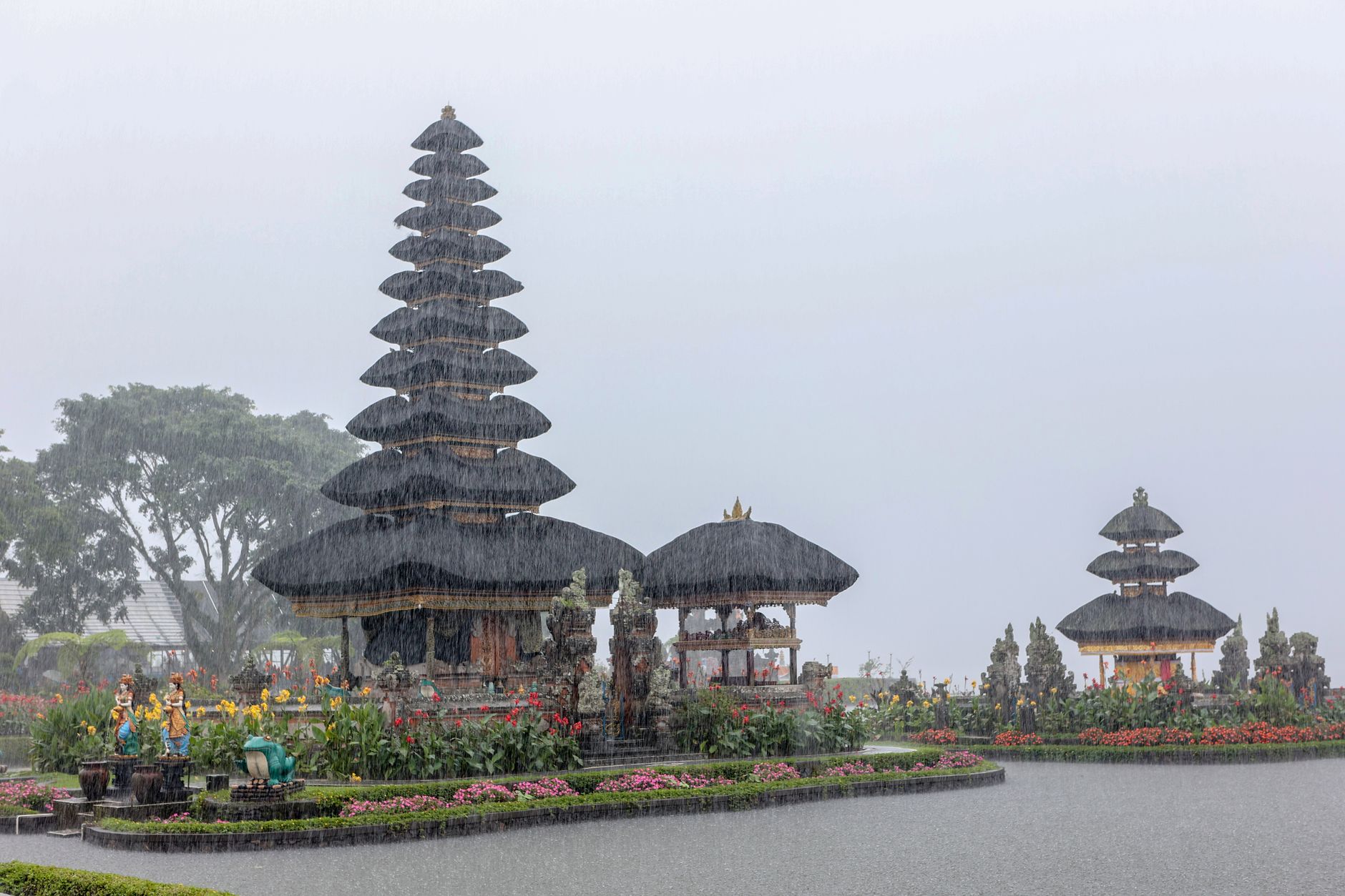
The wet season (November–April) affects different regions unevenly. The inland area around Ubud receives the heaviest rainfall—averaging 300–350mm monthly—with afternoon downpours that can last 2–3 hours. Mornings almost always remain dry and clear, making early-morning hikes viable. The landscape turns brilliantly green; rice terraces are spectacular for photography.
The north coast (Lovina, Amed) experiences wetter conditions than the south, with increased cloud cover and afternoon storms. Diving visibility drops from 25–30m in dry months to 15–20m in wet months, but dives still proceed regularly. Boating to the Gili Islands becomes unreliable in January–February.
The southern coast (Seminyak, Uluwatu, Kuta) receives less rainfall than inland areas, averaging 200–280mm monthly. Afternoon showers are frequent but shorter. Beaches remain usable despite rough conditions; the reef protection in Seminyak keeps beaches calmer than the open coast at Uluwatu.
Surfing Seasons by Location
Uluwatu and Padang Padang experience their prime swell season from April through October, when consistent swells from the Southern Ocean push northeast toward these eastern-facing reefs. Waves range from 4–8ft during dry months, with the most consistent conditions in June–August. Beginners should avoid July–August due to crowds and intensity; May, September, and October offer better beginner-intermediate conditions.
The west coast—particularly Medewi and Keramas—experiences better conditions during wet season (November–March) when swells wrap around from the Indian Ocean. December–February offers the most consistent waves, with less crowding than the eastern breaks. Water temperature stays warm (27–28°C) year-round, so winter suits aren't necessary.
The north coast (Lovina area) rarely experiences major swells but has occasional waves during both seasons, with less competition from other surfers.
Practical Booking Strategy
For June–August (peak season): Book accommodation 8–12 weeks in advance if traveling with family or requiring specific properties. Flights should be secured 6–10 weeks ahead, particularly from Europe and North America. Expect to pay 40–60% premiums over shoulder season. Internal transport (car rentals, drivers) books quickly; arrange 4–6 weeks ahead.
For March–May and September–October (shoulder season): Book 4–6 weeks in advance for mid-range accommodation. Budget properties and guesthouses remain available with 2–3 weeks' notice. Flights have good availability with standard pricing. This period offers the best value-to-weather ratio.
For November–February (low season outside Christmas): Book 1–3 weeks ahead. Prices drop 30–50%. Flights are cheap and available. The trade-off is afternoon rain (manageable) and some heat/humidity, but crowds vanish and budget extends dramatically. November–December 14 is ideal for value.
For December 15–January 7 (holiday period): Book 8–12 weeks in advance or accept premium pricing and limited options. Prices double or triple. This window is only recommended if holiday timing is fixed.
Airport planning: Ngurah Rai Airport (DPS) handles roughly 6 million annual passengers, with peaks in July–August and Christmas. Expect queues of 45–90 minutes during these periods at immigration and customs. Arrive 3+ hours early for international departures during peak season. Early-morning flights (5–7am) minimize congestion. The new improved terminal has reduced wait times somewhat, but peak periods remain congested.
When to Visit for Specific Goals

Bali works year-round, but optimization depends on priorities. Those combining premium weather with moderate crowds and fair pricing should aim for May, September, or October. Surfers seeking prime Uluwatu conditions with fewer competitors should target April, May, September, or October. Photographers wanting lush green landscapes should embrace November–March despite afternoon rain. Budget travelers on tight deadlines should plan November–February (avoiding Christmas week). Divers needing maximum visibility should visit dry-season months (May–October), with June–August being peak quality (but crowded and expensive).
Bali offers the rare advantage of functioning excellently outside the narrow peak-season window. Choose based on your primary activity and crowd tolerance rather than weather alone, since weather extremes barely register on an island that averages 26–32°C every single month.
Frequently Asked Questions
What is the absolute best month to visit Bali?
May, September, and October offer the best balance: excellent weather (warm, dry), moderate crowds, and prices 20–35% below peak season. September particularly delivers perfect conditions without June–August premium pricing. Choose based on your activity—surfers should prioritize April–May or September–October for consistent swells and fewer competitors.
Is Bali still worth visiting during the wet season?
Yes. November–March delivers reliable mornings (typically clear until 2pm), dramatic green landscapes, accommodation discounts of 30–50%, and drastically fewer tourists. Afternoon showers are concentrated downpours, not all-day drizzle. This period suits budget travelers, photographers, and those avoiding crowds more than rain-phobic visitors.
When should I absolutely avoid Bali?
June–August (peak season) should be avoided unless you're indifferent to crowds and premiums of 40–60% on accommodation. December 15–January 7 (holiday period) requires booking 8–12 weeks ahead and paying double or triple rates. All other months work well depending on your priorities and flexibility.
How far ahead should I book flights and accommodation?
June–August: 8–12 weeks ahead. March–May and September–October: 4–6 weeks. November–February (outside Christmas): 1–3 weeks. December 15–January 7: 8–12 weeks or accept limited options. Budget properties and guesthouses usually require less advance booking than mid-range hotels.
What's the best time to visit if I want to avoid both crowds and heavy rain?
April and October are your answers. April offers the transition into dry season with light rainfall (130–180mm), moderate crowds, and 20–30% discounts below peak season. October closes the dry season with similar benefits: light rain, good weather, and moderate crowds before November rains intensify and the holiday period begins.