Ubud, Bali: A Practical Guide Beyond the Clichés
Ubud is not a yoga retreat town that happens to sit in Bali. It is a working Balinese town of about 80,000 people where rice farming, arts markets, and family-run restaurants exist alongside Instagram cafés and wellness studios. You'll see fruit vendors next to coffee shops charging 85,000 IDR for flat whites. You'll hear gamelan music rehearsals from temples mixed with English accents in the streets. The reputation draws people seeking spiritual transformation and digital nomad infrastructure; the reality is a place where local economy and tourist economy exist in direct, sometimes awkward proximity.
Most first-time visitors spend 3–5 days here and leave either converted to Ubud devotees or frustrated that it didn't match expectations. The difference usually comes down to accepting what Ubud actually is rather than what travel blogs promised it would be.
What Ubud Actually Is
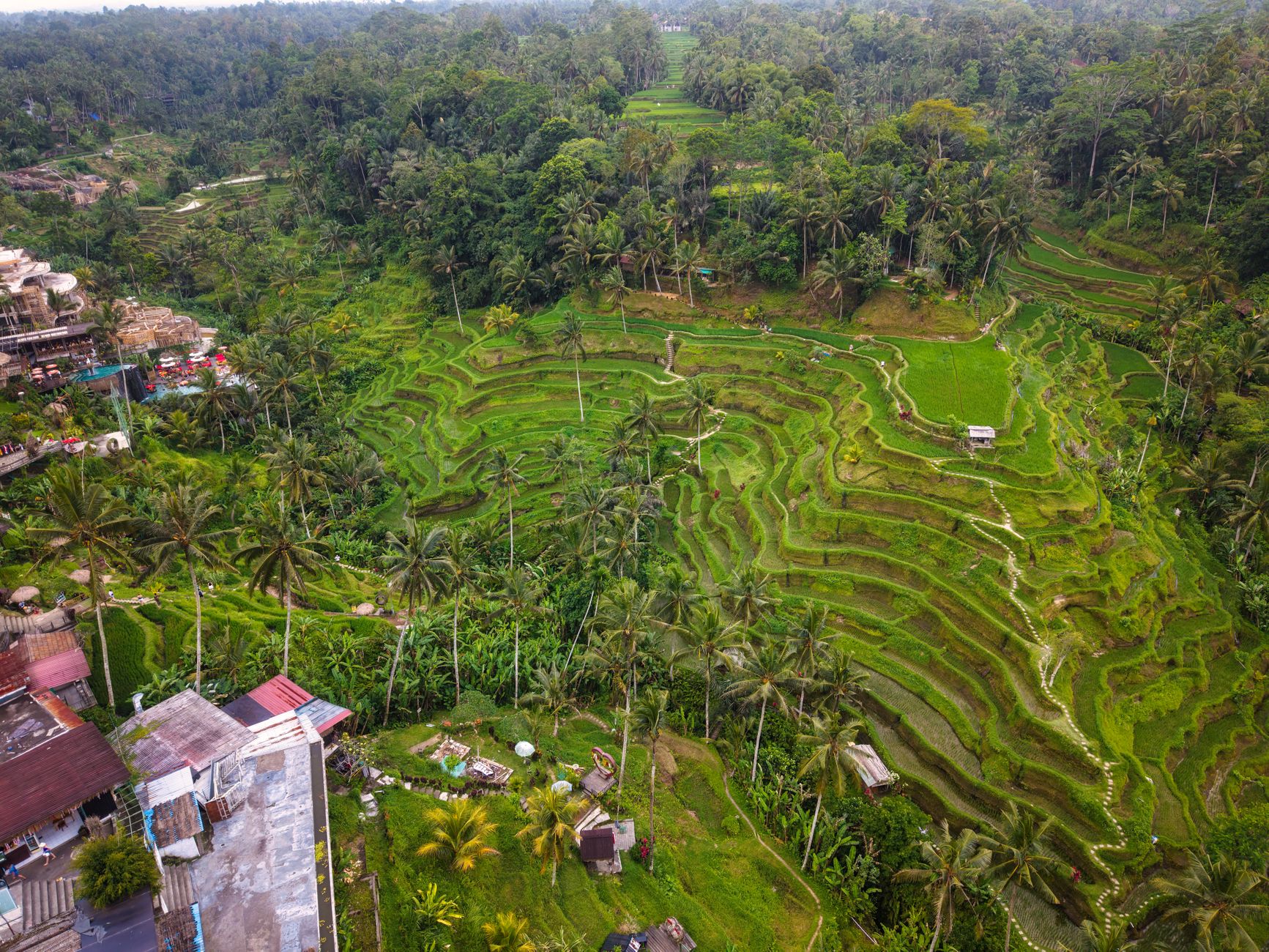
Ubud sits in central Bali's highland region, about 1.5 hours north of the airport and two hours from the beach towns of Seminyak and Canggu. Elevation keeps it cooler and greener than the coast. Rice terraces dominate the landscape in concentric steps across hillsides. The town center is a dense grid of narrow streets where the main market (Pasar Ubud) still functions primarily for locals buying produce, textiles, and daily goods.
The town expanded dramatically in the 2000s as travelers discovered it. Infrastructure followed: good roads, reliable electricity, decent internet, accommodation at every price point. But underneath that infrastructure, Ubud remains oriented toward Balinese Hindu religious and agricultural life. Temples conduct daily ceremonies. Banjar (community organizations) still govern local affairs. Rice paddies are not scenic backdrops—they are working land where farmers expect visitors to stay on marked paths.
This matters practically. Tourist attractions exist here, but they are embedded within a functioning town rather than separated into a tourist zone. You navigate the same narrow streets and traffic as locals. You compete for table space at good warungs during lunch hours. You cannot avoid confronting that your presence has changed prices and labor conditions.
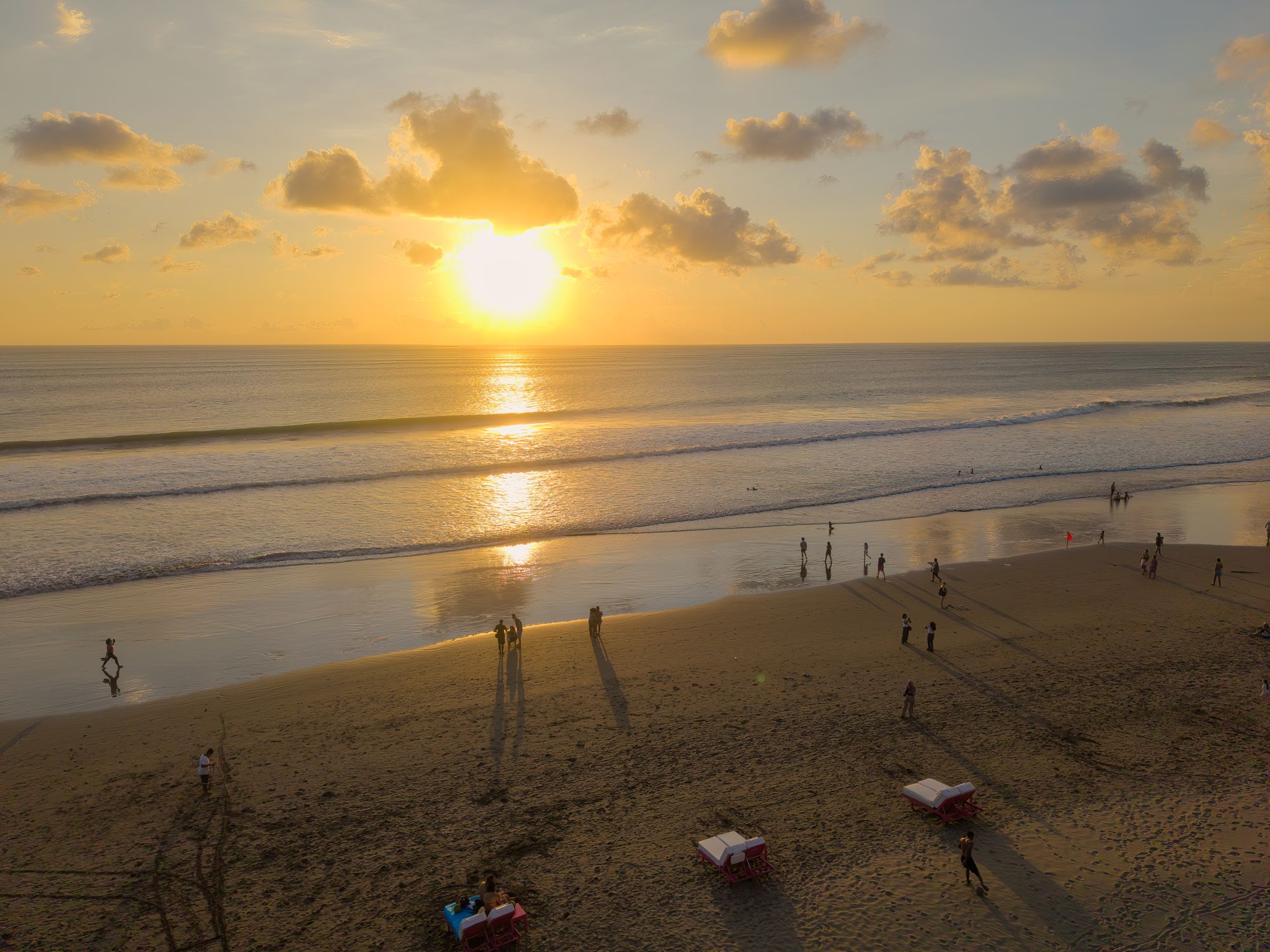
What Ubud is not: a beach destination, a nightlife destination, a party town, a peaceful retreat (it is crowded and chaotic in center), or a spiritual destination in any guaranteed sense. Many people who arrive expecting transformation leave disappointed because transformation requires intention, not geography.
Getting to Ubud
From Ngurah Rai Airport
Taxis from the airport are expensive and drivers often use outdated meters. Official white taxis (Bluebird brand) are most reliable but slow. Journey time is 1.5–2 hours depending on traffic and Ubud traffic is genuinely unpredictable.
Rideshare apps (Grab, Gojek) work from the airport. Pricing is usually 150,000–250,000 IDR depending on time of day and surge. Book immediately upon landing; morning arrivals often see surge pricing from 9–11 AM when many flights land simultaneously. The driver's phone number appears in the app, and communication through the app is straightforward.
Driver hire for the journey: This is the best option if you're arriving with luggage or traveling with a partner. Book a driver through your accommodation or apps like Klook. Costs run 400,000–600,000 IDR for a full-day private car with driver from airport to Ubud (8 hours including stops). The driver waits, handles traffic, and you can stop in Tegallalang or Tampaksiring en route. Not cheaper per person than rideshare for a single traveler but significantly more comfortable with luggage.
From Seminyak/Canggu (if arriving on another flight or staying south first)
Rideshare (Grab) is 80,000–120,000 IDR, roughly 90 minutes depending on traffic and which Seminyak location you're leaving from. Scooter rental and self-driving is possible but not recommended for unfamiliar drivers: roads narrow and turn complex after Ubud, traffic is thick through central Bali, and if you're arriving for the first time, navigating while tired is stressful.
Hire a driver from Seminyak for a half-day (roughly 300,000 IDR) if staying only briefly or planning to see sights en route. Direct a driver to Tegallalang (30 minutes north of Seminyak) or Jatiluwih before depositing you in Ubud.
Where to Stay in Ubud

The town has three distinct neighborhoods. Where you stay determines your experience more than almost any other factor.
Central Ubud (around Jalan Monkey Forest and the main market)
This is dense, loud, and walkable. Accommodation here ranges from basic guesthouses (200,000 IDR/night) to mid-range hotels (400,000–800,000 IDR). Advantages: walking distance to Pasar Ubud, restaurants, temples, transport options. Disadvantages: constant traffic noise, no views, crowded street-level experience, difficulty sleeping before 10 PM.
Best for travelers who want to experience Ubud town life directly and don't need quiet.
Ridge roads: Jalan Bisma, Jalan Penestanan, Campuhan area
These elevated roads run along the edge between central Ubud and rice paddies. About 15–20 minutes walk (uphill) from the town center, but a different world: quieter, with views of valley and terraces. Accommodation runs 300,000–1,200,000 IDR depending on how far up the hills you go and how nice the property is. Many have rice field views; many have pools.
The Campuhan Ridge Walk starts from this area. Jalan Bisma is now lined with decent restaurants and cafés. It's genuinely peaceful but still close enough to walk to town for dinner.
Best for people staying 3+ days who want to reduce sensory overload but still access Ubud.
Outlying villages: Mas, Nyuh Kuning, Pengobengan, Ubud region
Villages 15–30 minutes drive or scooter from center feel distinctly rural. Rice paddies, fewer tourists, actual Balinese agricultural life visible. Accommodation is usually standalone villas or guesthouses, often cheaper (250,000–600,000 IDR) than equivalent central options. Roads are narrower, transport options fewer, and evening activities mean driving back to center.
Best for people staying a full week, seeking genuine quiet, or with scooter experience and interest in rural Bali.
The Main Attractions (And How to Actually Do Them)
Sacred Monkey Forest Sanctuary
This is not a zoo and not wilderness. It is a managed forest temple complex where a community of about 700 monkeys coexist with visitors. Entrance is 80,000 IDR. Most people overstay by 2–3 hours. You need 30–45 minutes maximum.
The walk itself takes 15 minutes. Three temple structures sit within the forest; monkeys are everywhere. Do not feed them, do not make direct eye contact, do not carry bags open. If a monkey grabs your bag or glasses, let it take them—locals will retrieve them. Bites happen when people initiate contact or show food. Monkeys are far more interested in tourists' belongings than their persons.
Arrive by 7 AM or after 4 PM to avoid crowds. Midday traffic through the sanctuary is substantial. Respect the temples—it is an active spiritual space, not a backdrop for photos. Sarongs are provided at the entrance if you're wearing shorts or revealing clothes. Women menstruating are traditionally excluded; many visitors don't volunteer this information, but it's worth knowing the cultural context.
The entrance now has a gift shop and café; ignore these overpriced tourist areas. A warung outside the gate sells the same food cheaper.
Rice terrace walks: understanding the three options
Most visitors do one rice terrace walk and assume they've seen them. Three walks are genuinely different experiences.
Campuhan Ridge Walk: Starts from Jalan Campuhan or Penestanan area (15 minutes uphill from central Ubud). Walk is about 4 km, descends into a river valley, crosses the Campuhan Bridge, climbs back up to Penestanan. Takes about 1.5 hours. The terraces are real working rice paddies but you're walking on tourist-marked paths. Quiet in early morning (6–7 AM); crowded by 9 AM. Do this walk at dawn if you're staying nearby; it's genuinely pleasant.
Tegallalang rice terraces: This is the Instagram-famous grid of terraces 15 minutes north of central Ubud. Entrance has been commercialized into a ticketed experience (40,000 IDR) with guides, swing installations, and cafés. The terraces are real but you're there with 200 other people taking identical photos. Skip the official entrance—walk the roads around and between the paddies for free and encounter far fewer tourists. Many guides wait near the main road; hire one for 150,000 IDR if you want explanation of rice cultivation. The walk itself is straightforward: descend, loop around the ridge, ascend. Allows 1.5–2 hours.
Jatiluwih: This is a UNESCO World Heritage rice terrace site about 60 km west of Ubud, roughly 90 minutes by car/scooter. It is substantially less visited than Tegallalang. Terraces are larger, the landscape is more dramatic, and you can walk for hours with far fewer tourists. There is a small entrance fee (20,000–30,000 IDR) but nothing like Tegallalang. This is worth a half-day trip with hired transport; Jatiluwih itself is primarily agricultural—no restaurants or facilities, bring water. The drive there goes through highland village landscapes that are genuinely interesting.
Best experience: Campuhan Ridge Walk early morning, Jatiluwih for a half-day trip with a driver, skip Tegallalang's main entrance.
Cooking classes
Ubud has at least thirty cooking class operations. Quality varies. Bad ones: tourist-focused, teach you to make dishes that don't actually exist in Balinese cuisine, use imported ingredients, teach in large groups, feel assembly-line. Good ones: small groups (4–6 people), Balinese instructors who speak English but aren't performing, teach from recipes that families actually cook, market visit included, held in someone's home kitchen or a small dedicated space.
Karsa Kafe and Penataran Seni are legitimate options that teach real Balinese food. Karsa includes a market visit. Classes are usually 300,000–400,000 IDR, run 4–5 hours, and include lunch. Book in advance; good classes fill up.
Art markets and shopping
Pasar Ubud (the central market) still sells to locals. Textiles, traditional clothes, everyday goods, some tourist items. Prices are marked lower than surrounding tourist shops; haggling isn't really necessary and often offends. Go early (7–9 AM) before it gets hot. This is not primarily a tourist market—respect vendors' space and don't treat it as a photo location.
Tourist art markets (like Guwung Art Market) exist specifically for travelers. Quality is variable. Prices are high. Many items are mass-produced in other Indonesian provinces, not made locally. If you want crafts, buy directly from artisans in workshops (wood carvers in Mas village, silversmithers in Celuk, painters throughout Ubud) rather than through market middlemen. These workshops exist along main roads; stop in and watch people work.
Pura Tirta Empul (holy spring temple)
This is a functional Hindu temple with a spring-fed pool, not a swimming destination. Entrance is 30,000 IDR. You walk through the temple grounds and, if you choose, bathe in the pool wearing modest clothing or a sarong. It is genuinely beautiful and genuinely religious.
Most visitors arrive via tour bus; arrive independently early morning (before 8:30 AM) and you'll have relative peace. Dress respectfully (covered shoulders and knees minimum). The spring water is cold. Don't leave valuables unattended in the changing area. Pool areas near the temple (sometimes called "main pools") are crowded with tourists; the upper pools further back are quieter and just as authentic. Expect to spend 60–90 minutes here.
The temple is about 30 km east of Ubud (roughly 45 minutes by car). It's often combined with visits to Tegallalang or Kintamani since they're en route.
Eating in Ubud: Where Locals Actually Eat vs Where Digital Nomads Pay 85,000 IDR for Oat Milk Lattes
Cheap, excellent food: under 50,000 IDR
Warungs throughout Ubud sell nasi kuning (turmeric rice), nasi goreng (fried rice), gado-gado (vegetable salad with peanut sauce), and grilled fish for 30,000–45,000 IDR. Quality is high; presentation is functional. Sit down at a warung counter at lunch time (11:30 AM–1:30 PM) and watch local families eat. No English menus; point at dishes you see others eating.
Warung Bodag Maliah (near the market, genuinely local) serves excellent food for under 40,000 IDR. Warung Pulau Kelapa (several locations) is a reliable midrange option where dishes are 35,000–50,000 IDR, portion sizes are large, and quality is consistent.
Markets sell fresh fruit, coconuts, and prepared foods. Prices are literally half what you'll pay in tourist cafés.
Restaurants that are good and not obscenely priced
Bridges Bali (fine dining, 300,000+ IDR per person) is genuinely excellent if you want high-end food; book ahead. Mozaic Beach Club (while in Jimbaran, just outside Ubud region) if you're driving south. Sari Organik (perched on a ridge overlooking rice terraces, 250,000–400,000 IDR) is tourist-oriented but the views justify the price and the food is solid. Karsa Kafe does dinner as well as cooking classes; food is authentic.
Alchemy (café by day, restaurant by night, 150,000–300,000 IDR for meals) is vegetarian, good coffee, popular with both tourists and locals who work in creative industries.
What to avoid
Expensive cafés in central Ubud charging tourist prices for mediocre food. Any establishment with a painted sign saying "tourist menu" or "English menu." Places with photos of dishes in the window. Anything charging over 80,000 IDR for a sandwich unless it's a genuinely upscale restaurant.
Coffee is good and cheap throughout Ubud. Drink it everywhere. Local coffee is 15,000–25,000 IDR in warungs, 45,000–65,000 IDR in nicer cafés, 85,000+ IDR in Instagram-bait establishments.
Day Trips from Ubud
Mount Batur sunrise hike from Kintamani
Kintamani is a highland village about 60 km (90 minutes) northeast of Ubud. Mount Batur is an active volcano. The tour is: wake at 2 AM, drive to the base, hike 1.5 hours in darkness to the summit, watch sunrise, hike down by 8 AM. Organize through your accommodation or directly with guides in Kintamani. Cost is roughly 400,000–600,000 IDR including guide and transport from Ubud.
The hike is moderately strenuous but not technically difficult. The sunrise is genuinely stunning. The descent is harder on knees than the ascent. The experience is somewhat tourist-heavy but remains worthwhile. Bring water, a light jacket, and decent shoes.
Alternatively, drive to Kintamani, skip the hike, visit the crater rim, eat breakfast overlooking the caldera, and drive back. This takes 5–6 hours total and costs less for car hire alone (300,000–400,000 IDR).
Sidemen valley
Sidemen is a village about 45 km south of Ubud that most tourists never visit. It sits in a valley growing fruits, rice, and woven textiles. There are no major attractions; the experience is driving through rural landscape, visiting weaving cooperatives where you watch women make cloth, eating lunch at simple warungs, walking through rice fields.
Hire a driver for half-day (300,000 IDR) or rent a scooter if confident. It feels like Bali 30 years ago. You'll be the only foreign visitors in sight.
Tirta Gangga
This is an old water palace (about 50 km east of Ubud, roughly 60 minutes by car) built in 1946. It's a functional palace, still partly inhabited by the family that built it. Pools, gardens, fish ponds, atmospheric spaces. Entrance is 30,000 IDR. It requires about 1–1.5 hours to walk through properly and see details. No crowds. The surrounding landscape is village life.
Often combined with Mount Batur or Sidemen since the distance is reasonable. Hire a driver for a half-day (300,000 IDR) or full-day (400,000–500,000 IDR) that hits multiple sites.
Common Mistakes First-Timers Make
Renting a scooter without experience
Ubud traffic is chaotic. Lanes are suggestions. Local drivers navigate by assumption of what others will do. If you've never rented a scooter in Southeast Asia, learning in Ubud is extremely stressful. Pedestrians step into roads without looking. Narrow streets have limited visibility around corners. Pricing for scooter rental (50,000–100,000 IDR/day) saves money you'll lose if you crash or get hurt.
Wear a helmet (legally required, genuinely important), carry your international driving permit and passport, and accept that your trip insurance may not cover scooter accidents. Many travelers decide midway through a scooter day that they should have hired a driver instead.
Expecting evening activities
Ubud has some bars and night markets, but it is not a nightlife destination. Many restaurants close by 10 PM. The night market (if operating) runs only Friday–Sunday. Most travelers spend evenings at their accommodation, which is fine—plan your trip accordingly. Netflix and books are common evening activities here.
Over-planning
Ubud changes day-to-day. Weather shifts, temples close for ceremonies, popular restaurants are full or closed, guides cancel. Build in open time rather than scheduling every hour. A typical good day: market visit in early morning, Monkey Forest mid-morning, lunch, rest at accommodation, evening walk or dinner.
Forgetting that it's a working town
Don't photograph local people without permission. Don't treat temples as photography locations. Don't sit in the middle of walkways for café time. Don't assume your tourist experience is the priority for people whose actual work and life happens in these streets.
Staying in central Ubud the entire time
Central Ubud is functional, but the surrounding landscape is remarkable. Staying on a ridge road or in a quiet village and visiting central town for meals and activities means you experience a different version of Ubud entirely.
When to Visit and How Long to Stay
The dry season (April–October) is best: less rain, better visibility for rice terrace walks, comfortable temperatures. November–March is the rainy season. It rains heavily but briefly in afternoons; mornings are often clear. January–February is the hottest and most crowded with Australian summer travelers.
Three to five days is realistic for Ubud. Three days lets you see Monkey Forest, do one rice terrace walk, eat well, and get a sense of the town. Five days lets you visit Ubud properly, do day trips, explore neighborhoods beyond central town, and actually relax. Seven days is ideal if you want to understand the rhythm of the place beyond tourist circuits.
Many people arrive expecting Ubud to be a resort town and leave frustrated it's not. Others arrive skeptical and leave grateful for a place that remains functionally Balinese despite tourism. The difference is usually accepting what Ubud is: a working highland town where agriculture, religion, commerce, and tourism coexist with varying degrees of harmony. It's interesting precisely because it's real, not because it offers escape.