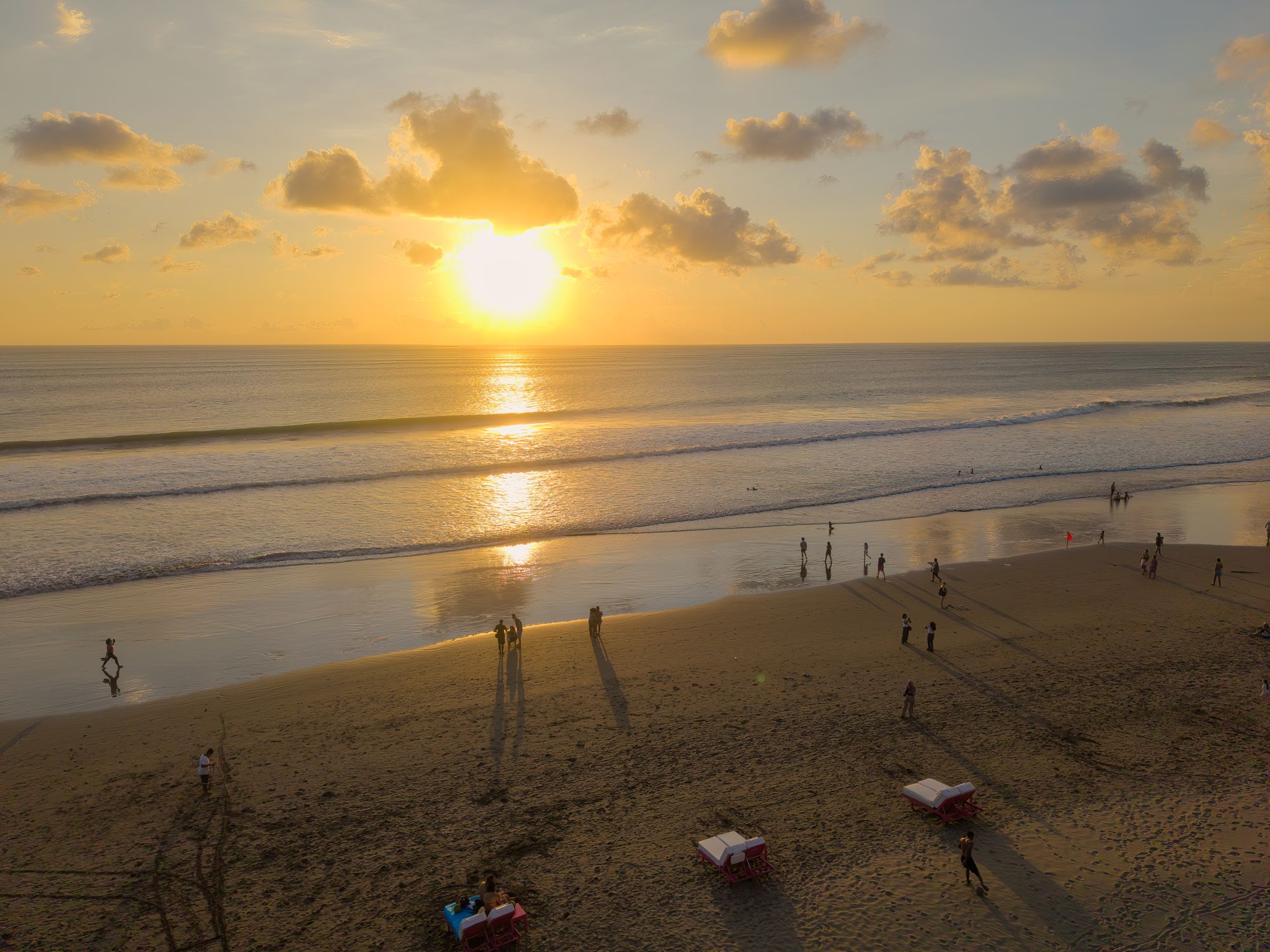
Bali delivers reliable infrastructure, abundant restaurants, and consistent beginner-friendly waves. Lombok offers fewer crowds, better advanced surf breaks, and genuine quiet beaches — at the cost of patchy transport and fewer amenities. The choice depends on whether you want maximum options or minimum tourists.
| Category | Bali | Lombok |
|---|---|---|
| Best for | First-time visitors, families, beginners, variety-seekers | Return visitors, experienced surfers, hikers, solitude-seekers |
| Signature draw | Infrastructure, restaurants, nightlife, beginner surf lessons | Empty beaches, advanced breaks, Mount Rinjani trek |
| Beaches or nature | Crowded tourist beaches; Ubud rice terraces and temples | Quiet beaches; Mount Rinjani volcano trek |
| Nightlife | Seminyak and Canggu have late-night clubs and bars | Gili Trawangan only; elsewhere minimal or closed by 6pm |
| Mid-range daily cost | €60–150 accommodation, €8–20 meals | €25–60 accommodation, €6–15 meals |
| Peak season | July–August; noticeably crowded | July–October; significantly quieter than Bali |
| Crowd level | High; beaches and temples at saturation | Low; beaches see dozens rather than hundreds daily |
| Recommended stay | 7–10 days (Ubud 3, coast 4–7) | 5–7 days (Kuta/Gili Islands) |
| Getting there | International hub; direct flights from most countries | Flight or ferry from Bali; ferry rough in swell |
What Bali Actually Gives You
Bali works because everything is accessible and well-signalled. The island has three distinct zones, each solving a different travel problem.
Southern beach towns (Seminyak, Canggu, Kuta) are the infrastructure spine. Ride-share apps (Grab, Gojek) function reliably. Restaurant variety spans from €3 warung meals to €40 tasting menus. Nightlife concentrates in Seminyak's beach clubs and Canggu's street-bar clusters — genuine late-night scenes if you want them. Accommodation ranges €60–150 per night for mid-range hotels and villas. Kuta has consistent beginner-friendly waves year-round and functional surf schools charging €25–40 for group lessons. The trade-off is obvious: these areas are genuinely crowded, especially Kuta during peak season (July–August), and beaches are often lined with sunbeds and vendors. Seminyak's main beach is largely a promenade rather than a genuine swim spot.
Ubud sits inland in the central highlands and solves a different problem — it's the cultural anchor and the quietest town option. Three nights here covers the principal sites: Tegalalang rice terraces (watch timing; crowds peak 8am–10am), Tirta Empul temple for the spring pools, and the Sacred Monkey Forest Sanctuary (which is considerably more crowded than photographs suggest — expect 300+ people even on quieter days). Ubud's nightlife is minimal; instead, expect 6pm closing on most bars and a yoga-retreat atmosphere. Accommodation runs €40–100 per night. The climate is noticeably cooler than the coast — bring a light layer. Mosquitoes here outnumber the coast significantly, so bring repellent with DEET. This is the only place on Bali where a motorbike isn't essential; walking and shuttle services handle movement.
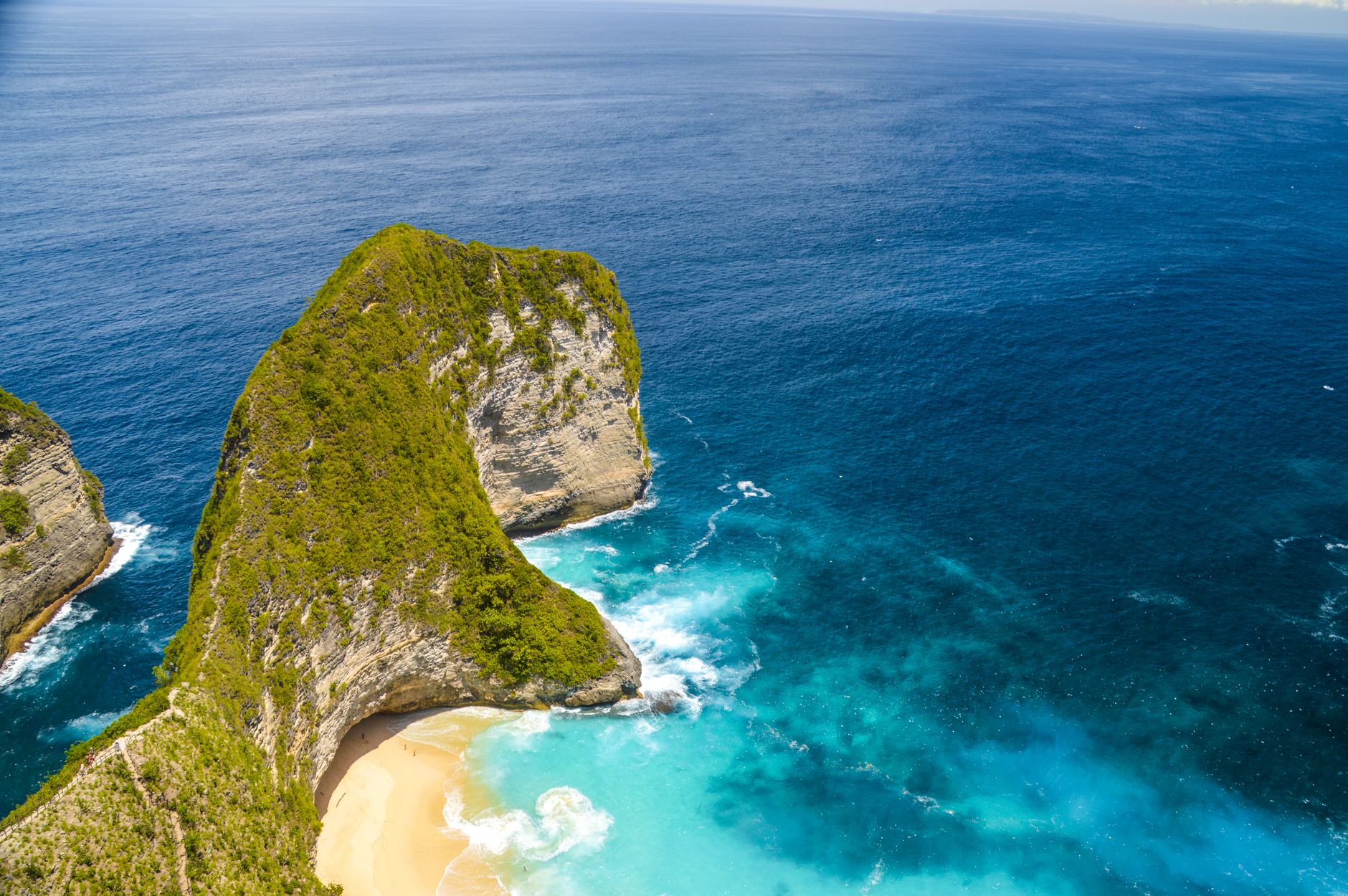
Nusa Islands (Nusa Penida and Nusa Lembongan) operate as day-trip or overnight destinations from Sanur on the east coast. Ferries depart Sanur multiple times daily (€10–15 per crossing, 30–60 minutes). Nusa Penida's steep, dramatic coastline — Kelingking Beach, Angel's Billabong, Broken Beach — photographs better than it swims (the beaches are mostly inaccessible unless you hire a scooter and walk down unmarked paths). Overnight stays on the islands cost €30–70 per night and make sense only if you want to snorkel at Manta Point (June–November is best; boats depart 6am). Nusa Lembongan is marginally more developed with better restaurant options than Penida.
Surfing in Bali breaks into clear tiers. Kuta is the apprentice zone — forgiving, crowded, reliable through April–October. Padang Padang and Uluwatu are intermediate to advanced, requiring respect for reef breaks and respect for local lineups; Uluwatu is less crowded than Kuta but the break is unforgiving. None of these compares to what Lombok's advanced surfers actually chase.
What most guides miss about Bali: major cultural sites hit saturation points. The Sacred Monkey Forest Sanctuary and Tegalalang terraces are legitimate experiences compromised by volume. The solution isn't avoiding them — it's visiting before 8am or after 4pm. The other miss is assuming Bali's southern beaches are swimmable; many aren't, or have dangerous currents. Padang Padang and Seminyak Beachclub's pool area are where swimmers actually go, not the open beach.
What Lombok Actually Gives You
Lombok is not "Bali 15 years ago" — that's the mistake most comparisons make. It's structurally different: fewer restaurants, less reliable ATM networks, transport outside main towns requires planning. But if you accept these constraints, it delivers what you're actually after.
Senggigi is the west coast hub and underwhelming — a string of mid-range hotels and tourist restaurants facing a mediocre beach. Most travellers pass through for ferry connections or to Rinjani. Skip it unless you're stopping overnight before Mount Rinjani.
Kuta Lombok (south coast, entirely different from Kuta Bali) is the genuine article. It's a working surf town, not a resort zone — a few warungs, a couple of guesthouses (€20–50 per night), and a beach that sees perhaps one-tenth of Kuta Bali's visitors on the quietest day in Bali's peak season. The beach genuinely works for swimming and paddling. Restaurants are limited; expect mostly Indonesian food and seafood, with limited vegetarian options. This is where experienced surfers actually stay.
Gili Islands (Gili Trawangan, Gili Air, Gili Meno) sit off the northwest coast, reached by speedboat from Lombok's north coast (Bangsal harbour, 15–30 minutes, €8–12) or from Bali's Amed or Padang Bai (1.5–2 hours, €25–40). These three small islands ban motorised vehicles — no cars, no scooters, only carts and walking. Gili Trawangan is party-oriented; Gili Air is quieter with better snorkelling access; Gili Meno is genuinely quiet, catering almost entirely to couples and solo travellers seeking silence. Accommodation across all three ranges €25–80 per night. Snorkelling from the shore is immediate and competent (sea turtles are reliably seen, though increasingly stressed by visitor volume). The diving here rivals the Nusa Islands in the Bali cluster; both islands have multiple operators. Critical detail most writers skip: the Gilis are experiencing serious infrastructure strain from overtourism. Gili Trawangan especially is becoming crowded and is less "undiscovered" than it was three years ago. Gili Meno remains quieter but has even fewer restaurant choices.
Mount Rinjani is Lombok's singular trekking anchor — a 3,726m active volcano. This is not a day trip or a casual stroll. Standard itinerary is a two-day trek (one night on the mountain) from either Senaru (north side, more popular) or Sembalun (east side, quieter starting point). Guides are mandatory; permits cost around €15 and are only obtainable through licensed operators (€80–150 total for guide plus permit). The trek is physically serious — steep elevation gain, variable weather, and water sources are limited. Early-season departures (April–June) are optimal; July–October is also viable but drier. The trek fills a purpose if you're a committed hiker; it's not a casual activity and shouldn't be in an itinerary unless hiking is central to your goals.
Surfing in Lombok is where the island separates from Bali entirely. Desert Point, on the south coast near Kuta Lombok, is considered one of Southeast Asia's best left-handers — expert-only, long walls, serious commitment required. Mawi, on the same stretch of coast, is advanced but more accessible than Desert Point. Ekas Bay is intermediate and more forgiving. All three breaks are consistent May–September and improve during this window. The key difference from Bali: there are no beginner lessons, no tourist-friendly lessons at these breaks. They're for people who can read a lineup and know how to extricate themselves.
The critical infrastructure gaps: ATMs outside Senggigi and Mataram are unreliable. Cash is essential. Restaurants outside Gili Islands and Kuta Lombok are limited; do not expect variety. Vegetarian and vegan options are sparse (mostly rice, noodles, and limited vegetables); plan around this. Transport between towns requires either renting a scooter or arranging private drivers; public transit is basic. Getting to Rinjani or remote surf breaks means hiring a driver (€40–60 for a half-day) or scooter rental (€5–8 per day). Most of this is manageable, but it requires flexibility and planning that Bali handles for you automatically.
Comparing the Islands Directly
Getting Between Bali and Lombok
Direct flight: Denpasar (Bali's main airport, DPS) to Lombok International (LOP), 30 minutes. Wings Air and Citilink operate multiple daily services at €40–80 return depending on booking lead time. Book 4–6 weeks ahead for low-season rates; expect €80–120 during July–August. This is the fastest option for families or those with limited time.
Fast ferry: Padang Bai (east Bali, 1.5 hours from Seminyak by road) to Lembar (Lombok's west coast), operates 2–4 times daily depending on season. Crossing takes 4.5–5 hours, €10 per passenger (check with Perama or direct operators at Padang Bai). The journey is scenic but can be rough in the swell; take seasickness medication if you're prone to motion sickness. Vehicles cannot cross, so transport doesn't carry scooters. This is the choice for those on tight budgets or valuing the journey itself.
Speedboat to Gili Islands: Multiple operators run boats from Padang Bai and Amed (northeast Bali) to Gili Trawangan or Gili Air, 1.5–2 hours, €25–40. These are faster than the ferry and often more direct if Gili Islands are your actual destination. Book through the harbour operators or accommodation in advance; departures vary by season.
Recommended routing (14 days): Arrive in Denpasar, spend three nights in Ubud, four nights in Seminyak or Canggu, then speedboat to Gili Air for three nights, then ferry to Lombok's Kuta for two nights, then fly back from Lombok airport. This avoids backtracking and maximises time across both islands without overstaying any zone.
Who Should Choose What
Choose Bali if: this is your first Indonesia visit, you're travelling with children, you want maximal food and activity variety, you're learning to surf, you value nightlife, or you prefer reliable infrastructure. First-time visitors should start here; the options are abundant and nothing is hard to access.
Choose Lombok if: you've spent time in Bali, you surf at an intermediate-plus level, you want genuine quiet beaches, you're committed to Mount Rinjani hiking, or you're willing to trade convenience for space and fewer tourists. Return visitors find what Bali used to feel like, though this is shifting as Lombok develops.
Do both if: you have 14+ days and want to experience the full spectrum — Bali's infrastructure and cultural sites, Lombok's waves and beaches. The split itinerary above makes this efficient without backtracking.
The counter-intuitive detail: Lombok's "less touristy" reputation is real but narrowing. Gili Trawangan in particular is experiencing rapid overtourism; booking accommodation 8–10 weeks ahead is now necessary for July–August. Gili Meno and Kuta Lombok remain quieter, but expect this to change within 18–24 months. If your goal is empty beaches, act on it; the window is closing.
The Bottom Line
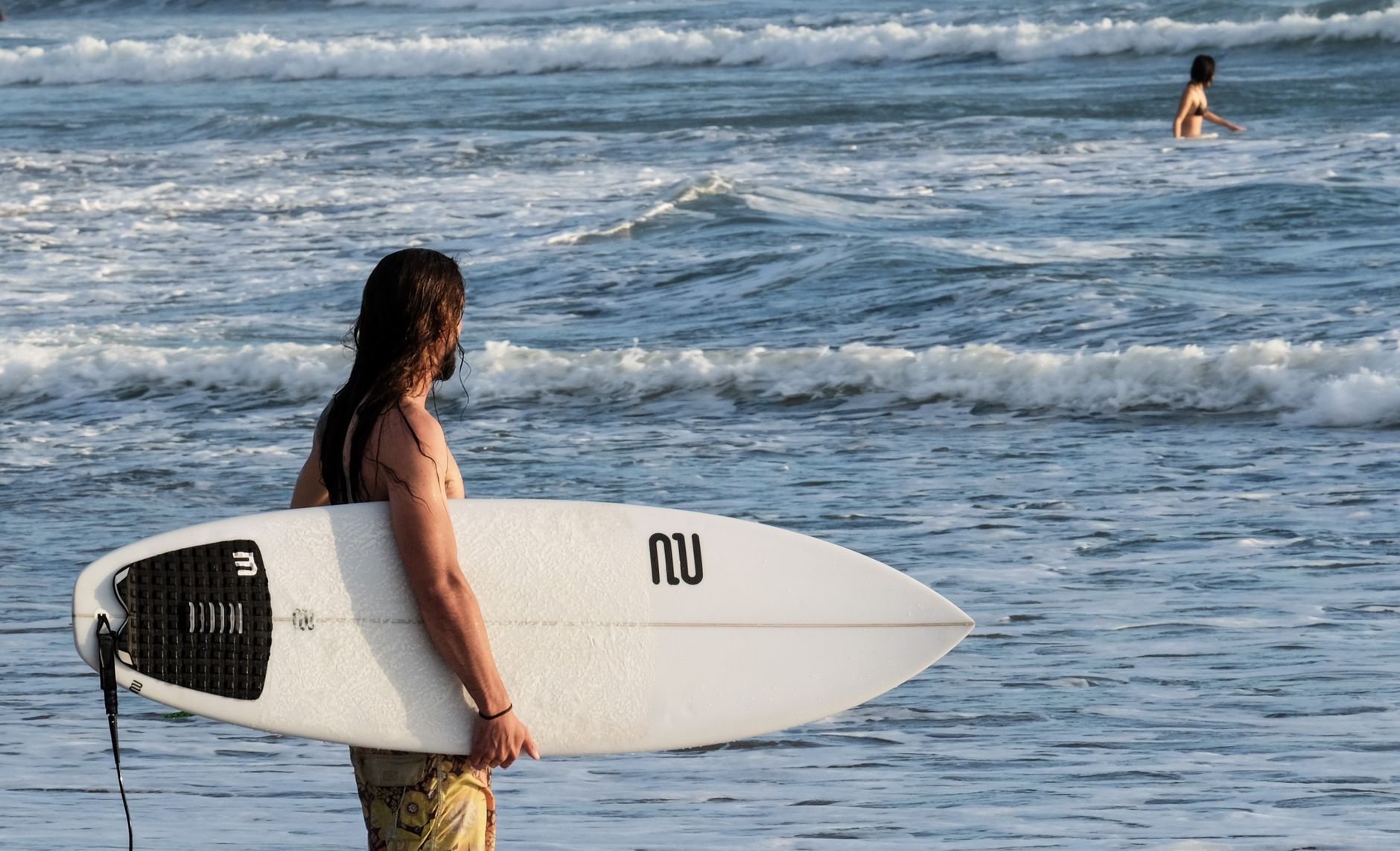
Bali and Lombok answer different questions. Bali is about maximal options — restaurants open until midnight, ride-share works everywhere, surf schools cater to tourists, and day trips are easily layered. Lombok asks you to accept transport friction and limited dining in exchange for space, serious waves, and beaches that see dozens rather than hundreds of visitors daily. Most first-time Indonesia visitors should start in Bali; you'll have no regrets about abundance. Those returning or committed to surfing or hiking will find Lombok's constraints worth the trade. With 14+ days, do both — the logistics are straightforward and each island delivers what the other doesn't.
Frequently Asked Questions
Is Lombok really less crowded than Bali?
Yes, but the gap is narrowing. Kuta Lombok and Gili Meno remain quiet with dozens of daily visitors instead of hundreds. Gili Trawangan, however, is experiencing rapid overtourism and now requires booking 8–10 weeks ahead for peak season. The quiet window is closing within 18–24 months.
Can beginners surf in Lombok?
No. Lombok has no beginner infrastructure or tourist-friendly lessons. Desert Point and Mawi are expert-only; Ekas Bay is advanced. If you're learning, Bali's Kuta or Padang Padang are the only options across both islands.
How do I get from Bali to Lombok?
Fastest: 30-minute flight (€40–120 depending on season). Budget option: 4.5–5 hour ferry from Padang Bai (€10). Speedboats to Gili Islands take 1.5–2 hours (€25–40). Book flights 4–6 weeks ahead for low-season rates.
What's the best time to trek Mount Rinjani?
April–June is optimal; July–October is viable but drier. The trek is physically serious with mandatory guides and permits (€15–150 total). Don't include it unless hiking is central to your plans; this isn't a casual activity.
Should I visit both islands or just one?
With 14+ days, do both: three nights Ubud, four nights Seminyak/Canggu, three nights Gili Islands, two nights Kuta Lombok, then fly home. This covers Bali's infrastructure and culture plus Lombok's waves and beaches without backtracking. First-time visitors should start with Bali only.