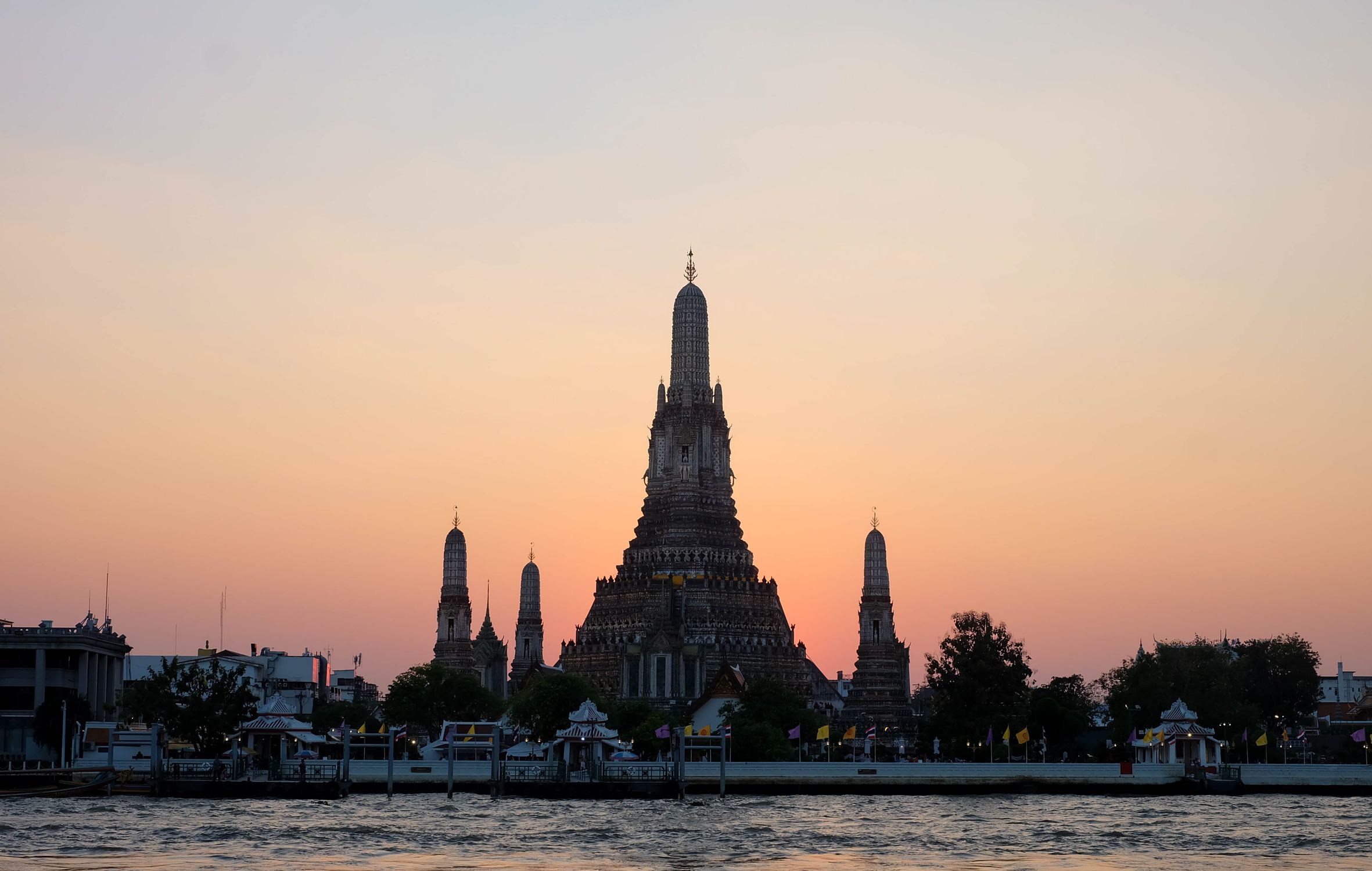
Chiang Mai's old city centre holds 130,000 people — Bangkok fits that many into a single district. The difference registers immediately: the moat-enclosed medieval core is walkable in 30 minutes, the major temples operate without the crowding of their Bangkok counterparts, and the surrounding mountains fundamentally alter the landscape. A 1.5-hour flight from Bangkok costs €30 on AirAsia, making Chiang Mai the practical reset point for travellers who want to see Thailand beyond metropolitan sprawl.
This is northern Thailand's actual base, not a detour. Most visitors spend three to five days here, then branch outward to Pai, Doi Inthanon, or Chiang Rai. The distinction matters: Chiang Mai works as both a standalone destination and a hub. Coming from Bangkok after a week in the capital creates a genuine perceptual shift — the pace slows, the scale shrinks, the air changes. That transition is real, not marketing.
The Old City: Temples and the Moat
Four temples give you the foundation. Skip the rest.
Doi Suthep sits 15km west of the city on a mountain ridge. Pick up a red songthaew (shared pickup truck) from Chiang Mai Gate (the northeast corner of the moat) — the driver will confirm the destination; cost is €3–4 each way. The temple itself requires 309 steps upward, though a funicular cable car runs for €1.50 if the heat is severe. Arrive before 9am to beat the guided tour groups. The city spreads below the chedi in a way no other vantage point matches — you can see exactly where the moat sits, where the mountains rise, and how small the urban area actually is. Budget 90 minutes total. The view alone justifies the trip.
Wat Chedi Luang occupies the old city's centre. A 15th-century chedi (stupa) partially ruined by an 18th-century earthquake dominates the compound — the remaining tower still climbs six storeys. Entry is free. More importantly, monks conduct "monk chat" here daily from 9am to 6pm: a scheduled conversation with Buddhist students practising English. This is genuine exchange, not a tourist performance. Arrive without agenda; the conversations follow what interests you and the monk. Twenty to thirty minutes. Few Bangkok temples offer this.
Wat Phra Singh is the old city's most intact temple — gilded, well-maintained, housing a revered Buddha image (the Phra Singh) that draws local devotion. €1 entry. The grounds are calm even at midday. Spend 30 minutes walking the courtyards.
Wat Chedi Luang and Doi Suthep exhaust temple interest for most visitors on day two or three. Visiting more than three temples in a single day produces diminishing returns; by the fourth, the architectural details blur and fatigue sets in. Prioritise Doi Suthep and Chedi Luang on your first full day.
The moat itself — 4km around — is walkable as a loop. Rent a bicycle for €3–5 per day and circle it in two hours. Locals use it as a running track and market boundary; there is no obligation to see it as scenic, but it clarifies the city's layout.
Elephant Sanctuaries: The Critical Distinction
Most elephant tourism in northern Thailand involves riding. Do not participate. Riding requires a training process (called phajaan or "crushing" in English) in which young elephants are isolated, beaten, and conditioned to accept humans on their backs. The physical and psychological damage is permanent. The elephant's spine is not designed to bear weight. Sanctuaries marketing "ethical elephant riding" are using language as cover — riding is not ethical at any price point.
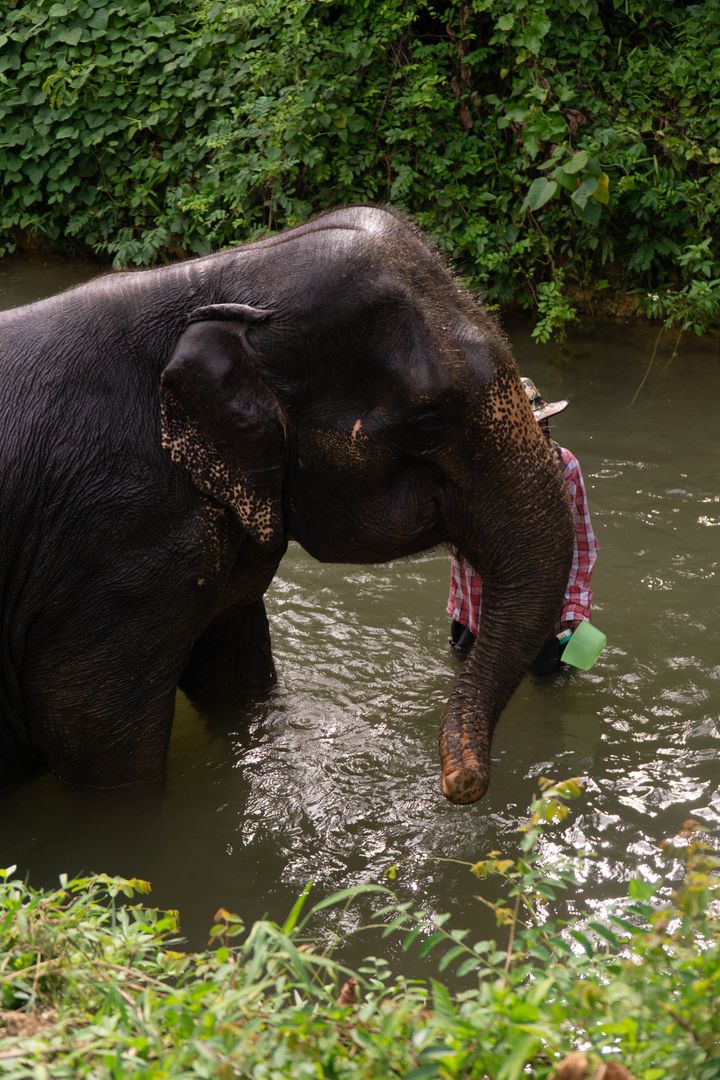
Elephant Nature Park operates on a different model. Founded by Lek Chailert, the organisation rescues elephants from logging, street begging, and tourism camps. Half-day visits cost €80 per person; full-day visits €120. The itinerary involves feeding the elephants prepared food, bathing them in the river, and walking with the herd in a riverside area. No riding, no tricks, no performances.
The experience itself: approximately half the time is spent mixing feed (fruit, hay, rice bran) in large piles and watching elephants eat. A quarter of the time involves wading into the river to hose the animal down while it sprays water over itself — the elephant controls the water, you assist. The remainder is walking slowly alongside the herd. If you expect dramatic interaction or the animal's gratitude, recalibrate. If you are interested in seeing an elephant behave relatively normally in a semi-natural setting, this delivers.
Booking requires 1–3 weeks lead time during peak season (November–February). Arrange online at elephantnaturepark.org before arriving in Chiang Mai. Transport from your accommodation is included. Wear clothes you don't mind mudding and bring a change for afterward.
Alternative sanctuaries exist (Baan Tawai, Elephant Retirement Park). Elephant Nature Park has the strongest reputation for animal welfare and operates the longest in this space.
Food: Khao Soi and Markets

Khao soi — egg noodles in a coconut curry broth with crispy fried noodles scattered on top — is Chiang Mai's definitive dish. No other regional cuisine owns it as completely. The dish originated in Burma and arrived here via the old trade routes, but Chiang Mai has been making it for centuries. Two reference points:
- Khao Soi Khun Yai: a single-table stall in the old city (soi 1, Chang Moi Road), serving since 1968. €1.50 per bowl. No frills; the broth is the entire point.
- Khao Soi Islam: nearby, Muslim-run, slightly richer broth, chicken and beef options. €2–2.50.
Both are authentic and neither is a tourist trap because the price point keeps the volume purely local. Eat at these places for breakfast if possible; they close by 1pm.
Nimman Night Market (Saturday Walking Street) operates along Wualai Road Saturday evenings 4pm–11pm. Local vendors sell prepared food (grilled meats, noodle soups, desserts), not trinkets. The crowd is mixed local and tourist. Budget €1–3 per dish.
Sunday Walking Street runs along Tha Phae Road through the old city 4pm–11pm and is larger. Food quality is equal; the trinket density is higher. Still functional for eating if you're in the area.
Talat Warorot (the daily fresh market north of the moat) is where locals buy ingredients. Go between 6am–8am. Grilled meats, curry pastes, jok (rice porridge), local vegetables. €1–3 per item. This is not a tourist market; it is the actual market. Useful for a breakfast you assemble yourself or for watching food preparation methodology.
Day Trips and When They Make Sense
Doi Inthanon National Park lies 80km south and contains Thailand's highest peak (2,565m), two waterfalls, cloud forest, and hill tribe villages. A day trip is possible but requires planning. Public songthaews take 3+ hours each way and return schedules are poor — you lose 6 hours to transport and 6 hours of actual time. Hiring a car or joining a tour group (€40–60 per person, pickup from your hotel) is more practical. Drive time is three hours each way. The peak sits under cloud most mornings and clears by afternoon; start early. The waterfalls run year-round but are most dramatic May–October.
Pai sits 3 hours north by minibus (€5–7, hourly departures from Chiang Mai's Arcade Bus Station). It is a small town, not a destination with activities in the Bangkok sense. A waterfall exists nearby, hot springs exist, rice fields surround the town. The appeal is the pace — Pai runs on village time. Travellers who enjoy sitting in cafés, reading, and occasional short walks find it valuable; those looking for things to "do" find it frustrating. Stay one or two nights if the slow rhythm appeals. The road is winding and the minibus experience is a teaching exercise in Thai driving culture.
Chiang Rai (190km north, 3.5 hours by minibus, €7–10) suits travellers interested in the hill tribes, the opium trade history, or the Golden Triangle geography. Day trips exist but are rushed; two nights is minimum. Book through a tour operator or travel agency in the old city.
None of these are mandatory. Chiang Mai itself justifies three to five days without leaving the city.
Getting Around Within Chiang Mai
The old city is walkable. Rent a bicycle for €3–5 per day — local shops operate throughout the moat area. The terrain is flat.
Across the wider city, use Grab (the Thai ride-hailing app). Rides cost €1–3 within the urban area. Download the app, add a payment method, and book rides as needed. It is cheaper and more reliable than taxis or tuk-tuks.
Red songthaews (shared pickup trucks) operate fixed routes at €0.50–1 per trip. Ask the driver before boarding: "Pai sai?" (going where?). If the destination matches your direction, board. Routes are not posted; you learn them by repetition or by asking locals.
Motorbike rental costs €5–8 per day. No Thai driver's licence is required to rent, though riding without one is technically illegal and voids your travel insurance. Useful if you're comfortable with local traffic and want independence for day trips. Helmets are legally required and should be non-negotiable even if the rental shop doesn't insist. The roads outside the city are reasonable; traffic inside is heavier and requires alert riding.
When to Visit: Climate and Practicalities

November–February is the optimal window. Daytime temperatures range 20–28°C, nights 12–16°C. The air is dry and clear. December–January sees peak tourism and corresponding price increases (guesthouses €20–30 instead of €15–20). Book accommodation two to three weeks ahead if visiting in December. The Elephant Nature Park fills in this window; book within the month of your planned trip.
March–April is burning season. Local farmers clear rice fields by burning the stubble; the smoke accumulates across northern Thailand. PM2.5 levels regularly exceed WHO safe limits (35 micrograms per cubic metre). If you have respiratory sensitivity, avoid this window. If you don't, prepare for hazy visibility and accept that outdoor activities (temple-climbing, elephant visiting) are less pleasant. Prices drop sharply because many travellers cancel.
May–October is the rainy season. Most rain falls between 4pm–8pm; mornings and early afternoons are often clear. The landscape is intensely green. Tourist numbers drop 40–60% compared to peak season. Waterfalls run at full volume. Guesthouses cost €12–18. The tradeoff is humidity (28–32°C days, 70–90% humidity) and the possibility of cancelled motorbike trips or flooded routes. Practical if weather doesn't frustrate you.
Getting There and Practical Details
Flights from Bangkok: AirAsia, Thai AirAsia, and Nok Air all operate the route. Flights depart multiple times daily. Flight time is 1 hour 20 minutes to 1 hour 40 minutes. Cost ranges €25–50 depending on how far ahead you book. Book a week minimum; two weeks is safer during November–February.
Chiang Mai International Airport is 4km northeast of the old city. Shared minibus transport to hotels costs €3–4. Grab rides cost €2–3. A taxi from the airport costs €6–8 without the meter working in your favour — the Grab rate is standard.
Entry requirements: Citizens of EU countries, Australia, New Zealand, Canada, and the US receive 60 days visa-free on arrival. Thailand's requirements change periodically; confirm with your embassy before booking.
Money: ATMs are ubiquitous throughout the old city. Thai baht is the currency; €1 ≈ 35 baht as of 2026. Visa and Mastercard are accepted at hotels and restaurants; street food and markets require cash.
Accommodation: Budget guesthouses (clean, basic) cost €12–18 per night. Mid-range hotels with air conditioning, WiFi, and private bathrooms cost €25–40. Book ahead during peak season; last-minute booking in November–February often results in limited options.
Who Should Go and When
Chiang Mai suits travellers who want a Thai experience beyond Bangkok's urban scale, visitors interested in wildlife welfare (specifically elephant sanctuaries with proper ethics), and anyone with five or more days in Thailand who can branch from the typical Bangkok–island itinerary. The November–February window offers optimal weather and full functionality for all activities. Book Elephant Nature Park before you arrive — it fills to capacity weeks ahead during peak season. The one non-negotiable reservation is the sanctuary itself; everything else can be arranged on arrival. This is where northern Thailand reveals itself.