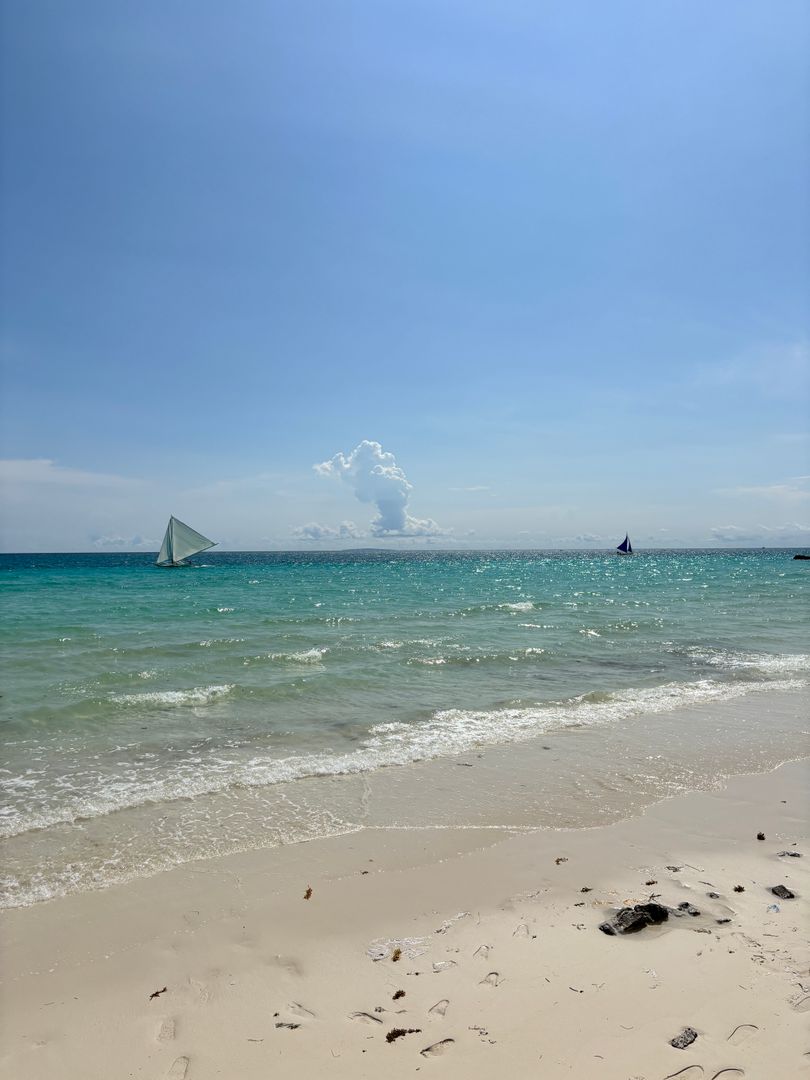
El Nido's limestone karsts rising from turquoise lagoons—the photographs are accurate. The experience is genuinely one of Southeast Asia's best island destinations. The challenge is logistics: getting there is involved, weather windows are strict, and the infrastructure is budget-leaning with limited mid-range options. Most promotional content skips the six-hour van journey from the airport, the ferry cancellations in wet season, and the fact that you'll share the lagoons with 200 other tourists in peak months. Plan with specifics, or disappointment arrives faster than you do.
Getting to El Nido: Three options with real trade-offs
Option A: Via Puerto Princesa (most common route)
Fly Manila to Puerto Princesa on Cebu Pacific or Philippine Airlines—one hour, €40–80 one-way. From Puerto Princesa International Airport (PPS), arrange a van transfer to El Nido immediately upon arrival. The journey is five to six hours on fairly improved roads, cost €10–15 per person. Book the transfer through your accommodation in advance or negotiate directly with drivers at the airport exit; no genuine price advantage exists between methods, only convenience.
The van ride is not comfortable. Air conditioning is often broken. Roads are paved but winding through Palawan province, with inevitable stops for fuel and food. In dry season (November–April), expect five to five-and-a-half hours. During wet season rains (June–September), six-and-a-half to seven hours is realistic. This is not a pleasant detour; it is the price of entry. Budget time accordingly and do not expect the drive time estimates on travel blogs.
Option B: Direct flight to El Nido (faster, scarce)
Air Swift operates charter flights from Manila Terminal 2 directly to El Nido airstrip—one hour 20 minutes, €80–150 one-way. This eliminates the van transfer but comes with severe constraints: the airline operates limited daily flights (typically one or two), schedule changes are common, and December through February books three to four months ahead. Use this option only if budget is not a constraint and your dates are fixed.
Option C: Ferry from Coron to El Nido
If you are already in Coron, fast ferries run four hours to El Nido, operated by various local companies, €25–40. Boats depart typically at 8am; check schedules the day before as departure times shift. This works for travellers combining both Palawan destinations but adds complexity to routing.
When to visit: Dry season opens, wet season closes the door
Dry season: November–May (book two to three months ahead for December–February)
November and December see occasional storms but mostly clear skies and calm seas. January through April is peak season: consistent sunshine, flat water for island tours, minimal cancellations. Accommodation fills quickly. Book hotels and resorts by October if targeting December–February travel.
December 15 through January 5 is the busiest window—expect full beachfront restaurants, crowded lagoons by mid-morning, and peak pricing. Tour operators run six to eight daily departures. If you travel this period, book tours the evening before or accept that 7am and 1pm slots fill fastest.
Wet season and typhoon risk: June–September
El Nido sits in a typhoon-affected corridor. June is borderline; tours mostly run but occasional storms occur. July and August bring regular tour cancellations—expect two to three days per week when rough seas prevent island hopping. September improves but remains unpredictable. October is transitional: some days clear, others stormy.
The trade-off: prices drop 30–40%, accommodation has availability, restaurants are quieter. Only visit if you can delay travel by three to four days waiting for weather windows. Many travellers arriving with fixed schedules during wet season lose tour days and cannot recover them.
October: skip it. Transition months are unreliable. November starts reliably clear.
The four island-hopping tours: What you actually get
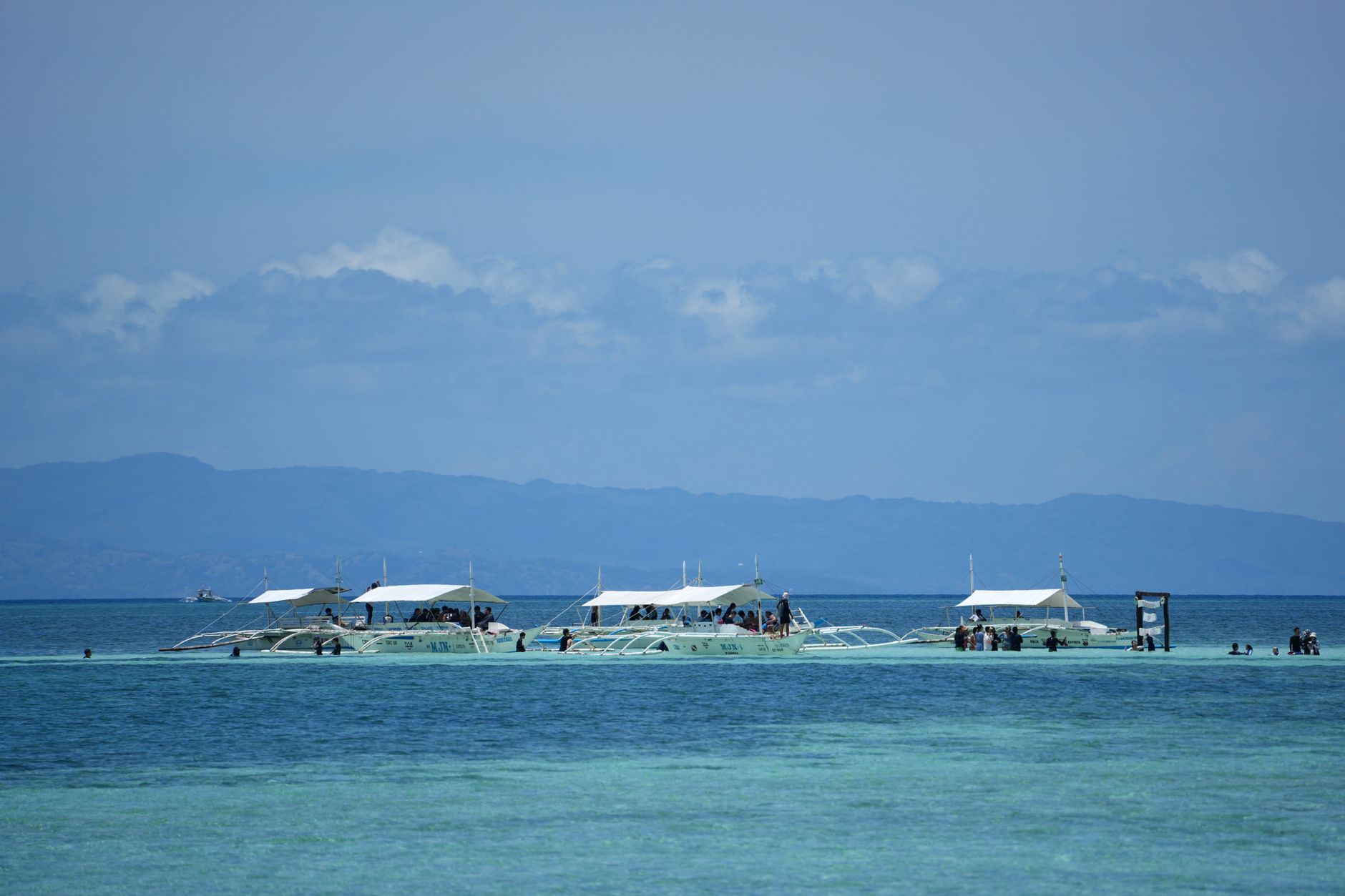
Four standard routes dominate. All tours cost €12–18 per person including lunch and snorkel gear. Book directly with operators on Hama Street beachfront—no markup difference between booking through hotels versus directly, only convenience.
Tour A: The crowded classic
Big Lagoon, Small Lagoon, Shimizu Island, Secret Beach, Seven Commandos Beach. This is the route featured in every Philippines guidebook and Instagram post. The limestone formations are dramatic. The lagoons are crowded by 10am—expect 40–60 other tourists in Big Lagoon alone during peak season.
Book the 7am departure to reach lagoons by 8am and have 90 minutes of relative solitude. Or book the 1pm afternoon tour, which misses most morning traffic but stays out until 6pm. Midday (10am–12pm) departures are poorest value: you arrive as crowds peak and leave during the most crowded hours.
Realistically: worth doing once, underwhelming on repeat visits due to crowds.
Tour B: Better for repeat visitors
Pinagbuyutan Island, Cathedral Cave, Cudugnon Cave, Papaya Beach, Pangalusian Island. Fewer tourists choose this route—expect 20–30 people per boat. Cathedral Cave is genuinely memorable (high limestone chamber, echoing boat sounds). Cudugnon Cave involves a short walk and can be skipped if mobility is a concern.
Snorkelling is better here than Tour A, and you spend less time queuing for photo opportunities. Recommended for travellers staying longer than four days or those re-visiting El Nido.
Tour C: Weather-dependent
Helicopter Island, Hidden Beach, Secret Lagoon, Matinloc Shrine. This tour ventures into more open water—expect cancellations when swell is above 1.5 metres. Helicopter Island has the best snorkelling in the standard tours (healthy coral, reef fish, occasional turtles). Check sea conditions the morning of travel; operators will cancel by 7am if rough.
Tour D: The safe option
Cadlao Lagoon, Paradise Beach, Bukal Island. This tour stays in sheltered El Nido Bay—cancellations are rare even when Tours A–C shut down. Useful as a backup tour when weather deteriorates. Less dramatic scenery but perfectly usable if other tours are cancelled.
Most travellers should plan: Tour A (non-negotiable for first visit), then Tour B or C depending on remaining days and weather. Skip Tour D unless weather forces it.
Accommodation: Three tiers with realistic expectations
El Nido Town: Hama Street and beachfront
Budget guesthouses: €15–35/night. Rooms are clean, fan-cooled or basic air conditioning, shared bathrooms or private. Expect noise from bars and karaoke until 11pm. Hama Street is where tour operators congregate and restaurants cluster.
Mid-range hotels: €60–100/night. Air conditioning, private bathrooms, some with balconies. Hotels include Lally Pad, Lagen Island Resort's sister property in town (€80–120), and various smaller operations. Still within earshot of evening noise.
Nacpan Beach: 40-minute jeepney ride north
Quieter, less developed. Guesthouses €20–50/night, small resorts €50–80/night. Beach access is direct. Useful if staying three to four nights and wanting escape from town atmosphere. Jeepney transport is frequent (€1.50) until 6pm; after that, arrange a van.
Lagen Island and Miniloc Island: Resort islands
Accessible only by resort ferry. €200–400/night, all-inclusive or meal-plan options. Genuinely secluded. Justify the cost only if beach solitude and quality dining are priorities; the actual island experiences (snorkelling, diving) are not superior to day tours.
Avoid Corong Corong (just outside town to the south). Marketing emphasizes beach proximity; the location is actually frustrating—neither quiet nor convenient to restaurants and tour operators.
Daily costs: Build your budget with real numbers
Budget tier (€40–60/day)
- Guesthouse: €20–30
- Island tour (every two days average): €6–9/day
- Food: €10–15/day (local restaurants: lechon, fresh fish, rice; €2–5 per plate)
- Transport and incidentals: €4–6
Mid-range tier (€80–120/day)
- Hotel: €70–90
- Island tour (daily): €12–18
- Food: €20–30 (mix of local and tourist restaurants)
- Transport, activities, coffee: €10–15
Specific costs: Altrove (espresso and pastry, €5) is the only coffee operation meeting European standards—worth the premium. Supermarket beer (€1.50–2) versus bar beer (€4–5) shows the markup. Seafood platter at beachfront restaurants costs €8–12; the same platter from a mobile vendor near the port costs €4.
El Nido versus Coron: Different destinations, different purposes
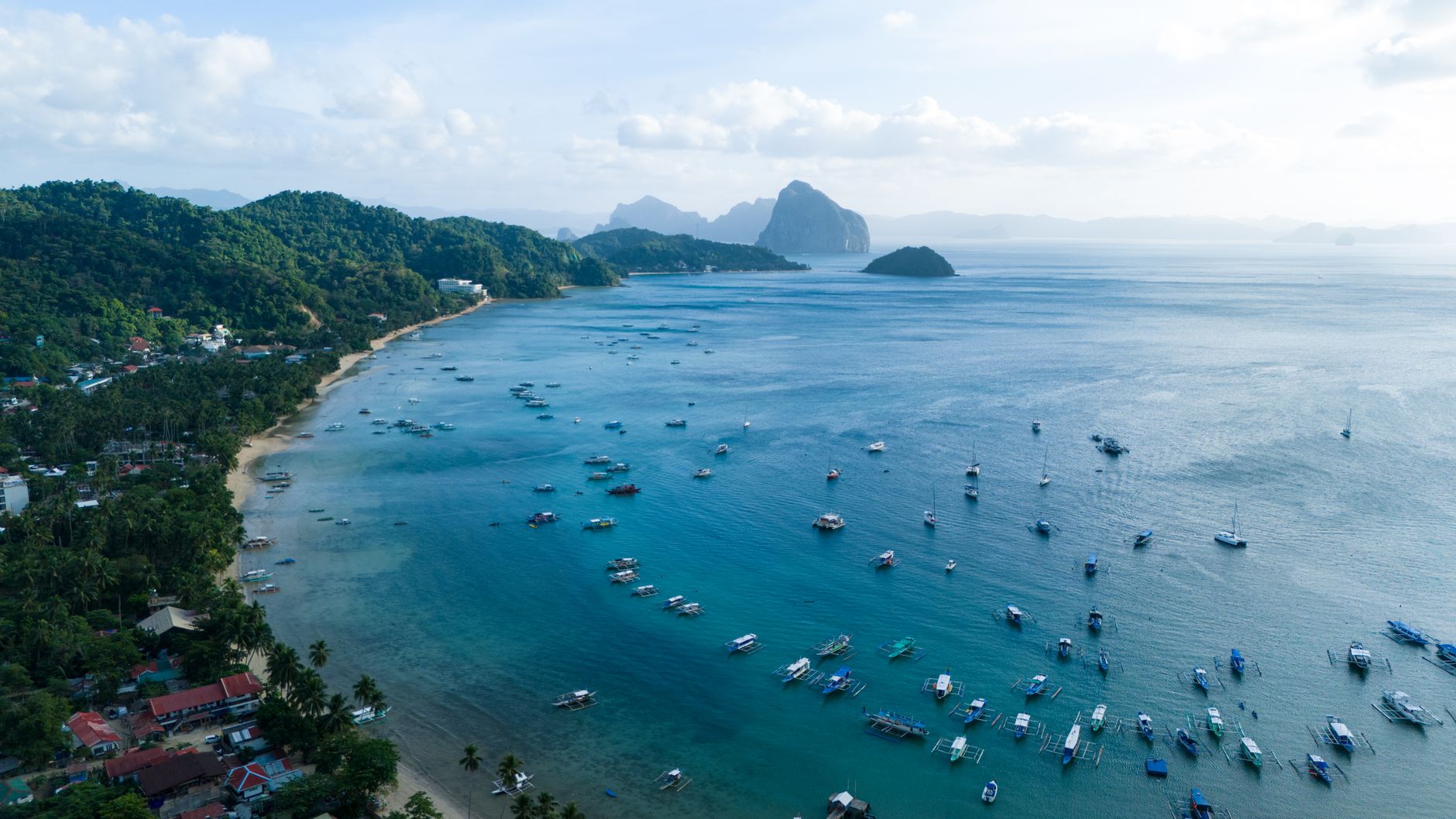
El Nido delivers: dramatic limestone lagoons, beach-hopping via island tours, coral reef snorkelling within 15 minutes of departure. Tourist infrastructure is developed (restaurants, tour operators, accommodation). It's the starting point for most first-time Palawan visitors.
Coron delivers: world-class wreck diving (WWII Japanese fleet—Okikaze, Irako, Tangat—are the signature sites). Kayangan Lake (freshwater lagoon surrounded by cliffs) is a singular natural feature. Fewer crowds than El Nido. Less developed restaurant and accommodation scene.
Choose El Nido if: this is your first Philippines island visit, you don't dive, you want the dramatic scenery that appears in guidebooks, and you prefer established infrastructure with transport and food options.
Choose Coron if: diving is the primary goal, you've been to El Nido, you prefer quieter destinations, or your budget is very tight (accommodation and tours are slightly cheaper).
Do not visit both in one trip unless staying 10+ days. The van journey between them consumes a full day; most itineraries don't justify it.
What most articles get wrong about El Nido
One critical point: the photographs are accurate, but the solitude is not. Instagram posts show empty lagoons and pristine beaches because they're shot at dawn or use angles excluding other boats. The actual experience involves 30–60 other tourists in popular spots during peak season. This is not a failure of the destination—the scenery genuinely is spectacular—but rather a failure of promotional framing. Plan for crowds. Go early. Accept that you're sharing this with others. The view is worth it anyway.
Second: the wet season is worse than described. "Occasional rain" (common phrasing) actually means 60% cancellation rate for island tours in July–August. If your dates are fixed and you're visiting June–September, you're gambling with your itinerary.
Third: mid-range accommodation is scarce. There's budget (€15–40) and resort-level (€200–400). The €60–100 middle tier exists but in limited quantity. Book early or accept spending more than expected.
Recommendation
El Nido suits travellers seeking Southeast Asian island destinations beyond the overcrowded circuit—Boracay, Phuket, Koh Samui—who want dramatic scenery and are willing to manage logistics and weather windows. The six-hour van transfer is real; the typhoon risk during wet season is real; the crowds in peak months are real. But the limestone lagoons are also genuinely exceptional, and the pace rewards those committing to stay five to seven days and using fair-weather windows properly. Arrive with flexibility, book island tours the day before departure, and travel January through April for maximum reliability. The effort repays itself.