

Goa and Kerala are 400km apart and almost completely different destinations. Goa is a beach holiday: colonial Portuguese towns, nightlife, beach shacks, and established tourist infrastructure. Kerala is a cultural and ecological experience: backwaters, tea plantations, ayurveda, and a food tradition that stands apart from the rest of India. The question "Goa vs Kerala — which is better" has no answer because they solve different problems. You can visit both in a two-week trip; you shouldn't try to combine them into a single experience.
| Category | Goa | Kerala |
|---|---|---|
| Best for | Beach holiday with colonial history | Regional immersion and landscape variety |
| Signature draw | Portuguese architecture, food, beach infrastructure | Backwaters, tea plantations, distinct food culture |
| Beaches or nature | Beaches primary (Palolem, Vagator, Anjuna) | Landscape primary (backwaters, mountains, beaches secondary) |
| Nightlife | Established scene, especially North Goa | Minimal nightlife outside Kochi |
| Mid-range daily cost | €15–25 (accommodation €8–16, food €5–10) | €20–30 (houseboat €100–150/night, meals €2–6) |
| Peak season | December–January (crowded, expensive) | November–February (manageable, hot on coast) |
| Crowd level | High in Dec–Jan (North beaches), moderate South | Lower overall, varies by location |
| Recommended stay | 5–7 nights | 10+ nights for full experience |
| Getting there | Flights or trains widely available | Train from Goa (15–18 hours) or flights (1.5 hours) |
Goa: What it delivers and what it doesn't
Goa works as a straightforward beach holiday. It has established accommodation across all price points, reliable transport, and a predictable rhythm if that's what you want. It's also the part of India where Portuguese history is actually visible — architecture, food, the layout of towns. The trade-off: it's crowded in season, and the beaches themselves aren't dramatically better than beaches elsewhere.
North Goa: the breakdown by beach
Calangute and Baga: These are the densest, most developed beaches. Calangute has a Wednesday evening textile market that's useful if you need clothes or fabrics, but the beach itself is loud with vendors, music from shacks, and package holiday groups. Baga is fractionally quieter. Both have the cheapest accommodation in Goa (₹400–700 per night, roughly €5–9 for basic rooms), and they function as transport hubs — frequent buses to Panaji and connections south. Stay here if cost is the priority or if you're using Goa as a base for side trips. Don't expect quiet.
Anjuna: The flea market runs on Wednesday and Saturday — genuinely useful if you're looking for secondhand books, textiles, or jewelry. The beach has more of an independent restaurant scene than Baga, and the atmosphere is less package-holiday, more backpacker. The history of Anjuna as a 1960s–70s hippie destination is mostly gone, but the social infrastructure (hostels, cafes, yoga classes) remains. Anjuna works for three to five days.
Vagator and Chapora: These are the beaches to choose if you want to spend a full week in North Goa. Vagator itself is a crescent bay with local fishing boats still operating. Above it sits the Chapora Fort (1617, Portuguese construction), which provides views across to Anjuna and the coast. The restaurant scene is smaller but higher quality than Calangute — expect Kerala fish curry, local Goan cuisine, and better coffee. Mornings here are genuinely quiet. Accommodation is ₹600–1,200 (€8–16), a step up from Calangute but still budget range.
Morjim: October to February, this beach hosts olive ridley sea turtle nesting. The turtles bury eggs in the sand; hatchlings emerge January–March. The beach is significantly quieter than Calangute or Baga, fewer vendors, better water quality. It's also the most expensive North Goa beach (₹1,000–2,000 per night for comparable rooms). The trade-off is isolation — fewer restaurants, no markets, a 40-minute drive to Panaji.
South Goa: Palolem and alternatives
Palolem: The primary south Goa beach. A crescent bay with extremely calm water, local fishing boats that still operate, and a strip of restaurants directly on the sand. In December and January (peak season) it becomes crowded, with boat parties and groups of 20 on beach loungers. In November and February it's substantially quieter — genuinely peaceful in the early morning. Accommodation ranges from ₹400 in basic beach huts (functional, basic) to ₹2,500 for small resorts. A 12-hour train from Mumbai, six hours from Bangalore.
Agonda: 10km north of Palolem, Agonda is noticeably quieter. It's become the center for yoga retreat operators, and the restaurants reflect that (more vegetarian options, green smoothies, chia bowls). The beach itself is less spectacular than Palolem — no curve, more straightforward sand — but fewer tourists. Accommodation: ₹600–1,500. Best for staying four to five nights if your goal is slow days rather than the beach experience itself.
Portuguese heritage: the one Goa element no other beach destination has
Old Goa (Velha Goa): UNESCO World Heritage Site, 9km from the capital Panaji. The Basilica of Bom Jesus (1605) houses the preserved remains of Francis Xavier — displayed publicly every ten years (next scheduled 2034). The Sé Cathedral (1619) is the larger structure, outstanding Baroque architecture, visible from the river. A half-day trip from anywhere in North Goa — manageable by bus or auto-rickshaw. Entry is free or ₹300 (€4) depending on the site. The ruins of other churches and convents scatter the area; the setting itself (riverside, abandoned streets) is atmospheric in a way that feels genuinely historical rather than reconstructed.
Fontainhas, Panaji: The old Latin quarter of Goa's capital. Narrow streets, Portuguese townhouses painted in pastels and faded colors, small art galleries, cafes. Best walked in the morning before it gets hot. A two-hour visit is sufficient. The Goan style of Portuguese architecture — simpler, more adapted to the climate than European Baroque — is visible here in detail. Panaji itself is hot and congested, not a destination in its own right.
The honest take on over-tourism in Goa
Goa has changed significantly over two decades. North Goa beaches (Calangute, Baga) are very crowded December–January, with jet skis, parasailing, and dense rows of beach loungers. South Goa (Palolem) is still reasonable but definitely busy in peak season. November and February are substantially quieter — if you have flexibility, choose these months.
The reason to visit Goa in 2026 is not because beaches here are better than other beach destinations. It's because Goa has a distinctive Portuguese heritage, a food culture that's separate from the rest of India, and a well-established tourism infrastructure that makes logistics simple. It's a competent beach holiday with cultural depth that Bali or Thailand don't offer. Go to Goa expecting a beach holiday, not an undiscovered destination. Expect crowds in peak season, especially on weekends.
Best time to visit Goa: November to February. December–January is peak season (crowded, most expensive). November and February are equally pleasant but 30–40% cheaper and significantly quieter. March onwards becomes hot (38–42°C). June–September is monsoon season (heavy rain, rough seas).
Kerala: What it actually is
Kerala is not a beach destination, though it has beaches. It's not a resort experience, though it has resorts. Kerala's draw is that it's a region with a distinct food culture, a specific agricultural landscape (tea, spices, coconuts), a tourism infrastructure built around ayurveda and houseboat experiences, and — critically — a cultural identity that's visibly different from the rest of India.
The backwaters: honest expectations
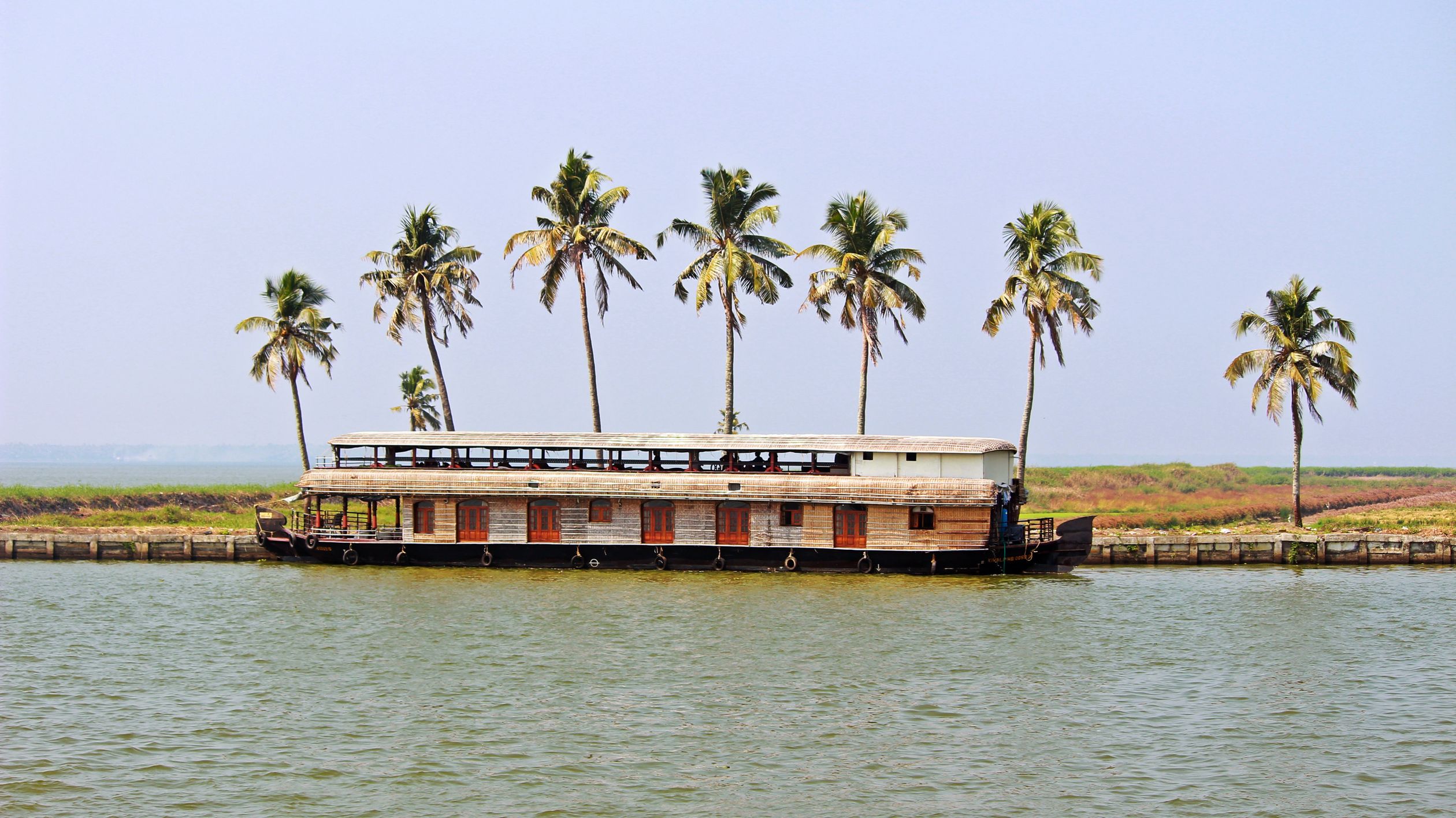
The Keralan backwaters are a network of lagoons, canals, and narrow waterways that run through rice paddies along the coast. The most famous experience is a houseboat (kettuvallam) journey — a converted rice barge, typically 1–2 nights, with an on-board cook and an engine that moves very slowly.
What the backwaters are actually like: Beautiful in early morning (5–6am) and at sunset. Hot and visually repetitive mid-day. The main channel used by most tourist boats (Alleppey to Kumarakom) carries dozens of houseboats, creating a traffic-jam effect that photographs poorly. The side channels — narrow waterways through rice paddies and coconut groves — are quieter and far more interesting visually.
The houseboat experience: Most operators offer fixed itineraries (fixed route, fixed schedule). Choose an operator whose itinerary includes the side channels (Pathemari Canal, Vembanad side routes) rather than only the main Kumbalangi channel. The cook prepares meals on board — typically fish curry, rice, coconut-based vegetable dishes. The experience is genuinely slow (the boat moves at 4–5 km/h) and meditative if that's what you're after. It's not a resort experience. You're on a boat, it's hot, there's no wifi (usually), and the scenery is agricultural landscape, not tropical paradise.
Houseboat pricing:
- Budget boats (no AC, basic bathroom, functional): €60–80 per night for two people
- Mid-range (AC bedroom, decent bathroom, better finishes): €100–150
- Premium (multiple cabins, proper bathrooms, better quality throughout): €200–300+
Off-season (June–September, monsoon) costs 30–40% less.
The alternative: Stay in Alleppey itself (the backwater town) and book a canoe or small boat tour (4–5 hours, €15–25) that focuses on the side channels. You get similar scenery, better access to small waterways where local fishermen still work, significant cost savings, and you sleep in an actual bed rather than a boat bunk. This approach is less Instagram-friendly but more practical.
Munnar: the tea plantation landscape
Munnar sits at 1,600m altitude in the Western Ghats mountains. The landscape is rolling hills of tea bushes, with morning mist and a completely different climate from the coast — cool, green, agricultural. Top Station viewpoint gives views across the tea estates. Eravikulam National Park (30km away) has a small population of Nilgiri Tahr (a mountain goat endemic to these hills). The Neelakurinji flower (Strobilanthes kunthiana) blooms every twelve years in the high altitude areas; the last bloom was 2018, next is 2030.
Five hours from Alleppey by bus. Worth two nights — one to adjust to the altitude and explore the tea gardens, one for a trip to the national park or Top Station. The town of Munnar itself is crowded and commercialized; the value is in staying outside town (tea estate homestays, ₹1,200–2,500 per night) and exploring the surrounding hills.
Kochi: the cultural anchor
Kochi is Kerala's largest city and the historical center of the coast. Fort Kochi (the old colonial quarter, about 2km²) has Portuguese and Dutch buildings, the Jewish synagogue (1568, still active), and the Chinese fishing nets — a 1,400-year-old technology involving large wooden frames that lower nets into the water and lift them mechanically. The nets are now primarily a photography site (tourists pose with fishermen for ₹50–100), but they're still functional, especially early morning.
Mattancherry Palace (the Dutch Palace) is the main historical building — constructed 1555 by Portuguese, later occupied by Dutch. The interior contains detailed murals depicting Hindu mythology, done on walls that have been repainted continuously since the 1600s. The craftsmanship is visible in the detail, though the colors are not original.
Food in Kochi: This is where you eat genuinely well in Kerala.
- Kayees Restaurant: Biryani (₹200–300, €3–4), absolutely packed by lunchtime, sold out by 2pm. The biryani here is Kerala-style (different from Hyderabadi or Lucknowi — more rice-forward, less meat-heavy, aromatic with spice but not fiery). Go early.
- Any "meal" restaurant: Kerala thali — rice, fish curry, vegetable curry (usually coconut-based), sambar, papadum, yogurt. Costs ₹150–300 (€2–4). The fish curry is the item to focus on — made with coconut milk, tamarind, turmeric, and local river fish or sea fish depending on the day.
- Beachfront seafood: Along the Fort Kochi waterfront, small restaurants grill fish straight from boats. Red snapper, mackerel, prawns. Pay by weight — typically ₹400–800 (€5–10) for a whole fish, cooked to order.
What to do: Three nights allows you to explore Fort Kochi (walking the streets, seeing the fishing nets at dawn, visiting Mattancherry), a day trip to Cherai Beach (40 minutes north, substantially less crowded than most Kerala beaches, coconut palms, fishermen), and a ferry to Vypeen Island (small island community, coconut processing, very few tourists).
Kerala food: what actually exists and where to eat it
Kerala's food culture is distinct from North Indian cuisine — coconut-heavy rather than cream-heavy, tamarind for sourness rather than yogurt, fish and seafood as primary proteins.
Appam and stew: A lacy rice flour pancake (made with fermented rice batter and coconut milk — crispy edges, soft center) served with stew. Stew is a Kerala invention — a light curry of chicken or vegetables in coconut milk with potatoes and onions, closer to a mild soup than a traditional curry. Eat this for breakfast or lunch. Available everywhere from ₹80–200 (€1–2.50).
Puttu and kadala curry: Steamed cylinders of rice flour (sometimes with jaggery or banana mixed in) served with a black chickpea curry (kadala). Simple, traditional, genuinely good. ₹100–150 (€1.30–2).
Fish curry: The central Kerala preparation. Fish (or prawns) simmered in coconut milk with tamarind, turmeric, chili, onions, and curry leaves. Eaten with rice. The sourness from tamarind is the defining character — balances the coconut milk richness.
Kerala sadya: The traditional feast served on banana leaf during festivals (Onam, temple festivals). Rice in the center, surrounded by 15–25 vegetarian dishes — different curries, stir-fried vegetables, pickles, yogurt. Some restaurants serve sadya daily (₹300–500, €4–6). It's a useful way to sample multiple dishes at once.
**Toddy shops (also called "toddy bars")): Small, local establishments that serve palm-fermented liquor (toddy, alcohol by-product) alongside food — typically fish curry, squid fry, or spicy seafood. Male-dominated, unpretentious. Tourists can eat here; it's not a nightlife venue. ₹150–400 for a meal.
The combination trip: how to structure it
If you have fourteen days:
- Goa: 5 nights (North Goa: Vagator 3 nights, plus half days in Old Goa and Panaji; or South Goa: Palolem 5 nights)
- Train journey: Goa to Kochi, Konkan Railway (direct trains exist; typically 15–18 hours, book a sleeper), or fly (1.5 hours, ₹3,000–6,000). The train is slower but visually interesting (coastal route) and cheaper.
- Kochi: 3 nights
- Alleppey backwaters: 2 nights (houseboat or canoe tour)
- Munnar: 2 nights
- Kovalam or Varkala beach: 2 nights (these are the quieter Kerala beach options)
This sequence has you moving generally south, ending at a beach you can reach by train. It avoids backtracking.
Who goes where
Choose Goa if: Beach is the priority. You want reliable infrastructure and a predictable rhythm. You have interest in Portuguese colonial history or want food that's visibly different from North Indian cuisine. You want nightlife or a social scene. You're spending five to seven days and want clear logistics.
Choose Kerala if: You want an immersive experience in an Indian region that feels distinct from the rest of the country. You're interested in a specific food culture. You have ten days or more and can move slowly. You want landscape variety (backwaters, mountains, beaches) rather than beach focus. You're open to the backwater experience being slow and hot rather than resort-like.
Choose both if you have fourteen days and want maximum range — the Portuguese-inflected coast (Goa) plus the coconut-and-spice coast with mountains (Kerala). The combination gives you the full character of the southwest.
Both require you to slow down. Goa works as a beach holiday; Kerala works as a place to spend time, not to rush through. November to February is the window — Goa is crowded but feasible; Kerala is hot on the coast but manageable. June–September (monsoon) is cheap but less reliable.
Visit Goa for the beach experience with cultural edges. Visit Kerala for the region itself — backwaters, food, landscape, and a cultural identity unlike anywhere else in coastal India. If time allows, both deliver entirely different value propositions on the same coast.
Frequently Asked Questions
Can I visit both Goa and Kerala in one trip?
Yes, with fourteen days. Spend five nights in Goa, travel by overnight train or flight to Kochi (15–18 hours or 1.5 hours), then allocate nine nights across Kochi, Alleppey backwaters, Munnar, and a southern beach. The train journey is slower but visually interesting and cheaper than flying.
Which is better for families with children?
Goa is more straightforward — established infrastructure, reliable food options, predictable beach logistics, and clear activities (Old Goa temples, Panaji markets). Kerala works but requires more patience: backwater boats can be hot and slow, and the landscape appeal requires some interest in agriculture and regional culture beyond typical resort amenities.
When should I visit to avoid crowds?
November and February are significantly quieter than December–January while remaining warm and dry. Both months avoid monsoon (June–September) and extreme heat (March–May). Expect 30–40% lower costs and better logistics in November and February, especially in Goa.
What's the real cost difference between Goa and Kerala?
Daily mid-range spending is similar (€15–25 per day for basic accommodation and meals). The difference: Goa's accommodation is cheaper (€8–16) but houseboat stays in Kerala (€100–150 per night for two people) are fixed costs. Budget-focused travelers should canoe-tour from Alleppey instead, which costs €15–25 for four hours and leaves room for ground accommodation.
Is the houseboat experience worth the cost?
If you want the full backwater experience and have the budget, yes — the slow pace and on-board meals are genuinely restorative. If cost is tight or you prefer more control, book a small-boat day tour (€15–25) of the side channels and stay in Alleppey town. You see similar scenery and get better access to working fishing areas for a fraction of the cost.


