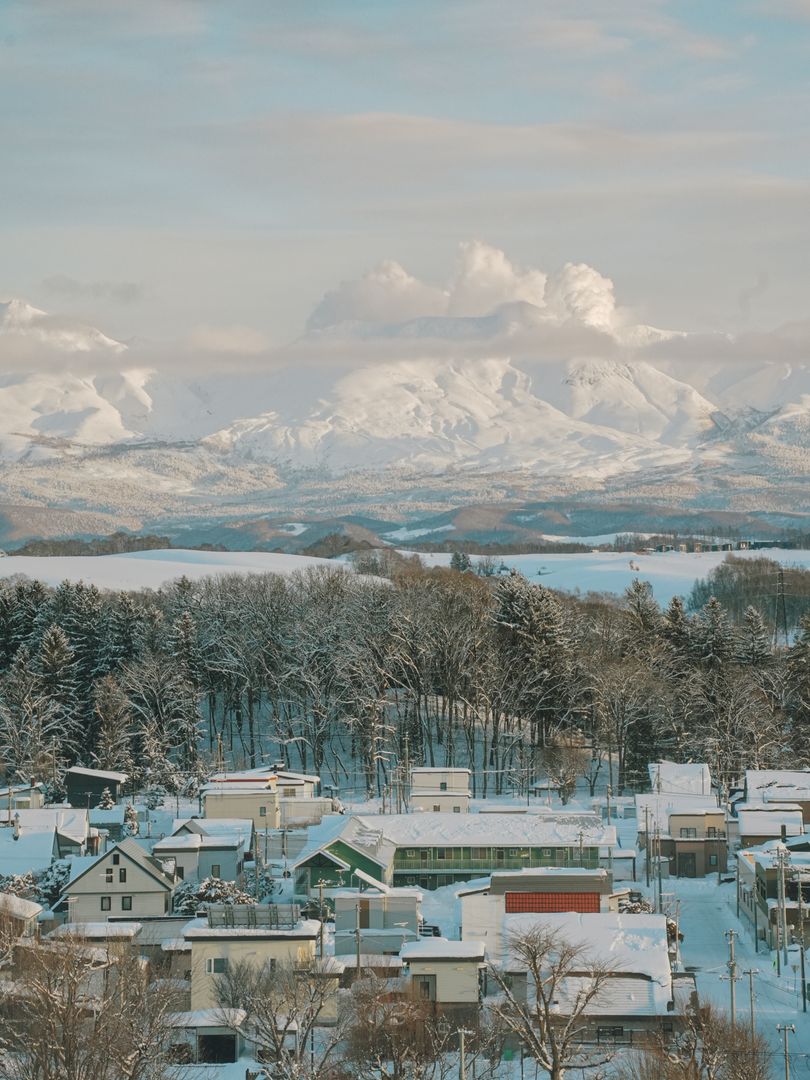
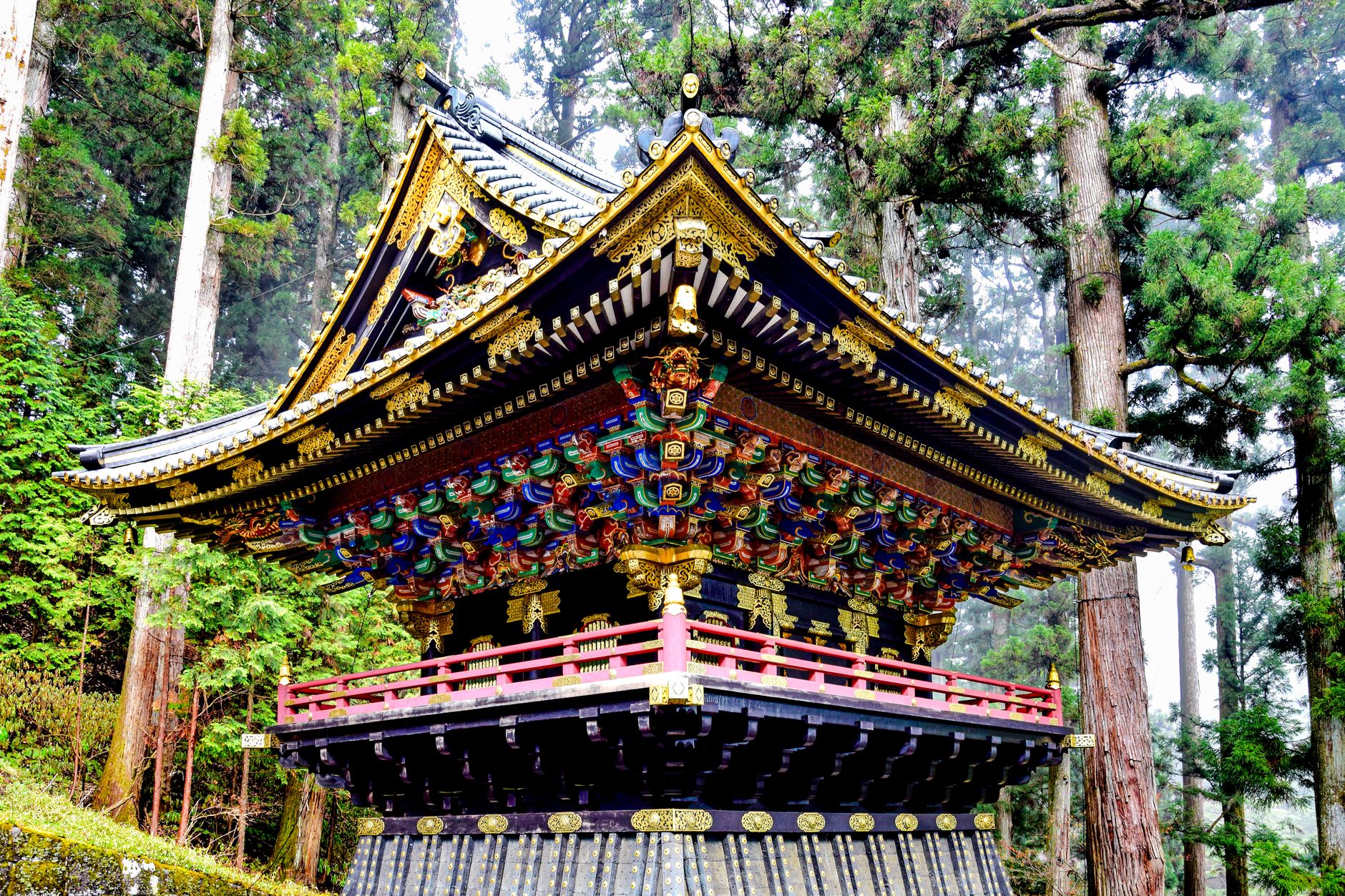
Mount Fuji is hidden by cloud approximately 60% of the time year-round. This single fact should shape your entire itinerary. If you plan to see the mountain from a summit or base viewpoint, allocate multiple days in the Hakone and Fuji area, or accept that you may see nothing but grey. The mountain is most visible in October and during clear spells in December to February. If you're set on summiting, July to early September is the only window — and even then, you'll climb into cloud cover roughly half the time. The area remains rewarding without Fuji views: Hakone itself is a functional mountain resort with geothermal water, ropeway access to volcanic vents, and an excellent open-air museum. But the Fuji element is the draw, and pretending otherwise leads to disappointment.
What is Hakone, and why visit it from Tokyo
Hakone is a mountain resort town 80km southwest of Tokyo, sitting inside Fuji-Hakone-Izu National Park. The core appeal: geothermal hot springs (onsens), a volcanic crater called Owakudani still releasing sulphur vents, and Lake Ashi with potential Fuji views across the water. The Hakone Open Air Museum, which holds 120 sculptures including Rodin and Picasso in hillside grounds, is better curated and more walkable than most contemporary art museums. A day trip works. An overnight stay — staying at a ryokan with private or communal onsen access — is the better choice and allows you to soak after hiking and to be positioned early for a Fuji viewing attempt at dawn.
How to get to Hakone from Tokyo
The Odakyu Romancecar limited express departs Shinjuku every 30–60 minutes and reaches Hakone-Yumoto (the main town) in 85 minutes. Reserved seat fare is approximately 2,400 JPY. The observation car at the front has wide windows — worth securing a seat in advance online through Odakyu's website. This is the preferred route: scenic, direct, and the fastest practical option.
The alternative is faster on paper but slower in practice: Shinkansen from Tokyo or Shinjuku to Odawara (35 minutes, ~4,000 JPY), then Hakone Tozan Railway from Odawara up the mountain to Hakone-Yumoto (40 minutes, ~740 JPY). The cost and connection hassle make this choice only if you're already in Odawara.
Return transport is included in the Hakone Free Pass (if you buy one) or paid separately at approximately the same Romancecar fare.
The Hakone Free Pass — calculation and verdict

The 2-day pass costs 5,000 JPY; the 3-day pass costs 5,500 JPY. Both include unlimited Hakone Tozan Railway, the mountain ropeway to Owakudani, the pirate-ship ferry on Lake Ashi, local Odakyu buses, and a return Romancecar ticket to Shinjuku.
Worth buying if:
- You're spending two or more nights in Hakone.
- You plan to use the full circuit: Museum → Owakudani → Lake Ashi → Hakone Shrine.
- You want the return Romancecar included (worth ~2,400 JPY alone).
Not worth buying if:
- You're doing a half-day visit focused only on Hakone-Yumoto and Owakudani.
- You're climbing Fuji and only passing through Hakone briefly.
A single day covering the full circuit (Museum, Owakudani, Lake Ashi, Shrine) costs approximately 4,500–5,000 JPY in individual tickets. The pass pays for itself if you use the Romancecar return ticket and visit at least three of the four main stops.
The Hakone circuit: a structured day
Hakone-Yumoto (starting point): The main town has small onsen establishments, shops, and restaurants. If arriving mid-morning, allow 30 minutes to walk the pedestrian shopping street. A day-use onsen dip costs ~1,000 JPY and is worth doing to understand the experience before potentially committing to an overnight ryokan.
Hakone Open Air Museum: 1,600 JPY admission. Located on hillside above Yumoto town, accessible by bus or local train. Allow two to three hours. The collection includes Rodin's Burghers of Calais, Picasso ceramics, and contemporary Japanese works. Outdoor viewing means weather matters — on clear days the setting is genuinely pleasant; on grey days it's serviceable but not memorable. Indoor gallery space exists for rain. This is one of the stronger contemporary art venues in Japan, not a tourist trap with 50 mediocre sculptures.
Owakudani volcanic crater: Accessible by ropeway from Gora station (15 minutes, included in Free Pass). The upper station sits at 1,340m elevation inside an active volcanic zone. You'll see fumaroles releasing sulphur gas (the air smells like rotten eggs), thermal vents, and on clear days, a direct line-of-sight view of Fuji. The black eggs boiled in volcanic water (tamago gotan) cost ~500 JPY for five. The folklore claim that each extends your life by seven years is local branding; eat them because they taste fine.
Closure warning: Owakudani occasionally closes due to volcanic activity — typically for a few weeks or months when gas emissions spike. Check the Hakone tourism site or Odakyu official page before planning around this stop. During closure, you lose a key Fuji viewpoint and volcanic experience.
Lake Ashi: Return to the mid-mountain ropeway base and catch a bus or train downhill to Togendai (the lake's south side). The pirate-ship ferry (yes, it's designed to look like a sailing vessel) departs from here to Hakone-machi on the east shore, taking 30–40 minutes and crossing directly toward Fuji if the mountain is visible. Fare is 900 JPY. Bring binoculars if you have them — details in the Fuji silhouette are clearer from a distance.
Hakone Shrine: A 10-minute walk from the Hakone-machi ferry dock. The shrine sits on the lakeshore with a red torii gate partially in the water. The gate is the iconic image you see in photography guides of Hakone. Photography works best in early morning or late afternoon when the sun is lower. The shrine itself is unmemorable but the setting is functional for photos.
Budget six to eight hours for the full circuit without rushing. Most visitors compress this into a single long day; staying overnight allows a slower pace and early-morning positioning for a Fuji viewing attempt.
Climbing Mount Fuji: season, route, reality
Climbing season is fixed: July 1 to September 10 only. The other nine months have snow, impassable conditions, and extreme cold. Climbing outside this window is not a case of "it's harder" — it's a case of "the trail is closed by snow and weather."
The Yoshida Trail is the most popular and most accessible route. It departs from Fuji Subaru Line 5th Station at 2,300m elevation (not from base camp). You reach the 5th Station by bus: either the Fuji Excursion bus from Shinjuku (approximately 2 hours, 2,700 JPY) or regional buses from Kawaguchiko station.
Cost: 2,000 JPY climbing fee, paid at the 5th Station. Mountain hut stays (if doing the night-climb strategy) cost 5,000–10,000 JPY depending on hut and meal inclusions. Gear rental available at the station.
Round-trip time: Seven to nine hours for average fitness. Most climbers start around 6–7am, reach the summit between 1–4pm, and descend by 5–6pm. Faster hikers do it in six hours; slower hikers take ten.
Altitude reality: The summit is 3,776m. Altitude sickness begins affecting many people above 3,000m — headache, nausea, shortness of breath. Spending a night at a mountain hut (around 3,000–3,100m) allows better acclimatisation than a single-push ascent. Some climbers take altitude sickness medication (acetazolamide, sold as Diamox) prescribed by a doctor before arrival.
What to bring: Proper hiking boots (trainers are insufficient — the descent destroys knees on loose volcanic gravel), rain jacket, wind jacket, gloves, hat, multiple layers, sun protection, water, and electrolyte tablets. Temperatures at the summit are typically 0–10°C even in August, with strong wind. Rental equipment is available but often worn and not weather-resistant. If you own proper kit, bring it.
The night-climb strategy: Climbers often start at 10–11pm to reach the summit around dawn, when visibility is statistically better and you avoid afternoon cloud buildup. The psychological ordeal extends significantly — you're ascending for 6–8 hours in darkness with headlamp. The descent takes another 2–4 hours in daylight. This is 10–12 hours of continuous physical effort with minimal sleep. It's popular but not recommended for first-time climbers or those without serious hiking fitness.
Honest assessment: The summit view on a clear day is spectacular — you see the curvature of the earth and the entire landscape below. The trail itself is a slog. You're climbing loose cinder and ash, repeatedly gaining elevation only to descend slightly at switchbacks. Many climbers report sore knees for a week afterward. The experience is popular because summiting Japan's highest peak is culturally significant, and because once is usually enough. Few climbers do it twice.
Visibility reality: Even in season, you'll climb into cloud cover approximately half the time. The forecast at the 5th Station can change — clear base, cloudy summit. You still feel the achievement of summiting, but the view is a metre of grey.
Fuji Five Lakes (Fujigoko): Kawaguchiko as the hub

Kawaguchiko is the largest and most developed of the five lakes. It's 100 minutes from Shinjuku by direct Fuji Excursion bus (approximately 2,700 JPY, reserved seat). The lake itself offers paddleboat and kayak rental, cycling paths, and small museums on tea production and local culture.
Chureito Pagoda is the main draw. It's a five-storey pagoda 15 minutes' walk uphill from Fujiyoshida Station (397 steps to the top). The image of the pagoda with Mount Fuji behind is one of the most photographed views in Japan. Photography is best at sunrise or in cherry blossom season (late March to early April). Visit early: by 8am the site is crowded with photographers. On clear mornings you'll see why this image is iconic — Fuji's silhouette is sharp against the sky.
Combined day: Arrive by bus early morning, climb to Chureito Pagoda at sunrise, spend two hours at the pagoda and the small shrine area, return to the lake town for lunch, rent a paddleboat or cycle the northern shore path (10km, flat, 1–2 hours), return to Shinjuku by afternoon bus. This is a full but achievable day.
Value note: Unlike Hakone, there's no unified pass. Budget for individual bus fares, Chureito pagoda entry (free; donations accepted), and rentals. A day trip costs approximately 3,000–4,500 JPY beyond transport.
When to visit: mount fuji visibility window
October: Statistically the clearest month for Fuji visibility. Autumn air is drier and cleaner. Temperatures are cool but manageable. This is the single best month to plan a Fuji viewing trip if flexibility allows. Climbing season is closed (season ends September 10), so summit views require viewing from Hakone or Kawaguchiko.
December to February: Consistently clear views of Fuji from base viewpoints, particularly early morning. Winter air is dry. Temperatures are cold (5–0°C in Hakone), and Owakudani may have restricted access due to snow. Hiking is possible but less pleasant. Climbing season is closed.
July to early September (climbing season): Visible chance of summiting with a view, though cloud cover is common. Days are warm but humid — afternoon thunderstorms occur. If your goal is to stand on the summit, this is the only window. Expect 40–50% probability of a summit view on any given day.
May and June: Rainy season (tsuyu). Fuji is obscured by cloud or mist most days. Avoid planning a Fuji-focused trip.
November and late February to March: Transitional weather — unpredictable. Clear days exist but not guaranteed. If flexibility is low, avoid.
Mount Fuji viewing without climbing: Hakone and Kawaguchiko positions
If climbing isn't an option, positions for viewing are:
- Owakudani upper station, Hakone (1,340m): Direct line of sight on clear days. Best early morning. Takes 15 minutes by ropeway from midway station.
- Lake Ashi shoreline, Hakone: Fuji reflected in water on clear days. Hakone Shrine viewpoint is the classic angle. Dozens of photo spots around the lakeshore.
- Chureito Pagoda, Kawaguchiko: The pagoda frames the mountain. Sunrise or early morning is essential.
- Kawaguchiko lake northern shore: Multiple viewpoints; less crowded than Chureito. Cycling or walking distance from town.
None of these require physical fitness or gear beyond comfortable shoes. Spend two to three days in the region, and you'll likely have at least one clear viewing window.
Frequently Asked Questions
Is the Hakone Free Pass worth it for a one-day trip?
Only if you plan the full circuit (Museum, Owakudani, Lake Ashi, Shrine) and use the Romancecar return ticket. A compressed half-day focusing only on Yumoto and Owakudani doesn't justify the pass cost. Check your planned stops against the individual ticket prices before buying.
What's the most realistic way to see Mount Fuji without climbing?
Plan 2–3 days in October or December–February. Position yourself at Owakudani or Kawaguchiko and visit on consecutive mornings. The probability that at least one morning will be clear is high. This is more reliable than expecting a single-day window to align with clear weather.
Can you climb Mount Fuji without mountaineering experience?
Yes. The Yoshida Trail is well-marked, heavily trafficked, and poses no technical climbing difficulty. The challenge is physical endurance and altitude sickness, not technical skill. Proper footwear and adequate fitness are prerequisites. Many first-time climbers underestimate the difficulty and experience significant knee pain during descent.
How much time do you actually need for the Hakone circuit?
Six to eight hours if moving steadily. This allows 2–3 hours at the museum, 1.5 hours at Owakudani, 1 hour for the lake ferry, and 30 minutes at the shrine, plus travel between stops. Overnight stays allow a leisurely pace and better positioning for early-morning Fuji views.
Should you stay overnight in Hakone or day-trip from Tokyo?
Overnight is preferable. Ryokans (Japanese inns) cost 8,000–20,000 JPY per person, including dinner and breakfast. You gain private onsen access, can attempt an early-morning Fuji viewing, and avoid a four-hour round-trip journey. A day trip is possible but feels rushed and eliminates the onsen element that defines the Hakone experience.
What's the one thing to check before planning a Fuji-focused trip?
Check the Owakudani volcano status. The crater occasionally closes for weeks due to elevated volcanic gas emissions. If your itinerary depends on the Owakudani ropeway for a Fuji viewpoint and it's closed, your Fuji sighting options shrink significantly. Confirm access status 1–2 weeks before travel on the Hakone tourism website or call ahead to local hotels.
Go to Hakone for the onsen experience and to cover a mountain circuit efficiently; add Mount Fuji only if you have 2–3 days and accept cloud cover as likely. October offers the best balance of clear skies and comfortable climbing weather (although season is closed). Overnight stays in a ryokan are worth the cost — they anchor your schedule early enough for dawn Fuji viewing and provide the thermal bath experience that makes the trip distinct from day-hiking near Tokyo. Bring proper boots regardless of itinerary. Check Owakudani status before finalizing plans.