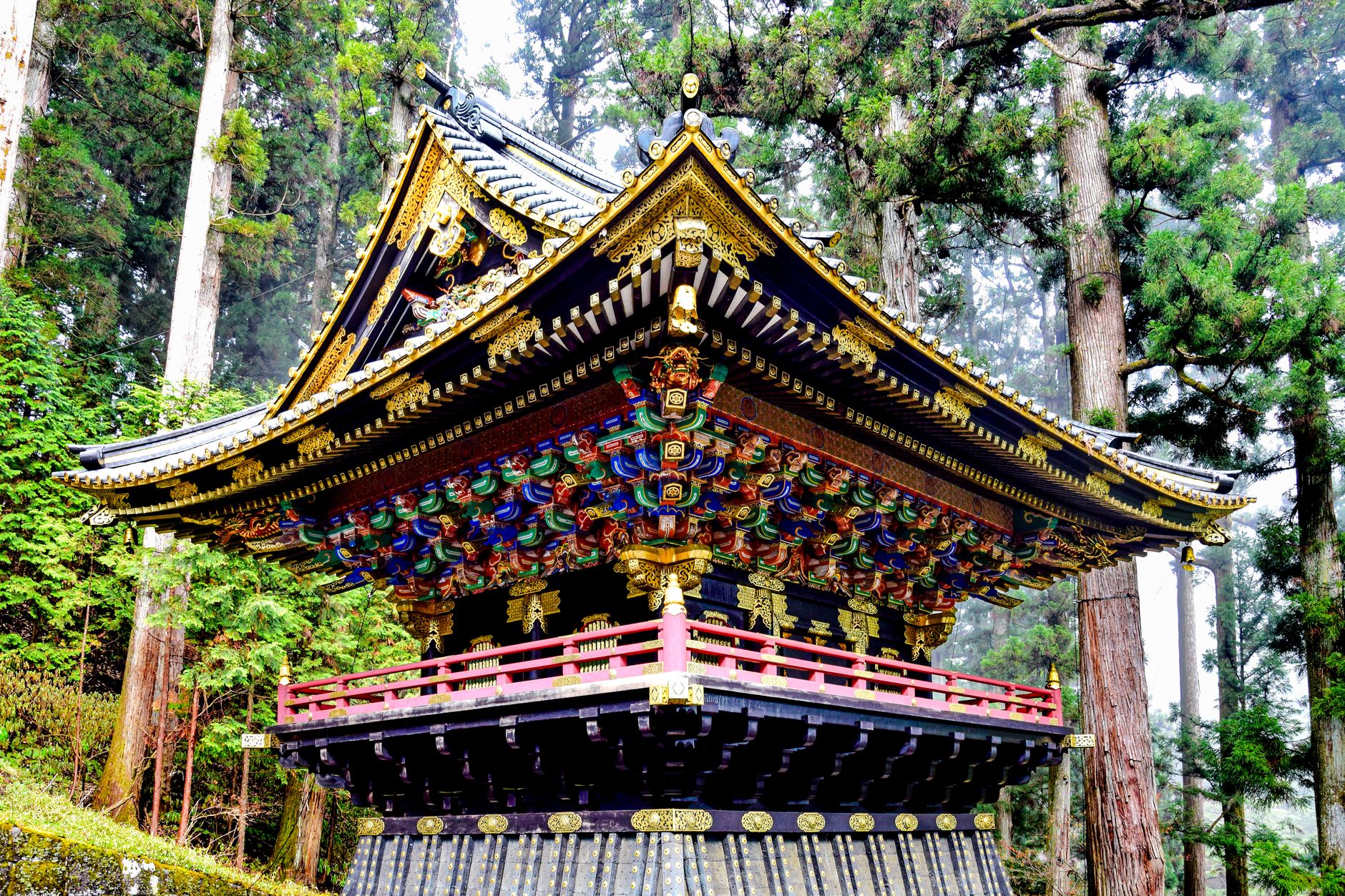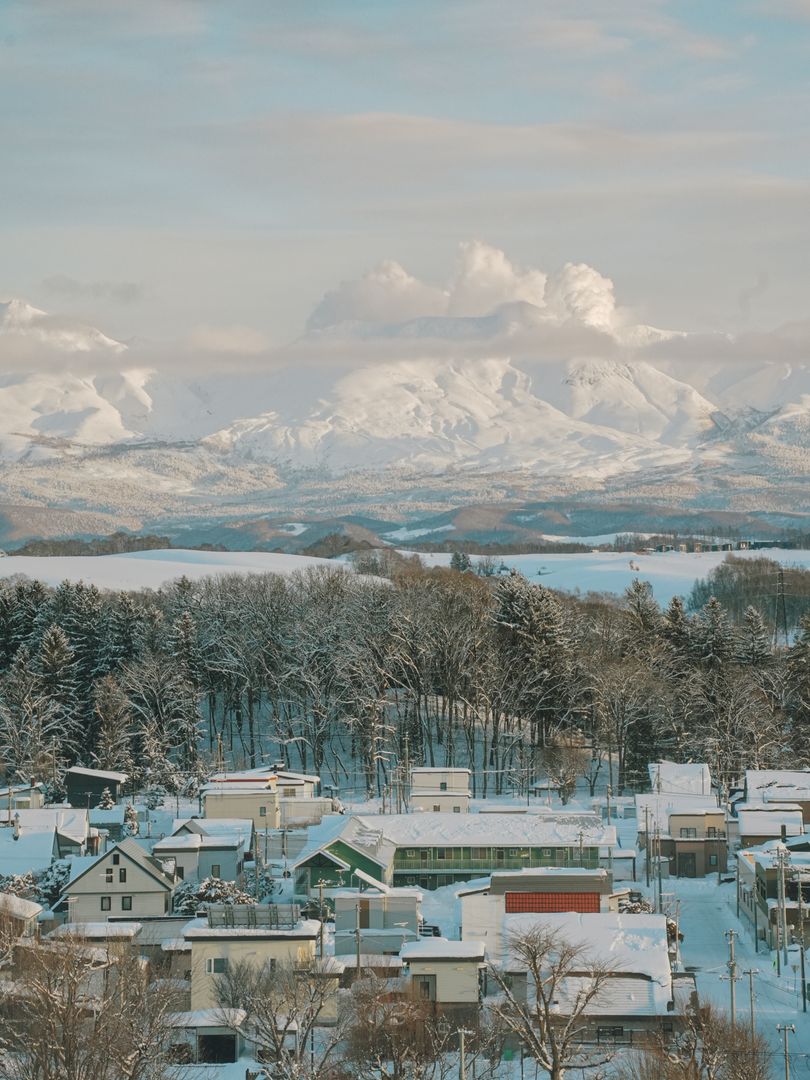

Hokkaido is not a smaller version of Honshu — it is a fundamentally different Japan. The island covers 22% of Japan's land area but holds only 4% of the population. The climate is subarctic: winters drop to −10°C in Sapporo, −20°C in rural valleys, with annual snowfall exceeding 15 metres in ski zones. Summers stay dry and mild (20–25°C), free of the humidity that makes Tokyo in July oppressive. This is a choice between two entirely separate Japan experiences, separated by geography and season.
Getting to Hokkaido: flights, Shinkansen, and what actually makes sense in 2026
Flying from Tokyo to Sapporo remains the practical standard. Haneda Airport handles five daily departures to New Chitose Airport (Sapporo's main gateway): ANA, JAL, AirDo, and budget carrier Peach operate the route. Flight time is one hour 30 minutes. Budget fares start around 8,000 JPY; mid-range economy averages 15,000–20,000 JPY booked two to three weeks ahead. Booking direct with airlines or 24Travel usually beats third-party sites.
The Hokkaido Shinkansen extension to Sapporo remains under construction as of 2026. The line currently reaches Hakodate (four hours from Tokyo), and while that journey is smooth and efficient, it only justifies the cost and time if you want to anchor several days in Hakodate itself — the night market (Ajisai Yosakoi festival in August, or simply the Asaichi morning market year-round) and the city's excellent salt-flavoured miso ramen. Most visitors fly to Sapporo instead.
Domestic flights from other major Japanese cities work if you're combining destinations. Osaka to Sapporo takes two hours 15 minutes (similar price tier as Tokyo).
Sapporo: the base and the Snow Festival
Sapporo, with 2 million residents, is navigable because of its grid layout — designed in the 1870s after North American city-planning principles, streets run north-south and east-west at regular intervals. The city lacks the density of Tokyo but has everything a traveller needs: restaurants, shopping, rail connections to the rest of Hokkaido, and onsen facilities.
Odori Park is Sapporo's structural spine: 1.5km of green space running east-west through the urban core, lined with restaurants, shops, and galleries. In February, this becomes the epicentre of the Sapporo Snow Festival (Yuki Matsuri), with massive snow and ice sculptures that draw two million visitors over two weeks. The festival is genuine — sculptures are built fresh each year by military engineers, construction companies, and local volunteers, not recycled props. Lodging books three to four months ahead. Daytime entry is free; nighttime access to the best-lit sculptures sometimes involves small paid zones. The crowds are real enough that if you dislike standing shoulder-to-shoulder for two hours, book February in Sapporo with caution.
Hokkaido Jingu Shrine sits five minutes north of the park's edge, a walking path through forest despite its urban location. Founded in 1869, it ranks as one of Japan's most significant Shinto shrines, and the forested grounds offer genuine quiet — worth 45 minutes of wandering. Entry is free.
Susukino is the entertainment and restaurant district, a 10-minute walk south of Odori Park. The ramen alley (Ramen Yokocho), a covered row of eight small shops, serves Sapporo's signature miso ramen — thick, rich broth with corn, butter, and bean sprouts — for 900–1,200 JPY per bowl. Izakayas, dance clubs, and pachinko parlours pack the narrow streets. It is not sophisticated; it is what a working-class Japanese city's nightlife actually looks like.
The Sapporo Beer Museum occupies the historic 1876 Sapporo Brewery building in the Maruyama district (20 minutes west by subway, Tozai Line to Maruyama Station). Entry is free; a tasting set (two beers, snacks, 20 minutes) costs 1,500 JPY. The museum itself is modest — old equipment, some English signage, working brewery visible from the tasting hall — but the beers are worth the detour if you're interested in Japanese brewing history. Budget 90 minutes round-trip.
Niseko: why the powder draws skiers from Australia to Hokkaido

Niseko Ski Resort is the most famous ski destination in Asia outside the Himalayan foothills, and the reason is physics: annual snowfall exceeds 15 metres, and the snow is dry and light — the result of cold air from Siberia meeting moisture from the Sea of Japan. Skiers call this "Champagne Powder" (a marketing term, but not inaccurate). The base elevation is low (200–500m), but the terrain is steep enough for all levels, and the snow depth is reliably deep enough by late December that thin base years are rare.
Four interconnected resorts share one lift ticket: Grand Hirafu (the largest), Hanazono, Annupuri, and Niseko Village. A full-day lift ticket costs 8,000–9,500 JPY, cheaper than most Alpine resorts. Season runs December through March; January and February are peak, with the best snow usually arriving in January. December and early January offer lower crowds and reasonable snow; March can be slushy at lower elevations.
The critical constraint is accommodation. Niseko's visitor base has shifted dramatically in the past five years — Australian and New Zealand skiers now outnumber Japanese visitors, and year-round property investment from overseas buyers has tripled nightly rates. A basic ryokan with shared onsen runs 20,000–30,000 JPY per night with dinner and breakfast; hotel chalet suites (which dominate Niseko Village) run 50,000–120,000 JPY. Book three to four months ahead for peak season (January–February). Last-minute deals vanish by November.
From Sapporo, the journey is two hours by express bus (~2,000 JPY, Chuo Bus operates the main route) or one hour 40 minutes by car if you rent. The bus is reliable; roads can be treacherous in heavy snow, so renting a car requires winter driving experience and appropriate tyres (rental companies include these).
Day-trip skiing from Sapporo is possible but exhausting — a 5 a.m. bus gets you to the slopes by 8 a.m.; leaving at 4 p.m. means five hours of skiing. Most visitors stay one to two nights.
Furano and the lavender fields: the one summer draw Hokkaido has alone
Furano is a working agricultural town in central Hokkaido, known specifically for the lavender bloom that concentrates the area's farm tourism into six weeks of the year. The landscape itself — rolling hills of wheat, potatoes, onions, and flower crops in geometric blocks — is the second draw. Nothing in the rest of Japan looks like this.
Farm Tomita is the largest and most organized lavender grower, with 15 hectares of fields and a visitor facility (shop, café, small museum). Entry to the fields is free; products (essential oil, honey, sachets) range from 300 to 1,200 JPY. Peak bloom runs mid-July to early August, when the entire hillside is purple and the air is sharp with lavender scent. Expect crowds — tour buses arrive hourly — and photo queues. Shoulder months (late June, early August) have thinner crowds and still-visible blooms.
Biei, a small town 30 minutes north of Furano by train, is the secondary base for the region. The area is known for the Blue Pond (Shirogane Blue Pond), a small lake with vivid turquoise water caused by aluminium hydroxide suspension — a natural phenomenon, not artificial colouring. It sits in a compact park, a 10-minute walk from the parking area or a 2,000 JPY taxi ride from Biei Station. The pond is free to view but crowded; arriving by 7 a.m. avoids the worst of the midday tour groups.
Getting to Furano from Sapporo requires a transfer: take the JR Furano Line from Asahikawa Station (2.5 hours total from Sapporo, involving a 40-minute connection in Asahikawa). Direct buses run on weekends in summer but are less frequent. The drive is 2.5 hours by car. Accommodation in Furano is basic — business hotels (5,000–8,000 JPY) and small ryokans — and beds book completely during peak lavender season, so reserve one month ahead.
The practical trade-off: Furano is not a beach town, not mountaineering terrain, and not culturally complex. It is a working farm region that happens to be photographically striking for six weeks. Visit for exactly that — the landscape and the flowers — not expecting additional attractions.
Noboribetsu: hot springs in a volcanic caldera
Noboribetsu is Hokkaido's most dramatic geothermal resort town, built in and around an active volcanic caldera. Nine distinct types of hot spring water emerge — sulphur, salt, iron-rich, each with different mineral content and reputed health benefits. For the casual visitor, the practical difference is minimal, but the geological drama is real: the town's central feature, Jigokudani (Hell Valley), is a 15-minute walk through forest to a smoking volcanic crater where you can see steam vents and smell sulphur.
Most visitors spend one night in a ryokan (traditional inn) that includes access to multiple onsen pools — rotenburo (outdoor pools), indoor baths, sometimes private baths in rooms. Dai-ichi Takimotokan, the largest ryokan, has 35 different baths spread across its facilities and costs 7,000–15,000 JPY per night with dinner and breakfast included. Noboribetsu is an easy day trip from Sapporo (50 minutes by train, JR Muroran Line), but staying overnight makes sense to experience the full geothermal experience — bathing at night in outdoor pools while steam rises around you is the entire point.
The town itself is small and built for tourists; Jigokudani is the only genuinely arresting outdoor space. Budget one full day and one overnight.
Hokkaido food: miso ramen, crab, and the island's dairy obsession
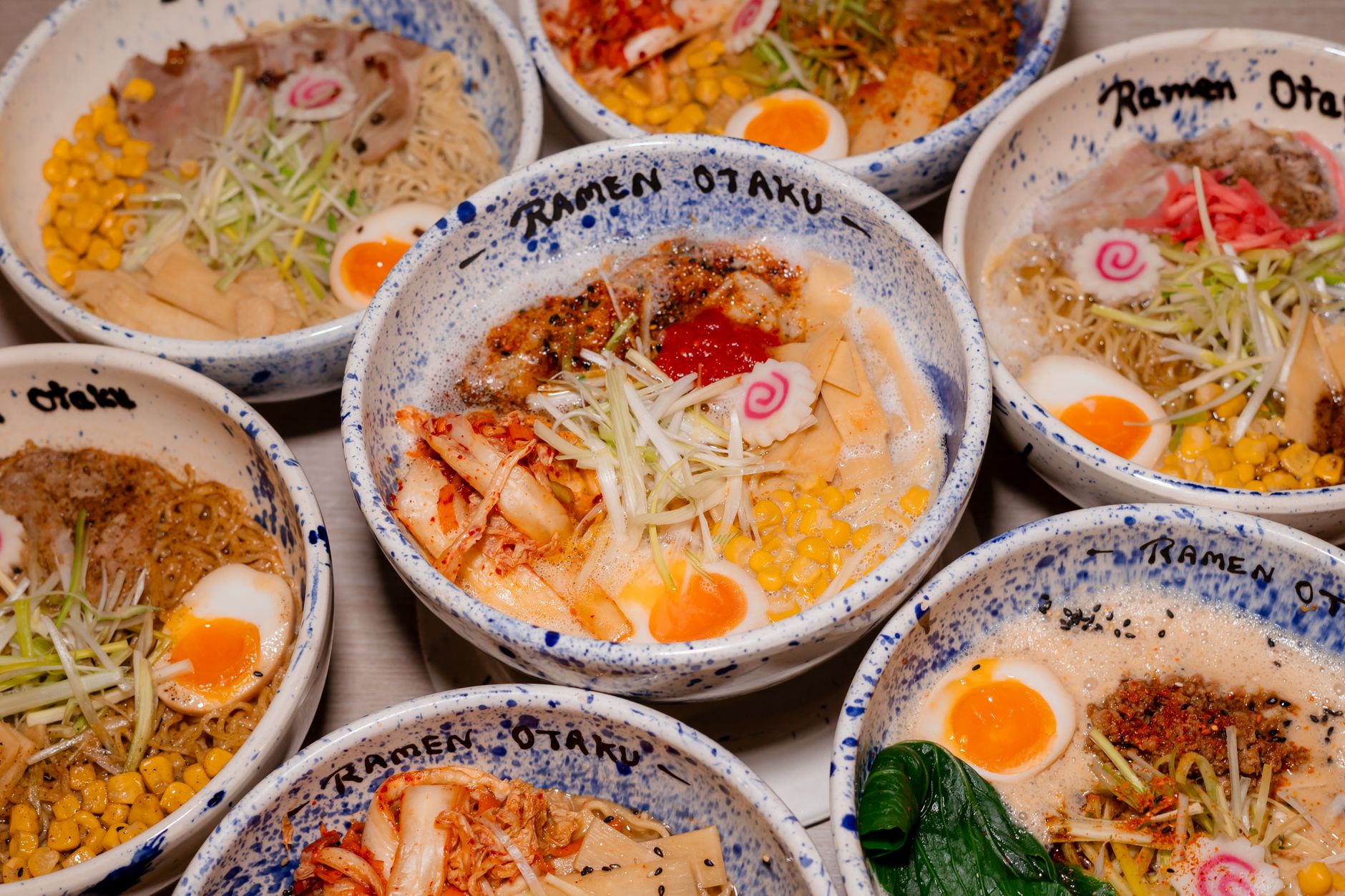
Hokkaido's food identity is built on three pillars: ramen, seafood, and dairy — and all three are significantly better here than elsewhere in Japan.
Miso ramen is Sapporo's signature contribution to Japanese noodle culture. The broth is thick and rich, built on pork bone and miso base, topped with corn, butter, a sheet of seaweed, and bean sprouts. This is comfort food, not fine dining — 900–1,200 JPY per bowl. The original concentration is Ramen Yokocho (Ramen Alley), a covered row of eight independent shops in downtown Sapporo. Each shop is small (six to eight counter seats), family-run, and has been operating for 40–50 years. No reservation; arrive before 11:30 a.m. or after 2 p.m. to avoid lunch crowds.
Hokkaido supplies 60% of Japan's total seafood catch. The specialities are hairy crab (ke-gani), sea urchin (uni, particularly from Rebun Island in the far north), and king crab (taraba-gani). Nijo Market in central Sapporo has live tanks where you can see and select crabs or urchin, with restaurants inside the market serving whatever you choose for 3,000–6,000 JPY per lunch. The crab is boiled fresh; urchin is served raw or lightly salted.
Hokkaido's dairy is treated as a superior product — milk, butter, yoghurt, and soft-serve ice cream from local producers command premium prices and loyalty. Every service area on highways sells regional soft-serve (500–800 JPY). Hokkaido milk is denser and richer than standard Japanese milk, and visitors who notice dairy at all will notice the difference.
Winter versus summer: two entirely different trips
Winter (December–March) centers on skiing, the Snow Festival, and onsen. Sapporo drops to −5°C to −10°C; rural areas and mountain towns fall to −20°C or below. This requires appropriate clothing: thermal layers, insulated jacket, waterproof boots (not fashion boots), gloves, and a hat covering the ears. Underestimating cold is the single most common error — exposed skin burns in 15 minutes at −15°C. Niseko operates fully; Sapporo's Snow Festival runs for two weeks in February. Onsens are at their most appealing, outdoor pools in snow.
The single counter-intuitive fact: winter Hokkaido is not grim. Skies are often clear and blue. The snow is light and dry, not heavy slush. Visibility is exceptional. But the season demands physical commitment and appropriate gear.
Summer (June–August) is the season for lavender, hiking, cycling, and experiencing the landscape without snow. Temperatures run 20–25°C with virtually no humidity — a profound contrast to Tokyo in July. Hokkaido's national parks (Daisetsuzan, Akan, Shiretoko) are accessible, with hiking routes ranging from one-hour walks to multi-day treks. Accommodation is easier to find; prices drop by 20–30% compared to winter. The drawback: insects (mosquitoes) are present, and some hiking areas close until early July due to snow at higher elevations.
Autumn (September–October) offers fall foliage in the national parks, still-warm daytime temperatures (15–20°C), and minimal crowds. This is the season fewest Western travellers consider, partly because it does not fit the established narratives about Hokkaido.
Who should add Hokkaido to a Japan trip, and when
Hokkaido is not mandatory for a first Japan trip focused on Tokyo, Kyoto, and Osaka. It is essential for skiers, mandatory for anyone wanting to escape Japanese humidity in summer, and a distinct enough experience to justify five to seven days on a second or third Japan visit. Winter trips require comfort in cold climates and three to four months' advance planning. Summer trips (June–August) offer spontaneity and lower costs but require acceptance that Hokkaido is rural and landscape-focused, not culturally dense. The one experience that exists nowhere else in Japan: the Niseko powder snow and the landscape around Furano — these are genuinely unique to Hokkaido within Japan's geography.
Frequently Asked Questions
Is winter or summer better for a first Hokkaido visit?
Summer (June–August) is better for first-timers without skiing interest. The weather is predictable, accommodation easier to book, and the landscape (lavender, farm hills, national parks) is the main draw. Winter requires three to four months' planning and appropriate cold-weather gear, but offers skiing and the Snow Festival — both world-class experiences.
How many days should I spend in Hokkaido?
Five to seven days is the minimum to justify the flight and experience multiple areas. A typical itinerary: two days in Sapporo (city, shrines, Snow Festival or ramen culture), two days in Niseko (winter) or Furano (summer), one day in Noboribetsu. Add two days for travel buffers and transitions.
Can I visit Hokkaido in April or November?
April and November are transition months with unpredictable weather. April has remaining snow at high elevations but not enough for skiing; temperatures are cold (5–10°C). November has fall colour but increasing rain and cold. Both months are quieter and cheaper, but neither offers the clear advantages of peak summer or winter.
Do I need to rent a car in Hokkaido?
No. Sapporo, Furano, Niseko, and Noboribetsu are all accessible by train or bus. Renting a car is useful for flexibility (visiting multiple lavender farms, exploring back roads in Biei), but it is not required. Winter driving requires experience and appropriate tyres; renting is more expensive December–March.
How much does a week in Hokkaido cost?
Budget traveller: 15,000–20,000 JPY per day (capsule or basic hotel, convenience-store meals, public transport, free attractions). Mid-range: 25,000–40,000 JPY per day (business hotel or ryokan, restaurant meals, some paid activities). Peak season (February, July–August) and Niseko increase all costs by 30–50%.
What is the biggest mistake visitors make in Hokkaido?
Underestimating the climate. Winter visitors arrive without proper insulated boots and heavy jackets, expecting Tokyo-level weather. Summer visitors skip Hokkaido because they assume it is "just skiing," missing the landscape that rivals New Zealand's South Island within Japan's borders.