

Korčula town sits at the tip of a peninsula on the northern shore of the island of the same name, its medieval old town rising on a headland with the Adriatic on three sides. The fortified walls, towers, and the herringbone grid of lanes that runs between them date from the 13th–15th century Venetian administration. Venice held Korčula almost continuously from 1420 to 1797; the architecture, the lion of St Mark carved above the sea gate, and the Venetian Gothic town hall are the visible residue. The island is also the primary source of Pošip and Grk — two white grape varieties found nowhere else in the world — and the quality of the wine from the eastern end of the island is the best argument for extending a Dubrovnik or Split trip by two days to include it.
The Old Town
The old town fits inside a peninsula roughly 300 metres long and 150 metres wide. The street plan is unusual — narrow lanes run northwest-southeast at slight angles, designed to channel wind from both the bura (northeast, cold winter wind) and the jugo (southwest, warm humid summer wind) without allowing either to build pressure along a straight corridor. The widest lane is wide enough for two people to pass; most are narrower.
Cathedral of St Mark: a 15th-century Gothic-Renaissance cathedral built from the same pale Korčula limestone as every other building in the old town. The carved doorway by the master craftsman Bonino of Milan (1412) is the most accomplished single piece of medieval stone carving on the island. Entry free (donation box). The bell tower (€2) gives the standard overview of the tile roofs and the surrounding channels.
Town Museum: housed in the Gabrielis Palace (16th century), a small collection of Roman inscriptions, Hellenistic artefacts, and medieval documents. Entry €3. Worth 30 minutes if the historical context matters; the building's courtyard is better than the museum.
Marco Polo House: a 14th-century building marketed as the birthplace of Marco Polo on the basis that the Polo family may have originated from Korčula — the claim is disputed, the alternative claim being Venice. The house is a modest residential tower that was a wine shop until recently. Entry €3. Useful mainly if the disputed birthplace question is of specific interest.
The Moreška Sword Dance
The Moreška is a traditional sword dance performed in Korčula, depicting a battle between Black and White Kings for a captive girl — a dramatic performance with two groups of costumed swordsmen in choreographed combat. It has been performed in Korčula for at least 400 years. The standard performance runs on Thursday evenings (July–August) in the open-air arena near the town gate (tickets €10–15, usually sold at the gate). Outside July–August, performances are reduced to Monday and Thursday evenings. It is the most coherent living performance of this specific sword-dance tradition in the Adriatic.
Wine: Pošip and Grk
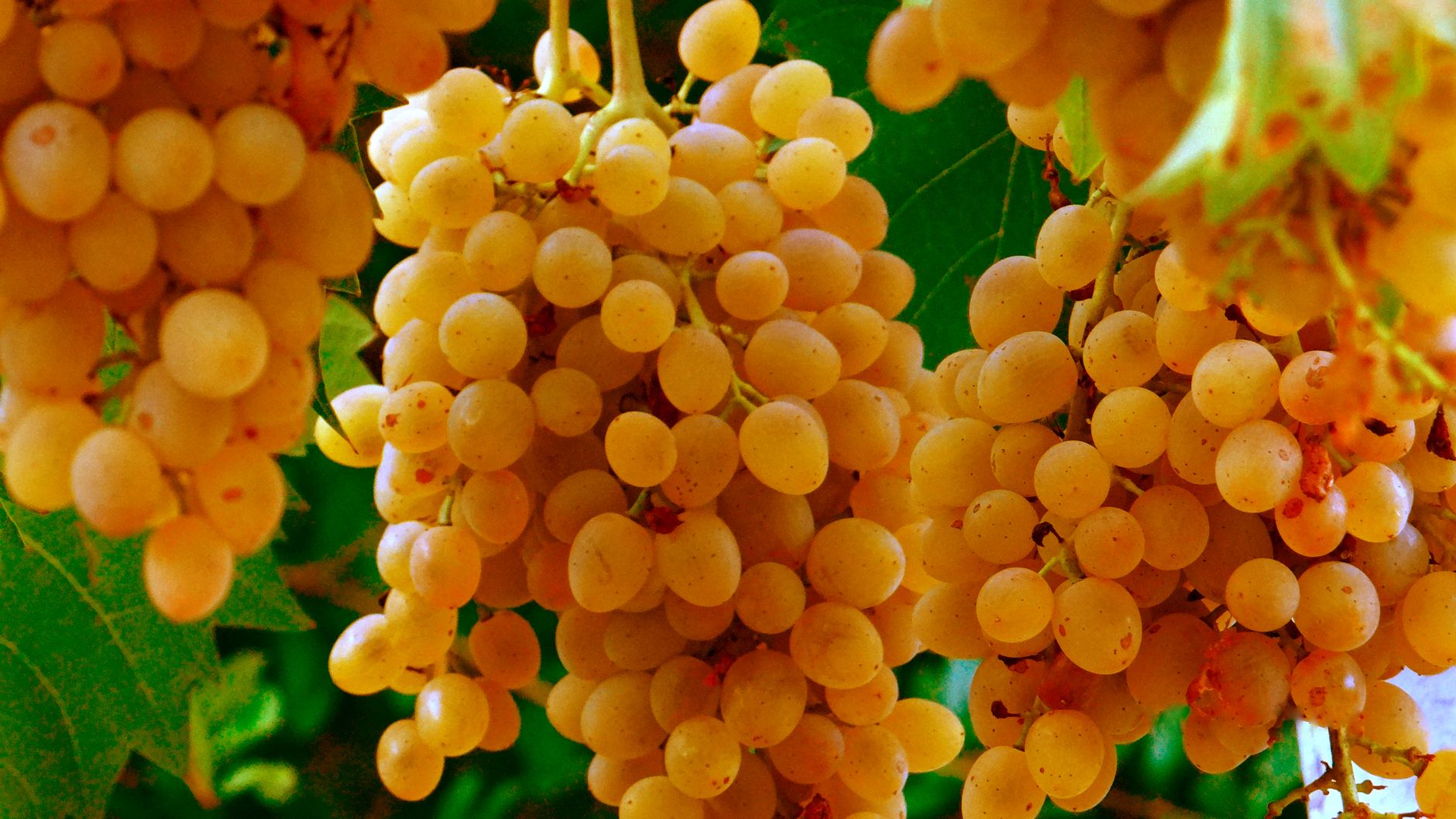
Pošip is a white grape grown on the island of Korčula and nowhere else commercially. The wines are full-bodied, aromatic, and slightly oxidative in style — more substantial than the Istrian Malvazija or the Dalmatian Plenković that visitors to the coast are more likely to encounter. The best Pošip producers are in the village of Čara (18km east of Korčula town): Bire, Toreta, and Cebalo are the names to look for. Most sell direct from the winery.
Grk is an even more specific variety grown only in the village of Lumbarda, 6km east of Korčula town — a dry white with unusual minerality attributed to the sandy soils on the southern shore of the island. Production is small; not widely exported. Tasting at the Bire winery in Lumbarda is the direct route.
A half-day cycling route from Korčula town east through Čara to Lumbarda (16km each way, flat to gently rolling) covers both wine villages and ends at the sandy beach at Lumbarda — the only sand beach on the island.
Getting to Korčula
The island is connected by several ferry routes.
From Split: Jadrolinija car ferry to Vela Luka (western tip of the island), 3 hours, €10–12. Then local bus to Korčula town (1 hour, €4). Or Krilo Jet catamaran direct from Split to Korčula town, 2h50 (seasonal May–October), €25.
From Dubrovnik: Krilo Jet catamaran direct to Korčula town, 1h50 (seasonal), €18. The fastest connection for those based in Dubrovnik.
From Orebić (Pelješac peninsula): local ferry, 15 minutes, €4. Orebić is 35km from Ston on the mainland.
When to Visit Korčula
May–June: best window. Sea temperatures reaching 20°C by June, the island's vineyards in leaf, Moreška performances beginning in June, manageable visitor numbers. May specifically has low prices and high appeal.
September: the strongest single month. Wine harvest beginning in the eastern villages, sea 24°C, reduced crowds from August, accommodation rates falling. The Moreška still running.
July–August: peak Adriatic season. Korčula town is busy but not at the scale of Dubrovnik — no cruise ships dock here. Accommodation needs booking 2–3 months ahead. The waters around the island are excellent for sailing.
October–April: quiet, many restaurants closed from November, the Moreška not performed. Korčula in October is a different and equally valid experience — the town belongs to residents, the wine harvest continues into October, and the light on the old town walls in autumn is the best light the island has.
Frequently Asked Questions
Was Marco Polo actually born in Korčula?
The claim is plausible but unverifiable. Marco Polo mentions his origins as Venetian in his own text. The Polo family name appears in medieval Korčula records. Venice and Korčula both maintain the claim; neither has decisive documentary evidence.
How do you get from Korčula to Dubrovnik?
The Krilo Jet catamaran (seasonal May–October) runs from Korčula town directly to Dubrovnik Old Port in 1h50, €18. Alternatively, bus via Ploče (3–4 hours) year-round.
What is the best beach on Korčula island?
Pržina beach in Lumbarda (6km east of Korčula town) is the island's main sand beach — not large, but sandy in an island that is otherwise entirely rock and pebble. The coves around Pupnat and Brna on the south coast are better for clear water and solitude, accessible by car or motorbike.
Is Korčula worth visiting over Dubrovnik?
They are different experiences. Dubrovnik has more to see within the old town and world-class city walls; Korčula is smaller, quieter, without the cruise ship volume that affects Dubrovnik from June to August, and with the wine country of the eastern island as a specific add-on that Dubrovnik cannot offer.
How many days do you need in Korčula?
Two nights: one day for the old town, the Moreška (if performing), and Lumbarda; one day for a boat trip to the surrounding islands (Badija, Vrnik) or a cycle to Čara for wine tasting. One night is enough for the old town if connecting through on the Split–Dubrovnik route.


