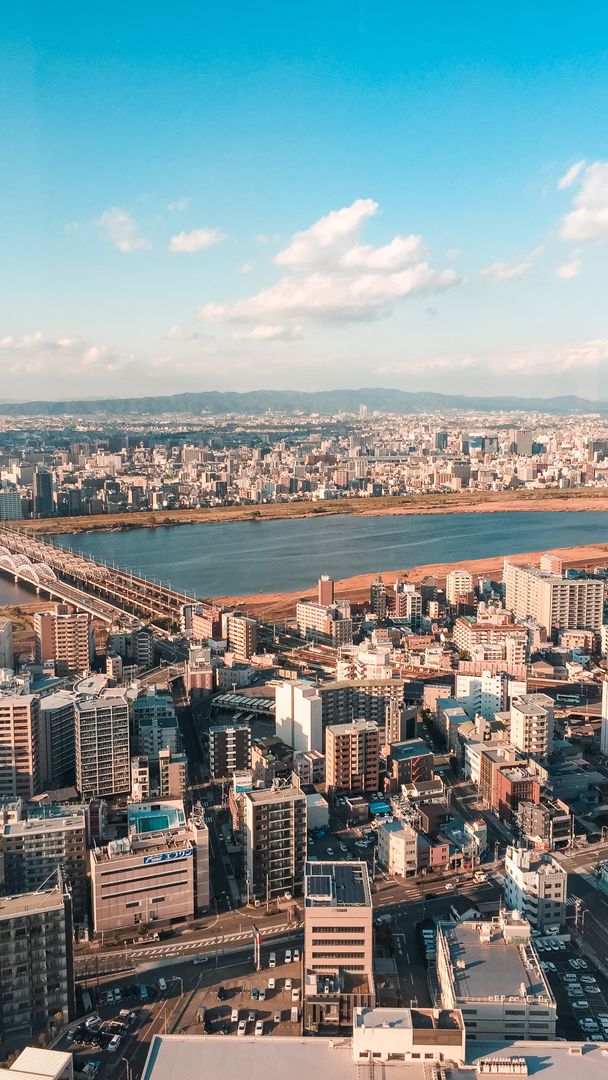
Kyoto and Osaka sit 75km apart and are connected by Shinkansen (14 minutes, €12), Hankyu Railway (45 minutes, €3.50), and Kintetsu Railway (35 minutes express, €7). They're close enough to day-trip between but fundamentally different in purpose. Kyoto is the former imperial capital — 17 UNESCO sites, 1,600+ temples, a city designed around cultural pilgrimage. Osaka is the food-forward commercial city that generates revenue instead of nostalgia. Choosing the wrong base for your travel style wastes commute time every morning. This guide clarifies which city to sleep in, how many days each requires, and what actually takes priority when your time is limited.
| Category | Kyoto | Osaka |
|---|---|---|
| Best for | Temple tourism, slow-paced cultural immersion, geisha district | Food-forward travel, nightlife, budget-conscious visitors |
| Signature draw | 1,600+ temples, 17 UNESCO sites, Gion geisha district | Takoyaki, okonomiyaki, kushikatsu, Dotonbori neon district |
| Beaches or nature | Arashiyama bamboo grove, Zen gardens, maple-lined canals | Osaka Castle park, no beaches or significant nature |
| Nightlife | Gion evening walks, limited bar culture, early closures | Dotonbori bars and arcades, extensive nightlife districts |
| Mid-range daily cost | €80–130 ryokan, €10–15 ramen, €60–120 dinner | €40–60 hotel, €3–8 street food, €25–30 kushikatsu meal |
| Peak season | Late March–April, October–November (blooms and foliage) | Year-round; avoid August and early September (typhoons) |
| Crowd level | Heavy at temples 9am–3pm; light before 8am or after 5pm | Dotonbori crowded evenings; Kuromon Market light before 11am |
| Recommended stay | 5+ days for temple depth; slower daily pace | 3–4 days; flexible day-trip base for Kyoto and Nara |
| Getting there | Hankyu Railway from Osaka: 45min, €3.50; Shinkansen: 14min, €12 | Hankyu Railway to Kyoto: 45min, €3.50; Kintetsu to Nara: 45min, €6 |
Kyoto: Five priority temples and why most itineraries get them wrong
Kyoto has 1,600+ temples. Visiting five of them is still visiting only 0.3%. The most-photographed sites are not necessarily the ones that reward the time spent standing in line.
Fushimi Inari Taisha (free, all hours) is essential with a major caveat: the iconic torii gate tunnel that dominates photographs is the lowest 200m of a 233m mountain hike. Arrive before 7am and the lower section is navigable. By 9am, the gates are shoulder-to-shoulder with smartphone users. The full circuit to the summit and back takes 2–2.5 hours. Most visitors photograph the lower third (20 minutes) and declare completion. The elevation gain past the first half-hour becomes steep; the torii gates thin out significantly above 150m. Go early or skip it — the middle timing delivers neither solitude nor photographic advantage.
Kinkaku-ji (Golden Pavilion) (€4, 9am–5pm daily) requires advance planning because timed entry slots fill two weeks ahead during March–April and October–November. The pavilion itself is compact — 15 minutes of viewing is adequate. The trick is approaching when other buses haven't yet arrived. Book the 9am–9:30am slot if possible. The afternoon approach feels like a museum queue with a garden backdrop.
Ginkaku-ji (Silver Pavilion) (€5, 8:30am–5pm daily) is systematically underrated because it lacks the Instagram familiarity of Kinkaku-ji. The garden is ranked second among Japan's Zen gardens. The sand garden (tokudai) is raked fresh each morning. The pavilion is smaller and less imposing than its golden sibling, but the approach along a canal with overhanging maples justifies the entry fee alone. Arrive by 8:30am. By 10am, the path becomes congested.
Ryoan-ji (€6, 12pm–4pm December–February, 8am–5pm other months) contains Japan's most famous dry rock garden — 15 rocks arranged on white sand, viewed from a wooden platform. The garden is 30 square metres. Spend 10 minutes sitting with it; the geometry resolves differently from each position. The surrounding temple grounds are walkable in 45 minutes total. This is a quiet site most days, which is the entire point.
Arashiyama Bamboo Grove (free, open 24 hours but crowded 9am–3pm) is four minutes of walking through dense bamboo stems. The photograph is worth the detour if you arrive before 8:30am or after 5pm. The Tenryu-ji garden (€12), located 200m away, ranks second among Japan's Zen gardens and is substantially less crowded. Pay for Tenryu-ji instead of spending 30 minutes queueing for Bamboo Grove photos. The garden includes a temple interior and lakeside path; two hours is adequate.
Template route: 7am Fushimi Inari, 10am Kinkaku-ji (pre-booked timed entry), 1pm lunch near Ryoan-ji, 2pm Ryoan-ji, 4:30pm Arashiyama/Tenryu-ji, 6pm Gion dinner. This covers five major sites without pointless transit. Kyoto's temples cluster geographically — Fushimi is south, the Golden Pavilion is northwest, Arashiyama is west. Plan by geography, not by ranking.
Gion: geisha district timing and behaviour
Gion is a preserved geisha district, not a theme park. Hanamikoji Street is the main address. Geisha (or maiko, their apprentices) move between appointments between 5pm and 7pm — this is the realistic time window for spotting them. They will not pose. Photography in their face will result in polite requests to stop and, if ignored, intervention from minder staff. Respect that they're walking to work, not touring for images.
Gion's teahouse restaurants charge €60–150 per person for a traditional kaiseki meal with sake pairings. Book three weeks ahead through Kyoto's tourist office or accommodation. Walking the district at 6pm and photographing geisha from across the street is free and more honest.
Kyoto accommodation and food costs

Eating in Kyoto costs 15–25% more than Osaka for equivalent dishes. A tofu kaiseki dinner runs €60–120 per person. A simple ramen is €10–15. Mid-range ryokan accommodation (private bathroom, breakfast included) costs €80–130 per night. Business hotels run €40–70.
Nishiki Market (indoor market, 100m × 500m) runs north–south three blocks east of the Shijo-Dori main street. Vendors sell prepared food: takoyaki, mochi, roasted fish, pickled vegetables. Budget €3–8 per item. Eat while walking rather than sitting. The market is crowded by 11am and thinning by 3pm.
Osaka: the food-forward baseline
Osaka's self-identification as Japan's kitchen is accurate. The city generated neither an imperial court nor a feudal aristocracy; it built commercial confidence instead. Food is Osaka's civic identity.
Takoyaki (octopus balls, €3–5 for eight pieces) are the baseline street food. Every convenience store, market stall, and restaurant serves them. The difference between mediocre and excellent is the temperature of the oil and whether the octopus is pre-cooked or fresh — mediocre tastes rubbery; excellent is creamy inside with crisp exterior. Marugame Seimen locations (ramen chain with takoyaki stands) serve reliable versions. Find a vendor with visible queue; the queue indicates freshness.
Okonomiyaki (savoury pancake, €8–12) is Osaka's signature dish — a batter of flour, egg, cabbage, and protein (pork belly, shrimp, squid) cooked on a flat griddle, topped with okonomiyaki sauce (sweet-salty), bonito flakes, aonori (seaweed powder), and mayo. Hiroshima-style okonomiyaki (layered rice, fried noodles, egg on top) is a different animal and not Osaka's tradition. Dotonbori has multiple okonomiyaki restaurants; the crowds and pricing are inflated. Cross two blocks north or south for better value. Kiji (founded 1945, multiple locations) is the reliable chain.
Kushikatsu (deep-fried skewers, €2–3 each) are two pieces of protein on a wooden stick, battered and deep-fried. Pork, chicken, shrimp, vegetables, and cheese are common. You'll order 8–15 skewers. Daruma is the established chain; Kushikatsu Daruma has 40+ locations around Osaka. Budget €25–30 for one person's full meal.
Dotonbori is the neon-lit canal-side entertainment district — 1.5km of restaurants, bars, game arcades, and street food. The Glico running-man sign is the primary landmark photograph. Dotonbori is most impressive at night when the neon reflects on water. Avoid eating here on your second visit; the tourist pricing (20–30% mark-up) is the trade-off for location. The identical restaurants one block north (parallel to the canal) serve the same food at €2–3 less per order.
Kuromon Ichiba Market (covered market, 190m × 110m, 100+ vendors) sits one block south of Dotonbori. This is where Osaka's restaurants buy produce. The market is wholesale-oriented but retail-friendly. Fresh crab (€15–30 per serve), oysters, tuna belly, sea urchin — vendors sell individual portions for eating at the counter or walking. 90 minutes is adequate to graze through the market. Morning (before 11am) is less crowded.
Osaka Castle (€8, 9am–5pm) is a 16th-century castle rebuilt in concrete in 1931. The interior is a museum covering samurai history and castle construction. The moat and surrounding park are impressive; the 8th-floor observation deck is adequate rather than essential. Two hours covers the castle and park. This is not a priority unless you're spending three full days in Osaka.
Universal Studios Japan (€75–95 depending on season, book online two weeks ahead) is a genuine American-style theme park with Japanese theming. Nintendo World (opened 2021) is the primary draw — Mario Kart: Koopa's Challenge is a well-executed dark ride. A full day is required; 9am–8pm is standard. Queues are longest 11am–3pm. Book express pass (€70–150 additional) to cut queue time to 15 minutes per attraction. This requires advance planning and is not a Japan-specific experience, but it is a significant draw for families.
Osaka accommodation runs €40–60 for business hotels and €50–90 for mid-range ryokan. This is 20–30% cheaper than Kyoto.
Nara: the day trip from either city
Nara lies 45 minutes from Osaka (Kintetsu Railway, €6 return) and 50 minutes from Kyoto (JR Railway, €6 return). It's positioned between both cities geographically.
Tōdai-ji Temple (€6, 7:30am–5pm April–October, 8am–4pm November–March) houses Japan's largest bronze Buddha — 15m tall, completed in 752. The temple hall is cavernous; the Buddha is photographed from directly in front, making the light flat. The surrounding Nara Park contains 1,200 freely-roaming sika deer who have learned that tourists carry snacks. They will bite, butt, and pursue aggressively for anything that resembles food. Do not feed them. The deer are simultaneously the primary reason to visit and the primary nuisance.
Kasuga Taisha (€3, free to grounds, €8 for inner sanctum, 9am–4pm) is a Shinto shrine accessed by a 800m tree-lined approach with thousands of stone lanterns. The lantern avenue is the primary draw rather than the shrine itself. One hour is adequate for the walk and shrine.
Todai-ji Museum (€3, 7:30am–5pm April–October, 8am–4pm November–March) displays sculpture and Buddhist artifacts. This requires genuine interest in Japanese sculpture; most day-trippers skip it.
Total Nara time: 3–4 hours including transit from Osaka or Kyoto. The deer park and lantern avenue justify the trip. Stay overnight only if you want an extremely quiet ryokan experience (€70–120 per night) — most travelers are better served returning to Osaka or Kyoto for dinner and nightlife.
Kyoto vs Osaka: which city to base in
Base in Kyoto if:
- You have 5+ days in the Kansai region and temples are the primary draw
- You want to move slowly through Gion mornings and Arashiyama afternoons
- You're comfortable paying 15–25% more for accommodation and food
- Cultural tourism is your travel style
Base in Osaka if:
- Your trip is 3–4 days total and you want geographic flexibility
- Budget is a priority (accommodation 20–30% cheaper, food significantly cheaper)
- You want nightlife and bar culture beyond temple visits
- Your travel style is food-forward rather than culture-forward
- You're interested in day-tripping to both Kyoto and Nara without committing to either
Splitting between both cities (recommended for 7+ days):
- Sleep three nights in Osaka, four nights in Kyoto
- Use Osaka as the food and nightlife base
- Use Kyoto for temple deep-dives and slower-paced walking
- Base yourself in Osaka first to establish your rhythm and budget
- Move to Kyoto for the second half, allowing your energy to drop as your pace slows
- Both cities have transport connections east to Tokyo (Shinkansen, three hours from Osaka) and west to Hiroshima (shinkansen, 1 hour 20 minutes from Osaka)
Getting between Kyoto and Osaka: practical transport
Shinkansen (Nozomi service): 14 minutes, €12 one-way. Fastest option. Departs every 10–15 minutes. Nozomi is not covered by the standard JR Pass (Hikari service is, but takes 17 minutes and costs €11). Use Shinkansen if you're splitting your time with a single hotel transfer day in mind.
Hankyu Railway: 45 minutes, €3.50 one-way. Connects Osaka Umeda Station (central Osaka) to Kyoto Kawaramachi Station (central Kyoto). Departs every 5–10 minutes. Best value and most convenient for central city access. Use this for most transfers.
Kintetsu Railway (express): 35 minutes, €7 one-way. Good if you're arriving or departing from Nara; less practical for pure Kyoto–Osaka shuttling.
Book the Hankyu Railway as your default. The Shinkansen is worth using once for the experience, but it's overkill for a 14-minute journey. Save Shinkansen tickets for Tokyo connections.
Booking priorities and lead times
Do not book accommodation before deciding which city to base in. Book accommodation after you've read this guide and estimated your daily schedule.
Book Kinkaku-ji (Golden Pavilion) timed entry eight weeks ahead for March–April and October–November. Other months, book two weeks ahead. Time slots fill by 2pm daily during peak season.
Fushimi Inari requires no booking — arrive before 7am with an alarm and walking shoes. The site is free and open 24 hours.
Arashiyama requires an early arrival (before 8:30am), not a booking. Plan your temple route so Arashiyama is your second or third destination, not your first.
Okonomiyaki and kushikatsu require no reservation except at high-end restaurants (Kiji, Daruma). Walk in during off-peak hours (2pm–4pm, or after 8pm) and wait 10–20 minutes or none at all.
Nara day trip requires no booking beyond JR or Kintetsu tickets, which you buy at the station on the morning of departure.
Universal Studios Japan: book online 2–4 weeks ahead. On-site tickets sell out 2–3 days before peak season dates. Weekend advance purchase is mandatory during March, April, October, and November.
Who should go where and when
Base in Kyoto if you have 5+ days, temples are your priority, and you're willing to pay more for accommodation and food in exchange for cultural immersion. Arrive in late March or early November when blooms and foliage peak. Avoid August (40°C+ heat) and December–January (cold, shorter days, many temples closed for maintenance).
Base in Osaka if your trip is 3–4 days, budget is a concern, or food and nightlife matter more than temple tourism. The season matters less in Osaka since the primary experiences (food, bars, Universal Studios) are available year-round. Avoid August and early September (typhoon season, 90%+ humidity).
Split your time (3 nights Osaka, 4 nights Kyoto) if you have 7+ days and want both depth and flexibility. Stay in Osaka first to acclimatize and eat your way through Dotonbori, Kuromon Market, and bar districts. Move to Kyoto when your energy permits a slower pace. Book Kinkaku-ji before choosing your hotel — the temple's timed slot will anchor your first full day in Kyoto. Plan your Fushimi Inari visit for 6:30am on day two, then work backward through the other temples based on geography.
Frequently Asked Questions
Should I base myself in Kyoto or Osaka for a 4-day trip?
Base in Osaka. The 20–30% cheaper accommodation and food stretch your budget further, and the Hankyu Railway (45 minutes, €3.50) reaches Kyoto easily for day trips. Osaka provides nightlife and food culture when temple fatigue sets in. Move to Kyoto only if temples are your sole priority.
When is the absolute best time to visit Kyoto?
Late March through April (cherry blossoms) and October through November (maple foliage). Book Kinkaku-ji timed entry eight weeks ahead for these months. Avoid August (40°C+ heat) and December–January (maintenance closures, cold, short days).
Do I need to book Fushimi Inari in advance?
No. Arrive before 7am with walking shoes and an alarm — entry is free and the site is open 24 hours. The torii gate tunnel clears of crowds by 8am. Booking is impossible and unnecessary; discipline on arrival time is everything.
Is Osaka's food really that much cheaper than Kyoto's?
Yes — 15–25% cheaper for equivalent meals. A ramen is €10–15 in Kyoto versus €8–12 in Osaka. Takoyaki and kushikatsu run €3–5 in Osaka versus €8–12 in Kyoto. Food is Osaka's civic identity, so competition and volume keep prices competitive.
Can I see both Kyoto and Osaka temples in one day?
No. Kyoto alone has 1,600+ temples, and the five priority temples require minimum 5–6 hours plus travel. Treat Kyoto and Osaka as separate experiences: Kyoto for temple tourism (5+ days), Osaka for food and nightlife (3–4 days). Day-trip from one to the other only if you're staying 7+ days total.