Phong Nha-Kẻ Bàng National Park contains the world's largest known cave system by volume. Hang Son Doong — the largest single cave passage on earth — is 5km long, 200 metres high in its main chamber, and contains its own weather systems, an underground jungle, and a river. It was discovered by a local farmer in 1991 and opened to commercial expeditions in 2013. The park sits in Quảng Bình province in central Vietnam, 50km west of the coastal city of Đồng Hới, and covers 857 square kilometres of karst limestone forest. Most visitors come for the caves. The small village of Phong Nha, at the eastern edge of the park, is the base.
The Cave System: What Exists and What You Can Access
The Phong Nha cave system contains more than 300 mapped caves. The ones accessible to visitors without specialist equipment fall into three categories.
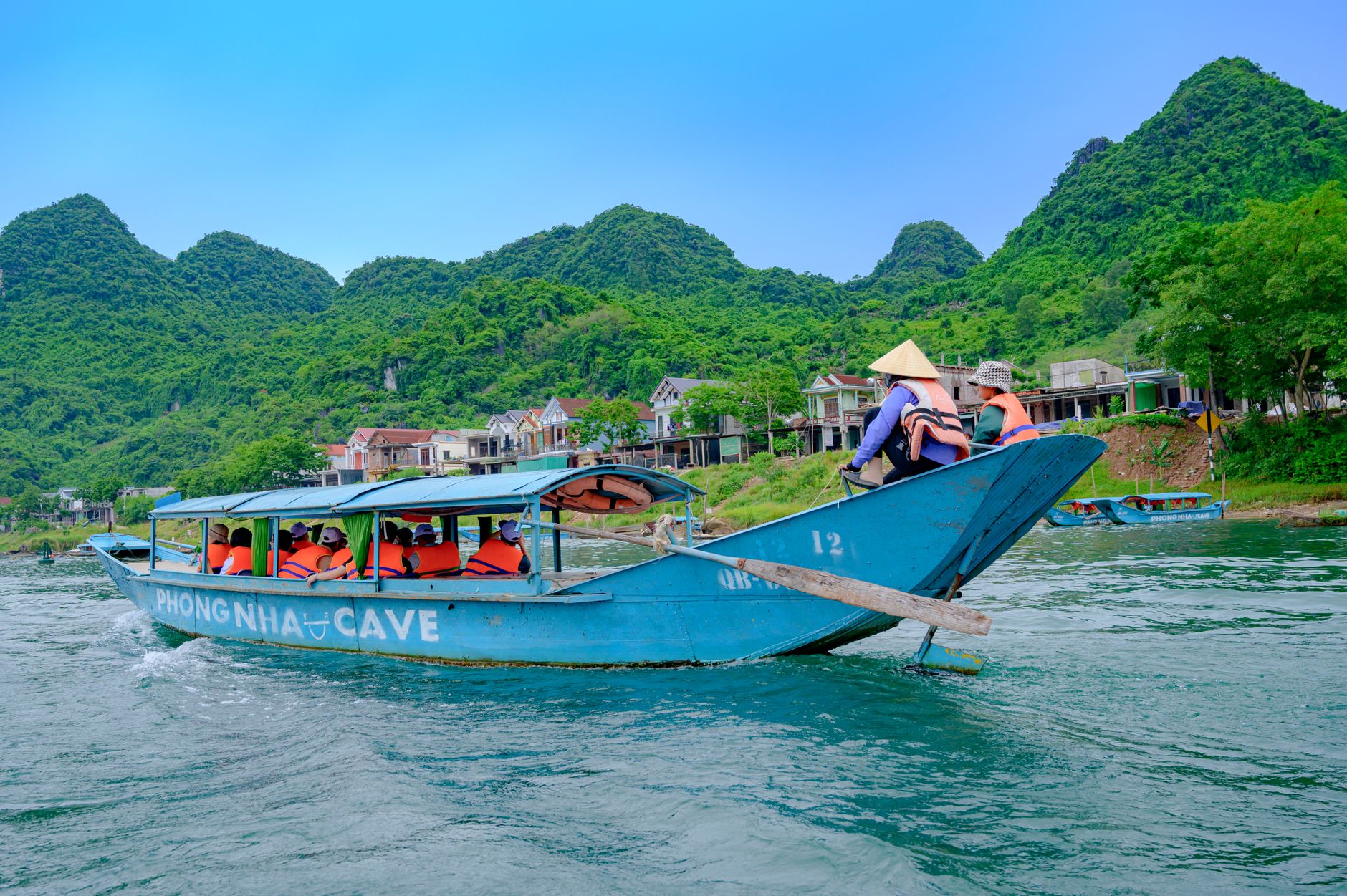
Phong Nha Cave: the oldest-visited cave in the park, accessible by boat from the Phong Nha village pier (15 minutes upstream, then a 600m walk). A river flows through the cave entrance — the boat travels inside for 1.5km to a landing point. The accessible section has significant speleothems (stalactites and stalagmites), and the cave was used as a hospital and weapons cache by the North Vietnamese Army during the American War. Entry ¥$5 for the boat trip, no additional entry fee. Allow 2 hours.
Paradise Cave (Thiên Đường): discovered in 2005, the longest dry cave in Asia at 31km (7km open to visitors). Entry is by a raised boardwalk through the main chamber — 80 metres high at maximum, with a density of white calcite formations unusual even by cave standards. Entry $22 (includes the 1.3km walk to the cave mouth). Allow 2 hours. This is the more impressive cave experience for most visitors.
Dark Cave (Hang Tối): a combination activity cave — zipline from the cliff into the cave entrance, swim through the cave to a chamber of mineral mud, kayak out. Entry $22–28 depending on operator. The mud is reported to have skin benefits; the zipline is the best approach to a cave in the park. Allow 3 hours.
Son Doong expedition: the 5-day Oxalis expedition is the only legal way to enter Hang Son Doong. Cost: $3,000/person. Annual quota: 1,000 people. Booking opens approximately 18 months in advance. The expedition requires a level of physical fitness for steep cave climbs and river crossings. The images — an underground jungle lit by sunlight through a ceiling collapse, stalagmites 70 metres tall — are not exaggerated.
Phong Nha Village
The village of Phong Nha (population around 2,500) is the service base for the national park. It occupies a strip along the Son river and has expanded significantly since 2012 when better road access opened the area to Vietnamese domestic tourism. Accommodation ranges from backpacker hostels (€5–10/bed) to mid-range guesthouses (€20–50/night) to a handful of more comfortable options (€60–100). There is no luxury resort infrastructure.
The river itself is quiet, lined with karst cliffs and occasional fishing boats. Hiring a kayak for a morning on the river costs €5–8 and is worth doing before the cave tours.
Easy Rider motorbike tours: guides with motorcycles operate from Phong Nha village and can take passengers to remote cave entrances and jungle viewpoints not on the standard tourist circuit. A full-day Easy Rider tour costs $30–50. The road north to the Ho Chi Minh Trail junction passes through wartime-era bomb crater landscapes.
Ho Chi Minh Trail: sections of the original Trail pass through the national park area. Several historic sites are accessible by motorbike — a tank rusted into the forest floor, bomb craters visible from above, the Xuân Sơn sector of the old supply route. Context requires a guide who knows the area.
Getting to Phong Nha
From Đồng Hới: 50km west of Phong Nha. Đồng Hới has a small domestic airport (VDH) with daily flights from Hanoi (55 minutes, €30–60) and Hồ Chí Minh City (1h30, €40–80). From the airport, taxi or booked transfer to Phong Nha village costs €20–30. Alternatively, the Đồng Hới train station is on the main North–South rail line; trains from Hanoi take 7–9 hours, from Hồ Chí Minh City 17–19 hours.
From Hanoi: overnight train to Đồng Hới (7–9 hours, €20–40 for a soft sleeper berth) then taxi to Phong Nha. Or bus — open bus services (Sinh Tourist, Hạnh Café) run the Hanoi–Phong Nha route directly, 10 hours, €12–18.
From Hue: 2.5–3 hours by local bus (€6–9) or hired car. The route through the Phong Nha pass (Đèo Ngang) on National Highway 1 is the standard connection southbound.
By motorbike from Hue: the Hồ Chí Minh Road (old Trail) north via the Khe Sanh battlefield and A Lưới valley is a 2-day route through the central highland border area. Not for casual riders.
When to Visit Phong Nha
February–August: the dry season window for the park. February–April has the best cave conditions — lower humidity inside the caves, good temperatures in the forest (24–30°C). May–August is warmer (30–36°C) but functional.
September–November: rainy season. The Son river floods, Phong Nha Cave is inaccessible when the water rises, and the Ho Chi Minh Trail roads can wash out. The national park may partially close. Avoid if the cave visits are the reason for going.
December–January: shoulder dry season, cooler (18–23°C), lower visitor numbers. The national park is operational. A reasonable window if February–April is not possible.
The Son Doong expedition season runs from January to August; it does not operate during the rainy season.
Frequently Asked Questions
How do you book the Son Doong cave expedition?
Exclusively through Oxalis Adventure (oxalisadventure.com), the sole permitted operator. The expedition runs January–August. Booking opens approximately 18 months before the departure date. The 5-day expedition costs $3,000/person and requires proof of fitness and insurance.
Is Paradise Cave or Phong Nha Cave better?
Paradise Cave has more impressive formations and the scale of the main chamber is hard to comprehend. Phong Nha Cave has the boat-into-the-cave experience and the wartime history context. Most visitors with 2 days do both.
How long do you need in Phong Nha?
Two days covers Paradise Cave, Phong Nha Cave, and Dark Cave. Three days allows for an Easy Rider excursion and the son river kayaking. The Son Doong expedition occupies 5 full days plus travel days.
Is Phong Nha suitable for families?
The three main caves (Phong Nha, Paradise, Dark) are manageable for children over 8. The Dark Cave zipline requires a basic level of comfort with height. Son Doong is adults only (minimum age 16, physically fit).
What is the food like in Phong Nha village?
Basic but adequate. Several restaurants on the main village strip serve Vietnamese staples at €2–4/meal. The Phong Nha Farmstay restaurant is better than average and has a river terrace. Fresh produce from the local market is limited but available.