
The Mekong River enters Vietnam from Cambodia as a wide braided channel and fans out into the delta system — 39,000 km² of flat alluvial land criss-crossed by rivers, canals, and irrigation channels that connect a dense network of villages, floating markets, fish farms, and fruit orchards. The delta produces 55% of Vietnam's rice, 70% of its fruit production, and a significant share of its aquaculture. It is also one of the regions most vulnerable to climate change — sea level rise and reduced Mekong flow (partly due to upstream dams in China and Laos) are already affecting salinity intrusion in the lower delta.
Getting There
From Ho Chi Minh City to Can Tho is the standard approach. Buses run from HCMC's Mien Tay (Western) bus station to Can Tho Bus Station — about 3.5 hours on the new expressway, 130,000–170,000 VND. Several bus companies including Phuong Trang (FUTA Bus) and Thanh Buoi run comfortable coaches hourly from early morning. A taxi or Grab from HCMC costs 600,000–900,000 VND depending on exact route and traffic and takes similar time.
Day trips from Ho Chi Minh City to My Tho (the nearest delta town, 70km) or Ben Tre are possible but limited in depth — you get a boat tour of canals and coconut orchards without reaching the larger floating markets. Staying one or two nights in Can Tho allows the early morning market experience and a more varied itinerary.
Cai Rang Floating Market
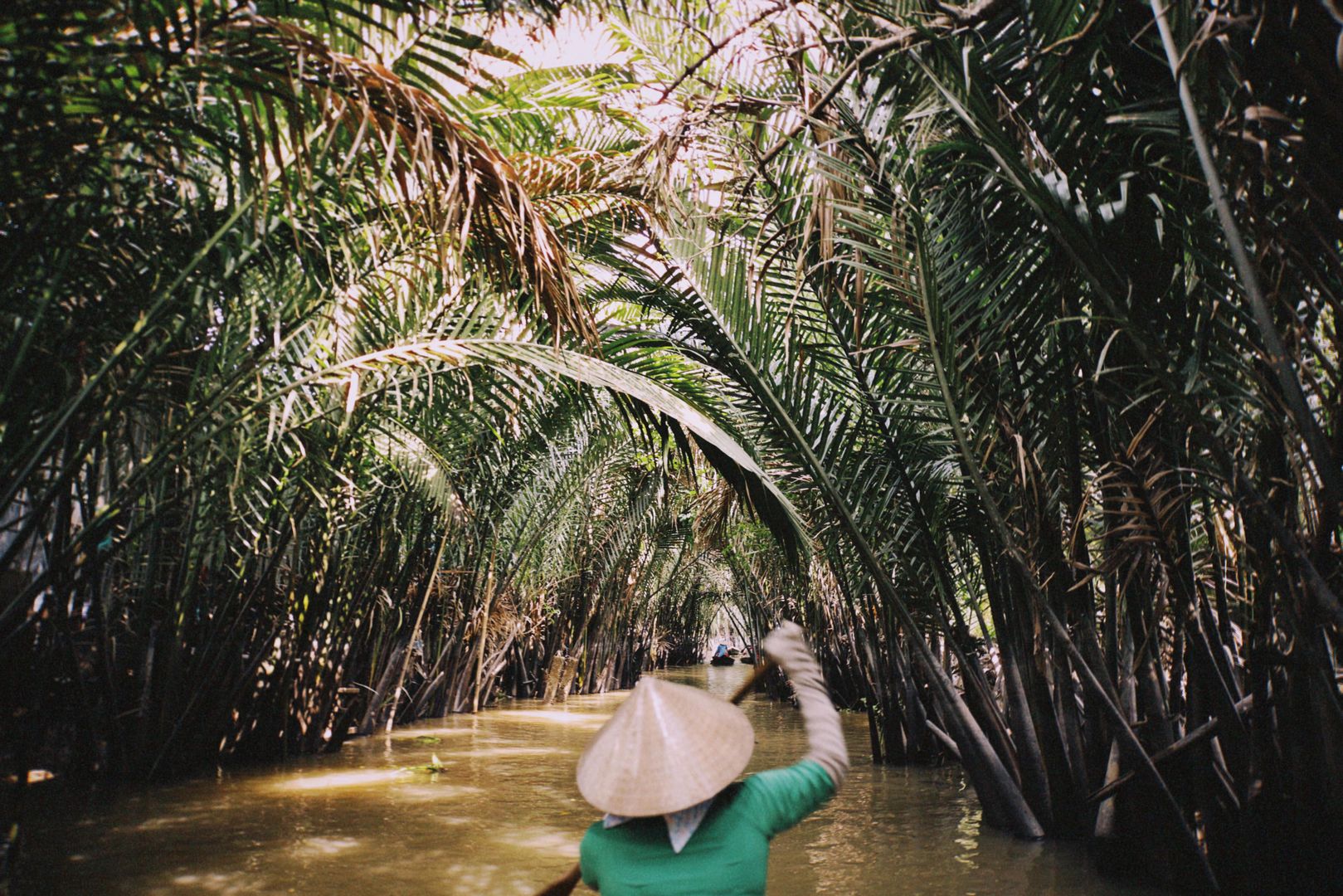
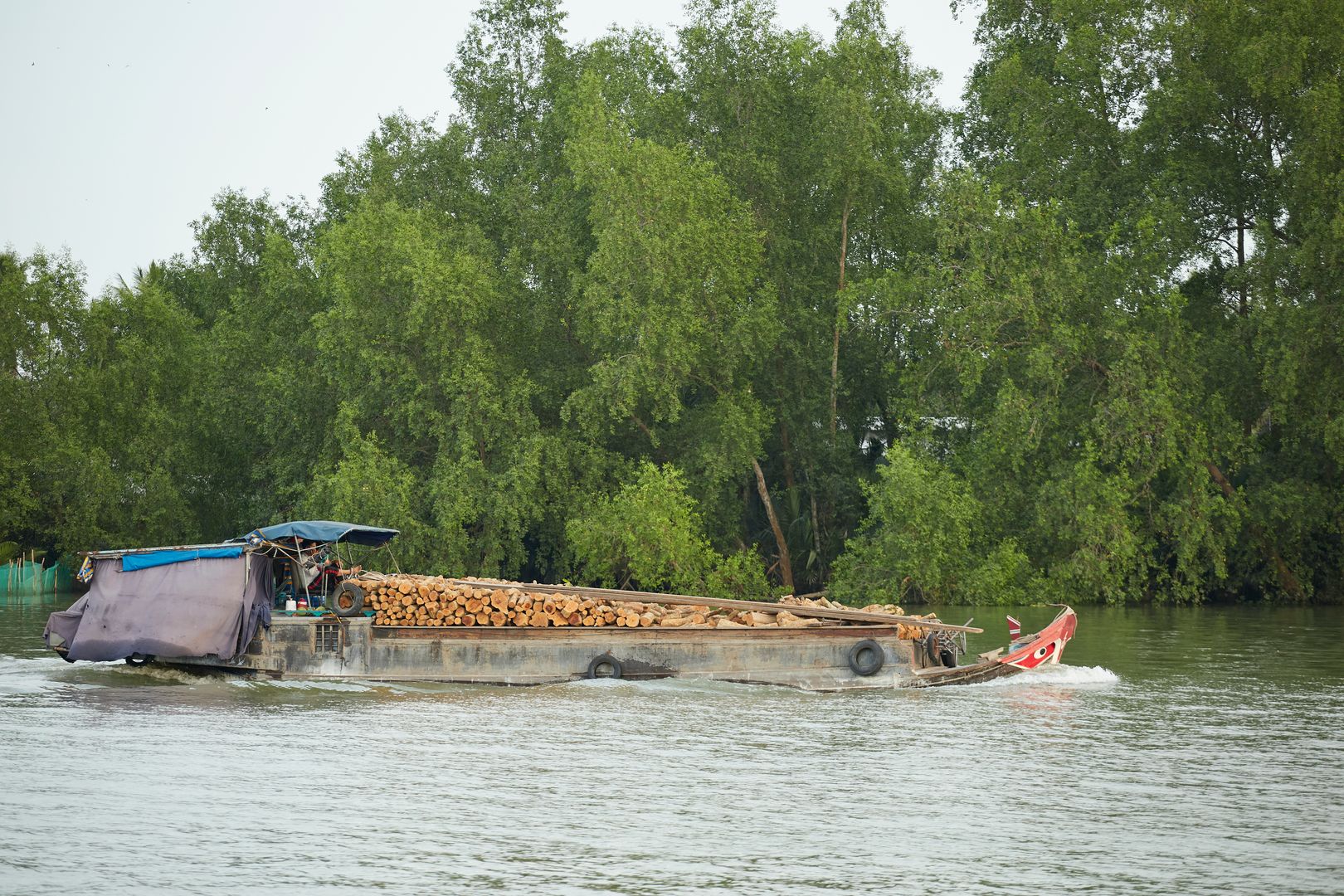
Cai Rang is the largest floating market in the Mekong Delta — a wholesale market on the Can Tho River where boats offload and sell vegetables, fruit, and staples wholesale to smaller boats that retail to surrounding villages and canal communities. The market is most active between 05:00 and 08:00; by 09:30 it has largely dispersed. To visit: arrange a boat from Ninh Kieu Pier in central Can Tho the evening before (200,000–300,000 VND per person for a 2–3 hour tour, negotiable). The standard package includes the floating market and a canal detour through narrow waterways with local houses on stilts above the water.
What is sold at Cai Rang is indicated by the item tied to a long pole above each boat (called a beo hang) — the same item being sold is displayed at the top, so buyers can identify the boat from a distance. This system exists across Mekong Delta markets. Smaller boats with Thermos flasks sell noodle soups (hu tieu) to market workers; eating breakfast on the river at dawn is one of the better travel experiences in southern Vietnam.
Can Tho City

Can Tho is a city of around 1.2 million — modern by delta standards, with a riverfront promenade (Ninh Kieu Pier area), a large covered market (Can Tho Market), and a night food scene on Hai Ba Trung and Nam Ky Khoi Nghia streets. The Can Tho Museum (free entry) covers delta history, ecology, and the role of the river in local life with reasonable English labelling. The city is significantly cooler than Ho Chi Minh City at night (ceiling fans in budget accommodation are often sufficient even in March–April).
Beyond Can Tho: My Tho, Vinh Long, Chau Doc
My Tho (70km from HCMC) is the closest delta stop to the city — Ben Tre Province across the My Tho River has coconut palm orchards and boat tours of the small islands in the river. More of a half-day excursion than an overnight destination. Vinh Long, midway between HCMC and Can Tho, has homestays on An Binh Island — rice and fruit orchards, minimal traffic, cycling through canal paths. Good for one night. Chau Doc near the Cambodian border has a significant Muslim Cham minority community, a floating fish farm village on the Bassac River, and Sam Mountain (a limestone hill with Buddhist and Hindu shrines). Possible to cross into Cambodia at Tinh Bien or Vinh Xuong border crossings en route to Phnom Penh by boat — a scenic if slow alternative to flying.
Food
Delta food is distinct from northern Vietnamese cooking. Hu tieu (noodle soup with pork, shrimp, and quail eggs, clear broth) is the primary breakfast food and differs from Hanoi pho — sweeter, richer, with more toppings. Canh chua ca (sweet-sour fish soup with tamarind, pineapple, and tomatoes) is the region's signature dish. Fresh coconut water is effectively free. Elephant ear fish (ca tai tuong) fried whole and wrapped in rice paper at a riverside restaurant is the delta's most-photographed meal. Budget eating in Can Tho markets runs 40,000–80,000 VND per dish.
Practical Notes
The delta is hot and humid year-round (28–34°C); the dry season (November–April) is preferable for boat tours (less rain, calmer rivers). Flooding in the upper delta can be significant September–November; the lower delta near the sea gets saltwater intrusion in dry season. Grab does not operate in most delta towns outside Can Tho — xe om (motorbike taxis) and metered taxis are the local options. Vietnamese SIM cards work throughout.
FAQ
Is the Mekong Delta worth visiting?
Yes, particularly for anyone spending more than 5 days in southern Vietnam. The landscape, food, and pace of life are genuinely different from the cities, and Can Tho is comfortable and inexpensive. A two-night stay covers the floating market, a canal tour, and local food without feeling rushed.
Can you do the Mekong Delta as a day trip from Ho Chi Minh City?
Technically yes — tours run daily from HCMC for 500,000–900,000 VND. They typically cover My Tho or Ben Tre with a coconut candy workshop and boat tour. They do not include Cai Rang floating market or Can Tho. For the real delta experience, an overnight stay is necessary.