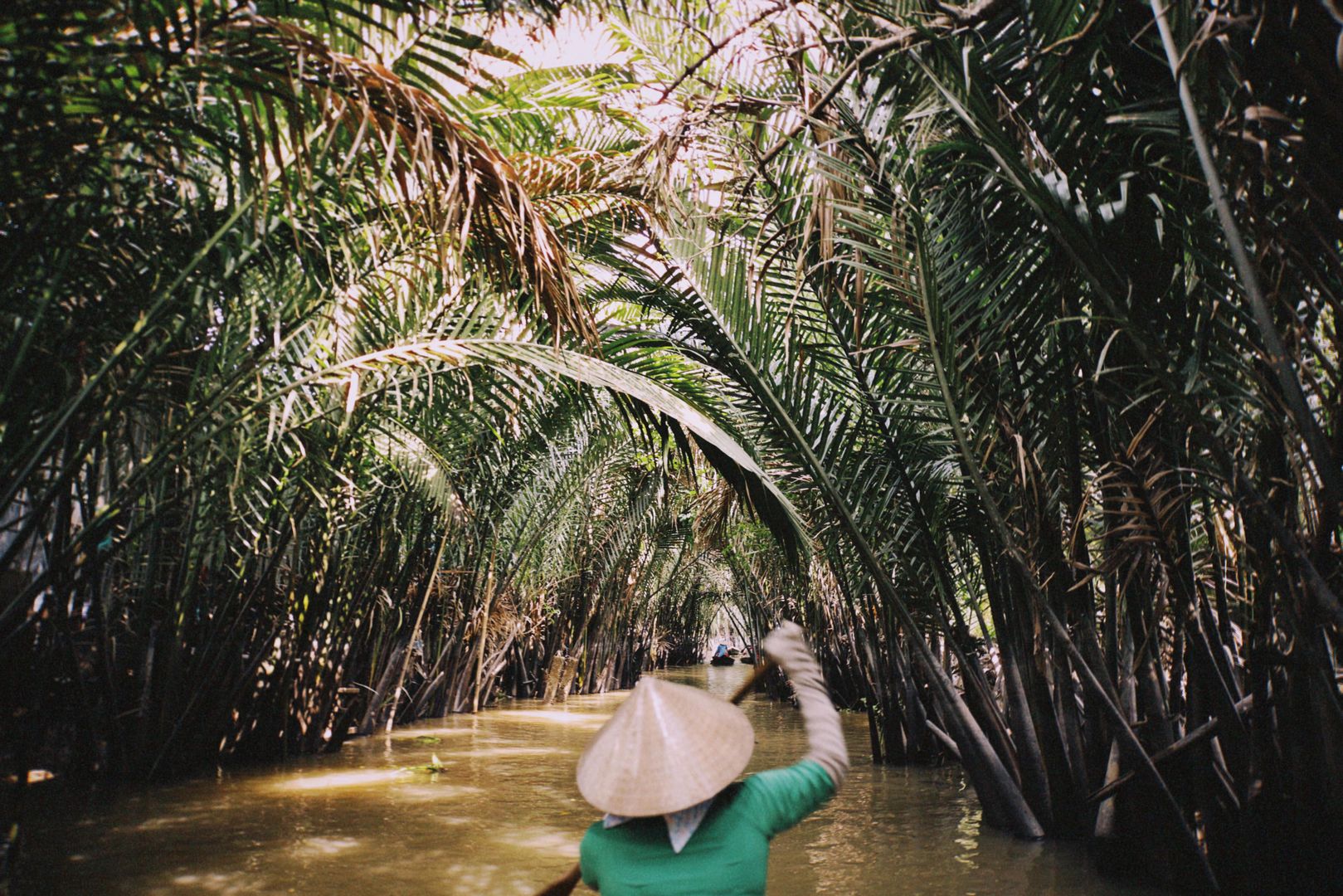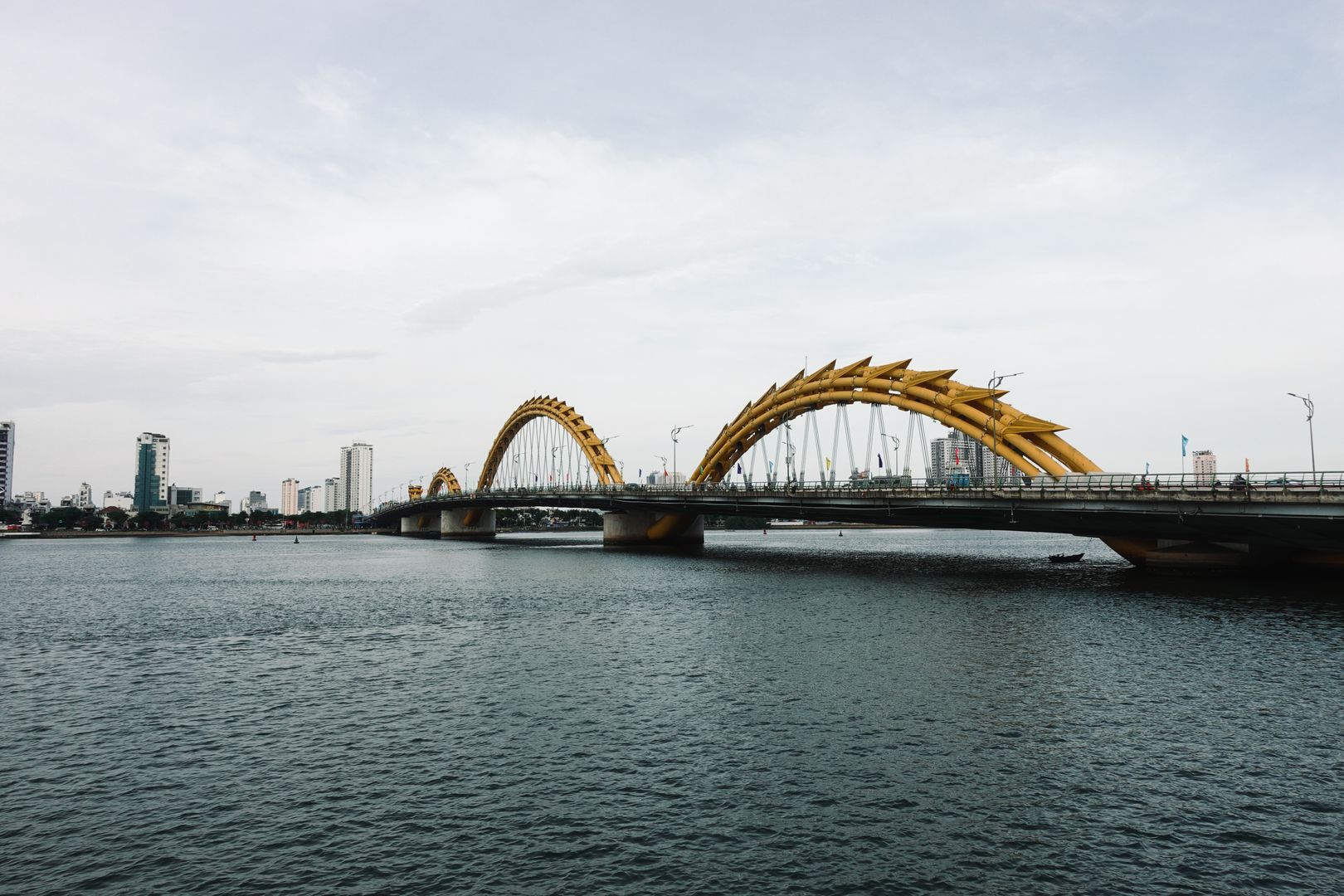

Hanoi has been Vietnam's political capital for much of the past millennium, with interruptions during French colonial administration (when Saigon was the administrative centre) and wartime. The city has a population of roughly 8 million in the metropolitan area and is growing fast — construction cranes are visible from most elevated viewpoints. The Old Quarter (Hoan Kiem District) is the tourist focus and genuinely worthwhile; the rest of the city is a working Vietnamese capital with tree-lined French colonial boulevards in the Tay Ho and Ba Dinh districts and a sprawl of newer apartment developments to the west.
The Old Quarter
The 36 streets of the Old Quarter were originally organised by craft and trade guilds during the Ly and Tran dynasties (11th–14th centuries): Hang Bac (silver street), Hang Gai (silk street), Hang Duong (sugar), Hang Dao (dye). The street names still exist and some still reflect the original trade — Hang Gai genuinely has silk and embroidery shops; Hang Bac still has silversmiths. The historic tube houses (nha ong) — narrow, deep buildings that minimised taxable street frontage — are still the dominant building type in the core streets.
The most photographed part is the section around Ta Hien Street and the beer corner (Bia Hoi Junction), where small plastic stools and draft beer sold for 5,000–10,000 VND per glass form one of the cheapest social scenes in Asia. The actual drinking is fine; the experience of sitting at street level in a functional neighbourhood with this much visual texture makes it worth an evening even if you do not drink.
Hoan Kiem Lake
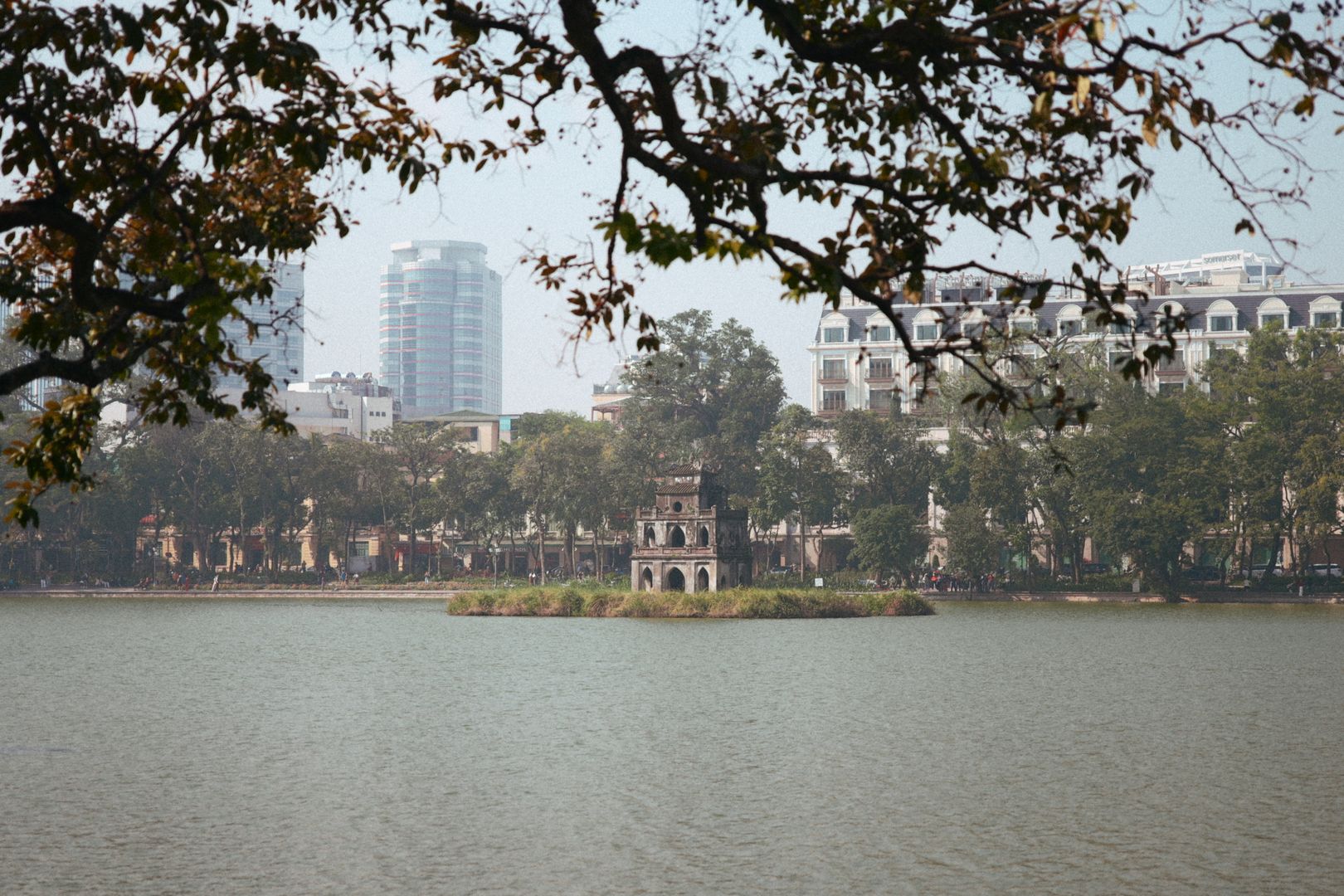
Hoan Kiem (Lake of the Restored Sword) is the lake at the south end of the Old Quarter. The Turtle Tower on a small island in the middle, and Ngoc Son temple on a slightly larger island at the north end (connected by the red Huc Bridge, 30,000 VND entry), are the core sites. The lake itself is the more important asset: it is the walking and running circuit for the city, ringed with trees, and closed to traffic on weekend evenings when the surrounding streets become a pedestrian zone. Walking the 1.8km perimeter is the best introduction to Hanoi's pace — fast, loud, not hostile, and genuinely alive.
The Turtle Tower gets its name from the lake's population of giant softshell turtles (Rafetus swinhoei), a critically endangered species. The last confirmed individual in the lake died in 2016; the tower and the legend remain.
Ho Chi Minh Mausoleum and Ba Dinh Square
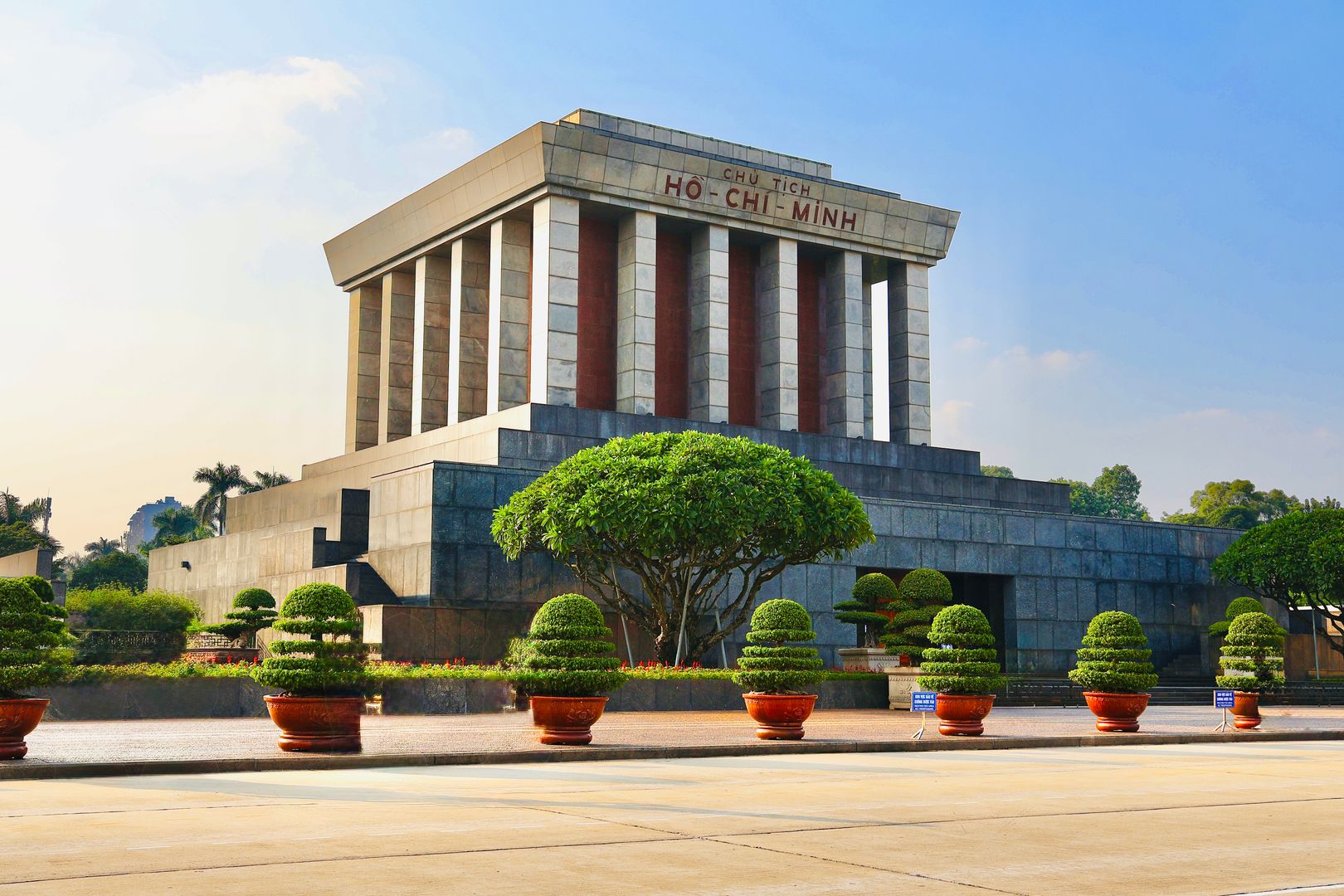
Ho Chi Minh's embalmed body lies in a granite mausoleum on Ba Dinh Square, open for viewing Tuesday–Thursday and Saturday–Sunday mornings (approximately 07:30–10:30, free, strict dress code — no shorts or sleeveless tops). The line moves quickly. Photography inside is not permitted. The adjacent Ho Chi Minh Museum (40,000 VND) is a Soviet-era building with a complicated curatorial approach that makes more sense if you read the explanatory text carefully. The Presidential Palace grounds (behind the mausoleum complex) include the simple stilt house where Ho Chi Minh chose to live rather than the ornate French colonial governor's palace — this choice was deliberate and widely noted at the time. Entry to stilt house grounds 40,000 VND.
Temple of Literature
Van Mieu (Temple of Literature, entry 30,000 VND) was founded in 1070 as a Confucian temple and became Vietnam's first university in 1076. The complex has five successive courtyards leading to the main sanctuary; 82 stone stelae in the third courtyard record the names of doctoral graduates from 1442–1779. The stelae rest on the backs of stone tortoises. The complex is quiet in the early morning, busy by late morning with school groups. Allow 45–60 minutes.
Food
Hanoi's food is distinct from southern Vietnamese cooking — less sweet, more bitter herbs, heavier use of dipping sauces. The city has regional claim on several dishes: pho (the noodle soup, originally a northern dish, lighter and more austere than Ho Chi Minh City versions), bun cha (grilled pork patties and belly in a sweet-sour broth, eaten with rice vermicelli and herbs — eat at 11:00–13:00 only, most bun cha places close by mid-afternoon), banh cuon (steamed rice rolls with pork and mushroom filling, eaten with fried shallots and dipping sauce), and cha ca (turmeric-marinated catfish fried tableside with dill and spring onion, originating on Cha Ca Street in the Old Quarter).
Street pho at a small Old Quarter stall is 40,000–60,000 VND; bun cha at a basic restaurant is 60,000–80,000 VND. Egg coffee (ca phe trung — slow-whipped egg yolk with condensed milk on a small cup of espresso) at Cafe Giang on Nguyen Huu Huan Street is 35,000 VND and is the version that originated the drink.
Day Trips from Hanoi

Hanoi is the departure point for Ha Long Bay (3.5–4 hours to the port), Ninh Binh (2 hours south, covered in a separate guide), and Sapa (overnight train, covered separately). For Ha Long Bay, a two-day/one-night boat cruise is the practical format; day trips are long and rushed. Budget operators running from Hanoi start at around 2.5 million VND for a two-day cruise; mid-range options are 3.5–5 million VND for substantially better boats and smaller groups.
Practical Notes
The Old Quarter is walkable but the traffic is heavy — crossing the road requires committing to a steady pace and letting motorbikes flow around you. Budget accommodation in the Old Quarter runs 200,000–450,000 VND per night for a private room; mid-range hotels 600,000–1,200,000 VND. Best months: October–April (cooler and drier). May–September is hot and humid with frequent afternoon rain; November–January can be cool enough for a light jacket. Grab is the standard ride-hailing app and works reliably from the airport (about 200,000–300,000 VND to the Old Quarter, 35–45 minutes depending on traffic).
FAQ
How many days do you need in Hanoi?
Two full days covers the Old Quarter, Hoan Kiem, Ba Dinh, and Temple of Literature. Add a third for museum days (Vietnam Museum of Ethnology in Cau Giay District is particularly good) or a half-day excursion to the Perfume Pagoda or Thay Pagoda.
Is Hanoi or Ho Chi Minh City better?
They are genuinely different cities. Hanoi is older, more politically significant, slightly cooler in temperature and pace. Ho Chi Minh City is larger, more commercially intense, and has better international food options. Most visitors to Vietnam see both.