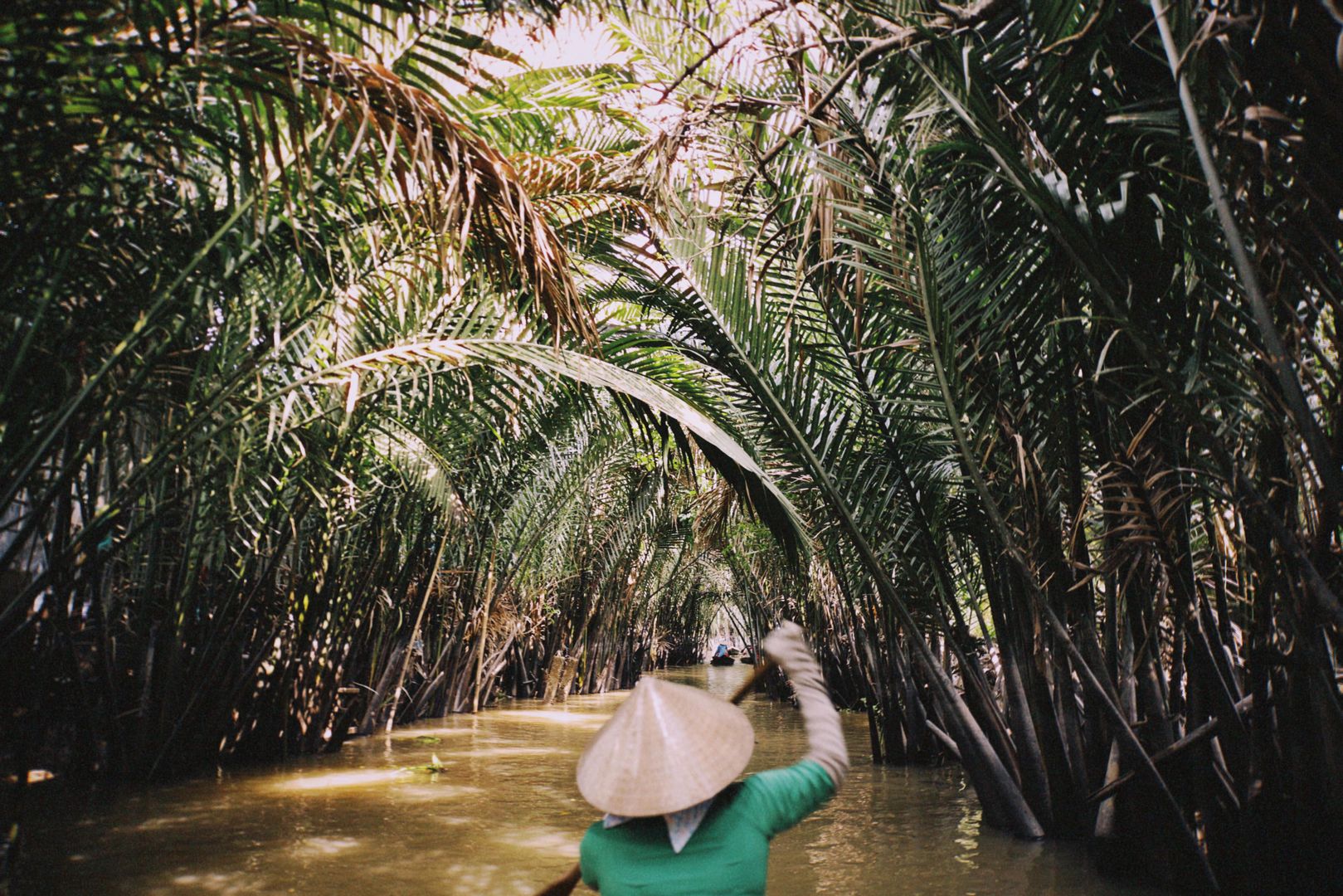
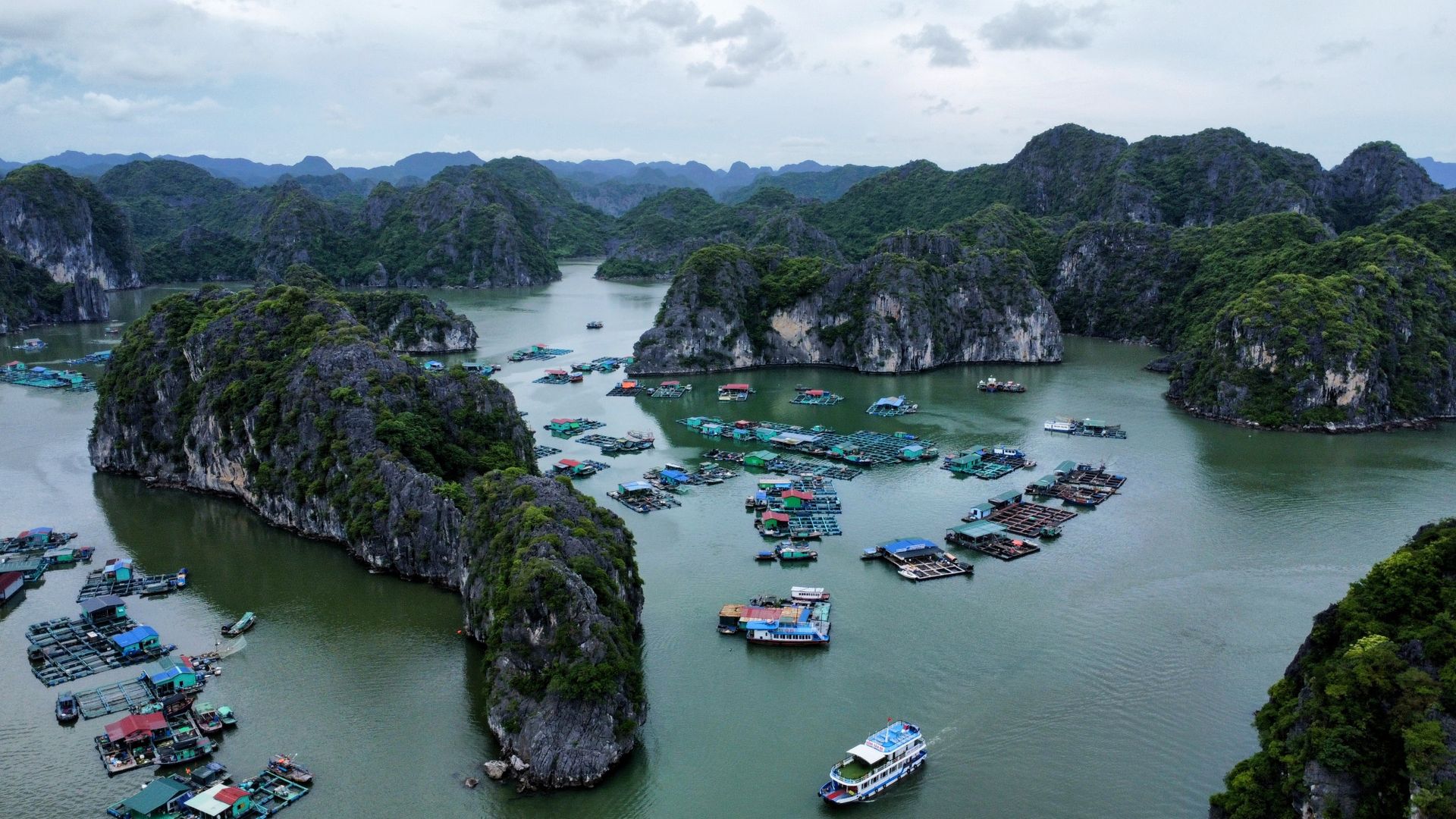
Da Lat (also written Đà Lạt) was developed by French colonial administrator Paul Doumer and physician Alexandre Yersin (who identified the cause of bubonic plague and also found Da Lat's plateau on a survey mission in 1893) as a cool-climate retreat for French officials working in Indochina's tropical lowlands. The result is a city with more French colonial villas per square kilometre than anywhere else in Vietnam, a functioning colonial-era train station, a temperate climate in a tropical country, and an agricultural economy built on flowers, strawberries, artichokes, and coffee — all crops that require cooler temperatures than the Vietnamese coast provides.
Getting There
Da Lat Airport (Lien Khuong, LDG) is 30km from the city centre, with direct domestic flights from Hanoi (1 hour 45 minutes, 800,000–1,500,000 VND), Ho Chi Minh City (55 minutes, 400,000–900,000 VND), and Da Nang (1 hour 10 minutes). VietJet and Bamboo Airways are the main operators. The airport bus covers the 45-minute journey to central Da Lat for 50,000 VND; taxis run 250,000–350,000 VND.
Sleeper buses from Ho Chi Minh City (7–8 hours, 200,000–280,000 VND) arrive in central Da Lat overnight — a practical budget option. From Nha Trang, a day bus climbs through the Ngoan Muc Pass (stunning mountain road, 4–5 hours, 150,000–200,000 VND). From Hoi An or Da Nang, a day bus via the coast and inland takes 8–10 hours.
The City Centre
Da Lat's centre is compact and built around Xuan Huong Lake — a reservoir created by the French in 1919, with a perimeter road and rental pedalos. The Da Lat Market (Cho Da Lat) on Nguyen Thi Minh Khai Street is the best introduction to the city's produce: strawberries, dried fruits, artichoke tea, avocados, and flowers sold by the armful at prices that seem wrong until you remember this is the growing area. The market's upper floor has a food court where bun bo Hue (spicy beef noodle soup) and banh mi toppings cost 30,000–60,000 VND.
The Dalat Railway Station (Ga Da Lat, built 1938, the highest station in Vietnam) no longer connects to the national rail network — the mountain section was destroyed during the war and never rebuilt. A tourist train now runs a 7km section to Trai Mat village, where the Linh Phuoc Pagoda (decorated with broken ceramic mosaic) is the draw. The station itself, with its candy-coloured Art Deco facade, is a functioning building worth seeing.
Waterfalls
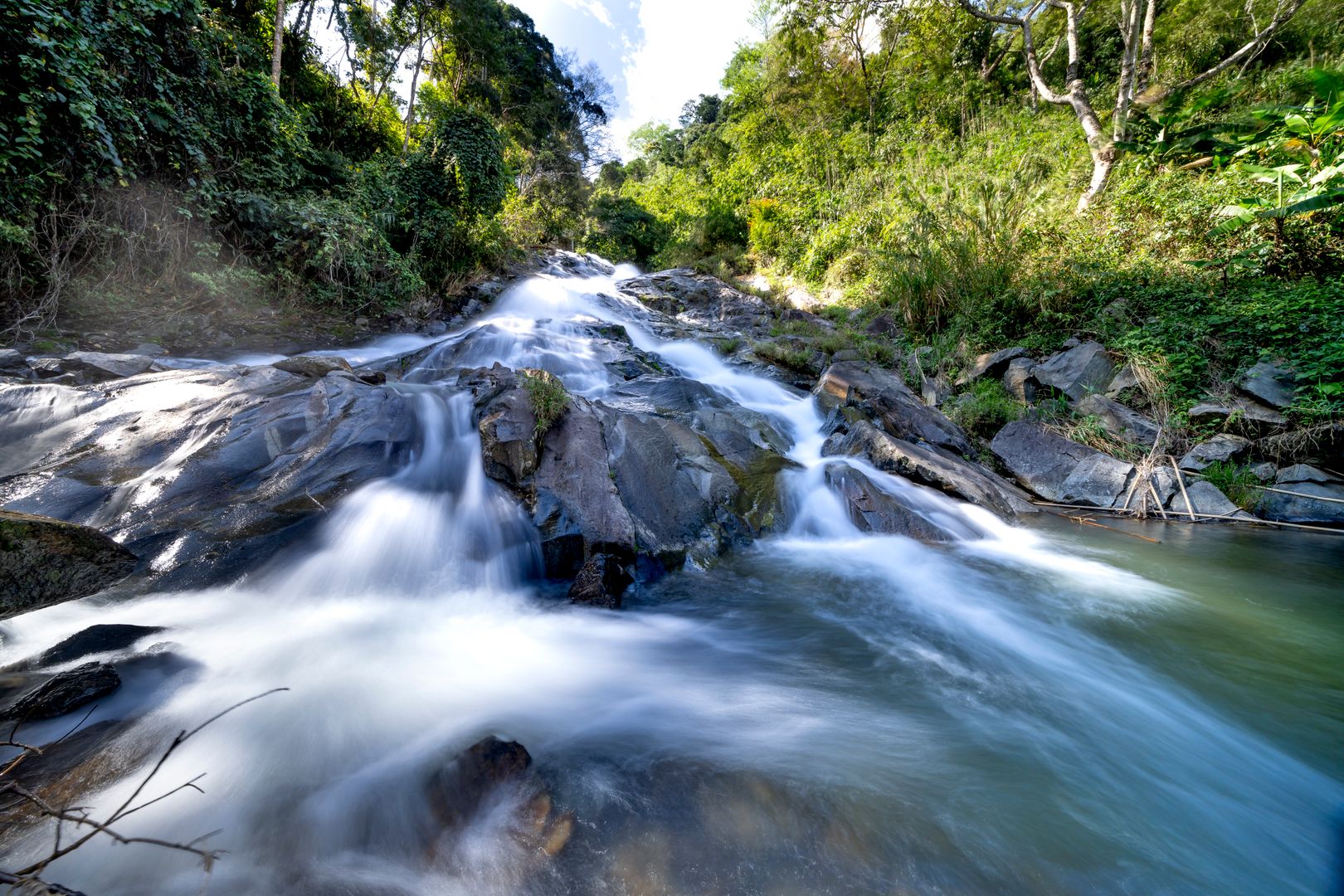
Da Lat has several waterfalls within 20–35km of the centre, accessible by scooter. Pongour Falls (50km, 20,000 VND) is the largest — a wide tiered fall particularly impressive after rain (dry season significantly reduces flow). Elephant Falls (Thac Voi, 30km, 20,000 VND) is narrower but more dramatic, accessible via a steep descent through a series of ladders and platforms to the base. Datanla Falls (5km, 30,000 VND) is the most tourist-oriented — a cable car and toboggan run descend alongside the waterfall, which is pleasant but not worth the commercial infrastructure surrounding it.
Coffee and the Langbiang Plateau
Da Lat and the surrounding province are a significant coffee-growing region — robusta and arabica are both grown here, with the arabica coffee at higher altitudes having a lighter, less bitter profile than lower-altitude Vietnamese robusta. Several small-batch roasters in the city centre serve single-origin Da Lat coffee; Me Linh Coffee Garden and Cau Dat Farm (30km from Da Lat, requires transport) are the best-known farm-visit options. Coffee at a local café is 20,000–40,000 VND; cà phê trứng (egg coffee) also exists here as in Hanoi.
Langbiang Mountain (2,167m, 40km from Da Lat) is the highest peak accessible from the city — a jeep tour from the base or a 2-hour hike leads to the summit, with views across the plateau on clear days. The jeep option (200,000–300,000 VND per person) is the practical choice given that the road above the treeline is in poor condition.
Crazy House (Hang Nga Guesthouse)
Crazy House (officially the Hang Nga Guesthouse, entry 60,000 VND) was designed by Vietnamese architect Dang Viet Nga over 40 years as a continuous construction project — a building that looks like a living tree with cave passages, spider web bridges, rooftop terraces, and rooms shaped like animals. It functions as both an art installation and a working guesthouse (8 rooms, 2,000,000–3,000,000 VND per night). The architecture has no equivalent in Vietnam. Go in the morning before it fills with tour groups.
Practical Notes
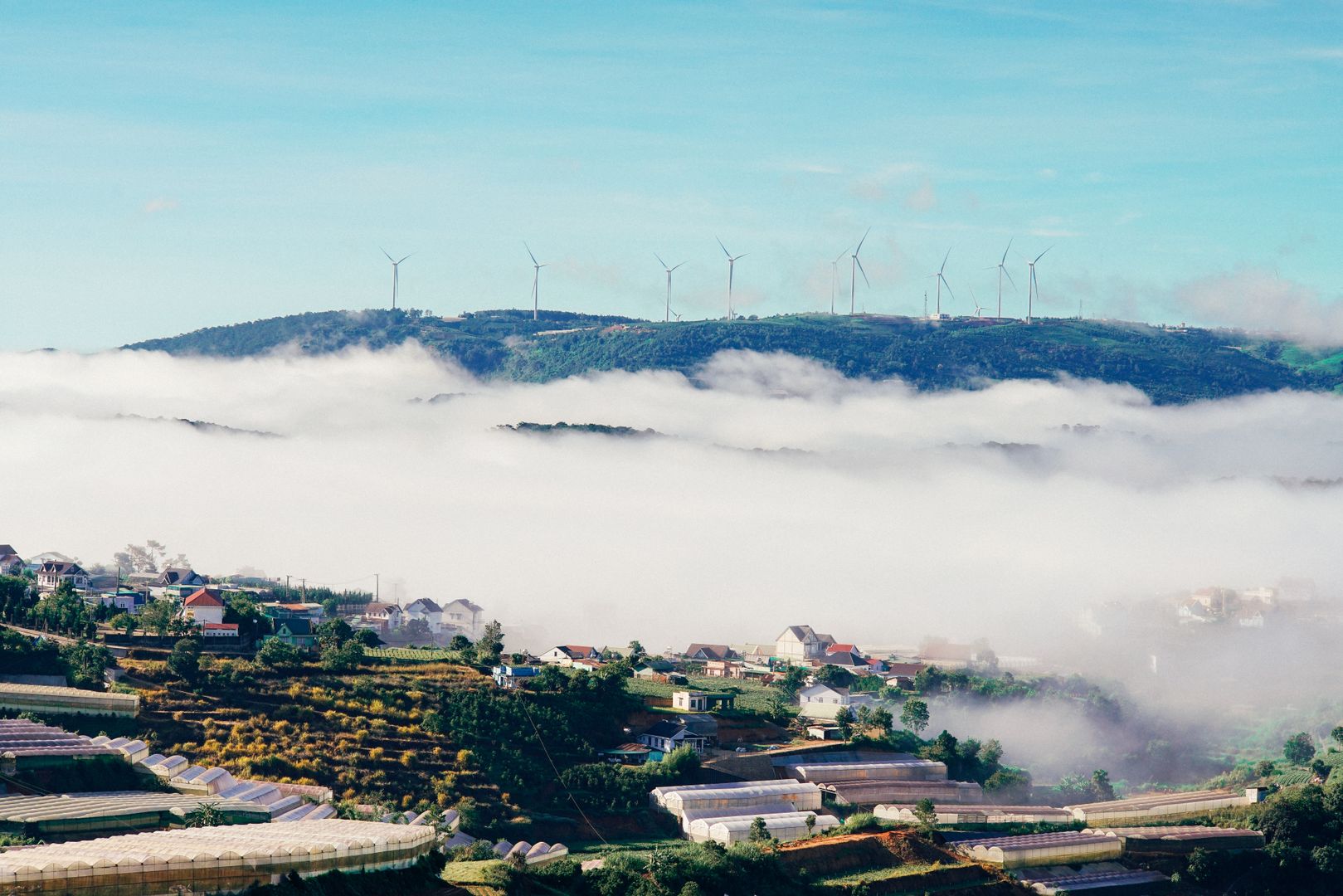
Da Lat's weather is the main attraction for Vietnamese visitors: average 18–22°C year-round, dropping to 10–15°C at night in December–February (cold enough to require a jacket). Best months for international visitors: November–April (dry season, clear skies, good waterfall viewing). May–October is rainy season but the city functions normally — afternoons are wet, mornings are often clear. The city is walkable for the centre but a scooter (100,000–150,000 VND per day) is necessary for waterfalls and Langbiang. Budget accommodation in the centre runs 300,000–500,000 VND per night; French colonial villa guesthouses 700,000–1,500,000 VND.
FAQ
Is Da Lat worth the detour from the coast?
Yes — the climate difference alone justifies it if the trip is longer than 10 days. The food, architecture, and produce are genuinely different from the coastal cities. Da Lat pairs well with Nha Trang (bus over the Ngoan Muc Pass) or as an inland break between Ho Chi Minh City and Da Nang.
How many days in Da Lat?
Two days: one for the city centre (market, station, lake, Crazy House), one for waterfalls and coffee farms by scooter. Three days if Langbiang or Cau Dat Farm are priorities.