Vietnam's north and south operate on opposite weather patterns, making timing your itinerary more complex than most Southeast Asian destinations. Our guides break it down region by region.
14 articles

28 May 2026
Phong Nha Travel Guide: Caves, National Park, and the Son Doong Expedition
Phong Nha-Kẻ Bàng National Park contains the world's largest known cave system by volume. Hang Son Doong — the largest single cave passage on earth — is 5km long, 200 metres high in its main chamber, and contains its own
Henrik Vinter
24 May 2026
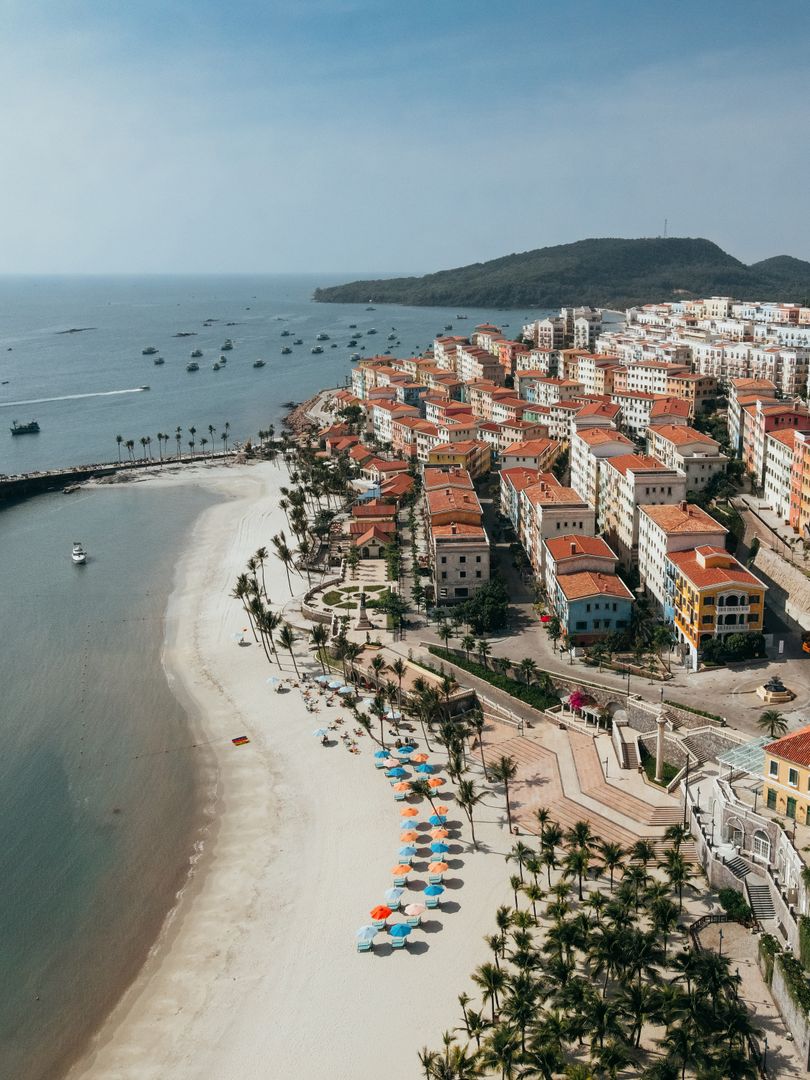
Phu Quoc Travel Guide: Vietnam's Island That Got Discovered Twice
Phu Quoc is Vietnam's largest island — 589 km² off the southwest coast, closer to Cambodia than to Ho Chi Minh City. An international airport opened in 2012; a casino resort opened in 2020; an elevated cable car crosses 8km of sea to a theme park island. Long Beach is still a long beach. The north still has a national park.
Henrik Vinter
21 May 2026
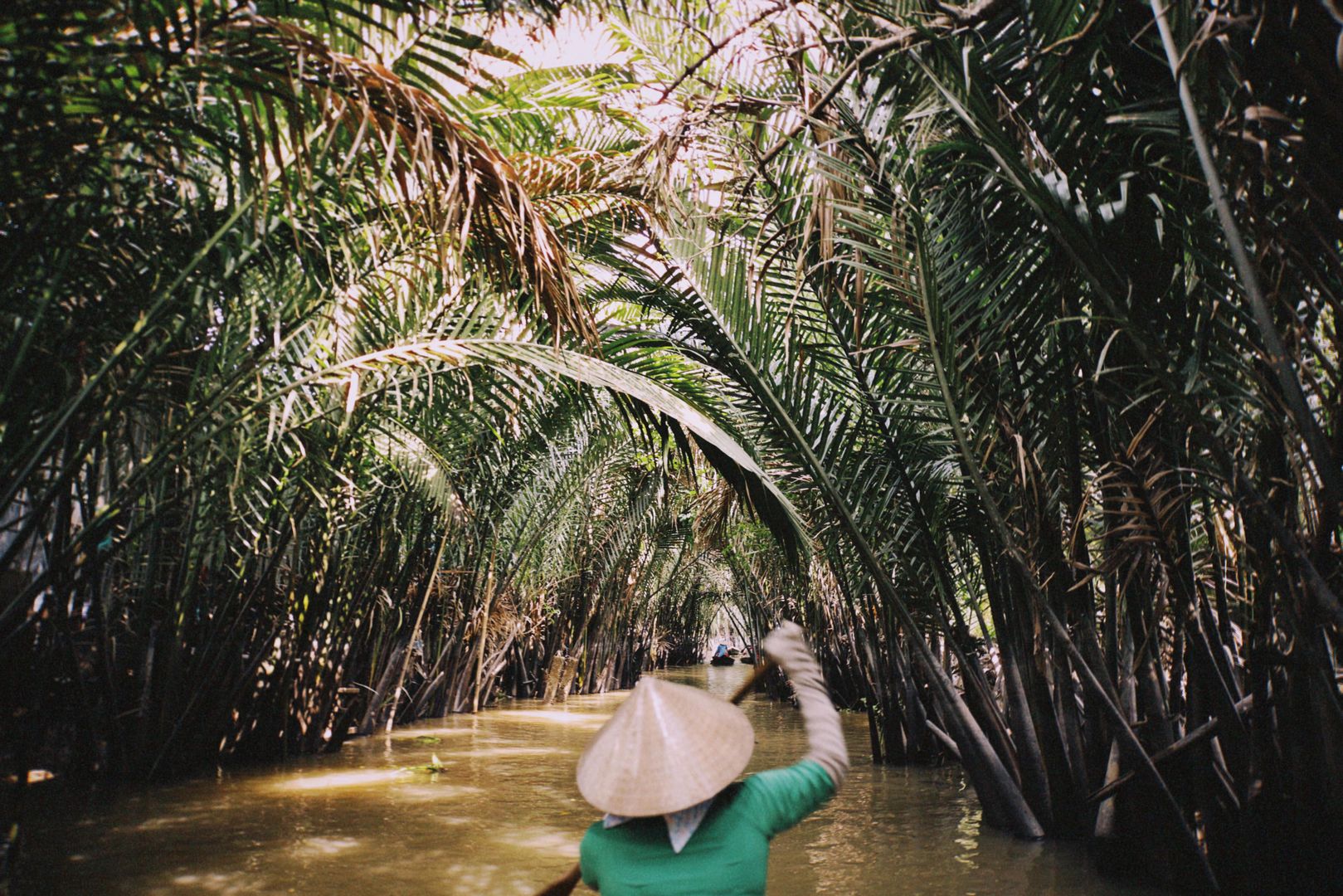
Mekong Delta Guide: Floating Markets, River Villages, and Two Days Well Spent
The Mekong splits into nine distributaries before reaching the sea in southern Vietnam — this is the delta, a flat, green, boat-dependent region that produces more than half of Vietnam's rice and a third of its fish. Can Tho is the delta's largest city and the most practical base. The floating markets run in the early morning.
Henrik Vinter

19 May 2026
Da Lat Travel Guide: Vietnam's Highland City for Coffee, Waterfalls, and Cooler Weather
Da Lat sits at 1,500m in the Langbiang Plateau in the Central Highlands — cool enough for a sweater in January, warm enough for a t-shirt in April. The French built a hill station here in 1907; the Vietnamese kept the villas, added strawberry farms and coffee plantations, and made it the country's most popular domestic honeymoon destination.
Henrik Vinter
17 May 2026
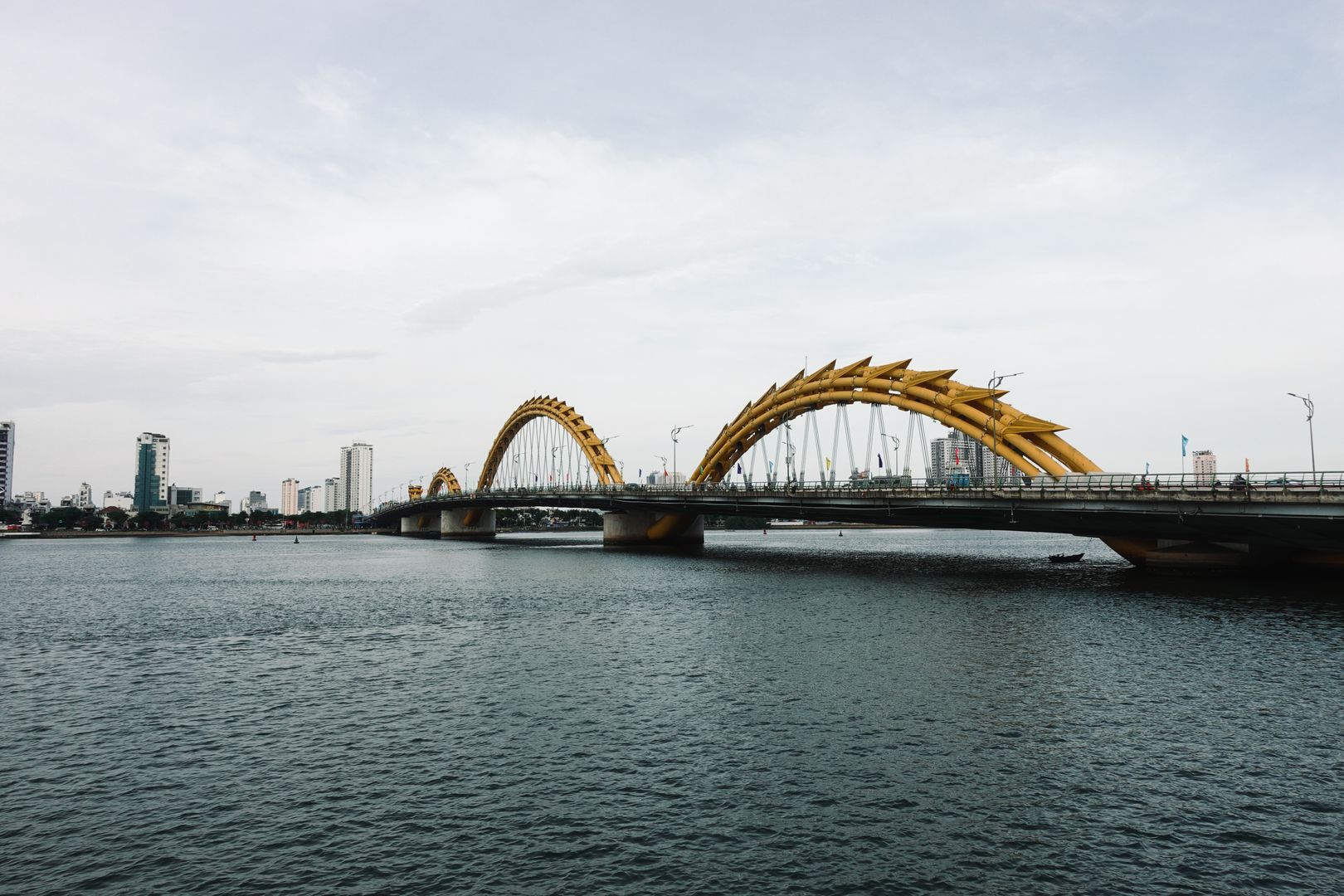
Da Nang Travel Guide: Beach City, Dragon Bridge, and the Base for Central Vietnam
Da Nang is Vietnam's third-largest city and the most useful base for central Vietnam — 30 minutes from Hoi An, 2 hours from Hue, with its own beach (My Khe, 30km of flat sand), an international airport, and a city that has rebuilt itself almost entirely in the past 20 years.
Henrik Vinter
15 May 2026
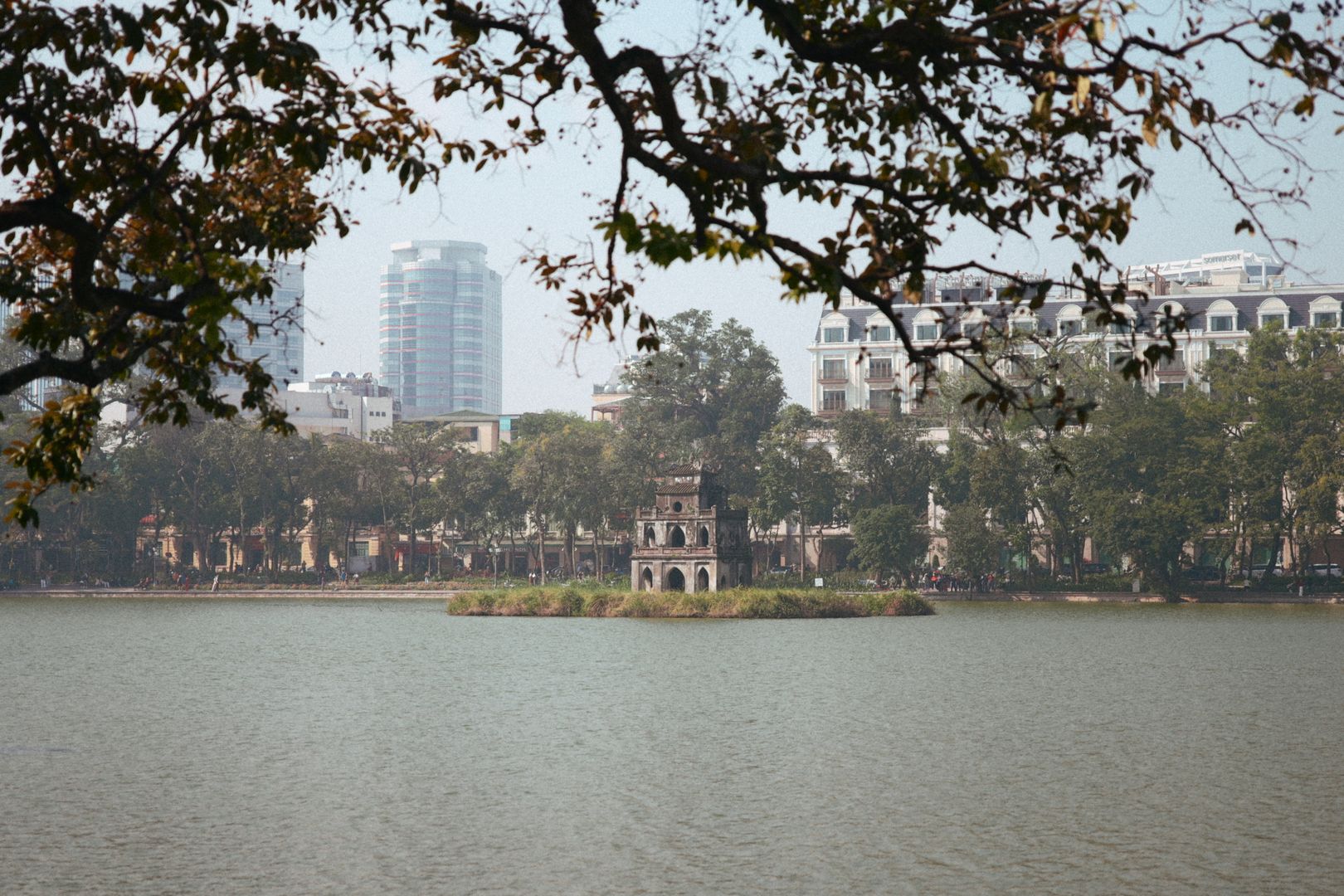
Hanoi Travel Guide: Old Quarter, Hoan Kiem Lake, and a Capital That Moves Fast
Hanoi is Vietnam's capital and has been a city for over 1,000 years. The Old Quarter — 36 streets originally organised by trade guild — is still the commercial centre, still chaotic, and increasingly expensive. Hoan Kiem Lake sits at its edge like a pause button. The food is worth the trip by itself.
Henrik Vinter

15 May 2026
Ninh Binh Guide: Tam Coc, Trang An, and the Karsts Without the Boat Traffic
Ninh Binh sits 90km south of Hanoi at the edge of a karst landscape — limestone mountains rising from rice paddies, river caves accessible by rowing boat, and one of Vietnam's most complete ancient imperial citadels. It is often called the inland Ha Long Bay, which understates how different it is from Ha Long Bay.
Henrik Vinter
7 May 2026
Huế Travel Guide: Imperial Citadel, Royal Tombs, and the Food Capital of Central Vietnam
Huế was Vietnam's imperial capital for 143 years under the Nguyen dynasty. The citadel, the royal tombs, and the Perfume River are the architectural evidence. The food — bún bò Huế, bánh khoái, cơm hến — is the other reason the city has a reputation that outlasts most of the travellers who pass through it.
Henrik Vinter
5 May 2026
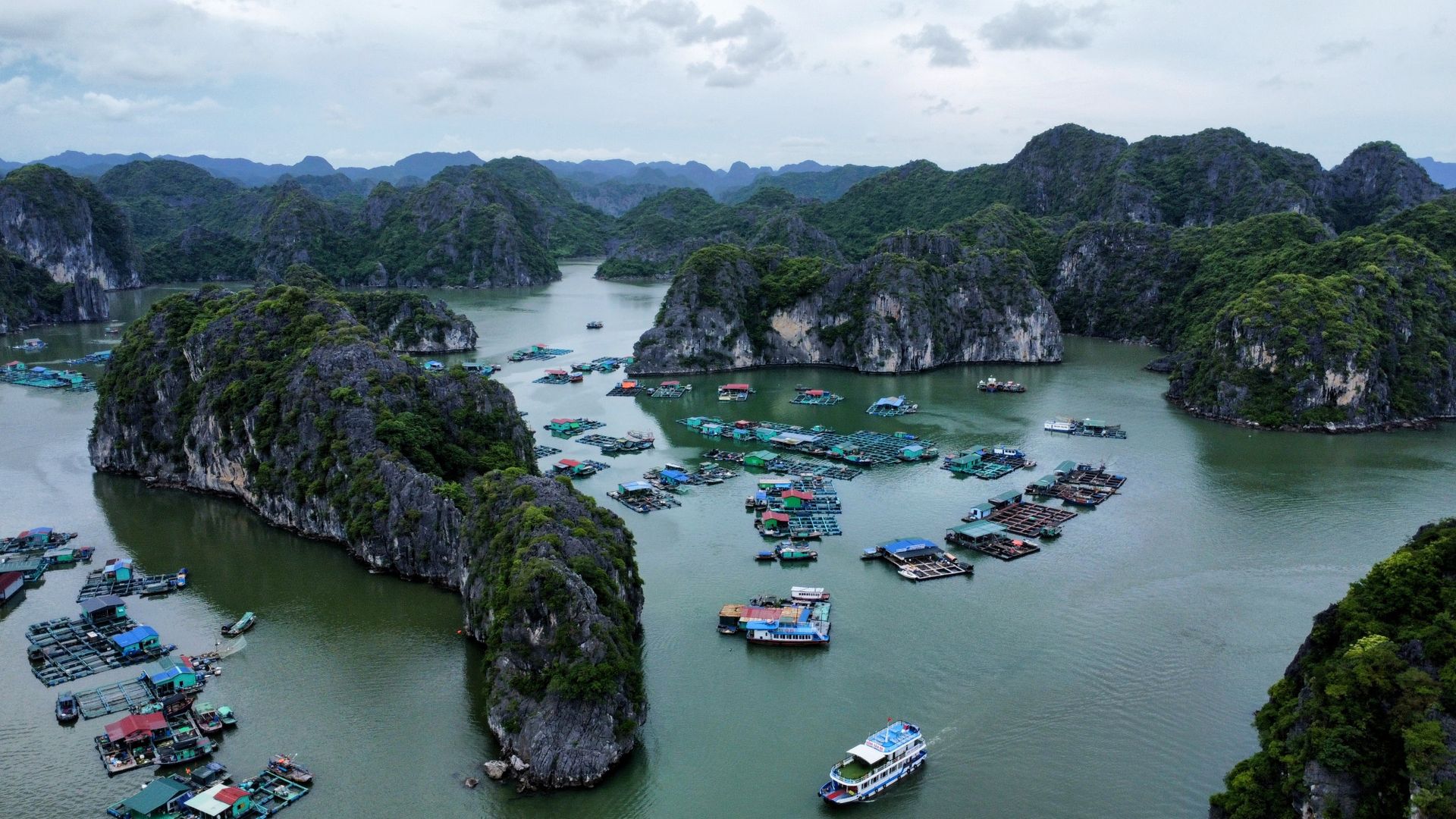
Ha Long Bay Travel Guide: Overnight Cruises, Cat Ba Island, and Which Bay to Choose
Ha Long Bay's 1,969 limestone islands are among the most striking seascapes in Asia. The overnight cruise is the standard way to see them — the quality range is enormous. Lan Ha Bay and Bai Tu Long Bay offer the same geology with fewer boats. Cat Ba Island gives access to all three without committing to a single cruise operator.
Henrik Vinter

3 May 2026
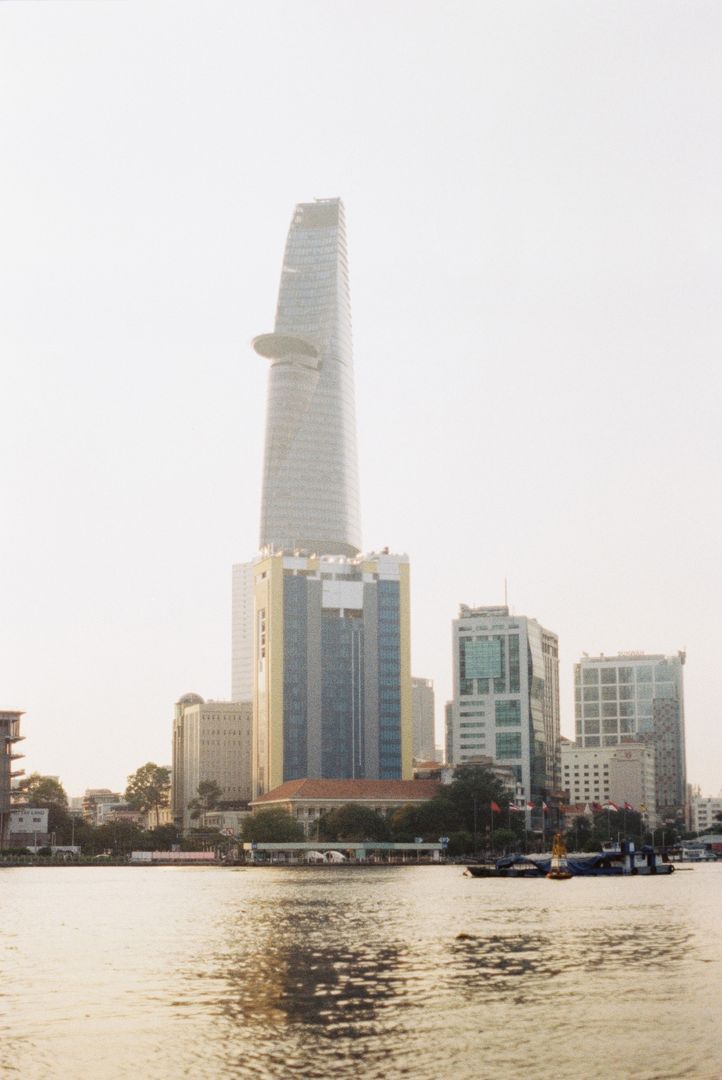
Ho Chi Minh City Travel Guide: Districts, the War History, and Street Food in Saigon
Ho Chi Minh City — still called Saigon by most residents — is Vietnam's commercial capital and its most kinetic city. The War Remnants Museum is the most important single visit. The food, from $1 bánh mì to three-hour hotpot dinners, is the reason to stay longer than you planned.
Henrik Vinter
23 April 2026
Sapa, Vietnam: Trekking the Rice Terraces and Getting There Without the Tour
Sapa sits at 1,500 metres near the Chinese border. The rice terraces peak in September and October during harvest. Most visitors come on weekend tours from Hanoi—going independently is cheaper and significantly more flexible.
Henrik Vinter
13 April 2026
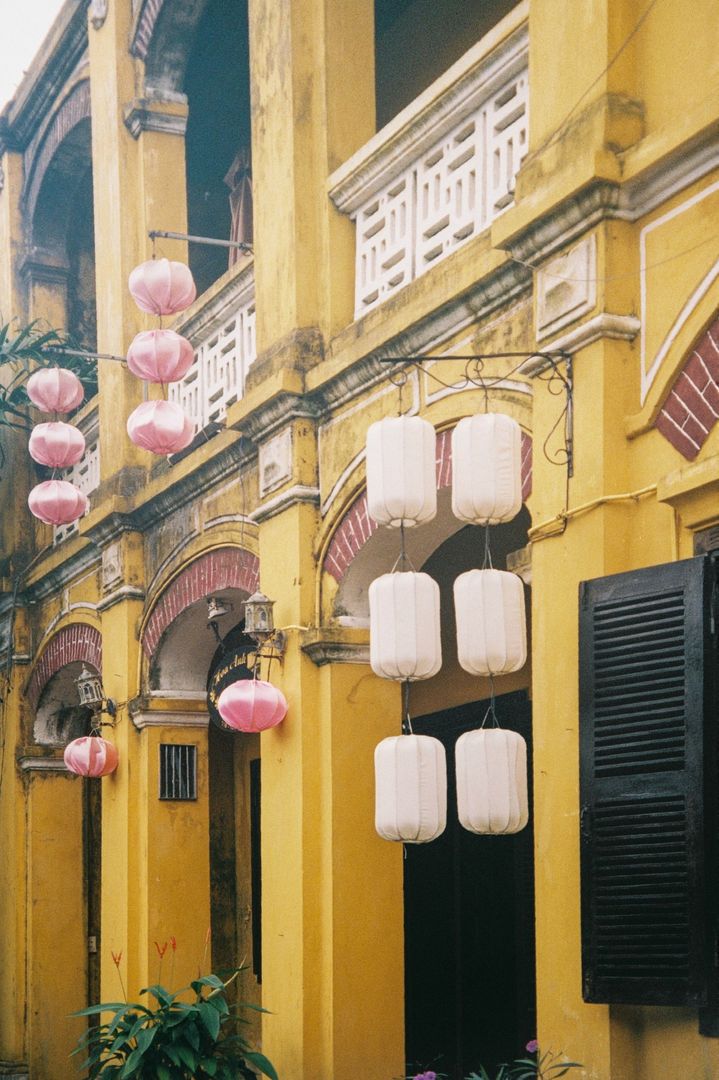
Hoi An Travel Guide: Ancient Town, Tailors, and Getting the Timing Right
Hoi An's Ancient Town is genuinely old and genuinely atmospheric—but it's also one of Vietnam's most visited destinations, with pricing to match. Here's how to make it work.
Henrik Vinter

26 January 2026
Two Weeks in Vietnam: A Practical North to South Route
A two-week Vietnam itinerary covering Hanoi to Ho Chi Minh City requires picking five or six stops maximum. The north-to-south routing follows the geography: limestone karst formations and colonial history at the top, imperial cities in the centre, beaches and urban intensity at the bottom. You'll spend 2–3 nights per location and move every second or third day. South-to-north works identically well, but north-to-south feels more natural — you move with the country's gradual shift from cool northern mountains to tropical heat.
Henrik Vinter

10 January 2026
Hanoi or Ho Chi Minh City: Where to Start Your Vietnam Trip?
Vietnam's monsoon system splits at the 16th parallel: the north has winter (November–April, cool and dry) while the south bakes year-round and gets drenched June–October. This means the better starting city often isn't about which you prefer—it's about when you're travelling. A traveller arriving in July from Europe is making a mistake by starting in the north; someone landing in December with two weeks should prioritize Hanoi first. Most guides treat Hanoi and Ho Chi Minh City as interchangeable entry points. They are not.
Henrik Vinter