
Veliko Tarnovo was the capital of the Second Bulgarian Empire from 1185 to 1393, when it fell to Ottoman forces after a three-month siege by Sultan Bayezid I. The city sits on three steep hills in a gorge of the Yantra river, and the medieval fortress of Tsarevets — rebuilt in the 20th century on the most dramatic of the three hills — is among the most impressive castle sites in the Balkans. Most visitors to Bulgaria stay in Sofia (190km west) and possibly Plovdiv; Veliko Tarnovo requires a specific decision to go there. It is consistently undervisited relative to what it delivers.
Tsarevets Fortress
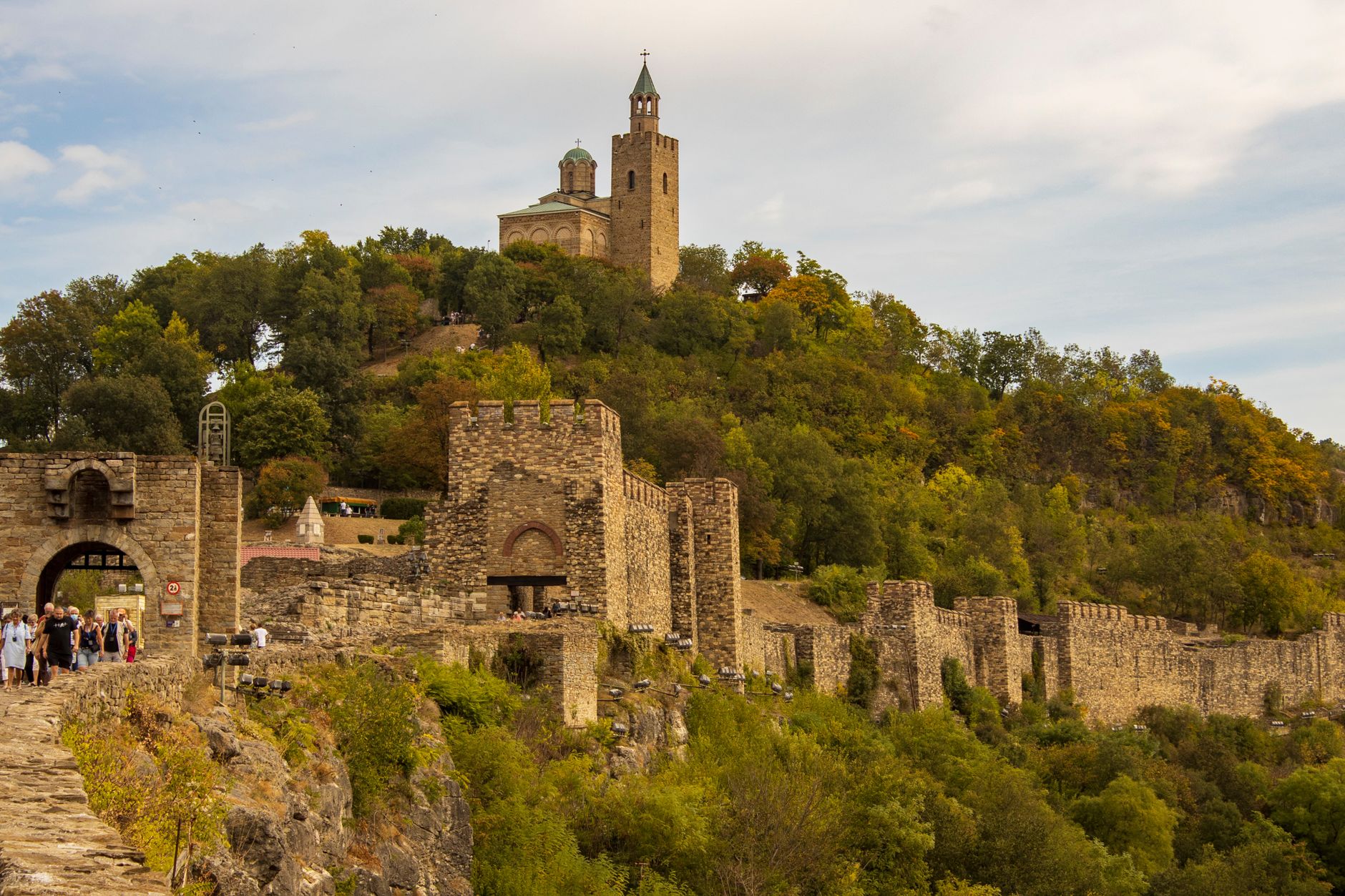
The hilltop of Tsarevets was the primary citadel of the Bulgarian tsars during the Second Bulgarian Empire, enclosed by walls following the natural cliff contours. The current structure is largely a reconstruction completed between 1930 and 1981 using medieval foundations and documented plans — the Patriarchal Cathedral, the Baldwin Tower, and the residential buildings were rebuilt from the original stones.
Patriarchal Cathedral of the Holy Ascension: the restored church at the summit of the hill, reached by a path through the inner gate and up the final ridge. The interior frescoes (1981) by Bulgarian artist Teofan Sokerov are deliberately stylised — angular, bold, in a palette that draws on both Byzantine tradition and Soviet-era aesthetics. Opinion divides: some find them anachronistically modern, others find them more honest than a pastiche medieval restoration. The view from the cathedral terrace over the Yantra gorge, the two other Tarnovo hills (Trapezitsa and Momina Krepost), and the city below is the best single view in Tarnovo.
Baldwin Tower: named for the Latin Emperor Baldwin I of Constantinople, allegedly imprisoned here after his capture at the Battle of Adrianople in 1205. The historical record on this is uncertain; the tower was rebuilt and named for the story. Accessible via the main path from the gate.
Execution Rock: the cliff at the northeast corner of the citadel, from which traitors and condemned prisoners were executed by throwing. Direct, functional, unchanged from the medieval period.
Entry ¥6 (around €3). Allow 1.5–2 hours including the climb from the lower gate to the cathedral and back. The ascent is not steep by fortress standards but the paths are uneven; bring reasonable shoes.
The Sound and Light Show
The Sound and Light Show projects coloured light onto the Tsarevets fortress walls and the river below while a narrated audio programme covers the history of the Second Bulgarian Empire. The show runs on most summer evenings (June–September) at approximately 9pm; check the current schedule with Tarnovo's tourist information office. Tickets are available at the gate (¥10–15, around €5–8). The show is 30 minutes long and visible from the Asenova quarter bridge — some of the best views are free from the public riverbank.
Old Town: Varosha and Samovodene Bazaar
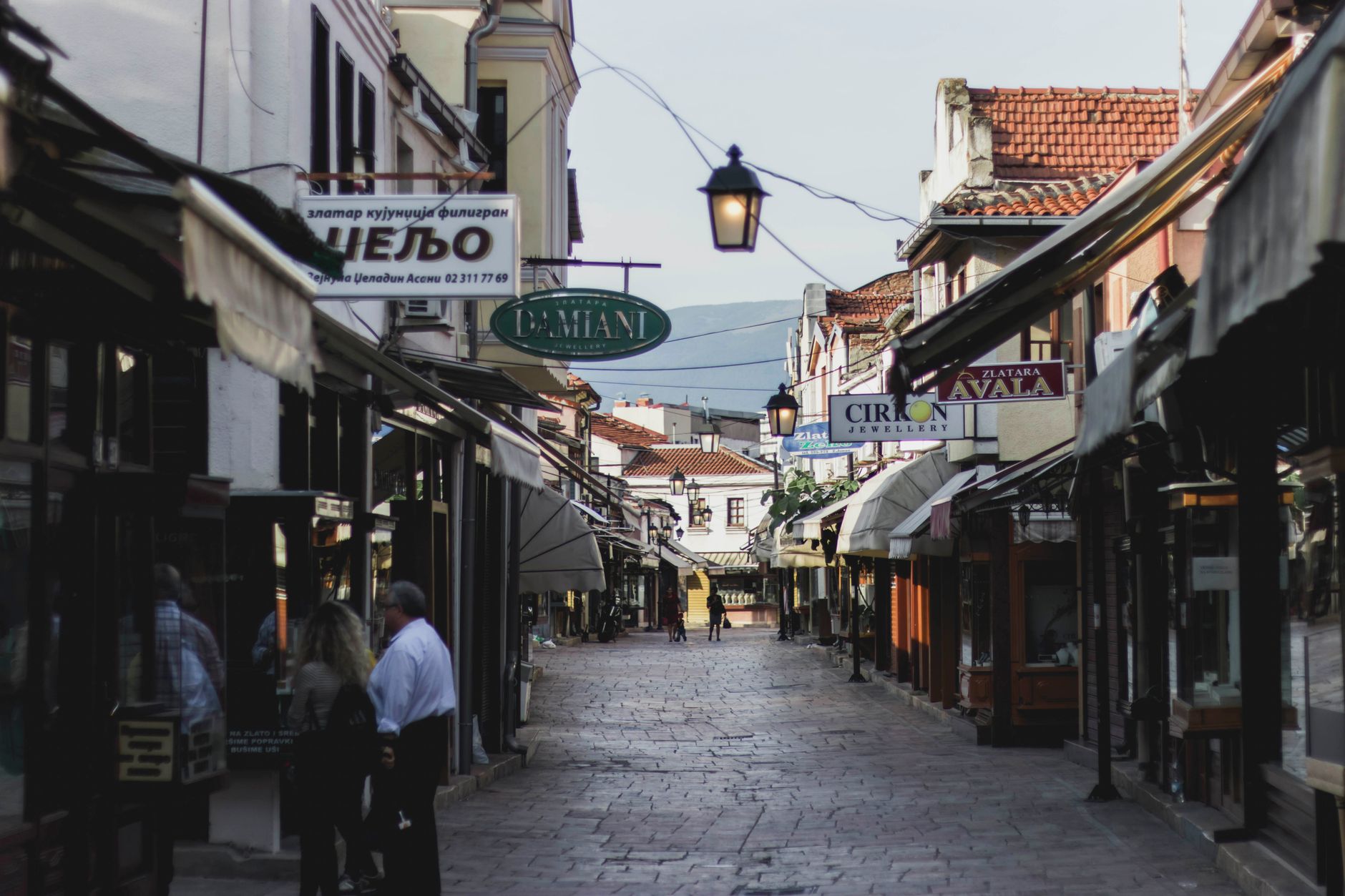
The Varosha (old town) quarter on the Sveta Gora hill is a neighbourhood of 19th-century Revival-period houses — the Bulgarian architectural tradition of the National Revival period, with projecting upper floors, wooden carved interior ceilings, and brightly painted facades. The area was built after Bulgarian cultural confidence began recovering in the 18th century following the Ottoman period.
The Samovodene Bazaar (Samovodenska Charshiya) is a reconstructed 19th-century craft bazaar in the Varosha — working artisan workshops producing pottery, weaving, woodcarving, and metalwork in the original workshop buildings. More authentic in craft content than most similar reconstructions in the Balkans; the artisans are working, not performing.
Getting to Veliko Tarnovo
From Sofia: bus (Union Ivkoni, Etap Group, or similar), 3.5–4 hours, 20–25 BGN (€10–13). Several departures daily from Sofia Central Bus Station. The bus is faster and more practical than the train.
By train from Sofia: 4–5 hours, changing at Gorna Oryahovitsa (10km from Tarnovo). The train connection is slower and less convenient but cheaper (15–20 BGN, €8–10).
From Plovdiv: bus, 3 hours, 20 BGN. The Plovdiv–Tarnovo connection enables a southern Bulgaria arc without returning to Sofia.
By car from Sofia: A2 motorway to Hemus, total 240km, approximately 2.5 hours. The most practical way to combine Tarnovo with surrounding sites.
When to Visit Veliko Tarnovo
May–June: best window. Temperatures 20–26°C, the fortress in spring light, the sound and light show season just beginning. The Yantra gorge is at its greenest.
September–October: strong second choice. Cooler temperatures, autumn light on the Revival-period houses of Varosha, the sound and light show still running.
July–August: hot (30–36°C), the most popular Bulgarian domestic tourism period. The fortress and old town are manageable — Tarnovo never reaches Dubrovnik-scale crowding.
November–March: cold (4–10°C), the sound and light show not running. The fortress remains open year-round. A quiet winter visit to the fortified hilltop in snow is one of the better reasons to come off-season.
Frequently Asked Questions
How many days do you need in Veliko Tarnovo?
One full day and night: afternoon at Tsarevets, evening sound and light show (if running), next morning in Varosha. Two days allows for a side trip to Arbanasi (4km north) — a village of fortified stone houses and five frescoed churches from the 17th–18th century Bulgarian Revival period, one of the best-preserved ensembles in Bulgaria.
Is the Tsarevets reconstruction authentic?
It is a 20th-century reconstruction on medieval foundations, not the original medieval structure. The approach was documented using archaeological evidence and historical records. The result is more reconstruction than ruin, which puts it in the same category as Carcassonne or Carcassonne — impressive at scale but not medieval in execution.
What is the Second Bulgarian Empire?
The medieval Bulgarian state from 1185 to 1396, established after a revolt against Byzantine rule led by the brothers Asen and Peter. At its height (13th century under Tsar Ivan Asen II) it controlled most of the Balkan Peninsula. It was progressively weakened by Mongol invasions and internal succession crises before falling to Ottoman forces in stages between 1393 and 1396.
How far is Plovdiv from Veliko Tarnovo?
210km by road (approximately 2.5 hours). A Plovdiv–Tarnovo combination is a standard itinerary for those covering central and southern Bulgaria without returning to Sofia between destinations.