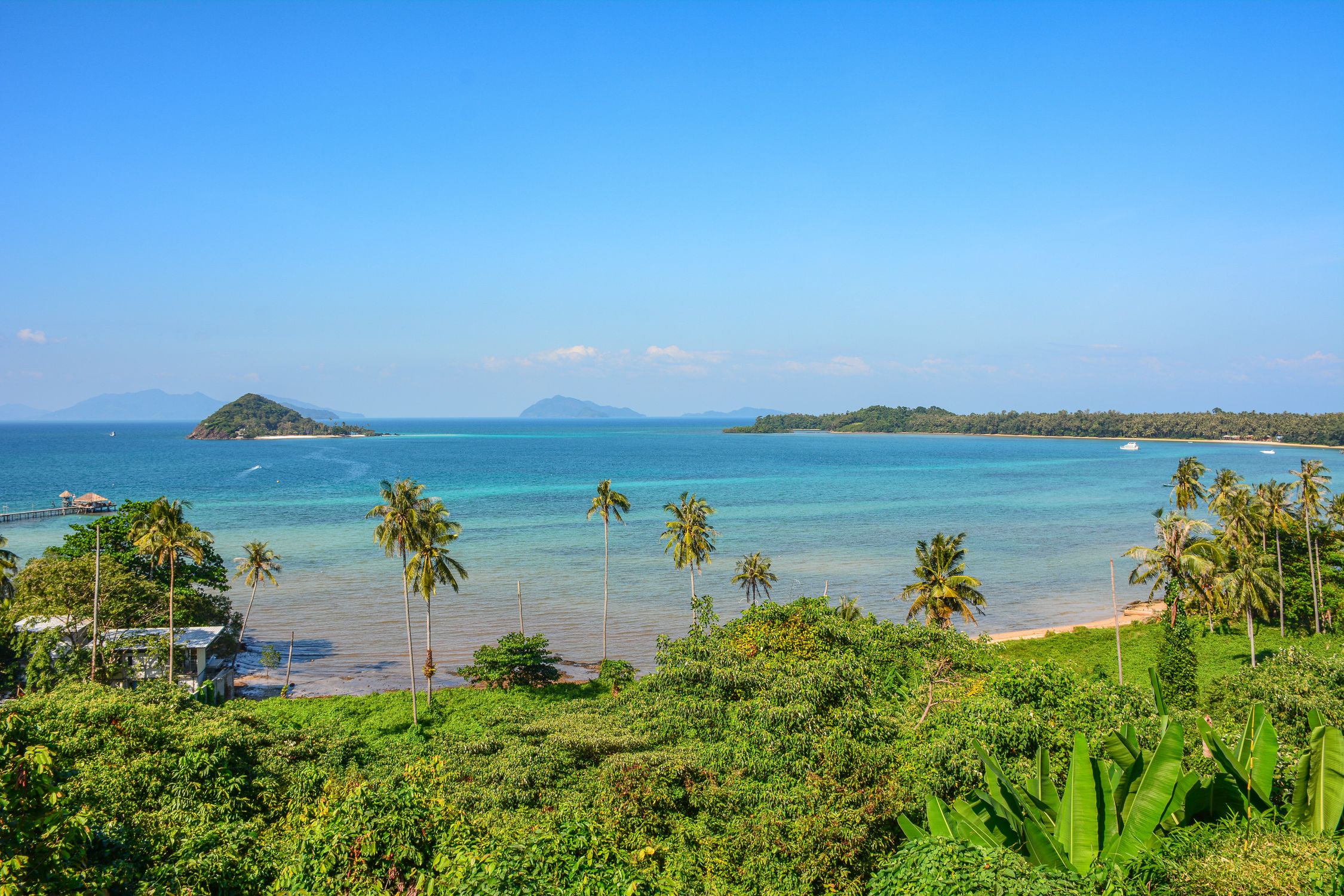

Koh Chang is a 429 sq km mountainous island in Trat Province, eastern Thailand, where 70% is protected national park jungle—but this doesn't mean undeveloped. White Sand Beach on the northwest coast has 7-Elevens, proper hotels, and busy bars, yet 20 minutes south by songthaew you're in genuine forest with waterfalls and empty roads. It's a working island, not a resort construct, which means better value and fewer crowds than the Andaman coast, but also fewer English speakers and less tourist infrastructure than Phuket or Pattaya.
Which beach should you stay on?
White Sand Beach (Haad Sai Khao) is the logical first-timer choice: it's the longest beach on the island at 2km, has the most consistent sand, and walking distance covers restaurants, dive shops, motorbike rentals, and songthaews to other parts of the island. The trade-off is visible crowds during December–February, though never at Phuket levels. Klong Prao Beach, 6km south, spreads visitors thinner across a longer stretch and appeals more to families and couples seeking quiet—snorkelling is better at its southern end. Lonely Beach caters to backpackers (dorm beds at 600 THB, reggae bars, younger atmosphere) and gets lively at night. Kai Bae is smaller and rockier at low tide—quieter than White Sand but with fewer amenities. Bang Bao, at the southern tip, isn't a swimming beach; it's a stilted fishing village where snorkelling trips, dive shops, and motorboat day trips depart. Klong Son, north of White Sand, is genuinely quiet but has minimal infrastructure.
The best-kept detail: low season (June–September) brings some seaweed accumulation to White Sand Beach and rougher conditions for snorkelling, but Klong Prao's waters often stay clearer due to its bay position.
The real guide to Koh Chang's beaches
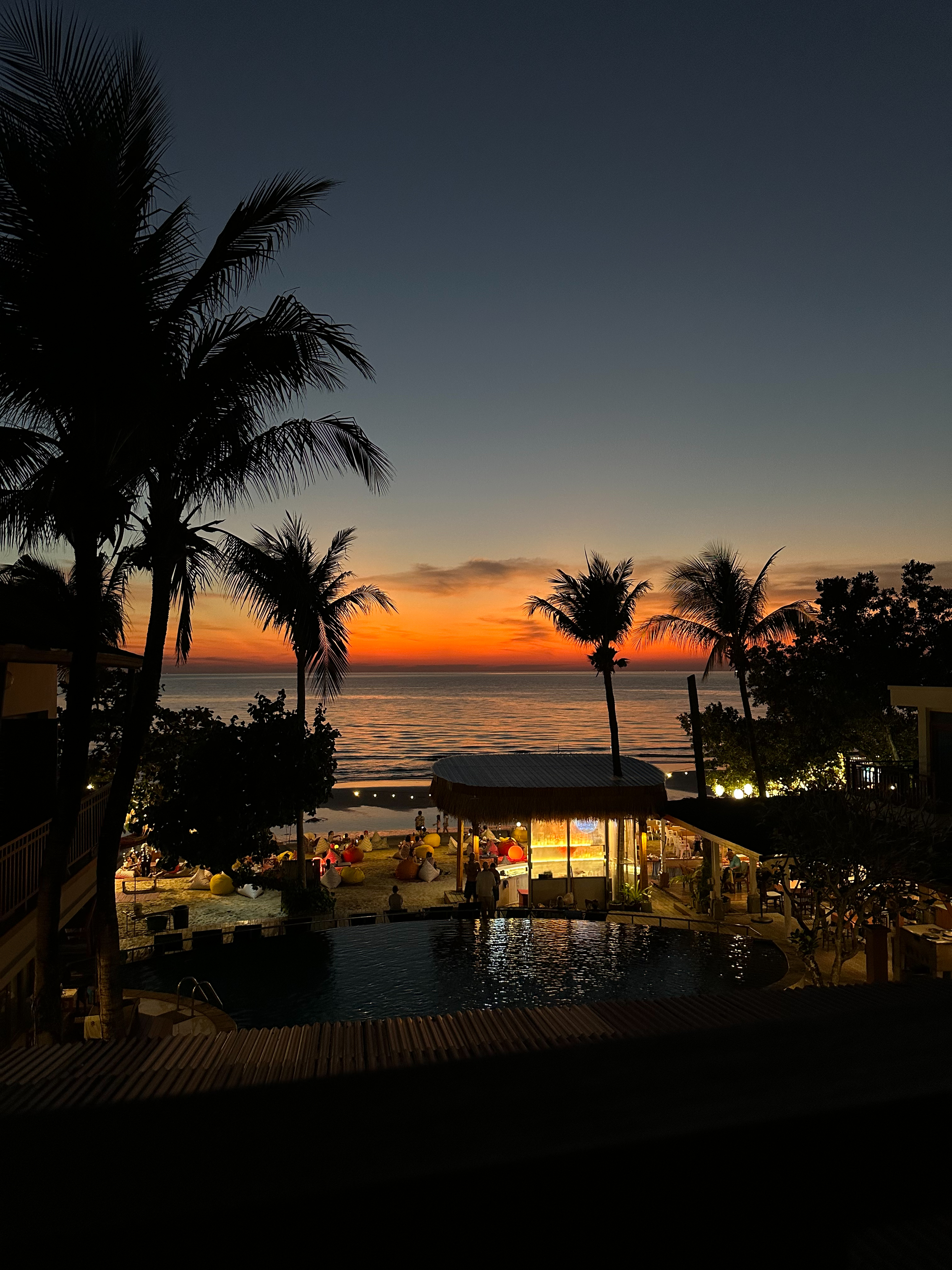
White Sand Beach (Haad Sai Khao): 2km of packed sand, widest beach on the island, sunset views toward the mainland, busy December–February but manageable. Seaweed in low season (June–September) is a recurring complaint guides skip. Best for: first-timers, sunsets, walkable infrastructure.
Klong Prao Beach: 6km of wider, quieter sand with better reef access at the southern end. Water is generally calmer than White Sand because the bay provides protection. Most hotels spread along the beach rather than clustered. Best for: couples, families, snorkelling without boat trips.
Kai Bae Beach: Rocky outcrops at low tide, smaller crescent, fewer tourists. Good guesthouses and small restaurants perched on rocks. Best for: travellers who want quieter nights without isolation.
Lonely Beach (Hat Tha Nam): Famous backpacker hub—cheap bungalows (600–900 THB), reggae and electronic music bars, younger crowd. Gets genuinely lively at night. Best for: solo travellers under 30, budget accommodation, social scene.
Bang Bao: Stilted fishing village, not a beach. Home to dive operations, speedboat charter companies, and waterfront seafood restaurants. Day-trip destination for snorkelling and island hopping. Half-day visit typical.
Klong Son: Small, quiet bay north of White Sand. A few guesthouses, no real village. Only choose this if you want isolation with a 15-minute songthaew ride back to conveniences.
What to do beyond swimming

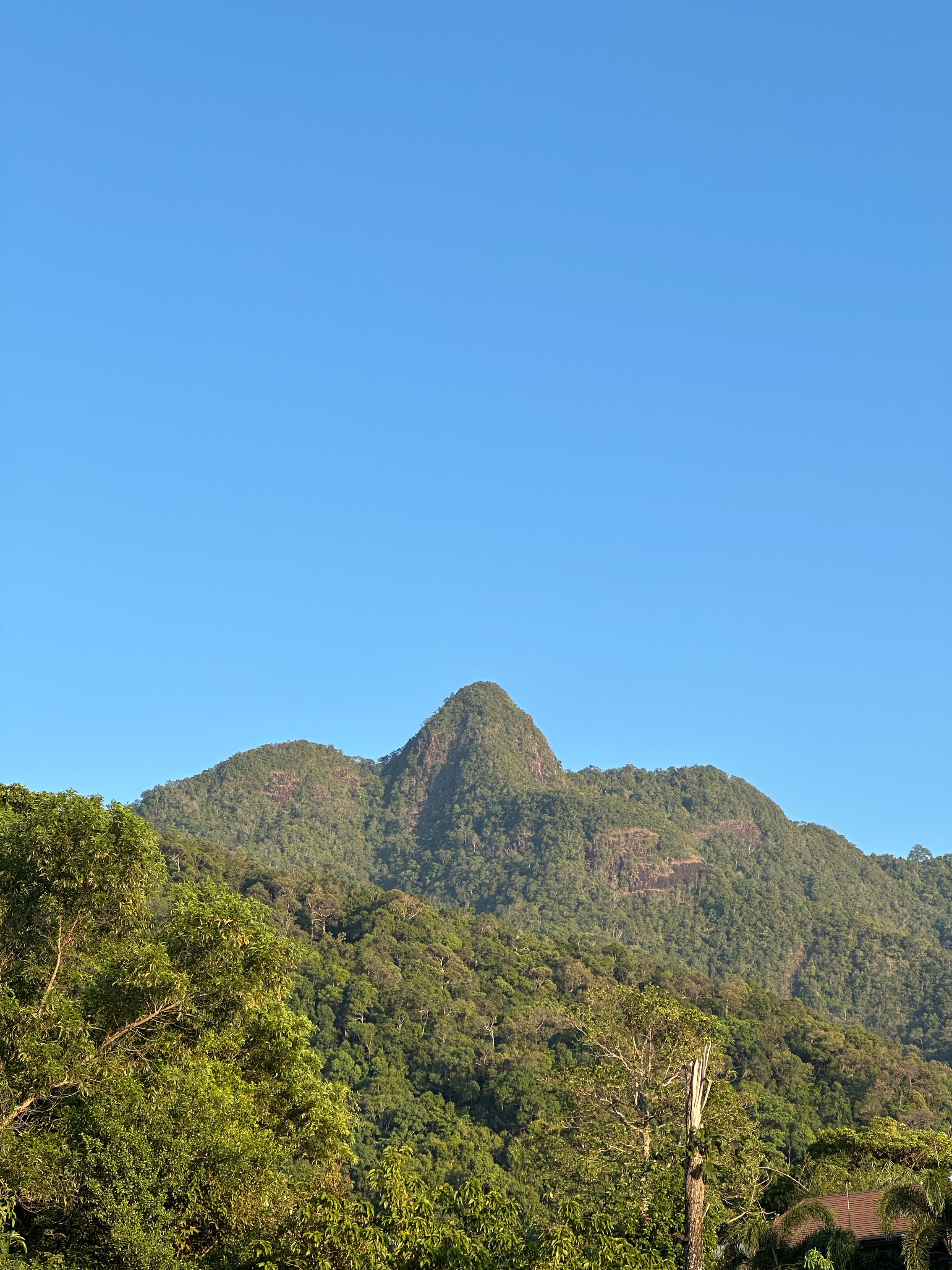
Koh Chang National Park and waterfalls: The interior is dense primary jungle. Klong Plu Waterfall is the most accessible—200 THB entry fee, 30-minute walk from the car park, natural pool for swimming. Go before 10am to beat organised groups. Khiri Phet Waterfall is smaller, less visited, and accessible year-round with a shorter walk. Guided jungle treks (500–900 THB per person, half-day or full-day) go deeper into the park; you'll see monitor lizards and occasionally hornbills, though wildlife sightings are random.
Snorkelling and diving: Reefs immediately around Koh Chang are patchy compared to the Andaman coast, but day trips to the Koh Rang group (northeast of the island, 45 minutes by boat) offer cleaner water and healthier coral. PADI open-water courses cost 9,000–12,000 THB (3 days); fun dives run 1,200–1,800 THB per dive. Boats depart from White Sand Beach and Bang Bao. Visibility drops significantly in monsoon season (May–October).
Elephant sanctuaries: Several operate on the island. Verify no riding is involved—responsible operations like Elephant Jungle Sanctuary Koh Chang (no riding, bathe and hand-feed elephants, half-day ~1,800 THB) exist, but confirm in advance by phone before booking.
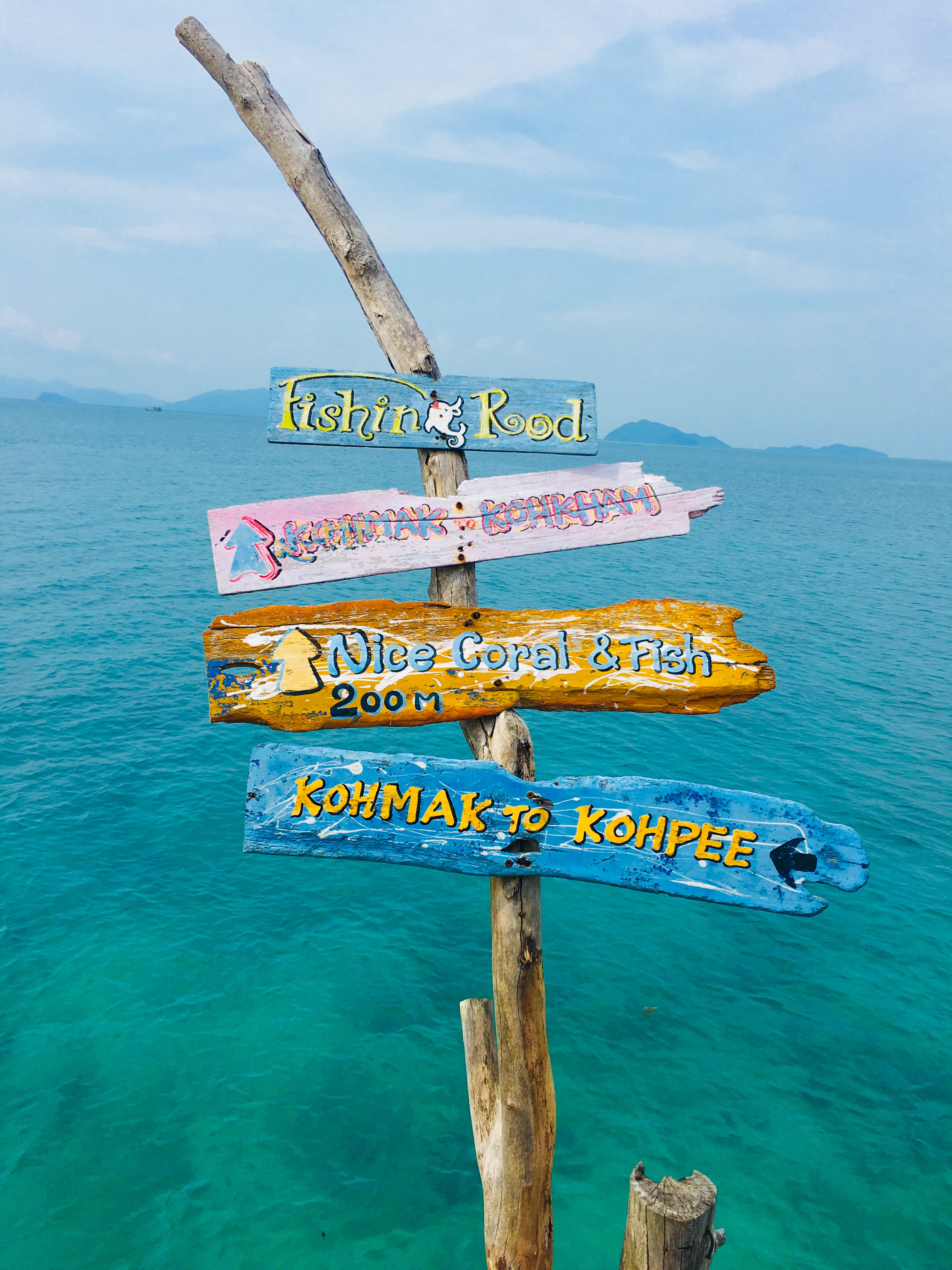
Day trips to nearby islands: Speedboat charters and shared boats run from Bang Bao pier to Koh Mak (quieter beaches, slower pace, 45 minutes) and Koh Kood (larger, more developed, 90 minutes). Expect 500–800 THB per person on shared boats.
Getting around the island
Songthaews (shared red pick-up trucks) are the standard transport between beaches. Cost is 50–100 THB depending on distance; negotiate before getting in. They run roughly 7am–9pm and depart when full—no fixed schedule. Journeys: White Sand to Klong Prao (15 min), Klong Prao to Lonely Beach (20 min), Lonely Beach to Bang Bao (30 min).
Motorbike rental (200–350 THB/day) makes sense if you're comfortable riding. Route 4049 circles most of the island—sealed and maintained but steep and winding. Accidents are common; don't rent if you're inexperienced or riding in heavy rain. Taxis cost 300–500 THB from White Sand to Bang Bao but aren't efficient for short hops. Bicycles are impractical due to hills except on flat northern stretches.
Most first-timers stick to songthaews and occasional taxis; the island is small enough that you never face serious transport friction.
Where to stay: practical breakdown
White Sand Beach: Best base for first-timers. Walking distance covers restaurants (from pad thai stands to seafood grills), dive shops, motorbike rentals, and the songthaew stop. Budget guesthouses run 800–1,200 THB, mid-range bungalows 1,500–3,000 THB. Peak season (Dec–Feb) needs booking 2–3 weeks ahead; shoulder season (Nov, Mar–Apr) is easier. Noisy at night if you're near bars; quieter options exist at the northern end.
Klong Prao Beach: Same price range, but quieter overall. Better for couples and families. More spread-out feel means fewer walk-up restaurants—you'll rely on guesthouse dining or motorbike trips to White Sand.
Lonely Beach: Cheapest island accommodation at 600–1,000 THB for basic bungalows. Dorm beds 300–500 THB. Social scene dominates; expect noise late into the night (not suitable for early sleepers). Good if you're solo and want company; poor if you value quiet.
Bang Bao and southern beaches: Only stay here if you specifically want isolation or are using it as a base for diving/island trips. One or two nights is typical. Expect limited restaurant choice.
Book accommodation 2–4 weeks ahead for December–February, one week ahead for shoulder season, day-of outside peak months.
Budget reality for 2026

Budget traveller: 1,500–2,500 THB/day (dorm or 800 THB guesthouse, local food from stalls, songthaews, one paid activity). This is sustainable long-term.
Mid-range: 3,000–5,000 THB/day (1,500–2,000 THB bungalow, mix of street food and restaurant meals, couple of paid activities per week, occasional taxis).
Food costs: pad thai 60–100 THB, grilled fish or squid 200–400 THB, coconut shake 40 THB, beer at a bar 70–100 THB, coffee 30–50 THB. Seafood restaurants on the pier at Bang Bao are reasonable (200–500 THB per dish) and worth a trip.
Activities: waterfall entry 200 THB, guided jungle trek 600 THB, snorkelling day trip 800–1,200 THB, PADI course 10,000 THB, elephant sanctuary 1,800 THB.
Getting there from Bangkok
Bus + ferry (cheapest, slowest): Eastern Bus Terminal (Ekamai or Mo Chit) to Trat (4–5 hours, 250–350 THB) → songthaew or minivan to Laem Ngop pier (30 min, 50 THB) → ferry to Koh Chang (30–45 min, 100–150 THB). Total: 5.5–7 hours, ~500 THB.
Direct minivan from Khao San Road: Door-to-pier service (500–600 THB), picks up at your guesthouse, drops at Laem Ngop. Slower than bus due to multiple stops but eliminates transfer stress. 6–8 hours total.
Fly to Trat: Bangkok Airways from Suvarnabhumi (70 minutes, 3,000–5,000 THB depending on advance booking) → taxi to Laem Ngop pier (45 min, 300–400 THB). Only worthwhile if you value time over cost or are arriving late in the day.
Ferry schedules: Koh Chang Ferry operates from Ao Thammachat and Laem Ngop. Multiple departures daily in high season (first ~6am, last ~7pm). Check current times at your accommodation or call ahead; schedules adjust seasonally and for weather.
When to go: monthly reality
November–April: Dry season. Seas are calm, water is clear, infrastructure is fully open. November and March–April are ideal—warm, fewer crowds than December–February, full facilities. December–February peaks with school holidays and European winter; White Sand Beach gets crowded (but still manageable). April is hot and occasionally prone to storms. Waterfalls are lower.
May–October: Monsoon season. Some smaller resorts close (particularly on southern beaches), ferry schedules reduce, snorkelling is poor due to swell and murky water. Waterfalls are spectacular. Unpredictable rain squalls. June–August are the wettest months. Skip unless you specifically want waterfalls and cheap rates.
Best window: November, and March–April. Weather is stable, crowds are lighter than peak, all accommodation is open, and you'll have good snorkelling conditions.
How many days should you stay?
3 nights (2 days on the island): Enough to beach-hop, swim, and do one activity (waterfall or snorkelling). Minimal rushing. Suits travellers moving through multiple Thai destinations.
4–5 nights: The sweet spot. Covers two beaches without hurrying, one jungle activity, one snorkelling or day trip to Bang Bao, plus a rest day. This is what most travellers do.
6+ nights: Makes sense only if you're diving (PADI courses are 3 days) or specifically want to slow down. Beyond five nights, you'll exhaust paid activities and settle into a routine—which can be exactly what some travellers want.
Frequently Asked Questions
Is Koh Chang worth visiting on a first trip to Thailand?
Yes, if you want a quieter alternative to Phuket with lower costs and fewer tourists—but it's less developed than Pattaya or Samui. Better for your second or third Thai trip when you've already done the main tourism circuit. Beach quality is middle-tier: good sand and water, but not as dramatic as the Andaman coast.
What's the main problem first-timers get wrong about Koh Chang?
They expect it to be undeveloped and are surprised by White Sand Beach's 7-Elevens, motorbike rentals, and bars. Conversely, some expect resort-level infrastructure and arrive unprepared for limited English, basic songthaews, and cash-only restaurants. It's a working Thai island with tourism, not a purpose-built resort.
Should you rent a motorbike on Koh Chang?
Only if you're experienced at riding in hills. The main road is winding, steep in places, and accidents happen regularly—especially in heavy rain or among travellers unfamiliar with left-side riding. First-timers should stick to songthaews and occasional taxis. If you rent, wear a helmet, ride slowly on bends, and avoid riding at night.
Which beach is best for snorkelling without a boat trip?
Klong Prao's southern end has the best immediate reef access from the beach, though visibility varies seasonally. White Sand Beach's snorkelling is mediocre. For proper snorkelling, book a day trip to the Koh Rang group (45 min by boat) or dive around nearby islands. In-house reef visibility is unpredictable May–October.
Do you need to book accommodation in advance?
December–February: yes, 2–3 weeks ahead, especially for budget guesthouses at Lonely Beach and mid-range bungalows at White Sand. November, March–April: one week is usually enough. May–October: same-day booking is often possible. July–August can surprise you with domestic tourists during Thai school holidays.
Can you visit Koh Chang without booking a tour operator?
Yes. Ferries from Laem Ngop are public; just show up and buy a ticket. Snorkelling boats depart from White Sand Beach and Bang Bao daily and accept walk-ups (1,000–1,500 THB). Waterfalls are self-guided (200 THB entry fee). Only activities that genuinely need advance booking are PADI courses (book one day ahead) and private boat charters.
Koh Chang suits travellers seeking an affordable, quieter beach escape without resorting to remote islands or long boat journeys. First-timers benefit from staying at White Sand Beach for infrastructure, then exploring quieter stretches afterward. Four to five nights covers the beaches, a waterfall, and a snorkelling trip without exhausting activities. Best visited November or March–April; skip monsoon season unless waterfalls are your priority. Expect basic comfort, good value, and an island that functions as a working Thai community—not a fantasy resort.