
The Landscape
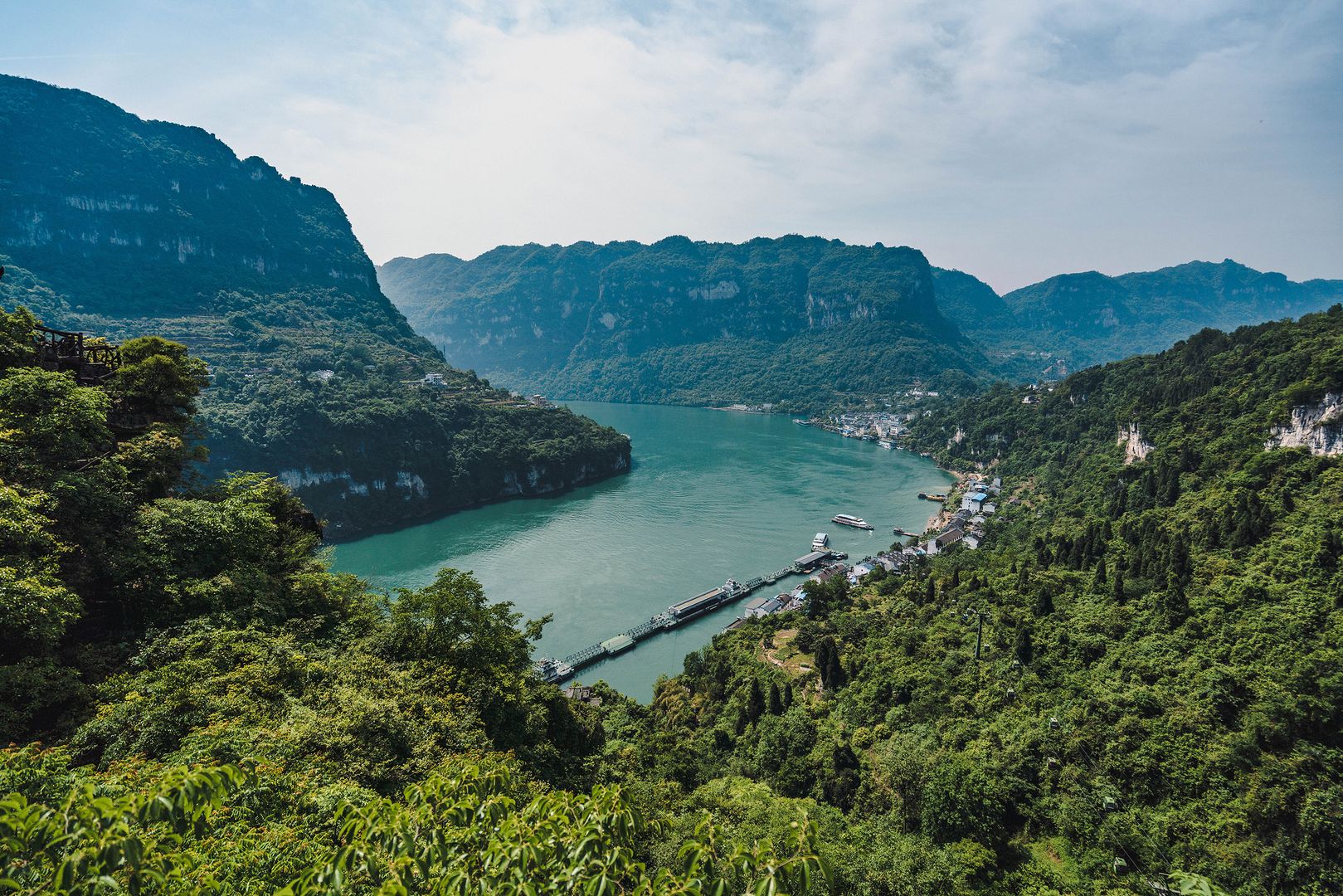
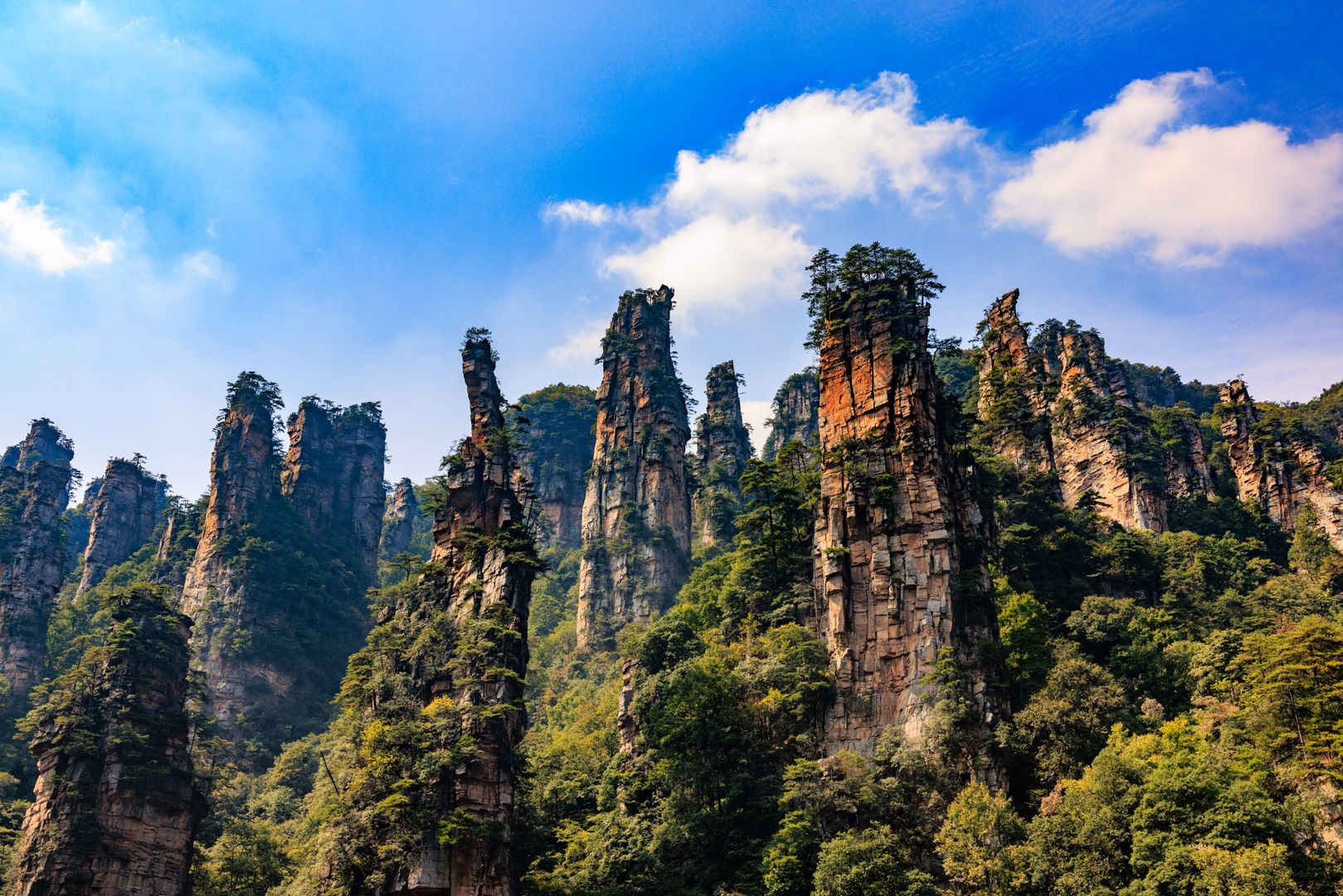
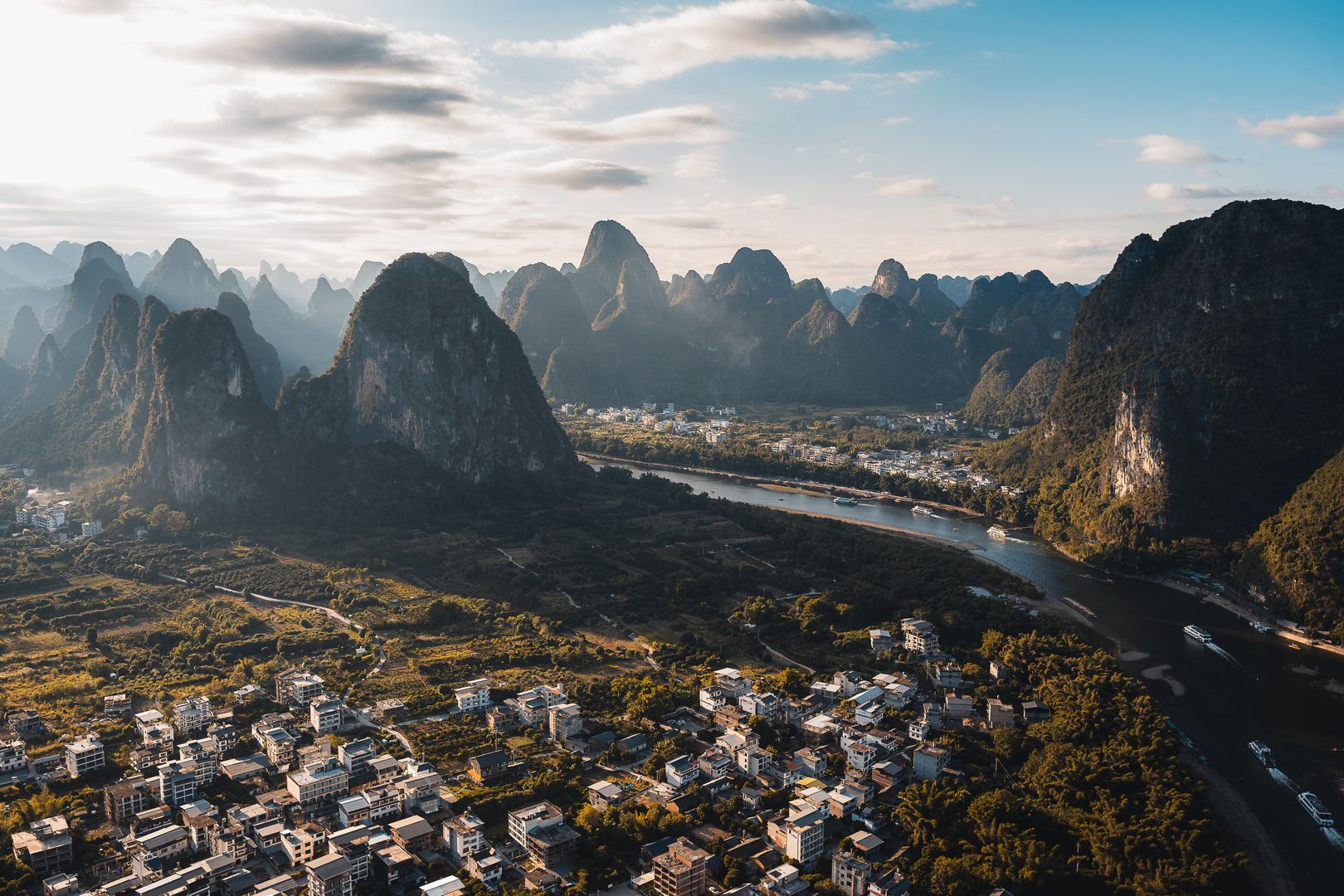
The Li River (Lijiang) flows south from Guilin through 83 km of karst scenery to Yangshuo. The geology is Devonian limestone eroded over hundreds of millions of years into the signature peaks — pointed, vertical, and so regular in shape that they appear designed. The landscape is on the back of the 20 RMB note; it's been the reference image of China-the-landscape for most of Chinese recorded history.
Guilin is the regional city and transport hub — a city of 5 million with an airport, high-speed rail connections, and decent hotels. Yangshuo, 83 km south, is the small town where most travellers base themselves: surrounded by the best karst scenery, bikeable countryside, and with an established network of guesthouses, cafés, and activity operators.
Getting There
Guilin Liangjiang International Airport (KWL) connects to Beijing (2 hours), Shanghai (2 hours), and most major Chinese cities, with some international routes. High-speed rail from Guangzhou takes 2 hours; from Beijing, about 8 hours with a connection. The fastest route for international visitors is a domestic flight into Guilin followed by bus, train, or taxi to Yangshuo (1.5 hours).
Yangshuo itself has no airport or train station. Buses from Guilin's bus station and from the high-speed rail station at Guilin North (Guilin Bei) connect to Yangshuo's bus station in the centre of town.
The Li River Cruise

The official Li River cruise from Zhujiang Pier (24 km south of Guilin) to Yangshuo is the flagship experience of the region — a 4-hour boat journey through the heart of the karst landscape. Official cruise boats are large multi-deck vessels carrying 200–300 passengers; the scenery unfolds continuously from the upper deck. Ticket cost: 300–500 RMB depending on boat class and season.
The cruise is genuinely worthwhile for the scenery, which is more impressive at water level than from the valley floor. The crowds and the boat infrastructure are the trade-off. Several notable formations have names: Nine Horses Fresco Hill (a cliff face where the striations resemble horses), Yellow Cloth Shoal (a shallow section with perfect reflections in calm water), and Xingping Village, where the 20 RMB note view is accessible by climbing to a viewpoint above the river.
A lighter alternative: take a local bamboo raft on the shorter Yulong River section between Yangshuo and Puyi — smaller, quieter, and much more photogenic for the close-up karst reflections. Costs around 150–200 RMB for a 2-hour float.
Yangshuo
Yangshuo town is small — a few main streets and a waterfront — but the surroundings are the point. West Street (Xijie) is the tourist spine: guesthouses, restaurants serving foreign food, rock-climbing shops, and the kind of infrastructure that builds up around a destination foreigners have been visiting since the 1980s. It's functional rather than charming.
The countryside around Yangshuo is more interesting than the town itself. The area between Yangshuo and Moon Hill (Yueliang Shan) to the south, along the Yulong River, has the highest density of classic karst scenery and the most-used cycling routes. Moon Hill itself is a natural limestone arch on a ridge — visible from the valley floor and climbable in 20–30 minutes for views over the plain below.
Cycling the Countryside
Renting a bike in Yangshuo and cycling into the surrounding countryside is one of the more satisfying activities in China. The terrain is flat — the karst towers rise vertically from a level plain, and the valley roads between them are smooth and mostly traffic-free on the smaller lanes. A basic route: Yangshuo → Yulong River → Fuli Ancient Town → Big Banyan Tree → Yangshuo covers 30–40 km and takes 4–6 hours at a relaxed pace.
Bikes rent for 30–60 RMB per day from shops throughout Yangshuo. Electric bikes are 80–120 RMB and cover more ground without the effort. Guided cycling tours are available if you want a guide to navigate the backroads; the routes are simple enough that a basic map is sufficient for most riders.
Early morning (before 9am) and late afternoon (after 4pm) give the best light for cycling — the low angle produces long shadows across the karst formations and the mist that settles in the valleys at dawn is the defining visual of the region.
Rock Climbing

The karst towers around Yangshuo have become one of China's premier rock climbing destinations. The limestone provides excellent friction and holds, and the vertical faces are so sheer that even intermediate routes offer exposure and views. Southern China is considered by serious climbers to have some of the best limestone sport climbing in Asia.
Several operators in town offer guided climbing for beginners — half-day sessions with gear and instruction run 200–350 RMB. The area has hundreds of established routes across all grades. The climbing community here is genuinely international and active; guesthouses in Yangshuo can connect you with local guides.
Frequently Asked Questions
Is the Li River cruise worth the price?
Yes, but with realistic expectations. The scenery is exceptional; the cruise boat itself is large and tourist-oriented. The Yulong River bamboo raft is a lower-cost alternative for similar scenery in a more intimate setting.
How many days do you need in Yangshuo?
Two days minimum: one for the Li River cruise or Yulong River raft, one for cycling the countryside. Three days allows climbing, a village visit, and more relaxed exploration.
When is the best time to visit Guilin and Yangshuo?
April–October for green scenery and reliable weather. October has autumn foliage on the valley floors and cooler temperatures. The winter (November–February) brings mist more often, which reduces visibility but creates classic ink-wash atmosphere. Chinese holidays in October are extremely crowded.
Can you visit Guilin and Yangshuo as a day trip from another city?
Not practically — the distances make it a multi-day commitment. Most visitors spend 2–3 days in the area, often as part of a China itinerary including Chengdu, Guangzhou, or Hong Kong.