

Istanbul straddles two continents, and this split is not decorative—it dictates how the city functions, where tourists cluster, and where actual life happens. The European side holds the historical sights that draw most first-timers: Hagia Sophia, the Blue Mosque, Topkapı Palace, and the Grand Bazaar. The Asian side—primarily Kadıköy and Üsküdar—is where 10 million residents eat, work, and spend weekends without foreign tour groups. The Bosphorus strait running between them is 700 metres wide and crossed by regular ferries for €0.80 each way. That single commute encapsulates why Istanbul works: a journey between continents costs less than a coffee.
Most first-time guides treat Istanbul as a museum visit. It is not. It is a functioning city where geography shapes everything—where you stay, how you move, and what you actually experience.
Where to stay on arrival: the essentials first
Book accommodation in Sultanahmet for your first one or two nights. This is the historic peninsula where Hagia Sophia, the Blue Mosque, and Topkapı Palace cluster within walking distance. Hotels and guesthouses here run €80–150 per night for mid-range comfort. You will pay more than elsewhere in the city. You will be surrounded by other tourists. Both facts are acceptable trade-offs: you can navigate on foot without understanding the metro system, and the major sights require minimal travel time.
Stay longer than two nights? Move across the Golden Horn to Beyoğlu or the Galata neighbourhood. Here the accommodation is slightly cheaper (€70–130/night), the restaurants have no tourist markup, and the nightlife—bars, live music venues, late-night Turkish coffee shops—actually reflects how people live in Istanbul. Istiklal Avenue runs through this area: a loud, crowded pedestrian thoroughfare lined with global chain retailers. Walk it once for orientation, then explore the side streets (Asmali Mescit Caddesi and surrounding meyhane restaurants are where to eat properly).
Avoid the Taksim Square area itself. The hotels are expensive, the square itself is congested and monitored, and the character is corporate rather than neighbourly. Similarly, avoid listings marketed as "near the Grand Bazaar" without checking a map—many are in areas where you will feel lost after dark, and the Bazaar itself does not justify staying nearby.
The historical core: what you actually need to see
Hagia Sophia costs nothing to enter but requires planning.
Built in 537 AD as a Christian cathedral, converted to a mosque in 1453 when the Ottomans took the city, converted to a museum in 1934, and returned to functioning mosque status in 2020, the building has changed purpose more often than most people change jobs. It is now a free-entry mosque—no longer a tourist attraction formally, though tourists are permitted.
Entry is free. Dress modestly: shoulders and knees covered. Scarves are provided at the entrance for women who need them. The single practical constraint: avoid noon prayer, which runs from approximately 12:30 to 1:30 pm. During this period the building closes to visitors. Go early (8–10 am) or mid-afternoon (2–4 pm). The interior light shifts dramatically depending on the hour; morning is often better for the dome.
The Blue Mosque (Sultanahmet Camii) is free but actually functions as a mosque.
Unlike Hagia Sophia—now primarily a tourist sight—the Blue Mosque remains a working religious space with five daily prayer times. Each prayer closes the building for approximately 30 minutes. The best strategy: arrive before 10 am or visit between prayer times (roughly 10:30 am–12 pm). Dress modestly. No shoes allowed inside—you will be given a plastic bag for them.
The architectural distinction: six minarets. Most mosques have four. When the building was completed in 1616, the six minarets caused controversy because they matched the number on the Kaaba in Mecca. The controversy passed. The minarets remain.
Topkapı Palace costs €25 and needs 3–4 hours.
The administrative centre of the Ottoman Empire for 400 years, Topkapı is vast—plan the visit as a series of courtyards rather than a linear tour. The Harem (the private quarters) costs an additional €15 and is worth the money: the rooms reveal domestic life rather than just governance. Book timed entry online if you are visiting in May–September; walk-up entry works fine in low season.
The palace overlooks the Bosphorus on three sides. This view—the strategic positioning of power—matters more than any individual room.
The Grand Bazaar is a negotiation space, not a shopping mall.
Sixty-one covered streets, 4,000 shops, operational since 1461. Opening prices are negotiating starting points—expect to pay 50–70% of the first quoted price. Entry is free. Go on weekday mornings (before 11 am) when crowds are lighter. Avoid weekends and afternoons.
What is actually sold: textiles (kilims, carpets, fabrics), ceramics, jewellery, leather goods, and tourist trinkets. If you are not planning to buy a carpet, you will spend less time here than guides suggest. One hour is sufficient if you know what you want. Two hours if you do not. The atmosphere matters more than the purchases—it is how the city conducted commerce for five centuries.
A specific error most guides make: they treat the Bazaar as essential to understanding Istanbul. It is one shopping space in a city of 16 million. The markets in Kadıköy (on the Asian side) are better for everyday Turkish life.
The Bosphorus crossing: the €0.80 journey worth taking

Book a seat on the public ferry operated by Şehir Hatları, not a tourist boat. Departure point: Eminönü dock (European side). The journey takes approximately two hours, costs €3–5, and sails past both the European and Asian coastlines, two suspension bridges, and palaces on both sides. You share the boat with actual residents commuting to work. The views are unobstructed.
This single journey answers a question many visitors have unconsciously: what does it mean for a city to span two continents? From the water, the geography becomes legible in a way walking never reveals.
The public ferry outperforms every commercial tourist boat on the route. It runs multiple times daily. No advance booking required.
The Asian side: where Istanbul residents actually live
Kadıköy is a 20-minute ferry ride for €0.80.
A functioning neighbourhood—not a historical site—where residents shop, eat, and spend weekends. The Moda Caddesi market street has a fish market, vegetable vendors, and restaurants serving lunch to families, not tour groups. The restaurant markup here is minimal compared to Sultanahmet.
Take the ferry early on a Saturday or Sunday morning. The market is fullest then. Eat balık ekmek (grilled mackerel sandwich) from a waterfront vendor. Walk through the residential streets behind the market where apartment buildings replace monuments.
Üsküdar is more traditional, more conservative.
The skyline from the Sultanahmet side looks toward Europe. From Üsküdar, you look back: the European side's domes and minarets rise across the water. It is the unphotographed perspective. Kız Kulesi (Maiden's Tower) sits offshore here, accessible by small boat for €8–12. Sunset is the reason to go.
The difference between European and Asian sides matters practically: Kadıköy is louder, younger, more commercial. Üsküdar is quieter, older, more religious. Neither is "better"—they are different.
Food: what to eat and where
Balık ekmek: €3, from boats at Eminönü.
Grilled mackerel stuffed into a bread roll with tomato, onion, and herbs. It is sold from boats moored under the Galata Bridge. Eat standing. The best €3 meal in the city. Every guidebook mentions it; few people actually go to Eminönü to eat it. Do not be the person who skips it.
Lahmacun: €2–3 from any fırın (bakery).
Thin flatbread topped with minced lamb, onion, and spices, rolled or folded, eaten with fresh herbs and lemon. Not pizza, regardless of marketing. A bakery staple; find one within walking distance of wherever you are staying.
Menemen: €4–6 at breakfast.
Scrambled eggs with tomato, peppers, and onions. Standard breakfast; every restaurant and café serves it. Order it in the morning rather than looking for dinner-specific dishes.
Turkish tea and coffee: under €2 for tea, €2–4 for coffee.
Çay (black tea in tulip-shaped glasses) is ubiquitous and cheap. Turkish coffee (unfiltered, thick, served with a glass of water) is stronger and more formal—you order it by sweetness level (şeker [sugar], medium, no sugar). Neither is quick—they are meant to be lingered over.
Where to eat in Beyoğlu: Asmali Mescit Caddesi and surrounding streets.
Meyhane restaurants on this street serve Turkish food without tourist pricing. The menu is typically kebabs, grilled fish, salads, and meze (appetiser plates). Order several small plates rather than single large dishes. Raki (anise spirit) costs €4–8 per glass. Local wine is acceptable; imported wine is expensive.
Istiklal Avenue itself: every restaurant on the main street charges tourist prices and delivers tourist food. The side streets are where actual restaurants operate.
Practical considerations: moving, currency, safety, visas
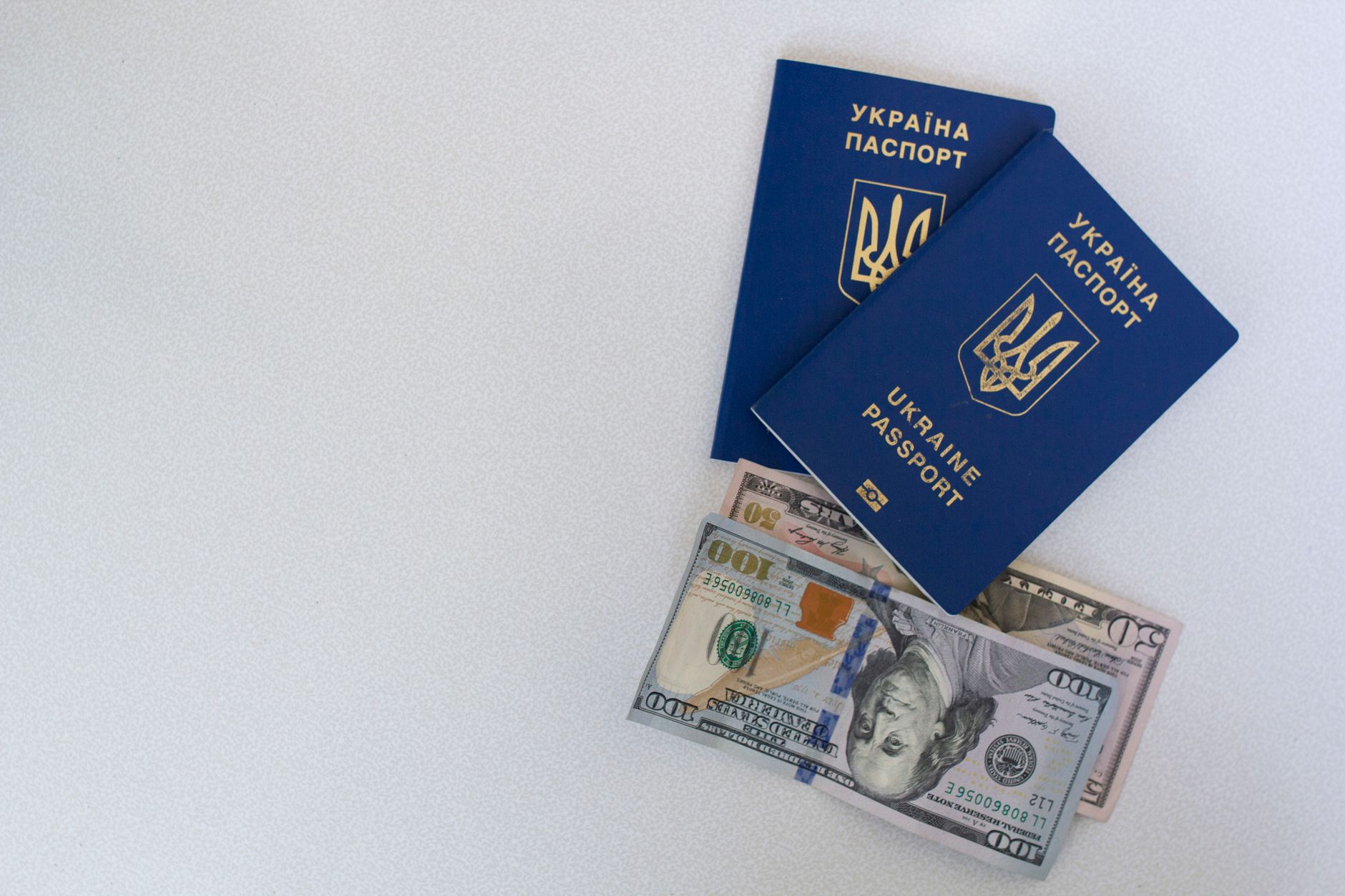
Visa: apply online at least 72 hours before travel.
Most nationalities can apply for a Turkish e-Visa at evisa.gov.tr. Cost: $50–75 USD depending on nationality. The process takes 15 minutes. Do not wait until the airport.
Currency and payments.
The Turkish Lira (TRY) has experienced significant inflation. Check the current exchange rate before arriving. Cards are accepted at most restaurants, hotels, and larger shops. Cash is essential for markets, street vendors, ferries, and taxis.
Getting around the city: the Istanbul Kart.
Purchase an Istanbul Kart (€2 deposit) and load credit onto it. This card works on the metro, tram, bus, and ferry system. The T1 tram line runs from Sultanahmet to Kabataş and connects most major sights. One journey costs approximately €0.80. The tram is faster than walking for longer distances but slow enough that you can see the neighbourhoods changing.
Taxis exist but use the BiTaksi app rather than hailing them on the street—this prevents meter manipulation. Walk when possible; it reveals the city better than any vehicle.
Safety.
Istanbul is a city of 16 million. Petty theft (pickpocketing, bag snatching) occurs in crowded areas like the Grand Bazaar and Eminönü dock, but rates are lower than in Rome, Barcelona, or Paris. The main tourist areas (Sultanahmet, Beyoğlu) are well-policed. Avoid displaying expensive cameras or phones in crowded spaces. Use common sense rather than fear.
How many days: the realistic minimum
Four days minimum to see the essentials without rushing: one day for Sultanahmet and Topkapı, one for the Asian side (Kadıköy and Üsküdar), one for Beyoğlu and the contemporary city, and one for slack and the Bosphorus ferry. A fifth or sixth day allows for deeper exploration or simply sitting in neighbourhoods without agenda.
Fewer than four days means choosing: see the historical sights or experience the city as a functioning place. Both are valid. Few cities force this choice so clearly.
When to visit: the seasonal reality
April–May and September–October: optimal.
Temperatures 18–24°C, lower crowds than summer, sights remain open with reasonable queues. April is warmer; May has longer daylight.
July–August: peak and hot.
Daily highs reach 32–36°C with high humidity. Every major sight has queues extending hours. If you must go in summer, visit major sights by 8 am or expect to wait. Hotels cost 20–30% more than shoulder season.
December–February: cold and quiet.
Temperatures 5–10°C. Many tourists and tour groups vanish. If crowds matter more than warmth, winter works—you will move through Topkapı and Hagia Sophia without queues. Rain is common.
March, June, and November: unpredictable.
Weather shifts daily. Plan flexibility rather than fixed itineraries.
Istanbul suits anyone interested in history, urban food culture, or the practical reality of a city spanning two continents. Go in April or October when the weather is stable and crowds are manageable. The single experience that encapsulates why Istanbul works as a destination: buy a ferry ticket at Eminönü for €0.80 and spend two hours crossing the Bosphorus alongside residents. The two continents, the divided city, and the scale of human habitation become visible in a way walking never reveals. That journey is why the city works.
