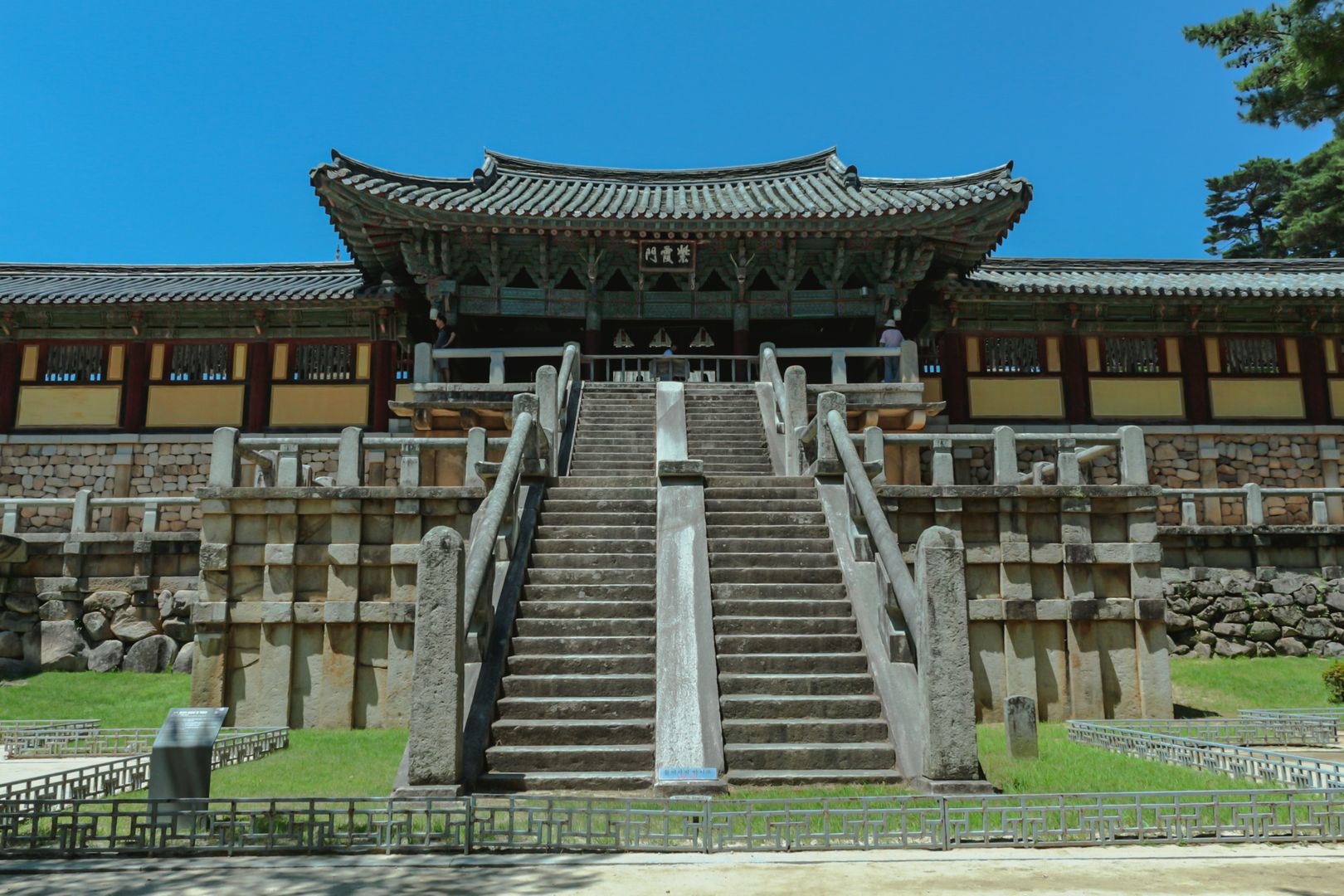
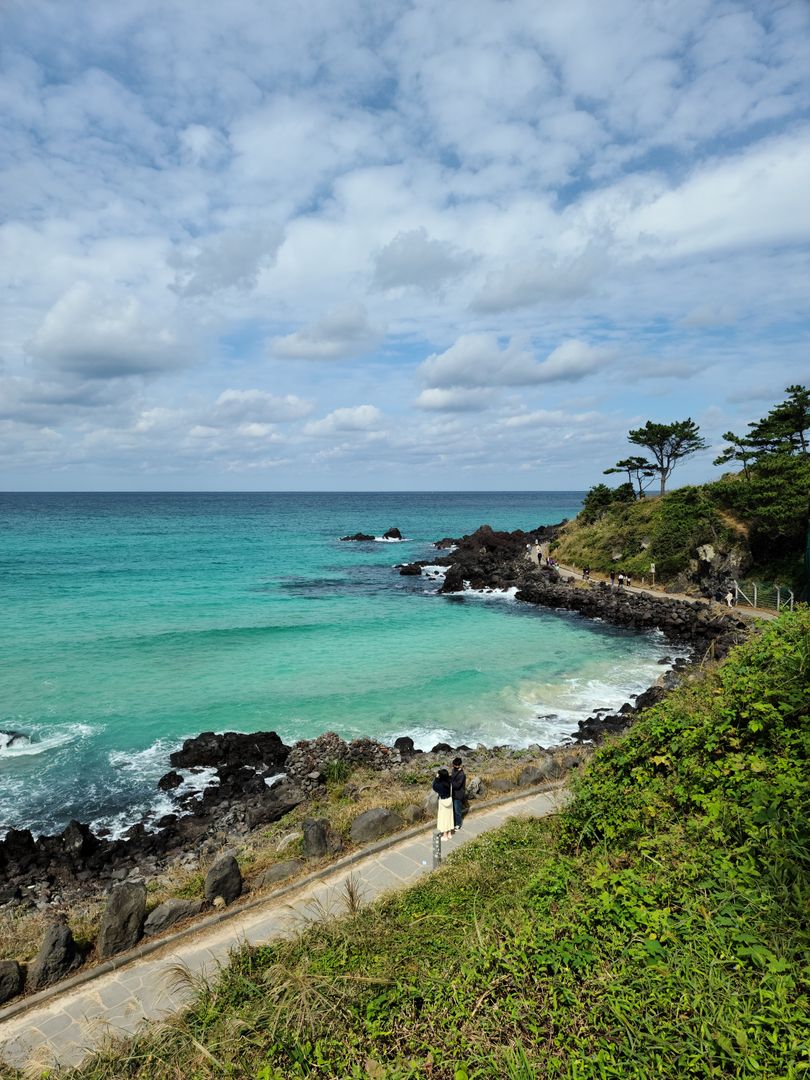
Jeonju sits in the agricultural heartland of North Jeolla Province — a rice-growing plain that has made the region's food culture the most celebrated in Korea. The Jeonju Hanok Village survived Korean War bombing because the fighting was heavy enough in the region to destroy most buildings but the specific blocks of traditional houses were spared. The result is the largest remaining cluster of Joseon-era architecture in Korea (770 hanok buildings as of last count), surrounded by a modern city of 650,000 people. The village is compact — roughly 1km × 0.5km — but dense in things to see and eat.
Getting There
Jeonju has no KTX station — the high-speed rail line bypasses the city. The standard routes are: KTX from Seoul Yongsan to Iksan (50 minutes, 21,500 won) then local train to Jeonju (15 minutes, 1,600 won); or express bus from Seoul Express Bus Terminal (Gangnam) to Jeonju (2 hours 45 minutes, 12,000–17,000 won). Buses run frequently and are often faster door-to-door than the KTX connection. From Busan: bus (2 hours 30 minutes, 17,000 won) or train (3 hours 30 minutes with transfer). The bus terminal is 10 minutes' walk from the Hanok Village.
Jeonju Hanok Village
The Hanok Village (Jeonju Hanokmaul, free entry) is built around the Jeonjucheon stream, with Gyeonggijeon Shrine at its north end and Omokdae Hill behind it. The houses are privately owned and occupied — a mix of guesthouses, restaurants, craft shops, and actual residences. The main street (Taejo-ro) is lined with food stalls and tourist shops; the residential lanes east and north are quieter. The characteristic hanok features — curved tile roofs (giwa), raised wooden floors (maru), and ondol underfloor heating — are visible everywhere.
A word on the main street: the volume of visitor traffic and the density of commercial activity is now substantial, particularly on weekend afternoons. Going early (08:00–09:00) or staying for the evening (after 18:00 when day-trippers leave) gives a qualitatively different experience. The residential lanes north of the shrine are where the village is still genuinely a neighbourhood rather than an attraction.
Gyeonggijeon Shrine

Gyeonggijeon (entry 3,000 won) was built in 1410 to house a portrait of King Taejo, the founder of the Joseon Dynasty. The portrait itself (a copy; the original is in the National Museum) is kept in the main shrine hall. The grounds are extensive and calm — mature trees, gravel paths, multiple subsidiary buildings. The royal genealogy hall and a section on the Joseon dynastic history are within the same entrance fee. Allow 45–60 minutes.
Bibimbap
Jeonju bibimbap differs from the dish served elsewhere in Korea. The Jeonju version uses a heated stone bowl (dolsot), raw beef (yuk hoe) or cooked beef on top of the mixed rice, and a larger number of vegetable namul (seasoned side dishes) than the standard version — typically 20–30 separate ingredients. The gochujang (red pepper paste) used here is specific to the region. The best bibimbap in Jeonju is at restaurants that have been operating for decades; Gajok Hoegwan and Hyundai Okjurak are frequently cited, with prices around 12,000–20,000 won per bowl. Eating bibimbap at a tourist-facing food stall on the main street for 7,000 won produces a visually similar but noticeably different result.
Jeonju Paper and Makgeolli
Jeonju has been a centre of traditional Korean paper (hanji) manufacture since the Goryeo period. Jeonju Hanji Center offers workshops where visitors can make paper using traditional methods (20,000–30,000 won, 1.5 hours). Several shops in the Hanok Village sell hanji products — notebooks, lamps, wrapping paper — that are genuinely good quality and distinct from mass-produced souvenirs.
Makgeolli (milky fermented rice wine) is brewed throughout Korea but the Jeonju version, often served with a full spread of panchan (small dishes), is a specific tradition. The village's makgeolli bars serve the drink in brass bowls with complimentary side dishes that expand with the number of rounds ordered — a custom (anju culture) that is both the most hospitable and most dangerous aspect of Korean drinking.
Omokdae Hill
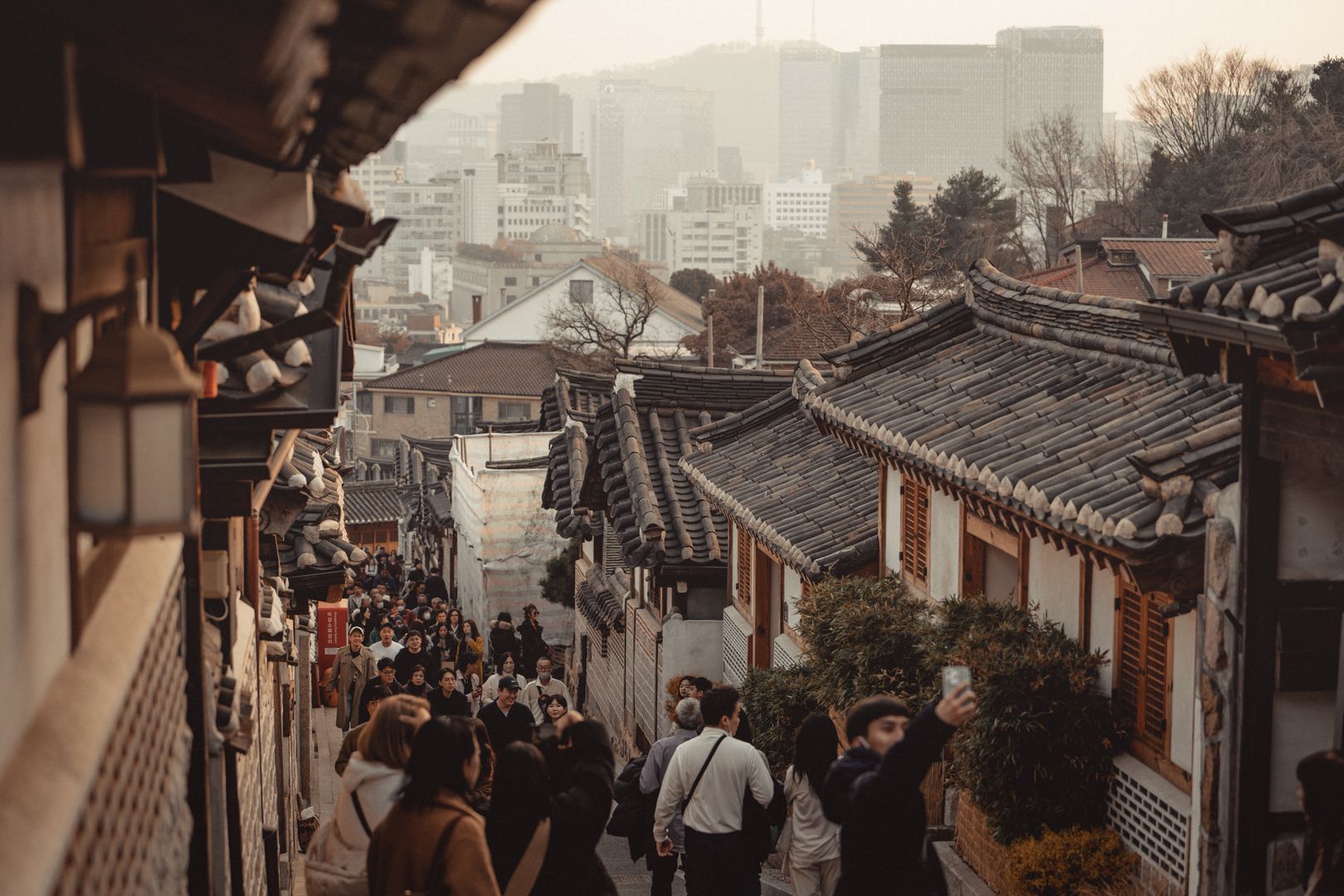
A 10-minute walk up from the Hanok Village, Omokdae is a pavilion on a hilltop from which King Taejo observed a decisive battle in 1380 before founding the Joseon Dynasty. The view down over the tile roofs of the Hanok Village with the mountains behind is the standard drone shot of Jeonju repeated in travel photography, and it is actually that good in person. Best at late afternoon light.
Practical Notes
Jeonju is an easy day trip from Seoul or Busan but staying one night makes more sense — it allows both the early morning and evening village experience and a proper bibimbap dinner. Guesthouses within the Hanok Village (sleeping on traditional floor mats in a renovated hanok) run 80,000–150,000 won per night; modern hotels 10 minutes' walk from the village are 50,000–80,000 won. The village is walkable; no transport needed within it.
FAQ
Is Jeonju worth visiting from Seoul?
Yes, particularly for anyone interested in Korean food, traditional architecture, or cultural history. It is a comfortable day trip but one night is better.
What is the difference between Jeonju bibimbap and regular bibimbap?
More ingredients (20–30 vs 5–8), raw or marinated beef rather than cooked, a heated stone bowl, and region-specific gochujang. The ingredients are also of higher quality given this is the agricultural heartland. The difference is noticeable.