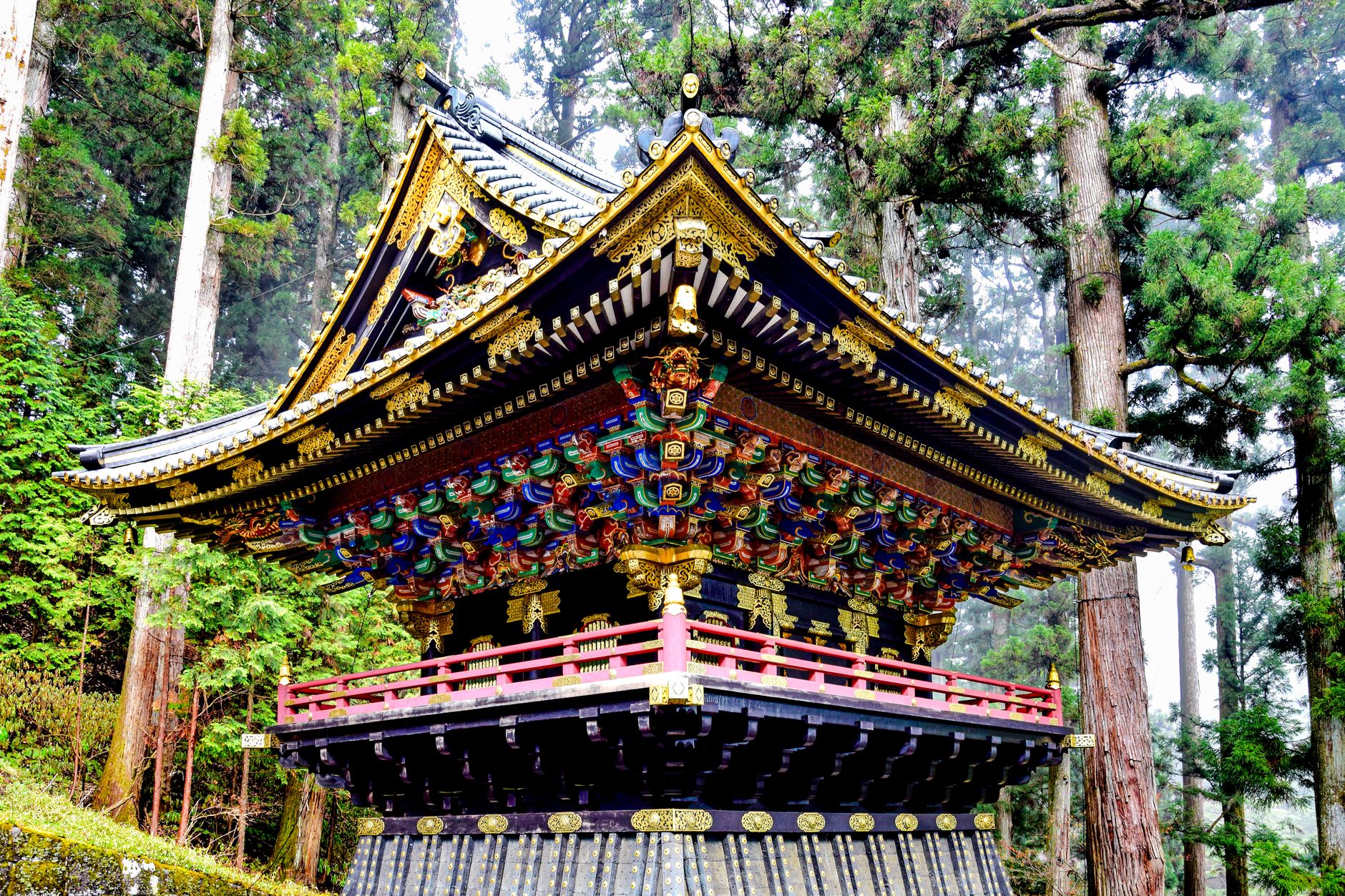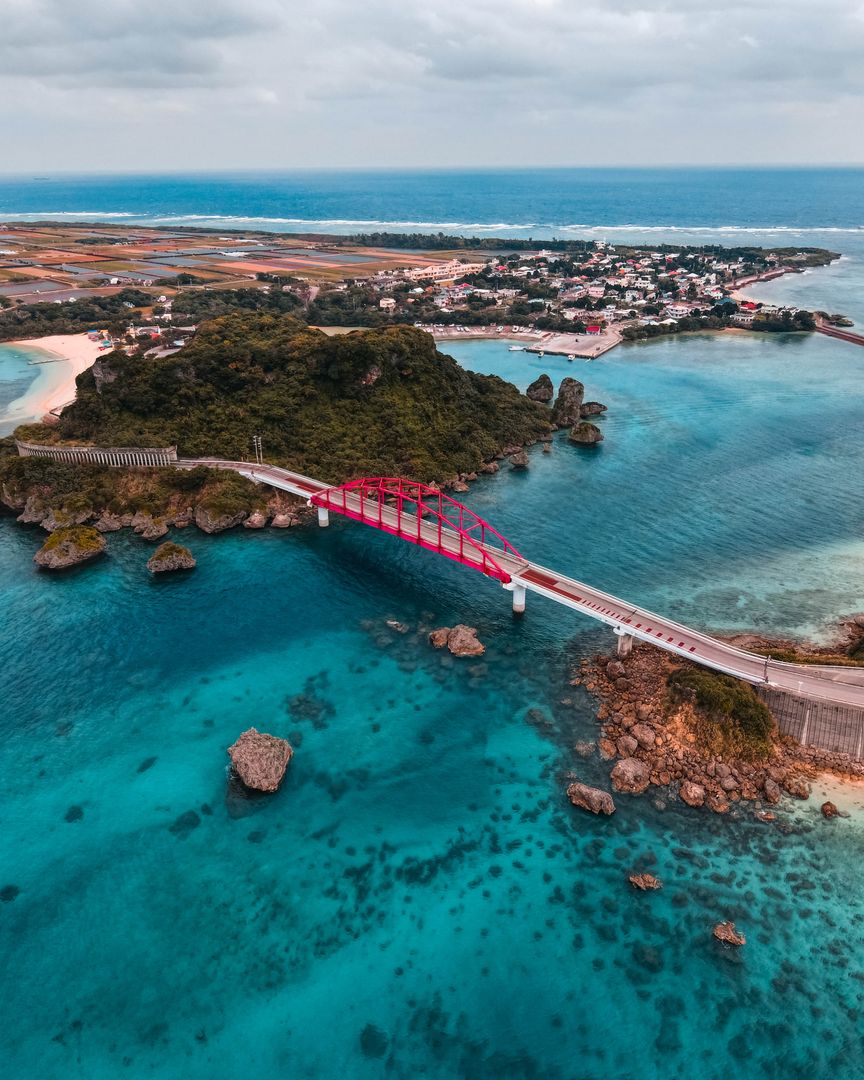

Okinawa was the independent Ryukyu Kingdom until Japan annexed it in 1879. The culture, cuisine, language (Ryukyuan languages are still spoken by some older residents), and architecture are distinct from mainland Japan — the castle network (gusuku) follows a different architectural tradition from Japanese castles; the music uses a three-stringed sanshin instrument unrelated to the shamisen; and the food involves more pork, seaweed, and bitter melon than most Japanese regional cuisines. The island has the highest proportion of centenarians of any Japanese prefecture, a statistic frequently attributed to diet and the concept of ikigai, though living in a subtropical climate where it rarely gets below 15°C probably does not hurt.
Getting There
Naha Airport on the main island is connected to Tokyo (Haneda and Narita), Osaka (Kansai and Itami), Nagoya, and several other Japanese cities by multiple airlines — ANA, JAL, and budget carriers Peach, Jetstar Japan, and Skymark. Flight time from Tokyo is 2.5–3 hours. Fares on budget carriers booked in advance can be as low as 5,000–9,000 yen one-way; full-service carriers are 12,000–25,000 yen. The Japan Rail Pass does not cover Okinawa flights — these are separate purchases.
There is no passenger ferry service from Honshu that most visitors use; the cargo-passenger ferries from Osaka and Tokyo exist but take 2–3 days and are not practical for short trips.
Naha and the Main Island
Shuri Castle (Shurijo) is the most important site on the main island — the former seat of the Ryukyu kings, a UNESCO World Heritage Site, and the defining example of gusuku architecture. The main hall (Seiden) was destroyed in the Battle of Okinawa in 1945 and again by fire in 2019; restoration is ongoing, with partial areas open to visitors (500 yen, reduced during reconstruction). The castle grounds are extensive and free to walk; the views over Naha from the ramparts are good.
Kokusai-dori (International Boulevard) in Naha is the main tourist street — 1.6km of souvenir shops, restaurants, and bars. Adjacent to it, Makishi Public Market has fresh seafood on the ground floor and restaurants on the second floor that will cook what you buy downstairs. The market underwent renovation in 2023; the upper floor is the place to eat goat soup (hiija) and champuru stir-fries at lunch.
The beaches on the main island are not the reason to come. The west coast has some accessible spots (Sunabe Seawall is popular for snorkelling) but the water clarity does not compare to the outer islands. The northern part of the main island (Yambaru) has the island's primary forest — a UNESCO World Heritage Yambaru National Park, home to the Okinawa rail (yambaru kuina), a flightless bird found nowhere else on earth.
Kerama Islands
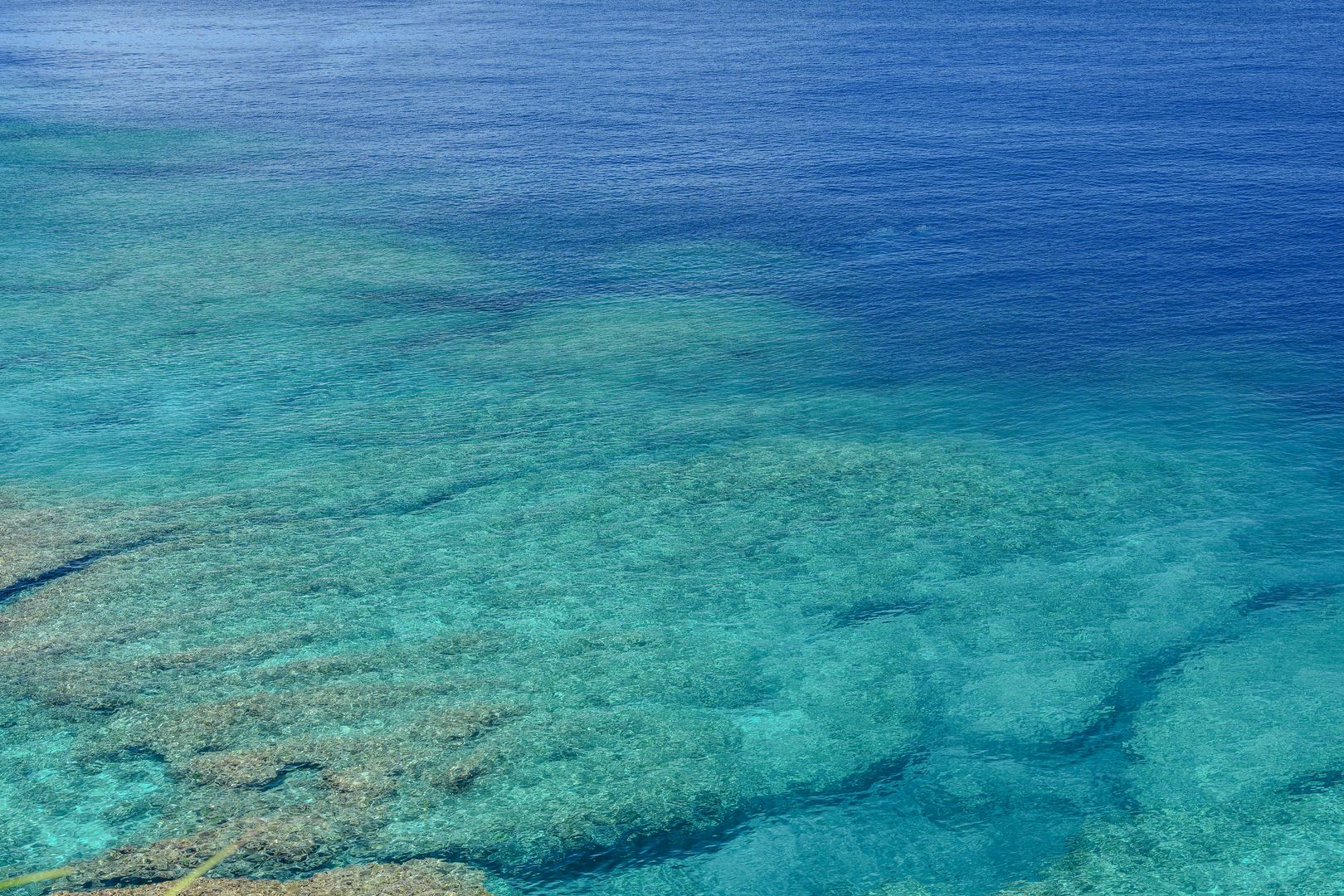
The Kerama Islands — Zamami, Tokashiki, and Aka — are a 35–70 minute ferry ride from Naha and are where most visitors who want clear water go. Zamami has the most infrastructure: a village, guesthouses, minshuku (family-run accommodation), a rental shop for kayaks and snorkel gear, and whale watching boats that operate December–March when humpback whales pass through the strait. The beaches on Zamami and the adjacent uninhabited island of Ama are routinely rated among the best in Japan. Day trips from Naha are possible on the high-speed ferry (70 minutes, 3,140 yen), but staying overnight on the island gives you an early morning on empty beaches before the day-trippers arrive.
Ishigaki and the Yaeyama Islands
At the far southwest of Okinawa Prefecture, Ishigaki Island is the hub for the Yaeyama group — closer to Taiwan (270km) than to Naha (420km). Ishigaki has its own airport (direct flights from Tokyo, Osaka, Naha, and Taipei) and is the transit point for the islands of Iriomote, Taketomi, and Kohama. Iriomote is 90% subtropical jungle — the UNESCO-listed Iriomote-Ishigaki National Park covers most of it. The Urauchi River cuts through the interior; guided kayak and trekking tours go to the Mariudo and Kampire waterfalls deep in the forest. Taketomi is a tiny island (10 minutes by ferry from Ishigaki) with a preserved Ryukyuan village, water buffalo carts, and population of around 350 people. Day-trippable but also worth one night.
Food
Okinawan food is distinct from Japanese food on the mainland. The core ingredients are goya (bitter melon, stir-fried with tofu and pork in goya champuru), rafute (braised pork belly in soy and awamori rice spirit), soki soba (thick wheat noodles with braised pork ribs and fish cake — this is what Okinawans call soba, unrelated to mainland buckwheat noodles), and mozuku (brown seaweed in vinegar). Awamori, distilled from Thai long-grain rice and aged in clay pots, is the local spirit. The cheapest and most authentic eating is at the markets and izakayas of Makishi and the covered arcades of Tsuboya neighbourhood in Naha.
Practical Notes
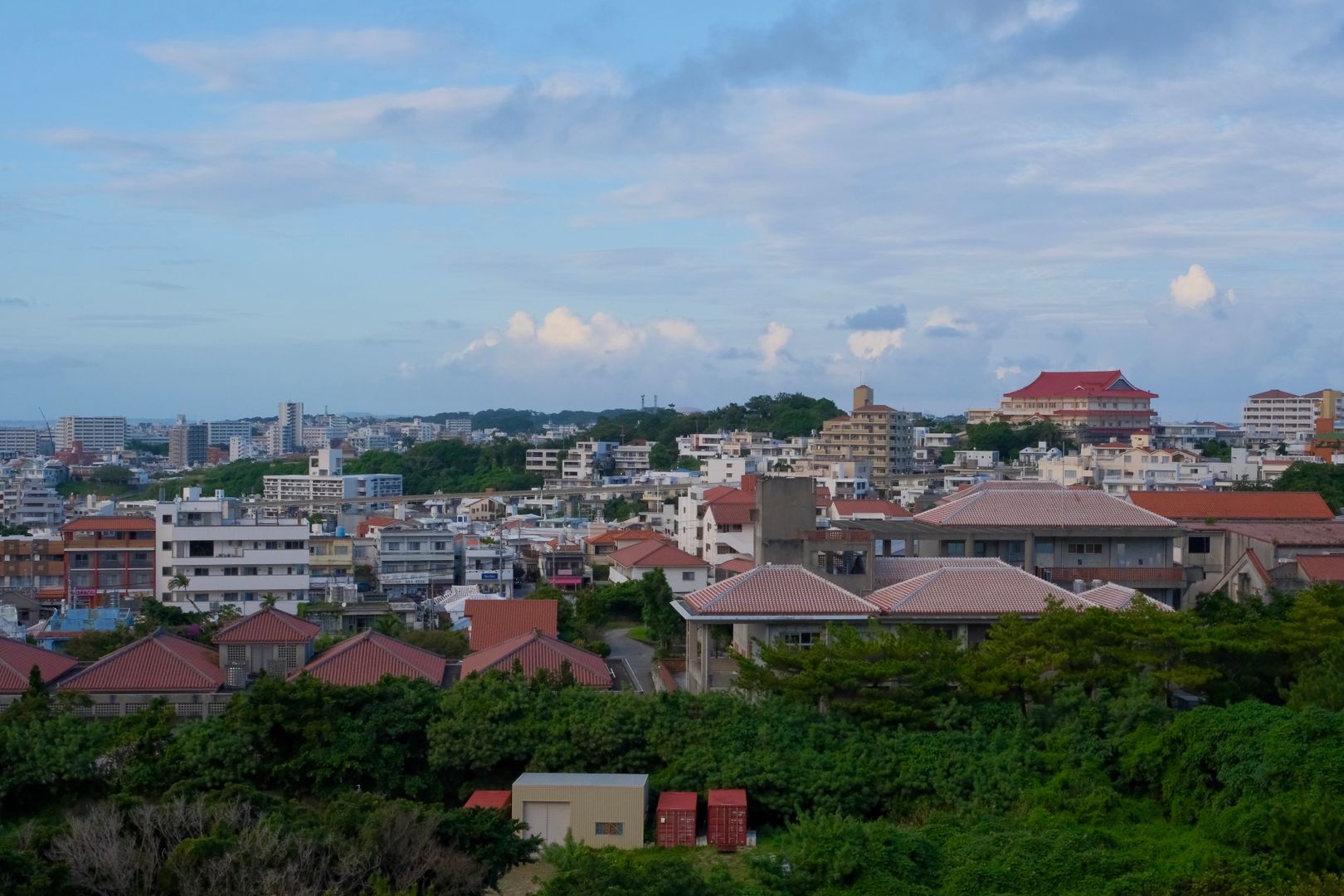
The main island requires a car or scooter for anything beyond Naha — buses exist but are slow and infrequent outside the city. International driving licences from most countries are accepted. Temperatures range from 15–20°C in January to 29–32°C in July–August; typhoon season runs June–November with the peak in September. Okinawa is one of the few places in Japan where sunscreen above SPF 30 is actually necessary year-round. The rainy season (tsuyu) typically falls in May–June.
FAQ
Do I need a JR Pass for Okinawa?
No. The JR Pass covers the shinkansen and JR rail network; Okinawa has no rail connection to the mainland and only the Yui Rail monorail in Naha (not covered by JR Pass). Okinawa requires separate flights and local transport.
How many days do you need in Okinawa?
Three days covers Naha and a day trip to the Kerama Islands. Add two days for the main island's north; a week for adding Ishigaki and the Yaeyamas.
Is Okinawa expensive?
Cheaper than Tokyo or Kyoto for accommodation and food, but flights from mainland Japan add cost. A budget mid-range trip — flights from Tokyo, guesthouse accommodation, local meals — comes to around 15,000–20,000 yen per day including flight amortised over a week.