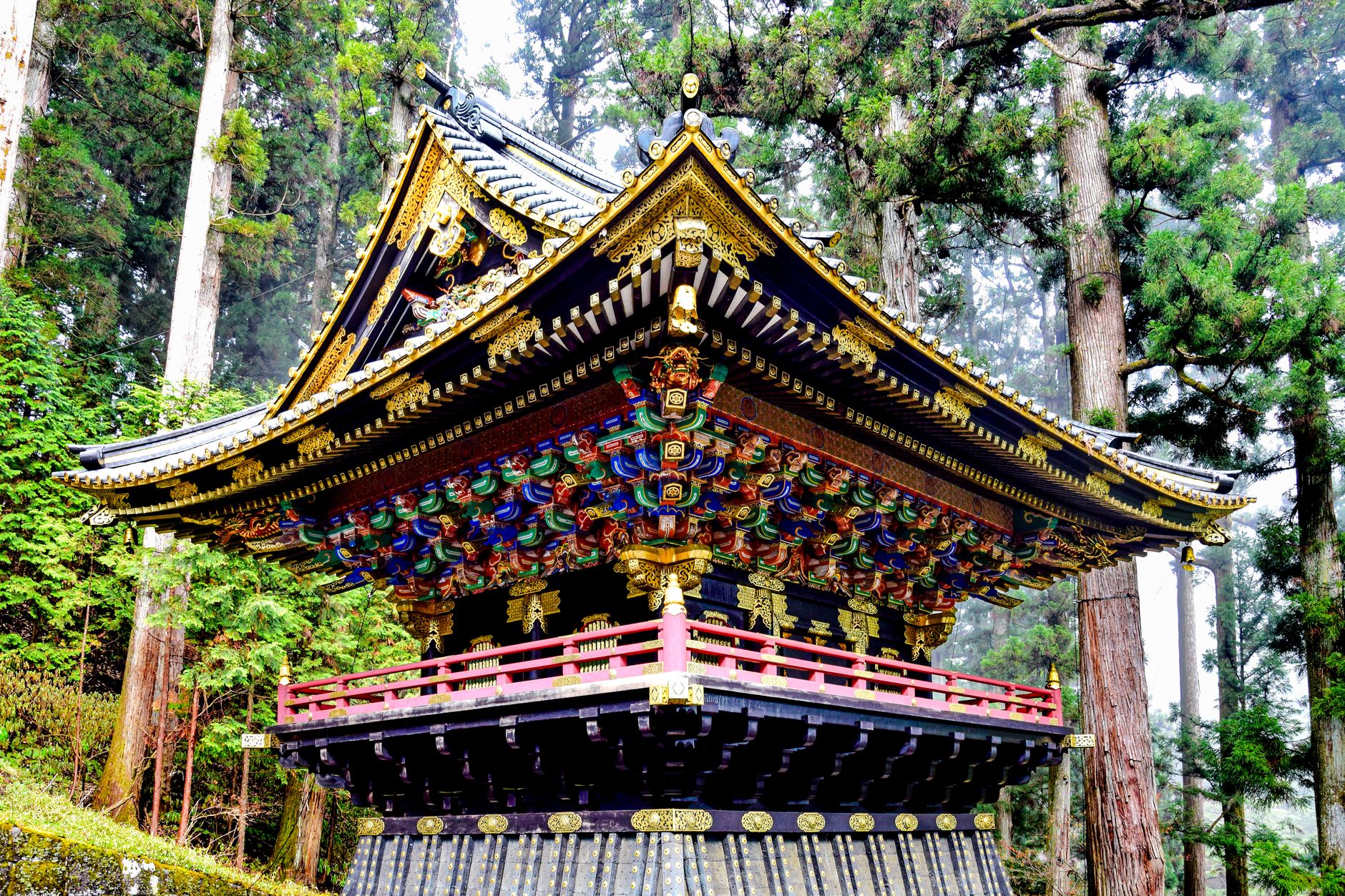
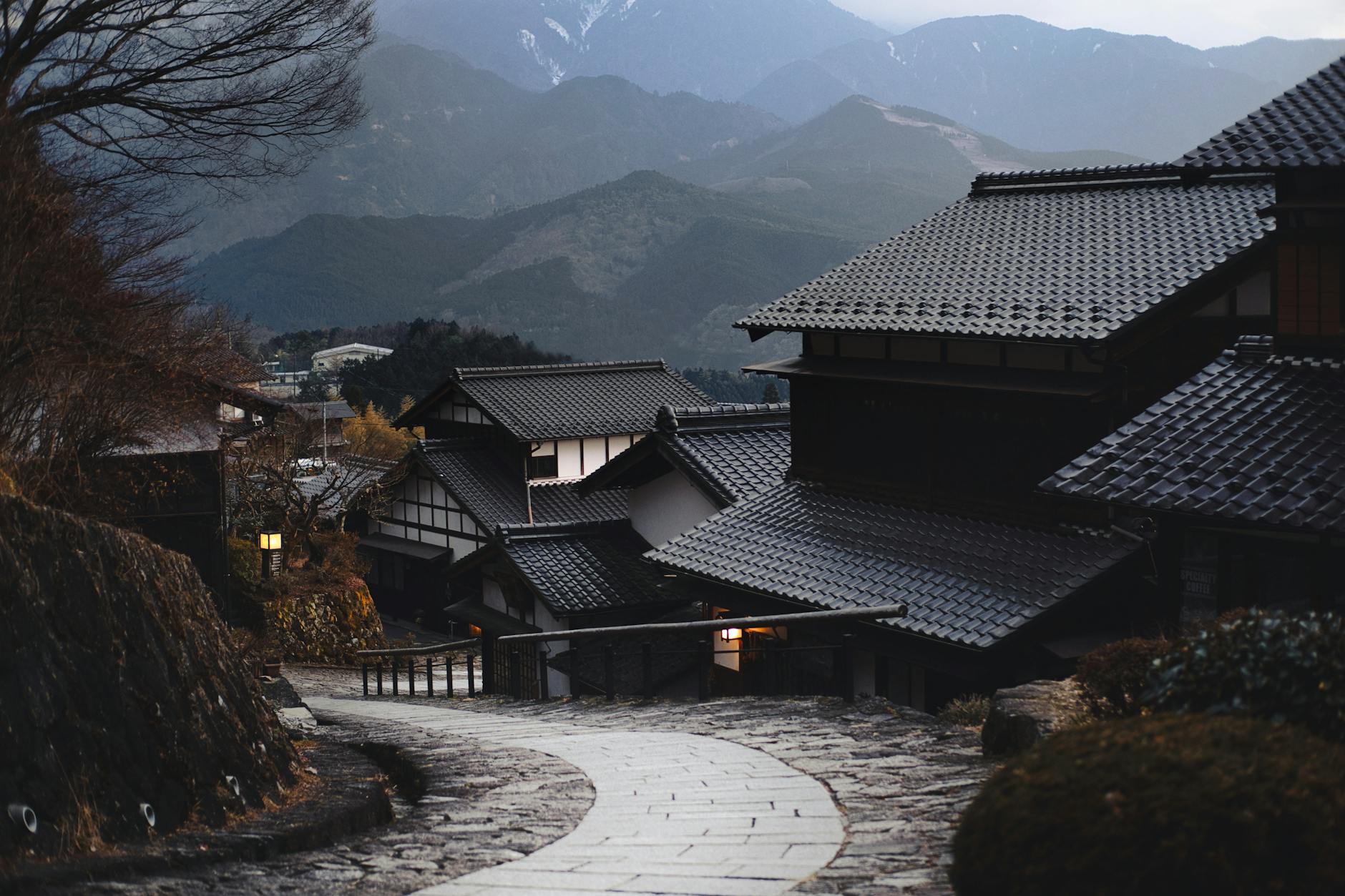
Takayama sits at 573 metres in the mountains of Gifu Prefecture, 2.5 hours by limited express train from Nagoya through the Hida range. The city's two preserved merchant districts — Sanmachi Suji — date from the Edo period (17th–19th century) and have remained largely intact not through government reconstruction but because the remoteness of the mountains kept industrialisation away. The result is one of the most authentic historic townscapes in Japan: sake breweries, miso shops, and lacquerware studios in buildings that have never been replaced, on streets that are narrow enough to block direct sunlight for most of the morning.
Sanmachi Suji: The Preserved Merchant Districts
The three streets of Sanmachi Suji — Ichi-no-machi, Ni-no-machi, and San-no-machi — run roughly north-south through the eastern part of the old town, about 600 metres in total walking length. The buildings are two-storey wooden merchant houses (machiya) with overhanging upper floors, latticed facades, and wooden signage that identifies the type of business: circles indicate sake breweries, dark wooden boards indicate old shops, cedar balls (sugidama) hanging above doorways mark breweries specifically.
There are eight sake breweries in Sanmachi Suji, all still operating. The two most accessible for tastings are Funasaka Shuzo (established 1697) and Hirase Shuzo (established 1860). Most offer 100ml tastings for ¥150–300 per cup; the Hicha (warm sake) in winter is specific to the Hida region and difficult to find outside it. Entry to the brewery shops is free.
The streets are at their least crowded before 9am and after 5pm, when tour groups from Nagoya and Osaka are not present. The morning market on Jinya-mae (in front of the Takayama Jinya government house, more below) runs 7–11am and sells local produce, pickles, and Hida craft items.
Takayama Jinya
The Takayama Jinya is the only surviving example of a government office from the Edo-period shogunate outside Tokyo. Built in 1615 and rebuilt in 1816 after a fire, it served as the regional administrative centre for 176 years until 1969. The restored complex includes the administration halls, tax rice warehouses, a torture chamber, and the residential quarters of the magistrate. Entry ¥440, allow 1.5 hours. The audio guide is worth it — the building is hard to interpret without context.
The rice warehouses (kura) at the rear hold an annual storage of 54,000 bags in the Edo period, paid by local domains as tax. The scale is a reasonable proxy for the wealth extracted from the Hida mountains.
Hida Folk Village (Hida no Sato)
The Hida Folk Village (Hida no Sato) is an open-air museum 2km west of the old town collecting 30 traditional farmhouses (gassho-zukuri — steep-thatched "prayer hands" structures) relocated from the Shirakawa valley before it was flooded by the Miboro Dam in 1961. Entry ¥700, open 8:30am–5pm year-round. Allow 2 hours.
The farmhouses are kept in working condition — thatching is replaced on a rotating schedule, charcoal fires burn in the ground-floor hearths in winter, and the upper floors where silkworms were raised are accessible. The setting on a hillside above a pond replicates what Shirakawa-go looks like without the crowds that come with it being a UNESCO site.
In winter (December–February) the snow load on the thatched roofs can reach 2 metres and the village looks almost identical to photos of Shirakawa-go from the 1960s.
The Takayama Festivals
Takayama has two major festivals, both on UNESCO's Intangible Cultural Heritage list.
Sanno Matsuri (April 14–15): the spring festival of Hie Jinja shrine. Eleven ornate yatai (floats), some fitted with karakuri mechanical dolls performing choreographed scenes, are pulled through the streets on the 14th evening (lantern-lit) and 15th day. The float assembly begins before dawn.
Hachiman Matsuri (October 9–10): the autumn festival of Sakurayama Hachimangū shrine. Twenty-three floats, slightly different from the spring set. The October version has better weather odds and autumn foliage in the hillsides above the town.
Both festivals draw large crowds — accommodation books 3–6 months ahead for those specific weekends. Outside festival dates, the Takayama Matsuri Yatai Kaikan museum (¥1,000) displays four of the floats year-round with good English explanations.
Getting to Takayama
From Nagoya: Hida Limited Express (Wideview Hida), 2h20–2h40, ¥5,610. About 7 services/day. Covered by JR Pass. Book seats in advance — the window seats face the Hida river gorge, which is the best scenery on the route.
From Osaka: Hida Limited Express via Nagoya, total 4h40–5h, change at Nagoya. Or the Shirasagi Limited Express to Toyama (2h15) then Hida south to Takayama (1h45) — more scenic through the Toyama lowlands.
From Tokyo: Shinkansen to Nagoya (1h40) then Hida Limited Express. Total around 4h. The Matsumoto bus connection (2h30, seasonal April–November, ¥4,200) is an alternative for combining the two mountain towns.
From Kanazawa: bus, 2h10, ¥3,500. No direct train; Takayama and Kanazawa are connected by the scenic Highway 156 route.
When to Visit Takayama
Spring (late March–early May): cherry blossoms in the old town (late March–early April at lower elevation), festival season starting, mild temperatures. The April 14–15 festival is the primary draw.
Autumn (October–November): autumn foliage peaks around October 20–November 5 at Takayama's elevation. The October 9–10 festival coincides with the beginning of colour. Best all-around season if festivals are not the priority.
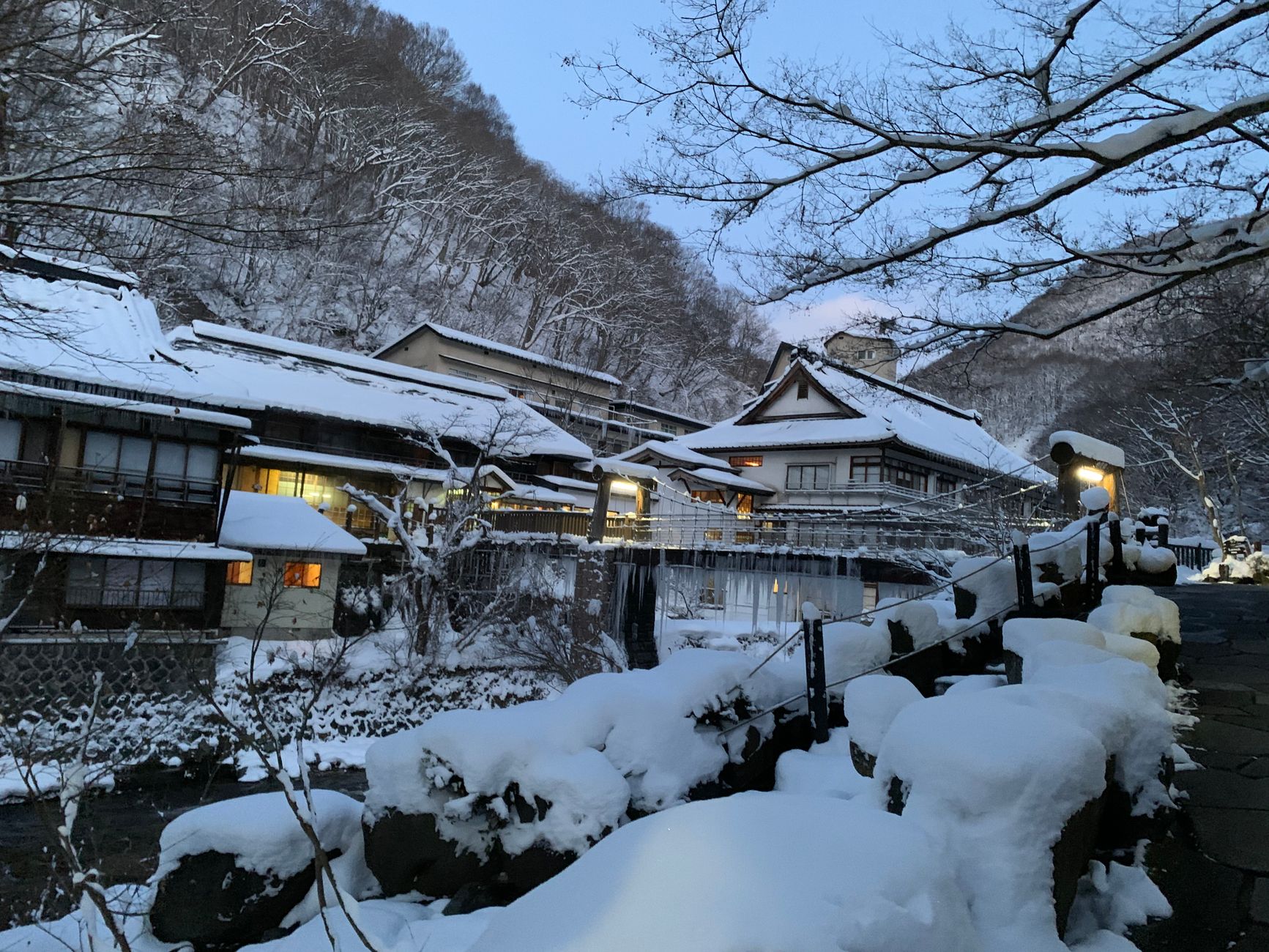
Winter (December–February): 1–2 metres of snow, the streets in the old town cleared each morning but the surrounding mountains fully white. The onsen (hot spring) towns of Okuhida (30km northwest) are accessible by bus and are the reason to visit in winter.
Summer (June–August): green and cool relative to lowland Japan (maximum 30°C in August), the least interesting season for the town itself but the best for hiking the Northern Alps accessible from Okuhida.
Frequently Asked Questions
How many days do you need in Takayama?
Two nights minimum: one full day for the old town (Sanmachi Suji, Jinya, morning market), one day for the Hida Folk Village and potentially Shirakawa-go (1 hour by bus north). A third day for Okuhida onsen is worth it if you have the time.
Is Takayama worth visiting without a JR Pass?
Yes. The Hida Limited Express from Nagoya costs ¥5,610 without a pass — a manageable cost for a train journey through the gorge that is genuinely scenic. The JR Pass makes sense only if you are doing a broader Japan circuit that includes Tokyo and Osaka.
What is the difference between Takayama and Shirakawa-go?
Takayama is a functional city with a preserved merchant district; Shirakawa-go is a single UNESCO-listed village of gassho-zukuri farmhouses with limited accommodation. Takayama makes a better base; Shirakawa-go is a 1-hour bus excursion from it.
Can you see Takayama in a day trip from Nagoya?
Technically yes — 2h20 each way, 5 hours in town. It is tight and leaves no time for the Jinya or the Folk Village. An overnight is strongly preferable.
Is Takayama expensive?
Mid-range accommodation runs ¥8,000–15,000/night per person (often including dinner and breakfast). The sake tastings, museum entries, and morning market are cheap. Food in the old town restaurants runs ¥1,500–3,000 for lunch, which is normal for a tourist area in Japan.