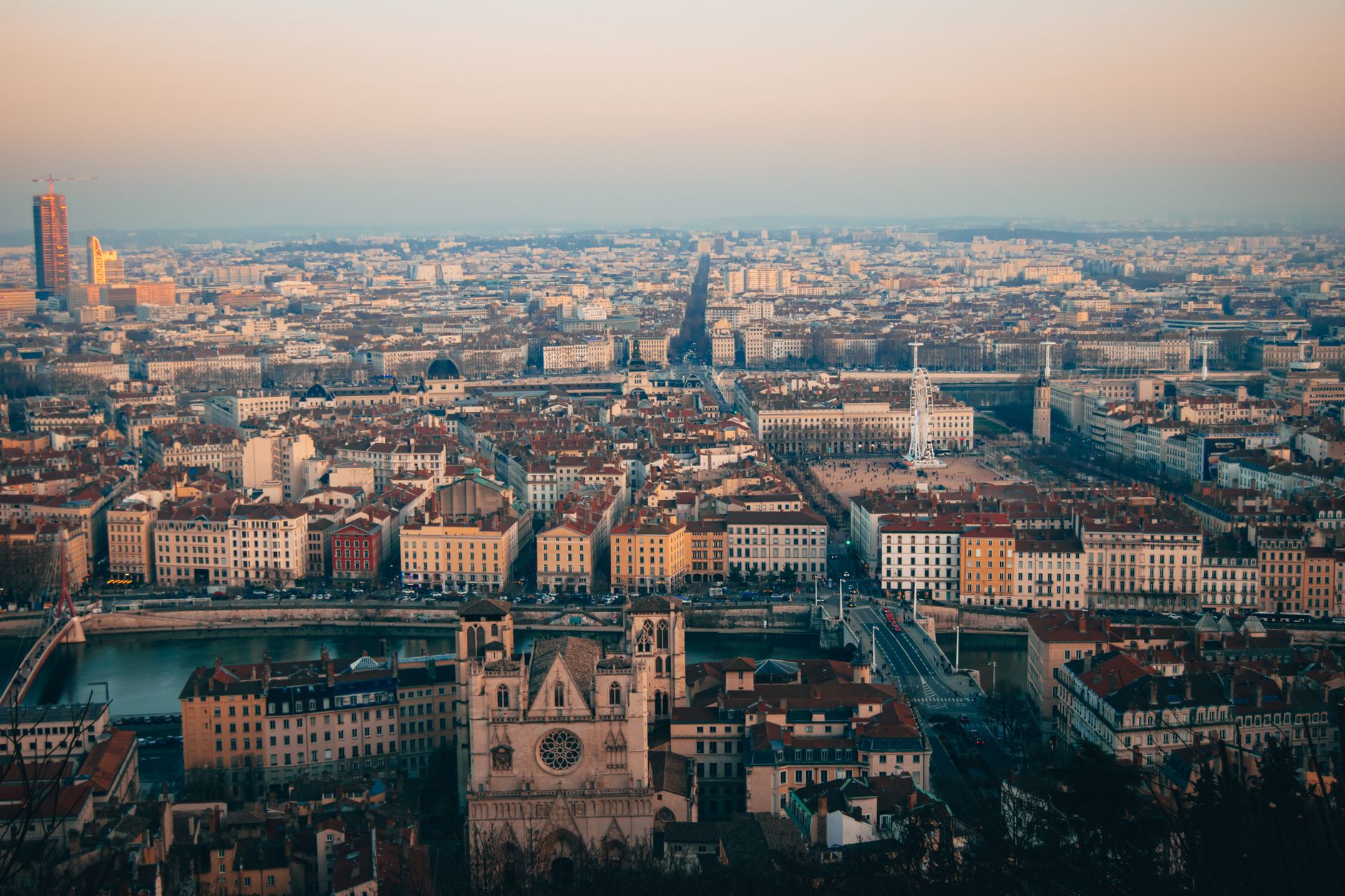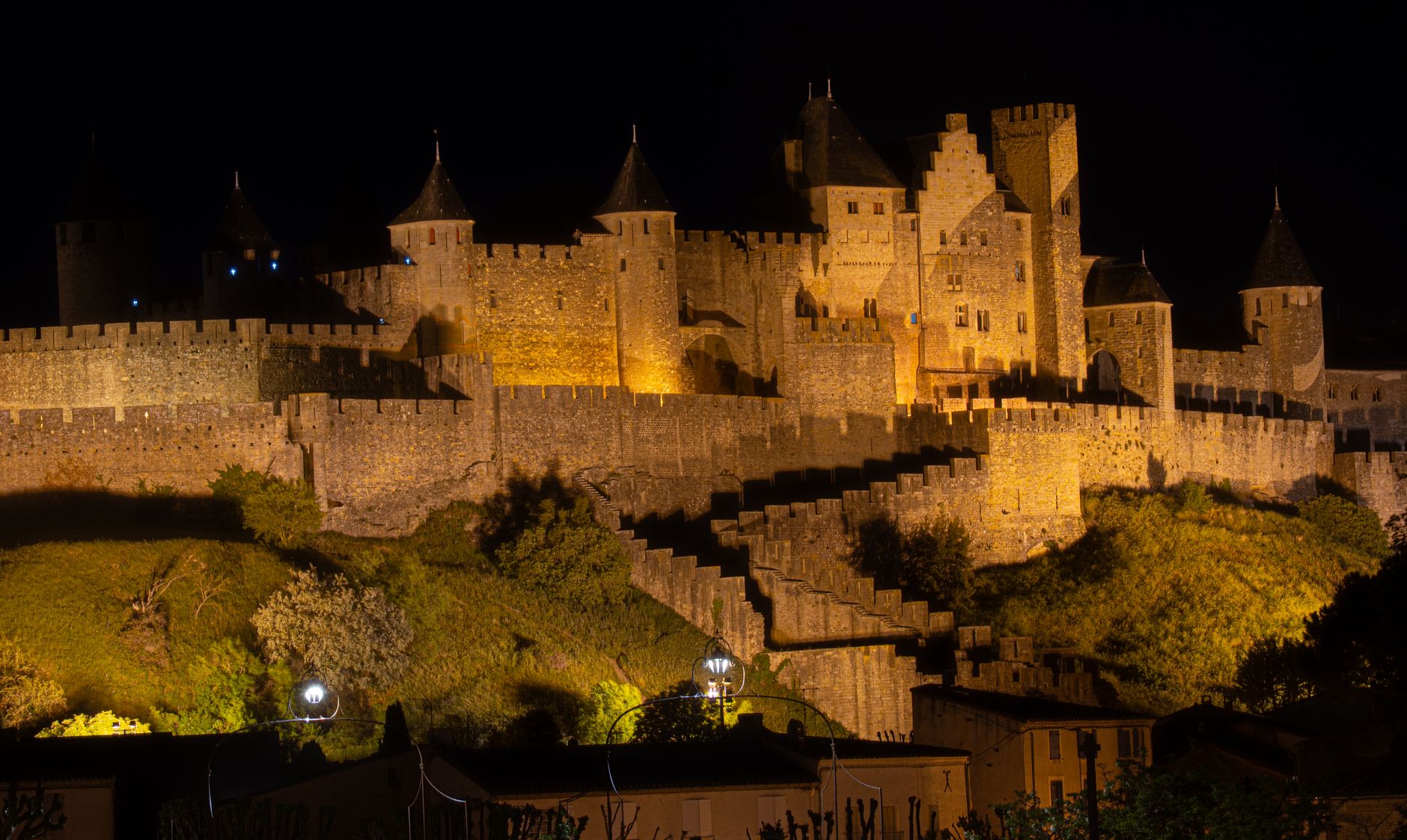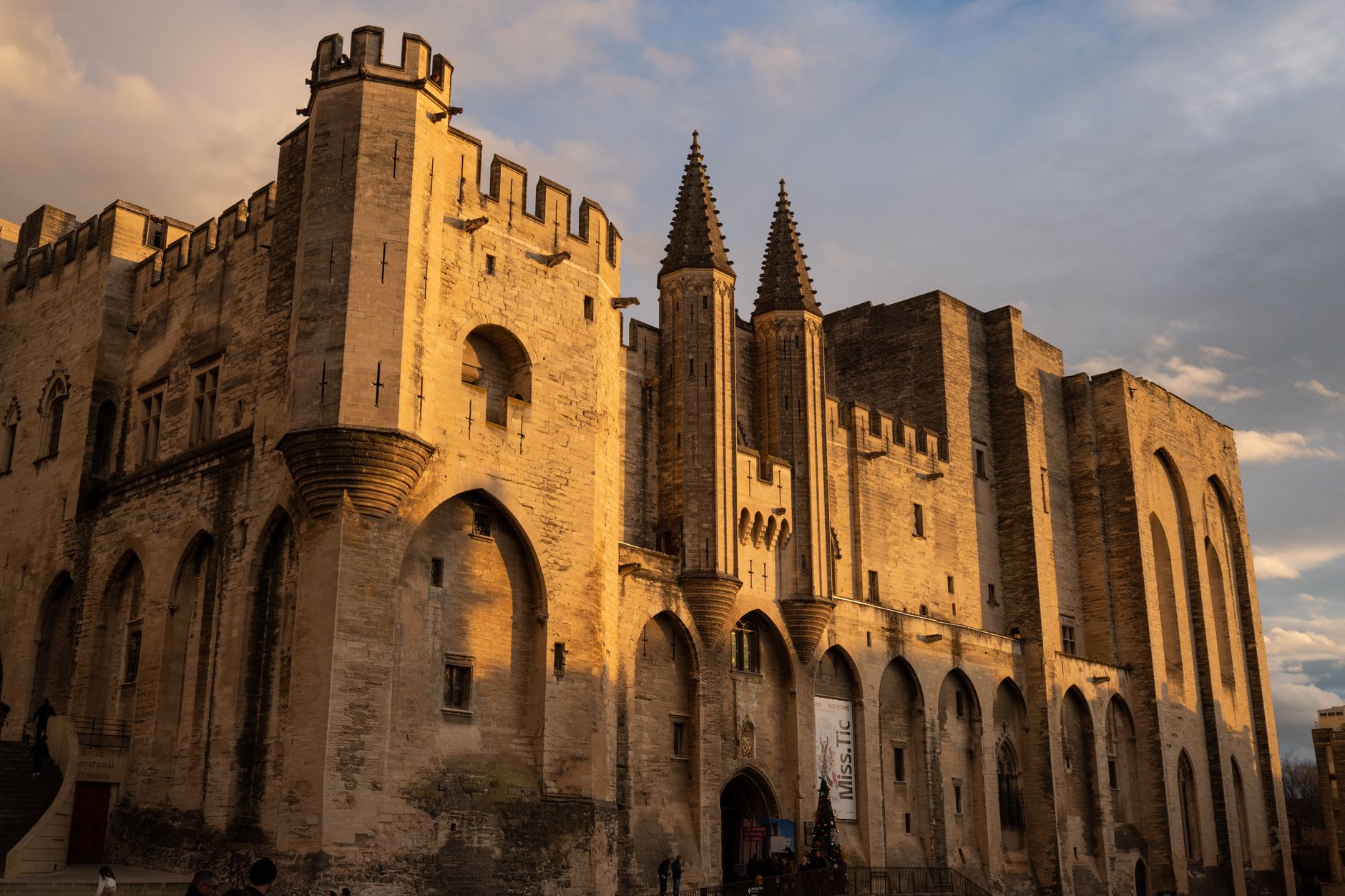

Avignon was the seat of the Catholic papacy from 1309 to 1377, when a succession of French-aligned popes — under pressure from the French crown — transferred the Holy See from Rome to the banks of the Rhône. They built the largest Gothic palace of the Middle Ages, enclosed the city in 4.3km of ramparts that survive largely intact today, and made Avignon one of the most politically significant cities in Europe for seven decades. Today the Palais des Papes is a UNESCO World Heritage Site alongside the Pont Saint-Bénézet; the July theatre festival fills every courtyard and piazza with productions running simultaneously; and the TGV from Paris takes 2h40.
Palais des Papes
The palace divides into two periods: the Old Palace (Palais Vieux, built by Pope Benedict XII, 1334–1342) and the New Palace (Palais Neuf, built by Pope Clement VI, 1342–1352). Together they form the largest Gothic building in the world by floor area: 15,000 square metres, walls 4 metres thick at the base, with a floor plan that takes orientation to navigate even with a map.
The interior is largely stripped. The palace was used as a military barracks from 1793 and as a prison through the 19th century; most furnishings, tapestries, and portable artwork were removed or destroyed. What remains are the vaulted rooms themselves — enormous, silent, ochre-stone spaces — and the fresco fragments that were too fixed to remove.
The Chambre du Cerf (Stag Room) is the exception: a nearly complete secular fresco cycle painted in 1343 for Clement VI, showing hunting, falconry, fishing, and garden scenes. The only surviving large-scale secular fresco cycle from the 14th century in France, and the most human space in an otherwise institutional building.
The audio guide (included with entry) is essential — without it the empty rooms are difficult to interpret. Entry €15 (palace + Pont Saint-Bénézet combo); €12 (palace alone). Allow 1.5–2 hours.
Pont Saint-Bénézet (Pont d'Avignon)
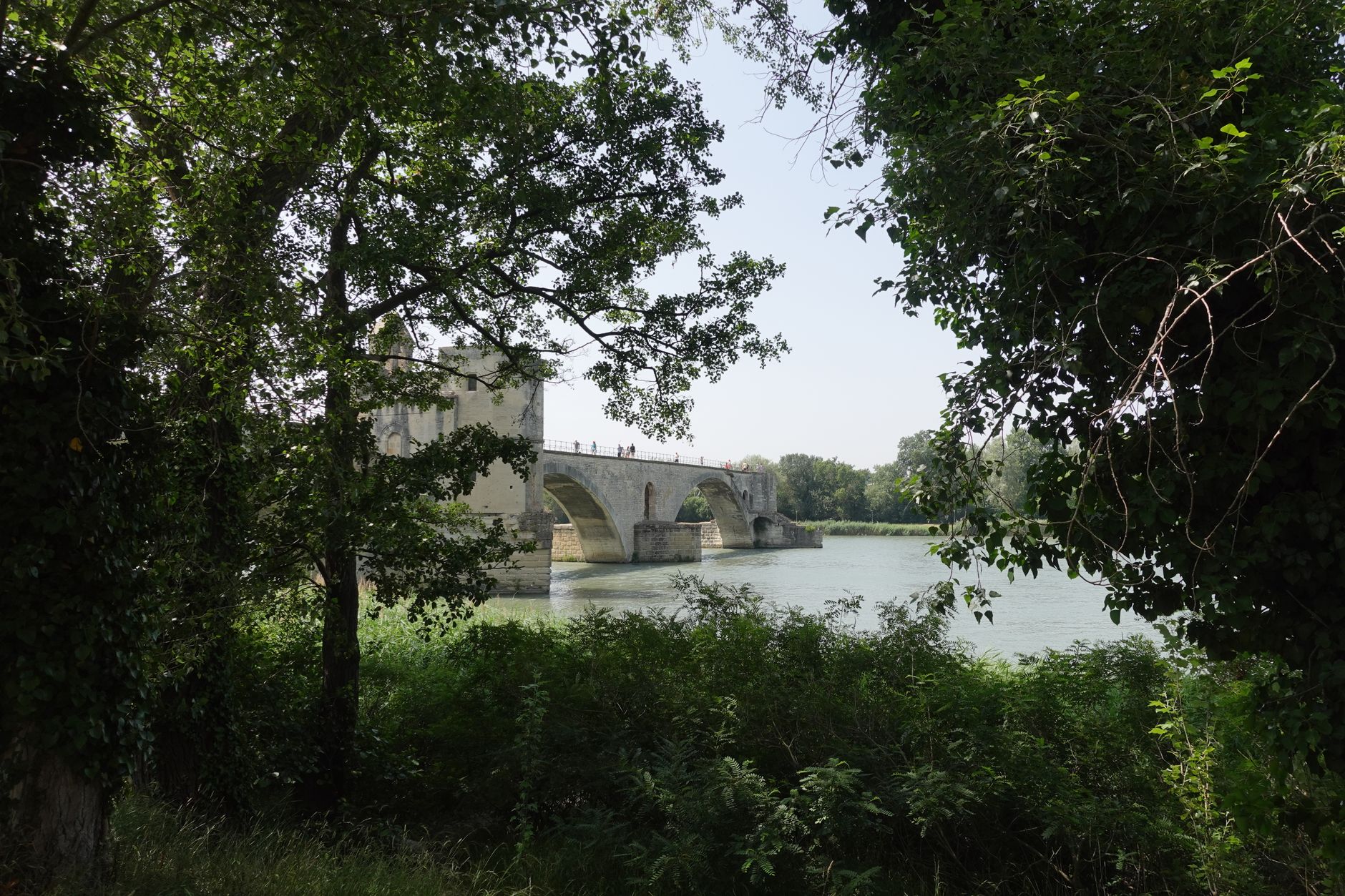
The bridge of the song — "Sur le pont d'Avignon, on y danse, on y danse" — was built in the 12th century and once spanned the Rhône entirely. Successive floods destroyed most of it; four of the original 22 arches survive, ending in the middle of the river with the Chapel of Saint Nicholas perched on the second pier.
The practical experience: a 15-minute walk to the end and back, with a good view of the Palais des Papes from the river. Entry €5 separately or included in the palace combo.
The better viewpoint is free: the Rocher des Doms gardens above the palace have a terrace that gives the classic image of the bridge with the Palais and the Rhône together. Follow the path up from the Palais des Papes to the garden, 5 minutes.
The Walled City
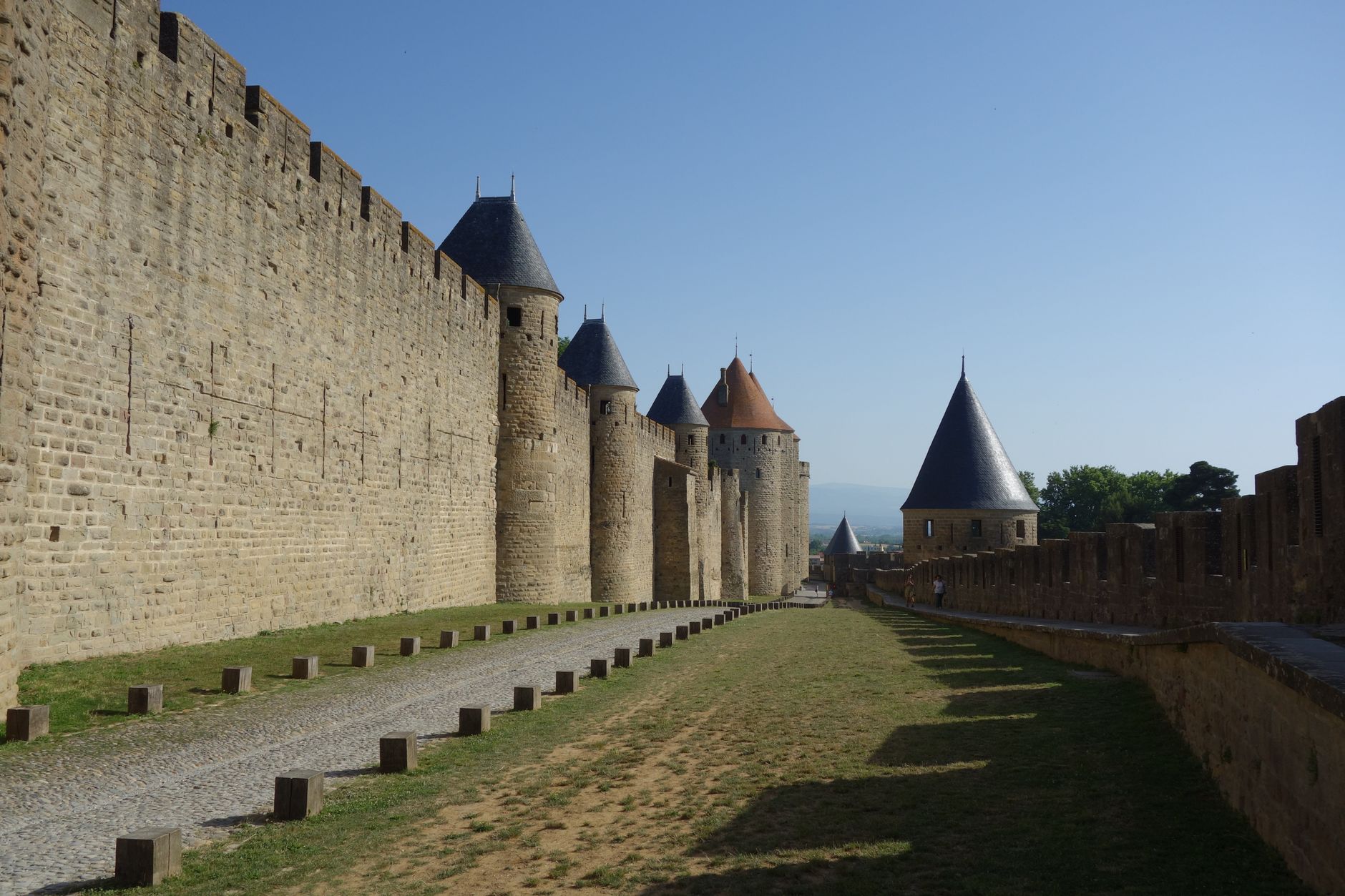
The 4.3km of ramparts (1355–1370) are intact on all sides and walkable at street level from outside. The city within is a working Provençal city of 90,000 people with a mix of historic buildings, tourist infrastructure, and ordinary commerce.
Rue des Teinturiers is the best street in Avignon: the dyers' quarter, paved with flat stones over the canal that once powered the dye mills (the waterwheel pits are still visible through grilles in the street). The most architecturally intact lane, largely free of tourist shops, with small restaurants and craft workshops.
Place de l'Horloge: the main square with the 19th-century town hall. The outdoor cafe terraces here charge tourist prices. The bars two streets back do not.
The Avignon Festival
The Festival d'Avignon runs for three weeks in July and is the most important French-language theatre festival in the world. The official programme (IN) uses the Palais des Papes courtyard as the main outdoor stage and around 40 other venues. The fringe (OFF) runs simultaneously with 1,400+ productions in every available courtyard, church, car park, and public space in the city.
Accommodation in Avignon in July books 3–6 months ahead. Tickets for the main IN productions sell out weeks in advance. If July is the specific reason to visit, book everything well ahead; if it is not the reason, avoid July.
Day Trips: Vaucluse
Avignon is the standard base for the Vaucluse — the Provençal countryside east of the Rhône.
Les Baux-de-Provence (35km east): a ruined medieval citadel on a white limestone ridge above the Val d'Enfer (Valley of Hell). The upper town is ruined, the lower town is the most tourist-saturated village in Provence. The Carrières de Lumières light show (projected images onto the cave walls of the old bauxite quarry) is worth the €14 if the artist featured is of interest.
Luberon villages: Gordes (50km east), Roussillon (60km east, famous for its ochre-red houses and quarried cliffs), and Bonnieux (55km) form the most visited village circuit in Provence. Car essential; no practical public transport.
Pont du Gard (25km west): the best-preserved Roman aqueduct in the world — three tiers of arches, 49 metres high, 275 metres long, built in the 1st century CE to carry water to Nîmes. Entry €9 for the site, walking, and museum. 1.5 hours.
Getting to Avignon
From Paris Gare de Lyon: TGV direct to Avignon TGV station, 2h40, €50–120. The TGV station is 3km south of the city centre — a shuttle bus (navette) runs every 30 minutes to the city centre (€2, 10 minutes).
From Marseille: TGV, 35 minutes, €20–35. Very frequent. From Lyon: TGV, 1h, €20–40. From Arles: regional train, 20 minutes, €5. Arles + Avignon makes a strong 2-day Provence combination.
When to Visit Avignon
May–June: best window. Temperatures 20–27°C, the Rhône banks accessible, Luberon and Les Baux manageable before peak summer. The lavender fields near Sault and the Luberon peak around mid-June.
September–October: the Vaucluse harvest season — grapes in the Châteauneuf-du-Pape vineyards (20km north), olives in the Alpilles. Excellent temperatures (18–26°C), reduced visitor numbers.
July (festival period): specific reason to visit, specific planning required.
November–March: quieter, some Luberon restaurants closed, but the city itself is fully functional and atmospheric without summer crowds.
Frequently Asked Questions
How many days do you need in Avignon?
One full day for the Palais des Papes, Pont Saint-Bénézet, and the walled city. Two days adds a day trip to Pont du Gard and Les Baux. Three days covers the Luberon villages and Châteauneuf-du-Pape by car.
Is the Avignon Festival worth planning a trip around?
If serious theatre is an interest and French is readable (most IN productions are in French), yes. The OFF programme has English-language productions. The city atmosphere in July — every public space functioning as a stage — is unique in France.
What is Châteauneuf-du-Pape?
A village 20km north of Avignon that gives its name to one of the most respected red wine appellations in France — primarily Grenache-based, with up to 13 permitted grape varieties. The ruined château above the village (from which John XXII built his new papal residence in the 14th century) is free to visit. Winery visits available at dozens of domaines.
Is Avignon better than Arles as a Provence base?
Avignon is larger, better connected by TGV, and the Palais des Papes is more substantial than Arles' Roman theatre and amphitheatre. Arles is smaller, quieter, has the Camargue nature reserve accessible nearby, and is the Provence base most associated with Van Gogh's 1888–89 stay. Visiting both is straightforward — 20 minutes by train.