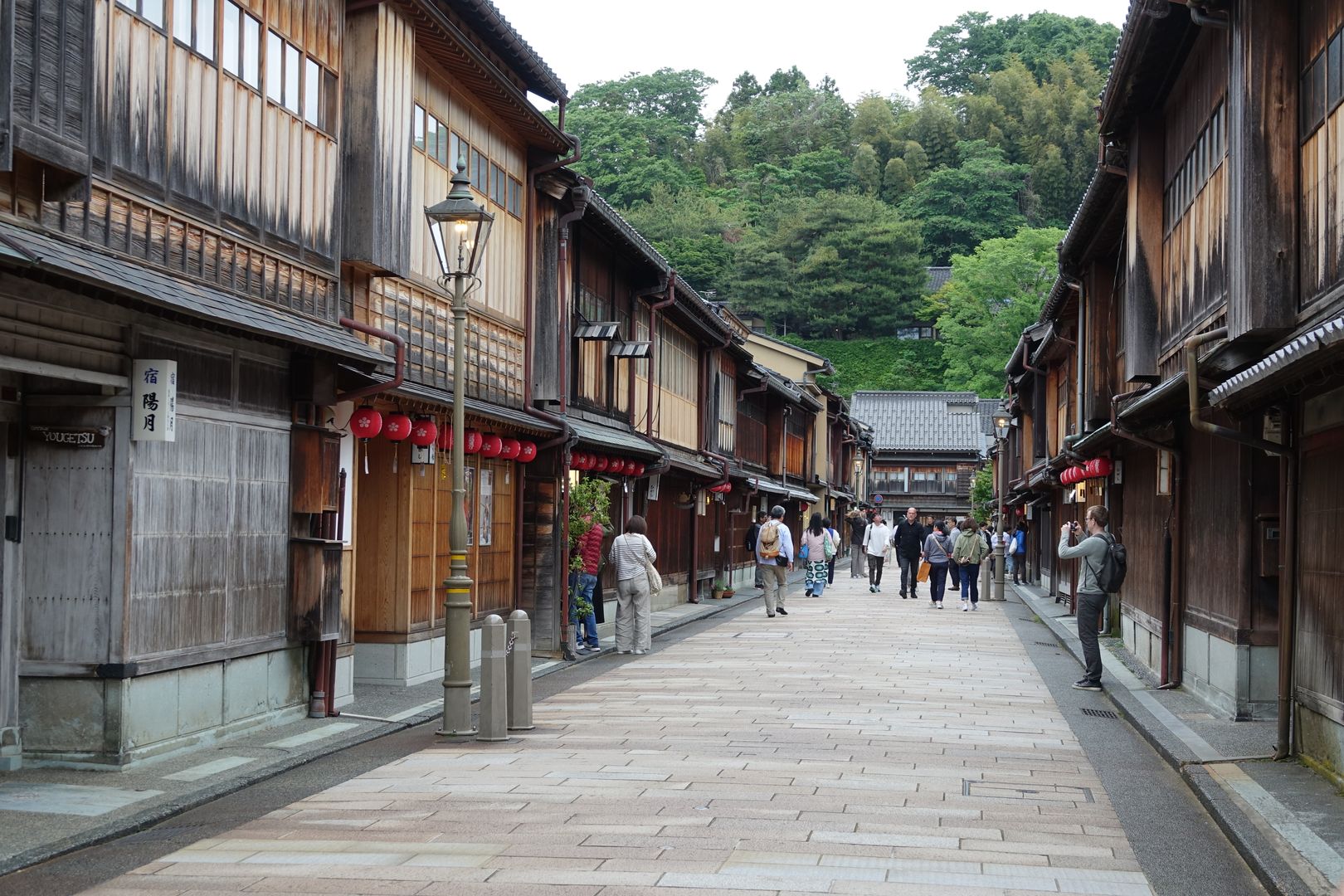
Hiroshima is simultaneously a modern, well-functioning city of 1.2 million people and the site of the world's first atomic bomb attack on August 6, 1945. Visiting requires some capacity to sit with that contradiction. The Peace Memorial Museum does not simplify or sanitise the event. If you approach it with that expectation, it becomes one of the most worthwhile museum visits in Japan—not as tourism, but as necessary witness.
Day trip versus overnight: which suits you
Day trips to Hiroshima from Kyoto or Osaka are feasible but require very tight scheduling and force trade-offs that undercut the point of going. An overnight stay fundamentally changes what you can absorb and experience.
From Kyoto or Osaka to Hiroshima (transport times and costs, 2026):
- Kyoto to Hiroshima: Nozomi Shinkansen, 1 hour 30 minutes, 11,400 JPY (JR Pass holders take Hikari, 2 hours, covered by pass). Trains depart every 10–15 minutes.
- Osaka to Hiroshima: Nozomi, 1 hour 15 minutes, 10,450 JPY. Hikari, 1 hour 40 minutes. Same frequency.
Day trip logistics: Leave Kyoto by 8:00 AM, arrive Hiroshima 9:45 AM. This gives you 4 hours at the Peace Memorial Park and Museum before you must catch a 2:00 PM ferry to Miyajima. You get 90 minutes on the island (enough to see the Itsukushima Shrine's torii gate and walk the main street), then return for a 5:30 PM ferry. You catch the 7:00 PM Shinkansen home. The museum alone deserves 2–2.5 hours of attention; four hours means you rush or skip one significant section. Miyajima in daylight-only visits misses the torii gate at sunset, when the structure glows amber and the crowds thin.
Overnight recommendation: Depart 8:00 AM, arrive 9:45 AM. Spend the morning at the Peace Memorial Park, leisurely walk the museum's east wing. Lunch. Complete the west wing (the emotionally demanding half) in the early afternoon. Take the 3:00 PM ferry to Miyajima. Spend four hours on the island—see the torii at low or high tide (whichever suits the day's schedule), hike Mount Misen or take the ropeway, browse the shopping street. Return to Hiroshima by 7:00 PM. Dinner at an okonomiyaki restaurant. Sleep. Return the next morning by 11:00 AM Shinkansen, back in Kyoto or Osaka by 1:00 PM. This rhythm allows genuine presence rather than transit.
The Peace Memorial Park and Museum
The Peace Memorial Park occupies 120,000 square metres of central Hiroshima, centred on the Genbaku Dome (A-Bomb Dome)—the ruined Prefectural Industrial Promotion Hall left standing as a monument. The building's skeletal frame, frozen in the moment of the blast, is visible from several points in the park. Most visitors find it more affecting to approach it slowly rather than as a destination.
What the park contains (allow 90 minutes for walking):
- The A-Bomb Dome itself: a short walk from the south entrance. The structural damage is immediately legible—the cupola collapsed, the outer walls blown away on the south-facing side. Stand to the east or west for photographs that show the asymmetry of the blast.
- The Cenotaph for the Victims of the Atomic Bomb: a stone arch designed to shelter the spirits of the dead. The inscription reads (translated): "Rest in peace. The error shall not be repeated." More than 140,000 people died in the initial blast or from radiation sickness by the end of 1945; another 140,000 by 1950.
- The Children's Peace Monument: a structure of folded paper cranes, accumulated contributions from visitors worldwide. The cranes accumulate visibly; the weight of the gesture builds over time.
- The Peace Flame: a cast-bronze basin that has burned continuously since 1964. It will remain lit until all nuclear weapons are eliminated globally. The deliberate open-endedness is the point.
- The Peace Bell: struck by visitors; the sound carries clearly across the park.
Park entry is free. Walking the main sites without lingering takes 90 minutes. Many visitors spend longer, sitting on benches, or returning to read individual plaques.
The Peace Memorial Museum (200 JPY entry, 9:00 AM–5:00 PM daily, extended to 8:00 PM July–August):
The museum is divided into an east wing (historical context) and a west wing (human impact). They are not equivalent experiences.
The east wing covers the geopolitical context: Japanese militarism, the Pacific War, the decision to deploy atomic weapons, and the post-war reconstruction. It is informative and important, but it functions as context. Allow 45 minutes.
The west wing focuses on the direct human experience of August 6, 1945, and its aftermath. It contains personal effects of victims, photographs of burns and radiation sickness, and audio testimony from survivors (hibakusha). A display case holds a child's lunch box, charred, with the remains of what was inside. Another case shows the shadow burned into stone from a person's body. The testimonies are graphic and specific—descriptions of skin peeling away, children calling for parents who did not return, the smell of burning flesh and hair lasting for weeks in the city. This wing is emotionally punishing. That is not a reason to avoid it; it is the reason to go. Allow 75 minutes and do not rush.
The museum does not frame the bombing as a simple good or evil. It presents the facts of what happened to civilians and lets you sit with the weight of that. Some visitors find this unbearable; some find it necessary. Both responses are correct.
Audio guides and visiting strategy: The museum includes an audio guide in some ticket packages. The museum's own audio guide (available for rent at the entrance) is thorough and can be paused to allow time with individual exhibits. Do not skip the audio testimony in the west wing, even if it extends your time.
Photography: Most exhibits in the east wing permit photography; signage indicates restrictions. In the west wing, avoid photographing survivor testimony and personal effects of the deceased. Discretion is expected and appreciated.
Miyajima Island: the floating torii and logistics

Miyajima (officially Itsukushima) is a 30-square-kilometre island 25 minutes from central Hiroshima. The primary draw is the Itsukushima Shrine and its vermillion torii gate (O-torii), which stands 16.6 metres tall in the sea 200 metres offshore. It is one of Japan's three views (Nihon Sankei) and appears on nearly all Hiroshima tourism materials.
How to reach Miyajima from Hiroshima:
Take the Hiroden tram (the street tram system) from central Hiroshima to Hiroshima-ko (the port station). Journey time: 25 minutes. Day tram pass: 700 JPY (unlimited travel on all Hiroden lines for one day). From Hiroshima-ko, the ferry departs every 15 minutes. JR Miyajima Ferry: 260 JPY one way, 10 minutes, covered by JR Pass. A competing private ferry (Aqua Net Hiroshima) is marginally cheaper (210 JPY) but less frequent. Budget the extra 50 JPY for reliability and schedule certainty.
The Itsukushima Shrine and torii gate (entry 300 JPY):
The shrine was established in 593 CE and is dedicated to three goddesses of the sea. The torii gate is not a shrine structure but a symbolic gateway marking the boundary between the mundane and sacred worlds. The gate itself has stood in various forms since the 12th century; the current structure was rebuilt in 1875.
The critical variable: tide. At high tide (approximately 2 metres of seawater), the torii appears to float, creating the illusion that you are walking on sacred ground surrounded by sea. At low tide, the sea retreats roughly 300 metres, exposing mudflat, and you can walk to the gate's base. Both states are photographically distinct and worthwhile, but they are entirely different experiences.
Check tide times before you visit. Tide tables for Miyajima are published by the Hiroshima Prefectural Tourism Association and are accurate to within 10 minutes. High tide occurs roughly every 12 hours 25 minutes, rotating gradually across the day. If you arrive at low tide, plan to return at high tide or accept the walk to the gate. Do not assume "the gate floats"—verify the tide.
Shrine entry includes access to the main hall and the torii; allow 60 minutes to walk slowly, take photographs, and sit with the space.
Deer: Like Nara, Miyajima has free-roaming sika deer throughout the island—approximately 300–400 animals. They are less aggressive than Nara's population but will eat maps, guidebooks, and any unprotected food. Do not hand-feed them deliberately. If a deer approaches your bag, hold it closed firmly. The deer are accustomed to humans and generally ignore visitors unless food is visible.
Mount Misen (535 metres):
A moderately steep hike reaches the island's highest point in 90 minutes one way. The trail is well-marked and heavily trafficked. Views of the Seto Inland Sea and dozens of islands are clear in good weather; the hike is not worthwhile in fog or heavy cloud.
Alternative: take the Miyajima Ropeway (Ropeway Sanroku Station) 1,000 JPY one way, 1,050 metres, 5 minutes. The ropeway deposits you 420 metres up; a short walk reaches the summit. This is a reasonable option if you have limited time or are not confident on steep terrain.
From the summit, visibility extends 80 kilometres in clear conditions—the Seto Inland Sea's island geography becomes legible.
Omotesando shopping street:
The main street leading from the shrine is lined with souvenir stalls and small restaurants. Momiji manju (maple leaf-shaped bean-paste cakes, 120 JPY) are the canonical Miyajima speciality; buy them fresh from a stall rather than pre-packaged. The cakes are best eaten the same day. Several stalls serve them warm.
What to eat in Hiroshima
Hiroshima-style okonomiyaki:
Okonomiyaki exists in two regional forms: Osaka's version mixes ingredients together; Hiroshima's version is constructed in distinct layers. A Hiroshima okonomiyaki consists of (from bottom to top): a thin crepe base, shredded cabbage, grilled pork, yakisoba noodles, an egg cooked on the griddle top, and Worcestershire-type sauce (a dark, umami-heavy Japanese condiment distinct from the Western sauce). The chef assembles the layers on the griddle in front of you, then slides a metal spatula underneath and flips the entire stack onto a plate. The construction takes 5 minutes; the eating should take longer.
Okonomi-mura (the "okonomiyaki village") occupies three floors of a building near the Hondori shopping arcade. It contains 24 individual stalls, each with seating for 5–8 people. Every stall makes the dish slightly differently—slight variations in sauce concentration, noodle type, pork cut. This is not a theme park; it is a working kitchen arcade. Queue times indicate popularity but do not guarantee quality. Stall 26 (Hassei) consistently draws lines; the craft is genuinely evident. Budget 900–1,200 JPY per person. Arrive before 11:30 AM or after 1:30 PM to avoid the midday crush.
Oysters (kaki):
Hiroshima prefecture produces 60% of Japan's farmed oysters. The taste is brininess with a slight sweetness; the texture is delicate and creamy.
Kaki-ya is a small restaurant near the Hondori arcade offering grilled, raw, and fried oysters. Grilled oysters (kayaki gaki) are topped with a salty butter-miso and served in the shell. Raw oysters (nama gaki) are served with a squeeze of lemon. Fried oysters (kaki fry) come breaded and served with tonkatsu sauce. Budget 300–600 JPY per oyster; 3–4 oysters make a satisfying course.
Where to stay in Hiroshima (for the overnight option)
Sheraton Grand Hiroshima (~18,000 JPY, mid-range): directly above Hiroshima Station. The convenience factor dominates every other consideration—you exit the Shinkansen and enter the hotel lobby within 5 minutes. The rooms are standard Sheraton design. The rooftop bar has views of the city. If you are doing an overnight Hiroshima visit from Kyoto or Osaka, this timing and logistics advantage is worth the cost.
Hotel Sunroute Plaza (~8,000–12,000 JPY, mid-budget): 10-minute walk from Hiroshima Station, near the Peace Memorial Park. Slightly less convenient for arrival but more walkable to the park. Modern, clean, functional.
J-Hoppers Hiroshima (~4,000 JPY, budget guesthouse): 15-minute walk from Hiroshima Station, very close to the A-Bomb Dome. Social common areas. Mixed dorms and private rooms. The price signals extreme value; the social atmosphere is a deliberate part of the proposition. Reliable and straightforward.
Getting around Hiroshima
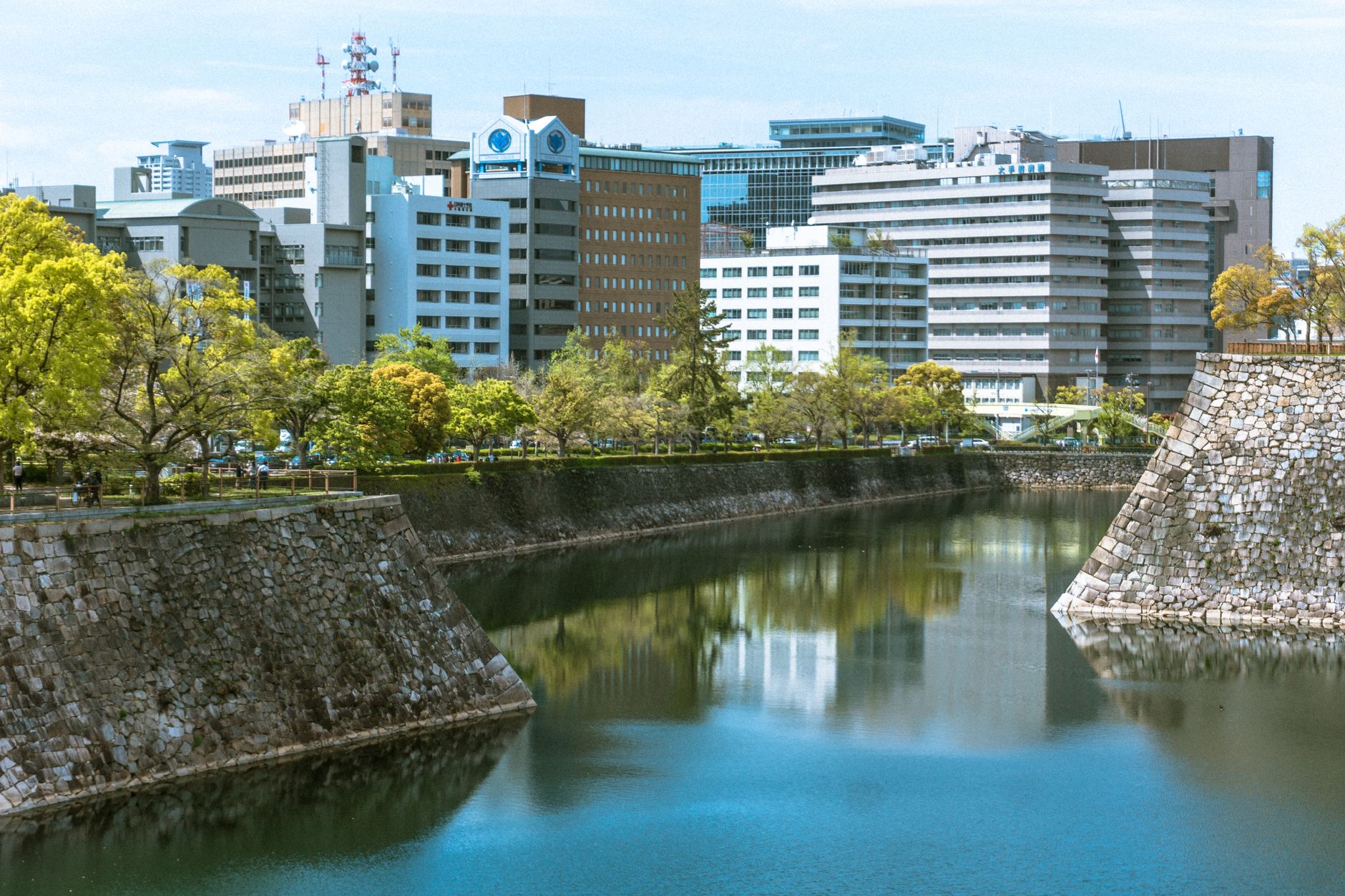
Hiroden (Hiroshima Electric Railway): The tram system covers the city's main routes. A one-day pass costs 700 JPY and covers unlimited travel.
Key stops:
- Genbaku-Dome mae (A-Bomb Dome station): exit directly facing the Peace Memorial Park.
- Hiroshima-ko (Hiroshima Port station): tram terminal connecting to the Miyajima ferry.
- Hiroshima Station (main JR station): the central transport hub.
All signage is in Japanese and English. The tram moves slowly through urban streets; it is a pleasant way to see Hiroshima's ordinary functioning city beyond the memorial sites.
Language and navigation: Hiroshima is far more English-signposted than most Japanese cities, a direct result of the volume of international visitors to the Peace Memorial sites. Most young people working in hotels, restaurants, and the shrine speak basic English. Museum audio guides are in English, German, French, and Mandarin.
A note on emotional preparation
The Peace Memorial Museum is not a tourism experience in the conventional sense. It documents a specific historical act—the atomic bombing of a civilian city—and its immediate human consequences. Visitors typically report:
- First hour: engaged, informative, processing the historical context.
- West wing: a marked emotional shift. Some visitors describe it as the first time the scale of civilian casualties became legible rather than abstract. Many sit for extended periods in front of particular exhibits.
- After leaving: a period of quiet. Most visitors do not immediately seek out restaurants or shopping. Many sit in the park for 30 minutes to an hour.
- Recovery: the peace and calm of the park itself provides a contained space to process. The deliberate design of the park—with its quiet zones, the flowing water, the stone monuments—is meant to facilitate this.
You do not need to be "prepared" emotionally in advance. You need to give yourself time afterward. This is why an overnight stay is strongly preferable to a day trip: it creates rhythm rather than transit.
Frequently Asked Questions
Is the Peace Memorial Museum appropriate for children?
The west wing contains graphic photographs of burn injuries and personal effects of deceased victims. The museum does not censor or soften these images. Children aged 10 and up typically engage meaningfully; younger children may find it disturbing without adding understanding. Parental judgment is essential. The east wing is appropriate for all ages.
What time of day should I visit the torii gate on Miyajima?
Visit at high tide for the floating effect, or at low tide if you want to walk to the gate's base. Neither is "better"—they are different experiences. Sunset at high tide (approximately 6:00–6:30 PM during summer months) produces the most dramatic light, but crowds are heaviest at this hour. Early morning (7:30–8:30 AM) offers calm, clear conditions and fewer people.
How long should I spend on Miyajima?
Two hours covers the shrine and main street. Four hours allows the shrine, a hike or ropeway trip up Mount Misen, and time to browse shops and cafes without rushing. Six hours or more is reasonable if you plan to eat lunch on the island and sit in the peace of the shrine grounds.
Can I visit Hiroshima and Miyajima as a day trip from Tokyo?
Technically yes: Tokyo to Hiroshima is 4 hours by Nozomi Shinkansen. You arrive mid-morning, have 5–6 hours in Hiroshima and Miyajima, and depart 7:00 PM, arriving Tokyo near midnight. This is possible but means neither location receives meaningful attention. The 2–2.5 hours the Peace Memorial Museum actually requires would consume most of your available time. An overnight stay in Hiroshima is strongly preferable.
Do I need to book the Peace Memorial Museum in advance?
No. The museum accommodates approximately 1.5 million visitors annually without reservation limits. Arrive before 11:00 AM to avoid midday queues. July–August sees the highest crowds; January–February the lowest. The museum is closed December 30–January 1 and for maintenance one day per year (announced in advance).
Is okonomiyaki better at Okonomi-mura or individual restaurants?
Okonomi-mura offers range and spectacle—you see the construction, the competition, the variety. Individual okonomiyaki restaurants offer a single chef's refined interpretation, often with superior ingredients. For a first visit to Hiroshima, Okonomi-mura is worthwhile for the experience and the choice. For a repeat visit, seek out a single small restaurant in a residential neighbourhood (your accommodation can recommend one).
Who should go, when, and why: Plan an overnight in Hiroshima if you can absorb difficult history with attention, and if you want to understand how ordinary cities rebuild after catastrophic violence. Go in autumn (October–November) or spring (April–May) for clear weather and moderate crowds. The Peace Memorial Museum requires genuine time and emotional presence; rushing through it undermines its point. Miyajima works as a counterbalance—natural beauty, small-scale spirituality, ordinary pleasure—which makes the two-destination itinerary psychologically coherent rather than numbing.