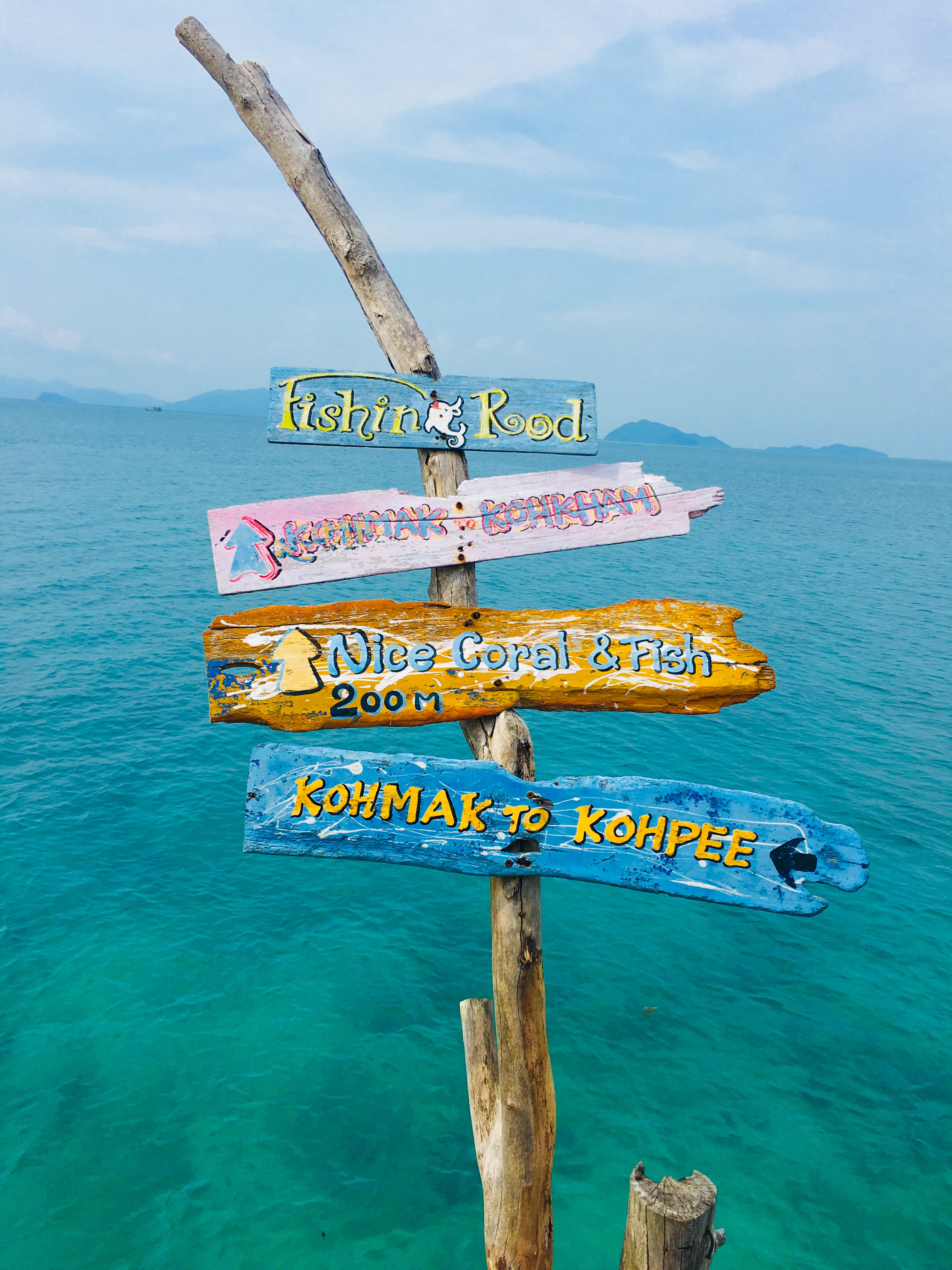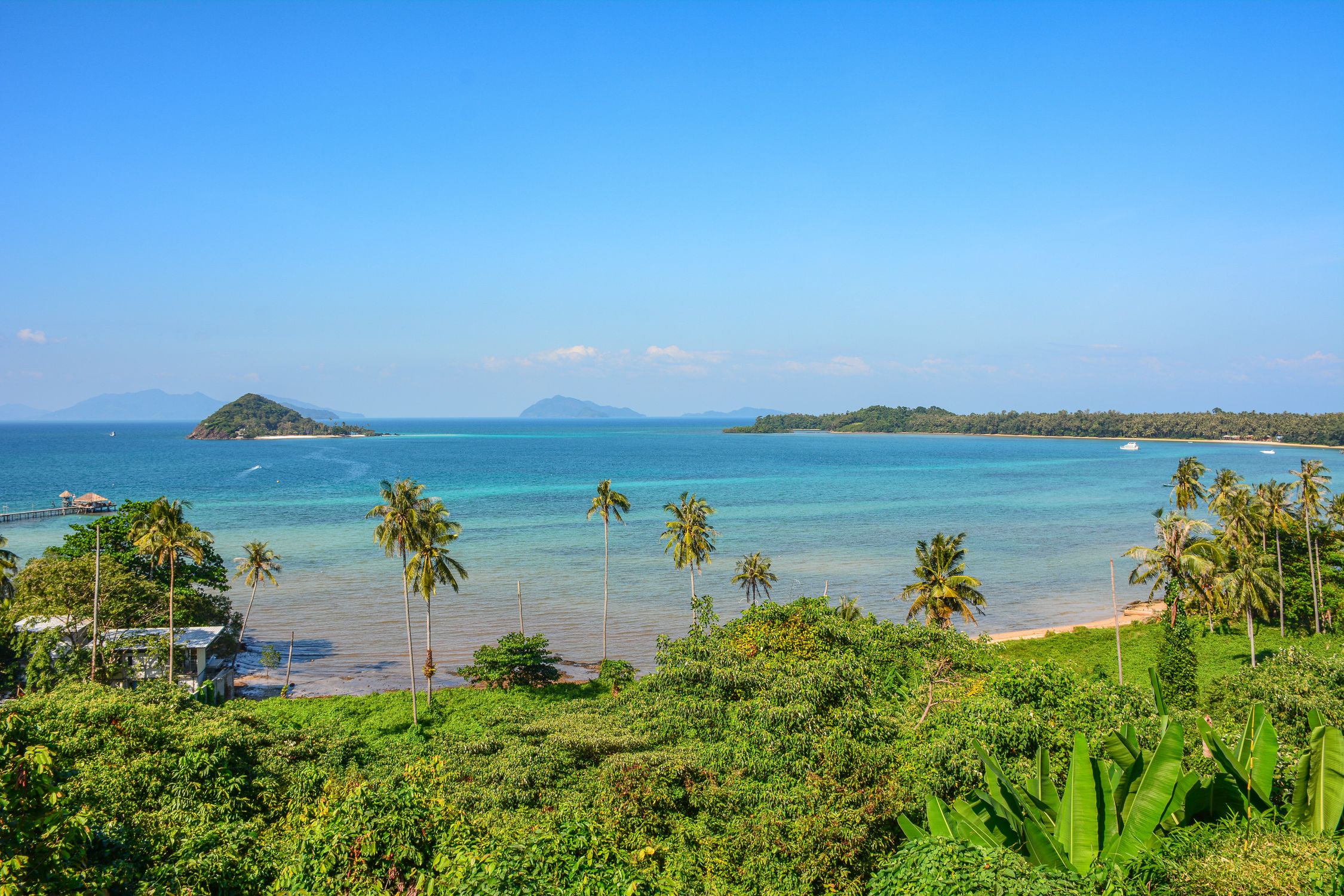

A week in the Koh Chang archipelago requires accepting that getting there consumes most of a travel day: Bangkok to Koh Chang takes five and a half to seven hours via bus and ferry, and returning to Bangkok from Koh Kood means a two-hour speedboat to Laem Ngop plus another five hours overland—or a flight from Trat Airport. This itinerary assumes seven full nights away from Bangkok, treating the arrival and departure days separately.
The route: why Koh Chang → Koh Mak → Koh Kood, not backwards
Travel this direction. Larger to smaller lets you acclimate properly before reaching the smallest islands; logistically, speedboats run west-to-east most mornings, and you end near Trat Airport if flying back. Reversing the route means arriving on Koh Kood exhausted, then spending your fresh days on crowded Koh Chang.
Getting to Koh Chang: transport options for 2026
Bus and ferry (most common): From Bangkok Ekamai Bus Terminal, catch a direct air-conditioned bus to Laem Ngop (four hours 30 minutes, 280–350 THB). Arrive at the pier, buy a ferry ticket onward to Koh Chang's White Sand Beach pier (45 minutes, 80–100 THB). Ferries run eight times daily from 6:00 to 17:00. Total cost: 360–450 THB. Total time: six hours door-to-beach.
Minivan from Khao San Road: Private minivans depart daily from tourist hostels and pickup points (500–600 THB per person), collecting passengers until full, then driving direct to the Koh Chang ferry pier. Arrives mid-afternoon. Door-to-ferry, no bus station hassle. Book the night before through your guesthouse or any travel agent on Khao San Road.
Overnight option (if arriving from elsewhere in Thailand): If you're in Pattaya or the eastern seaboard, minivans run from Pattaya to Laem Ngop (two hours 30 minutes, 200–300 THB). From Trat city, songthaews go to Laem Ngop (45 minutes, 40 THB).
Arrive on Koh Chang by mid-afternoon. Check in, walk to the beach, order food, sleep. The journey has exhausted you more than you'll admit.
Days 1–3: Koh Chang (three nights)
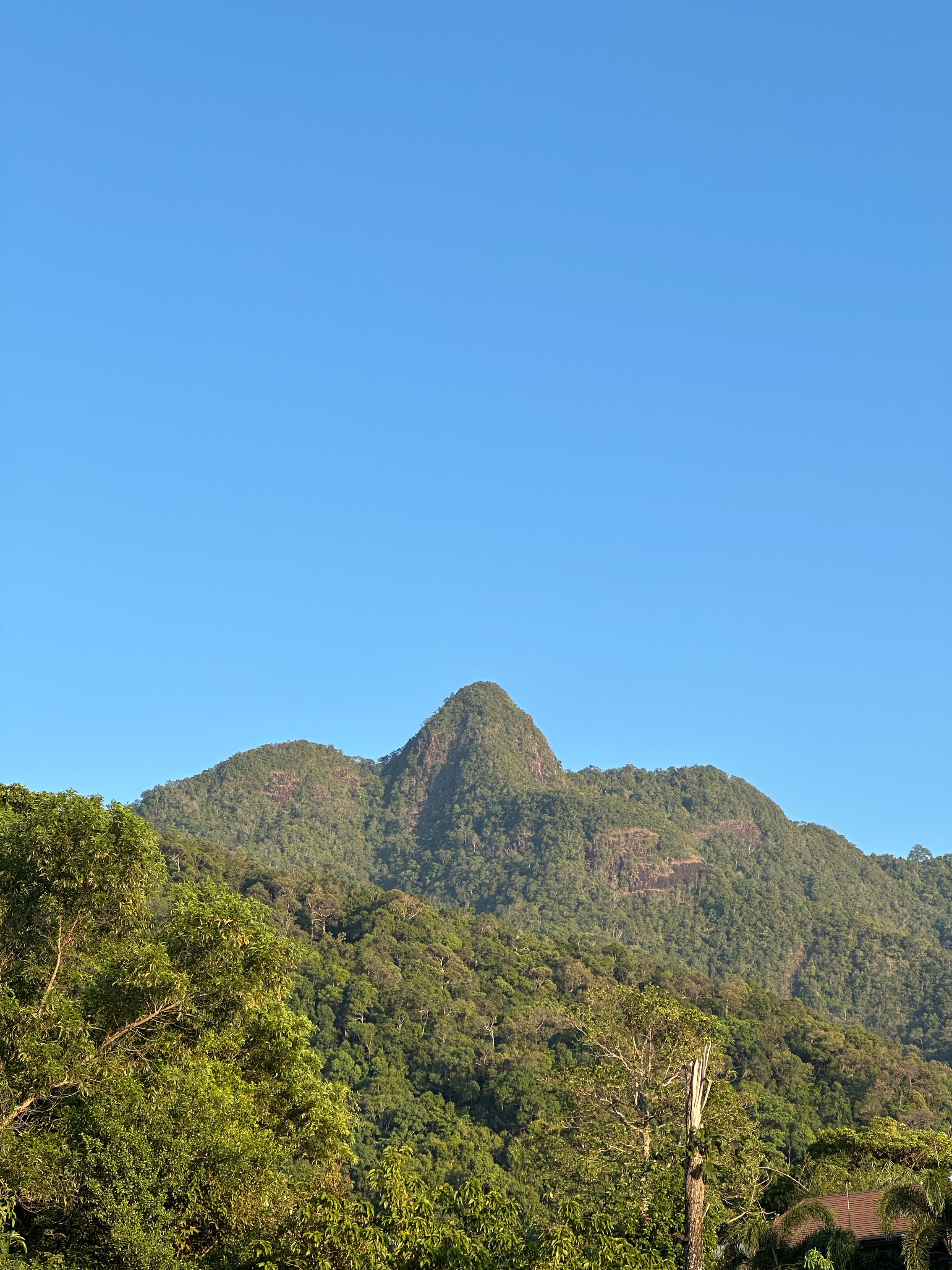
Day 1 evening: Orient yourself. If staying at White Sand Beach (Ao Khao Sab), walk the shoreline—it's firm sand, 300 meters long, and crowded with backpackers and Thai families on weekends. If staying at Klong Prao (south side), the beach is wider, sandier, and quieter. Eat at a beachfront restaurant (120–200 THB per plate). Sleep early.
Day 2: Rent a motorbike from your accommodation or the pier area (150–200 THB/day; license check is inconsistent). Fuel costs 40–60 THB. Head north to Klong Plu Waterfall—a two-tier fall with a natural pool, 15 minutes' drive from White Sand Beach. National park entry is 200 THB. Swim in the lower pool (40 minutes round-trip walk from the entrance). Return to Kai Bae village for lunch (fresh fish, 150 THB). Afternoon: swim at your beach. Sunset from White Sand Beach's northern end around 18:00–18:30.
Day 3 morning: Ride south to Bang Bao pier, the archipelago's main ferry hub. Walk the wooden pier (locals still fish here; the pier is their workplace, not a tourist attraction). Book your speedboat to Koh Mak for the next morning—prices are 300–500 THB, boats depart 08:30–09:00. Your guesthouse can also book this, but buying directly at the pier often costs less and guarantees a seat.
Day 3 afternoon: Join a snorkel trip from Bang Bao to the Koh Rang group (small islands southeast of Koh Chang). Boats hold eight to twelve people, depart 13:00–14:00, return by 17:00. Cost: 1,200–1,800 THB including equipment, lunch, and guide. Visibility is typically 15–20 meters. Fish are plentiful; coral is moderate. Book through any dive shop on Koh Chang or directly with boatmen at the pier the morning of departure. This is the main snorkeling activity for the group—Koh Mak and Koh Kood have few boat-based options.
Last night on Koh Chang. Most visitors stay near White Sand Beach or Klong Prao, which limits exploring—use the motorbike tomorrow.
Days 4–5: Koh Mak (two nights)
Day 4: Speedboat from Bang Bao pier departs 08:30–09:00, arrives Koh Mak around 09:45–10:15 (cost included in your Day 3 booking). The pier is at Ao Nid on the east side; most resorts provide free pickup or a 100 THB songthaew ride. Check in, drop your luggage, walk to Ao Kham beach (the main beach, 200 meters east of most resorts) within ten minutes. This afternoon: rent a kayak from your resort or a nearby shack (200–400 THB/hour). Paddle along the coast northward, past mangroves and small fishing villages. No agenda. This is Koh Mak's entire point—absence of activity.
Day 5: Rent a bicycle (100–150 THB/day). Koh Mak is small—six kilometers around—and mostly flat. Circle the island counterclockwise: rubber plantations cover the interior, coconut groves the coastal strips. Stop at Ao Suan Yai on the northwest side (Koh Mak's quietest beach), swim for 30 minutes, continue. The full loop takes two hours 30 minutes. Afternoon: hammock at your resort, swimming, dinner. Confirm with your guesthouse that your Day 6 speedboat to Koh Kood is booked; the boat typically departs 09:00–09:30.
Koh Mak receives perhaps 3,000 visitors annually compared to Koh Chang's 300,000. Silence here is genuine.
Days 6–7: Koh Kood (two nights)
Day 6: Speedboat from Koh Mak to Koh Kood (30–40 minutes, 400–600 THB). Arrives mid-morning. This is the smallest inhabited island in the group, with roughly 1,500 residents and no town center—only scattered resorts and fishing villages. Check in. Walk ten minutes from your accommodation to Ao Ngam Kho (the island's standout beach on the south side, accessible from select resorts). No vendors, no sunbeds, often fewer than five people. Swim. Return for dinner.
Day 7 morning: Khlong Chao Waterfall is the only major activity. Walk from the village near Ao Kham (the northern beach, 30 minutes) or book a songthaew from your resort (100 THB). The waterfall is a four-tier system with a large pool at the base; entry is free. Swim, explore the upper tiers (20-minute walk), return by 12:00. Do not visit midday—tour groups crowd it between 11:00 and 15:00.
Day 7 afternoon: Kayak up Khlong Chao river. Rent a kayak from your resort (typically included or 200–300 THB). The river is lined with mangroves and jungle; paddling upstream for 45 minutes takes you to deeper forest with bird calls and occasional monitor lizards. Most resorts don't promote this activity—they promote the waterfall—which means you'll have the river to yourself. Return before 17:00.
Evening: confirm your return logistics with the resort. Speedboat departure time, price, and pickup point. Most boats depart 08:30–09:00.
Return to Bangkok: two options
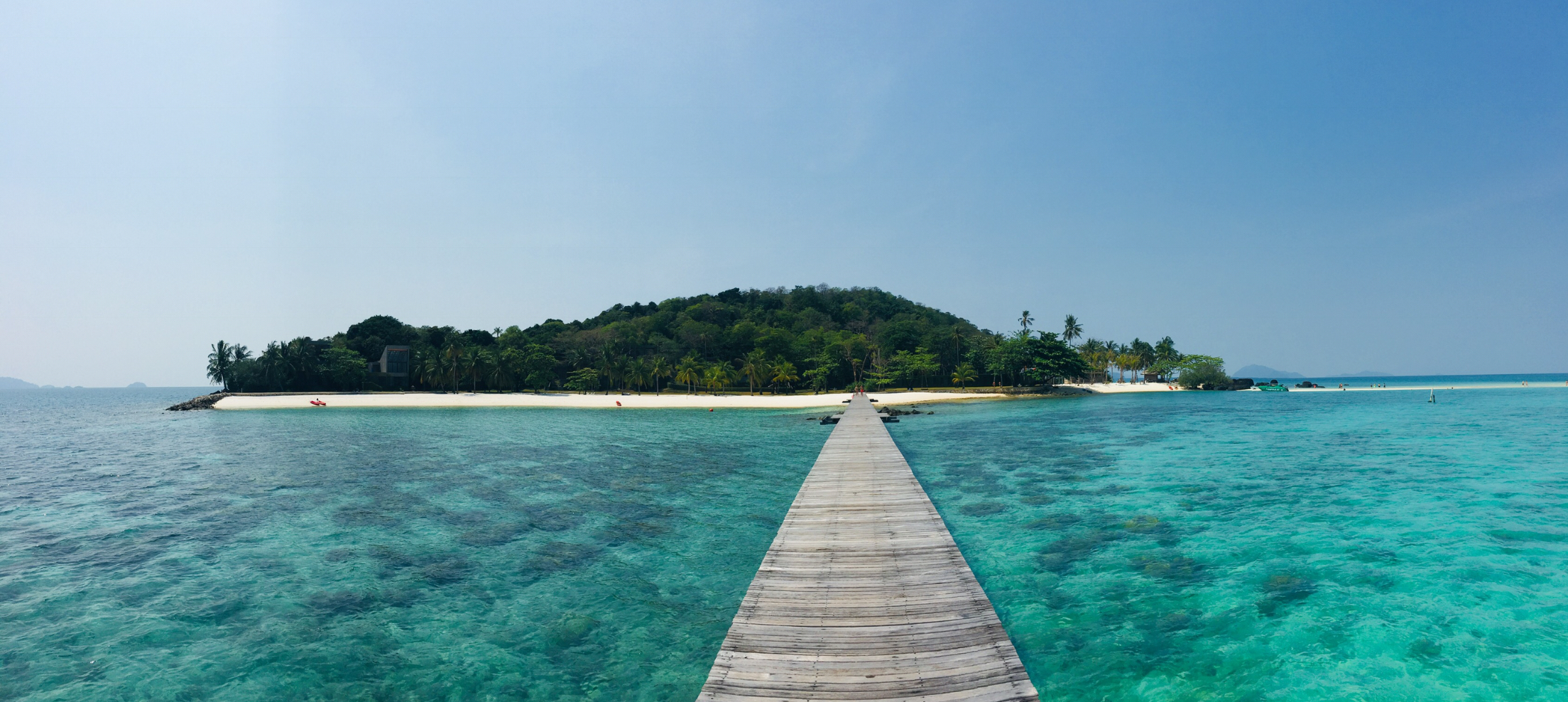
Option A: Speedboat + bus (budget route, 7–8 hours total) Speedboat from Koh Kood to Laem Ngop (two hours, 700–900 THB) departs 08:30–09:00. Arrive Laem Ngop around 10:30–11:00. Songthaew or minivan to Bangkok Ekamai or Morchit (four hours 30 minutes, 250–350 THB). Arrive Bangkok late evening, exhausted. Book the onward bus through your Koh Kood resort the evening before, or catch a minivan from the Laem Ngop pier.
Option B: Speedboat + flight (premium route, 4–5 hours total, higher cost) Speedboat to Laem Ngop (same as Option A). Taxi from Laem Ngop to Trat Airport (30 minutes, 300–400 THB with negotiation). Bangkok Airways flight to Suvarnabhumi (70 minutes, 3,000–6,000 THB depending on how far in advance you book). Arrive Bangkok by mid-afternoon. Book the flight at least one week ahead—Trat Airport has only three to five daily flights to Bangkok, and they fill quickly in peak season (November–February). This requires discipline and advance planning but spares the exhausting bus return.
Speedboat tickets from Koh Kood can be booked through your resort 24 hours ahead. Do not assume boats are running—during rough seas (typically May to October), some services suspend without notice.
Variations for different timelines
Six nights (two islands only): Skip Koh Mak. Go Koh Chang four nights, Koh Kood two nights. Speedboat from Bang Bao directly to Koh Kood (one hour 30 minutes, 1,000–1,200 THB). This saves one inter-island journey and works well if time is tight.
Seven nights on Koh Chang alone: Base yourself at White Sand Beach or Klong Prao. Rent a motorbike for five of the seven days. Explore different beaches daily: Ao Khao Sab, Klong Prao, Kai Bae, Bang Bao. One snorkel trip. One waterfall. This eliminates speedboat logistics but removes the archipelago's quieter islands entirely.
Nine nights (all three plus buffer): Allocate three nights to each island and treat the journey day as a rest day in Bangkok or Trat city beforehand. This is the only way to arrive fresh rather than depleted.
Cash and logistics for remote islands
ATMs: Koh Chang has six ATMs (White Sand Beach and Kai Bae areas are most reliable). Koh Mak has one ATM near the main resort cluster—it frequently runs out of cash. Koh Kood has one ATM; plan accordingly. Withdraw enough cash from Bangkok or Trat to cover your entire stay—most resorts accept only cash for daily payments, though some take online transfers.
Luggage: Hard-shell suitcases are impractical. Speedboats have no porters; you'll carry your own bags on and off boats. Use a soft backpack (40–50 liters) or a duffel bag. Secure electronics (phones, cameras) in waterproof bags during sea crossings—spray is common.
Sun protection: The Thai sun at 12:00–14:00 in this region is intense year-round. Sunscreen SPF 50, reef-safe formulation, applied every two hours while in water. Most resorts use unregulated sunscreen that damages the islands' fragile coral. Bring your own.
Communications: 4G is reliable on Koh Chang, patchy on Koh Mak, and absent on most of Koh Kood except near resorts. Download maps, restaurant information, and booking confirmations before arriving. Buy a Thai SIM card at Bangkok airport (Dtac or TrueMove, ~100 THB for top-up) or at Laem Ngop pier.
Budget breakdown for seven nights, 2026 rates
Budget tier (guesthouses, basic meals, ferry only):
- Accommodation: 400–600 THB/night × seven = 2,800–4,200 THB
- Food: 300–400 THB/day × seven = 2,100–2,800 THB
- Transport (Bangkok–Koh Chang–back, inter-island boats): 2,000–2,500 THB
- Activities (snorkel, waterfall, kayak): 2,000–2,500 THB
- Total: 75,000–100,000 THB (~$2,100–2,800 USD)
Mid-range tier (resort rooms, restaurant meals, activities):
- Accommodation: 1,200–1,800 THB/night × seven = 8,400–12,600 THB
- Food: 500–700 THB/day × seven = 3,500–4,900 THB
- Transport: 2,500–3,500 THB
- Activities: 3,000–4,000 THB
- Total: 120,000–200,000 THB (~$3,350–5,550 USD)
Premium tier (resort beachfront, 3+ meals daily, flights back):
- Accommodation: 2,500–4,000 THB/night × seven = 17,500–28,000 THB
- Food: 800–1,200 THB/day × seven = 5,600–8,400 THB
- Transport (including Trat flight): 5,000–7,000 THB
- Activities and extras: 4,000–6,000 THB
- Total: 180,000–300,000 THB (~$5,000–8,300 USD)
When to go
November through April is peak season (dry, calm seas, boat reliability). June through September is monsoon season—boats cancel frequently without notice, beaches are messy with seaweed, and humidity is oppressive. May and October are shoulder months with occasional rough seas but fewer crowds. Most resorts remain open year-round, but some close September–October for maintenance.
What this trip actually is
This is a gradual descent from busy to silent. Koh Chang has songthaews, dive shops, and 300 daily visitors during peak season. Koh Mak has one village and perhaps fifteen Western guests per night. Koh Kood has no commercial infrastructure—only scattered resorts and Thai fishing families. By Day 7, you'll have reached a beach that almost no Thailand tourists visit, with water you can see through, where the sound of a speedboat is an event. The return journey undoes this carefully. Expect to feel hollowed out by the bus ride back.
Frequently Asked Questions
Is the speedboat journey rough?
Speedboats to and between these islands run in daylight hours when seas are calmest. Most days are fine—flat water, 45-minute rides. During the monsoon season (June–September) and occasional rough weather, seas get choppy and trips cancel. Anti-nausea medication (dramamine) is wise to carry but rarely necessary in peak season. If prone to seasickness, travel November–April only.
Can I do this without a motorbike on Koh Chang?
Yes, though it limits exploration. White Sand Beach and Klong Prao have restaurants and beach bars within walking distance. Songthaews run fixed routes to Kai Bae and Bang Bao (40–60 THB per ride). Klong Plu Waterfall and Bang Bao pier require either a motorbike, hired driver (400–600 THB for a half-day), or joining an organized tour through your guesthouse. Most visitors rent a bike for the flexibility.
What's the best resort on Koh Mak for someone wanting complete quiet?
Ao Kham has the most resorts and the most people (still only 30–50 guests at any given time). For isolation, stay at Ao Suan Yai or near Ao Nid. These areas have one to two resorts each, require a bicycle ride to reach, and see almost no tourists. Book directly with the resort by email rather than through booking platforms, which don't list the smallest properties.
Do I need a dive certification for snorkeling around these islands?
No. Snorkeling trips from Bang Bao are for non-certified swimmers and beginners. You wear a mask and fins and stay near the boat. Certified divers can book diving trips (two-tank day: 3,500–4,500 THB) through dive shops on Koh Chang, with sites including a small wreck and reefs around Koh Rang. Visibility is 15–25 meters depending on season.
What if my speedboat is cancelled due to weather?
Boats cancel most frequently June through September during monsoon season. If cancelled, you're stuck on your current island until the next day. Resorts charge for an extra night. Travel insurance that covers trip delays is worth the premium if you have fixed return dates. Avoid traveling with tight connections (e.g., arriving Monday, leaving Wednesday).
Can I visit Koh Chang National Marine Park?
The park includes Koh Rang and surrounding islands. You visit only by organized snorkel or dive boat. Land access is restricted. The park office is near the Salak Phet pier (eastern side of Koh Chang) but offers no visitor services—only boat trips through private operators.