
Koh Mak is Thailand's answer to "what if we made an island smaller and slower." Sixteen square kilometres, no nightlife, one traffic light that doesn't work because traffic is irrelevant, and a deliberate scarcity of the infrastructure that defines other Thai islands. The selling point is what's missing — bars until midnight, pharmacies on every corner, reliable mobile signal. If you need those things, Koh Chang is 90 minutes west and has them all. Koh Mak trades convenience for genuine quietness.
What makes Koh Mak different from Koh Chang
The comparison comes up immediately because both islands sit in the same gulf, connected by speedboat. Koh Chang is larger (429 square kilometres), developed, and built for tourists who want a resort with a pool, restaurants open late, and some kind of nightlife. Koh Mak is a fifth of that size, has exactly zero nightclubs, closes down by 9pm, and the largest resort has 40 rooms. Koh Chang offers infrastructure and choice. Koh Mak offers absence.
Koh Chang also gets markedly busier. Peak season (November–February) brings package tours, school groups, and speedboat queues. Koh Mak attracts couples, solo travellers on extended trips, and people genuinely tired. The beaches on Koh Mak are quieter, the water is cleaner because fewer boats circulate, and the walk between your bungalow and breakfast takes three minutes instead of ten. The trade-off is real: restaurants close if nobody books dinner, ATM withdrawals sometimes fail, and you cannot buy emergency paracetamol at 10pm.
Which beaches are actually swimmable
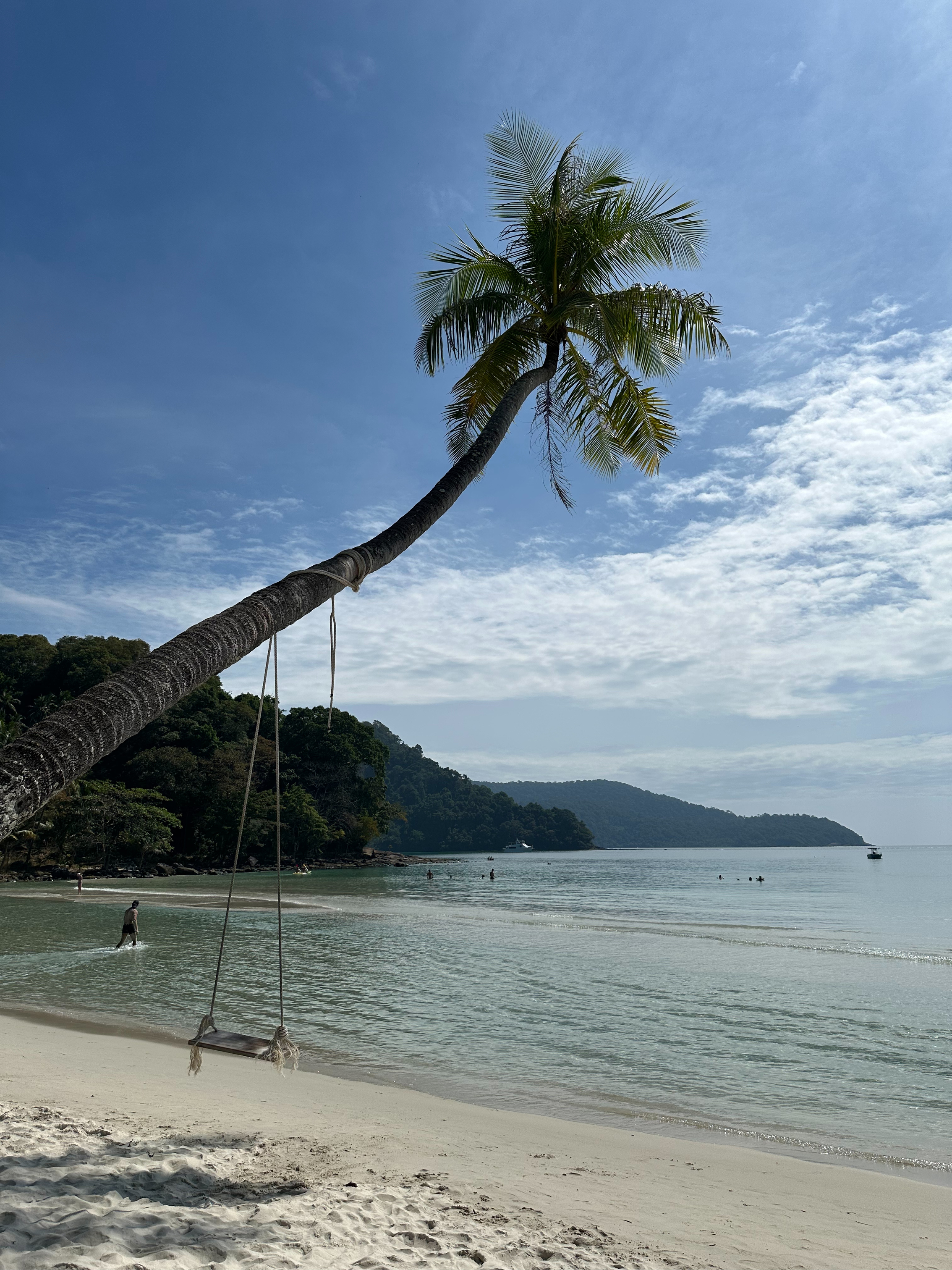
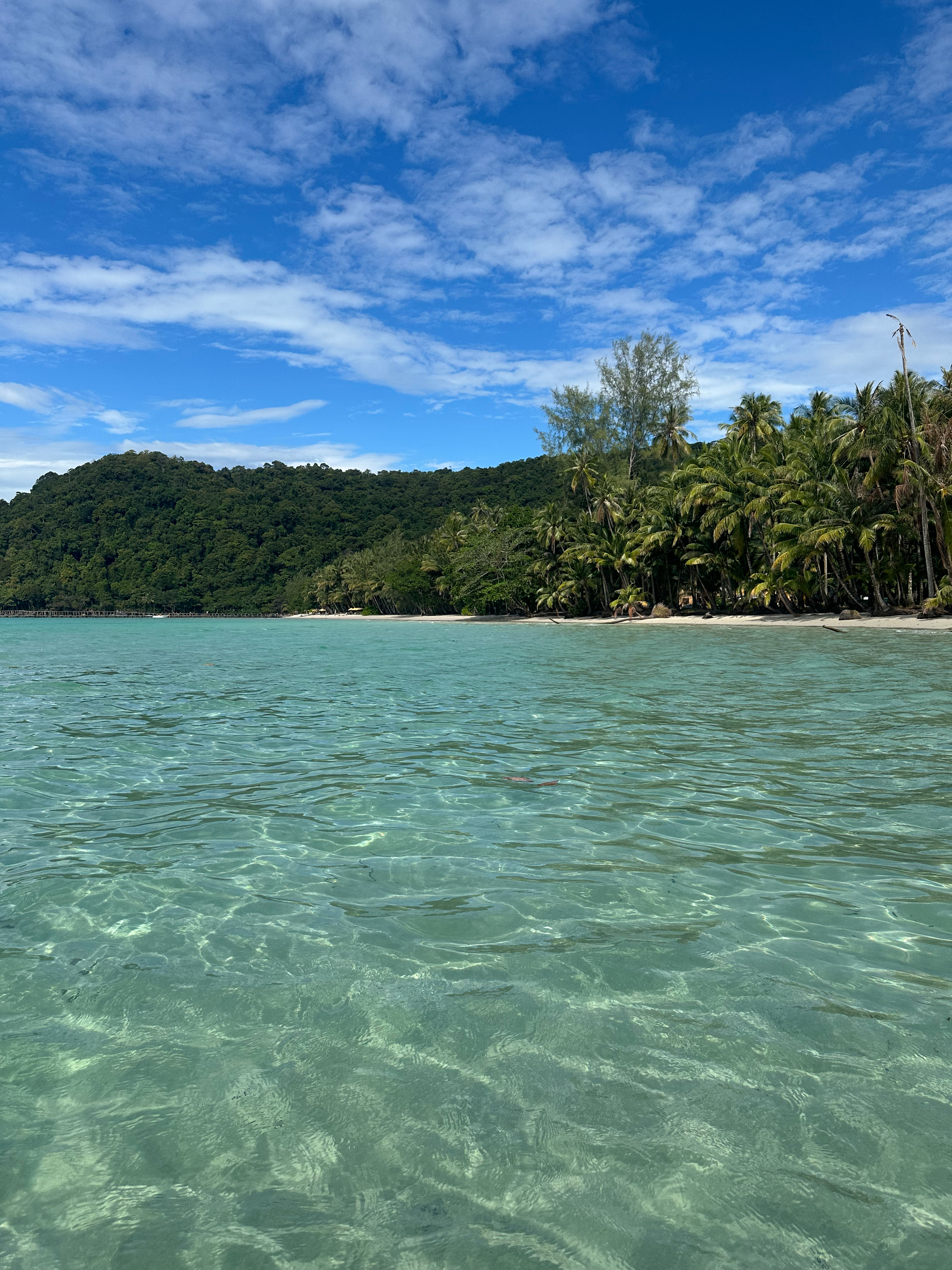
Ao Kham dominates the conversation because it should. The southern-facing bay has shallow turquoise water that photographs like a stock image, powdery sand without the rock fragments that plague many Gulf beaches, and enough space that even 20 people scattered across it feels empty. The water stays calm in light wind because the beach faces south, away from the typical northeast chop. Seaweed drifts in during low season (June–September), but visibility remains acceptable. The bay has one mid-range resort and one small guesthouse — both fill by mid-afternoon in peak season, but the beach itself never crowds.
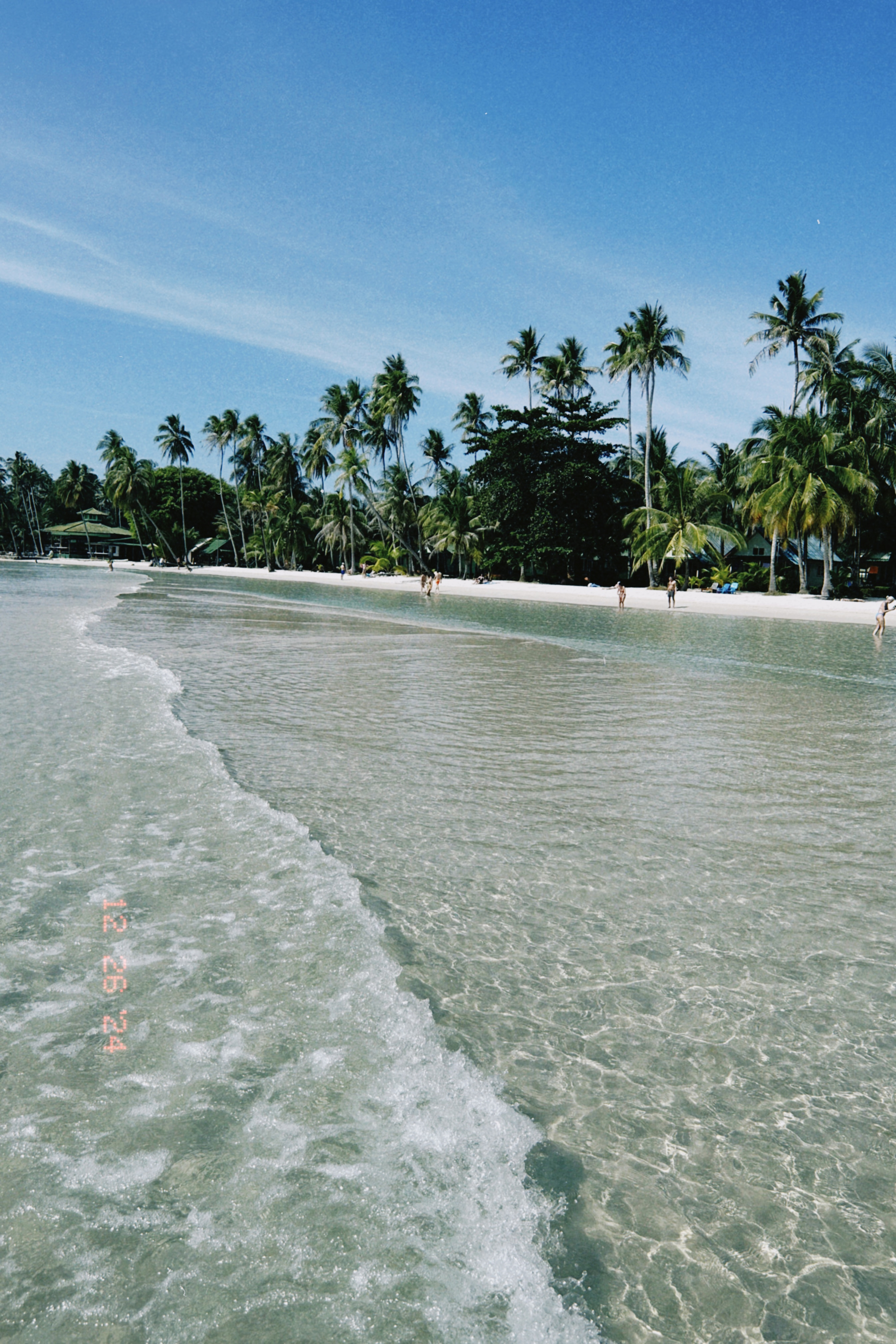
Ao Suan Yai stretches longer than Ao Kham along the northwestern coast, with scattered coconut palms providing actual shade and a darker green water colour that photographs less dramatically but swims better. Two resorts sit here; the bay stays quieter than Ao Kham because the beach gets less direct sun publicity. The sand is coarser and the underwater slope is steeper — less ideal for wading but fine for swimming.
Ao Nid, the northeastern cove, is rocky with a short sandy section. Not a primary swimming destination. Worth cycling to for the view — the bay frames Koh Rayang island cleanly — but plan to stay 20 minutes, not two hours.
The island's remaining coastline is mangrove edge and exposed rock. The two main beaches are the functional ones.
What actually happens on Koh Mak
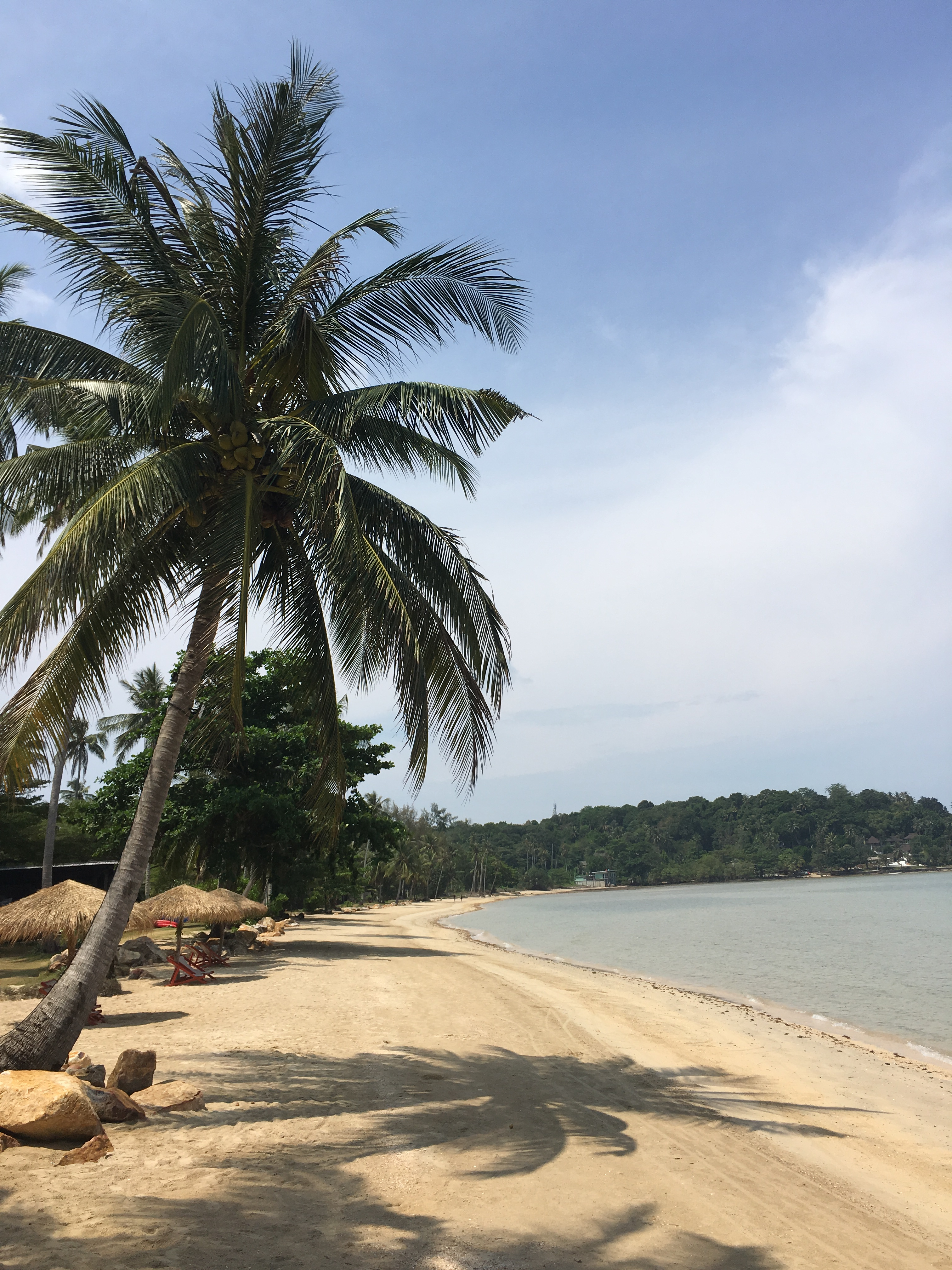
The principal activity is non-activity. A disproportionate number of visitors arrive with one book and no itinerary, intending to finish it. A hammock becomes the day's geography. This is not romantic framing — it's the accurate description of how most people spend time here. The infrastructure supports it: every resort has hammocks, the beaches have natural shade, and the absence of restaurants requiring reservations means eating on your own schedule.
Cycling is the structured alternative. Rent a bicycle for 100–150 THB per day — every resort arranges this without fuss — and cycle the island's circumference in two to three hours. The gradient is negligible, traffic is nearly nonexistent, and the interior reveals what actually sustains Koh Mak: coconut plantations, rubber farms, and a handful of local homes. This is useful context. The island is not a nature preserve; it is inhabited agricultural land that also accepts tourists. The cycle path exists because local people use it daily.
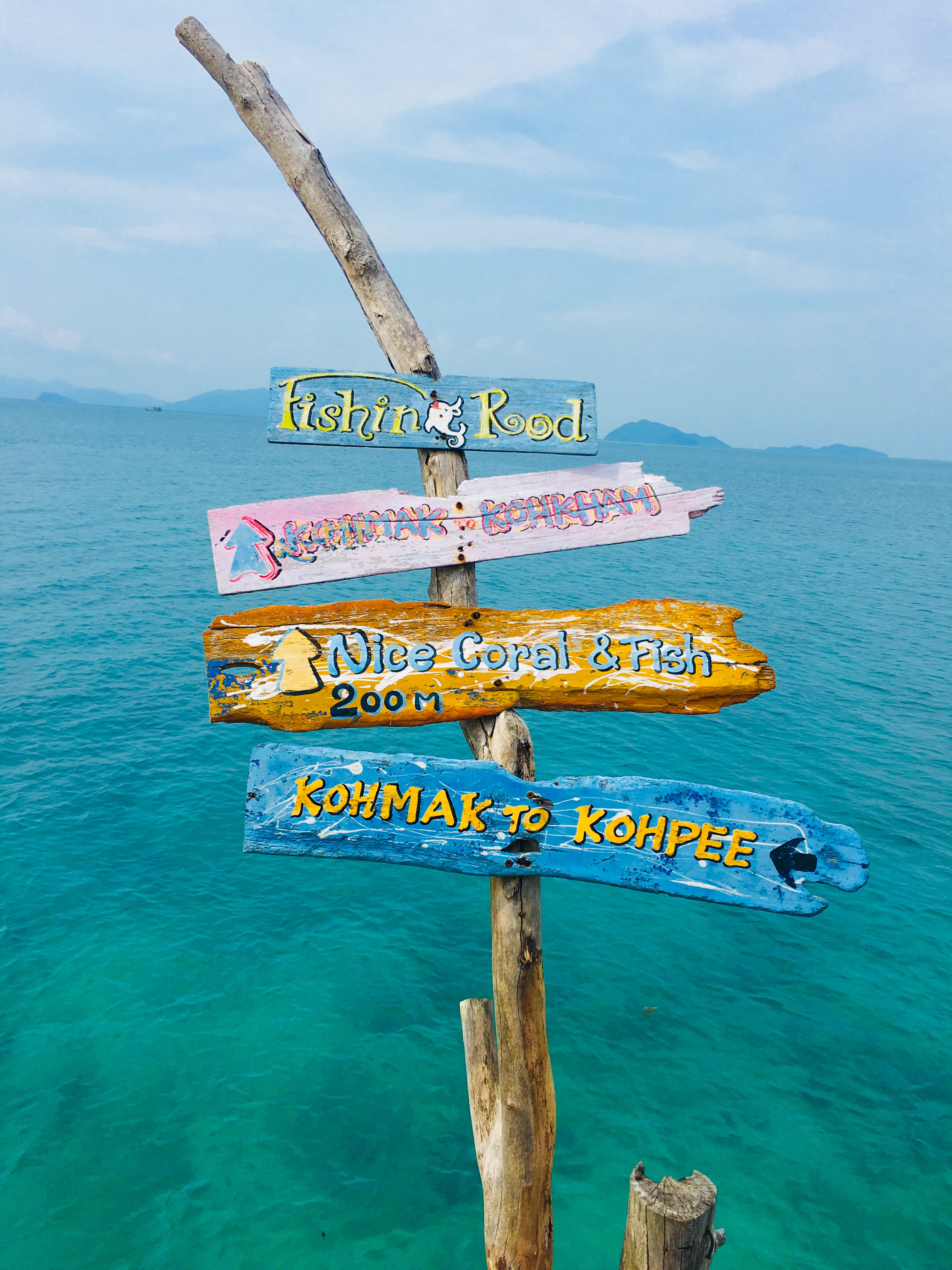
Snorkelling works better around Koh Mak than around Koh Chang because the water circulation is cleaner and fewer speedboats churn it. The island itself has limited coral, but day trips to nearby Koh Kham and Koh Rayang (accessible by longtail or speedboat, 500–800 THB per person, typically four-hour outings) show decent reef structure and small fish. Visibility improves markedly from November through April when the sea is calmer and the water column is clearer. June through September visibility drops to 5–8 metres on average.
Kayaking from the sandy beaches toward the mangrove zones on the eastern side takes two to three hours. Most resorts rent kayaks for 200–400 THB per hour. The route is flat water and negotiable by intermediate paddlers. The mangroves themselves are ecologically interesting but visually similar to mangrove zones everywhere — dense, brackish, and thick with small crabs.
Day trip to Koh Kood is feasible. Speedboats run from Ao Nid pier (500–700 THB one-way, 30–40 minutes). Koh Kood is larger, more forested, and has waterfalls and hiking trails. Most people spend 8–10 hours on the island and return the same day, though staying overnight is the smarter option if your schedule permits.
Where to stay and what to expect
Koh Mak has roughly a dozen small resorts and guesthouses, none exceeding 40 rooms. The lack of chain hotels is intentional — the island has informal tourism regulation that prevents resort expansion. This means accommodation books out during peak season (mid-December through mid-February) despite high prices. It also means rooms are consistently basic and consistently clean. Nobody maintains a resort here hoping to flip it for development profit.
Lazy Day Koh Mak sits directly on Ao Kham's best sand. The bungalows are simple (timber, no air-con in budget units), the restaurant operates reliably, and the setup attracts couples who want minimal complication. Rates: 1,500–2,800 THB per night depending on room type and season. Book eight weeks ahead for January.
Koh Mak Resort anchors Ao Suan Yai's quieter beach with mid-range bungalows, a functional restaurant serving Thai and basic Western dishes, and a calm vibe that appeals to longer-stay visitors. Rooms are clean; the owner is responsive. Rates: 1,800–3,500 THB per night. Same booking timeline for peak season.
Goodtime Resort offers simple bungalows with direct beach access on Ao Suan Yai's flatter section, representing the best value-for-money option on the island. Rates: 1,200–2,000 THB per night. Less stylish than the above two, but functionally identical and 30% cheaper.
Budget guesthouses exist (typically 800–1,200 THB per night) but represent a thin category. Most have shared bathrooms or minimal maintenance. Book accommodation well ahead in peak season; in low season (June–October), half the island's beds close, but walk-in availability improves dramatically.
One genuine constraint: Koh Mak has no booking infrastructure for late arrivals. Speedboat schedules mean you arrive by early afternoon at the latest. If a room isn't held for you, the resort is closed, or your connection from the mainland is delayed, finding accommodation becomes difficult. Always pre-book.
Eating and supplies
Restaurants exist only as resort annexes. There are no standalone eating establishments except the floating seafood restaurant anchored near Ao Nid pier, which serves lunch typically from 11am to 4pm (seafood noodles, grilled fish, and crab curry in the 150–300 THB range, local prices unchanged because tourists don't congregate here). Dinner at resorts is standard Thai — pad thai, green curry, stir-fried seafood — prepared competently but without innovation. Budget 150–300 THB per main course, 50–100 THB for noodle dishes.
The island's one approximation of a convenience store is small, stocks basics (instant noodles, water, chocolate bars), and closes by 7pm. No pharmacies. No ATM reliability — the island has one machine, frequently offline or without cash. Withdraw money at Laem Ngop or Koh Chang before arriving.
Alcohol is available at resorts and the small shop; prices are moderate by Thai resort standards (50 THB for domestic beer, 120 THB for imported spirits).
Getting there
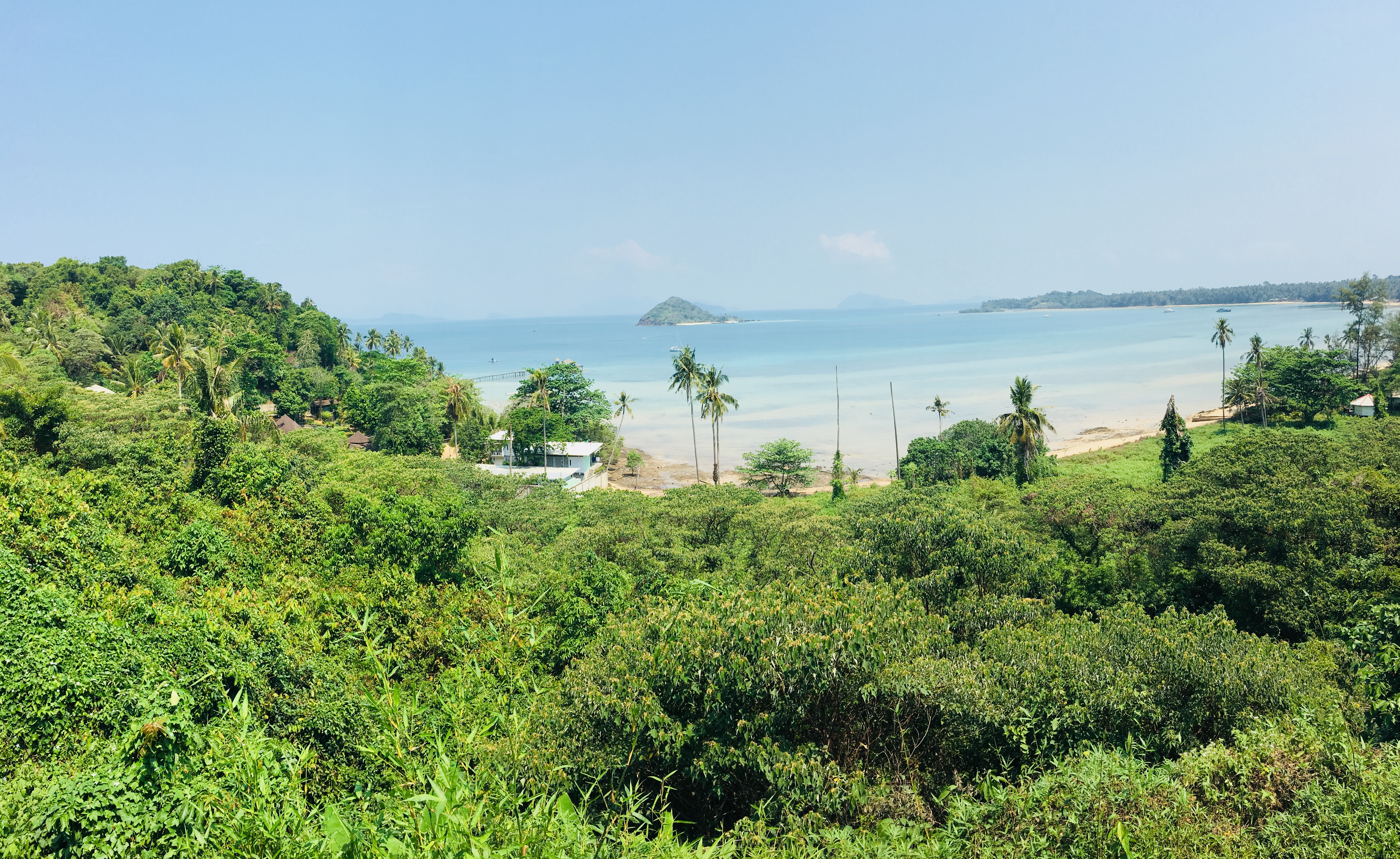
Koh Mak has no airport. All access routes involve water.
From Laem Ngop Pier (Trat Province, 75 kilometres from the Cambodian border) is the closest departure point. Speedboats depart in roughly two hours, running 400–500 THB per person. The slower ferry takes 2.5 hours and costs approximately 200 THB. Schedules are irregular: in high season (November–February), expect four to six departures daily; in low season, two to three daily and subject to weather cancellation. Check specific departure times with your accommodation because schedules shift. Laem Ngop is reachable from Bangkok (5–6 hours by minibus, 300–400 THB) or by flying to Trat airport and collecting a songthaew (shared taxi) for the 45-minute drive.
From Koh Chang (the most common approach if you're doing the archipelago route) is via speedboat from Bang Bao pier on Koh Chang's southwest tip. The crossing takes 40–60 minutes and costs 300–500 THB depending on the boat operator and season. Multiple departures run daily in peak season; fewer in low season. This is the most reliable option if you're building a multi-island itinerary.
From Koh Kood, the easternmost island, speedboats depart from the main pier and take 30–40 minutes (400–600 THB). This route works if you're moving along the archipelago east to west.
Low season (June–October) compresses all schedules. Ferry departures reduce to two per day, and weather cancellations are common. Some resorts close entirely (typically mid-May through mid-September). The upside is the island empties dramatically — you may have Ao Kham entirely to yourself — and rates drop 20–30%. The downside is inconsistent service, limited restaurant hours, and an atmosphere of temporary abandonment rather than deliberate quiet.
Budget breakdown
Accommodation dominates costs and ranges widely by season:
- Budget guesthouses: 800–1,200 THB/night
- Mid-range bungalows: 1,500–2,500 THB/night
- Peak season (Dec–Feb) premium: add 40–60% to these rates
Food totals 300–600 THB daily if you eat all meals at resorts; the floating restaurant brings the daily average down slightly if you find it.
Transport to the island: 200–500 THB one-way depending on method.
Bicycle rental: 100–150 THB/day.
Snorkelling day trip: 500–800 THB per person.
Daily total (mid-range, peak season): 2,500–4,500 THB/person. Low season: 1,800–3,000 THB.
How long should you stay
Two to four nights is the functional window. The island's slowness is its appeal and its ceiling. A night gives you zero time; two nights justifies the transport logistics and establishes a rhythm. Three nights is ideal — a full day in the middle for cycling or snorkelling, bookended by arrival and departure. Four nights begins to test the limit; the second repeat day feels like postponement rather than enjoyment.
The island combines sensibly with Koh Chang (90 minutes west, larger infrastructure) or Koh Kood (90 minutes east, equivalent quietness). A week-long trip might split three nights Koh Mak, two Koh Change, two Koh Kood. The variation resets the "nothing happening" monotony.
Frequently Asked Questions
Is Koh Mak worth visiting if I only have two days?
Two days is functional but tight. You arrive mid-afternoon, have one full day, and depart the next morning. This allows beach time and a bicycle circumference but skips any deeper activity. If your timeline is fixed at two days, it still works — the island's primary value is immediate quietness, not accumulated experience. Three days is better; four is optimal.
What months see the fewest crowds?
June through October is genuinely empty. Resorts close, schedules compress, and you may be alone on beaches. Weather is unstable and rain is common, but the quietness is total. November brings the first real crowds; December through February are peak and prices increase 40–60%. September and early October offer a compromise: fewer people, acceptable weather, and full resort operations.
Can you visit Koh Mak without booking accommodation in advance?
Not reliably. Walk-in arrivals during peak season (December–February) risk finding no rooms. Low season allows more flexibility, but resorts may close unexpectedly. Always pre-book, especially for peak travel. Confirm the booking directly with the resort by phone or email 48 hours before arrival because communication can be slow.
Is the snorkelling genuinely better than Koh Chang?
The water around Koh Mak proper is cleaner because fewer tourist boats circulate, so visibility is slightly better. Coral coverage is modest both islands. The day trips to nearby islands (Koh Kham, Koh Rayang) show better reef structure than snorkelling directly off Koh Mak's beaches. Visibility is best November through April; June through September it drops below eight metres.
What if I don't have Thai cash when I arrive?
The single ATM fails often and may be empty. Bring 5,000 THB minimum from the mainland; this covers accommodation deposit, meals, and a buffer. Most resorts accept card payments for the room but expect cash for meals and incidentals. Do not plan on an ATM backup.
Should I rent a motorbike or a bicycle?
Bicycle. The island's roads are paved and flat, and traffic is essentially zero. Motorbike rentals are available (150–250 THB/day) but unnecessary and increase accident risk on unfamiliar terrain for no practical benefit. A bicycle covers the full island in three hours and allows stopping for photos and exploration without the fatigue of walking.
Who should go: Koh Mak suits travellers who actively want slow pace, not those seeking it accidentally. Come if you can read for six hours without checking your phone, if you view beach days as a feature rather than a checkbox, and if you understand that a closed restaurant at 8pm is normal rather than a problem. Expect basic comfort, prepare for genuinely slow internet, and book transport 48 hours ahead. Three nights in shoulder or low season reveals what the island offers; peak season crowds undermine the core appeal. Combine it with Koh Chang or Koh Kood for a full archipelago week.