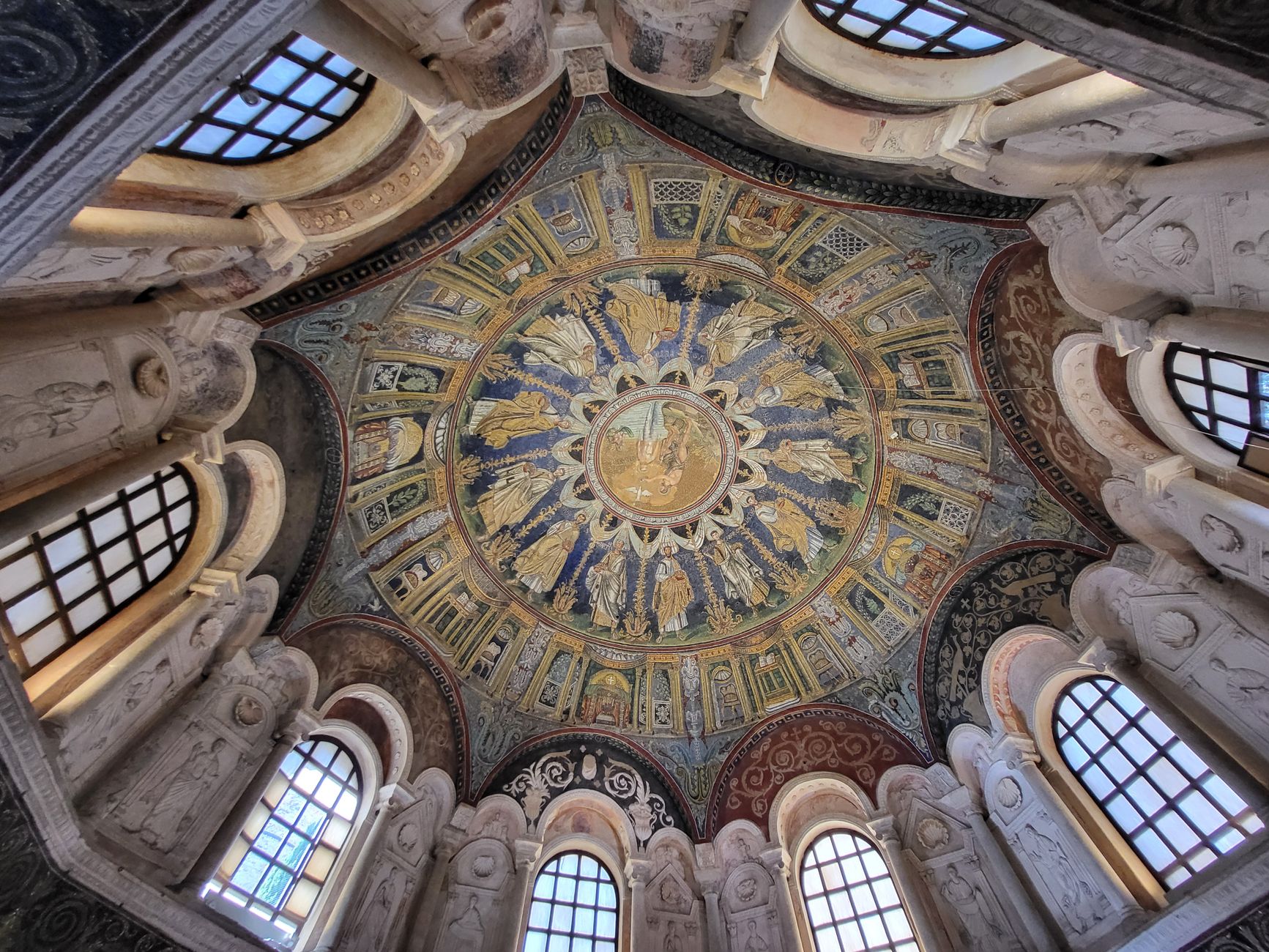
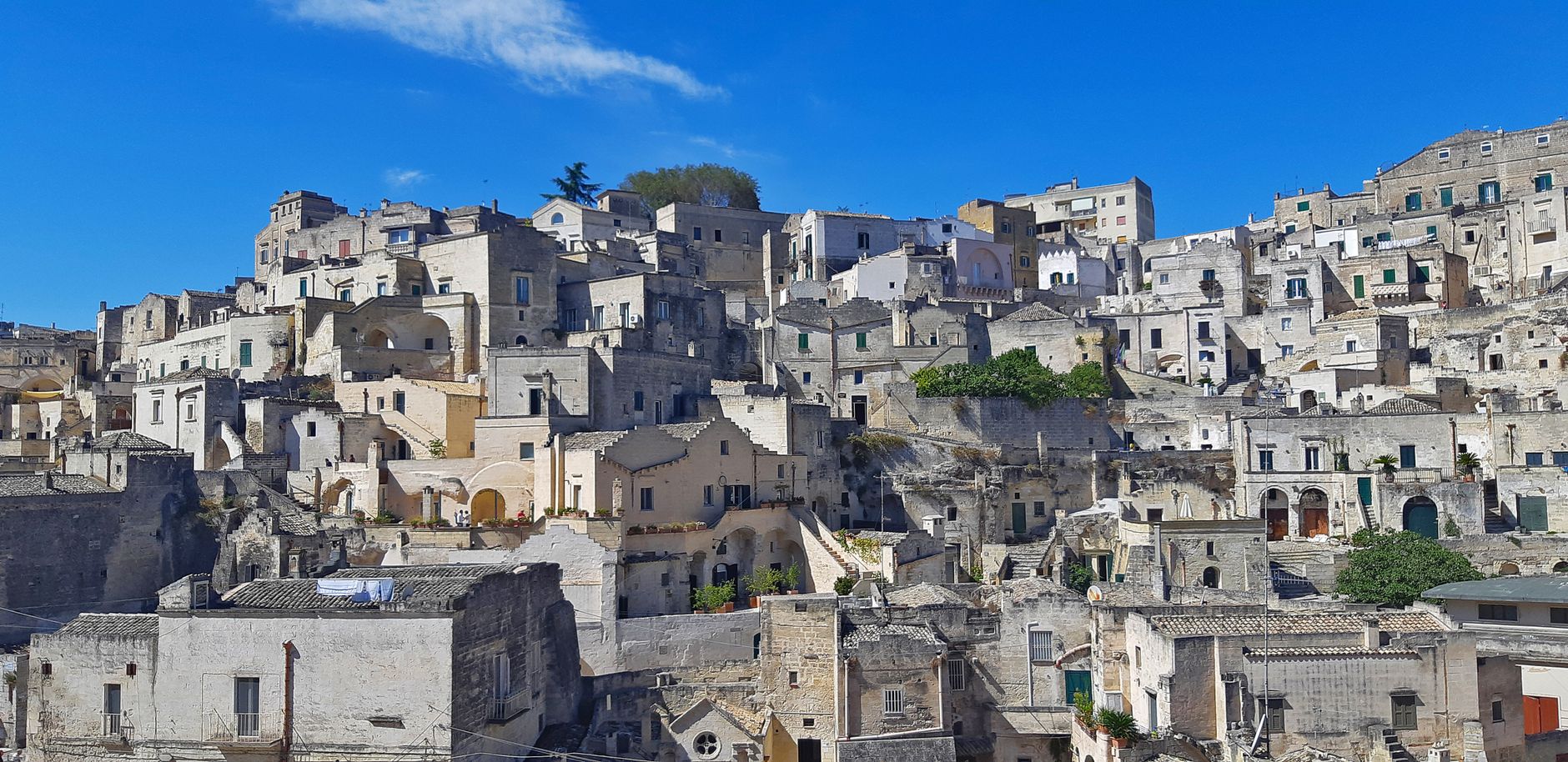
Orvieto sits on a flat-topped plateau of volcanic tufa rock rising 300 metres above the valley of the Paglia river. The plateau is sheer on every side — the medieval town on top of it has never needed defensive walls because the cliff itself is the wall. The town is 1.5 hours from Rome by direct Trenitalia service and 1.5 hours from Florence, which makes it a standard day-trip destination from both cities. The case for staying overnight is the Duomo at dusk when the coach groups have left, and the underground city, and a bottle of Orvieto Classico from a winery that has been fermenting wine in the same tufa caves since the Etruscan period.
The Duomo
The Cattedrale di Santa Maria Assunta was begun in 1290 and took 300 years to complete. The facade is the principal reason to visit Orvieto: a dense vertical composition in four tiers of mosaics, bas-reliefs, and Gothic pinnacles, designed partly by Lorenzo Maitani in the early 14th century. The lowest register of the facade contains four marble pilaster reliefs attributed to Maitani — scenes from Genesis and the Last Judgment — that are among the finest sculptural work of the Italian Gothic period. Most visitors walk past them quickly; they are worth 30 minutes of close attention.
Inside, the Chapel of San Brizio (also called the Cappella Nuova) contains a fresco cycle by Luca Signorelli (1499–1504) depicting the Antichrist, the Resurrection of the Flesh, the Damned, and the Blessed. Signorelli's muscular figures — contorted in agony or ecstasy depending on their destination — prefigure Michelangelo's Sistine Chapel figures by a decade. Michelangelo visited Orvieto specifically to study them. Entry to the chapel is included in the cathedral ticket (€4).
Allow 1.5 hours for the Duomo and chapel.
Orvieto Underground
The plateau beneath the town is riddled with more than 1,200 caves, tunnels, cisterns, and chambers carved into the tufa over 2,500 years. The Etruscans cut the earliest chambers for water storage and grain preservation (tufa stays at a constant 14°C, making it a natural refrigerator). Medieval inhabitants added their own layers — wine cellars, pigeon lofts (the birds were raised for meat and fertiliser), olive presses, and escape tunnels.
Orvieto Underground runs guided tours (€6, 1 hour, depart from the tourist office near the Duomo) through a section of the network, including a working olive press from the 15th century, medieval pigeon lofts with 1,000+ nesting holes cut into the walls, and Etruscan well shafts descending 36 metres to the water table. The tour guide narrates in English (and Italian). It is one of the more genuinely interesting underground visits in central Italy.
Getting to Orvieto
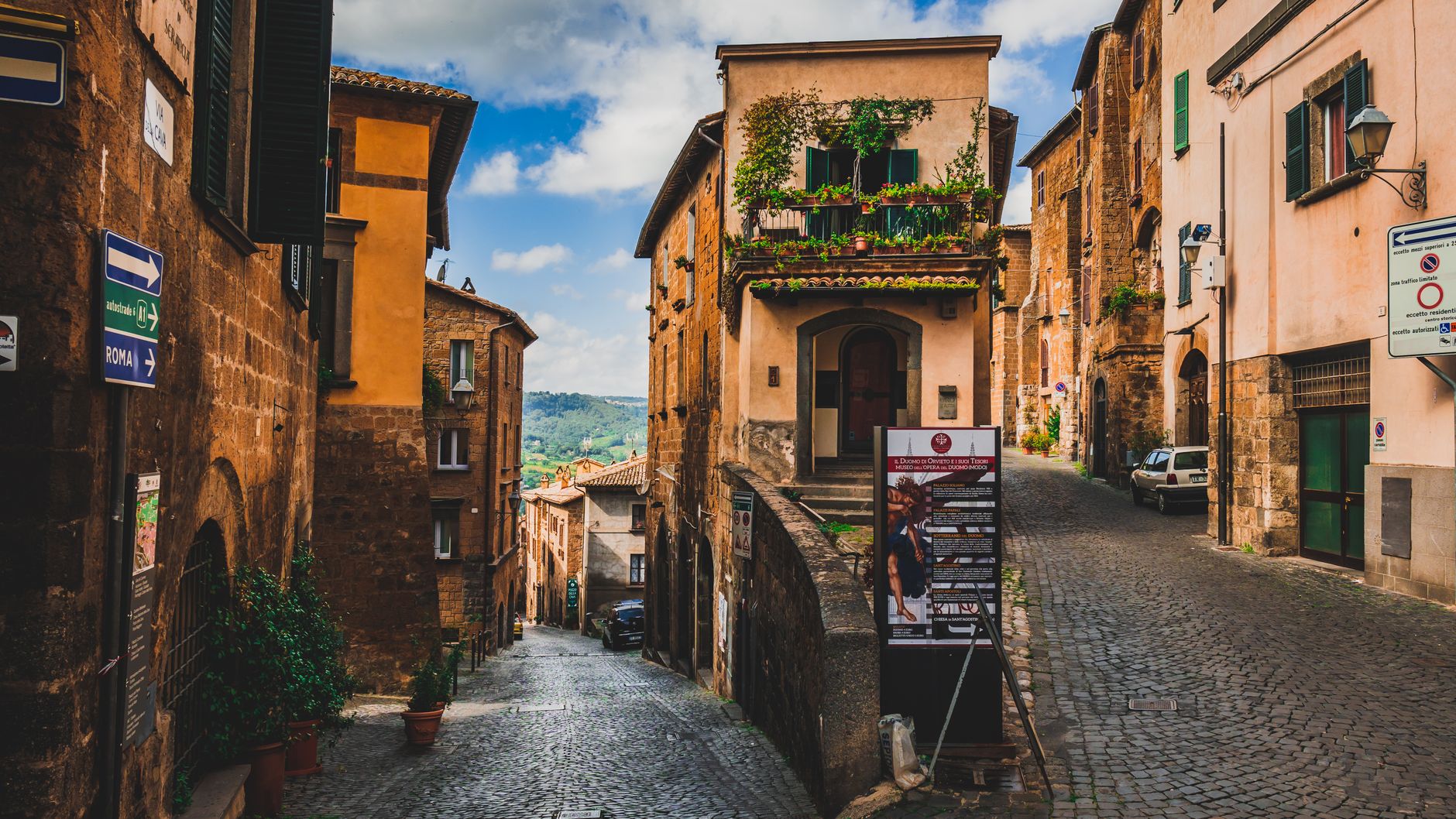
From Rome Termini: direct Intercity or regional train, 1h10–1h30, €10–15. About 10–12 services daily. From Florence: direct or change at Chiusi-Chianciano, 1h30–2h, €12–20. From Perugia: regional train via Terontola, 1h30, €8–12.
Orvieto's train station is at the base of the plateau cliff. A funicular (€1.30, 3-minute ride) connects the station to the upper town every 10 minutes. Alternatively, a road winds to the top — minibus or taxi.
Orvieto Classico
Orvieto Classico DOC is a dry white wine produced primarily from Grechetto and Trebbiano grapes in the vineyards surrounding the plateau. The best examples are floral and slightly mineral — the volcanic tufa soil imparts a quality not found in the same grapes grown on flatter land. The wine has been produced here since Etruscan times, when it was fermented in the tufa caves under the town.
Buy at the Cantina dell'Orvieto at the base of the Duomo steps (various producers, €8–15/bottle) or at one of the cooperative producers south of the plateau along the SS71. A glass with lunch at a trattoria in the old town is €3–5 and more useful than a bottle to carry.
When to Visit Orvieto
Spring (April–June): best window. Temperatures 15–23°C, the Duomo facade in morning light is at its best, tourist volumes manageable. The Corpus Christi procession (Orvieto invented it — Pope Urban IV established Corpus Christi here in 1264 following the Miracle of Bolsena) occurs in late May or June.
September–October: similar to spring in quality. Harvest season in the vineyards; Orvieto wine production visits possible at some estates.
July–August: hot (30–35°C), the Duomo gets busy with day visitors from Rome and Florence between 11am and 3pm. The upper town stays comfortable in the evening.
November–March: cold and very quiet. Some restaurants close. The Duomo and underground tour operate year-round.
Frequently Asked Questions
How many days do you need in Orvieto?
One day is sufficient for a focused visit: morning at the Duomo and chapel, afternoon in the underground, evening wine. An overnight is useful if you want to experience the town without day-trippers. Two full days allows for excursions to Civita di Bagnoregio (27km, an isolated tufa hill town connected to the world by a single footbridge) or Bolsena (30km, the volcanic lake).
Is Orvieto worth visiting as a day trip from Rome?
Yes. The 1h10–1h30 train from Rome Termini is the easiest Italian day trip from the capital. Leave Rome by 9am, arrive before the coach groups, and return by early evening.
What is the Miracle of Bolsena?
In 1263, a Bohemian priest celebrating mass at Bolsena (30km from Orvieto) reportedly witnessed blood dripping from the consecrated host onto the corporal cloth. Pope Urban IV, then in Orvieto, established the feast of Corpus Christi the following year on the basis of this event, and the bloodstained corporal is kept in the Duomo's Reliquary Chapel.
Is the Orvieto funicular free?
The funicular costs €1.30 for a single journey, included in the Orvieto combined transport card (€3.10, includes unlimited funicular rides for the day plus a minibus circuit of the old town).
What other towns are near Orvieto worth visiting?
Civita di Bagnoregio (27km northwest) — a 2,000-person medieval town on an isolated tufa pinnacle, accessible only by a 300-metre pedestrian bridge (€5 entry). Shrinking as the tufa erodes; the population has dropped from 4,000 to under 10 permanent residents since the 1960s. Extraordinarily atmospheric.