

Japan's peak seasons are narrow, furious, and prices-tripling events. Late March through early April brings cherry blossoms and the year's largest crowd surge; mid-November replicates it with autumn foliage. Between these two poles sits a year that most travellers ignore: July and August are genuinely hot and humid in most of Honshu but manageable in Hokkaido; June is rainy but photographers and budget travellers find underrated value; May 6–31 and October are genuinely excellent with near-zero crowds; January and early December are quiet and cheap.
The core decision: do you book 4–6 months ahead to fight the crowds during peak bloom, or accept different trade-offs and travel during one of Japan's three genuinely underrated windows?
| Month | Weather | Crowds | Verdict |
|---|---|---|---|
| January | 4–10°C, clear | Minimal (post-holiday) | Best value month; skiing peaks in Niseko, Hakuba |
| February | 5–12°C, clear | Low | Plum blossoms (less known than cherry); Sapporo Snow Festival |
| March | 8–15°C, warming | Rising sharply by late March | Cherry blossom begins south; prices rise fast |
| April | 15–22°C | Peak year-round; Golden Week very high | Most crowded month; April 11–28 slightly less intense |
| May | 18–24°C | High Apr 29–May 6 (Golden Week); low after | May 6+ is excellent; one of the best months |
| June | 20–26°C, rainy | Low; temples excellent | Tsuyu (rainy season); underrated month for photography |
| July | 28–36°C, humid | Rising mid-month | Matsuri festivals excellent; hot and humid; manageable early mornings |
| August | 30–36°C, very humid | High (Obon holiday Aug 13–16) | Hottest and most humid; Hokkaido pleasant escape (22–26°C) |
| September | 22–29°C, occasional typhoon | Low–medium | Typhoon risk manageable; good value |
| October | 16–22°C, clear | Low; foliage arrives late month | Excellent weather; one of the best months |
| November | 12–18°C, clear | Very high (foliage); peak mid-month | Second major crowd surge; mid-Nov foliage peak |
| December | 8–13°C, clear | Low until Dec 28–Jan 4 (New Year) | Dec 5–27 underrated and quiet; New Year crowded |
The two peak seasons: what you're really paying for
Cherry blossom season runs late March through mid-April, with the peak intensity from March 25 to April 10. Autumn foliage peaks mid-November, typically November 15–25 (varies by 5–7 days year to year). Both dates trigger identical cascades: accommodation in Kyoto books out 4–6 months ahead; Tokyo fills up at 3 months; ryokan prices in small towns double or triple; bullet trains to and from Kyoto sell out entirely for weekends; even convenience store queues lengthen noticeably.
The counter-intuitive fact most guides skip: you do not experience better blooms by visiting during the absolute peak week. Cherry blossoms peak for roughly 10 days across each region, then fall. A tree in peak bloom on March 28 will drop petals significantly by April 5. You see the same biological peak whether you arrive on day two or day eight of that window. What changes is the crowd density: Philosopher's Walk in Kyoto during peak week has 15,000–20,000 people per day; three days later, 6,000. The blooms are 95% as good, the experience immeasurably better.
The booking lead time is non-negotiable: Kyoto accommodation at peak cherry blossom books out 4–6 months ahead (late September for late March bloom). Tokyo fills at 3 months. If you're booking in December for April travel, expect limited options in Kyoto's preferred neighbourhoods (Higashiyama, Nakagyō). For November foliage, the same timescale applies: book by May.
Prices during these weeks are not slightly higher — they are often 2–3× the shoulder-season rate. A mid-range ryokan room in Kyoto (¥12,000–18,000 per person per night in October) climbs to ¥28,000–45,000+ during cherry blossom or foliage peak. Hotels in Tokyo's Chiyoda ward double from ¥10,000–12,000 to ¥22,000–28,000. Budget airlines fill immediately and raise fares accordingly.
Golden Week: the domestic travel wall
Golden Week (late April through early May, officially April 29–May 5) is Japan's longest domestic holiday stretch. It is not recommended for first-time international visitors because Japan turns inward: the Shinkansen (bullet train) between Tokyo and Kyoto sells out entirely 3–4 weeks ahead; highway expressways grid-lock with domestic tourism; ryokan and hotels book out weeks earlier; and a foreigner on a packed train car becomes an exercise in spatial compression.
Prices during this week rival cherry blossom season. A bullet train seat from Tokyo to Kyoto that costs ¥14,320 in normal times becomes unavailable; you're forced to book weeks ahead or find alternative routes. Resort towns (Hakone, Kawaguchiko, Takayama) are genuinely difficult to navigate.
However, April 11–28 (the two weeks between cherry blossom peak and Golden Week) is dramatically underrated. Blossoms have largely fallen, but some trees still flower. Crowds drop 40–50%. Accommodation prices remain elevated but not peak-surge. Bullet trains have seats. This is an excellent compromise if your dates are flexible.
The same pattern repeats around New Year: December 28 through January 3 is intensely crowded and expensive. December 5–27 is quiet and cheap.
May 6–31: the month most guides ignore
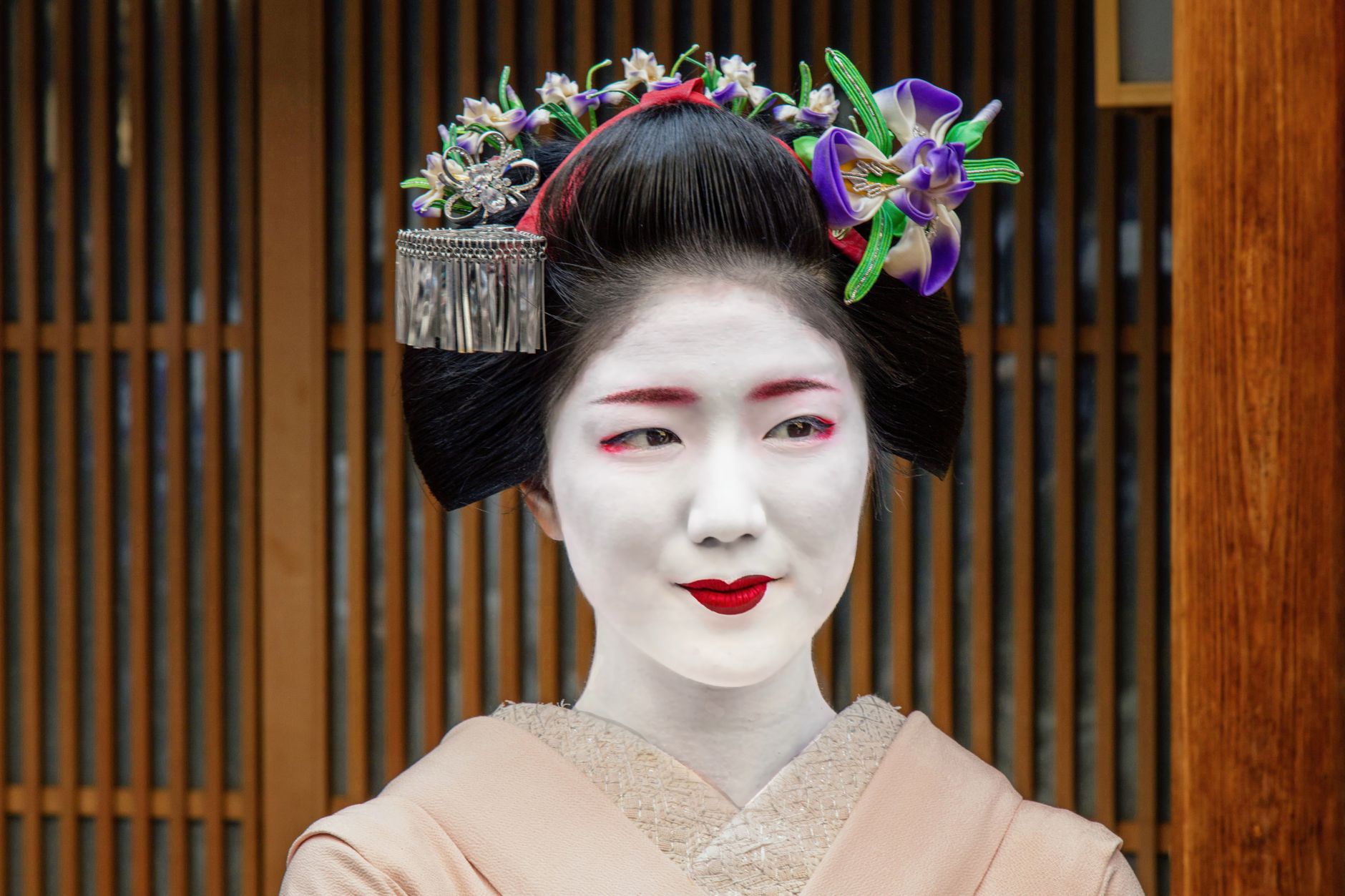
The first week of May (April 29–May 5) is unavoidable if you're a domestic traveller. The second week onwards (May 6–31) is underrated almost universally. Weather is at its best: Tokyo 18–24°C, Kyoto similar, humidity still manageable. Accommodation returns to normal rates (¥8,000–12,000 per person at a mid-range ryokan). Bullet trains have seats. Temples don't have queues. Green tea is being harvested and you can visit tea fields in Shizuoka. It is, genuinely, one of the year's best months to visit.
The sole complaint: minor risk of early June rain bleeding backward by May 25–31. This is infrequent but worth monitoring weather forecasts. Most of May is entirely dry.
June: tsuyu and why photographers love it
The rainy season (tsuyu) begins mid-June, typically June 8–25 across the Kanto region (Tokyo, Hakone, Kamakura). Rain is not continuous — more accurately, persistent overcast with intermittent heavy showers every 2–3 days, usually in the afternoon. Morning walks are often clear; afternoons are wet. Temperatures 20–26°C, humidity 75–85%.
This month is radically underrated. Kyoto's temple gardens (Ryoanji, Ginkakuji) are photographically superior in rain and fog — stone paths glisten, moss is vivid, reflections multiply. Hydrangea (ajisai) season peaks in early-to-mid June. Crowds are minimal. Prices are normal shoulder rates. Hotels fill perhaps 40–50% instead of 80%+.
The practical downside: you need functional rain gear (waterproof jacket, quick-dry pants) and you cannot predictably plan outdoor-only days. However, rain is typically confined to a few hours per day. Temple visits, museum time, and food-focused itineraries work perfectly.
Book 4–6 weeks ahead in June. Kyoto is quieter than Tokyo.
July: heat rises, festivals begin
Tsuyu breaks around mid-July, and heat and humidity build sharply thereafter. Tokyo averages 28–36°C with 70% relative humidity; Kyoto reaches 35–37°C with higher humidity. This is manageable, not prohibitive — but only if you structure your days around early mornings (5:30–10:00 a.m.) and accept that 2:00–5:00 p.m. is rest/museum/indoor time.
The offsetting draw: summer matsuri (festivals) are spectacular. Gion Matsuri in Kyoto (July, particularly July 16–17) is the most famous; Awa Odori in Tokushima (August 12–15) is the largest dance festival in Japan. If festivals align with your dates, July is worth it. If not, August is difficult without a specific draw.
One critical detail: Golden Week's cousin is Obon (August 13–16), the mid-summer holiday when Japanese families return to hometowns. Trains, hotels, and mountain roads see a secondary massive surge. If you're in Japan during Obon and haven't booked transport ahead, expect difficulties.
August: Hokkaido becomes the move
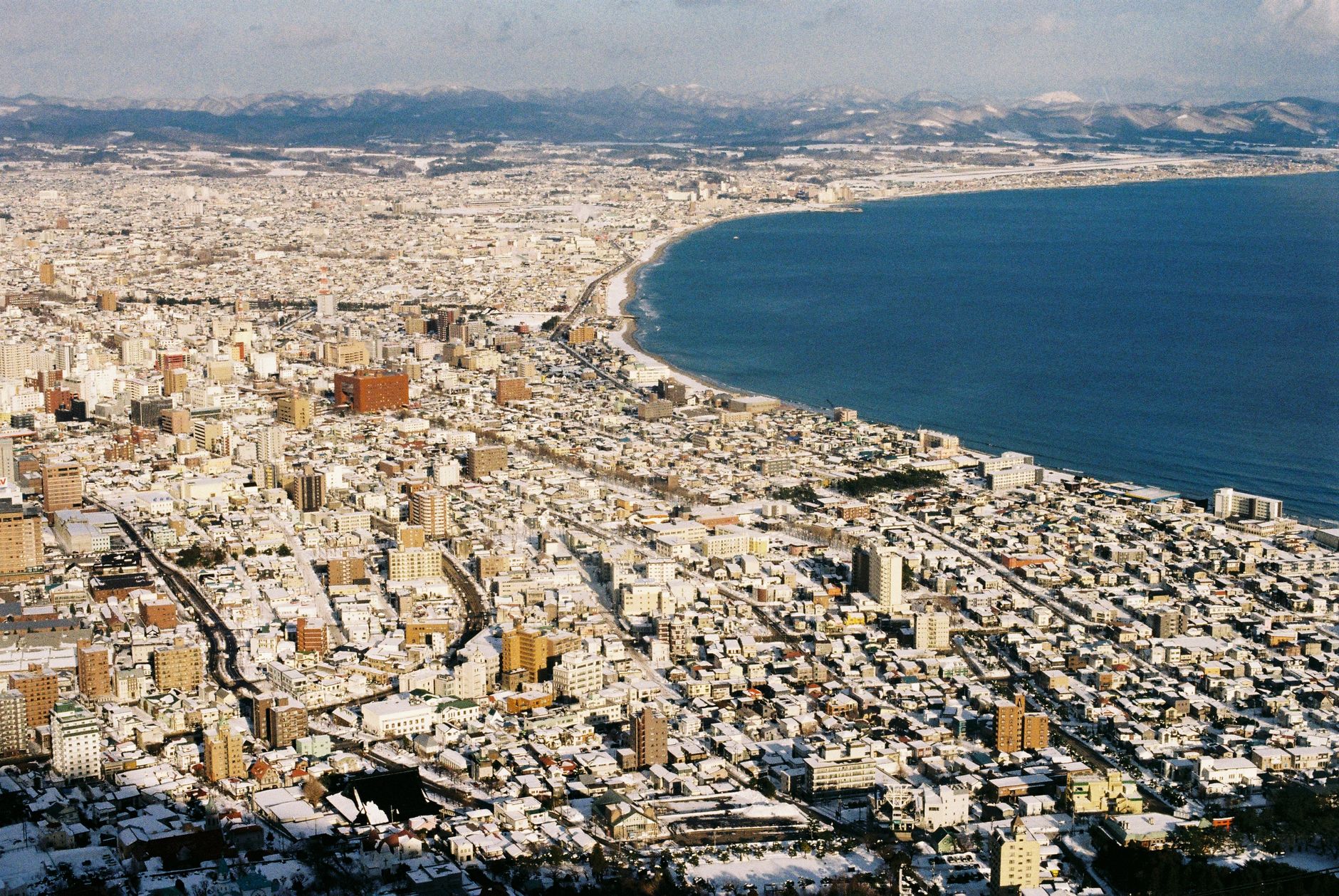
August is Japan's hottest month: Tokyo average 32°C with 70% humidity; Kyoto worse (often 35°C+). Central and western Honshu is genuinely unpleasant for walking outside during peak daylight.
Hokkaido, however, is excellent in August: Sapporo and coastal areas 22–26°C, low humidity. Furano and mountain towns 18–22°C and genuinely cool. If you're visiting Japan in August specifically, structure around Hokkaido, Nagano mountains, or coastal areas. Kyoto is a genuine mistake unless you're specifically visiting for a festival (Gion Odori, late August, has a summer iteration).
Obon (August 13–16) creates a domestic travel surge equivalent to Golden Week. Bullet trains to and from coastal towns and ski resorts are fully booked. Book 2–3 months ahead if you must travel during this week.
Otherwise, August crowds return to normal after Obon ends. Late August (August 18–31) is markedly quieter and pleasant in cooler regions.
September: typhoon risk is real but brief
Typhoon season peaks in September. The risk is genuine: typhoons occur roughly every 2–3 weeks, arriving as a discrete 24–36 hour weather event with heavy rain and wind. However, major infrastructure (flights, trains) handles this routinely — you are not facing trip cancellation, you're facing a day of disruption where you shelter indoors. September 1–10 and September 25–30 typically have lower typhoon frequency; mid-September peaks.
If you have fixed flight dates and flexibility in your itinerary, September is fine: book 4–6 weeks ahead, monitor typhoon forecasts (Meteorological Agency of Japan publishes 5-day forecasts in early September), and plan an indoor buffer day (museums, shopping, food tours) for likely impact dates.
Otherwise, September is genuinely good: heat breaks sharply by mid-month, crowds return to normal, prices moderate. Tokyo 23–29°C.
October: the best month most people don't plan for
October is excellent. Temperatures 16–22°C in Tokyo, clear skies, low humidity. Autumn foliage arrives in Hokkaido by early October, reaching Kyoto and Tokyo mountains by mid-November.
The underrated fact: early and mid-October (before foliage peaks) is phenomenal. Weather is at its best, crowds are minimal, accommodation is normal-priced, and you avoid the foliage surge entirely. Late October (October 25–31) is still excellent, with early foliage appearing in some regions (maple trees in temple gardens often peak by late October even if iconic sites like Arashiyama peak later).
Book 4–6 weeks ahead. October is not obscure, but it's less-booked than May because foliage is the draw and foliage doesn't peak until November.
November: the second peak
Autumn foliage (kouyou) peaks mid-November, typically November 10–25 (varies by 5–7 days year to year and differs by elevation; mountains peak earlier, lowlands later). The Japan Meteorological Corporation publishes foliage forecasts in late September, updated weekly.
Peak foliage creates a second accommodation crisis identical to cherry blossom. Kyoto's Arashiyama and Philosopher's Walk fill with equivalent crowds. Ryokan prices double. Bullet trains fill on weekends. Accommodation books 4–6 months ahead (May booking for November travel).
However, the nuance cherry blossom guides miss: foliage season lasts longer and is less time-critical. A tree in peak colour on November 15 will still be excellent on November 22 (cherry blossoms fall rapidly; leaves fade more gradually). Early November (November 1–14) has none of the crowds yet. Late November (November 25–30) still has excellent colour in lower elevations and temples, with dramatically fewer people.
The practical move: book for early November if possible. Arashiyama is excellent November 5–14 with 50% of peak-week crowds and 20% lower pricing. Photographer-specific travel for foliage peak is worth fighting for; casual tourists should consider early November as a compromise.
December: two very different halves
December splits completely. December 1–27 is quiet and excellent: clear weather, comfortable temperatures (8–13°C), minimal crowds, normal accommodation rates. It's perhaps the year's most underrated period.
December 24–25 is a couples' date night in Japan (KFC is the cultural tradition), not a major family holiday. Solo or group travel is unaffected.
December 28 through January 3 is New Year (Shogatsu), the cultural equivalent of Western Christmas–New Year combined. Families visit shrines (Hatsumode, the first shrine visit of the year), temples hold special events, and domestic travel spikes. Hotels and ryokan book solid 2–3 months ahead. Accommodation becomes expensive and crowded.
Avoid December 28–January 3 unless you specifically want to experience Hatsumode's cultural events. December 5–27 is genuinely excellent and overlooked.
January and February: value and skiing
January post-New Year (January 5 onwards) is one of the year's quietest periods. Tokyo 4–10°C, clear skies. Accommodation hits annual lows except in ski towns. Hotels in Kyoto and Tokyo run ¥6,000–8,000 per person in mid-range ryokan — a 30–40% reduction from peak months.
The trade-off: it's cold. Layers are essential. However, cold means clear skies, no rain, and no crowds. Temples are largely empty. The Fushimi Inari shrine (usually packed) has perhaps 15% of peak crowds.
Skiing peaks in January and February in Niseko (Hokkaido), Hakuba (Nagano), and smaller resorts. These towns are packed and prices rise — so book ski accommodation 2–3 months ahead. Non-skiers should plan to avoid ski towns during this window.
February follows the same pattern: 5–12°C, clear. Plum blossoms (ume) emerge in late February — earlier than cherry blossoms, less famous, less crowded. Plum blossoms are subtler and less photogenic than cherry blossoms, but gardens (Kairakuen in Mito, Kitano Tenmangu in Kyoto) are pleasant and nearly empty. Book 4–6 weeks ahead.
The Sapporo Snow Festival (early February) draws large crowds to Hokkaido specifically — book Sapporo accommodation 2–3 months ahead if you want to attend. Other regions remain quiet.
Regional timing: Hokkaido, Okinawa, Kyushu
Hokkaido operates on a delayed schedule. Cherry blossoms arrive 4–6 weeks later than Tokyo (late April through early May rather than late March through mid-April). Skiing is excellent December–March, peaking January–February at Niseko and Hakuba. July and August are excellent escapes from central Honshu's heat and humidity (Sapporo 22–26°C, mountains 18–22°C). October brings early autumn foliage. Book ski accommodation 2–3 months ahead; non-ski visits in May, July, August, and October need 4–6 weeks' booking lead time.
Okinawa is subtropical with a separate climate. Beach season and swimming are viable March–October; July–September carry typhoon risk (infrequent but worth monitoring). November–March are excellent for casual beach time without summer crowds. Weather is 18–24°C in winter, 28–32°C in summer. Accommodation fills faster than Honshu during winter (January–March book 2–3 months ahead) and summer holidays but less intensely than Kyoto or Tokyo. Okinawa is an excellent escape when you're tired of temple tourism.
Kyushu has milder winters than Honshu, and cherry blossoms arrive 5–7 days earlier than Tokyo (typically March 20–28). It is simultaneously much less crowded than Kyoto or Tokyo year-round, making it a strategic choice if you want cherry blossoms without peak-season gridlock. Regional festivals (Takayama matsuri in April, Aso shrine visits) draw domestic crowds but not international tourists. Book 2–3 months ahead for spring; Kyushu rarely requires the 4–6 month lead time that Kyoto demands.
Booking strategy by season
Cherry blossom peak (late March–mid April): Book accommodation 4–6 months ahead in Kyoto (September), 3 months ahead in Tokyo (December). Bullet train tickets from Tokyo to Kyoto book 2–4 weeks ahead normally, but weekends during peak week sell out weeks earlier. Book as soon as JR opens reservations (typically 1–2 months in advance). If you cannot secure preferred accommodation, shift dates to April 11–28 or visit Kyushu or Hiroshima instead (cheaper, less crowded, 3–5 days earlier bloom).
Golden Week (late April–early May): Avoid if possible. If you must travel, book bullet train tickets 2–3 months ahead. Accommodation and most transport fills earlier than you'd expect. Have backup plans if desired hotels are unavailable.
May 6–31: Book 4–6 weeks ahead. This month never fills entirely and rarely requires the long lead times of peak seasons.
June: Book 4–6 weeks ahead. Rain occasionally deters bookings, so availability is better than May despite similar quality.
July and August (non-Hokkaido): Book 4–6 weeks ahead, except during Obon (August 13–16), when 2–3 months is safer. Hokkaido accommodation books 2–3 months ahead in July–August.
September: Book 4–6 weeks ahead. Monitor typhoon forecasts in August; you're not booking differently, just planning your itinerary flexibly.
October: Book 4–6 weeks ahead. Early October books less intensely than late October, which starts to see foliage-driven demand.
November foliage peak (November 10–25): Book 4–6 months ahead (May booking). This is equivalent to cherry blossom intensity. Weekday travel is noticeably less crowded than weekends during peak week. Early November (November 1–14) requires only 2–3 months' advance booking and is excellent.
December 1–27: Book 4–6 weeks ahead. This month rarely fills.
December 28–January 3 (New Year): Book 2–3 months ahead. This is as locked as cherry blossom season.
January–February (non-ski): Book 4–6 weeks ahead. Accommodation is cheap and available widely.
What to do if your dates are fixed and can't avoid peaks
If your trip dates are non-negotiable and fall during cherry blossom or foliage peak, prioritize these adjustments:
Skip Kyoto. Kyoto fills first and most completely. Tokyo has more accommodation options. Hakone, Kanazawa, Takayama, and smaller towns have fewer peak-season visitors.
Travel mid-week, not weekends. Weekdays during peak season have substantially fewer crowds (35–40% reduction). Accommodation is similarly cheaper. Bullet trains have seats on weekdays even during peak weeks.
Book 4–6 months in advance with ruthless flexibility. If your preferred accommodation (a specific ryokan, a certain neighbourhood) is unavailable, book the best alternative available rather than waiting. Waiting does not free up better options; it removes options.
Build in a backup itinerary. If Kyoto accommodation is gone, can you spend days in Otsu, Uji, or Arashiyama (technically in Kyoto but farther from central crowds) and day-trip into the city? Can you substitute Takayama or Kanazawa instead, with equivalent cultural draws and fewer people?
Hire a driver or take regional trains. Bullet trains fill first. Limited Express trains on the same routes have more availability and a more pleasant pace, though longer travel times (e.g., Tokyo to Kyoto: 2h 15m Shinkansen, 5–6h Limited Express). Regional buses are cheapest but slowest.
Final recommendation
For first-time visitors with flexible dates, late May (May 6–31) or early October (October 1–24) are the moves. Weather is excellent, crowds are minimal, and you experience Japan functioning at a sustainable pace. Accommodation is affordable and available with 4–6 weeks' notice. Prices are 40–50% lower than peak seasons.
If cherry blossom is non-negotiable, commit to booking in September (4–6 months ahead), plan for Kyoto if you must, otherwise base yourself in Tokyo or shift south to Kyushu. If foliage is the draw, early November (November 1–14) offers 70% of the colour with 40% of the crowds.
Hokkaido in July–August, Okinawa in November–March, and Kyushu year-round are underrated for first-time visitors. Japan is genuinely good in six to eight months of the year; the "best time" is whenever you can book ahead, travel mid-week, and avoid the two-week peaks.
Frequently Asked Questions
When exactly does cherry blossom peak in Tokyo and Kyoto?
Cherry blossom peaks in Tokyo typically March 25–April 10 (varies ±5 days year to year); Kyoto follows 3–5 days later (March 28–April 15). The Japan Meteorological Corporation publishes an official forecast in late January, updated weekly. Peak timing depends on winter temperatures — cold winters delay bloom, warm winters accelerate it. Book accommodation by January (for March/April travel) if you need guarantees.
Is August in Japan really impossible?
August is difficult in central and western Honshu (Tokyo, Kyoto, Hiroshima) due to heat and humidity (30–37°C, high humidity), but Hokkaido is genuinely pleasant (22–26°C) and less crowded than Tokyo. Obon holiday (August 13–16) creates a domestic travel surge with packed trains and hotels. If you're set on August travel, prioritize Hokkaido or coastal regions, and book accommodation 2–3 months ahead for Obon week specifically.
Should I visit during Golden Week?
Golden Week (late April–early May) is Japan's longest domestic holiday; you'll face fully booked bullet trains, hotels at peak prices, and crowds equivalent to cherry blossom season. It's not impossible, but it requires 3 months' advance booking for accommodation and transport. If your dates have any flexibility, shift to May 6 onwards (equally good weather, no crowds, normal prices).
What's the rainy season like, and is it worth visiting?
Tsuyu (rainy season) runs mid-June to early July — roughly 3–4 weeks of overcast skies with frequent but brief afternoon showers. It's not continuously raining. Morning walks are typically clear; afternoons may be wet. Kyoto's temple gardens are photographically excellent in rain, crowds are minimal, and accommodation is cheap. Come with functional waterproof gear and flexibility. Book 4–6 weeks ahead.
Can I visit Japan in December without dealing with New Year crowds?
Yes. December 1–27 is quiet, clear, and excellent (8–13°C). Accommodation is cheap and available. December 24–25 is a minor couples' holiday but doesn't affect tourists. December 28–January 3 (New Year) is packed and books 2–3 months ahead — avoid unless you specifically want to experience shrine visits and New Year events. Plan to depart by December 27 if you want to avoid New Year's rush.
Which month has the fewest crowds and lowest prices?
June (rainy season), early December (December 1–20), and January–February (post-New Year, excluding ski towns) are the quietest. June requires comfort with rain; December and January are cold but clear. January accommodation is the year's cheapest outside ski resorts. All three require 4–6 weeks' advance booking only (not the 4–6 months of peak seasons).


