

Japan costs roughly 60% of what a comparable trip to London, Paris, or Sydney costs in 2026, and this gap has widened since 2023 due to yen weakness. A mid-range traveller spends £40–65 per day on everything except long-distance trains and accommodation—substantially less than the same itinerary in Western Europe. The persistent myth that Japan is prohibitively expensive dates from 2010–2015, when the yen was strong and budget options were genuinely scarce. In 2026, with a weak yen hovering around 150–155 to the US dollar and 190–200 to the pound, and with capsule hotels, business hotel chains, and ramen culture thriving, Japan is one of the most sensible budget destinations in developed Asia.
The real cost variables are two: where you sleep and which long-distance routes you take on the Shinkansen. Everything else—food, city transport, attractions—costs less than most travellers expect.
Daily budgets for different travel styles
Budget tier (¥5,000–8,000 / $32–52 / £26–41 per day)
Capsule hotel or four-bed hostel dorm (¥2,500–4,500). Convenience store breakfast (onigiri and coffee, ¥300). Convenience store or standing noodle counter lunch (¥600–800). One sit-down ramen or teishoku dinner (¥1,000). IC card city transport (¥400–600). One paid attraction (¥500–800). This tier requires discipline—you skip paid museums, eat only Japanese food, use public transport exclusively, and stay in central locations to minimise travel.
Budget travellers typically stay 5–7 nights in one city and move via night bus (¥3,000–5,000 one-way, saves accommodation). A week in Kyoto on this budget is viable; a week eating restaurant dinners every night is not.
Mid-range tier (¥12,000–20,000 / $78–130 / £62–104 per day)
Business hotel or guesthouse double room (¥8,000–12,000). Café breakfast or convenience store (¥400–600). Set lunch at a local restaurant (¥1,000–1,500). Restaurant dinner with beer (¥3,000–5,000). IC card transport (¥500–800). Paid attractions and museums (¥2,000–3,000). This is the realistic sweet spot. You eat well, stay in a proper bed, visit paid attractions without guilt, and move between cities via Shinkansen or night bus.
Comfortable tier (¥25,000–40,000 / $163–260 / £130–208 per day)
3-star business hotel or upmarket guesthouse (¥12,000–18,000). Restaurant breakfast (¥1,200–2,000). Set lunch (¥1,500–2,000). Two restaurant dinners or one kaiseki (¥8,000–15,000). Taxis when convenient (¥2,000–3,000). Multiple paid attractions and museums (¥4,000–6,000). One night in a proper ryokan with dinner included (¥15,000–25,000). This is the style for people who want the experience without trade-offs.
Critical caveat: these daily budgets exclude Shinkansen travel and the first night's accommodation. Budget Shinkansen separately: Tokyo–Kyoto (¥13,700 one-way), Tokyo–Hiroshima (¥19,700), Osaka–Tokyo (¥13,320). A Japan Rail Pass (JR Pass) is rarely worth it for short trips; do the maths on your actual itinerary before buying.
Accommodation: where to sleep for ¥2,500–12,000 per night
Capsule hotels (¥3,000–5,000 per night)
A pod roughly 200cm × 120cm × 100cm high, with a futon mattress, power outlet, and locker. Not for claustrophobic travellers. The upside: excellent shared facilities (usually a communal lounge, free hot springs or bath, sometimes saunas), they're clean to the point of OCD, and they attract a mix of solo travellers from Japan and abroad. No privacy, no window in the pod, white noise from other residents. Best in Tokyo and Osaka where supply is highest and prices lowest.
Chains: Nine Hours, Nui Hostel & Lounge Bar, Mitsui Garden Hotel Premier—these are reliable and centrally located. Book directly through their websites; they're cheaper than aggregators.
Hostels and guesthouses (¥2,500–4,500 dorm / ¥7,000–12,000 private)
Japanese hostels are run with Germanic attention to detail. Shared kitchens, laundry, lockers, and social areas are standard. Private rooms in guesthouses (often family-run) offer better value than mid-range hotels at the same price. Many guesthouses include a simple breakfast. Avoid chain hostels (they're identical anywhere) and favour neighbourhood-run places; you'll get actual information about the area instead of canned recommendations.
Search by neighbourhood name (Nakameguro, Shimokitazawa, Higashiyama) rather than "Tokyo hostels" to find character. BookHostels and Agoda list most options.
Business hotels (¥7,000–12,000 per night)
The backbone of solo and budget-conscious travel in Japan. Chains like Toyoko Inn, APA Hotel, and Dormy Inn are reliable, often include a light breakfast, and have identical rooms in 47 prefectures. You know exactly what you're getting. Many have in-room baths (usually shallow soaking tubs, not showers—an adjustment for Western travellers), free Wi-Fi, and vending machine breakfasts.
Book via hotel websites directly or Japanese aggregators (楽天トラベル Rakuten Travel, じゃらん Jalan); international sites add 8–15% markup. Booking 4–6 weeks ahead lowers prices by 10–20%.
Ryokan (¥10,000–18,000 including dinner and breakfast)
A traditional inn with tatami-mat rooms, shared or private baths (often onsen), and multi-course dinner and breakfast included. At the budget end, you share a bathroom and get a simple meal. At ¥15,000–18,000, you get a private bath and significantly better kaiseki. The food component alone is worth ¥4,000–6,000; this is not a luxury splurge, it's value dining with accommodation.
Book through Japanese sites (Rakuten Travel, じゃらん) or Airbnb (for more budget options). Book 6–8 weeks ahead for July–August and December–January. Many ryokan require online translation because English-language description is minimal.
Food: the best value in Japan (¥300–1,500 per meal)

Convenience store dining (¥300–800 per meal)
Family Mart, 7-Eleven, and Lawson. Rice balls (onigiri): 140–200 JPY. Fresh sandwiches: 200–380 JPY. Steamed buns (nikuman): 150–250 JPY. Hot food at the register: karaage (fried chicken), hot dogs, fried dumplings, 150–250 JPY. Canned coffee or tea: 150–200 JPY. Entire meals: a rice bowl with curry (karaage don): 500–700 JPY.
Convenience store food is not a compromise—it's genuinely good. Quality control is obsessive. A traveller eating three meals entirely from convenience stores spends ¥800–1,200 per day on food. This is unbeatable value at any quality level.
Ramen (¥800–1,200)
Standalone ramen shops (not chains) serve tonkotsu (pork bone), miso, shoyu (soy), or tsukemen. Most bowls cost ¥900–1,100. Gyoza (dumplings) cost ¥400–600. Toppings are usually free (green onion, bean sprouts). Ramen-ya are found on every block in every city. The ramen is better at smaller shops than at tourist-facing chains.
Soba and udon at standing counters (¥500–800)
Cold or hot buckwheat noodles or wheat noodles. A standing noodle counter (udon-ya, soba-ya) costs 30–50% less than sitting down. No service charge, no ambience, 5 minutes to eat. Lunch-hour queues are normal.
Teishoku: the actual best value (¥900–1,500)
A set lunch plate: grilled fish or meat, rice, miso soup, pickles, and often a raw egg to mix into the rice. Served at local restaurants (small families or tiny chains) between 11am–2pm. Look for restaurants with no English signage and a queue of Japanese office workers. The quality is higher than any Western lunch you'll get at this price. Many restaurants offer three or four daily options written on a whiteboard. A lunch that costs ¥1,500 would cost €18–22 in a comparable European restaurant.
Sushi (¥130–15,000+ depending on format)
Conveyor belt sushi (kaiten-zushi): plates start at ¥130 and go up to ¥500 depending on freshness (salmon and tuna are cheap; scallop and sea urchin are expensive). Two people can eat well for ¥2,500–3,500. Chains like Kura Sushi and Sushiro are standardised and good.
Omakase or nigiri at a sushi counter starts at ¥15,000 and goes upward. Book 3–4 weeks ahead or ask your hotel concierge.
Izakaya (¥2,500–4,000 per person)
Small plates (yakitori skewers, edamame, karaage, fried squid), sake, beer, or highball. Dinner from 5pm onwards. No single large meal; you order 3–5 small plates and share. A group of four can easily spend more than a solo traveller should, but eating at an izakaya counter or joining a table of locals keeps costs reasonable. Budget ¥3,000–3,500 per person including drinks.
What to avoid
Tourist-zone restaurants with photo menus: prices double. International cuisine: a burger costs ¥1,500–2,200. Hotel breakfasts beyond included ones: ¥2,500–4,500 for mediocre buffets. Anywhere with an English menu in a touristy neighbourhood: automatic 30% markup.
Transport within cities: IC cards and day passes
Pay-per-trip with IC card (¥170–280 per trip in Tokyo)
Suica or ICOCA cards work on all metro, bus, and streetcar systems across Japan. They're interchangeable between cities. Buy one at the airport or any station (¥2,000 with ¥1,500 usable credit), load cash at self-service machines, and tap at gates. No hassle, no language barrier, and marginal cost per trip.
Tokyo: single journey ¥170–280 depending on distance. Kyoto: ¥220–350. Osaka: ¥220–350. Most journeys cost ¥220–240.
Day passes (¥600–900)
Tokyo Metro day pass: ¥900 (unlimited metro, not buses). Kyoto: ¥700 (bus and streetcar, not metro). Osaka: ¥750 (most systems). These are worth buying only if you're doing 5+ paid trips in a single day. Most days, you'll use 3–4 trips; IC cards are cheaper.
Cycling (¥500–1,000 per day)
Most major cities have bike-rental stations. Kyoto, Nara, and Hiroshima are exceptionally bike-friendly; flatter, wider streets, and dedicated lanes. Tokyo is bikeable but more congested. Rental shops near stations charge ¥500–1,000 per day. Many guesthouses loan bicycles free.
Buses and streetcars
Cheaper than metro (¥150–220 per trip in Kyoto) and slower. Useful for reaching outer temples or residential areas. Drivers give change in small coins; IC card is simpler.
Long-distance travel: Shinkansen vs. night buses
Shinkansen (bullet train) is faster but expensive: Tokyo–Kyoto, ¥13,700 (2 hours 15 minutes). Tokyo–Hiroshima, ¥19,700 (4 hours). Useful if you have limited time.
Night buses are ¥3,000–5,000 (8–10 hours), depart around 10pm, arrive 6–7am. Prices vary by date; weekdays are cheaper than weekends. You save both the Shinkansen fare and a night's accommodation. A night bus from Tokyo to Kyoto costs ¥4,000 vs. ¥13,700 (Shinkansen) + ¥9,000 (hotel) = ¥22,700. The night bus saves ¥18,700 at the cost of sleep and comfort. Most budget travellers do this at least once.
Book night buses through Willer Express or at Shinjuku Expressway Bus Terminal (新宿バスターミナル) directly. Arrive 30 minutes ahead of departure.
Japan Rail Pass: when it's worth it
A JR Pass costs ¥20,320–38,880 for 7 days (prices vary by season and country of purchase). It covers unlimited Shinkansen, most local trains, and some buses, but not metro systems or private railways. Do the maths: if you're planning Tokyo–Kyoto–Hiroshima–Osaka–Tokyo, that's four Shinkansen journeys totalling ¥58,700. A 7-day JR Pass covering all four journeys plus local trains would cost less. If you're staying mostly in one city with day trips, it's not worth it.
Pass prices increase annually. Check Hyperdia (the official route planner) and calculate your exact itinerary before buying.
Free and cheap attractions: where not to waste money
Free temples and shrines
Meiji Jingu (Tokyo): free entry to the main shrine and grounds. One of Japan's most important Shinto shrines. Arrive before 9am to beat crowds.
Fushimi Inari Taisha (Kyoto): free. The famous tunnel of red torii gates. The main shrine is quick; deeper hiking costs nothing but time.
Kasuga Taisha (Nara): ¥600 entry. Spectacular moss-covered grounds and lanterns. Walk past the free shrine section first.
Most neighbourhood shrines and temples are free. Pick one at random and enter; many are unmaintained and unmissed.
Free viewpoints
Tokyo Metropolitan Government Building (Shinjuku): free observation deck on the 45th floor. Same view as Tokyo Skytree (¥2,300–3,400) without the cost. Arrive weekday afternoons; weekends are slow.
Department store rooftops (Takashimaya, Isetan, Mitsukoshi): many have free terraces with city views. Go at dusk.
Parks
Ueno Park (Tokyo): free. Shrine, museum, zoo, pond, and crowds.
Shinjuku Gyoen (Tokyo): ¥500. Central park, three landscaping styles, fewer tourists than Ueno.
Maruyama Park (Kyoto): free. Shaded walk, shrine, views over the city.
Museums and galleries
Costs ¥500–1,500 per museum. Many offer discounts on certain days (often Mondays are free, though hours may be reduced). Plan museum visits strategically.
teamLab Planets (Tokyo and Osaka)
¥3,200 entry. Immersive digital art installations. Genuinely worth the cost and distinct from free alternatives. Book online 3–5 days ahead to avoid queues. Avoid weekends in July–August.
What's not worth it
Tokyo Skytree (¥2,300–3,400): a tall building with interior viewing platforms. No advantage over the Metropolitan Building except crowds and cost.
Pokémon Center (Shibuya): free to enter but designed for purchasing. Queue times do not justify the experience.
Tourist restaurants with views (Gonpachi, Roppongi): high prices, mediocre food, aggressive upselling.
Money: cash, cards, and ATMs in 2026
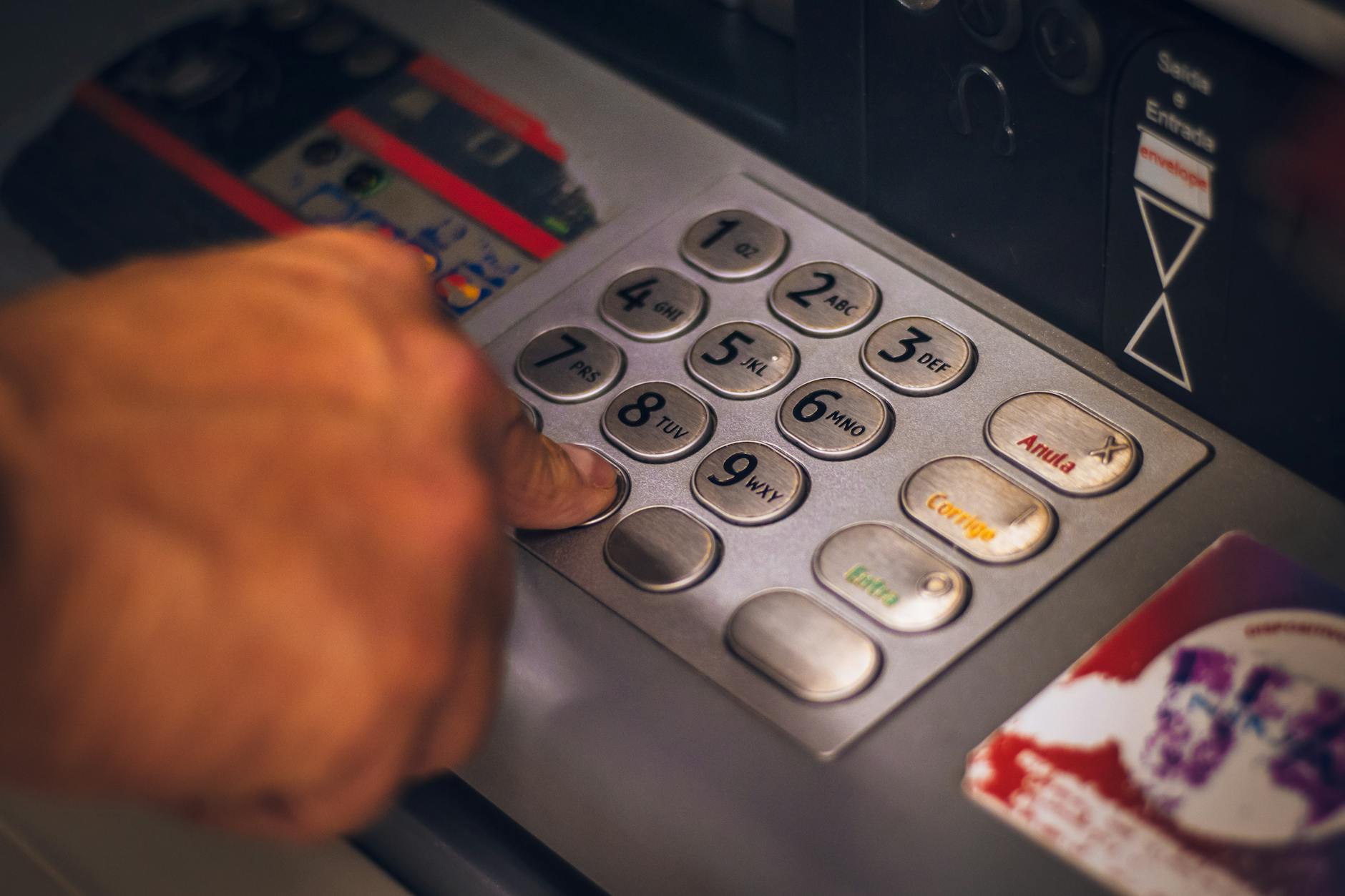
Japan remains more cash-dependent than any other developed country. Roughly 60% of small restaurants, convenience stores, and all vending machines are cash-only. This is slowly changing in 2026, but assume cash is primary and cards are backup.
Cash withdrawal
7-Eleven Bank ATMs accept most foreign debit and credit cards. Withdrawal fee: approximately ¥110 per transaction. Withdraw ¥30,000–50,000 at once (every 3–4 days) to minimise fees. This is cheaper than airport exchange counters or hotel desks.
Post offices (郵便局) have ATMs accepting foreign cards with slightly lower fees (¥100). Open Monday–Friday 9am–5pm; fewer weekend hours.
Airport exchange counters are acceptable (competitive rates, no fee, but slow). Hotel desks are poor value (1–2% markup).
IC cards (Suica, ICOCA)
Tap to load cash at self-service machines at any station or convenience store. Some newer machines accept credit card top-ups, but cash loading is standard. No surcharge.
Credit cards
Increasingly accepted at restaurants (2026), hotels, and department stores in major cities. Still not reliable at small local shops, ramen-ya, or izakaya. Visa and Mastercard are universal; American Express and Diners are less common. Contactless payments (Apple Pay, Google Pay) work on IC-compatible readers.
Always carry ¥5,000–10,000 in cash as emergency backup.
Tipping
Never tip. Ever. In Japan, tipping is perceived as insulting or a misunderstanding. Service charges are included in prices. Round up or keep change only in informal contexts if you genuinely want to (not expected).
Where the money actually goes: accommodation and distance
Two costs dominate: where you sleep and how far you travel between cities.
Accommodation is the single largest variable. Choosing a capsule (¥3,500) vs. a guesthouse private room (¥10,000) vs. a business hotel (¥9,000) changes your daily budget by ¥5,000–7,000. Over seven nights, that's ¥35,000–50,000 (£186–267 / $233–334). This exceeds food and attraction spending combined.
Long-distance transport is the second variable. Three Shinkansen journeys (Tokyo–Kyoto–Hiroshima–Osaka) cost ¥54,000 in base fares. Three night buses cost ¥15,000. That's a ¥39,000 difference (£207 / $260). Both routes are equally valid; the choice depends on time vs. money priorities.
Food is cheap. Even eating restaurant dinners every night (¥4,000–5,000 per meal), you spend ¥12,000–15,000 daily. Eating convenience stores and ramen, you spend ¥1,500–2,000. That's a ¥10,000–13,000 daily difference, which compounds heavily over two weeks but is negligible over three days.
Attractions are negligible in total cost. Visiting 20 paid attractions over two weeks (excessive) costs ¥15,000–20,000 total. Skip them or do them; the impact is marginal.
Decision framework: If you're visiting for 7 days, prioritise cheaper accommodation and accept the Shinkansen cost for speed. If you're visiting for 14+ days, budget for both, or trade Shinkansen time for night bus savings and visit fewer cities more deeply. The latter is the smarter choice anyway.
Realistic costs: the first-timer's standard circuit
A first-time visitor typically does Tokyo (3 nights) → Kyoto (3 nights) → Osaka (2 nights), moving via night bus or Shinkansen. Mid-range style: business hotel (¥9,000/night), set lunches (¥1,200), restaurant dinners (¥4,000), attractions and transport (¥3,000).
Per day: ¥17,200 / $112 / £89 (excluding Shinkansen and accommodation)
8 nights total accommodation: ¥72,000 / $469 / £374
Shinkansen or night buses: ¥28,000–42,700 depending on method
Total 10-day trip (Tokyo-Kyoto-Osaka-Tokyo): ¥210,200–224,700 / $1,368–1,462 / £1,091–1,169
That breaks to ¥21,000–22,470 per day total. Food, attraction, and daily transport budgets are set; the two levers are accommodation type and Shinkansen vs. night bus. Downgrade accommodation to capsule hotels (save ¥5,500/night × 8 = ¥44,000) and switch to night buses (save ¥14,700) and the same trip costs ¥151,500 / $986 / £786. Upgrade to 3-star hotels (add ¥4,000/night × 8) and Shinkansen (add ¥14,700) and it's ¥293,400 / $1,908 / £1,523. All three are reasonable budgets. London at comparable mid-range style costs 40–60% more.
Frequently Asked Questions
Is Japan actually cheaper than Europe in 2026?
For day-to-day spending (food, local transport, attractions), yes. A mid-range daily budget in Tokyo is ¥12,000–20,000 ($78–130 / £62–104); in London, Paris, or Amsterdam it's £80–140 minimum. The weak yen since 2023 has amplified the difference. Accommodation and Shinkansen travel are the significant costs, and those you control through choices (night bus vs. train, capsule vs. hotel). Compared to Sydney or New York, Japan is substantially cheaper.
How much cash should I carry daily?
¥5,000–15,000 ($33–98 / £26–78) is sufficient. Withdraw at 7-Eleven ATMs every 3–4 days to minimise fees. Even restaurants that don't advertise card acceptance increasingly have Suica/IC card readers or contactless payment. Carry backup cash but don't over-prepare.
Should I buy a Japan Rail Pass for a 10-day trip?
No, unless your itinerary includes four or more Shinkansen journeys. Tokyo–Kyoto–Hiroshima–Osaka–Tokyo is four journeys (¥58,700 fares). A 7-day JR Pass costs ¥20,320–29,650 depending on when and where you buy, so the pass saves money on fares alone. However, if your first two days are in Tokyo and you take metro passes, the pass doesn't cover metro, so it's only useful from day 3 onward. Calculate your exact itinerary on Hyperdia before deciding.
What's the cheapest way to sleep and eat?
Capsule hotel (¥3,000–4,000) + three meals from convenience stores (¥1,200–1,500) = ¥4,200–5,500 per day. This is viable for 5–7 days as a deliberate budget exercise but not sustainable because convenience store meals lack vegetables and variety. Realistic budget minimum is capsule + one ramen dinner + convenience store breakfast and lunch = ¥5,000–6,000 daily, which is liveable and includes actual nutrition.
Are there areas of Japan I should avoid because they're too expensive?
Tokyo is the single most expensive city (though still cheap compared to Western equivalents). Kyoto and Osaka are 10–15% cheaper. Smaller cities like Nara, Takayama, and Kanazawa are 15–25% cheaper. Mountain/rural areas are cheapest on accommodation (¥5,000–7,000 for a ryokan) but require a car or meticulous transport planning. No area is prohibitively expensive; your budget choice determines where you can afford to stay comfortably, not whether you can visit.
What's the best time to book accommodation to get lower prices?
4–8 weeks ahead for domestic travel in shoulder seasons (April, May, September, October). 8–12 weeks ahead for July–August and December–January, which are peak domestic travel periods. Booking one week ahead often results in last-minute deals (especially Sunday–Thursday nights), but this is risky if you have fixed dates. Monday–Thursday nights are 15–20% cheaper than Friday–Sunday. This matters more than the time of year if you have flexibility.


