

A one-week Japan itinerary typically follows the Tokyo–Kyoto–Osaka circuit, and it works well for first-timers because these three cities are connected by reliable trains and collectively show Japan's contradictions: megacity noise, temple forests, neon districts, and centuries-old shrine districts within 30 minutes of each other. What first-timers get wrong is thinking seven days is enough to add Hiroshima without rushing—it isn't. This route instead prioritises depth over distance. Decide upfront whether you're optimising for urban exploration, temple culture, food, or sensory contrast. Everything else follows from that choice.
| Category | What This Route Offers | What Gets Cut |
|---|---|---|
| Best for | First-time visitors, culture + food + design | Mountain temples, regional crafts, rural areas |
| Key cities | Tokyo, Kyoto, Osaka | Hiroshima, Kanazawa, Takayama |
| Time in biggest city | 3 full days | 1 day or none |
| Temple density | High (Kyoto has 2,000+) | Moderate |
| Train travel | 2 major journeys | 5+ journeys |
| Nightlife | Shinjuku, Shibuya, Dotonbori | Specialized (geisha, craft bars) |
| Daily budget range | 5,000–12,000 JPY | 3,000–15,000 JPY depending on choices |
| Peak crowding | Moderate to intense | Tourist honeypots vs. emptiness varies |
| Best months | March–April, September–November | Avoid August (40°C heat) |
The Seven-Day Route at a Glance
Days 1–3: Tokyo — Eastern districts (Asakusa, Ueno), western districts (Shinjuku, Harajuku), urban architecture and gardens.
Day 4: Kamakura day trip — 50-minute train. Beach town, 13.4m bronze Buddha, cliff temples, lunch by the coast.
Day 5: Shinkansen to Kyoto — 2 hours 15 minutes. Afternoon in Gion geisha district and Nishiki Market.
Day 6: Kyoto full day — Fushimi Inari's 10,000 torii gates, Arashiyama bamboo, Golden Pavilion, Philosopher's Path.
Day 7: Nara day trip, evening in Osaka — Deer in Nara Park, giant Buddha, then crab and takoyaki in Dotonbori.
This itinerary works because the train connections are logical (no backtracking), each day has a single coherent theme, and you're not living out of a suitcase more than necessary.
Days 1–3: Tokyo — What Actually Matters
Tokyo demands a strategy because the city is 2,194 km² and you'll waste two days getting lost if you don't. Split your time between east and west. The mental geography is simple: major rail lines run in a loop, and each stop is a distinct neighbourhood.
Day 1: East Tokyo — Asakusa, Ueno, Akihabara
Start at Senso-ji Temple in Asakusa. Arrive by 7:30am if possible—the temple grounds are photogenic then, and Nakamise shopping street (a 250m arcade of souvenir stalls inside the temple grounds) is manageable. The temple itself is free. Most visitors stay 90 minutes. Do not buy anything on Nakamise—prices are inflated for tourists.
Walk 15 minutes east to Ueno Park. Spend two hours here. The Tokyo National Museum is the draw if you care about Japanese art history—4,000 JPY, three hours minimum. If museums feel like indoor time you can't afford, the park itself has free temple grounds (Tosho-ji), ponds, and atmospheric backstreets. Eat lunch in one of the park-facing noodle shops (ramen ~1,000 JPY).
Afternoon: Akihabara station is 20 minutes south by JR Yamanote Line (a circular train that connects everything). This is electric-goods retail and gaming arcades—six-storey buildings stacked with keyboards, vintage arcade cabinets, and anime merchandise. The vibe is specifically Japanese nerd culture in physical form. Spend one hour maximum; a second hour adds nothing. It is not inherently interesting if you're not hunting for specific electronics.
Evening: Take the Chiyoda Line to Yanaka station (five stops). Yanaka is a 1.5 km stretch of pre-war wooden houses, small temples, and narrow streets that survived Tokyo's 1945 firebombing and modern development. Walk the main path—Yanaka Ginza—lined with tiny shops, cafes, and restaurants. Dinner at one of the yakitori places (grilled chicken skewers: 50–150 JPY per stick, order six sticks and a beer for ~1,500 JPY). The neighbourhood is quiet and locals, not tourists.
Day 2: West Tokyo — Shinjuku, Harajuku, Shibuya
Shinjuku is Tokyo's neon-lit commercial centre. East Exit: the shopping and office district (giant screens, thousands of people, utterly impersonal). West Exit: the residential side, cheaper restaurants, and Omoide Yokocho—a narrow alley of 70 tiny standing yakitori bars stacked vertically. Pick one, order a drink and skewers (total 2,500–4,000 JPY per person for a full meal). The alleys are atmospheric and genuinely local despite the tourist foot traffic.
Meiji Jingu Shrine is a 10-minute walk north from Shinjuku. It's a walk through a 70-hectare forest inside the city—genuinely quiet and atmospheric. Free. 30 minutes minimum if you walk the grounds slowly, 15 minutes if you see the shrine building only. This is where to understand what Japanese people come to temples for: stillness, not Instagram angles.
Harajuku comes next (one JR stop south). Takeshita Street is the tourist version—a pedestrian alley of fashion boutiques, crepe vendors, and photo booths where teenagers pose in costume. It is crowded, commercial, and fine for 20 minutes of people-watching. If street fashion doesn't interest you, skip it and walk Omotesando instead: a tree-lined avenue of high-end brands and architecture (Prada building, Louis Vuitton flagship). The aesthetic is "expensive and calm" instead of "young and chaotic."
Evening: Shibuya Crossing. Walk to Shibuya station, exit the Hachiko exit, and watch the scramble crossing from the Starbucks overlooking it. This is the world's busiest pedestrian crossing—1,000+ people cross in each wave. Arrive at dusk (around 5–6pm in winter, 6–7pm in summer) for the light contrast between neon and twilight. Do not expect transcendence. It is crowded and worth 10 minutes of photos. Dinner in the underground food mall beneath the station—cheap ramen, tonkatsu (breaded pork cutlet ~1,200 JPY), udon.
Day 3: Choice — Odaiba or Nikko
Option A: Odaiba (modern, design-forward)
Odaiba is a reclaimed artificial island in Tokyo Bay. Take the Yurikamome automated guideway from Shimbashi station (15 minutes, 500 JPY). You get a view of the Rainbow Bridge and Tokyo's eastern waterfront.
The draw is teamLab Borderless (a digital art museum with immersive installations of light, projection, and motion). Tickets run 3,500 JPY and need to be booked 3–7 days ahead in 2026. Plan 2–3 hours inside; it moves slowly because crowds stop at each room for photos. The aesthetic is "Instagram-heavy but legitimately well-executed." If visual art installations and crowds don't appeal together, this doesn't fix it.
Also on Odaiba: the Gundam Statue (a 1:1 scale replica of the robot from the anime), luxury shopping malls, a small sandy beach (Tokyo Beach, free but artificial). Full Odaiba visit takes 3–4 hours.
Option B: Nikko (temples, forest, UNESCO site)
Nikko is in the mountains two hours northwest. Take the JR Limited Express from Shinjuku (Kintetsu group, ~5,000 JPY return). The draw is Tosho-ji, an ornate temple complex from 1617 with multiple UNESCO-listed shrine buildings nested in a cedar forest. The energy is entirely different from city temples—it's hiking and silence instead of crowds.
The full site takes 2–3 hours. Autumn foliage (October–November) is dramatic here. Without seasonal timing, the forest is excellent but the temple buildings are more "ornate" than revelatory for people seeing them for the first time.
Choose Odaiba if you want to stay in the city and see modern Tokyo design. Choose Nikko if you're already at temple saturation and want forest space instead.
Where to stay in Tokyo
Shinjuku or Shibuya puts you on the main JR Yamanote loop with maximum train access. This matters because navigating Tokyo's 13 subway and train lines is the main drag on your time.
- Capsule hotels: 3,500–5,000 JPY per night. Basic but reliable (Nine Hours, Nui, Book and Bed). Locker for valuables, shared shower, single pod for sleeping. This is a legitimate choice, not a novelty.
- Business hotels (Tokyu Stay, Hotel Graphy, APA Hotels): 8,000–12,000 JPY per night. Small room, private bathroom, TV. Perfectly adequate, indistinguishable from each other.
- Mid-range (Gracery, Mitsui Garden): 12,000–18,000 JPY per night. Better bedding, better bathrooms, often includes breakfast.
Book accommodation two weeks ahead for March–April and September–November. Other months are less pressured. All major booking sites (Booking, Expedia, Rakuten) have equal availability and pricing—no advantage to booking direct with hotels.
Day 4: Kamakura Day Trip — 50 Minutes From Tokyo
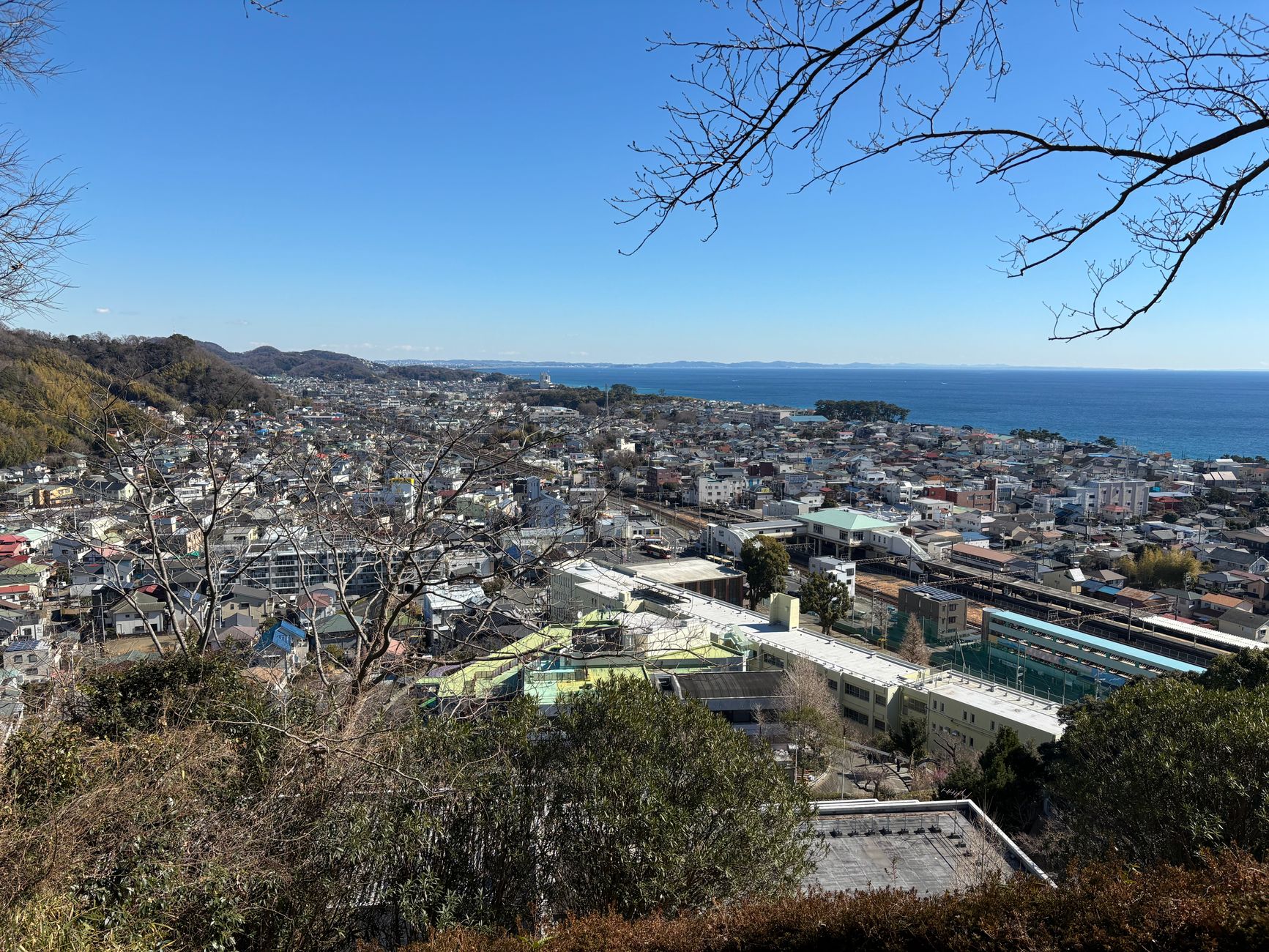
Kamakura is a beach town 50km south of Tokyo, accessible by JR Yokosuka Line from Tokyo station (50 minutes, 920 JPY return). This is the single best day trip from Tokyo because it combines temples, coast, and food in a compact area. You can do this entire day without a second thought about navigation.
The draw: the Great Buddha (Kotoku-in Temple). This is a 13.4m bronze figure cast in 1252—one of Japan's three largest Buddha statues and fully original (not rebuilt). It sits outdoors in a field near Kamakura station. Entrance: 300 JPY. The experience is straightforward: walk up, see the Buddha, leave. Total time: 20 minutes.
The nuance: tourists expect the Buddha to feel profound or serene. It is impressive in scale and obvious in quality, but sitting outside next to a snack shop undercuts any transcendent feeling. This is fine. Adjust expectations accordingly.
From the Buddha, walk to Tsurugaoka Hachimangu Shrine (1.5km inland). This is Kamakura's main shrine, built in 1180, and it sits at the centre of town. The walk along the approach street (Dankazura) is tree-lined and atmospheric. The shrine and grounds are free. Spend one hour here, including time to sit in the central compound.
Walk the coastal cliffs: several temples are built into cliffs overlooking the sea. Zeniarai Benten is the most famous—a shrine inside a cave where water flows naturally. Small and slightly touristy, but the cliffside walk is excellent. Kasadera Tunnel is nearby (a 200m hand-carved tunnel through rock). Total: 90 minutes for both.
Lunch in Kamakura town (near the station). The main street has ramen shops, soba stands, and casual restaurants. Ramen is ~1,000 JPY, donburi (rice bowl with toppings) ~1,200 JPY. Nothing is expensive.
Return to Tokyo by 5pm or stay for dinner if you want to extend the evening. Shichirisan is a landmark tempura restaurant near the station (reservation required, ~6,000 JPY per person). Or eat casually near Kamakura station and return to Tokyo for a quiet night.
Total Kamakura day cost: ~2,500 JPY (train, entry fees, lunch) plus accommodation elsewhere.
Day 5: Shinkansen to Kyoto — 2 Hours 15 Minutes, Then Gion
This is the single longest train ride of the week and it's purposefully positioned mid-trip to break up the Tokyo-focus. The Shinkansen is efficient enough that you arrive in Kyoto with an afternoon ahead.
The Shinkansen decision
From Tokyo station or Shinagawa station to Kyoto station, the Nozomi train takes 2 hours 15 minutes. Cost: 13,320 JPY per person, one way. The Hikari train takes 2 hours 45 minutes and costs the same.
Do not buy a 7-day JR Pass for this route alone. The math: Shinkansen round-trip (26,640 JPY), plus local trains in Tokyo and Kyoto and day trips (8,000–12,000 JPY). Total: ~35,000 JPY. The 7-day pass costs 50,000 JPY. The pass only pays if you add Hiroshima or another intercity journey. Buy point-to-point tickets instead.
Board the Shinkansen with a convenience store lunch (onigiri rice balls, salad, ~800 JPY). The train has a café car but it's crowded and slow. Seats are assigned, comfortable, and the ride is smooth. Look right as you leave Tokyo for Mount Fuji on clear days (40% of days in 2026 based on historical clarity).
Afternoon in Kyoto: Gion and Nishiki Market
Arrive Kyoto station at 4:45pm. Store luggage at the station (5–8 JPY per bag depending on size, available 24/7) or go directly to your accommodation if nearby.
Gion is Kyoto's geisha district. Walk Hanamikoji-dori, the main street where geisha historically walk to appointments. The street is narrow, lined with machiya (traditional wooden houses, many now restaurants and teahouses). Between 5:30–7pm, you see geisha heading to evening appointments—in full makeup and kimono. This is the reality: it's real people in a real working district, not a museum.
Before 5pm, Hanamikoji is crowded with tourists. After 7pm, it's quieter but geisha are less visible. The sweet spot is 5:30–6:30pm for both atmosphere and authenticity.
Nishiki Market is a 170m-long covered alley of food stalls—"Kyoto's kitchen." Fish, produce, pickles, tofu, tea, dried goods. It's crowded, meant for local shopping, and thoroughly touristed now. Walk through once for 30 minutes, eat one small thing (takoyaki 500 JPY, mochi 300 JPY), and don't expect profundity. It is sensory and busy.
Dinner: Find a restaurant with a counter seat on a side street off Gion (side streets are quieter and cheaper). Kyoto is famous for kaiseki (multi-course fine dining, 15,000–25,000 JPY) and yudofu (hot pot tofu, 2,500–4,000 JPY). For the first evening, yudofu is excellent and less formal.
Where to stay in Kyoto
Gion and Higashiyama (nearby temple district): beautiful, convenient, expensive. Mid-range ryokan 15,000–25,000 JPY per night.
Kyoto Station area (Shimogyo ward): cheaper, less atmospheric, excellent train access. Business hotels 7,000–12,000 JPY per night.
Central Kyoto (Nakagyo, Shimogyo): balance of location and price. 10,000–15,000 JPY per night.
Book accommodation at the same time as your Tokyo hotel—Kyoto's mid-range fills two weeks ahead during peak season (March–April, November).
Day 6: Kyoto Full Day — Three Core Sites and the Philosopher's Path
Kyoto has 2,000+ temples. You will see exactly four in this itinerary. This is intentional. The goal is depth, not a checklist.
Morning: Fushimi Inari's 10,000 Torii Gates
Take the JR Nara Line from Kyoto station (5 minutes, 150 JPY) to Inari station. Walk one minute to Fushimi Inari-taisha shrine.
This shrine is accessed via thousands of vermillion torii gates (wooden archways) forming tunnels up a hillside. Arrive before 7:30am—at this hour, the gates are lit softly and almost empty. The experience is genuinely atmospheric. Most tourists arrive at 10am, when crowds appear.
The full trail to the mountain summit takes four hours. The main photogenic section (the most densely packed torii gates) takes 45 minutes. Climb for 90 minutes total if you want to see the view and feel like you've done a proper walk. Descent is faster. Total: two hours if you're moving at a normal pace.
This is the most-photographed shrine in Japan and the photos are accurate—the torii gates are real, the scale is real, and the effect is real. It is also very crowded by 10am and increasingly crowded through the day. Timing is everything. Bring water.
Return to Kyoto station by 10:30am.
Late morning: Arashiyama Bamboo Grove and Tenryu-ji
Take the JR to Saga-Arashiyama station (15 minutes from Kyoto station). The Arashiyama bamboo grove is a 1.5-hectare stand of bamboo forest with a main pathway. Tourist concentration is intense 9am–4pm. Arrive at 10:30am and you're in a crowd, but the path moves.
The groove is genuine—35m-tall bamboo, dense, and the sound is good. Spend 30 minutes walking the path and taking photos. Do not expect quiet or solitude. Do expect the exact aesthetic shown in every blog and magazine.
Walk 10 minutes to Tenryu-ji temple. Entry: 1,000 JPY. This temple has a remarkable garden with a central pond, which you circle on a path. The garden was designed in 1345 and is one of Kyoto's finest. Spend 90 minutes here, including time to sit by the pond. The experience is calm despite tourists.
If you have energy and time, the Arashiyama Monkey Park (Iwatayama Monkey Park) is a 30-minute uphill walk from here. 550 JPY entry, ~200 Japanese macaques roam freely. The view of Kyoto is good from the top. This is optional and adds 90 minutes to your afternoon.
Return to central Kyoto by 2pm.
Afternoon choice: Golden Pavilion or Philosopher's Path
Option A: Kinkakuji (Golden Pavilion)
Take the Ritan Line from central Kyoto to Kinkakuji-michi station (10 minutes, 200 JPY). The pavilion is a small temple structure covered in gold leaf. Entry: 500 JPY. The experience is brief—the building is fully visible in one view, and there's no interior access. Total time: 15 minutes including the walk from the station.
The building is photographically perfect and genuinely golden (rebuilt in 1955 after a 1950 arson fire, but the current gold leaf is real). The pool in front reflects it. The crowds are intense. You see the pavilion, you take a photo, you leave.
Do not expect to stand alone with the building. Do expect exactly 15 minutes at this site.
Option B: Philosopher's Path and Nanzen-ji
Walk or take the subway to the Philosopher's Path entrance near Ginkakuji (Silver Pavilion). The Philosopher's Path is a 2km canal walk lined with cherry trees, temples, and tea houses. The canal itself is calm and tree-covered. In late March during cherry blossom season, this is dramatic. Otherwise, it's atmospheric and quiet.
Walk the full length (45 minutes), stopping at small temples and teahouses if they interest you. At the southern end is Nanzen-ji temple (free entry to grounds, paid entry to some interior buildings). The temple has a brick aqueduct running through it (genuinely striking visually—it's a 19th-century engineering project built into a medieval temple). Walk the grounds for 60 minutes.
This option takes 2.5 hours and feels less rushed than the Golden Pavilion. Choose Kinkakuji if you want a single iconic image. Choose Philosopher's Path if you want atmospheric time in Kyoto.
Evening
Dinner in a side alley of Gion or Pontocho (a narrow alley of traditional teahouses and restaurants along a river). Dinner runs 2,500–4,000 JPY for casual meals, 8,000–15,000 JPY for seated restaurants. Kyoto is known for vegetarian temple cuisine (shojin ryori), but reservations are required two weeks ahead. Ramen and udon are everywhere and excellent.
Return to your accommodation by 10pm. You've walked 15,000+ steps today.
Day 7: Nara Day Trip, Evening in Osaka
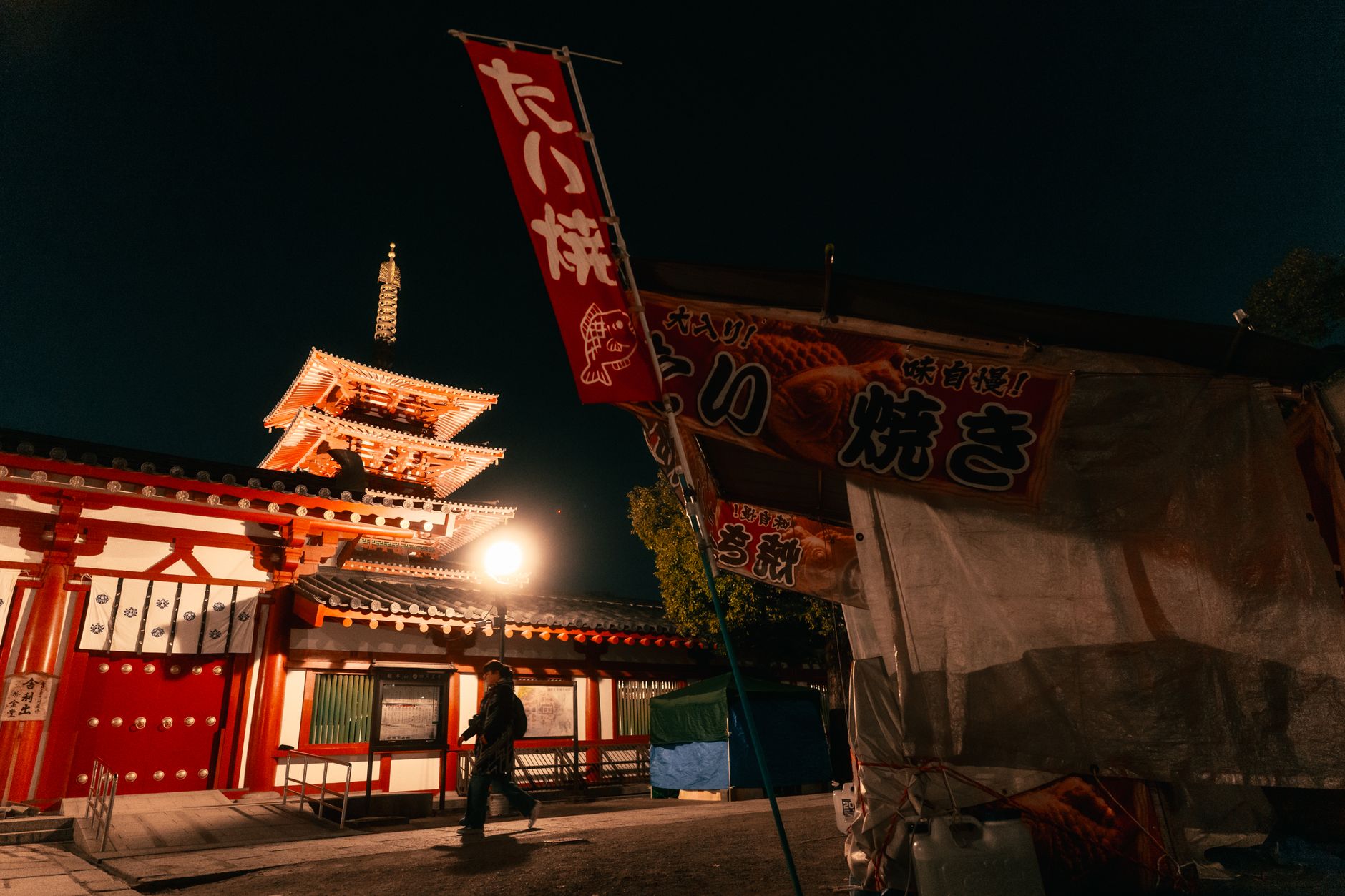
This day has logistical complexity because you're moving between three cities. Plan your route the night before.
Nara: Deer and the Great Buddha (45 minutes from Kyoto)
Take the Kintetsu Nara Line from central Kyoto (depart 8:30am, arrive 9:15am, 720 JPY). The line is fast and reliable. Store your larger luggage at Kyoto station before you leave (8 JPY per large bag) because you're moving to Osaka tonight.
Nara Park is a 660-hectare expanse of open grass with 1,200 semi-wild sika deer (Japanese deer). They roam freely and are habituated to humans. Walk to a snack vendor near the station, buy shika senbei (crackers, 150 JPY for a small pack). The deer bow when they smell the crackers. This is the entire draw and it's exactly as described in guidebooks: genuine, charming, and very touristy.
Spend 90 minutes in the park. Walk through the deer, sit on the grass, watch the interactions. The deer are real animals—they bite, kick, and sometimes ignore tourists. This is fine.
Todai-ji Temple is at the northern edge of the park. This is a working Buddhist temple housing Daibutsu, a 15m-tall bronze Buddha cast in 752—the largest bronze Buddha in the world and originally gilded (the gilding is mostly gone now). The temple building itself is massive (the second-largest wooden structure in the world). Entry: 600 JPY. Spend 60 minutes here.
The Buddha is genuinely impressive in scale and presence. The temple architecture is correct and ancient. This is not as visually arresting as Kyoto's temples (which are more decorated and ornate), but the scale compensates.
Lunch in Nara town (near the station). Nara is famous for kakinoha-zushi (persimmon leaf-wrapped sushi, 400 JPY per piece) and tea. Eat quickly—you need to leave Nara by 2:30pm to make Osaka evening.
Transit to Osaka (35 minutes from Nara)
Leave Nara at 2:30pm. Take the Kintetsu Nara Line back toward Kyoto (one stop, 200 JPY) to transfer to the Kintetsu main line toward Osaka. The main line goes directly to Namba station in central Osaka (30 minutes from the transfer, 570 JPY). Total time: 50 minutes door to door.
Alternatively, take JR Limited Express from Nara to Osaka (50 minutes, 1,410 JPY). Slightly faster but more expensive. Both routes are fine.
Arrive Osaka Namba by 4pm.
Evening: Dotonbori
Namba station is one block from Dotonbori, Osaka's neon entertainment district. This is a 1.5km stretch of canal with restaurants, pachinko parlours, and vertical signs. It is loud, crowded, and designed for exactly one evening.
Walk the canal. The main draws are food stalls and restaurants.
- Takoyaki (octopus balls): 500 JPY for eight. Takoyaki Museum (a vertical mall of takoyaki vendors) is on the main street.
- Okonomiyaki (savoury pancakes): 1,000–1,500 JPY per plate.
- Kushikatsu (deep-fried skewers): Daruma is the famous standing counter (skewers 200–400 JPY each, eat five for ~2,000 JPY total with sauce).
- Crab sashimi and prepared crab: 3,000–8,000 JPY per person. Osaka is known for crab restaurants (Kani Doraku is the tourist flagship, fine but expensive).
Eat standing at the stalls or sit at small restaurants. The energy is celebratory and chaotic. This is sensory overload by design. Spend 2–3 hours eating and walking the district.
Night flight options
Osaka has two airports: Kansai International (KIX, 75km south, primarily international) and Osaka International/Itami (ITM, 13km north, mostly domestic). Most international departures are from KIX. Check your flight details.
From Dotonbori to KIX: Take the Haruka Express train directly from Namba station (75 minutes, 2,700 JPY). Trains depart every 30 minutes until midnight. Arrive the airport 2.5 hours before international departures.
If you don't have a night flight, stay overnight in Osaka (hotels 6,000–12,000 JPY near Namba) and fly morning the next day.
Japan Rail Pass Math for This Route
The calculation:
- Shinkansen Tokyo–Kyoto: 13,320 JPY × 2 (round-trip) = 26,640 JPY
- JR trains within Tokyo (Yamanote Line passes, day trips): ~2,500 JPY
- JR trains within Kyoto and the Nara line to Osaka: ~3,000 JPY
- Kamakura JR Yokosuka Line: 920 JPY
- Nikko day trip (if chosen): 5,000 JPY
- Total without pass: 34,000–39,000 JPY
The 7-day JR Pass costs 50,000 JPY. It does not pay off for this route. You would save money.
When the pass makes sense: If you add Hiroshima and return to Tokyo for a flight home (Kyoto–Hiroshima–Tokyo triangle), the Shinkansen alone costs 54,000 JPY. Then the pass saves money. If you're staying on a budget and doing no extra intercity travel, buy point-to-point tickets.
How to buy tickets:
Book Shinkansen tickets at JR East Travel Service Centers (present in every major station) or online through Ekinet (JR's booking site, English available). Book one week ahead for flexibility in timing, but seats usually exist even at two days ahead.
Day trip trains (Yokosuka to Kamakura, Kintetsu to Nara, etc.) buy tickets at the station on the morning of travel. No advance booking needed for regional lines.
Budget Estimate for the Full Seven Days
All numbers are 2026 estimates. Daily costs vary dramatically by accommodation choice.
Accommodation:
- Budget (capsule or shared dorm): 3,500–5,000 JPY/night × 6 nights = 21,000–30,000 JPY
- Mid-range business hotel: 8,000–12,000 JPY/night × 6 nights = 48,000–72,000 JPY
- Total accommodation range: 21,000–72,000 JPY
Food:
- Breakfast (convenience store or simple): 400–800 JPY
- Lunch (local restaurant): 1,000–1,500 JPY
- Dinner (sit-down): 1,500–2,500 JPY
- Daily food: 3,000–5,000 JPY × 7 days = 21,000–35,000 JPY
Transport:
- Shinkansen round-trip: 26,640 JPY
- Trains, subways, day trips: ~5,000–8,000 JPY
- Total transport: 31,000–35,000 JPY
Activities and entry fees:
- Temple entries, museums: ~10,000–15,000 JPY total
Grand total (mid-range traveller): Accommodation 48,000 JPY + Food 28,000 JPY + Transport 32,000 JPY + Activities 12,000 JPY = 120,000 JPY (~800 USD at 150 JPY/USD)
Budget version: 70,000–90,000 JPY. Luxury version: 180,000+ JPY.
This assumes no major shopping, limited premium restaurants, and no travel insurance (buy separate travel insurance before arrival, typically 2,000–3,000 JPY for the week).
One Thing First-Timers Consistently Underestimate
Jet lag destroys your first two days. Tokyo is 16 hours ahead of New York, 9 hours ahead of London. You will be awake at 3am and exhausted at 6pm. The itinerary is designed to keep you moving despite this—walking Asakusa at jet-lagged speed is still manageable. Do not plan museum visits or detailed temple study on Day 1. Walk, eat, move through neighborhoods. You'll sleep properly by Day 3.
Also: Japan in April and early May is genuinely cool and clear. August is 35°C+ with 80% humidity and completely different in feel. Likewise, winter (December–February) means short daylight hours and many gardens are dormant. March–April and September–November are optimal. This itinerary is slightly less compelling in summer and winter, though still viable.
Who This Itinerary Works For
This route is ideal for first-timers seeking a balanced mix of urban scale, temple culture, and food without feeling rushed. It favours people who want to see how Japan contradicts itself—hypermodern city, ancient temples, neon nightlife, serene forests—rather than those hunting for a single theme or specialty. Skip this itinerary if you're specifically interested in mountain hiking, rural crafts, contemporary art museums, or staying put in one place for several days. The constant motion is the point here: you're seeing breadth, not depth. Go in March–April or September–November, book trains two weeks ahead, choose accommodation early, and accept that you'll miss things. The decision that changes everything is whether you want to feel comfortable or see more—on this timeline, you can't do both. Choose the latter.
Frequently Asked Questions
Is the Tokyo-Kyoto-Osaka route worth doing for a first visit?
Yes, if you have one week. It shows Japan's diversity in a logical geographic sequence and trains connect everything reliably. The main trade-off is distance over depth—you'll see four temples in Kyoto when the city has 2,000. Decide upfront if breadth or deep exploration appeals more. For first-timers, breadth wins because you learn what parts of Japan appeal to you for a future return trip.
How many days should I actually spend in Tokyo?
Three full days is the minimum to see the main districts without feeling rushed. Four days is ideal if you want museum time or a second day trip (both Nikko and Kamakura in one trip means backtracking). Two days leaves you seeing half the city or moving too fast to absorb it. Tokyo is large enough that you need time to understand the train system and neighborhood differences.
How many days in Kyoto is enough?
Two days hits the major temples (Fushimi Inari, Arashiyama, Philosopher's Path, Golden Pavilion/Nanzen-ji). Three days adds a second, calmer day where you skip the hypervisited sites and explore smaller temples or Gion's back streets. One day in Kyoto is insufficient—you'll spend half the time arriving and settling in. Kyoto is the reason people visit Japan on repeat, so budget accordingly.
Which is better—Nikko or Kamakura for the day trip?
Kamakura offers more variety (beach, multiple temples, Buddha in a small town, food, easy return). Nikko offers forest atmosphere and UNESCO-listed shrine architecture in a mountain setting. Choose Kamakura if you want efficient sightseeing. Choose Nikko if you specifically want peace and architectural history. For first-timers, Kamakura is the better choice because it's more photogenic and achieves more in one day without feeling hurried.
Can I skip Nara and stay longer in Kyoto?
Yes. Nara adds four hours of travel time to your day and you see two main sites (the deer and the Great Buddha). If you only want temple exposure, skip Nara and spend Day 7 exploring Kyoto neighborhoods you missed on Day 6, or add a second day trip to Fushimi Inari at a slower pace. The route works without Nara, but the deer experience is genuinely unique to Nara and uncommon in Japanese travel.
Is it actually cheaper to buy individual train tickets instead of a 7-day JR Pass?
Yes, for this specific route. The pass costs 50,000 JPY and you'll spend 34,000–39,000 JPY on individual tickets (Shinkansen round-trip plus local trains and day trips). You only save money with the pass if you add intercity travel, such as


