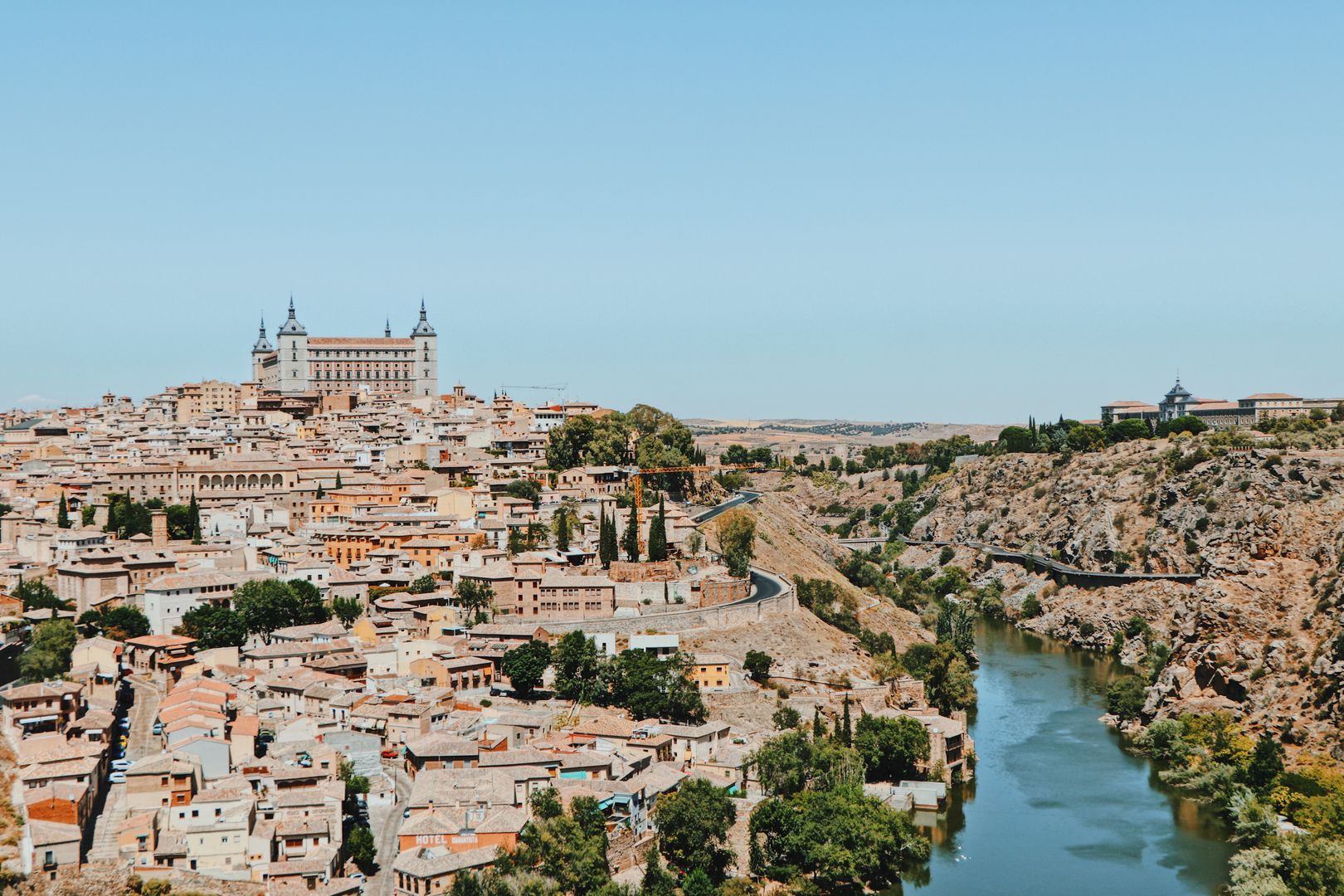
The Alhambra sells out months in advance. Book tickets now—at least 6 to 8 weeks ahead if you're arriving in spring (March–May), or 2 to 4 weeks for autumn and winter. Arrive without a reservation and you will not get in, regardless of how flexible the rest of your trip is. This single fact overrides every other planning decision for Granada.
How to book Alhambra Granada tickets and secure your entry time
The official Alhambra ticketing system (palaciosnazaries.com or through Ticketmaster Spain) is the only reliable source. Do not rely on third-party resellers; they add markup and occasionally fail to deliver confirmations on time. Book your specific entry date and time for the Nasrid Palaces (the palace interiors), which operate on 30-minute entry windows. The rest of the complex—Alcazaba, Generalife, gardens—can be explored at any point during your designated visit day, typically 10am–6pm depending on season. Tickets cost €19 general admission. Print confirmation and bring your ID; entry is non-refundable if you miss your window.
Peak season runs March through May and September through early November. Book 6 to 8 weeks ahead. Summer (June–August) requires 4 to 6 weeks' notice. Winter months (November–February, excluding Christmas week) need 2 to 4 weeks. January and February are genuinely quieter; the Alhambra is often less crowded than major European sites even at these lead times.
The route through the complex: Arrive 10 minutes before your Nasrid Palaces window. You'll enter through the ground level and move through the Hall of the Ambassadors (Salón de Embajadores), then the Patio de los Leones (Court of the Lions) with its famous fountain ringed by lion sculptures, then the Apartments of the Harem and private chambers. The ceilings throughout are muqarnas—intricate plasterwork honeycombed with geometric patterns and Qur'anic script. The details reward close looking; bring reading glasses if you have them. After your timed window, walk uphill to the Generalife (summer palace), a separate compound with gardens, cypress alleys, and the original royal retreat gardens; this has no time restriction. Then visit the Alcazaba (fortress) to the west, which has the most direct views across Granada and the Sierra Nevada. Total time: 3 to 4 hours depending on crowds and how much you linger.
One thing most visitors overlook: the Alcazaba is nearly empty at late afternoon (after 4pm) when everyone is either leaving or in the Nasrid Palaces. Go there last, not first.
Albaicín Granada: the Moorish quarter and the view everyone photographs
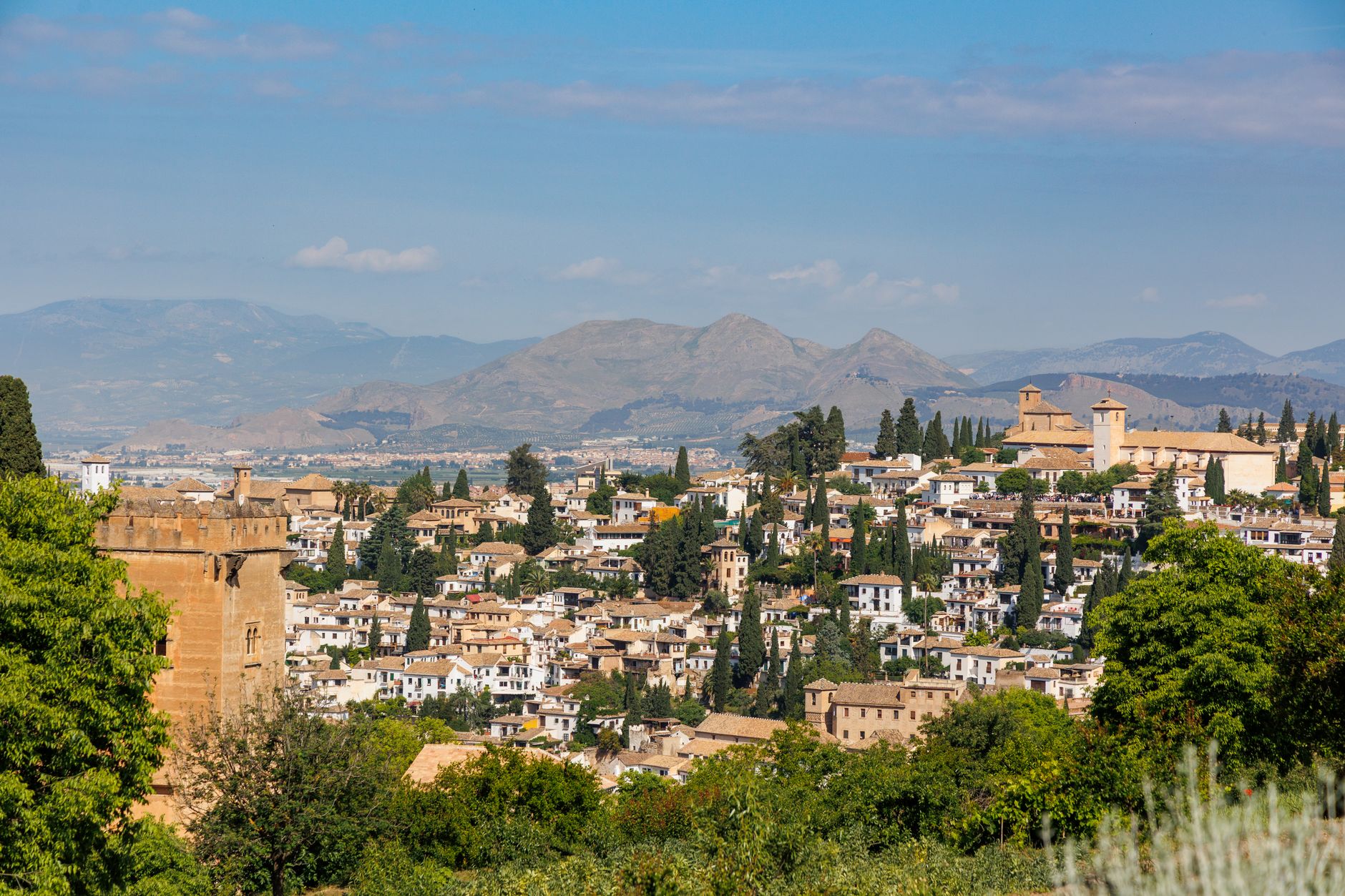
The Albaicín is the hill neighbourhood directly above the Alhambra, a maze of white-walled carmen houses (traditional dwellings with private enclosed gardens), narrow cobblestone streets, and cats napping in doorways. The quarter dates from the 13th century and survived the Christian conquest largely intact; it's one of the most intact medieval Islamic neighbourhoods in Europe.
The Mirador de San Nicolás is the overlook you've seen in photographs—a whitewashed terrace with the Alhambra framed against the Sierra Nevada. Arrive 45 minutes before sunset to claim a standing spot at the railing. It fills with tourists, guitarists, and drink vendors. The light is best 20 to 30 minutes before the sun sets. Come earlier in the day if you want solitude; the views are nearly identical, only the golden light differs.
Walking the Albaicín by day (before noon, ideally) is one of the best urban walks in Spain. Start at the Carrera del Darro, the street that runs along the river below the Alhambra's outer walls. It's lined with converted palaces, now restaurants and shops. From there, take any staircase uphill into the warren of alleys. You will get lost; this is the point. Look up at the carved wooden window frames and doorways, and through open gates at the private garden courtyards. The neighbourhood is residential and quiet on weekday mornings. By 2pm it becomes a tourist footpath; by evening it's restaurants and noise. Morning light on the white walls is far superior to golden hour.
The Carrera del Darro itself is worth 45 minutes for coffee or lunch at a table overlooking the river.
Granada's free tapas tradition: what makes it unique
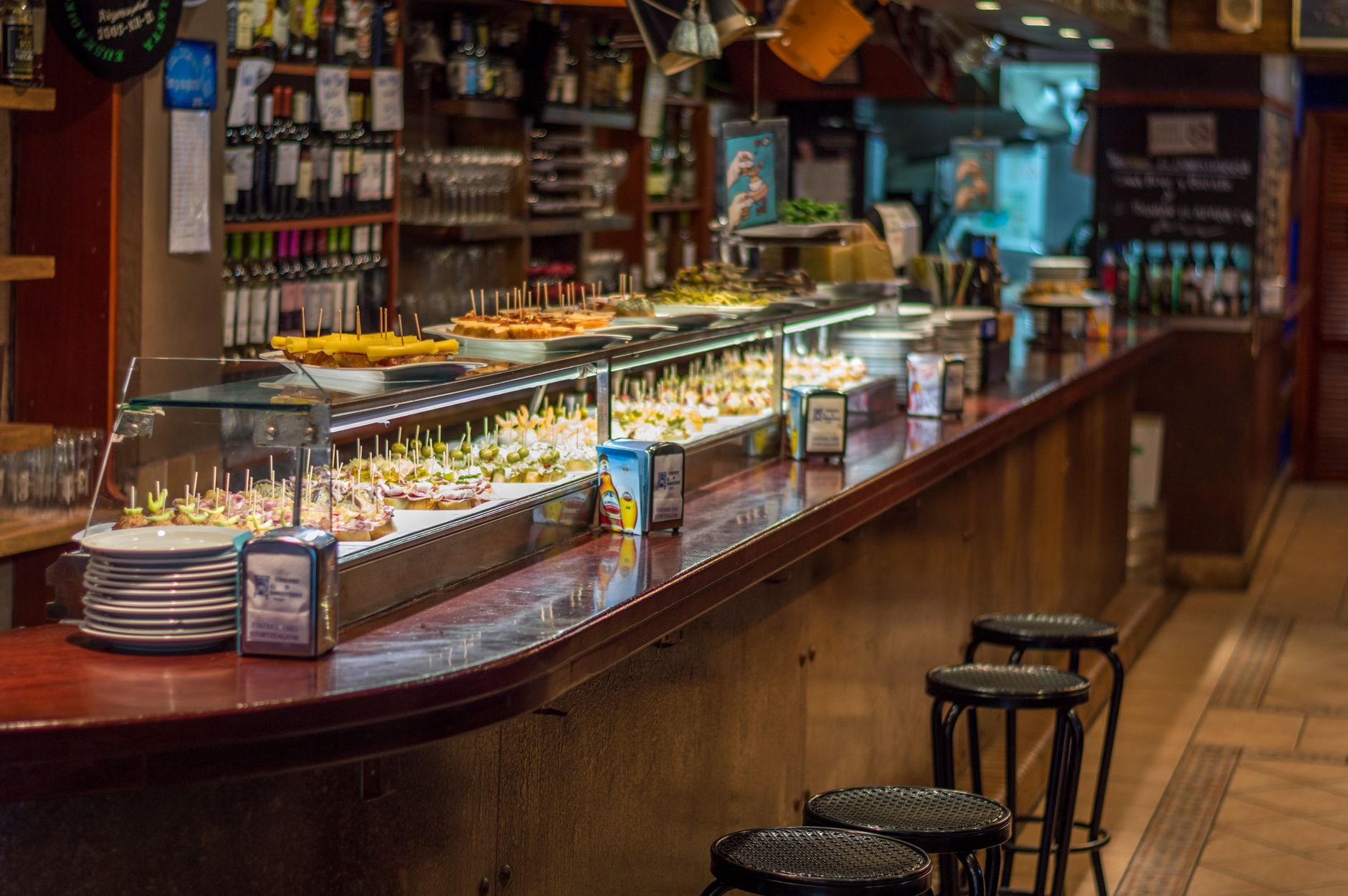
In most of Spain, the practice of serving complimentary tapas with a drink disappeared in the 1980s. Granada is the exception. Order a cerveza (beer) or a glass of wine (€2–3) at nearly any bar and a small plate of food arrives automatically. The tapas are not extensive—croquetas, olives, jamón, patatas bravas, meatballs—but the system still functions as it did 40 years ago.
The tapas quality scales with the drink cost. A €2 draft beer gets a smaller or simpler plate; a €4 vermouth or wine gets something more generous. The longer a bar has been in operation, the better the tapa it typically offers. Los Diamantes (Calle Navas) is famous for its montaditos (small open sandwiches); Bar Poê (also Calle Navas) is known for generous portions of fresh jamón. Both draw locals, not just tourists.
Calle Navas and the area surrounding the Cathedral are the cores of the tapas zone. Work along one street hitting three or four bars; after two beers and three bars you've spent €10 and eaten lunch. This is Granada's most distinctive food custom and one of the few remaining tapas strongholds in Andalusia.
Beyond the Alhambra: Cathedral, Sacromonte, and what else to see
Granada Cathedral (€5 entry) sits south of the Albaicín in the centre of the old city. It was built over the former mosque after 1492 and completed in the 16th century. The Royal Chapel (€5 additional, separate area) is where Ferdinand and Isabella are interred. The Cathedral itself is less compelling architecturally than the Seville Cathedral or Córdoba's Mezquita; spend 30 minutes here, or skip it if time is tight. The interior is mostly Renaissance renovation, not Gothic or Moorish.
Sacromonte is the cave neighbourhood carved into the hillside above the Albaicín. Roma communities (gitanos) have inhabited these caves for centuries, whitewashing the interiors and creating room entrances barely visible from the street. The area is genuinely atmospheric in daylight but has become increasingly touristy. Several cave dwellings have been converted to flamenco venues (zambra-style shows); these are tourist traps and overpriced (€35–50 for mediocre performances in cramped spaces). The Museo Cuevas (Museum of Flamenco Caves, €5) is housed in an authentic cave and worth visiting for 30 minutes to understand the history without paying for a show. Walk the cave streets between 9am and 1pm, before tour groups arrive; the neighbourhood is livelier and more authentic early.
Bañuelo (Arab Baths) sits below the Albaicín near the Carrera del Darro. These are 11th-century hammam (Turkish bath) structures—the best preserved in Spain—with barrel-vaulted ceilings, warm and cold rooms, and small skylights punched through the roof. Entry is free. Spend 20 to 30 minutes exploring the atmospheric interiors. It's easy to miss; ask locals for directions or look for the small sign near the bridge.
The Cathedral, Sacromonte, and Bañuelo are optional depending on your second day. None are essential; the Alhambra and Albaicín form the core visit.
Getting to Granada: rail and bus routes from major cities
From Seville: AVE high-speed train via Antequera, 2.5 hours, €40–60. The train is the most comfortable option. Book 1 to 2 weeks ahead on Renfe.com. A direct bus (Alsa operator) takes 3 hours and costs €20; it's slower but cheaper and requires less advance booking.
From Madrid: AVE via Antequera, 3 hours, €50–80. Departs from Madrid's Atocha station. The train passes through Córdoba (a worthwhile stop on its own).
From Málaga: Bus or train, 1.5 to 2 hours, €12–18. The train is marginally faster but buses run more frequently. Neither requires advance booking for flexible dates.
Granada Airport: Connects to Madrid and Barcelona but is small. A taxi to the city centre costs around €30; book in advance via your hotel. The airport is 15km west of the centre. No regular bus service.
Within Granada: The city centre is walkable. The Alhambra sits on a hill above town; buses run up (microbús lines C3 and C4, €1.40), but most visitors walk or take a taxi (€8–12). The walk from the Cathedral to the Alhambra entrance is steep but manageable in 20 minutes.
How many days in Granada: a realistic 2-day minimum
2 days is the functional minimum. Day one: Alhambra (3 to 4 hours for Nasrid Palaces, Generalife, Alcazaba). Day two: Albaicín walking (2 to 3 hours, including the Mirador de San Nicolás), Cathedral or Bañuelo (30 minutes), tapas on Calle Navas (1.5 hours, one to three bars).
3 days allows: a full Alhambra visit (spreading the complex across a longer afternoon), a more thorough exploration of the Albaicín without time pressure, a half-day trip to Las Alpujarras (a mountain valley south of Granada with white villages, hiking trails, and dramatic terrain; 1.5 hours by car; Órgiva and Pampaneira are the main bases). Alternatively, 3 days gives you a morning in Sacromonte and an evening flamenco show if that appeals.
More than 3 days is unnecessary unless you are using Granada as a base for Sierra Nevada hiking or exploring Las Alpujarras extensively. The city itself is small and can feel repetitive after two full days.
When to visit Granada: seasonal weather and crowd patterns
| Month | Weather | Crowds | Verdict |
|---|---|---|---|
| January | Cold (5°C), snow in mountains | Very low | Good |
| February | Cold (6°C), clear days | Very low | Good |
| March | Cool (12°C), flowers bloom | Low to moderate | Best |
| April | Mild (16°C), gardens peak | Moderate | Best |
| May | Warm (22°C), dry | Moderate to high | Shoulder |
| June | Hot (28°C), dry | High | Shoulder |
| July | Very hot (34–37°C), dry | High | Avoid |
| August | Very hot (34–37°C), dry | Moderate | Avoid |
| September | Warm (26°C), clearing | Moderate | Good |
| October | Mild (18°C), early rain | Moderate | Best |
| November | Cool (12°C), wet | Low | Shoulder |
| December | Cold (7°C), occasional snow | Low | Shoulder |
March, April, and October are the golden months. The Sierra Nevada still holds snow (visible from the Alhambra and the Mirador de San Nicolás), the Alhambra's gardens are in flower, temperatures are mild (12–22°C), and crowds are present but not overwhelming. Spring light is superior to autumn.
July and August are brutally hot (34–38°C). Unlike Seville, Granada's altitude (738 metres) provides some relief, but the Alhambra courtyards offer no shade and afternoon exploration is uncomfortable. Crowds are heaviest. Avoid if possible.
November to February is underrated. Temperatures drop to 4–10°C with occasional rain and rare snow. The city feels quieter and more authentic. The Alhambra is often nearly empty. Books and heavy sweaters are necessary. This period suits travellers seeking solitude or those working in the city for extended stays.
May and June are pleasant but expensive. High season pricing begins; the Alhambra requires booking 4 to 6 weeks ahead.
Day trips and extended explorations from Granada
Las Alpujarras (1.5 hours south by car): a valley of white villages (pueblos blancos) set against dramatic ravines. Órgiva is the largest town; Pampaneira and Capileira are smaller, more atmospheric. The towns are strung along a mountain road with hiking trails between them. A car is necessary. Two-day explorations are common; many visitors rent cars in Granada or join guided day tours (€70–90, includes transport and a guide). The landscape is striking but the villages themselves are increasingly touristy.
Alpujarras alternative: take the bus from Granada to Órgiva (2 hours, €10), explore on foot, and return the next day. This requires more planning but is cheaper and allows flexibility.
Sierra Nevada: accessed from the village of Pampaneira (south) or via the Las Alpujarras road. High-altitude hiking trails, mountain scenery, and small ski stations at Pico del Borreguil. Best in summer (June–September) when snow clears. Winter mountaineering and snow hiking possible February–April; technical equipment required.
Córdoba (2.5 hours by train, €40–60): a larger Moorish city with the Mezquita (Great Mosque, one of the architectural monuments of Europe) and its own medina. A worthwhile overnight trip; some visitors do Granada–Córdoba as a pairing rather than Granada alone.
Ronda (2 hours by bus, €15): a town perched on a ravine with gorge views and a history as a bandit stronghold. Easier than Las Alpujarras and more touristy. Suits those wanting a day trip without a car.
Most visitors stay based in Granada without taking day trips. The city and its immediate surroundings are sufficient.
Frequently Asked Questions
How far in advance do I actually need to book Alhambra tickets?
For March through May and September through October (peak seasons), book 6 to 8 weeks ahead. For June, August, and early September, book 4 to 6 weeks ahead. For November through February, 2 to 4 weeks is typically sufficient, though January around the New Year and Christmas week can fill up. If you arrive without a ticket, entry is extremely unlikely unless you have 3+ hours to wait for cancellations or you book a skip-the-line tour for €70+.
Is Albaicín safe to walk alone, especially at night?
The Albaicín is safe during the day and early evening (until 10pm) for solo travellers. The neighbourhood is residential and busy. After midnight, avoid empty alleys. Street crime is rare but petty theft on crowded streets can happen. Keep bags zipped. The Mirador de San Nicolás is well-lit and crowded in the evening; it's safe. Stick to main streets if exploring after dark.
What is the free tapas situation really like—will I actually eat for cheap?
Yes. A cerveza or glass of wine (€2–3) includes a small plate of food. Three bars equals lunch for €9–12. The tapas are not elaborate but are legitimate food. Quality varies by bar; established bars on Calle Navas and near the Cathedral give the best servings. Avoid tourist-focused bars that give minimal plates. Morning visits (11am–1pm) catch the best crowds and freshest offerings.
Can I do Granada in one day, or is two days a minimum?
One day is technically possible if you arrive early and skip everything except the Alhambra and a brief Albaicín walk. You would see the Nasrid Palaces, Generalife, and Mirador de San Nicolás but have zero time for Cathedral, Bañuelo, or leisurely tapas. Two days is the functional minimum to experience Granada without rushing. If you have only one day, prioritize the Alhambra over the Albaicín.
What should I know about visiting Sacromonte?
Visit between 9am and 1pm before tour buses arrive. The cave neighbourhoods are authentic in the morning; afternoons are dominated by tourists. Avoid the flamenco zambra shows (€35–50, poor value). The Museo Cuevas (€5) is worth 30 minutes to understand the history. Do not take photos of cave dwellings without asking permission; this is a residential neighbourhood, not a museum.
Is it worth staying longer to explore Las Alpujarras?
Las Alpujarras is worth visiting if you have a car or enjoy structured group tours, but it is not essential to the Granada experience. The landscapes are dramatic and the hiking is good, but the white villages themselves are increasingly commercial. A one-day visit from Granada (booking a tour for €70–90, or renting a car) is adequate. Las Alpujarras suits those interested in mountain trekking, rural Spain, or a second night away from the city; it does not suit those who dislike driving mountain roads or prefer urban exploration.
Granada rewards a focused 2-day visit: one full day for the Alhambra (book 6–8 weeks ahead in spring, no exceptions), one day walking the Albaicín and eating tapas on Calle Navas. Time the Mirador de San Nicolás for late afternoon. The city is manageable without a car; the Alhambra is the non-negotiable element. Come in March, April, or October for the balance of weather, light, and manageable crowds. Summer heat and spring peak season are not worth the trade-off.