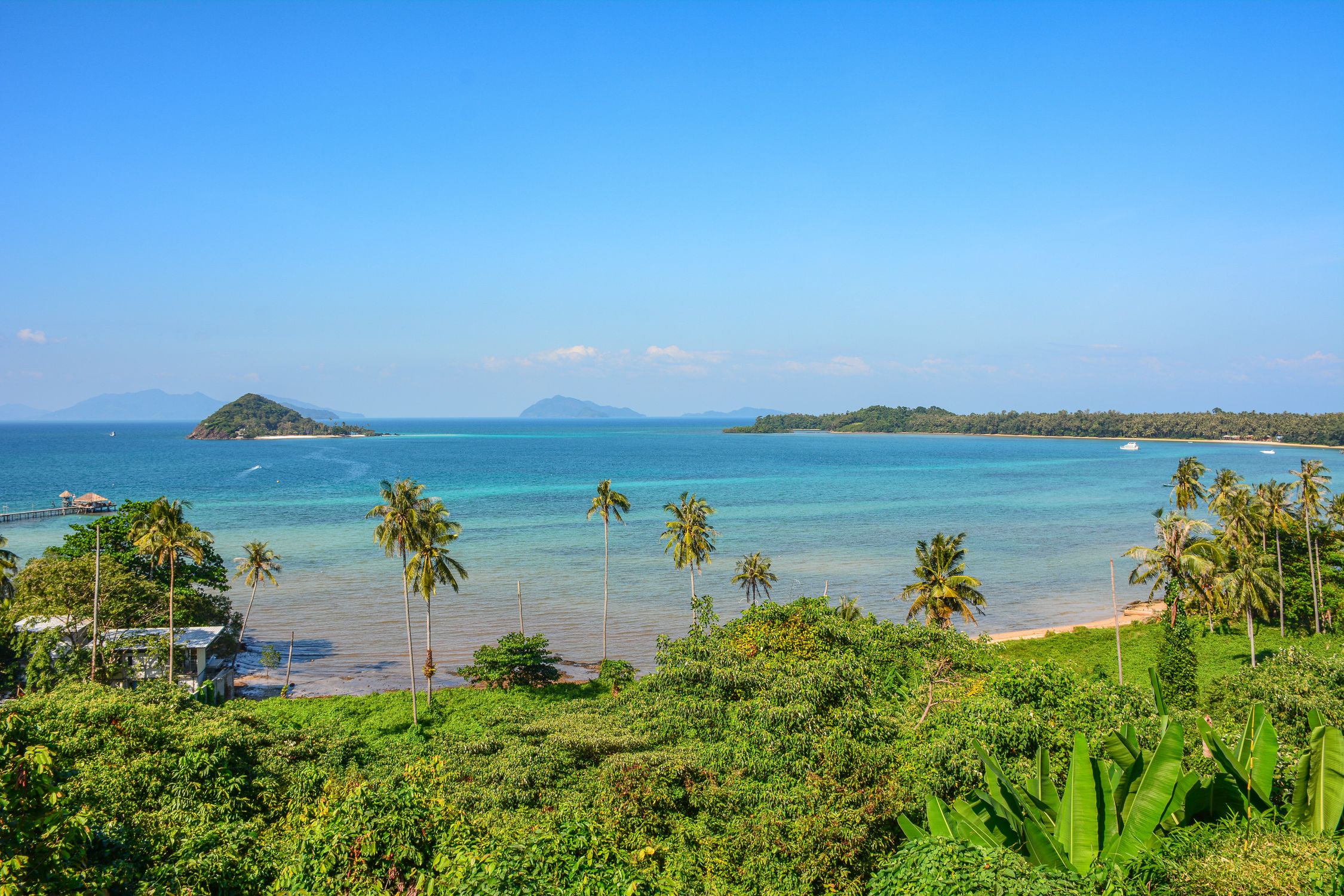
Koh Chang follows the Gulf of Thailand weather pattern — completely different from the Andaman coast just a few hundred kilometres away — yet most traveller guides treat the entire country as a single climate zone. When Phuket and Krabi are drying out from their monsoon (May–October), Koh Chang and its neighbours Koh Mak and Koh Kood are saturated. The dry season runs November–April everywhere, but the monsoon dynamics shift. Using a generic Thailand weather guide for Koh Chang will lead to poor timing decisions.
| Month | Weather | Crowds | Verdict |
|---|---|---|---|
| January | Clear, 27–32°C, minimal rain | Peak | Best |
| February | Clear, 27–32°C, best visibility | High | Best |
| March | Warming, 32–35°C, dry | Moderate | Good |
| April | Hot, 34–37°C, afternoon storms | Moderate | Shoulder |
| May | Monsoon arrives, 200–350mm rain | Low | Avoid |
| June | Heavy rain, 300–500mm, rough seas | Very low | Avoid |
| July | Heavy rain, 350–500mm, green interior | Very low | Avoid |
| August | Heavy rain, 300–450mm, ferry risk | Very low | Avoid |
| September | Monsoon easing, 250–400mm, cheaper | Very low | Avoid |
| October | Rain decreasing, seas calming | Very low | Shoulder |
| November | Transitional, 28–33°C, green | Moderate | Good |
| December | Dry, warm, rising visitors | Peak | Best |
January: Peak season, highest cost
January is the single most expensive month on Koh Chang. Clear skies, water temperatures 26–28°C, and minimal rain (under 50mm) create textbook beach conditions. Daytime highs sit at 27–32°C, and humidity drops noticeably compared to the shoulder months. Ferry schedules from the mainland (Laem Ngop pier) run at full capacity throughout the month — typically four to five departures daily to Koh Chang's main pier at Bang Bao.
Accommodation prices jump 30–60% above shoulder-season rates for the entire month. The December 20–January 10 window is the busiest and most expensive of the year, driven by European and North American holiday breaks. Book guesthouses and mid-range resorts 8 weeks in advance if targeting that specific window; even budget bungalows at 600–900 baht per night are reserved by early November.
Northeast winds can roughen the eastern beaches slightly on three to five days per month — noticeable chop but not dangerous — and this tends to affect the open-water views and snorkelling visibility. The western beaches (Klong Prao, Kai Bae) remain sheltered throughout. Most first-time visitors to Koh Chang plan their trip for January and encounter no regrets on weather, though the crowds at pier arrivals and mid-range resorts are visible by late afternoon. Water visibility peaks early in the month; by late January, a slight haze occasionally appears as the mainland heat begins building.
February: Peak season, the best overall month
February maintains January's weather but with slightly lower tourist density and fractionally lower prices (5–15% reduction). This is arguably the year's single best month for the average beach traveller. Clear skies, 27–32°C days, under 50mm of rain, and water visibility at or near maximum all persist. Humidity climbs slightly as the month progresses but remains in the low-to-moderate range.
Accommodation remains expensive but becomes bookable with 4–6 weeks' notice rather than 8–10. Mid-range resorts (900–1,800 baht per night) have greater availability in the second half of the month. Ferry schedules remain robust. Snorkelling trips from Koh Chang's eastern reefs (particularly around Koh Wai in the archipelago) offer clarity beyond any other month — visibility often exceeds 20 metres. Northeast winds occasionally roughen the surface but less frequently than January.
The main advantage February holds over January is psychological: the island feels less congested without losing any weather advantage. Restaurants operate at capacity without queuing, and boat operators have openings on snorkelling excursions booked the previous day rather than weeks ahead. For budget travellers willing to accept mid-range pricing (600–1,200 baht per night) and some negotiation, February is the optimal window. High-end resorts (2,500+ baht per night) show only marginal price differences from January.
March: Shoulder season begins, temperatures rise

March retains the dry-season weather pattern but marks the transition toward summer heat. Daytime highs climb to 32–35°C by month's end, and afternoon humidity begins to noticeably increase. Rainfall remains minimal (under 100mm for the month), and skies are predominantly clear. Water temperatures climb to 28–29°C — warm enough for extended swimming without discomfort.
Tourist density drops noticeably — March sees roughly 40–50% fewer arrivals than February — and accommodation prices ease by 10–20%. Small guesthouses (400–700 baht per night) become readily available with just one to two weeks' booking lead time. Ferry frequency reduces slightly but remains predictable. This is a neglected month for Koh Chang; many guidebooks lump it with April and recommend skipping it, but March's weather is genuinely good and the prices markedly lower.
The main downside is the heat itself. Travellers seeking to explore the interior (Khlong Plu Waterfall, the road to Salak Khok Bay) should walk in early morning; by 11 a.m., the interior trails become punishing. Afternoon thunderstorms don't materialize, but humidity makes afternoons feel heavy on crowded beaches. The trade-off is clean: better weather and higher comfort than May–September, lower price and fewer tourists than January–February.
April: Songkran chaos and the monsoon frontier
April is divided into two distinct experiences. The first week through mid-month (before Thai New Year, typically April 13–15) follows March's pattern: 34–37°C temperatures, low rainfall, and a dwindling crowd. The second half transforms. Songkran (Thai New Year festival) brings a domestic tourism surge — Thai visitors flood the island for water fights, beach parties, and family outings from April 13–17. Hotels in the main towns (Koh Chang town, Lonely Beach) operate at capacity, and prices spike 20–40% above early-April rates.
Critically, the monsoon's leading edge arrives in late April. Afternoon thunderstorms begin occurring daily or near-daily from April 20 onward — typically brief and intense, clearing within an hour, but enough to disrupt beach plans. Humidity climbs significantly, and the water begins showing the first signs of seasonal roughness. Some travellers enjoy April's energy and cheaper early-month rates; others find the Songkran crowds intrusive and the increasingly unstable weather frustrating.
Ferry schedules remain reliable through April. Accommodation booking lead time is one to two weeks outside the Songkran window, three to four weeks during. Skip April if you have fixed travel dates and beach weather is a priority; target early April if you want budget rates and don't mind occasional rain, or avoid entirely if large festival crowds provoke irritation.
May–September: Monsoon season, sustained rain and rough seas
The southwest monsoon arrives in early May and dominates through September. This is not "occasional afternoon showers" — it is sustained heavy rainfall, 200–500mm per month depending on the specific month, alongside rougher seas, reduced water visibility (often under 5 metres), and operational constraints on ferries and resorts.
May itself is the monsoon's threshold. Rainfall averages 200–350mm, and ferries run near-normal schedules. Snorkelling and diving trips continue but with frequent cancellations due to sea state. Some resorts remain fully operational, offering reduced rates (50–70% below high-season) and attracting bargain hunters and monsoon enthusiasts. This is legitimate timing if you budget for indoor activities, expect ferry delays, and enjoy solitude.
June through August bring peak monsoon intensity. Heavy rain occurs on most days, often lasting 4–8 hours continuously rather than clearing quickly. Rainfall reaches 300–500mm per month. The Andaman coast is recovering during this period, which generates confusion: travellers sometimes assume that if the Andaman is improving, the Gulf must be too. It is not. Ferry schedules contract sharply — boat operators run fewer departures due to reduced demand and weather risk. Cancellations happen. Accommodation prices drop a further 15–30% because fewer travellers arrive.
The interior of Koh Chang becomes dramatically green, and waterfalls (Khlong Plu, Khlong Nonsi) run at peak flow — visually spectacular. The island acquires a raw, untamed character that some travellers specifically seek. The trade-off is unavoidable: beaches are grey and uninviting, swimming is often uncomfortable due to seaweed and rough water, and planned excursions routinely fail due to weather. Guesthouses in quieter areas shut partially or fully; infrastructure reduces noticeably.
September eases very slightly. Rainfall begins decreasing toward 250–400mm by month's end, and some days without rain appear, especially in the first week. Seas gradually calm. Ferries resume near-normal schedules by late September. Accommodation remains extremely cheap. This is genuinely the least-crowded month of the year. If you accept that rain is the dominant experience and plan accordingly, September is viable for budget travellers.
October bridges monsoon and dry season. Rain still falls (typically 150–250mm), but the frequency and intensity both decline noticeably. Mornings increasingly show clear skies. Seas calm appreciably. Ferry schedules approach high-season normalcy. Temperatures drop to 28–32°C — noticeably more comfortable than April–September. Accommodation prices remain below high-season (20–30% discount) but rise visibly from September levels. This is a gem month that few guidebooks emphasize: weather is genuinely improving, crowds are still minimal, and prices have begun to recover but haven't reached peak rates. If you have flexibility into late October, it offers a genuine risk-reward advantage.
November: Green island, reliable dry weather, rising crowds
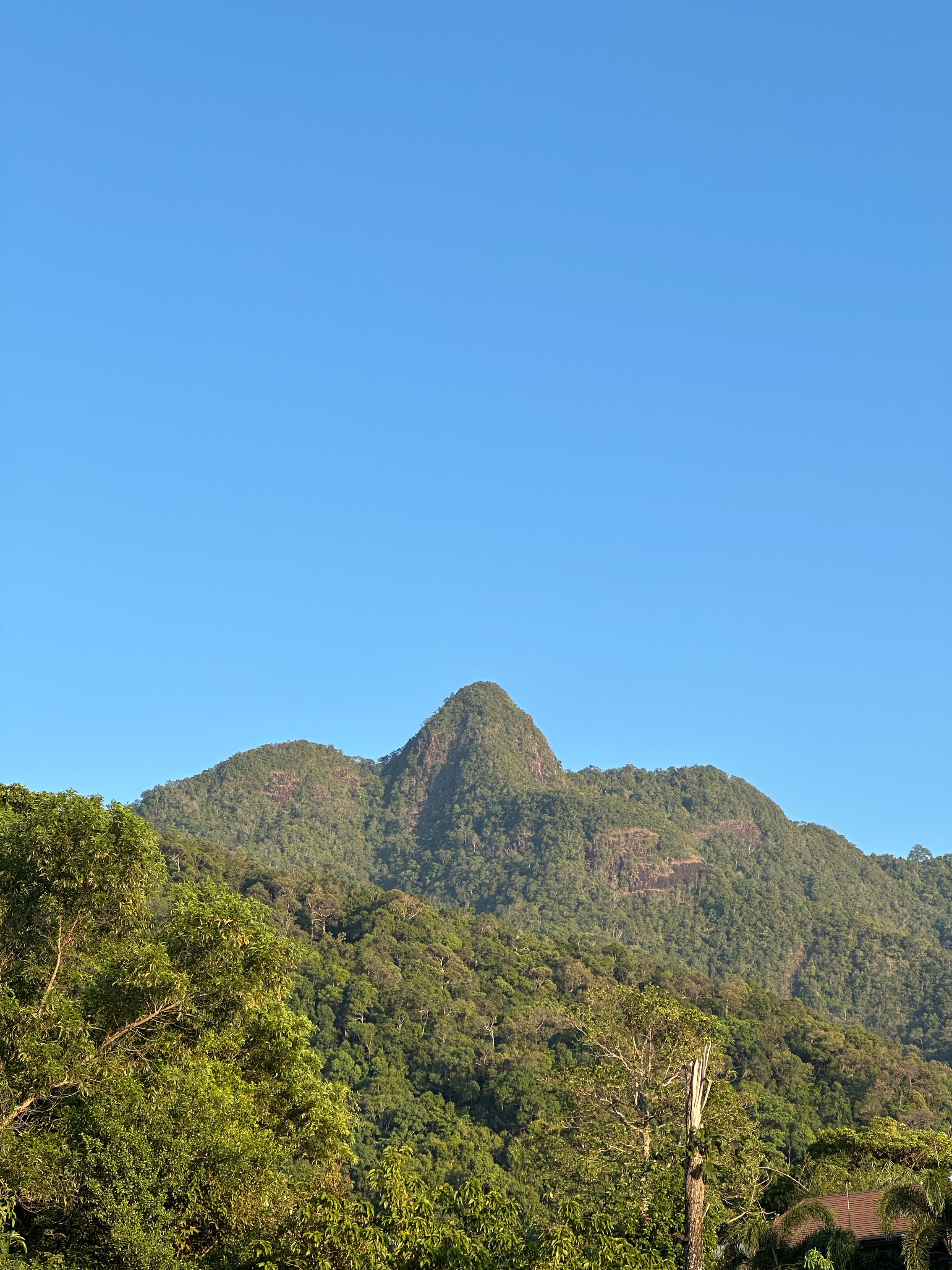
November is the season's formal opening month. The first week occasionally shows residual rain from October's tail (up to 100mm in the first week), but by mid-month, the dry season is established and reliable. Rainfall drops below 100mm for the month's second half. Water temperatures sit at 28–29°C — warm, comfortable, and ideal for swimming.
The island itself looks lush and green because the monsoon has just concluded. Waterfalls maintain strong flow (better than during the driest months). Vegetation is vibrant. Daytime temperatures range 28–33°C — warm without the oppressive 35°C+ heat of March–April. Humidity is moderate and declining.
November sees rising visitor traffic — people timing visits to avoid both the Christmas peak and the monsoon. Accommodation prices edge up 10–15% as the month progresses. Early November (first week) offers outstanding value: dry-season weather meets pre-holiday pricing. By late November, prices approach high-season rates but availability remains good at mid-range resorts. Ferry schedules return to full daily capacity by mid-month. This month is substantially underrated in most guides; it combines strong weather with moderate crowds and prices that haven't yet spiked. For beach reliability and value together, November rivals February in overall appeal.
December: Rising prices, peak crowds from Christmas onward
December splits into two experiences. The first three weeks (December 1–19) follow November's pattern: dry weather, moderate crowds, and standard high-season pricing (1,000–1,500 baht per night for mid-range accommodation, depending on specifics). This is genuinely good timing — you gain access to high-season weather without the January-week chaos.
December 20 onward transforms entirely. The Christmas–New Year window (December 20–January 10) is the single busiest and most expensive period of the year. European and North American travellers converge for extended holidays. Accommodation rates jump 30–60% above standard high-season prices. Budget bungalows that normally cost 600 baht become 900–1,200 baht. Mid-range resorts (normally 1,200–1,800 baht) climb to 1,600–2,500 baht. High-end properties (2,500+ baht) increase but with smaller absolute jumps.
Ferries run at capacity. Beaches become visibly crowded by midday. Restaurants operate at maximum turnover. Booking is essential 8–12 weeks in advance if you target December 25–January 5. If you have flexibility, spend December 1–19 on Koh Chang and relocate elsewhere for Christmas week, or book early-January accommodation outside the December 25–January 5 bubble. The weather remains perfect (clear, 27–32°C, minimal rain), so the timing is legitimate; the pricing and crowds are the trade-off.
Ferry access and infrastructure during low season
Koh Chang itself operates year-round ferry service from Laem Ngop pier on the mainland. During high season (November–April), four to five daily departures run; schedules reduce to two to three departures daily in low season (May–October). This remains operationally viable, though delays occasionally occur in rough weather.
Koh Mak and Koh Kood, the secondary islands in the archipelago, follow the same weather pattern but with reduced ferry infrastructure. High-season ferry runs (November–April) typically occur once daily or twice daily depending on the operator. Low-season schedules contract sharply — two to three departures per week from mid-May through September. Weather cancellations happen: seas rough enough to cancel ferries occur on roughly 10–15 days per month during June–August. If you plan to visit Koh Mak or Koh Kood during May–October, build a 2–3 day buffer into your itinerary in case ferries are cancelled. Strand time on Koh Chang is the practical fallback.
Pricing summary across the year
- Peak (December 20–January 10): 30–60% above standard rates. Book 8–12 weeks ahead.
- High season (November 1–19, January 10–April): Standard tourist rates. 1–2 weeks booking lead time.
- Shoulder (April, October): 10–20% below high season. Same-week booking often possible.
- Low season (May–September): 30–70% below high season. Walk-in availability common at all accommodation types.
Specific numbers: mid-range guesthouses cost 600–700 baht per night in low season, 1,000–1,500 baht in high season, and 1,500–2,000+ baht during the Christmas peak. These are 2026 rates based on recent historical patterns; inflation may adjust them 5–10% upward.
Frequently Asked Questions
What's the best month to visit Koh Chang if I want guaranteed good weather?
February and March offer the most reliable weather — minimal rain, clear skies, and comfortable temperatures (27–35°C). February has the highest water visibility but sees moderate crowds. March is less crowded with equally good weather and noticeably lower prices (10–20% reduction). If you prioritize weather perfection above all, target February; if you want weather reliability plus value, March is superior.
Is it true that Koh Chang has rain year-round?
No. The dry season (November–April) is genuinely dry — most months see under 100mm of rainfall, with clear skies predominating. May–September is the actual monsoon period with sustained heavy rain (200–500mm monthly), rough seas, and reduced visibility. The conflation of "Thailand has monsoon" with "all of Thailand is monsoon" causes the confusion. Koh Chang's dry season is reliably dry.
Can I snorkel or dive during the monsoon (May–September)?
Technically yes, but conditions are poor. Water visibility during June–August typically drops to 2–8 metres due to sediment and plankton blooms. Snorkelling trips run sporadically due to ferry and sea-state cancellations. If snorkelling or diving is a primary goal, avoid May–September entirely. If you're visiting for other reasons and would snorkel as a secondary activity, accept that cancellations are likely and visibility will disappoint.
Should I avoid April entirely, or is early April worth visiting?
Early April (April 1–12) follows March's pattern: dry weather, moderate crowds, and 10–15% lower prices than mid-March. The problem begins April 13 onward, when Songkran domestic tourism peaks and the monsoon's leading edge brings daily thunderstorms. Target April 1–12 if you want budget rates and accept occasional afternoon rain; skip April 13–30 unless Songkran crowds appeal to you.
How much cheaper is accommodation in the monsoon months compared to peak season?
Accommodation in May–September typically costs 50–70% less than December–February peak rates. A mid-range resort costing 1,500 baht in January costs 450–700 baht in June–August. Budget guesthouses cost 600–700 baht in high season and 150–250 baht in low season. The trade-off is that many resorts on Koh Mak and Koh Kood close partially or entirely, so choice contracts sharply. Koh Chang maintains more year-round options.
Is November or early December better if I want to avoid crowds but have good weather?
November (especially November 1–15) is the single best value month for weather-first travellers. You gain dry-season reliability, lush green landscapes from recent monsoon, warm water, and moderate crowds — all at 10–20% below high-season pricing. Early December (December 1–19) offers identical weather but prices begin rising. If you have flexibility, choose November. If December is mandatory, book before December 20 to avoid the Christmas surge.
Who should visit when
Beach holiday with reliable weather: February or early March. February offers perfect weather and good value; March trades marginal heat for noticeably lower prices and the same weather reliability. Both months are bookable with 4–6 weeks' notice, and accommodation is expensive but available.
Budget-first traveller accepting the monsoon: May–September. Expect sustained rain, minimal crowds, and accommodation discounts of 50–70%. This suits backpackers, remote workers requiring downtime, and travellers who enjoy solitude. September offers the best weather-to-price balance within this window.