Corfu (Kerkyra in Greek) is the greenest and most Italianate of the major Greek islands, shaped by four centuries of Venetian rule that left behind a capital resembling Ragusa or Genoa rather than the Cycladic whitewash of the Aegean. The interior holds three to four million olive trees, never pruned, only harvested — a legacy of deliberate Venetian planting. The climate is wetter than the Aegean. This combination makes Corfu fundamentally different from what most travellers expect from Greece.
| Category | Corfu | Santorini |
|---|---|---|
| Best for | Green landscapes, Italian architecture, solitude | Sunset views, Cycladic aesthetics, couples |
| Vibe | Laid-back, Adriatic-influenced, forested | Crowded, Instagram-optimized, volcanic |
| Key draw | Venetian Old Town, olive groves | Caldera views, white villages |
| Beaches | Turquoise coves, less crowded | Black sand, smaller, packed |
| Nightlife | Low-key tavernas, no clubs | Bars, DJ spots, nightlife economy |
| Daily cost (mid-range) | €80–120 | €150–250 |
| Peak crowds | July–August at Paleokastritsa | June–September everywhere |
| Best months | May–June, September–October | April–May, September–October |
| Recommended stay | 4–5 days | 3–4 days |
What makes Corfu different from the Aegean islands
The Venetian imprint is inescapable. Walk the Liston arcade (modelled on the Rue de Rivoli) and you're not in Greece — you're in a squared-off version of a Mediterranean port city. The two fortresses, the narrow alleys, the shuttered townhouses with interior courtyards: all Venetian or Venetian-influenced. The Cycladic islands — Santorini, Mykonos — are about pure sunlight on white walls. Corfu is about shade, arcades, and the weight of centuries.
The rainfall matters. Corfu receives 1,200mm annually; Mykonos receives 280mm. This means the interior stays green into July. Wildflowers bloom until June. The landscape is not harsh or sculpted by drought — it's vegetated, soft, almost secretive in places. This is not dramatic island scenery; it's intimate and overgrown.
The crowds are different. Paleokastritsa, the most visited beach, receives a fraction of the daily footfall that descends on Santorini's caldera rim. Even in August, you can find silence. This matters if you're in Greece to avoid Greece.
Corfu Old Town (Kerkyra Town): what's actually worth seeing
The Old Town is a UNESCO World Heritage Site (designated 2007) and one of the few Greek towns where that designation means something concrete — the architecture is genuinely intact. Plan to spend a full day, not two hours.
The Spianada and Liston arcade. The Spianada is the largest public square in Greece, modelled on the Rue de Rivoli and used for military parades under French occupation. The Liston arcade (the name derives from the French "list" of eligible families allowed to promenade there) runs along one side — colonnaded, cream-coloured, with cafés underneath. Sit here for an hour and you'll understand the island's cultural centre of gravity.
Old Fortress (Palaio Frourio). Entry €8. Built on a promontory above the harbour, originally by the Venetians in the sixteenth century. The interior is sparse — a few Ottoman cannons, minimal signage — but the ramparts offer views across the channel toward the Albanian coast. The approach is steep; the payoff is the vista and the realisation that this fortress was designed to control the strait, not to impress.
New Fortress (Néo Frourio). Entry €3. Built in the eighteenth century as a secondary defensive position. The interior is more interesting than the Old Fortress — vaulted passages, ramparts, less tourist infrastructure. The views are tighter but more atmospheric.
The back alleys. This is where most visitors stop and most miss everything. Leave the main thoroughfares and walk into the Kantouni neighbourhood, behind the Liston. Stone-paved alleys, washing lines strung between buildings, shuttered windows, traditional spice shops and bakeries on ground floors. No vista point, no museum. Just the texture of three hundred years of ordinary life. The reward is disorientation and the occasional emergence into a tiny piazza with a chapel or a taverna. Spend ninety minutes here without a map.
When to visit the Old Town: Early morning (before 10am) or late afternoon (after 5pm). Midday is hot and crowded. The town is genuinely walkable in two hours, but a full day (spreading visits across multiple sessions) reveals more.
Beaches: where locals actually swim
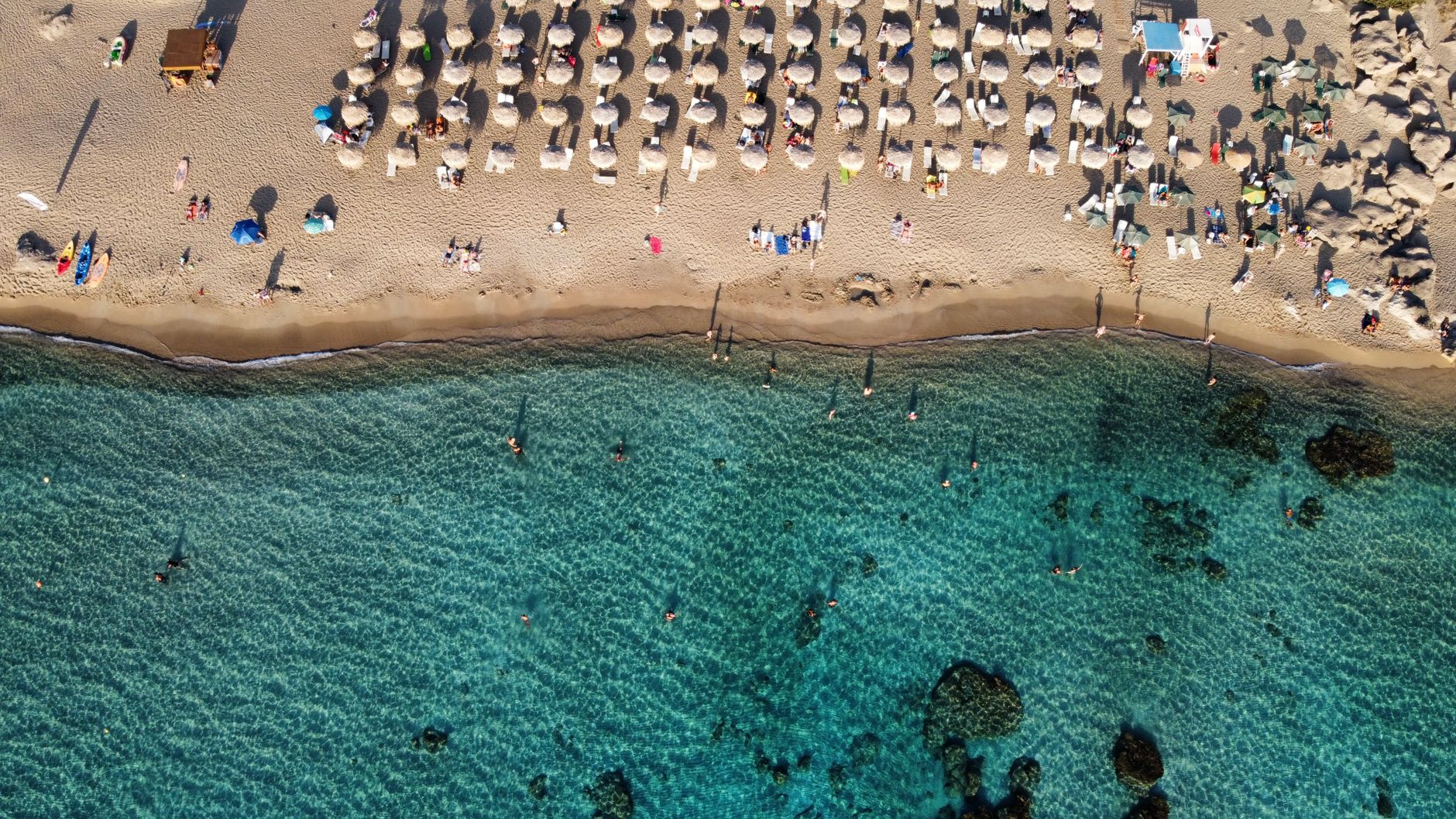
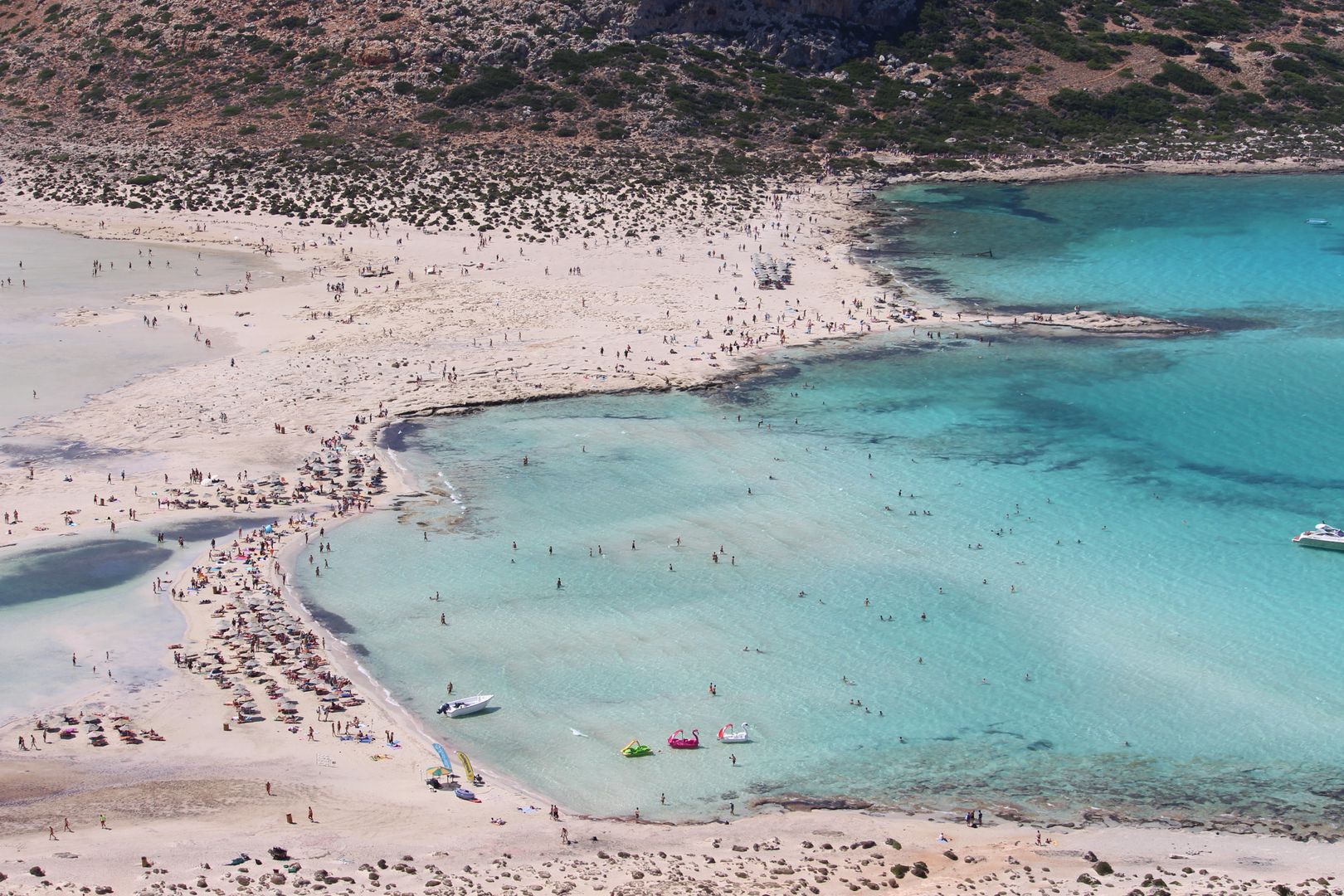
Paleokastritsa. The northwest coast, a series of turquoise coves around a rocky headland — often called the most photographed spot in Corfu. Accessible by KTEL bus (40 minutes from Old Town) or car. The main beach is organized with loungers and tavernas; the smaller coves are reached by scrambling over rocks. Monk seals are occasionally spotted in the caves. The water is cooler than the Aegean and the green hillsides drop directly to the shore. This is the one beach that justifies the package-holiday reputation. Crowds peak July–August; go in June or September and you'll have it mostly to yourself.
Canal d'Amour (Sidari). Two rock formations on the north coast create a narrow channel. Local legend holds that swimming through guarantees romance — accurate or not, it's the beach's only identity. The beach itself is ordinary: sandy, organized, busy. The geology is remarkable. The town of Sidari behind it is a package-resort strip (cheap hotels, souvlaki stands, no character). Visit for the rock formations (45 minutes), not for a stay.
Agios Georgios (south coast). One of the longest beaches in Corfu at 8km, with sand and shallow water suitable for families. Organized with loungers and a long strip of tavernas. Less visually dramatic than Paleokastritsa; less crowded. This is the logical choice if you want a beach day without hiking or scrambling.
Agni (northeast coast). A tiny bay framed by two forested headlands, accessible by boat or a twenty-minute downhill walk from the village. Three tavernas sit directly on the beach. This is the most local-feeling beach on the island — frequented by Corfiots, not tourists. The water is calm. The walk down is steep and unshaded; bring water. This is underrated.
Myrtiotissa. An unofficial naturist beach on the west coast, accessible via a steep path (forty minutes of descent, worse on the way up). One of the most beautiful coves on the island — high cliffs, golden sand, turquoise water, almost no one there. The hike filters out casual visitors. Not for prudish travellers, but the isolation justifies the effort for anyone interested in Corfu's quieter side.
The interior: where Corfu departs from island cliché
The interior is forested, hilly, and almost entirely absent from package itineraries. This is where the island's character actually lives.
Olive groves dominate. The trees are enormous (some over four hundred years old), gnarled, and never pruned — only harvested in autumn (usually October). The groves create dappled light and a sense of age. There are no villages in the Cycladic sense (concentrated, white-washed). Instead, scattered hamlets sit in the hills, each with a taverna and a small chapel.
Pelekas. A hilltop village in the centre-north of the island, known for the "Kaiser's Throne" (Kaisers Podilato), a viewpoint supposedly visited by Kaiser Wilhelm II. The view is reasonable but not exceptional; the village itself — a few narrow streets, a couple of tavernas, a small hotel — is more rewarding. Eat at Levendi, a taverna on the village square (€12–18 for a main course). Come for sunset if you want to sit with other tourists; come at lunch if you want atmosphere.
Agios Mattheos. A larger village in the south-central interior, with a weekly market (Saturday mornings) and a number of family-run tavernas. This is genuine Corfiot inland life, not curated for visitors. The landscape around it — hillsides of olive trees, occasional Byzantine chapels — justifies a morning drive or scooter ride.
Driving the interior: The road network is good by Greek island standards. Rent a car if you want to move between Old Town, beaches, and interior villages without committing to a resort. Scooter (€25–35/day) is viable if you're comfortable with Greek road etiquette (aggressive, fast, few lanes respected). Petrol stations are in the main towns; don't assume fuel availability in villages.
How to get to Corfu
By air: Corfu Airport (CFU) lies directly below the approach path to the Old Town. Planes descend over the New Fortress, passing approximately 30m above the fortress walls — a bizarre reminder of proximity every time. Direct flights from Athens (45 minutes, €60–120 with budget carriers) operate year-round. Seasonal charters from northern Europe arrive April–October. From other Aegean islands, fly back to Athens first; no inter-island flights to Corfu.
By ferry from the mainland: Igoumenitsa (on the mainland coast opposite Corfu) to Old Town harbour takes 1.5 hours, €15 per person on local ferries. Ferries depart hourly in summer, less frequently in winter. The crossing is quick enough that some travellers make it a day trip, though this wastes the journey. From Patras (west coast), the crossing takes 8–9 hours, €30–50; this route is rarely worth it unless you're coming from the Peloponnese.
By ferry from Italy: Seasonal ferries from Bari and Brindisi (southern Italy) take 7–9 hours, €60–120. These operate April–October mainly. The route is used by Italian tourists and Balkan travellers; it's not cheaper or faster than flying.
When to book: Peak season flights (July–August, Christmas) book out 6–8 weeks ahead. Shoulder months (May–June, September) allow 3–4 weeks. Winter (November–March) has last-minute availability. Ferries are flexible; book online if travelling in July–August, walk-up otherwise.
Where to stay: Old Town versus resorts

Old Town (Kerkyra Town). Stay here if you want atmosphere and dining variety. The best mid-range hotels (€100–200/night) are restored Venetian buildings or modern constructions mimicking the aesthetic. Recommended: Cavalieri Hotel (overlooking the Spianada, €140–180/night) or Siorra Vittoria (boutique, behind the Liston, €120–160/night). Breakfast is often included and usually adequate.
Note: the Old Town generates wind tunnels between buildings in summer, and the sound carries into windows at night. Light sleepers will suffer in July–August. The trade-off is authentic walking around and access to the best tavernas without a rental car.
Paleokastritsa. Stay here if you prioritize beach access and don't mind a half-hour drive to Old Town. Hotels are mid-range (€100–180/night), often with beach access or cove views. Better suited to families wanting a basecamp than to solo travellers or couples wanting variety.
Sidari/Roda (north). This is the package-resort zone — cheap hotels (€60–100/night), organized tours, predictable dining. The beaches are adequate; the atmosphere is monoculture tourism. Skip unless budget is your only constraint.
Outside recommendations: Airbnb apartments (€80–150/night) in villages like Pelekas or Liapades offer immersion and independence; book 4–6 weeks ahead for summer.
Getting around by car and scooter
Car rental: €35–60/day for a small automatic. Hertz, Avis, and local companies operate at the airport and in Old Town. Book ahead in July–August.
Road conditions: The network is good — mostly two-lane highways with adequate markings. The interior roads are narrower but well-maintained. Drivers are aggressive; honking is constant; lane discipline is minimal. Seatbelts are legally required. Fuel costs approximately €1.60/litre (2026). Parking in Old Town is a nightmare (narrow alleys, limited spaces); use the car for excursions, not for staying in town.
Scooter rental: €25–35/day. Suitable if you're experienced and comfortable with Greek road culture. Helmets are required by law (often not enforced, but wear one). Petrol is available in major towns.
Public buses (KTEL): Reliable for major routes (Old Town to Paleokastritsa, Roda, Agios Gordios). Depart hourly in summer, less frequently in winter. Cost €2–5 per journey. Timetables are posted at the main station in Old Town; ask staff for clarification if unsure.
Taxis: Available at the airport and in Old Town. Agree on a fare before entering. Expect €20–30 to Paleokastritsa from the Old Town.
Best time to visit: when Corfu is actually good
May–June: Ideal. Temperatures 25–28°C. Wildflowers still blooming (until mid-June). Crowds are low except weekends. The island is at its greenest. Book accommodation 4–6 weeks ahead.
July–August: Hot (30–32°C), humid. Paleokastritsa and package resorts are crowded. Interior villages are quieter. Crowds are the primary negative; weather is fine. Book 8–10 weeks ahead.
September: Good. Temperatures 27–29°C. Crowds drop after the first week. Water is still warm. Book 6–8 weeks ahead.
October–November: Shoulder season. Temperatures 22–25°C. Occasional rain (part of Corfu's appeal — the island greens further). Crowds are minimal. Wildflowers return late October. Many restaurants and smaller hotels close by late November. Book 2–3 weeks ahead.
December–April: Winter. Temperatures 10–16°C. Significant rainfall (Corfu is genuinely wet in winter). Many tourist facilities close. Some villages feel abandoned. This is for off-season explorers only, not for beach-seekers.
Corfu has the longest season in Greece. Even in November, the island is hospitable and the weather is often mild. This is an advantage if you're flexible on timing.
What most Corfu guides get wrong
They treat the Old Town as a two-hour checklist (fortress, square, café) and then direct you to beaches. The alleys — the actual townscape where locals live — are invisible in these guides. They also underplay how green the island is and mistake this for a downside (fewer dramatic views, more vegetation). The greenness is the point. And they ignore the interior entirely, treating Corfu as purely a beach destination when the real character is inland.
Who Corfu suits — and when to visit it
Corfu works best on a second or third Greece trip, when you're tired of whitewashed Cycladic clichés and want landscape, history, and solitude. It suits couples seeking Mediterranean atmosphere without Instagram crowding; families wanting a long beach season without heat extremes; and travellers interested in Venetian architecture and inland exploration. Visit in May, June, or September for ideal conditions. Skip July–August unless you're committed to Paleokastritsa specifically. The island rewards slow travel (4–5 days minimum) and a rental car or scooter. Expect green hills, Italian piazzas, and monks seals if lucky — not sunsets and whitewash.
Frequently Asked Questions
Is Corfu or Santorini better for couples?
Corfu if you want atmosphere and fewer crowds; Santorini if you prioritize dramatic views and don't mind being one of five thousand other couples on the caldera rim. Corfu has better architecture and more walkable evenings. Santorini has the photogenic sunset. Both are fine; they're not alternatives so much as different experiences.
Can you get by without a car on Corfu?
Partially. KTEL buses connect Old Town to major beaches and resorts reliably. If you're staying in Old Town and don't mind paying €20–30 for a taxi to Paleokastritsa or Agni, you'll manage. A car or scooter unlocks the interior villages and smaller beaches — worth €40–50/day if you're staying more than three days.
What's the single best beach on Corfu?
Paleokastritsa if you want postcard views and some infrastructure. Agni if you want locals, quiet, and three good tavernas on the sand. Myrtiotissa if you're willing to hike and want isolation. All three justify a visit.
What's the drive time from Corfu Airport to Old Town?
Fifteen to twenty minutes in normal traffic. The airport is close; don't rent a car at the airport if you're staying in Old Town only. Pick it up on day two if you're planning excursions.
When do the olive harvests happen on Corfu?
October through November, occasionally extending into December. This is when the interior villages are busiest (locals working) and the groves are most active. It's also visually appealing — nets spread under trees, bins of olives everywhere — if you enjoy seeing agricultural life.
Is Corfu expensive compared to other Greek islands?
It's mid-range. Mid-range hotels cost €100–180/night (cheaper than Santorini, more than Crete villages). Food and transport are standard Greek pricing. Package resorts in Sidari are significantly cheaper (€60–80/night) but offer no character. Budget €80–120/day for a comfortable mid-range visit to Old Town.