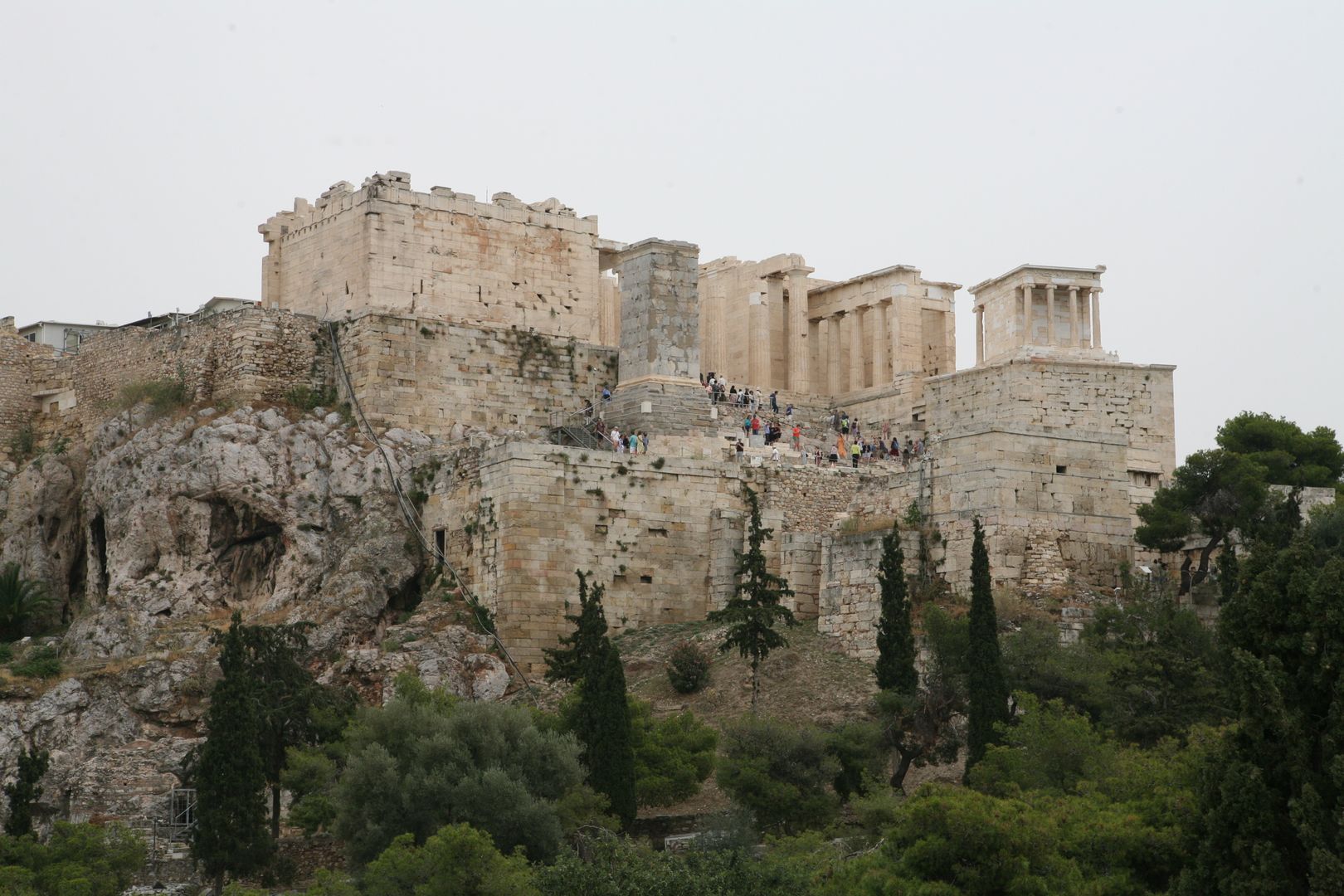

Crete spans 260 kilometres from west to east — longer than the distance from London to Brighton — and the island demands logistical choices that smaller Cycladic alternatives do not. Flying into Heraklion airport on the east coast and booking accommodation in Chania on the west costs €80–120 in transfers or 2.5 hours by bus and makes sense only if you rent a car or commit to one region. That constraint is the point: Crete rewards depth over coverage. Most travellers default to Santorini or Mykonos because their geography is legible in three days. Crete requires that you choose — and that choice determines whether the island reveals itself or remains a series of postcards.
| Category | Crete | Santorini |
|---|---|---|
| Best for | Regional depth, hiking, archaeology, fewer crowds | Sunset photography, romantic weekends, nightlife |
| Vibe | Working island with tourism, Greek lived-in feel | Tourist infrastructure optimised, Instagrammable |
| Key draw | Diverse landscapes, Minoan sites, gorge hiking | Caldera views, volcanic beaches, cliff towns |
| Beaches | Long sandy shores, lagoons, varied | Narrow pebble, volcanic sand, limited |
| Nightlife | Low-key tavernas, occasional clubs in Chania | Beach clubs, late bars, music venues |
| Daily cost (mid-range) | €90–140 (food cheap, transport adds up) | €150–220 (everything premium) |
| Peak crowds | July–August extreme in specific spots | July–August everywhere, booking essential |
| Best months | May, June, Sept, Oct | May, June, Sept, Oct |
| Recommended stay | 5–10 days minimum | 3–4 days sufficient |
How large is Crete, and why that matters
The island stretches 260km west to east but only 60km at its widest point north to south. Driving from Heraklion airport in the east to Chania in the west takes two and a half hours on the single main highway — longer in summer or if you detour south. There is no direct coast-to-coast route. The White Mountains spine the middle, forcing all traffic around the perimeter.
This geography determines everything about your trip. If you fly into Heraklion and want to stay in Chania — the western town that most beach-focused guides recommend — a taxi costs €80–120 one-way, or you take a bus for €14 and three hours. Renting a car for that transfer and three days costs more than the transfer itself. The economic logic of the island pivots on this: either rent a car for the duration (€30–60 daily) and have freedom to explore multiple regions, or anchor yourself in one town and take day trips from there. Both are defensible. Neither is wrong. But arriving without deciding which one leads to two days of frustration.
The alternative — flying into Chania instead — requires a connection or a longer flight from most European hubs. Both Heraklion (HER) and Chania (CHQ) have year-round service, but Heraklion has more budget airline frequency and is typically cheaper to reach.
West: Chania as a base
Chania's Venetian harbour is one of the most photographed waterfronts in the Mediterranean, but it functions differently than Santorini's caldera towns. There is no cliff-edge sunset here — the water is at street level, and fishing boats work alongside restaurant tables. The old town climbs from the harbour into a grid of narrow streets, with food shops, hardware stores, and apartment buildings intermixed with guest rooms. It is a living town, not a museum, and that matters.
Three reasons to base here:
The harbour and old town have four to five days of genuine substance. Walk the waterfront at 8am before tour groups, buy coffee from a grinder-and-serve setup, sit for breakfast (dakos with mizithra, tomato, and olive oil costs €4–6). The Venetian Fortezza (Castello) overlooks the town from the east; entry is €6 and the walk through empty courtyards takes 90 minutes. The naval museum occupies the building opposite the harbour entrance (€4, rarely crowded). The town itself — narrow streets, overhanging balconies, no clear grid — requires wandering, and wandering yields small tavernas where Cretans still eat lunch. Prices run €12–18 for a main course with wine, roughly two-thirds of what Santorini charges for equivalent food.
Chania is the logistics hub for the west. The Gorge of Samaria trailhead (Xyloskalo) sits 45 minutes away; organised day trips depart daily May–October (€30–40 including transport and boat return). Elafonissi beach, the famous pink-sand lagoon, is 90 minutes southwest by car or four hours by public bus. Balos lagoon requires a boat from Kissamos (one hour west) or a rough 4WD track. Paleochora, a south-coast village with dark-sand beaches and genuine local character, is two hours by winding mountain road. All are day-trip feasible from Chania; none require moving accommodation.
Tourist infrastructure works well without feeling like theme-park design. The beaches near Chania (Almyrida, Kaliviani) are functional and swimmable. Restaurants exist in English-friendly density — not saturated, but legible. Supermarkets and ATMs are abundant. English is widely spoken in hospitality businesses but not to the point of erasure. If you want ease without artifice, Chania delivers it.
The tradeoff: Chania is expensive relative to the rest of Crete. Double rooms in the old town run €80–140 in shoulder season, €120–180 in July–August. The harbour strips out restaurants charge €8–12 for a coffee and €18–25 for fish. Stay one block back and prices drop sharply.
East: Heraklion as a base

Heraklion is Crete's capital and working port — not a resort town, not designed for tourism. The archaeological museum is the world's finest collection of Minoan artefacts. Knossos Palace, the excavated Bronze Age complex, sits 5km south. Beyond that, Heraklion does not feature prominently in typical Crete guides because it lacks the visual drama of Chania. But that is precisely why it matters.
The Heraklion Archaeological Museum holds the frescoes and small sculptures that make Minoan civilisation comprehensible. The palace frescoes at Knossos were largely moved here in the early 20th century; seeing them in a climate-controlled museum before visiting the ruins adds essential context. The collection spans 5,000 years: Neolithic pottery, Late Minoan (1600–1100 BCE) stone vessels and seal stones, the famous bull-leaping fresco. Entry is €20; the audio guide (€5 additional) is worth it. Allocate 90 minutes minimum. Peak crowds hit 11am–2pm; arrive at opening (9am summer, 8:30am winter) or after 5pm.
Knossos Palace, excavated starting in 1900 by British archaeologist Arthur Evans, is controversial. Evans' reconstructions — bright frescoes, wooden columns, multi-storey sections — are partly educated guesses; modern archaeologists debate how much is authentic and how much is Edwardian imagination. Visit after the museum, where actual artefacts ground context. The site itself is partial: you see palatial scale (storage areas, ritual spaces, living quarters), but interior details depend on interpretation. Entry is €20; entry is €22 if combined with the museum (buy the combo). The site is exposed and shadeless; go early or late in summer.
Heraklion town itself merits a half-day if you have time. The Venetian fortifications (Koules fortress) dominate the harbour entrance. The market (Agora Chanion) sells produce, fish, and meat; it is a working market, not a tourist attraction. A wander through the back streets north of the main drag (1866 Street) shows apartment blocks, corner shops, and ordinary Greek city life. Dinner is cheaper here than anywhere else on the island.
Accommodation costs €50–90 for a mid-range double in July–August, nearly half Chania prices. Food runs €8–14 for a main course in local tavernas.
The tradeoff: Heraklion lacks the visual anchor of a picturesque harbour. The town is functional rather than charming. If your trip is beach-focused, Heraklion requires extra travel to reach good swimming. The beaches immediately north (Amoudara) are acceptable but unremarkable. Better beaches lie an hour west (Rethymno area) or east (Agia Pelagia, Hersonissos — both tourist-heavy).
Middle: Rethymno
Rethymno sits 80 kilometres west of Heraklion and 60 kilometres east of Chania — a midpoint that functions as its own base or a compromise between the two capitals. It has a Venetian harbour (smaller and less curated than Chania's), a Venetian fortress on a headland (Fortezza di Rethymno, entry €4), and a town of genuine size. Accommodation is 20–30% cheaper than Chania. It serves as a gateway to the Cretan interior and the south coast (Agia Roumeli, Sfakia, Paleochora) without the tourist density of Chania.
Rethymno works if you want accessibility without choosing an extreme. It does not have a single signature experience the way Chania (harbour + gorge access) or Heraklion (archaeology) does. But if your plan is to split a week between beaches, hiking, and food, and you want a neutral base, it is functional.
Knossos and Minoan archaeology
Knossos Palace, 5km south of Heraklion, is the signature Minoan site. The palace was the administrative and ritual centre of Minoan civilisation, occupied from roughly 2000 to 1400 BCE (Bronze Age). It was destroyed around 1450 BCE, likely by the Santorini eruption's aftereffects or invasion; later Mycenaean Greeks (from mainland Greece) reoccupied parts until around 1100 BCE.
Arthur Evans, a British archaeologist, excavated the site from 1900 to 1935 and reconstructed major sections — partly based on archaeological evidence, partly based on imagination and early 20th-century assumptions about palace life. The bright frescoes you see (bull-leaping, dolphins, processions) are partly original fragments, partly modern repainting. Modern scholarship questions some of Evans' interpretations: the palace's layout may have been more haphazard than his symmetrical reconstructions suggest. But the site remains essential context for understanding why this island mattered in the ancient Mediterranean.
Visit in this order: Museum first. Go to the Heraklion Archaeological Museum (9am opening, 2–3 hours). See original artefacts, frescoes, and pottery. Understand the scope of Minoan culture. Then Knossos. Arrive at 1pm or 5pm (avoiding 11am–2pm mobs). The site layout makes sense only if you have seen the actual objects. Bring a printed site map (available free at entry) or rent a guide (€60–80 for two to three hours). Do not rely on phone apps; the ruins have no cell coverage in the central areas.
Cost: €20 per person for Knossos, €20 for the museum, or €22 for a combo. Hours: 8am–8pm summer, 9am–5pm winter. The site is exposed; bring a hat and water.
Beaches: specifics and honest expectations
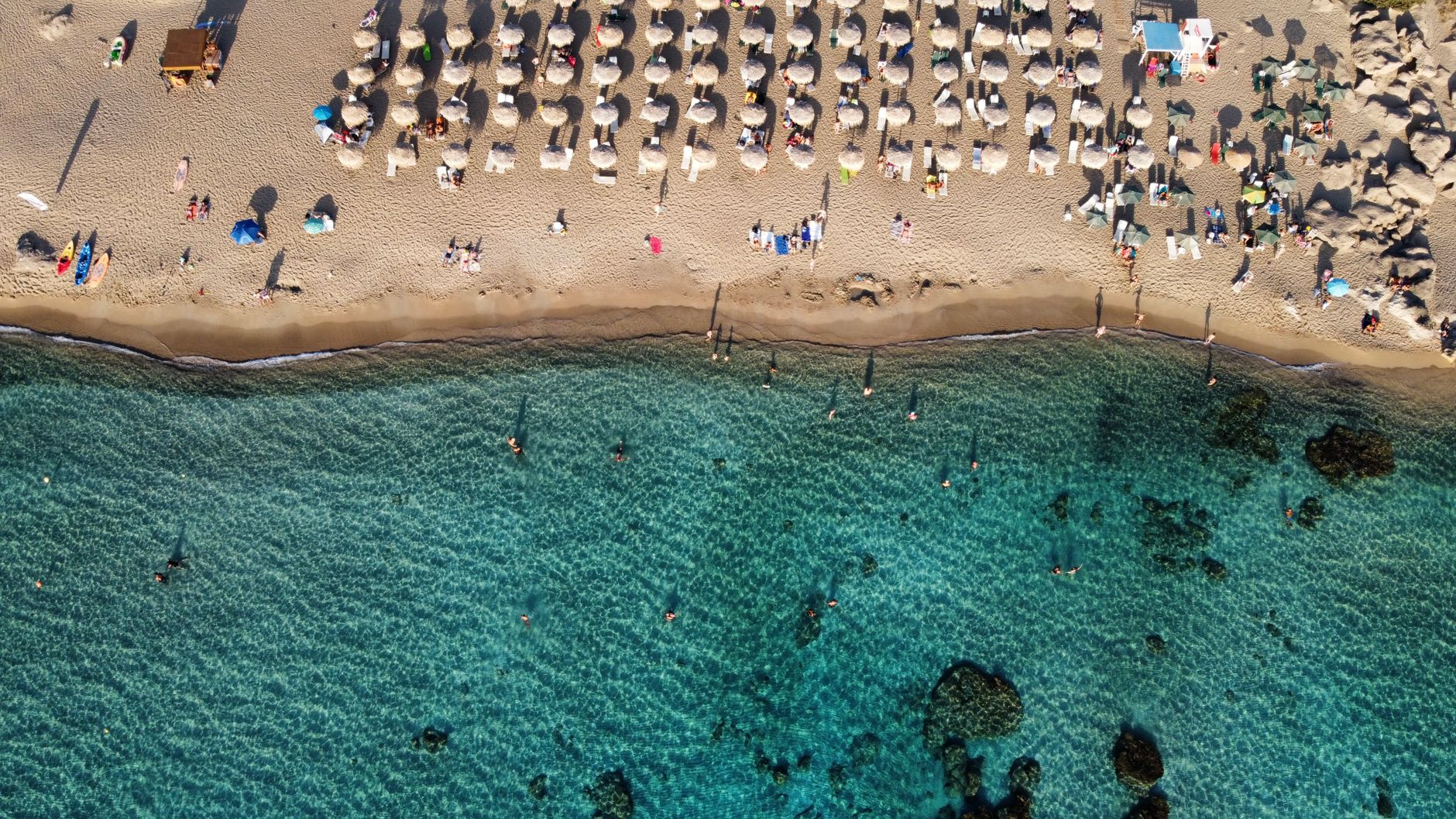
Crete has hundreds of kilometres of coastline, but only a handful of beaches function as destinations. Most have practical trade-offs: accessibility versus crowds, beauty versus ease.
Elafonissi (southwest coast, 90 minutes from Chania by car)
This is the pink-sand lagoon that dominates Crete beach photography. The sand is genuinely pink (iron-rich stone fragments), the water is shallow and turquoise, and the setting is beautiful. It also receives three to four thousand visitors daily in July–August, arriving mostly between 10am and 2pm via tour buses from Chania. The experience varies wildly by timing.
Go before 10am or after 3pm. Arrive early, swim until the crowds peak, and leave. The lagoon's shallow water (one metre deep across most of it) warms quickly and is calm year-round. There are tavernas at the entrance; prices are 40–50% higher than elsewhere. Parking is €2.50. Bring water and sunscreen; shade is minimal.
The beach is accessible May–October; winter storms and tide changes close the narrow causeway that connects the main beach to the lagoon. It is not dangerous, but sudden swell can make wading difficult.
Balos Lagoon (northwest coast, 90 minutes from Chania)
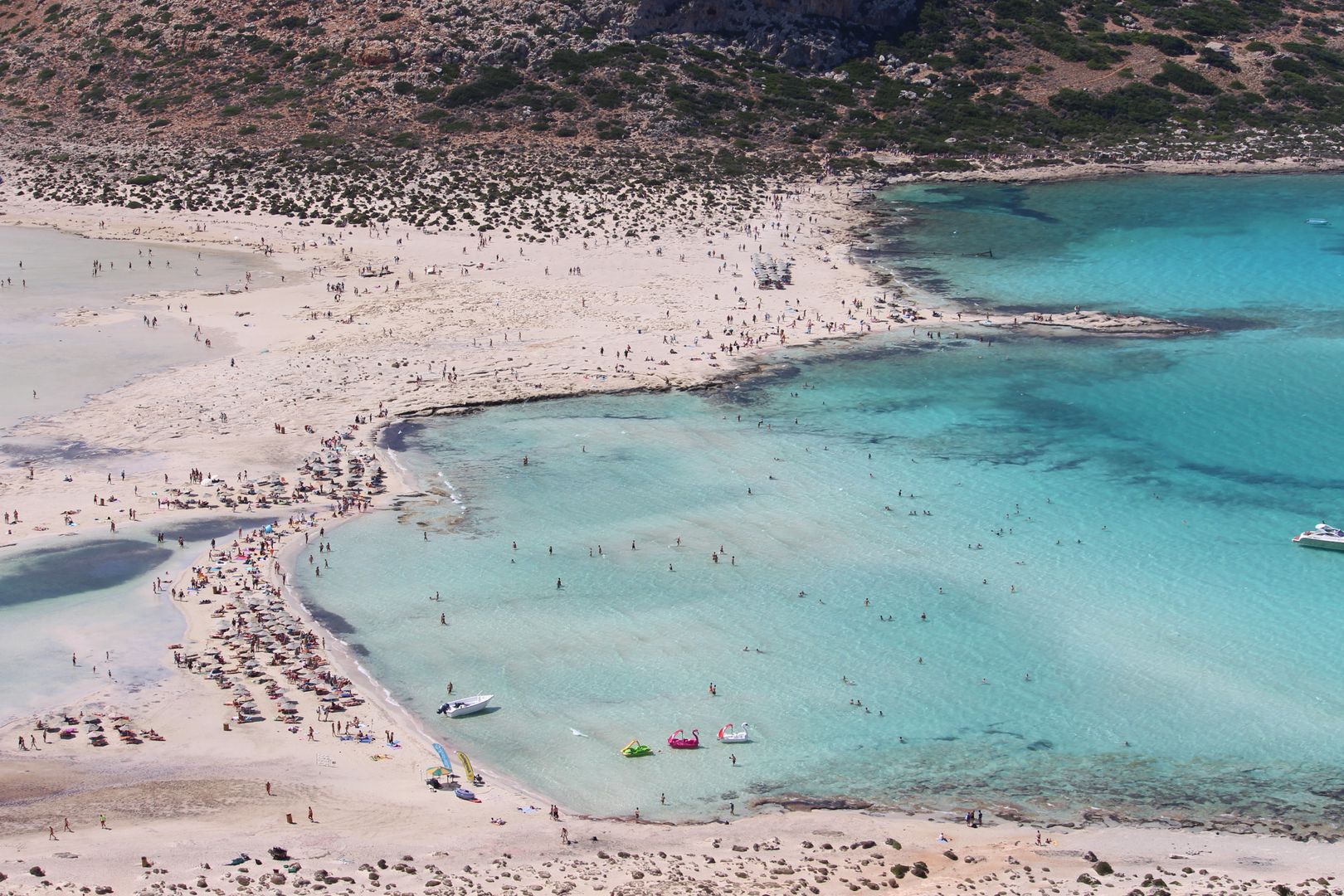
Balos is a sheltered lagoon with turquoise water, wider and longer than Elafonissi, with fewer people despite equal beauty. Access is the constraint: reach it by boat from Kissamos (45 minutes from Chania, €15–20 boat fare, six departures daily in summer) or by 4WD track (rough, requires careful driving, 40 minutes). Most travellers take the boat.
The boat arrives for 3–4 hours; that timing is sufficient for swimming and lunch. Return boats depart late afternoon. Tavernas are minimal; bring food if you want breakfast or late lunch. Balos has less pink-sand novelty than Elafonissi but a better sense of isolation and is genuinely less crowded.
Vai (far east coast, near Sitia)
Europe's largest natural palm forest — a 5-hectare stand of Cretan date palms (Phoenix theophrastii) — grows on a headland on the far east coast. The beach inside it is small and sandy, sheltered by the palms, and atmospheric in a way most Cretan beaches are not. The catch: Vai is 2.5 hours from Heraklion, 3+ hours from Chania. It works as a day trip only if you are already in the east.
The palms were replanted; historical deforestation nearly wiped them out. The beach still feels exceptional — less crowded than western beaches, more enclosed. Go early to avoid tour groups. There are tavernas and a small car park (€1).
Falassarna (west coast, one hour west of Chania)
A long, wide, sandy beach on the west coast with consistent wave action — good for surfing, good for swimmers who like texture. Less famous than Elafonissi, fewer tour groups, longer beach means space even in summer. The village behind has basic facilities. Good for a half-day trip from Chania or Rethymno.
South coast: Paleochora and Sfakia
The south coast is harder to reach (winding mountain roads), less developed, and where Cretans actually go on holiday. Paleochora (two hours from Chania by car) is a small village with a dark-sand beach, fresh fish tavernas where English is not automatic, and genuine quiet. Sfakia (one hour southeast from Chania) is the port village for the Samaria Gorge exit; it has pebble beaches, seafood restaurants, and the liveliness of a working fishing harbour without tourism domination.
Both require a car or four-hour bus journeys. Both are worth it if you want to eat where locals eat and swim without competing for space.
The Gorge of Samaria: what the hike actually involves
The Samaria Gorge is a 16-kilometre descent through limestone canyon from the White Mountains to the Libyan Sea. It is frequently described as one of Europe's longest gorges and is the signature hike for visitors to Crete. The description is accurate but incomplete about what commitment the hike requires.
The logistics:
The trail starts at Xyloskalo (1,200m elevation, reached by car or organised tour bus). It descends, with no elevation gain, to Agia Roumeli on the coast (sea level). The descent is mostly downhill — good news for knees carrying you. Bad news for knees carrying your weight down 16 kilometres of rocky terrain.
Duration: 4–7 hours depending on pace and fitness. The fastest hikers finish in 4 hours; most people take 5–6; older hikers or those stopping frequently take 7. The park's official closure time is 4pm (no entry after 1pm); they enforce it.
The hike is open May 1 to October 31 only. In winter, flooding and rockfalls close the gorge. In November and April, the gate is gated but sometimes open; check locally before planning.
After Agia Roumeli, the only exit is by boat. Boats depart twice daily (usually 5pm and 7:30pm) to Hora Sfakion (one hour, €15). From Hora Sfakion, KTEL buses return to Chania (90 minutes, €9). The last bus is usually 8:30pm, which gives a tight margin if you are on the 7:30pm boat. Build in slack.
The hike itself:
The trail is marked and well-trodden. It is not technical — no scrambling, no exposed sections — but it is relentless. The gorge narrows in the middle (the "Gates," around kilometre 12) where the canyon walls are 300 metres high and the path is narrow. This is not dangerous, but it is visually impressive and mildly claustrophobic.
Water is available at two points (Samaria village at km 8, and a spring near the Gates). Carry two litres minimum. The trail is exposed; there is no shade. Bring a hat and sunscreen. Wear proper hiking boots or shoes with ankle support — the path is rocky and uneven, and twisted ankles are common.
Difficulty rating:
Moderate. It is not mountaineering. It requires reasonable fitness and mental toughness (walking 16km through heat is tedious, not dangerous). People in their 60s and 70s do this regularly. People with knee injuries should skip it.
How to do it:
Organised day trip from Chania: €30–50 per person. Bus picks you up from accommodation at 5–6am, drives to Xyloskalo, leaves you to hike, collects you at Agia Roumeli, returns you to Chania by 9–10pm. Minimal planning, maximum convenience. Downside: you are herded with 40–60 other tourists; the experience becomes slightly industrial.
Self-organised: Rent a car, drive to Xyloskalo (90 minutes from Chania), hike alone or with a friend, take a 5pm or 7:30pm boat. Much cheaper (only the €15 boat and €2.50 entry fee), but you manage logistics: getting to the trailhead, catching the boat on schedule, arranging the bus back. Early May and late October are best; summer (July–August) is extremely crowded and heat becomes a genuine hazard.
Entry to the gorge is €5 (paid at the gate at Xyloskalo). The boat is €15. A car rental costs €40–60 daily.
The counterpoint:
The Samaria Gorge is famous. That fame brings crowds. In July and August, the trail receives 1,000–1,500 hikers daily. The gorge itself is beautiful, but the experience of hiking it in a chain of 50 people moves it closer to a forced march. May, June, September, and October are dramatically better: cooler, far fewer hikers, and the landscape becomes visible rather than the crowd.
Food and wine
Cretan food is distinct within Greek cuisine. Dishes use minimal meat (until recently, Cretan shepherds ate meat only on feast days), emphasize vegetables and legumes, and are built around olive oil produced locally.
Dakos: The Cretan breakfast or mezze. A rusk (hard twice-baked bread) rubbed with tomato, olive oil, dried oregano, and covered with crumbled mizithra cheese (a soft white cheese) or sometimes feta. Costs €3–5. Eat these.
Greens: Horta (boiled wild greens, served with olive oil and lemon) and various wilted vegetables dominate the diet. They are not vegetables as a side course but as the main dish. Expect them everywhere and eat them without guilt.
Seafood: The south coast (Paleochora, Sfakia, Agia Roumeli) has fresh catch daily. Grilled fish or octopus runs €16–24. North coast fishing villages also have fresh fish, but prices are higher.
Cretan cheeses: Mizithra (soft and milky), staka (aged soft cheese), feta (hard and salty), graviera (harder, slightly sweet). Sold at local markets or roadside stands.
Olive oil: Cretan olive oil is the highest quality in Greece. PDO designations exist (Sitia, Kolymvari). Buy from producers in the Chania hinterland (around Vlycha or Mournies) rather than souvenir shops. A litre of excellent oil costs €12–18.
Wine: Cretan wine, historically thin and oxidised, has improved dramatically in the past 20 years. Indigenous red varieties — Kotsifali, Mandilari — are worth trying. Look for PDO designations: Dafnes and Peza (reds), Archanes (red and white). A bottle of decent Cretan wine costs €8–15 retail; expect €20–28 on a restaurant list. White wines are Vilana and Thrapsathiri; both are light and dry.
Where to eat: avoid touristy tavernas in Chania's old town and instead walk into narrow side streets. Eat lunch at mid-day (1–2pm), when Cretans eat and prices are lowest. Dinner prices jump 30–40% after 7pm. North coast restaurants charge 50% more for the same food compared to inland villages.
Getting around Crete
Car rental (essential if you want to see more than one region)
Rent at Heraklion or Chania airport. Costs range €30–60 daily for a small car; higher in July–August. Deposit is typically €500–1,000 on a credit card (returned when you return the car). You need an International Driving Permit if your license is not in Latin script; EU licenses are accepted.
Driving is straightforward on the main highway (National Road A90) connecting east to west. Mountain roads to the south coast are narrower and slower but paved. Village roads are sometimes gravel or unpaved; 4WD is unnecessary except for Balos (4WD track option) or the most remote mountain villages.
Petrol costs roughly €1.50–1.70 per litre (2026 prices vary). A full tank is €60–80.
Parking in Chania old town is difficult; park in the outer town and walk, or use one of the paid lots (€1–2 per hour). In smaller towns, on-street parking is free.
Buses (KTEL network)
Buses connect all major towns. Heraklion–Chania: 2.5 hours, €14. Heraklion–Rethymno: 90 minutes, €9. Chania–Rethymno: 60 minutes, €7. Services run hourly during the day, tapering to one or two departures early morning and evening.
Rural areas have fewer services; schedules are coordinated for locals' commuting needs (early morning to towns, afternoon return to villages). If you are trying to reach a small village without a car, plan around these timings.
Book long-distance buses online (ktel.org) or at the station. Local buses are walk-up.
Ferries
Overnight ferries operate from Athens (Piraeus) to both Heraklion and Chania. Heraklion ferries take 8–9 hours (overnight, arriving early morning). Chania ferries take 9–10 hours. One-way fares for a basic cabin run €60–100 depending on season.
Ferries are useful if you are coming from Athens and want to avoid a morning flight. They are not practical for island-hopping within the Aegean; ferry connections from Crete to other islands are minimal and indirect.
How many days to spend in Crete
Minimum: 4 days
Two days in one town, one day for a single excursion (gorge or beach), one day for travel/buffer. This is survivable but rushed. You see a small portion of the island and return exhausted.
Recommended: 5–7 days
Five days allows for two days anchored in a town (Chania or Heraklion), one day for the Samaria Gorge or a south coast trip, one day for a regional beach (Elafonissi or Balos), and one day for slippage or additional wandering. You begin to sense the island. Seven days lets you add Rethymno or a second region, or longer time in one area without rushing.
Comprehensive: 10 days
Two days in Heraklion (museum, Knossos), two days in Rethymno, three days in Chania (old town, Samaria Gorge, Elafonissi), two days on the south coast (Paleochora or Sfakia), one day for flexibility. You see both east and west, understand regional differences, eat well, and have time to sit still.
Fewer than five days, you are better served by Santorini or Mykonos, where two to three days suffice and distances are walkable.
Best time to visit
| Month | Weather | Crowds | Verdict |
|---|---|---|---|
| January | Cold, rainy, often stormy | Minimal | Avoid |
| February | Cold, rainy, some sunny days | Minimal | Avoid |
| March | Mild, increasing sun, occasional rain | Very low | Shoulder |
| April | Warm (18–22°C), mostly sunny, spring flowers | Low | Shoulder |
| May | Warm (22–26°C), sunny, sea swimmable | Moderate | Best |
| June | Hot (26–30°C), very sunny, sea ideal | Moderate | Best |
| July | Very hot (32–36°C), dry, sea warm | Peak | Good (crowded) |
| August | Very hot (32–36°C), dry, sea warm | Peak | Good (crowded) |
| September | Hot (28–32°C), mostly sunny, sea warm | Moderate | Good |
| October | Warm (22–26°C), sunny, sea cooling | Low | Best |
| November | Cool (16–20°C), increasing rain | Minimal | Avoid |
| December | Cold, rainy, often stormy | Minimal | Avoid |
May, June, September, October are ideal. Water temperature is 22–26°C (swimmable without a wetsuit). Air temperature is 24–28°C (warm but not oppressive). Crowds are substantial but not overwhelming. Prices are moderate (roughly 30% lower than peak summer).
July and August are hot and expensive. Peak crowds flatten the experience — especially for famous beaches and the Samaria Gorge. Local tavernas close for vacation. If you must travel in summer, budget €150–200 daily and book accommodation months in advance.
November to April is cool but hikeable. The mountains are accessible, wildflowers bloom in March–April, and tourism is minimal. Most accommodation on the coast closes. Expect 60% of summer prices and genuine solitude. The tradeoff: you cannot swim, weather is unpredictable, and some services operate limited hours. This season works if you are focused on hiking, food, and archaeology rather than beaches.
Frequently Asked Questions
Is Crete or Santorini better for a beach holiday?
Santorini has no significant beaches (mostly narrow pebble shores or volcanic sand), so if beaches are your priority, Crete is the clear choice. Crete has dozens of accessible beaches with sand, ranging from pink lagoons (Elafonissi) to long sandy shores (Falassarna). Santorini works for cliff views, sunset photography, and nightlife; Crete works for swimming and variety.
Can I see multiple parts of Crete without renting a car?
Partially. You can base in Chania or Heraklion and take day trips using buses and organised tours. The Samaria Gorge, Elafonissi, and Balos all have daily tour operators departing from Chania (€30–50). Reaching the south coast (Paleochora, Sfakia) without a car requires four-hour bus journeys and limits flexibility. A car costs €40–60 daily but multiplies your options and saves time; for a week, the economics favour renting.
How difficult is the Samaria Gorge hike?
It is moderate difficulty — 16 kilometres downhill, no scrambling, but relentless on knees and ankles. Most reasonably fit people finish in 5–6 hours. The main hazards are heat, dehydration, and twisted ankles on rocky terrain. Go in May or September–October rather than summer. Start early (before 10am) to avoid afternoon heat.
What is the best base for trying both beaches and hiking?
Chania is the answer. The Samaria Gorge is 45 minutes away, Elafonissi and Balos are day trips, the harbour and old town are worth 2–3 days, and Rethymno is an hour east. You can anchor in Chania for five to seven days and explore multiple landscapes without moving accommodation. Heraklion is better if archaeology is your priority; the south coast is better if you want solitude.
Is English widely spoken in Crete?
Yes, in tourism-facing businesses (restaurants, hotels, rental shops) in major towns. Chania and Heraklion have abundant English speakers. In smaller villages and local tavernas, English is less common; basic phrases in Greek (kalispéra for good evening, efharistó for thank you) smooth interactions. Younger Cretans speak English; older locals may not.
What is the one experience only Crete offers?
The Samaria Gorge is unique to Crete — a 16-kilometre descent through one of Europe's longest canyons, finishing at sea level. No other island in Greece has equivalent: Santorini and Mykonos lack mountains; smaller Cyclades lack scale. The gorge combines hiking, geology, and the sense of crossing an entire landscape in a single day. It is worth the effort.
Who should go to Crete instead of Santorini. Anyone who values depth over Instagram backdrop, who wants to swim in a variety of settings rather than on narrow pebble beaches, who is comfortable renting a car or committing to one region, and who has five days or more. Families, hikers, archaeology enthusiasts, and older travellers benefit from Crete's diversity and lower prices. The island requires more planning than a Cycladic island, but that planning yields the chance to understand a place rather than photograph it.