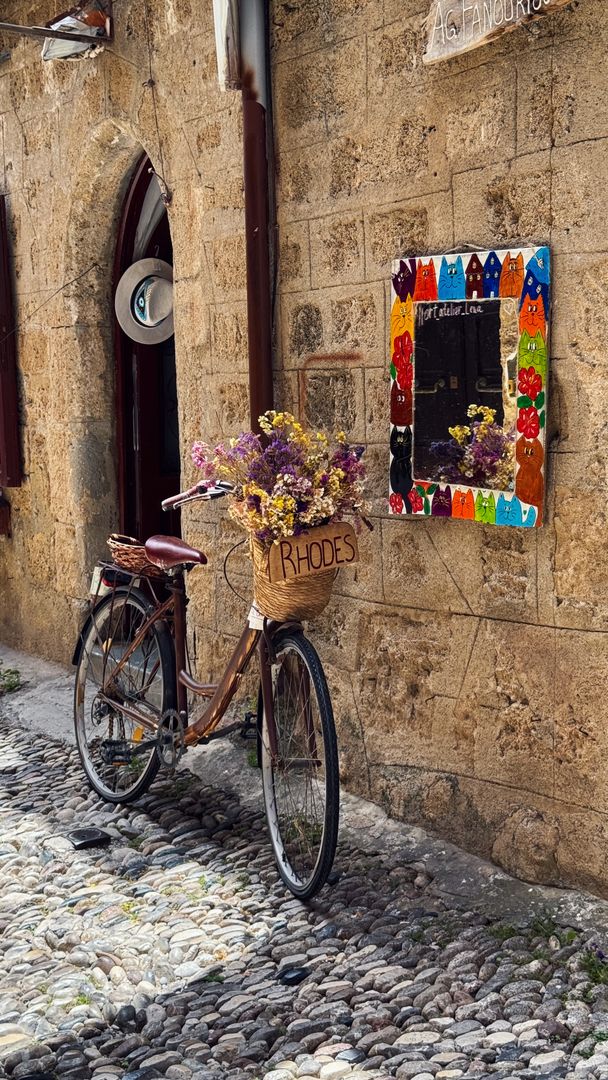
Mykonos is the most expensive, most international, and most deliberately glamorous Greek island. It is also one of the most fun, if that's what you're after. The Cycladic architecture is genuine — whitewashed alleys, windmills, pelicans. The beach clubs are not subtle. Both coexist on 85km² and it mostly works.
The core truth: Mykonos delivers exactly what it advertises. The infrastructure for partying, dining, and spending money is the best in Greece. If you're here for that sequence — beach clubs at noon, dinner with a sea view at 9pm, dancing until sunrise — the island executes it better than Santorini or Crete. If you're not here for that, you're paying a premium for architecture and beaches that are genuinely good but not dramatically better than islands costing half as much. The question isn't whether Mykonos is worth visiting. It's whether it's worth visiting you.
Mykonos Town (Chora): The Old Town and Its Tourists
The labyrinthine alleys of Mykonos Town were designed to confuse pirates — a historical detail now deployed against tourists, though the effect is largely the same. The narrow streets genuinely are beautiful: whitewashed walls, bougainvillea in cerise and magenta, doors in blue and green. The architecture is authentic Cycladic, not a theme park recreation. This is worth walking through at dusk when the light goes gold and the crowds thin to a manageable density.
Little Venice, the row of mansions built cantilever over the sea on the northwest edge of town, is the most photographed location on the island. A sunset cocktail here costs €15–20 and is worth it exactly once: you're paying for the light, not the drink. Go early (before 6pm) or expect to queue for a table on a wall with five other tourists.
The Pelicans — currently Petros III and his predecessors — are a genuine institution since 1954, though the modern Petros is not the original and will not be the last. They wander the port area year-round, are fed by restaurateurs, and pose for photographs with the patience of actors. The novelty lasts about three minutes.
Shopping in Mykonos Town occupies the main commercial streets (Matoyianni, Enoplon Dynameon) and is almost entirely international luxury brands and chain jewellers. The idea that you'll find local craftwork here is fantasy — the economic pressure has pushed out independent makers. Your best option for anything genuinely local (honey, herbs, textiles) is the farmers market that operates Saturdays and Wednesdays mornings in the northern part of town, though even this has become semi-tourist-oriented. Budget T-shirts with "Mykonos" printed on them run €15–25; designer bags run €500+.
Which Beaches Actually Suit You
Mykonos has 23 named beaches. Most people visit five or six, depending on what they want from their water.
Paradise Beach is the statement. Sun loungers in rows (€20–30 per pair), DJs playing from noon until sunset, foam parties in August, international crowds, high-end beach clubs serving oysters and Cristal. If you came here to be part of a visible party, Paradise is the island's most efficient answer. It's not subtle and doesn't pretend to be. The water is fine. The sand is fine. The experience is curated and works.
Super Paradise is historically LGBTQ+-oriented, marginally less commercial than Paradise, with serious beach bars (Suzie Wong's has a good reputation) and a fractionally older, wealthier crowd. It's about 2km south along the coast. Less full-on than Paradise, but still a venue more than a beach.
Elia is the longest beach on the island (1.5km) and notably quieter — fewer beach clubs, fewer speakers, actual swimmers rather than sunbed-rental customers. It has a reputation for being LGBTQ+-friendly as well. This is where you come if you want to swim properly and hear the sea.
Ornos is 1km south of Mykonos Town and the most practical compromise: close enough to walk (or a five-minute bus ride), calm water, family-friendly restaurants, sun loungers available but not aggressively marketed. It's popular with families and people who don't want to travel 20 minutes to a beach. The water here is shallow and warm, which is either a feature or a drawback depending on your tolerance for paddling.
Agios Ioannis is where "Shirley Valentine" was filmed in 1989 — a genuine quiet beach with a small taverna and no beach club infrastructure. It's 3km north of town. Go if you want to remember what Mykonos felt like before 2010.
Platys Gialos has good swimming, a regular bus connection from the South Bus Station (every 30 minutes in season), and a cluster of tavernas without the club soundtrack. This is practical for a swimming day without committing to a beach club.
The South Bus Station runs hourly buses along the southern beach strip in peak season (June–September). A single ticket costs €2. The service is reliable but crowded — bring a book and low expectations for timetable precision.
Northern beaches (Agios Sostis, Panormos) exist for people willing to drive or take a long taxi ride. They're genuinely quieter and have fewer facilities. The roads to reach them are narrow. Consider this a option only if you're renting a vehicle.
The practical beach strategy: Pick one beach club day (Paradise or Super Paradise) if that's your interest. Spend the other beach days at Elia, Ornos, or Platys Gialos, where you'll actually enjoy swimming without paying €25 for a frappe.
Nightlife: The Party Sequence and What It Actually Involves
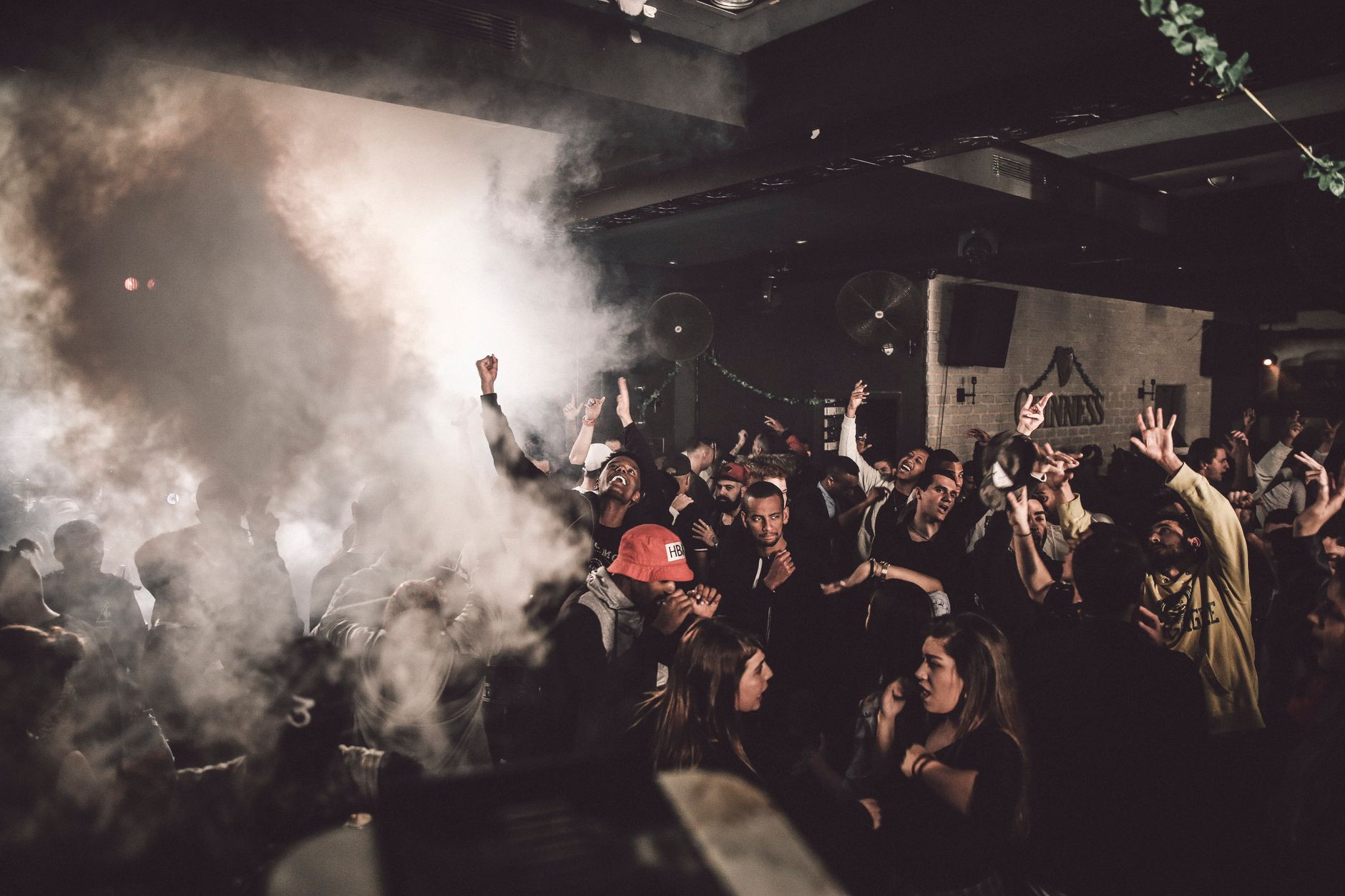
Mykonos nightlife follows a visible sequence, and understanding it prevents arriving at a bar at 10pm expecting it to be full.
Beach clubs operate noon to approximately 7pm (5pm in shoulder season). The main venues are Paradise Beach and Super Paradise, where DJs start at midday and the crowd transitions from swimmers to drinkers as the sun angles lower. Entry is typically free if you buy a drink or rent a lounger; otherwise expect €10–20. This is the visible, high-energy part of the day.
Dinner happens 8pm–11pm. The island has hundreds of restaurants, many along the waterfront in town or near the main beach areas. Budget €25–50 per person for fish and pasta; €10–15 for pizza and casual meals.
Cavo Paradiso is the flagship nightclub — a cliff-top venue on the south coast that operates June–September, with international DJs and capacity for 2,000 people. Entry runs €30–60, typically closed before midnight (the party starts around 1am), and it stays open until sunrise. This is one of the most notable outdoor dance clubs in Europe, more by logistics and longevity than innovation. Book online beforehand or expect queue delays. It's worth experiencing once if nightlife is central to your trip.
Jackie O and Montauk are the other clubs with serious credibility, both in town. Jackie O is more traditional nightclub; Montauk is higher-end, recently revamped. Entry typically €20–40.
Bars in Mykonos Town — Skandinavian Bar (the classic tourist bar, crowded and loud), Katerina's Bar in Little Venice (better atmosphere, sea views, sunset crowd) — operate until 2am or later. They're not nightclubs but rather transition spaces between dinner and clubs.
The honest assessment: Mykonos nightlife is genuine, well-organized, and delivers what it promises. International DJs do play at Cavo Paradiso (the July and August lineups are credible). The beach clubs do turn into dance floors by 5pm. The sequence works. If nightlife isn't your primary draw, you're paying a €100–150/night premium over Crete or Naxos for the privilege of hearing more music while eating fish. Factor this into your decision.
Getting to Mykonos
By air: Mykonos Airport (JMY) has year-round service. Aegean Airlines operates daily flights from Athens (40 minutes, €60–150 depending on booking window and season). In summer, direct flights operate from major European cities (London, Paris, Milan, Berlin) on Aegean and seasonal carriers, typically €80–200. Book six weeks ahead in July–August; two weeks is adequate for June and September.
By ferry from Athens: Two options from Piraeus Port (30 minutes from central Athens by metro).
- Conventional ferry: 5.5 hours, run by Hellenic Seaways, €35–45. Comfortable, slow, generally departs once daily in shoulder season, twice daily in summer.
- High-speed catamaran: 3.5 hours, run by Hellenic Seaways or competitors, €60–80. More reliable for schedule and only moderately faster.
From Rafina Port (closer to Athens International Airport — 40 minutes by bus): High-speed catamaran, 2.5–3 hours, €50–70. This is the practical route if you're flying into Athens and taking the ferry.
From Santorini: High-speed ferry, 2 hours, €55–70. One to two departures daily depending on season. This is practical if you're island-hopping.
The flight-versus-ferry decision: Flights are €30–50 more expensive than ferries but save 3–4 hours. Book flights for summer (July–August) when your time is expensive. Take the ferry in June or September when schedule flexibility matters more than speed.
Getting Around the Island
By bus: KTEL operates routes between Mykonos Town and all main beaches from the South Bus Station (€2 per journey, €15 for a seven-day pass). The service is cheap and reliable but limited to main routes and crowded in peak season. Bus number 1 runs to Paradise Beach; bus 2 to Platys Gialos. Expect 30–45 minutes for the furthest beaches.
By taxi: Scarce and expensive (€15–25 for short journeys, €35–50 to the airport). Call in advance through Beat app or ask your hotel. Taxis are not metered; agree on price beforehand.
By ATV or scooter: €35–50 per day from rental agencies throughout town. This is practical for reaching quieter northern beaches and reduces dependency on buses. The island roads are narrow and winding — only rent if you're comfortable with this. Helmets are mandatory and actually enforced.
By private car: Not practical for Mykonos Town itself (no public parking, narrow alleys). Useful only if you're staying outside town and want to explore northern beaches. Rental runs €40–70/day.
The practical approach: Stay in town and use buses or taxis to beaches. If you want to explore beyond the main routes, rent an ATV for one or two days.
Accommodation: Location and Price Reality
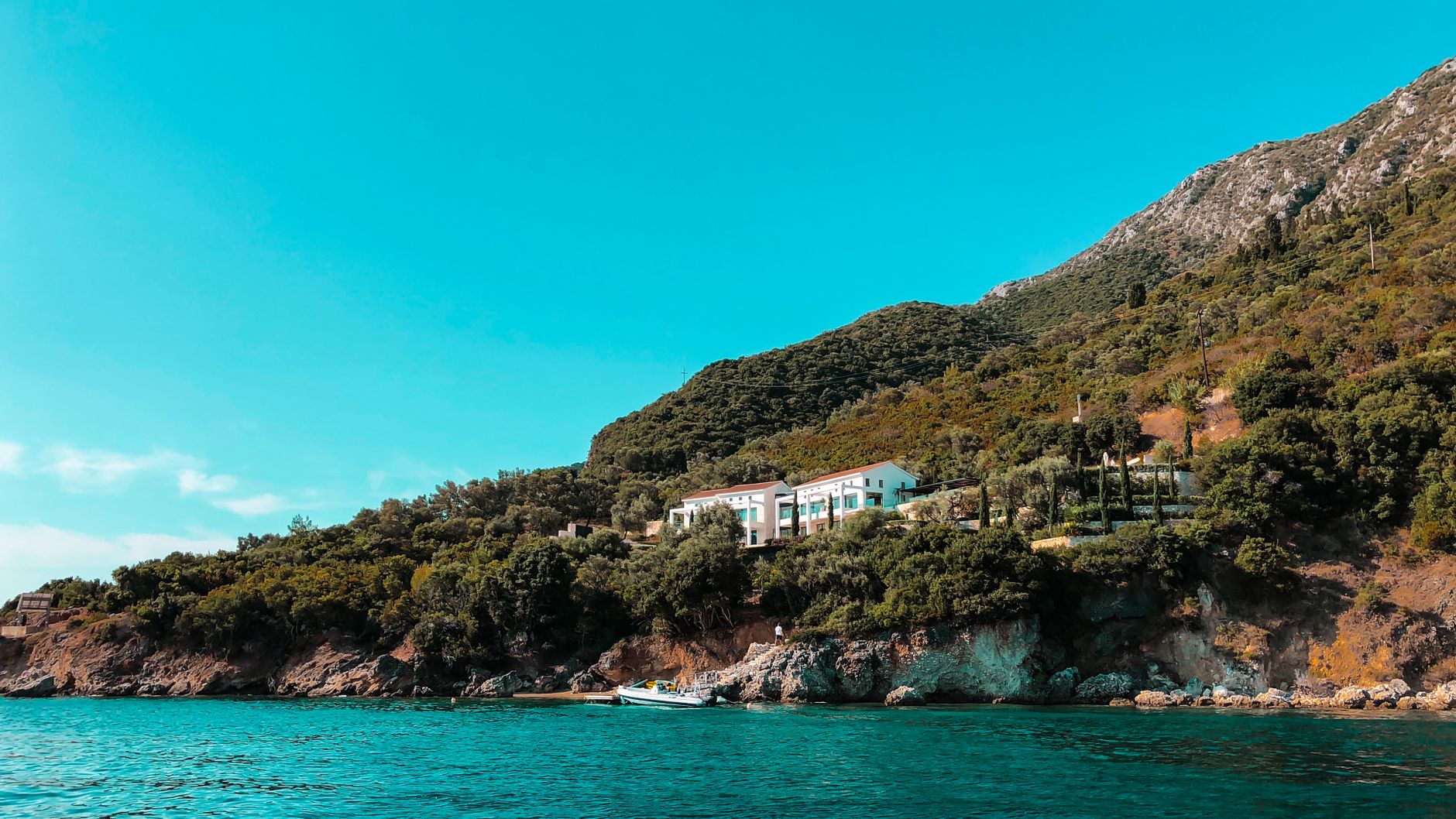
There is no budget accommodation on Mykonos in any meaningful sense. You are choosing between expensive and extortionate.
Mykonos Town (Chora): €150–250/night for a small hotel room in May or October; €300–600+ in July–August. Properties range from basic whitewashed rooms to luxury villas. The advantage is walkability, access to restaurants and bars, and a genuine town atmosphere at night. The disadvantage is noise (restaurants, bars, tourists until 2am).
Beach areas (Ornos, Agios Ioannis, Platys Gialos): €130–220/night in shoulder season; €250–500+ in July–August. Quieter than town, closer to swimming, less atmosphere after dark.
Party-beach area (Paradise, Super Paradise, Elia): €120–200/night in shoulder season; €250–450+ in peak season. These are where beach clubs operate, so noise is built into the experience.
Real pricing notes: Booking sites show availability; prices for the same room can vary €50–100 depending on platform and booking date. Book eight weeks ahead for July–August and six weeks for June and September. May and October prices drop 20–30% compared to summer rates.
Where to stay depends entirely on your priority: choose Mykonos Town for restaurant and bar access; choose Ornos or Platys Gialos if you want quieter nights and beach proximity; choose Paradise or Super Paradise only if beach club partying is your primary activity.
Daily Costs: The Budget Breakdown
Accommodation: €150–600/night depending on season and location.
Food:
- Budget meals (gyros, souvlaki, pizza): €4–8 per item from street vendors and casual spots.
- Mid-range dinner (fish, pasta, salads): €25–50 per person at tavernas.
- Beach club food (cured meats, cheese): €12–20 for a sharing plate.
Beach day:
- Sun lounger pair: €20–30/day at major beaches.
- Beach bar drink: €6–10 for a beer, €8–12 for a cocktail.
- No lounger needed? Bring a towel. Many quieter beaches (Elia, Agios Ioannis) have no charge.
Activities:
- Boat rental (small motorboat): €80–150/day.
- Club entry (Cavo Paradiso): €30–60.
- Bar entry: typically free; buy a drink (€8–12).
Transportation:
- Bus: €2 per journey.
- Taxi: €15–35 depending on distance.
- ATV rental: €35–50/day.
Daily cost estimate for mid-range traveler (accommodation not included): €80–150/day (food, transport, one activity or beach lounger).
Total with accommodation: €250–400/day in shoulder season; €400–700/day in July–August.
When to Visit Mykonos
| Month | Weather | Crowds | Verdict |
|---|---|---|---|
| January | 12°C, rainy | Very low | Avoid — many venues closed |
| February | 12°C, rainy | Very low | Avoid — very quiet, limited services |
| March | 14°C, improving | Low | Shoulder — unpredictable, some venues open |
| April | 18°C, warm days | Low–moderate | Shoulder — Easter crowds, better prices |
| May | 24°C, sunny | Moderate | Good — warm, manageable crowds, 20% cheaper |
| June | 27°C, hot | High | Best — warm, peak season, all venues open |
| July | 29°C, very hot | Very high | Best — full capacity, peak prices, full party |
| August | 29°C, very hot | Very high | Best — full capacity, peak prices, full party |
| September | 26°C, warm | High | Good — still warm, slightly lower prices |
| October | 21°C, warm | Moderate | Shoulder — pleasant, some venues closing |
| November | 16°C, rainy | Very low | Avoid — many venues closed |
| December | 13°C, rainy | Very low | Avoid — many venues closed |
June and September are the window for value: warm enough for swimming (26–28°C), prices 20–30% lower than July–August, and the full infrastructure is operational. Crowds are present but manageable.
July–August is for maximum experience: hottest water, all clubs and restaurants open, international DJ lineups at their strongest, and full capacity on all beaches and venues. Book everything eight weeks ahead. Prices are 40–60% higher than shoulder season. This is the commitment option.
May and October are quieter and cheaper (€100–150/night less than summer) but with unpredictable weather and some venues closed. May is warmer and more reliable; October offers better value but shorter daylight.
November–April sees many beach clubs, restaurants, and hotels close entirely. Mykonos in winter is a real village — if that appeals, it's cheap. Otherwise, visit elsewhere.
Mykonos vs. Santorini: The Honest Comparison
Both islands charge premium prices. The difference is in what you get.
Mykonos is the party island: nightlife infrastructure, international crowds, beach clubs, and visible action until sunrise. Accommodation and food cost the same as Santorini. The architecture is equally authentic. The difference is philosophy — Mykonos leans into tourism as the primary experience. If you're here for nightlife, restaurants, and the social scene, Mykonos delivers it better.
Santorini is the romantic sunset island: caldera views, quieter atmosphere, wine, and couples' dinners. Nightlife exists but is secondary. Accommodation costs slightly more (€20–50/night) because of the caldera premium. The island feels less aggressively touristic despite similar visitor numbers.
The decision: Choose Mykonos if nightlife, beach clubs, and a visible party scene are central to your trip. Choose Santorini if you want romance, wine, sunsets, and a slower pace with equally good food and higher prices. Both are overpriced by Greek island standards. Neither is cheap.
Frequently Asked Questions
Is Mykonos worth the money compared to other Greek islands?
Only if your priorities align with what Mykonos offers — nightlife, beach clubs, shopping, and international dining. Crete, Naxos, and Paros have equally good beaches and architecture at 40–60% of the price, but minimal nightclub culture. Mykonos charges a premium for logistics, not for scenery.
What's the best beach for swimming without the party scene?
Elia is the longest (1.5km), calmest, and has proper swimmers rather than sun-lounger renters. Agios Ioannis is smaller and quieter if you want to feel like you've found something undiscovered. Both have tavernas with decent food without the €15 frappes.
Do I need to book nightclubs in advance?
Yes, for Cavo Paradiso in July–August — book online two weeks ahead or expect hour-plus queues. Smaller bars and clubs in town accept walk-ins, though they may be full by midnight in peak season. For the beach clubs, arriving early (before 4pm) guarantees a good spot without reservation.
Can I visit Mykonos cheaply?
You can visit cheaper than the median price by eating gyros instead of restaurants (€4–6 vs. €30–50), staying in May or October (€130–200/night vs. €400+), using buses instead of taxis (€2 vs. €25), and skipping loungers for free beaches like Agios Ioannis. Total: €150–250/day including a modest hotel. This is still not cheap by Greek standards, but it's achievable without luxury spending.
What's the best time for nightlife?
July and August have the strongest international DJ lineups at Cavo Paradiso and the busiest beach club atmosphere. Book all accommodation and club entry eight weeks ahead. June and September have good nightlife with notably lower prices and shorter queues — a smarter choice unless you specifically need July or August dates.
Is there anything worth doing on Mykonos besides partying?
Yes. The town itself is genuinely beautiful in the morning before 10am, the food is excellent if you book proper restaurants (not beachfront tourist spots), and the northern beaches are peaceful if you have transport. One or two quiet days mix well with party days. Mykonos works best as three to five nights, not seven.
Who Should Go, and When
Book Mykonos if you're here for nightlife, beach clubs, and international dining, and you have a budget of €300+ per day. Go in June or September for the best ratio of good weather, full infrastructure, and manageable prices. Go in July–August only if the specific DJs or events matter to you — the premium for those 31 days is substantial.
Skip Mykonos if you're beach-focused without nightlife interest, budget-conscious, or looking for authenticity untouched by tourism. Crete's south coast, Naxos, or Paros deliver equal or superior beaches and food at half the price. Mykonos is worth the money if and only if you came here for what Mykonos uniquely offers. It doesn't offer much else.