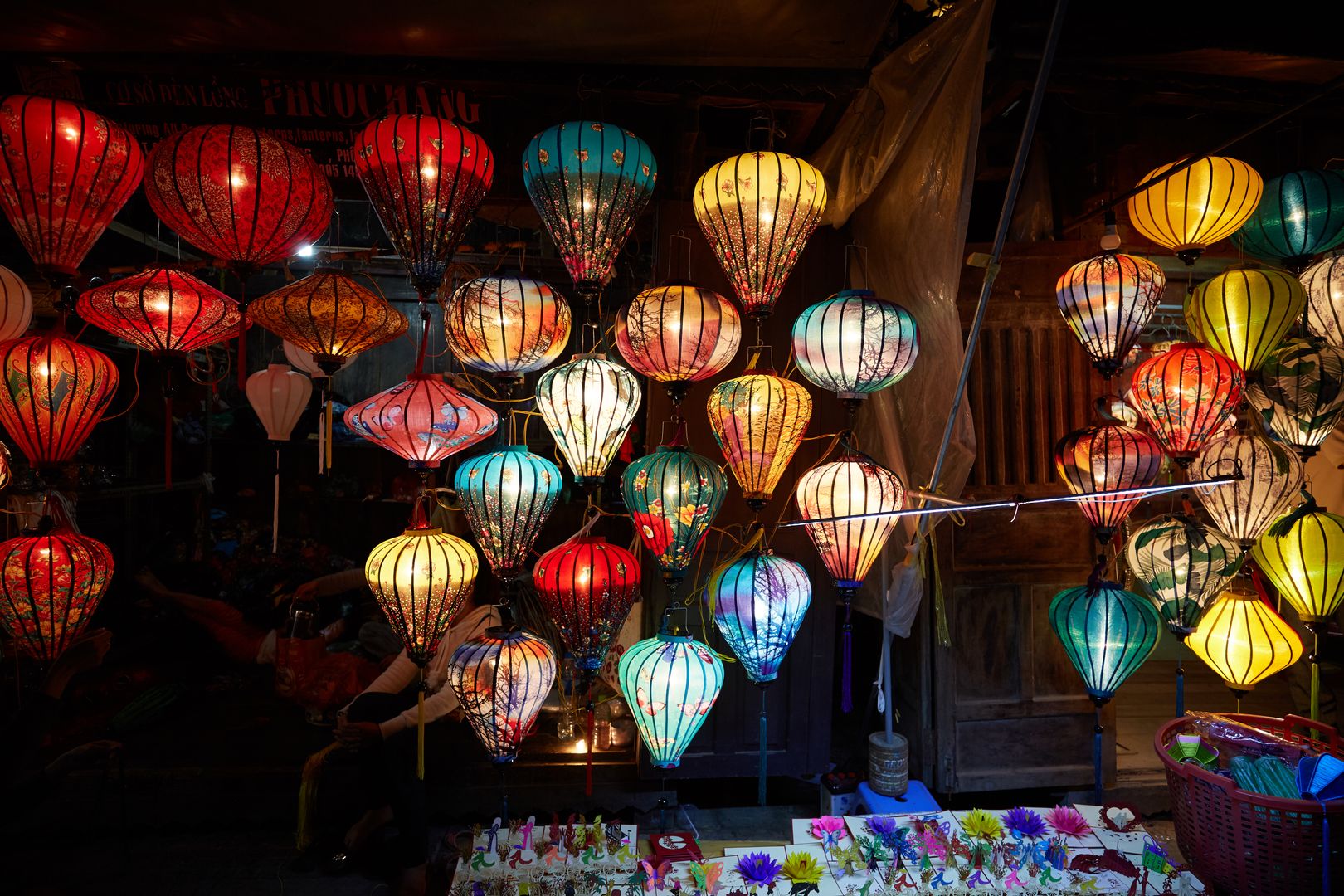
A two-week Vietnam itinerary covering Hanoi to Ho Chi Minh City requires picking five or six stops maximum. The north-to-south routing follows the geography: limestone karst formations and colonial history at the top, imperial cities in the centre, beaches and urban intensity at the bottom. You'll spend 2–3 nights per location and move every second or third day. South-to-north works identically well, but north-to-south feels more natural — you move with the country's gradual shift from cool northern mountains to tropical heat.
Hanoi: 2 nights
The capital demands two nights minimum to avoid the exhausted traveller phenomenon — arrive, temple, market, leave. The city's rhythm is actually slower than its chaotic street reputation suggests; the noise is omnipresent but negotiable.
Start at the Temple of Literature (Văn Miếu), a genuine sanctuary 500m from the gridlock. It dates to 1070, sits quiet in early morning, and contains actual architectural history rather than tourist theatre. Walk the edges of Hoan Kiem Lake, which genuinely calms the city down — locals exercise here at dawn, and the lakeside is where Hanoi's daytime social life happens.
Spend an afternoon in the Old Quarter (36 streets, each historically selling one product: silver street, silk street, coffin street). Most streets now sell tourist goods, but the grid layout and narrow tube-house architecture remain authentic. Eat phở cô at a counter — these are single-dish restaurants where the owner has made the same broth for twenty years. Find bun cha (grilled pork with noodles and dipping sauce) in any Hang Manh alley; the standard meal is €2–3 and better than any restaurant version.
Skip the Ho Chi Minh Mausoleum unless you have a specific reason. It's a queue of three hours for a ten-minute walk past a preserved body — tourism infrastructure rather than insight.
Move to Ninh Binh on day three via train (Ga Hanoi station, 2–2.5 hours, €3–5 on VietnamRailways.vn or Bookaway.com).
Ninh Binh: 2 nights — limestone karst without the cruise-ship logistics
Ninh Binh delivers identical scenery to Halong Bay — towering limestone formations, narrow channels, rice paddies, hidden caves — but with a fraction of the tourism infrastructure. Where Halong Bay runs heavily commercialised overnight cruises (200+ passengers per ship, €60–100, many of genuinely poor quality), Ninh Binh operates daylight boat tours through Trang An (three-hour outing, €6–10 including guide, maximum 4–6 tourists per boat).
The Trang An tour moves through narrow channels carved into the karst, passing cave mouths and paddies. You'll see the same formations tourists photograph from Halong, without the queue. Book tours through your guesthouse the afternoon before; most run 7:30am and 1:30pm departures.
On the second day, climb Mua Cave. The path gains 500m elevation in roughly one hour of steep stair climbing — not technical, but sustained. The panorama from the top encompasses the entire region: layered karst formations, the Red River valley, and rice paddies. Go at sunrise (depart 5:30am) for cleaner light and solitude. The climb takes two hours return; guides aren't necessary.
Guesthouse options cluster in Ninh Binh town or Tam Coc village (30 minutes south, quieter, closer to boat tours). Budget €15–25 per night for a double room with hot water.
If you're torn between Halong and Ninh Binh: pick Ninh Binh on a two-week trip. You see the same landscape, spend less money, encounter fewer tourists, and save travel time (no six-hour drive to the coast).
Hanoi to Hue: the overnight train (required routing)

You must return to Hanoi to reach Hue by train — this is not a routing problem, it's a geography problem. No direct rail connects Ninh Binh to Hue. The rail line runs Hanoi–Ninh Binh–Hanoi or Hanoi–Hue directly (skip Ninh Binh if you're timing-sensitive). If you've committed to Ninh Binh, take the return train to Hanoi (2–2.5 hours), spend an evening, and board the overnight Hanoi–Hue service.
Book the overnight train 2–3 weeks ahead. Request a 4-berth sleeper cabin; single and 2-berth sleepers tend toward higher prices with minimal space advantage. The Livitrans and SE trains (run by Saigon Railway) have better mattresses and cleaner bathrooms than older services. Departure is typically 8pm, arrival in Hue around 7:30am. Cost: €20–35 per berth. The 11-hour journey is actually restful; you'll sleep through the middle Vietnam countryside.
Hue: 2 nights — the imperial centre that most itineraries rush
Hue was Vietnam's imperial capital from 1802 to 1945. Most travellers spend one night here as a transition point between north and south beaches. Stay two nights and actually see it.
The Imperial Citadel occupies the city centre — a walled compound with residences, courts, and gates. Entry is €6. Walk the perimeter to understand the spatial logic rather than studying individual buildings. The citadel was heavily damaged during the 1968 Tet Offensive and subsequent conflicts; what remains is partially reconstructed but genuinely instructive.
The Royal Tombs lie 10km south of town. Most tourists take an organised half-day tour (€15–25); instead, rent a motorbike (€5–8 per day) and visit the tombs independently. The tombs of Khai Dinh and Minh Mang are the most visually interesting — elaborate stone carvings, multi-level pavilions, miniature cities for the deceased. Spend two hours at each. A motorbike gives you the freedom to stop at rural roadside restaurants (bánh mì stalls, pho vendors) and move at your own pace.
Thien Mu Pagoda sits on the Perfume River's north bank — a seven-storey tower built in 1601. Take a taxi (€2–3) or rent a bicycle (€1) to reach it. The pagoda is a functioning monastery; you'll see monks in everyday life rather than performing for tourists.
Eat hu tieu (clear pork broth with rice noodles, Hue's signature dish) at a market stall near Ben Ngu wharf. Cost: €1–1.50.
Hue to Da Nang to Hoi An: scenic train, then short drive
The Hue–Da Nang train (2.5 hours, €5–10) crosses the Hai Van Pass — the single most scenic railway segment in Vietnam. The tracks wind through limestone mountains, tea plantations, and coastal cliffs. Sit on the right side heading south for unobstructed views. Book tickets the morning you depart; trains run three times daily.
Arrive Da Nang mid-morning. Take a taxi directly to Hoi An (30 minutes, €5–8 for a private ride, or €2–3 per person on a minibus from Da Nang train station). Don't spend a night in Da Nang unless you specifically want resort beaches or have a flight onward.
Hoi An: 3 nights minimum — timing matters, tailors are legitimate
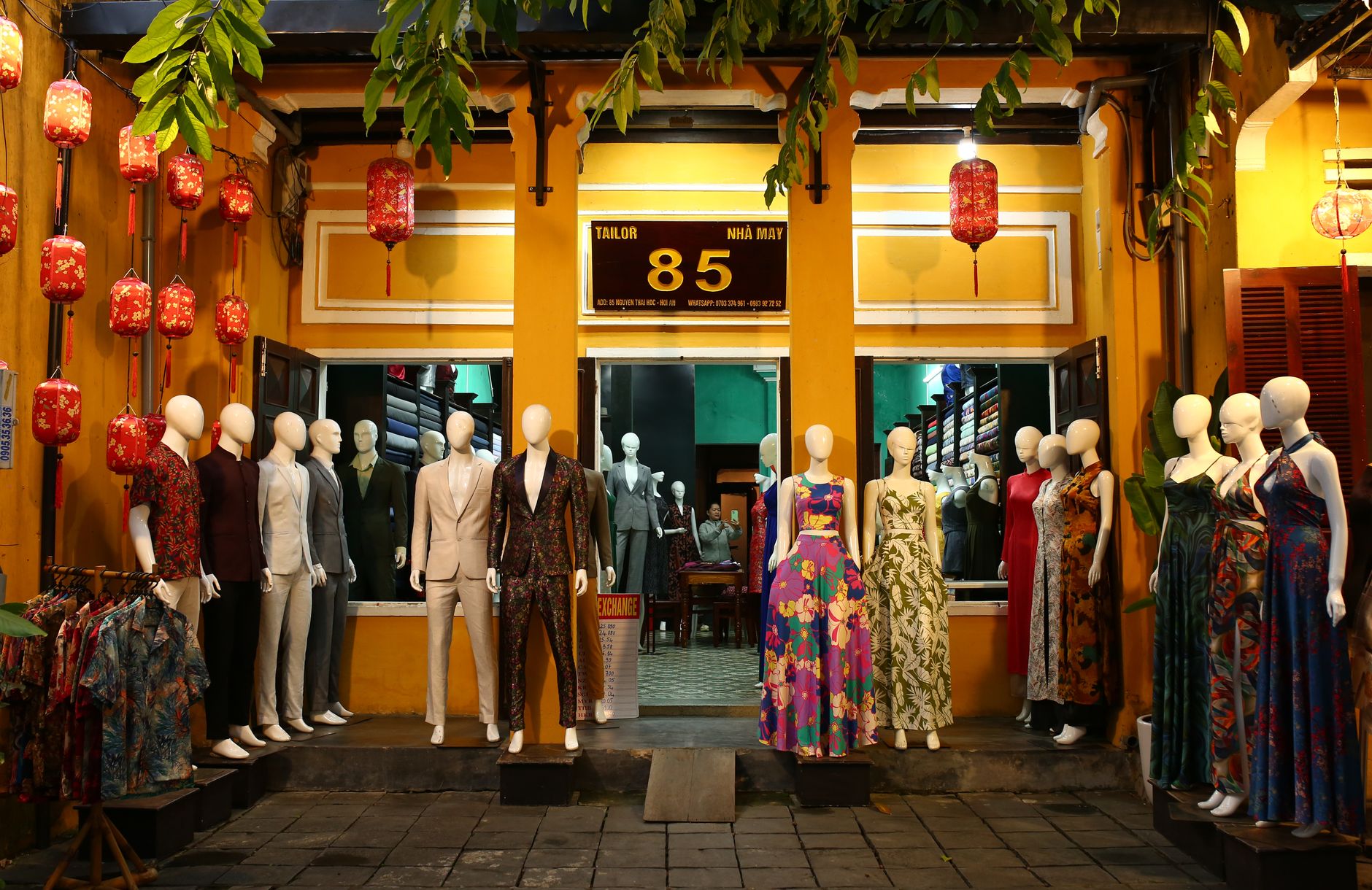
Hoi An's Ancient Town is a UNESCO site that actually deserves the designation. It's also genuinely crowded during daylight hours — peak tourism occurs 9am to 5pm when tour groups move through in synchronized blocks.
Visit at either end of the day. Go to Ancient Town before 8am or after 6pm, when street vendors light lanterns and crowds thin to locals. The architecture is Vietnamese Chinese fusion (17th–19th century) rather than pure imperial Vietnamese. Walk the covered Japanese bridge, browse the assembly houses (essentially clan headquarters), and observe actual shophouses operating as family homes and businesses.
The tailor consensus in guidebooks is overstated but not false. If you're staying three nights and want a tailored garment, the process works: day one consultation and fitting (free), day two construction, day three fitting. Quality varies widely; ask your guesthouse to recommend a tailor they actually use. Custom shirts or trousers run €15–30. The time investment is worth it only if you're genuinely interested; don't commission clothing out of obligation.
An Bang Beach lies 5km from Ancient Town. Rent a bicycle (€1–2 per day) or take a taxi (€2–3). The beach is actually shallow, sandy, and swimmable — a functional beach day rather than a postcard moment.
Hoi An has the best-value mid-range accommodation on this itinerary. Expect to pay €40–70 per night for a small boutique hotel within walking distance of Ancient Town — wooden shutters, locally sourced design, breakfast included. Hanoi mid-range costs the same for less distinctive properties.
Da Nang (optional detour): Marble Mountains
If you're spending a night in Da Nang (flight connection, rest day, beach preference), the Marble Mountains merit a half-day. Five limestone hills sit 20 minutes from the city centre. Climb Thuy Son (the largest) in one hour; the paths pass Buddhist caves and shrines. Entry is €1. Food stalls at the base sell incredibly cheap com tam (broken rice with grilled meats, €1–1.50).
Most standard two-week itineraries skip Da Nang altogether — it's primarily a transport hub and modern resort city rather than a cultural stop.
The Halong Bay question: why Ninh Binh was already the answer
Halong Bay, a UNESCO World Heritage site two hours northeast of Hanoi, is heavily marketed and heavily visited. Most conventional itineraries include an overnight cruise (€60–120 depending on operator). The marketing promises: limestone karst formations, hidden caves, pristine waters.
The reality: you'll see identical limestone formations in Ninh Binh at lower cost with more solitude. Halong Bay cruises carry 100–250 passengers per ship. The overnight experience is actually a floating hotel with group dynamics rather than an expedition. Operators vary wildly in quality; bad ones mean poor ventilation, thin walls, mediocre food.
If you have three weeks and want both the full tourist cruise experience and the landscape, Halong works. On a two-week itinerary, Ninh Binh delivers the same visual payoff with better value and fewer crowds. You're not missing something; you're choosing smarter logistics.
If you remain convinced Halong is essential: book a maximum 2-day cruise (one night, 3-4 passenger limit) with a reputable operator like Indochina Junk or Paradise Cruises. Book 3–4 weeks ahead; smaller vessels fill quickly.
Southern Vietnam: the flight question
From Da Nang onward, most overland transport to Ho Chi Minh City is inefficient. The coastal road meanders through Nha Trang and Dalat (each adding a night to the itinerary). Flying is faster and cheaper than transport + accommodation + meals.
Da Nang to Ho Chi Minh City: two routing options
Option 1 (recommended for this itinerary): fly Da Nang to Ho Chi Minh directly
- Flight time: 2 hours
- Cost: €40–70 return on Vietjet, VietnamAirlines, or Bamboo Airways
- Book 2 weeks ahead; prices spike for last-minute bookings
- Skip Nha Trang entirely — it's a developed beach resort town that mostly serves package tourists
Option 2 (if you want beach time): train Da Nang–Nha Trang, then fly to HCMC
- Da Nang to Nha Trang train: 8 hours, €12–18
- Nha Trang (1–2 nights) for swimming, snorkeling, or scuba diving
- Nha Trang to HCMC flight: 1 hour, €30–60
For a standard two-week itinerary prioritising culture and landscapes over beach days, Option 1 (direct flight) preserves time. For a trip that includes a dedicated beach stop, Option 2 makes sense.
Nha Trang itself is not unpleasant — it has reasonable seafood restaurants, functional beaches, and a busy nightlife scene. It's genuinely crowded with tour groups. If you want a beach stop, this is a reasonable choice. But it's not essential to a northern-to-southern cultural progression.
Ho Chi Minh City: 3 nights
The capital of the former South Vietnam is chaotic, crowded, loud, and worth three nights minimum.
Must-see, difficult sites:
- War Remnants Museum: an actual museum rather than propaganda, containing extensive documentation of the war from the North Vietnamese perspective. Photography of destroyed villages, weapons, casualties. This is powerful and intentionally difficult material. Allow 2–3 hours. Entry: €3.50.
- Ben Thanh Market: a covered market selling everything from produce to knock-off goods. Go early morning (6:30–8am) for locals and actual commerce rather than tourist theatre.
- Reunification Palace: the former presidential palace where the war ended in 1975. A 45-minute guided tour (€4) walks through the actual rooms, including the basement war room. The tour is genuinely interesting and run by actual staff.
Day trip: Cu Chi Tunnels Book through your hotel (€15–25 including transport). The tunnels are an elaborate underground network built by the Viet Cong from 1948 onward. You'll crawl through reconstructed tunnel sections (genuinely claustrophobic if you're large-framed), see actual booby traps, and hear the engineering explanation. It's informative rather than glorifying — the tour guides acknowledge the tunnels' role in the war without performing nationalism. Departure is usually 7:30am, return by 1pm.
Evening zones:
- District 1: Bui Vien Street is the backpacker quarter — cheap beer, loud music, international tourists. Legitimate if you want social nightlife; skip if you don't.
- District 1, Pasteur area: rooftop bars with city views, higher prices (€4–6 per drink), mixed Vietnamese and expat crowds.
- District 4: local seafood restaurants along the Saigon River. Pram Bo Nuong Muoi (charcoal-grilled squid with salt) is €4–6 per dish. This is functional eating rather than tourism experience.
Accommodation in HCMC ranges widely. Budget: €15–25 for dormitory or basic double. Mid-range: €60–100 for a proper hotel with air conditioning, hot water, breakfast. Luxury hotels (€150+) are actually good value compared to Western equivalents.
Optional: Mekong Delta (1 day from HCMC)
Book through your hotel (€20–30 including transport and boat tour). You'll spend a day on the delta waterways seeing floating villages, rice paper production, coconut candy manufacturing, and actual agricultural infrastructure. It's informative if you're curious about how the delta functions economically; it's not essential if you're timing-limited.
Tours typically depart 7am, return by 5pm. You'll spend 4–5 hours on boats. The experience is genuine — you're seeing actual livelihoods — but it's also a structured tourist route. Expect other tour groups.
Transport logistics and booking
Domestic flights:
- Operators: Vietjet (budget), VietnamAirlines (full service), Bamboo Airways (mid-tier)
- Booking: agoda.com, Skyscanner, or direct airline websites
- Lead time: 2–3 weeks for optimal pricing; 1 week before departure, prices spike
- Luggage: Vietjet includes 7kg carry-on; checked bags cost €8–12 extra
Trains:
- Network: Saigon Railway operates most tourist-relevant routes
- Booking: VietnamRailways.vn or Bookaway.com (international interface)
- Sleeper cabins: book 2–3 weeks ahead; 4-berth sleepers €20–35 per berth, 2-berth €35–50
- Seats: €5–15 on shorter routes, adequate but less comfortable
Buses:
- Operator: Futa Bus or Sinh Cafe (backpacker-oriented, reliable)
- Useful for: short routes (Hanoi–Ninh Binh, 2.5 hours, €3–5) or Mekong Delta
- Less useful for: long routes (cheaper than trains but 12+ hours becomes punishing)
Taxis and ride-hailing:
- Grab (Southeast Asia's Uber) operates in major cities; €2–5 for city journeys
- Metered taxis: negotiate before riding in smaller towns
- Private drivers: hotels can arrange for €40–60 per day
Budget breakdown for 14 nights
Budget tier (€40–60 per day):
- Accommodation: €15–25 (guesthouse double)
- Food: €8–15 (street food breakfast, market lunch, local restaurant dinner)
- Transport: €5–8 (buses, trains, local taxis)
- Activities: €5–10 (temple entry, boat tours, museum entry)
Mid-range tier (€70–100 per day):
- Accommodation: €45–70 (3-star hotel, locally sourced design)
- Food: €20–30 (sit-down restaurants, occasional Western meals)
- Transport: €10–15 (mix of buses, trains, occasional private taxi)
- Activities: €10–20 (guided tours, tailoring, museums)
Total budget for 14 nights:
- Budget traveller: €560–840
- Mid-range traveller: €980–1,400
Hanoi accommodation is cheapest (€20–35 budget, €50–80 mid-range). Hoi An offers the best mid-range value (€40–70 for quality, character). Ho Chi Minh City has the widest variance (€15–200+ depending on district).
Practical essentials
Visa: Vietnamese e-visas are available online through evisa.xuatnhapcanh.gov.vn. 45-day tourist visa costs €25. Apply at least 3 days before departure; most approvals arrive within 2–3 business days. You'll receive a PDF that you present on arrival.
Currency and payments: Vietnamese Dong (VND). €1 ≈ 26,000 VND. Carry cash for street vendors, local transport, and markets. ATMs are widespread in cities; withdraw in batches to minimize fees. Credit cards work in hotels, chain restaurants, and Western-focused shops; expect 3% surcharge.
Power and connectivity: Standard voltage is 220V. Plugs are European two-pin (Type A and C). Bring a universal adapter. SIM cards (Viettel, Mobifone, Vinaphone) cost €1–2 and include 4G data. Buy at any phone shop or airport; activation is immediate.
Health and insurance: Register for travel insurance before departure. Motorbike accidents are the primary injury mechanism for tourists (don't rent if inexperienced). Food safety is high in established restaurants; avoid raw ice in rural areas. Tap water is generally not drinkable — buy bottled water (€0.50 per litre). Pharmacies are common in cities; antibiotics are available without prescription (but use judgment).
Language: English is spoken in tourist zones and hotels. Learn basic Vietnamese phrases: "Xin chào" (hello), "Cảm ơn" (thank you), "Bao nhiêu tiền?" (how much?). Showing effort is appreciated; most people will respond patiently.
Timing and weather
November through April covers the country reasonably well. The north (Hanoi, Ninh Binh) is coolest November–February (15–20°C daytime); some travellers find it too cool for swimming but it's ideal for walking and exploration. Central Vietnam (Hue, Hoi An, Da Nang) is best January–August; October–December brings heavy rain that can disrupt activities without preventing travel. The south (Ho Chi Minh City, Mekong Delta) is warm year-round; rainy season runs June–November but rarely halts travel entirely.
For a north-to-south itinerary, January–March provides the most consistent conditions across all regions. February is popular and accommodation books early. November and March–April are less crowded with similar conditions.
Who should take this itinerary: independent travellers comfortable with basic logistics (train booking, navigating without English signage) who want a north-south progression through landscape and cultural history without rushing. Bring 14 days minimum; three weeks would allow an extra night per major stop and a genuine pause day. Go January–March for the most reliable weather across all regions.