Showing 25–36 of 41 articles

9 March 2026
thailandKoh Samui Travel Guide: The Honest First-Timer's Briefing
Koh Samui is Thailand's second-largest island and the first major coastal resort destination that actually has functioning infrastructure: an airport, a hospital, internet that doesn't cut out mid-email, and seven-elevens on every corner. It's not the backpacker hideout it was 20 years ago. It's a developed beach island that works for families, couples, and anyone who wants reliable services alongside sand — but that reliability comes with crowds, higher prices, and a taxi cartel that prices journeys with the efficiency of a Stockholm auction house.
Henrik Vinter

8 March 2026
thailandKoh Phi Phi: What First-Timers Need to Know
Phi Phi is two islands with entirely different purposes, and confusing the two ruins most people's visits. Phi Phi Don—the inhabited one—receives roughly three thousand visitors daily and hosts what Thailand's backpacker circuit calls a "full-on party scene," which is accurate in Tonsai Village but misleading if you stay on Hat Yao. Phi Phi Leh, uninhabited except for day-trippers, is the postcard: Maya Bay and its surrounding snorkel circuit. The decision isn't whether Phi Phi is worth visiting—it's whether you're buying the full experience or just the snorkeling.
Henrik Vinter

2 March 2026
thailandPhuket Travel Guide: What First-Timers Get Wrong
Phuket is Thailand's largest island and its most visited — which means it contains both the country's most developed resort infrastructure and some of its most degraded beach environments side by side. Where you stay determines which Phuket you experience. The island has split into distinct zones: Patong, the neon-bright resort strip; Kata and Karon, quieter southern beaches; Bang Tao and Kamala in the north, where higher-end hotels cluster; Rawai and Nai Harn to the south, for those wanting less tourism density; and Phuket Town itself, a genuine old commercial centre that most beach-focused visitors skip. Understanding these geographies is the difference between a productive stay and wasting transport time chasing a beach experience that doesn't match your pace.
Henrik Vinter
28 February 2026
thailandKoh Mak vs Koh Kood: Which Is Worth the Extra Journey?
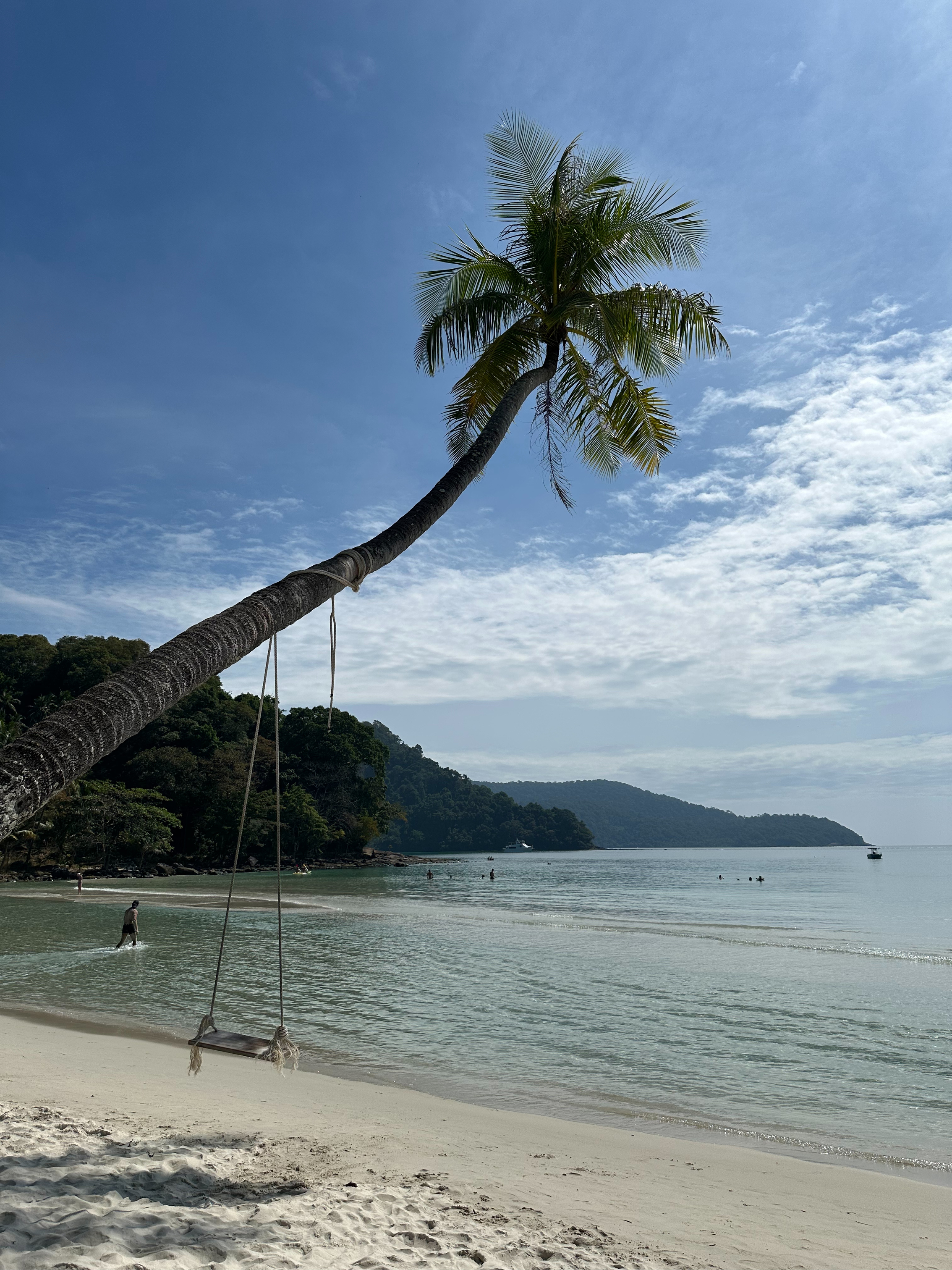
Koh Mak's speedboat from Laem Ngop takes one hour; Koh Kood takes 1.5–2 hours and sometimes runs just once daily. The difference sounds minor until you're holding a ticket for a boat that won't return for three days. Both islands reject Thailand's party-scene formula, but they solve the problem differently: Koh Mak is the answer if you want quiet Thailand accessible; Koh Kood is the answer if you want quiet Thailand remote.
Henrik Vinter
28 February 2026
thailandOne Week in the Koh Chang Archipelago: A Practical Island-Hopping Route
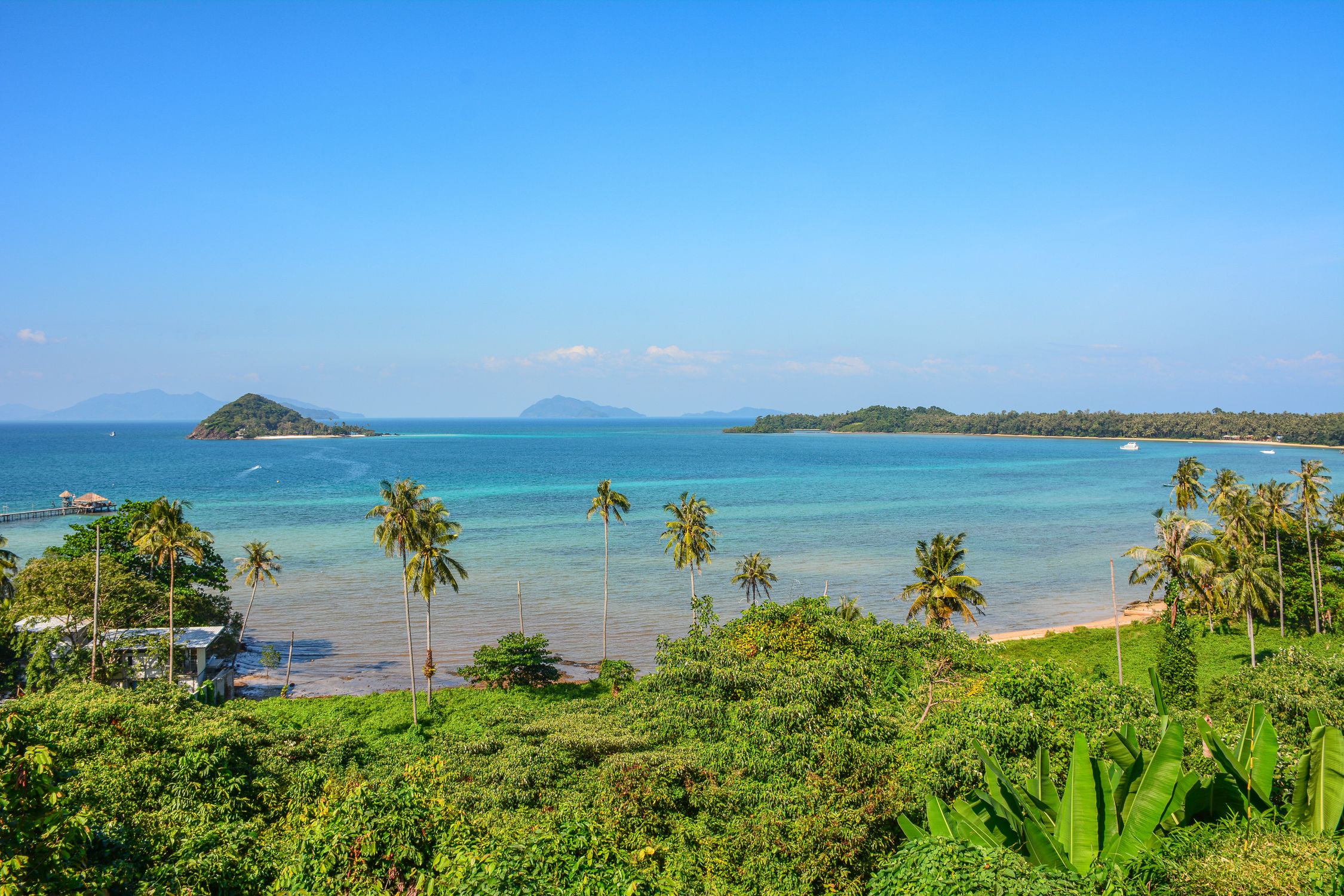
A week in the Koh Chang archipelago requires accepting that getting there consumes most of a travel day: Bangkok to Koh Chang takes five and a half to seven hours via bus and ferry, and returning to Bangkok from Koh Kood means a two-hour speedboat to Laem Ngop plus another five hours overland—or a flight from Trat Airport. This itinerary assumes seven full nights away from Bangkok, treating the arrival and departure days separately.
Henrik Vinter
27 February 2026
thailandKoh Chang vs Koh Mak: Two Islands, Very Different Trips
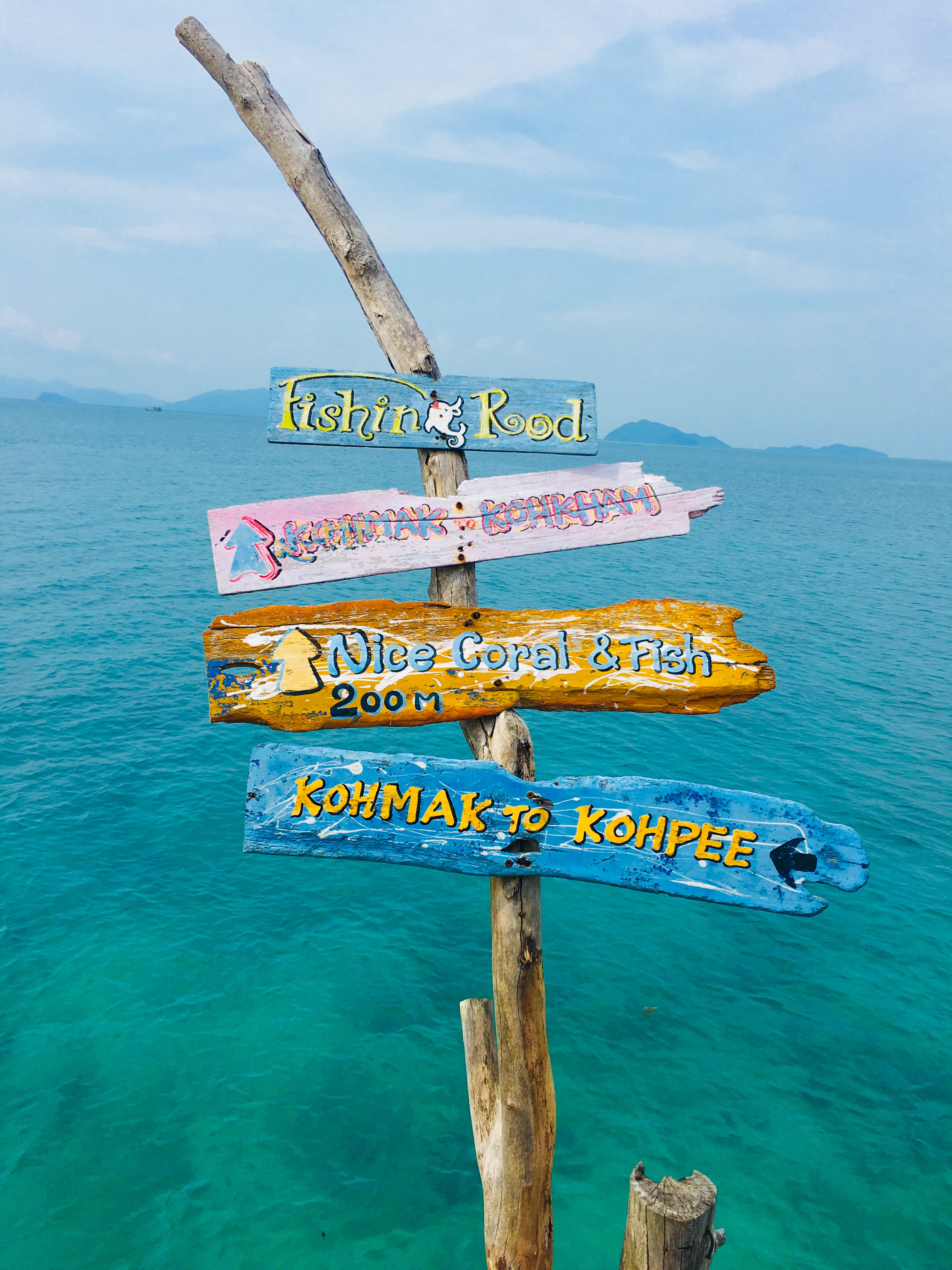
Koh Chang is Thailand's second-largest island at 429 sq km with a paved ring road, 7-Elevens, pharmacies, a hospital, and bars that stay open past midnight. Koh Mak is 16 sq km with one unreliable ATM, no nightlife, and restaurants that close at 9pm. This isn't a quality difference — it's a purpose gap. You pick based on whether you want infrastructure and options or silence and simplicity.
Henrik Vinter
26 February 2026
thailandWhere to Stay on Koh Chang: An Honest Area-by-Area Guide
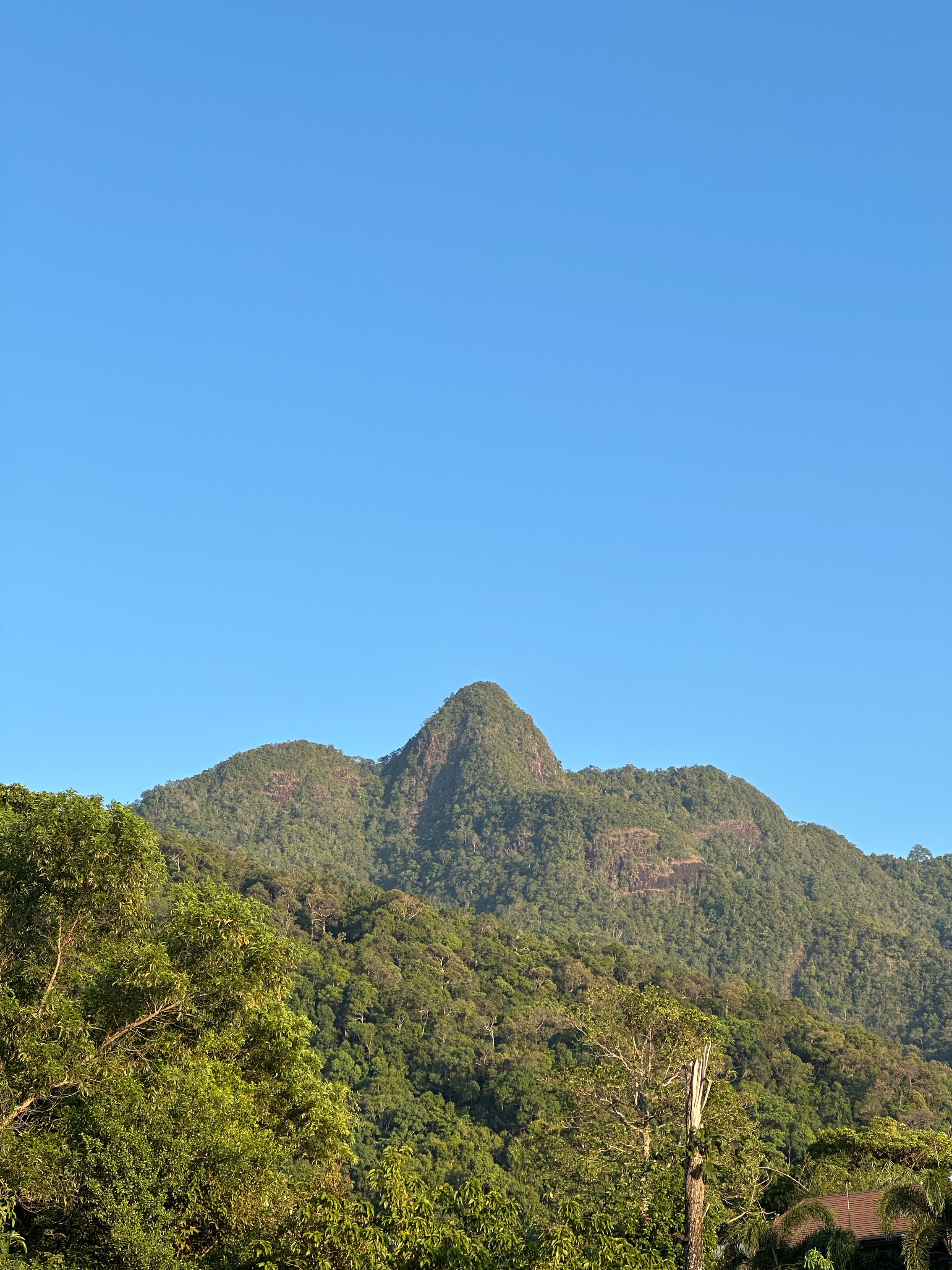
Koh Chang's main beaches run along the northwest and west coast in a clear south-bound sequence from the ferry piers: Klong Son, White Sand Beach, Klong Prao, Kai Bae, Lonely Beach, and Bang Bao. The main road (Route 4049) connects them — each beach is five to fifteen minutes by songthaew from the last. The island's mountainous interior is undeveloped; the east coast has almost no tourist infrastructure. This means your choice of beach effectively determines your entire stay: each area has its own character, price tier, and crowd level. Pick the wrong one and you'll spend your trip driving between beaches.
Henrik Vinter
26 February 2026
thailandBangkok for First-Timers: What the City Is Actually Like
Bangkok's defining feature isn't its temples or night markets — it's the friction of moving through it. The BTS Skytrain covers maybe a third of the city; everything else requires planning. Traffic is so severe that a 3km journey in a tuk-tuk can take 40 minutes. The areas worth visiting are scattered across different districts, connected by overlapping transport networks that don't always overlap where you need them to. Spontaneity works against you here. The travellers who enjoy Bangkok are the ones who accept this upfront and build routes around it, not around a mental map of "must-sees."
Henrik Vinter

25 February 2026
thailandHow to Get to Koh Chang (and the Smaller Islands): Ferries, Routes, and What Changes by Season
Getting to Thailand's eastern Gulf islands requires accepting that Trat Province sits 315km east of Bangkok, just 15km from the Cambodian border — this is not a quick day trip. Plan 5.5–8 hours door-to-beach from central Bangkok depending on your route, plus another 1–2 hours if continuing to Koh Mak or Koh Kood. Most travellers underestimate this distance and arrive exhausted or miss tidal windows for onward ferries.
Henrik Vinter

24 February 2026
thailandBest Time to Visit Koh Chang: Month-by-Month Weather and Crowd Guide
Koh Chang follows the Gulf of Thailand weather pattern — completely different from the Andaman coast just a few hundred kilometres away — yet most traveller guides treat the entire country as a single climate zone. When Phuket and Krabi are drying out from their monsoon (May–October), Koh Chang and its neighbours Koh Mak and Koh Kood are saturated. The dry season runs November–April everywhere, but the monsoon dynamics shift. Using a generic Thailand weather guide for Koh Chang will lead to poor timing decisions.
Henrik Vinter
24 February 2026
thailandKoh Mak: The Quiet Thai Island Most Itineraries Skip
Koh Mak is Thailand's answer to "what if we made an island smaller and slower." Sixteen square kilometres, no nightlife, one traffic light that doesn't work because traffic is irrelevant, and a deliberate scarcity of the infrastructure that defines other Thai islands. The selling point is what's missing — bars until midnight, pharmacies on every corner, reliable mobile signal. If you need those things, Koh Chang is 90 minutes west and has them all. Koh Mak trades convenience for genuine quietness.
Henrik Vinter
22 February 2026
thailandKoh Chang Travel Guide: What First-Timers Need to Know
Koh Chang is a 429 sq km mountainous island in Trat Province, eastern Thailand, where 70% is protected national park jungle—but this doesn't mean undeveloped. White Sand Beach on the northwest coast has 7-Elevens, proper hotels, and busy bars, yet 20 minutes south by songthaew you're in genuine forest with waterfalls and empty roads. It's a working island, not a resort construct, which means better value and fewer crowds than the Andaman coast, but also fewer English speakers and less tourist infrastructure than Phuket or Pattaya.
Henrik Vinter