Showing 145–156 of 260 articles

24 March 2026
japanJapan Rail Pass: Is It Worth It for Your Trip?
The fastest Shinkansen trains between Tokyo and Osaka—the Nozomi services—don't accept the Japan Rail Pass. Only the slower Hikari trains are covered. On this route, that's a difference of 50 minutes (Nozomi: 2h 25m vs. Hikari: 3h 15m). If your itinerary relies on Nozomi for speed, the JR Pass math changes immediately.
Henrik Vinter

24 March 2026
greeceAthens Travel Guide: What First-Timers Actually Need to Know
Athens is a city that underwhelms before it corrects itself. The first impression—traffic, dust, a chaotic centre scarred by 1960s concrete—gives way to something more textured: an ancient city that feels genuinely inhabited rather than preserved for visitors. The Acropolis is real and worth seeing. The food is excellent. And the neighbourhoods south of the centre—Koukaki, Mets, Pangrati—are what the travel photography never captures. Most first-timers spend two days chasing monuments and miss the Athens that actually exists below the hill.
Henrik Vinter
23 March 2026
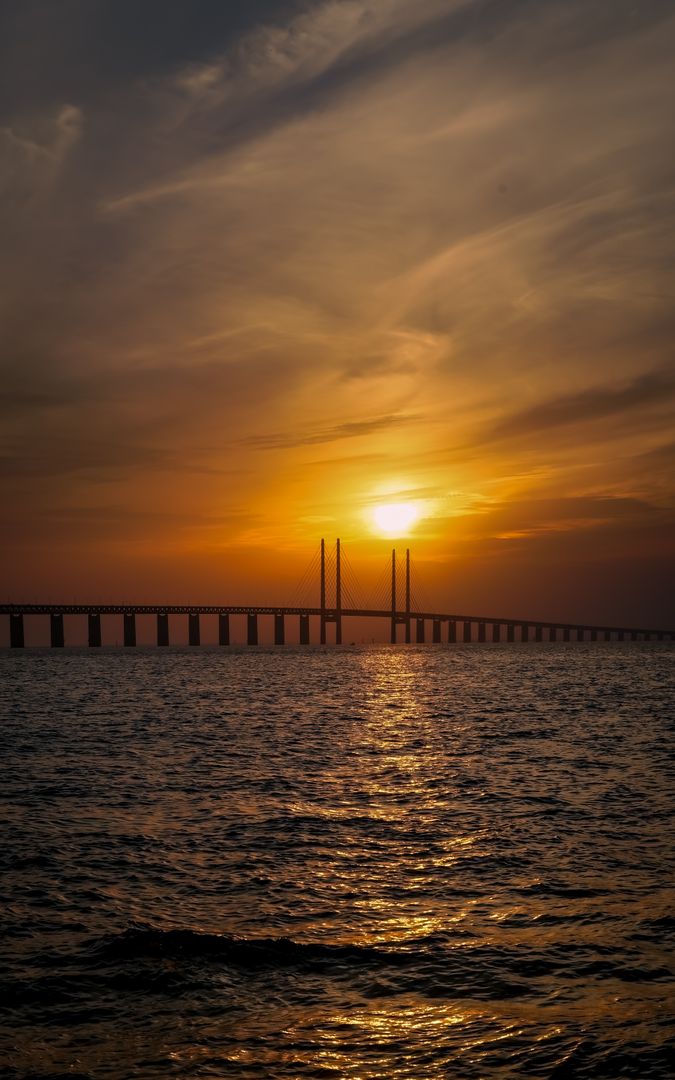
swedenMalmö Travel Guide: The City Where Sweden Meets Denmark
Malmö sits at the southern tip of Sweden, connected to Copenhagen by the Öresund Bridge. Smaller and less-visited than Stockholm or Gothenburg, it makes a compelling stop for the old town, the waterfront architecture, and one of the most varied food cultures in Scandinavia.
Henrik Vinter

22 March 2026
japanNara Day Trip from Kyoto or Osaka: Deer, Temples, and How to Do It
Nara was Japan's first permanent capital from 710–794 AD and is now home to 370,000 people and over 1,200 freely roaming sika deer. The deer are the draw — they will bow, headbutt you for crackers, and occasionally eat your map. It is exactly what it sounds like, and it is excellent. Most visitors from Kyoto or Osaka can see the essential sights in three to four hours, though the experience easily stretches to a half day. The question isn't whether to go — it's how to fit it into your existing itinerary without wasting time.
Henrik Vinter

22 March 2026
japanJapan on a Budget: What Things Cost and Where to Save
Japan costs roughly 60% of what a comparable trip to London, Paris, or Sydney costs in 2026, and this gap has widened since 2023 due to yen weakness. A mid-range traveller spends £40–65 per day on everything except long-distance trains and accommodation—substantially less than the same itinerary in Western Europe. The persistent myth that Japan is prohibitively expensive dates from 2010–2015, when the yen was strong and budget options were genuinely scarce. In 2026, with a weak yen hovering around 150–155 to the US dollar and 190–200 to the pound, and with capsule hotels, business hotel chains, and ramen culture thriving, Japan is one of the most sensible budget destinations in developed Asia.
Henrik Vinter

21 March 2026
japanHakone and Mount Fuji: The Practical Guide
Mount Fuji is hidden by cloud approximately 60% of the time year-round. This single fact should shape your entire itinerary. If you plan to see the mountain from a summit or base viewpoint, allocate multiple days in the Hakone and Fuji area, or accept that you may see nothing but grey. The mountain is most visible in October and during clear spells in December to February. If you're set on summiting, July to early September is the only window — and even then, you'll climb into cloud cover roughly half the time. The area remains rewarding without Fuji views: Hakone itself is a functional mountain resort with geothermal water, ropeway access to volcanic vents, and an excellent open-air museum. But the Fuji element is the draw, and pretending otherwise leads to disappointment.
Henrik Vinter
20 March 2026
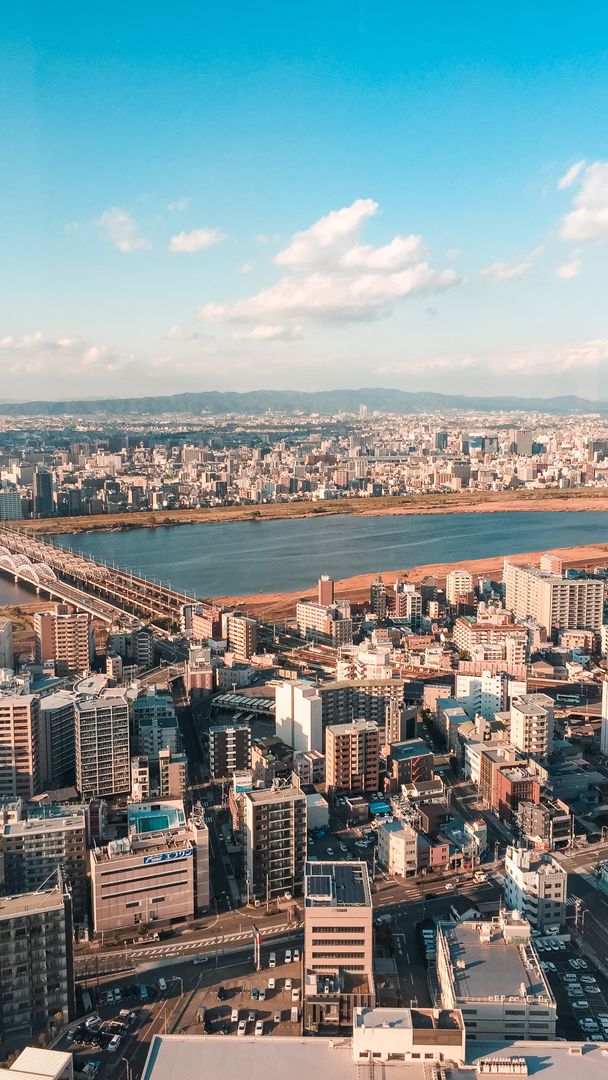
japanOsaka Travel Guide: Food, Neighbourhoods, and What the City Is Actually Like
Osaka's reputation outside Japan is as Tokyo's louder, messier cousin — a characterization that misses the point entirely. The city that other Japanese cities consider too direct, too loud, too willing to talk to strangers. Local saying: "Kyoto people are subtle, Osaka people are direct." The food is richer, the humour sharper, and the street energy closer to Hong Kong or Naples than to Tokyo's contained precision. For many long-term Japan visitors, it is the most approachable Japanese city — and the only one where pointing at a menu and grunting is not just acceptable but expected.
Henrik Vinter
20 March 2026
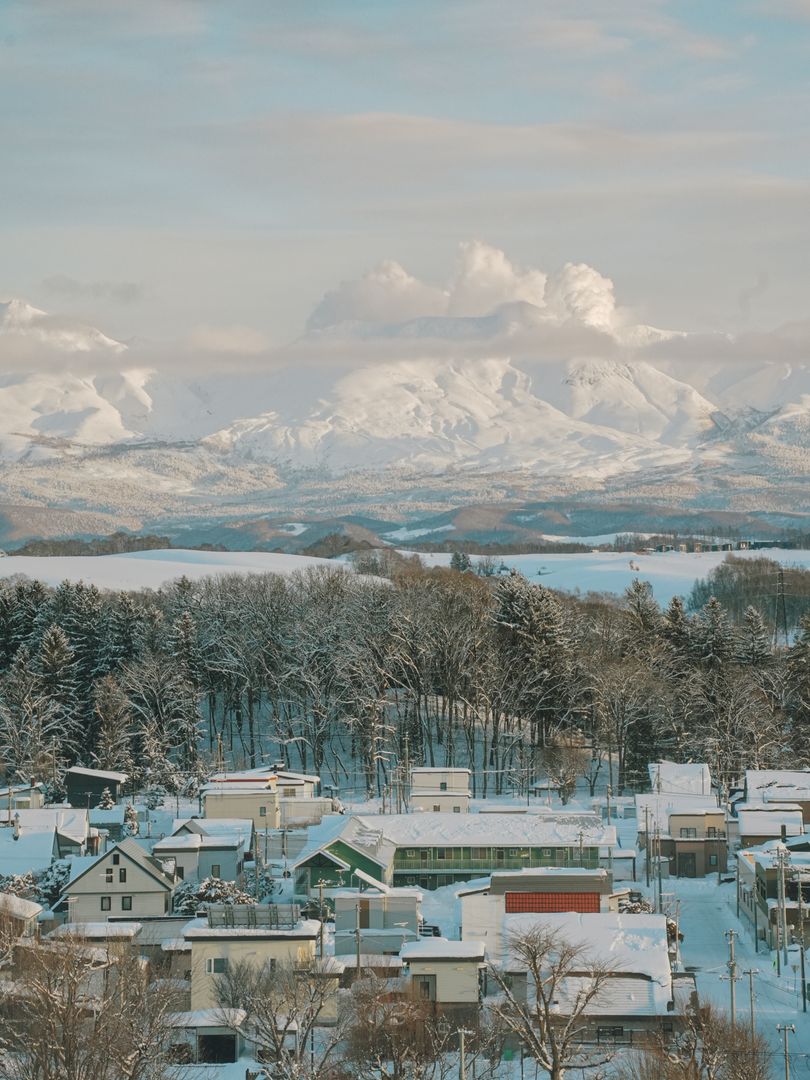
japanHokkaido Travel Guide: Japan's Wild North
Hokkaido is not a smaller version of Honshu — it is a fundamentally different Japan. The island covers 22% of Japan's land area but holds only 4% of the population. The climate is subarctic: winters drop to −10°C in Sapporo, −20°C in rural valleys, with annual snowfall exceeding 15 metres in ski zones. Summers stay dry and mild (20–25°C), free of the humidity that makes Tokyo in July oppressive. This is a choice between two entirely separate Japan experiences, separated by geography and season.
Henrik Vinter

19 March 2026
japanHiroshima and Miyajima: What to Know Before You Visit
Hiroshima is simultaneously a modern, well-functioning city of 1.2 million people and the site of the world's first atomic bomb attack on August 6, 1945. Visiting requires some capacity to sit with that contradiction. The Peace Memorial Museum does not simplify or sanitise the event. If you approach it with that expectation, it becomes one of the most worthwhile museum visits in Japan—not as tourism, but as necessary witness.
Henrik Vinter

18 March 2026
japanKyoto Travel Guide: What First-Timers Actually Need
Kyoto holds 17 of Japan's UNESCO World Heritage Sites and more temples than any comparable city in the world — 1,700+ temples and shrines scattered across a basin the size of Greater London. The central problem isn't finding things to do. It's deciding how many temples you can genuinely appreciate before they blur into architectural repetition. Two full days is the practical minimum to see the main sites without a sense of rushing. Three days is the threshold where you can actually spend time in places instead of collecting them.
Henrik Vinter
18 March 2026
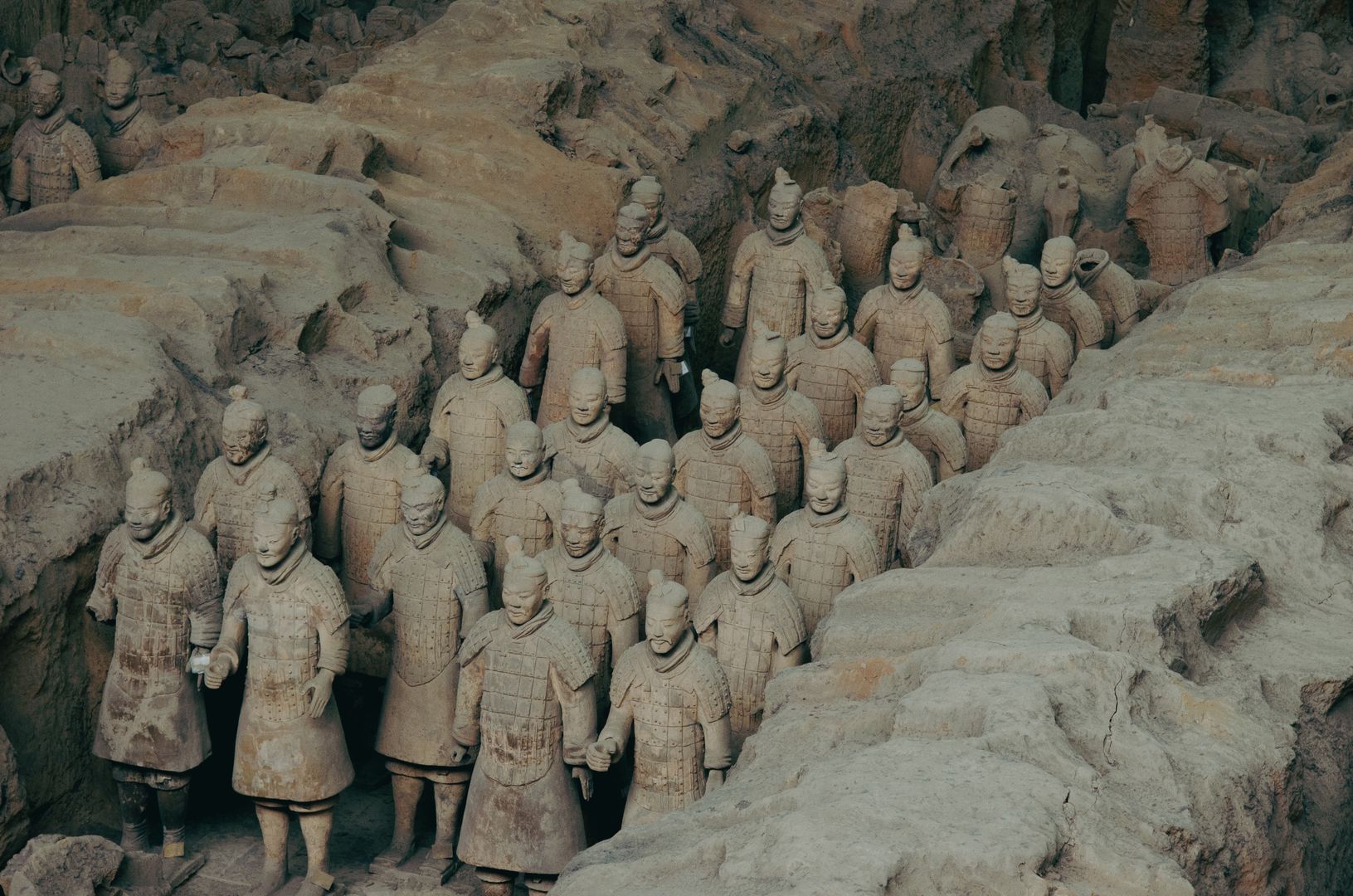
chinaXi'an Travel Guide: Terracotta Army, City Walls, and the Muslim Quarter
Xi'an was China's capital for over a thousand years and the eastern terminus of the Silk Road. The Terracotta Army alone justifies the trip, but the ancient city walls and the Muslim Quarter make Xi'an worth more than a day.
Henrik Vinter

17 March 2026
thailandAyutthaya Day Trip from Bangkok: Ancient Temples and River Ruins
Ayutthaya was the capital of Siam for 417 years until Burmese forces sacked it in 1767. The ruins covering the island—surrounded by three rivers—are a UNESCO World Heritage Site and Southeast Asia's most historically significant archaeological complex. Eighty kilometres from Bangkok, it's reachable by train in 90 minutes, making it the most straightforward day trip from the capital.
Henrik Vinter